中国太平

Search documents
招商证券:非银金融25Q3保险资金运用规模突破且有望继续提升
智通财经网· 2025-11-19 03:44
Core Insights - The report from China Merchants Securities indicates that by Q3 2025, the scale of funds utilized by insurance companies will exceed 37 trillion, with a notable shift in asset allocation as bond holdings decline and stock investments rise to over 10% for the first time [1][3] Group 1: Insurance Company Fund Utilization - As of Q3 2025, the total funds utilized by insurance companies reached 37.46 trillion, marking a year-to-date increase of 12.6% and a quarter-on-quarter increase of 3.4% [1] - The balance of life insurance companies' funds was 33.73 trillion, also reflecting a year-to-date increase of 12.6% and a quarter-on-quarter increase of 3.5%, accounting for 90.0% of the industry [1] - Property insurance companies held 2.39 trillion, with a year-to-date increase of 7.5% and a quarter-on-quarter increase of 1.8%, representing 6.4% of the industry [1] Group 2: Fixed Income Investment - The bond allocation has decreased for the first time since 2022, with a total bond balance of 18.18 trillion, reflecting a net increase of 2.25 trillion in the first three quarters, but a slight decline in percentage to 50.3% [2] - Bank deposits decreased to 2.86 trillion, with a net reduction of 475 billion in the first three quarters, and a significant quarterly drop of 1.588 trillion, reducing the allocation to 7.9% [2] - Other investments, primarily non-standard, totaled 6.64 trillion, with a net decrease of 1.279 trillion in the first three quarters, and a quarterly increase of 592 billion, leading to a continued decline in allocation to 18.4% [2] Group 3: Equity Investment - The stock allocation has surpassed 10% for the first time, with a total stock balance of 3.62 trillion, reflecting a net increase of 1.19 trillion in the first three quarters and a quarterly increase of 552.5 billion [3] - The balance of securities investment funds reached 1.97 trillion, with a net increase of 2.933 trillion in the first three quarters and a quarterly increase of 3.115 trillion, slightly recovering to 5.5% [3] - Long-term equity investments totaled 2.84 trillion, with a net increase of 3.794 trillion in the first three quarters and a quarterly increase of 919 billion, maintaining a stable allocation of 7.9% [3] Group 4: Specific Performance of Insurance Capital - By the end of Q3, the insurance capital heavily invested in the banking sector, which accounted for 51.6% of their A-share holdings, while the transportation sector saw a decrease to 9.3% [4] - The banking sector saw the largest increase in allocation, up 6.1 percentage points, while the transportation sector experienced the largest decrease, down 1.5 percentage points [4] - Major stock holdings included Agricultural Bank of China, Minsheng Bank, and China Unicom, with an average dividend yield of 4.3% [4] Group 5: Investment Recommendations - The industry is expected to maintain a double-digit growth in fund utilization by 2025, with a cautious increase in equity allocation [6] - Long-duration bonds will continue to be a crucial source of income for insurance companies [6] - Recommended stocks include China Taiping, China Ping An, and China Life, with a focus on the long-term investment value of China Property & Casualty [6]

保险资产配置交流
2025-11-19 01:47
Summary of Insurance Asset Allocation Conference Call Industry Overview - The insurance industry is experiencing a significant shift in asset allocation, with a notable increase in equity investments. The overall allocation in stocks, funds, and long-term equity investments has reached 23%, approaching the regulatory limit of 30% [1][3]. Key Insights Asset Allocation Trends - Leading insurance companies have a secondary equity allocation ratio between 10% and 15%, with some aggressive firms nearing 20%. Overall returns for large insurers have exceeded 20% this year [2][3]. - Smaller insurance companies show significant differentiation; while some maintain high equity positions for higher returns, many are forced to reduce their positions due to solvency pressures [1][3][5]. Future Projections - By 2026, the equity central tendency for listed insurance companies is expected to range between 14% and 17%, with a potential increase of 4-5 percentage points in large equity allocations [1][6]. - Major state-owned enterprises are expected to increase their allocation to dividend stocks and high-yield assets, potentially through private equity funds [1][4]. Investment Strategies - Companies like Ping An and Taikang are leaning towards OCI (Other Comprehensive Income) and high-dividend assets, with Ping An replacing long-term bonds with stock allocations [1][6][7]. - The investment styles of various companies differ significantly; for instance, Xinhua focuses on growth, while China Life adopts a more balanced approach [8][9]. Regulatory and Market Influences - The low interest rate environment poses challenges for insurance companies, affecting their solvency and investment strategies. Future policy adjustments may alleviate some of these pressures [19][21]. - The anticipated implementation of new accounting standards in 2026 may lead to increased demand for dividends and OCI, impacting asset allocation strategies across the industry [10][24]. Additional Considerations - The selection criteria for OCI investments are becoming stricter, focusing on high and stable dividend yields, low volatility, and strong liquidity [12][14]. - There is a growing trend towards using ETFs and external management to enhance investment capabilities, particularly in technology and healthcare sectors [13][18]. - The disparity in investment strategies between state-owned and private insurance companies reflects varying levels of market understanding and internal conditions [5][22]. Conclusion - The insurance sector is navigating a complex landscape of regulatory pressures, market dynamics, and evolving investment strategies. The focus on equity investments, particularly in high-dividend and growth sectors, is expected to continue shaping the industry's asset allocation in the coming years.
港股收评:三大指数再跌,恒科指跌1.93%!黄金股大跌
Ge Long Hui· 2025-11-18 08:39
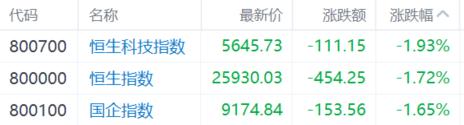
Market Overview - On November 18, global financial markets experienced a collective decline due to multiple factors affecting market risk sentiment, with Hong Kong's three major indices showing weakness throughout the day. The Hang Seng Index fell by 1.72%, closing below the 26,000-point mark, while the Hang Seng China Enterprises Index and the Hang Seng Tech Index dropped by 1.65% and 1.93%, respectively [1][2]. Sector Performance - Concerns over overvaluation in artificial intelligence have led to a continued decline in technology stocks. The spot gold price briefly fell below $4,000, causing significant drops in gold and non-ferrous metal stocks, with Lingbao Gold experiencing a nearly 9% decline. The steel sector also faced notable declines due to significant price drops throughout the year [2][5]. - The steel sector led the declines, with China Hanking down over 9%, Maanshan Iron & Steel down over 7%, and several other steel companies experiencing declines of over 5%. A report from CITIC Construction indicated that the steel price is expected to decline significantly by 2025 due to supply-demand mismatches and weakened cost support [5][6]. - The gold sector saw substantial losses, with Lingbao Gold down nearly 9% and other gold mining companies also experiencing declines of over 5% [6][8]. - The lithium battery sector continued to decline, with major companies like Cai Ke New Energy and Zhong Chuang Innovation falling over 10% and 8%, respectively [10]. - The automotive sector faced a downturn, with sales data indicating a 0.8% year-on-year decline in retail sales for October, and a significant drop in November sales figures [11][12]. Investment Trends - Southbound funds recorded a net inflow of HKD 7.466 billion, with the Shanghai-Hong Kong Stock Connect and Shenzhen-Hong Kong Stock Connect seeing net purchases of HKD 2.745 billion and HKD 4.721 billion, respectively [15]. - Looking ahead, Guosen Securities noted that the upcoming Central Economic Work Conference in December will set the tone for macro policies and key tasks for the following year, influencing investment strategies and stock valuations [17].




2026年保险行业策略报告:高弹性标签助力板块破圈,看好资负两端改善趋势-20251118
Shenwan Hongyuan Securities· 2025-11-18 06:53
Core Insights - The insurance sector is characterized by a "high elasticity" label, with a significant profit increase driven by investment performance, as evidenced by a 68% year-on-year profit growth in Q3 2025, with investment performance contributing 79% of the pre-tax profit increment for the first three quarters [3][11][12] - The "14th Five-Year Plan" emphasizes strong rule of law, strict regulation, risk mitigation, and development promotion, indicating a strategic focus on enhancing the legal framework and regulatory environment for the insurance industry [3][27][28] - The ongoing "anti-involution" policy is expected to boost dividend insurance, while property insurance is undergoing comprehensive governance to improve high-risk insurance types [3][19][27] - The strategic positioning of insurance assets is evolving, with a notable increase in stock and fund investments by listed insurance companies, projected to reach an additional 875.2 to 943.4 billion yuan in A-shares from 2025 to 2027 [3][11][19] - The insurance sector's valuation recovery is anticipated to continue, with recommendations to focus on undervalued, high-elasticity stocks such as China Life, Ping An, and others [3][19][21] Review of Performance - The insurance sector index has risen by 13.5% since the beginning of the year, underperforming the CSI 300 index by 4.1 percentage points [6][10] - In Q3 2025, the total net profit of listed insurance companies reached 426 billion yuan, a year-on-year increase of 33.5%, with significant contributions from investment performance [11][12][19] Policy Outlook - The "15th Five-Year Plan" outlines key directions for the insurance industry, focusing on high-quality development, technological independence, and comprehensive reform [24][28] - The regulatory environment is expected to remain stringent, with a focus on risk mitigation and the promotion of sustainable growth in the insurance sector [27][31] Liability and Asset Management - The "anti-involution" policy is driving a shift towards dividend insurance, while property insurance is seeing a rationalization of competition [3][19][27] - The strategic focus on asset allocation is expected to enhance the investment capabilities of insurance funds, with a projected increase in equity market allocations [3][11][19] Investment Recommendations - The report suggests maintaining a focus on undervalued, high-elasticity stocks within the insurance sector, highlighting companies such as China Life and Ping An as key investment opportunities [3][19][21]


港股收评:三大指数齐跌,科技金融普遍弱势,军工股拉升,锂矿股强势!赣锋锂业涨近9%,天齐锂业涨超5%
Ge Long Hui· 2025-11-17 08:31
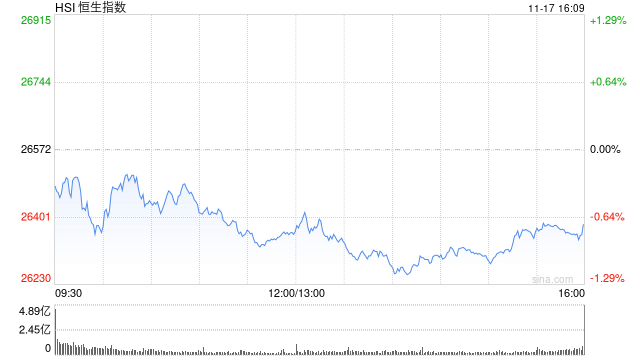
Group 1 - Major technology stocks, large financial institutions, and state-owned enterprises are underperforming, contributing to market decline, with Baidu dropping over 7% last Friday and nearly 3% again [1] - The aluminum, copper, and gold sectors are experiencing declines, alongside biopharmaceuticals, Apple-related stocks, building materials, cement, brain-computer interface concepts, and domestic real estate stocks [1] Group 2 - Lithium carbonate futures hit the upper limit, with lithium mining stocks rising against the trend, while military stocks showed significant gains, with China Shipbuilding Defense rising by nearly 9% [3] - Consumer stocks, including dairy products and three-child policy-related stocks, are performing actively, with slight increases in China Feihe and Mengniu Dairy [3] Group 3 - The Hong Kong stock market indices are showing weak performance, with the Hang Seng Index down 0.71% to 26,384 points, the Hang Seng China Enterprises Index down 0.74% to 9,328 points, and the Hang Seng Tech Index down 0.96% to 5,756 points, marking two consecutive days of decline [4]

港股收评:三大指数齐跌,科技金融普遍弱势,军工股拉升,锂矿股强势
Ge Long Hui· 2025-11-17 08:17
Market Performance - The Hong Kong stock market indices showed weak performance, with the Hang Seng Index down 0.71% to 26,384 points, the Hang Seng China Enterprises Index down 0.74% to 9,328 points, and the Hang Seng Tech Index down 0.96% to 5,756 points, marking a consecutive decline for two days [1] Sector Performance - Major sectors such as large technology stocks, large financials (banks, insurance, brokerage), and state-owned enterprises dragged the market down, with Baidu falling nearly 3% after a previous drop of over 7% [1] - The non-ferrous metals sector, including aluminum, copper, and gold, experienced declines, while biopharmaceutical stocks, Apple concept stocks, building materials, brain-computer interface concept stocks, and domestic real estate stocks also fell [1] Notable Movements - Conversely, lithium carbonate futures hit the daily limit, leading lithium mining stocks to rise against the trend, while military industry stocks saw significant gains, with China Shipbuilding Industry Corporation rising by 9% at one point [1] - Consumer stocks, including dairy and three-child policy concept stocks, showed active performance, with China Feihe and Mengniu Dairy experiencing slight increases [1] - The number of flights from mainland China to Japan significantly decreased, resulting in airline stocks opening lower but recovering during the day [1]
贯通金融动脉 互联互通赋能大湾区建设丨魅力湾区·相约南沙
券商中国· 2025-11-13 07:03
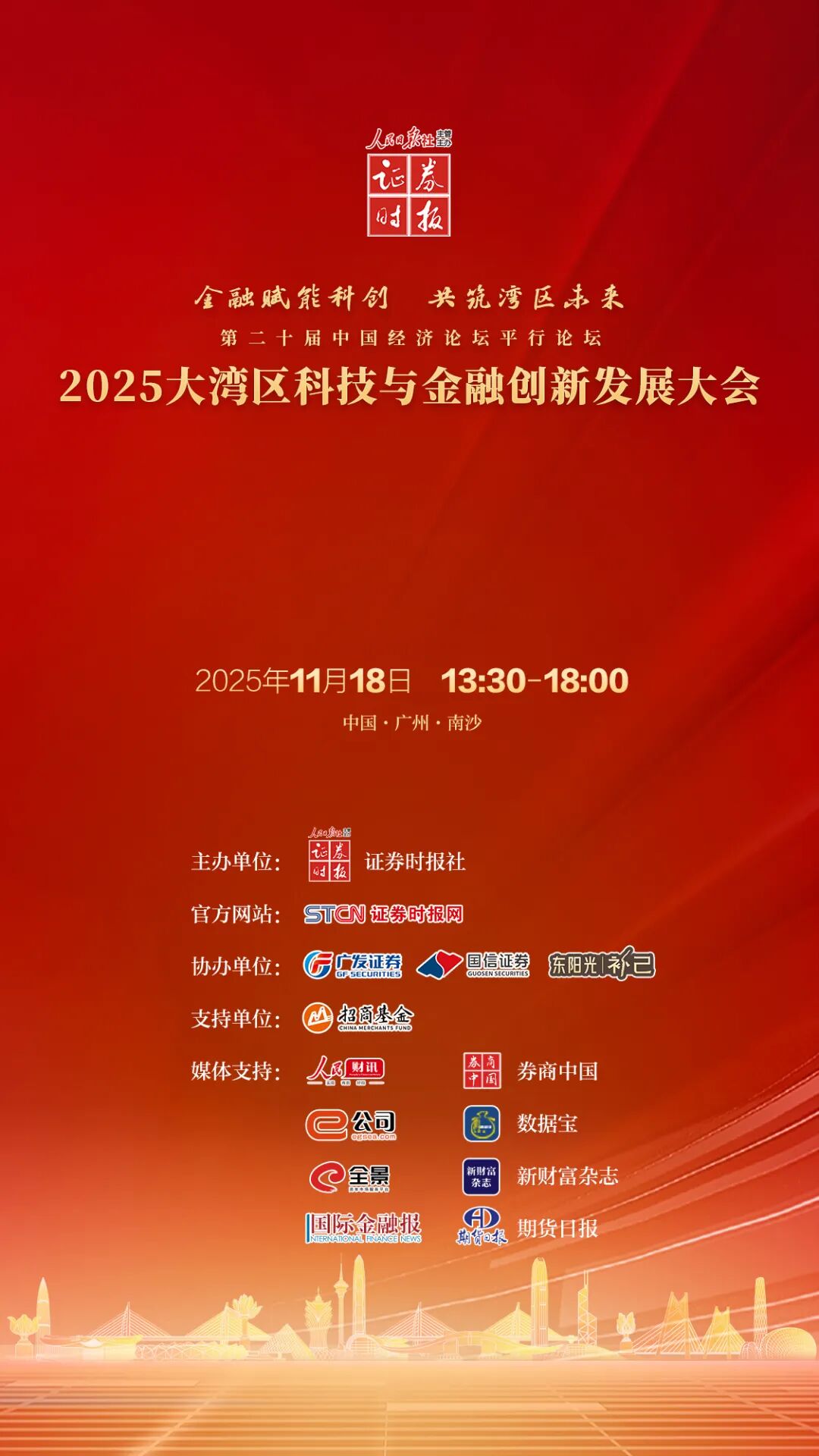
Core Viewpoint - The financial market connectivity in the Guangdong-Hong Kong-Macao Greater Bay Area is continuously deepening, driven by reforms and opening up, enhancing international competitiveness and attracting global financial institutions [1][2][3]. Financial Market Connectivity - As of September 2025, the cumulative transaction amount of the "Shenzhen-Hong Kong Stock Connect" reached 125 trillion yuan, with the Shenzhen Stock Connect becoming the main channel for foreign investment in A-shares [2]. - The "Cross-Border Wealth Management Connect" has expanded, with a scale exceeding 120 billion yuan, and has seen a significant increase in participation from individual investors [7][9]. Internationalization of Financial Institutions - Domestic banks are actively establishing international operations, with WeBank's subsidiary, WeBank Technology, expanding into markets like Hong Kong and Southeast Asia, and engaging with over 20 partners with intentions exceeding hundreds of millions of dollars [4]. - Local commercial banks, such as Dongguan Bank, are also leveraging Hong Kong as a base for international expansion [5]. Securities Industry Developments - The securities industry is optimistic about the upcoming "Cross-Border Wealth Management Connect 3.0," which is expected to expand its reach beyond the Greater Bay Area to major cities like Beijing and Shanghai [10]. - Several securities firms have increased their capital in Hong Kong subsidiaries, with notable investments from companies like GF Securities and First Capital Securities [11][12]. Cross-Border Insurance Services - The cross-border insurance services are improving, with policies supporting the development of innovative products like cross-border medical insurance [13][15]. - By mid-2023, cross-border vehicle insurance had provided coverage for 90,300 vehicles, and health insurance services had reached over 150,000 individuals [14][15]. Upcoming Events - The 20th China Economic Forum will take place on November 18 in Nansha, focusing on the integration of technology and finance, with participation from government departments, listed companies, and financial institutions [19].

贯通金融动脉 互联互通赋能大湾区建设丨魅力湾区·相约南沙
Guo Ji Jin Rong Bao· 2025-11-13 06:10
Group 1: Financial Market Connectivity - The financial market connectivity in the Guangdong-Hong Kong-Macao Greater Bay Area is deepening, driven by reforms and opening up, with a cumulative transaction amount of 125 trillion yuan for the "Shenzhen-Hong Kong Stock Connect" by September 2025 [1] - The "Cross-Border Wealth Management Connect" has expanded, with a scale exceeding 120 billion yuan, indicating a growing cross-border financial service market [1] Group 2: International Competitiveness - Three financial center cities in the Greater Bay Area have entered the top ten in the Global Financial Centers Index (GFCI 38), reflecting an increase in international competitiveness [1] - The Greater Bay Area's financial industry is recognized for its large scale, comprehensive elements, and high degree of internationalization, positioning it among the global leaders [1] Group 3: Cross-Border Banking Initiatives - The establishment of WeBank's technology company in Hong Kong marks a significant step for domestic banks in international markets, with over 20 partnerships and intentions exceeding hundreds of millions of dollars [2] - Local banks are actively expanding their international presence, with Dongguan Bank's subsidiary opening in Hong Kong and other global financial institutions increasing their footprint in the Greater Bay Area [3] Group 4: Cross-Border Wealth Management - The "Cross-Border Wealth Management Connect" 2.0 has seen a 120% increase in participating individual investors compared to its previous version, indicating strong market response [4] - Securities firms are optimistic about the upcoming "Cross-Border Wealth Management Connect" 3.0, which is expected to expand beyond the Greater Bay Area to major cities like Beijing and Shanghai [5] Group 5: Cross-Border Insurance Services - The cross-border insurance services are improving, with over 90,000 vehicles insured under the "equivalent recognition" policy and health insurance serving over 150,000 individuals [7] - The insurance sector is actively developing cross-border products, with significant growth in new policies from mainland visitors to Hong Kong, reflecting a robust demand for cross-border insurance solutions [8] Group 6: Investment and Growth in the Greater Bay Area - China Taiping reported an investment scale of 120.3 billion HKD in the Greater Bay Area, highlighting the financial commitment to regional development [9] - The upcoming "2025 Greater Bay Area Technology and Financial Innovation Development Conference" aims to foster collaboration between technology and finance sectors, promoting sustainable growth in the region [13]



贯通金融动脉 互联互通赋能大湾区建设
Zheng Quan Shi Bao· 2025-11-13 02:29
Group 1: Financial Market Connectivity - The financial market connectivity in the Guangdong-Hong Kong-Macao Greater Bay Area is deepening, driven by reforms and opening up, with a cumulative transaction amount of 125 trillion yuan for the "Shenzhen-Hong Kong Stock Connect" by September 2025 [1] - The "Cross-Border Wealth Management Connect" has expanded, with a scale exceeding 120 billion yuan, indicating a growing cross-border financial service market [1] - Three financial center cities in the Greater Bay Area have entered the top ten in the global fintech rankings, showcasing the area's increasing international competitiveness [1] Group 2: International Expansion of Banks - Domestic banks are establishing a presence abroad, with WeBank's subsidiary, WeBank Technology, expanding into markets like Hong Kong, Indonesia, Malaysia, and Thailand, and negotiating over 20 partnerships worth several hundred million dollars [2] - Dongguan Bank's subsidiary, Wan Yin International, has opened in Hong Kong, marking a significant step for city commercial banks in internationalization [3] - Global financial institutions are increasing their presence in the Greater Bay Area, with HSBC and Fubon Bank establishing new offices and Santander Bank receiving approval for its Shenzhen branch [3] Group 3: Cross-Border Wealth Management - The "Cross-Border Wealth Management Connect" 2.0 has seen over 160,000 individual investors participating, a 120% increase compared to version 1.0 [4] - The expansion of participating institutions to include securities companies is a significant change in the 2.0 version, with 14 securities firms approved for pilot operations [5] - Securities firms are optimistic about the upcoming 3.0 version, which is expected to expand to major cities beyond the Greater Bay Area, addressing strong overseas investment demand [5] Group 4: Cross-Border Insurance Services - Cross-border insurance services are improving, with policies supporting the development of cross-border medical insurance and vehicle insurance [7] - By mid-2023, cross-border vehicle insurance provided coverage for 90,300 vehicles from Hong Kong and Macao, while health insurance served over 150,000 individuals [8] - China Taiping reported an investment scale of 120.3 billion HKD in the Greater Bay Area, indicating strong engagement in cross-border insurance [9]
贯通金融动脉 互联互通赋能大湾区建设丨魅力湾区·相约南沙
证券时报· 2025-11-13 02:23
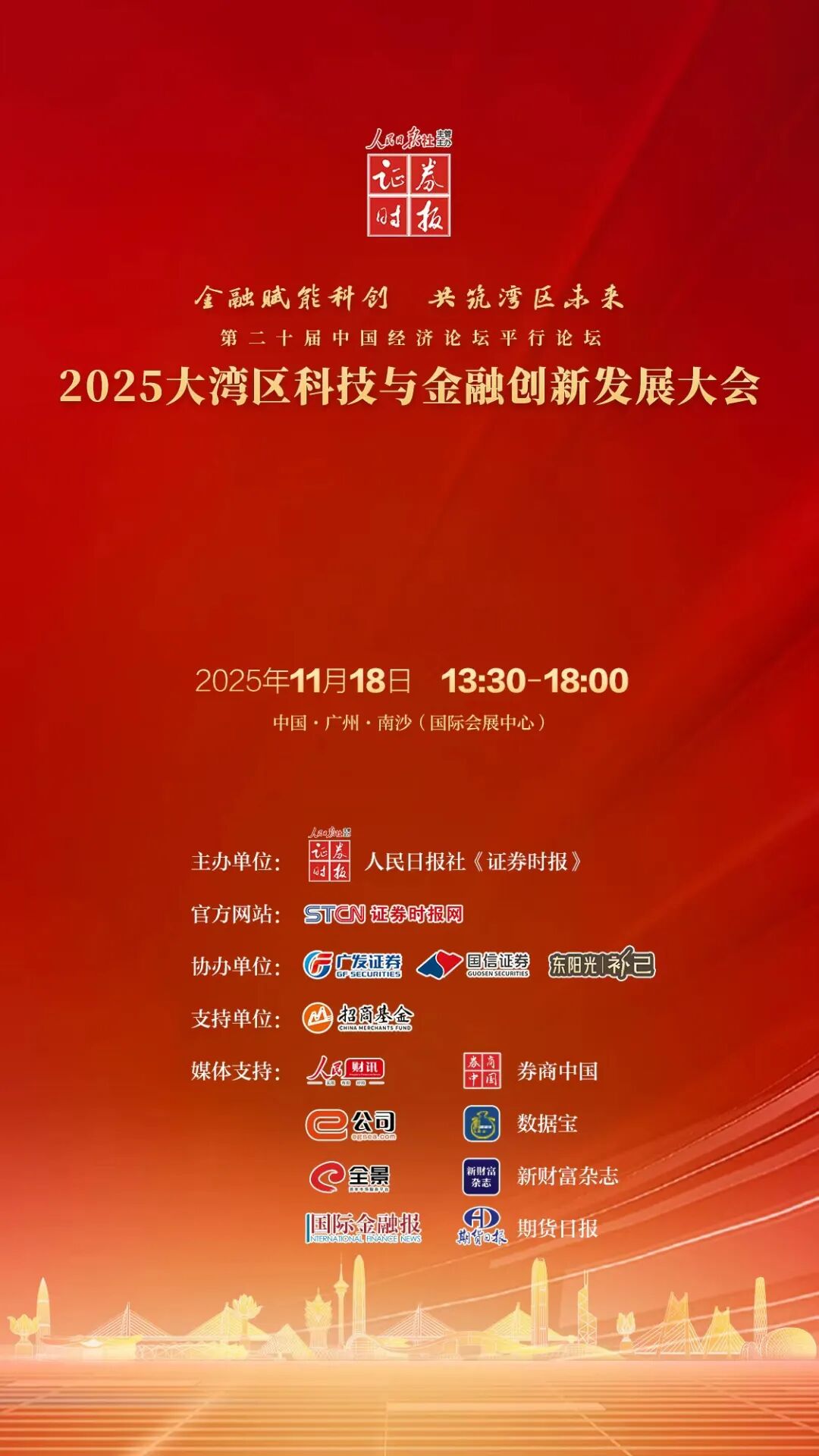
Core Viewpoint - The financial market connectivity in the Guangdong-Hong Kong-Macao Greater Bay Area is continuously deepening, driven by reforms and opening up, enhancing international competitiveness and collaboration among financial institutions [1][2][3]. Financial Market Connectivity - As of September 2025, the cumulative transaction amount of the "Shenzhen-Hong Kong Stock Connect" is 125 trillion yuan, with the Shenzhen Stock Connect becoming the main channel for foreign investment in A-shares, while the Hong Kong Stock Connect injects liquidity into the Hong Kong market [2]. - The "Cross-Border Wealth Management Connect" has expanded, with a scale exceeding 120 billion yuan, and has seen a significant increase in participation from individual investors [9]. Internationalization of Financial Institutions - Domestic and foreign banks are increasingly engaging in mutual cooperation, exemplified by WeBank's establishment of WeBank Technology in Hong Kong, which has expanded its reach to multiple markets and engaged over 20 partners with intentions exceeding hundreds of millions of dollars [5][6]. - Global financial institutions are intensifying their presence in the Greater Bay Area, with HSBC and Fubon Bank establishing new offices and Santander Bank receiving approval for its Shenzhen branch [6][7]. Securities Industry Developments - The "Cross-Border Wealth Management Connect" 2.0 has seen over 160,000 individual investors participating, marking a growth of over 120% compared to version 1.0 [9][10]. - Securities firms are optimistic about the upcoming "Cross-Border Wealth Management Connect" 3.0, which is expected to expand beyond the Greater Bay Area to major cities like Beijing and Shanghai [10]. - Guangdong-based securities firms are increasing their investments in Hong Kong subsidiaries to build a second growth curve, with notable investments from firms like GF Securities and First Capital Securities [10][12]. Cross-Border Insurance Services - The cross-border insurance services are improving, with policies supporting the development of cross-border medical insurance and vehicle insurance [14][15]. - As of mid-2023, cross-border vehicle insurance has provided coverage for 90,300 vehicles, and health insurance has served over 150,000 individuals [14][15]. - Insurance institutions are establishing operations in the Greater Bay Area to enhance international business, with companies like PICC Hong Kong and China Taiping actively participating in regional development [16]. Upcoming Events - The 20th China Economic Forum will take place on November 18 in Nansha, focusing on the integration of technology and finance, with over 200 representatives from government, listed companies, and financial institutions expected to attend [20].