SHEIN

Search documents
南沙自贸片区将打造全球集中分拨中心,发展跨境电商中间贸易
2 1 Shi Ji Jing Ji Bao Dao· 2025-06-06 02:46
Core Insights - The Guangdong Free Trade Zone's Nansha District has achieved significant milestones in its ten years of development, becoming a leading hub for trade and logistics in China [1][2][4] Group 1: Infrastructure and Logistics Development - Nansha has established the country's first fully automated multi-modal transportation terminal and the largest roll-on/roll-off vehicle terminal cluster, enhancing its logistics capabilities [1] - The Nansha Port is projected to handle over 20 million TEUs in container throughput by 2024, accounting for approximately 80% of the province's waterborne cargo turnover [3] Group 2: Trade and Economic Performance - The Nansha Free Trade Zone has attracted a total of $56.8 billion in foreign investment and has seen an average annual growth rate of over 24% in foreign trade imports and exports [1] - Nansha's cross-border e-commerce business has maintained the highest import and export value among national comprehensive bonded zones, with a compound annual growth rate of about five times for automobile exports during the 14th Five-Year Plan period [3] Group 3: Policy and Institutional Innovation - Over the past decade, Nansha has generated 772 institutional innovation results, with 43 being replicated nationwide, accounting for 25% of the total [1][4] - Nansha has pioneered various reforms, including the commercial registration confirmation system, which transitioned from manual approval to intelligent confirmation, enhancing market access transparency [4] Group 4: Regional Cooperation and Integration - Nansha is actively promoting cooperation with Hong Kong and Macau, providing valuable experiences for integrating regional rules and mechanisms, thereby contributing to the national development agenda [4][5] - The district aims to become a new highland of institutional openness, benchmarking against high-level policies from Singapore, Hong Kong, and Hainan Free Trade Port [2]
新消费快讯|爱马仕首次进军耳机市场;味全果汁官宣孟子义为代言人
新消费智库· 2025-06-04 12:42
New Consumption - Wei Chuan Juice announced Meng Ziyi as its spokesperson, promoting its 100% fruit and vegetable juice as a source of "spiritual vitamins" [1][3] - The North Face appointed Li Yunrui as its brand ambassador, focusing on a "pioneering exploration" theme to innovate its classic styles [1][3] - Wudao launched a drinkable Greek yogurt, designed for convenient consumption in various scenarios, utilizing advanced production techniques [1][5] - Chen Xianggui opened its first overseas store in Berlin, Germany, and initiated a global partner program, having nearly 300 stores in China since its establishment in 2020 [1][6] - McDonald's announced the closure of all five stores of its beverage sub-brand CosMc's, which was launched in 2023 to explore the growing beverage market [1][6] Investment and Financing - Tern Travel completed a $13 million Series A financing round led by Viewpoint Ventures and Haystack VC, offering various travel advisory features [1][8] - Nestlé acquired a minority stake in Indian pet food company Drools, with the deal valuing the company at over $1 billion [1][10] - Muyuan Foods submitted an application for an overseas listing on the Hong Kong Stock Exchange [1][10] - SHEIN is planning to list on the Hong Kong Stock Exchange in the coming weeks [1][10] - Cranswick acquired sausage manufacturer Blakemans for £32 million, aiming to enhance its production capacity in the food service market [1][12] Brand Expansion - UR opened its first store in Hong Kong, marking its entry into the market and showcasing its brand philosophy [1][13] - Hermès launched its first luxury headphones, entering the high-end personal technology market [1][13] - QP Corporation opened its second factory in the U.S., located in Tennessee, to expand its production capacity for mayonnaise and dressings [1][13] - Airbnb announced a three-year global partnership with the Tour de France to enhance the viewing experience for audiences [1][13] - Douyin (TikTok) formed a strategic partnership with Squirrel AI to enhance its educational offerings [1][14]


跨境电商运营:2025年欧洲市场趋势及海外营销指南报告
Sou Hu Cai Jing· 2025-06-04 11:37
Market Overview - The European e-commerce market is mature and diverse, with an overall GDP of approximately $19.4 trillion in 2024 and an e-commerce penetration rate of 45.9%, expected to rise to 67.1% by 2025, with over 586 million online shoppers [1][11][12] - The five key countries (UK, France, Germany, Italy, Spain) account for over two-thirds of Europe's GDP and are core markets for cross-border e-commerce [1][18][21] - E-commerce sales in the five countries are projected to grow from €389 billion to €565 billion, with a growth rate of 7.8% [12][35] Consumer Preferences - UK consumers prefer free shipping and next-day delivery; German consumers prioritize product quality and privacy; French consumers focus on fashion and delivery efficiency; Spanish consumers show rapid e-commerce growth with high acceptance of Chinese goods; Italian consumers favor desktop shopping and value brand reputation and reward programs [1][2][11] Platforms and Competition - Besides Amazon, local platforms such as Germany's OTTO, France's Cdiscount, and ManoMano in home and garden are showing significant growth potential [1][17] - TikTok has expanded its reach across six major European markets, becoming an important traffic source for younger users [1][2] Compliance and Regulations - Key compliance areas include VAT declaration, data protection (GDPR), product certification (CE, EPR), and intellectual property [1][2] - Specific requirements vary by country, such as Germany's packaging law registration and Italy's EPR compliance [1][2] Marketing Strategies - Meta (Facebook, Instagram) has over 80% penetration in Europe, with advertising needing to align with local languages and interests; German CPM is around €6-10, while French CPC is approximately €0.5-1.5 [2] - TikTok's primary user base is aged 18-34, requiring native content and interactive formats like challenges and live streams [2] - Potential product categories include outdoor sportswear, indoor gardening (smart devices), home beauty devices (AI customization), and home fragrances (natural ingredients), emphasizing eco-friendly materials and localized designs [2] Logistics and Payment Preferences - European consumers favor local warehouse delivery, with 72% of UK users valuing free shipping; Germans prefer invoice payments, while Spaniards rely on credit cards [2] - Cross-border e-commerce must balance local operations with compliance requirements, leveraging social media ecosystems and data analytics for precise user targeting [2]

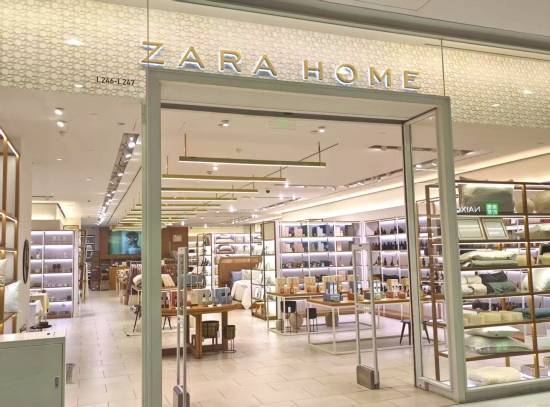
ZARA HOME将撤出长沙 本土品牌以高性价比抢占市场
Sou Hu Cai Jing· 2025-06-04 08:21
Core Viewpoint - ZARAHOME in Changsha is closing its store due to business adjustments by Inditex, reflecting broader challenges faced by the fast fashion industry in the Asian market [2][3][4] Group 1: Company Actions - ZARAHOME will cease operations on June 29, with no special closing promotions planned, only regular seasonal discounts [3] - Following the closure of ZARAHOME, only one ZARA store will remain in Changsha, indicating a significant reduction in the brand's presence in the area [3] - Inditex has been reducing its footprint in China, with multiple store closures across its brands, including ZARA, Bershka, and others [4] Group 2: Market Challenges - The fast fashion industry in Asia is facing challenges, with Inditex's sales in the region declining from 16.9% to 15.7% of total revenue [5] - Younger consumers are shifting towards personalized and socially engaging fashion items, leading to decreased interest in traditional fast fashion offerings [5] - Local brands like UR and sports brands such as Lululemon and Anta are gaining market share, intensifying competition in the fast fashion sector [5] Group 3: Strategic Shifts - In response to market challenges, fast fashion brands are increasingly adopting a high-end strategy, closing smaller stores while opening flagship locations [6] - Inditex is implementing a "close small, open big" strategy, focusing on quality over quantity, with new flagship stores planned in major cities [6]

2024跨境电商平台出海目的地中东市场:行业呈现三足鼎立态势,物流和支付
Sou Hu Cai Jing· 2025-06-02 16:45
Core Insights - The Middle East is emerging as a strategic market for Chinese cross-border e-commerce, with a population of 500 million and an internet penetration rate of 58.7%, but only 3.6% of retail transactions are conducted online, indicating significant growth potential [1][21][22] - In 2023, the e-commerce scale in the Middle East reached $29 billion, growing by 11.8% year-on-year, driven by a young population and supportive policies [1][22] - The market is characterized by high potential and high barriers, with logistics costs being a major challenge, accounting for 20%-30% of order totals, significantly higher than in China [2][24] Market Characteristics - The Gulf Cooperation Council (GCC) countries have high internet penetration rates, exceeding 95%, yet consumers still prefer offline shopping, creating opportunities for new entrants [2][21] - Logistics challenges include high costs and difficulties in last-mile delivery due to a lack of standardized addressing systems [2][24] - Payment habits are unique, with cash on delivery accounting for over 50% of transactions, while credit card usage is low; however, the "buy now, pay later" model is rapidly gaining traction [3][42] Competitive Landscape - The e-commerce landscape in the Middle East is dominated by three main players: global giants like Amazon, local forces like Noon, and Chinese platforms such as AliExpress and SHEIN [4][38] - Amazon solidified its position by acquiring local platform Souq in 2017, now holding a market share of 25% in the UAE and 16% in Saudi Arabia [4][38] - Noon, backed by local real estate giants and sovereign funds, has rapidly grown to become the second-largest platform, leveraging a fast delivery network [5][39] - Chinese platforms are innovating across the supply chain, with AliExpress reducing delivery times from 30 days to 12 days and SHEIN focusing on high-demand fashion items [6][38] Key Drivers for Success - Logistics and payment innovations are critical for overcoming infrastructure bottlenecks, with companies like Noon and AliExpress establishing large warehouses and enhancing local delivery capabilities [7][38] - The Chinese government is supporting cross-border e-commerce through policies aimed at reducing export costs and facilitating overseas warehouse construction [8][31] Future Trends - The rise of social commerce is notable, with Middle Eastern users spending an average of 3.5 hours daily on social media, and platforms like TikTok Shop gaining traction [10][39] - Full-service models are becoming more common, allowing platforms to manage logistics and after-sales services, thus lowering operational barriers for sellers [10][42] - The Middle East e-commerce market is transitioning from a "blue ocean" to a "hot land," with significant competition expected in the coming years as logistics and payment systems improve [10][31]


2025年中国企业跨境电商行业洞察报告
Sou Hu Cai Jing· 2025-06-02 13:44
Core Insights - The report highlights the transformation of cross-border e-commerce from an optional strategy to a crucial necessity for Chinese enterprises in the context of significant changes in global trade dynamics [1] Group 1: Explosive Growth - In the first three quarters of 2024, China's cross-border e-commerce achieved a total import and export volume of 1.88 trillion RMB, representing a year-on-year growth of 11.5%, with exports growing by 15.2%, significantly outpacing overall foreign trade growth [2][29] - The rise of social e-commerce is a key driver, with the global social commerce market expected to reach $688 billion in 2024, growing by 20%, and projected to exceed $1 trillion by 2028 [2][31] Group 2: Dual Track Approach - Chinese enterprises primarily utilize two pathways for international expansion: B2B and B2C models [3][33] - The B2B model focuses on bulk trade between businesses, emphasizing supply chain management [3] - The B2C model targets direct sales to consumers, which can be further divided into platform-dependent and independent brand models [4][5] Group 3: Multi-Dimensional Globalization - Chinese enterprises are expanding beyond simple product exports to a multi-dimensional global strategy, including product, technology, and service exports [7][8][9] - Key sectors for product exports include consumer electronics, new energy vehicles, and fashion [7] - Technology exports involve digital technologies like 5G and AI, while service exports include logistics and brand services [8][9] Group 4: Regional Focus - Different markets exhibit unique characteristics, with mature markets like Europe and North America focusing on brand value and supply chain efficiency [10] - Southeast Asia is identified as the fastest-growing e-commerce region, driven by a young population and digitalization [11] - Emerging markets in the Middle East and Latin America present significant growth opportunities [12] Group 5: Benchmark Brands - Temu is rapidly expanding, projected to reach a GMV of $54 billion in 2024, significantly aided by its semi-managed model [13] - SHEIN is recognized as a leading fashion brand with a strong influence on Gen Z, driven by supply chain innovation [14] - TikTok Shop is emerging as a strong player in social commerce, with a projected GMV exceeding $50 billion in 2024 [15] Group 6: Future Trends - Six consumer trends are anticipated to shape product selection by 2025, including gardening, smart home integration, and outdoor living [17][18][22] - The "dopamine economy" emphasizes emotional value in consumption, while sleep-related products are expected to see increased demand [19][20] Group 7: Infrastructure Support - The growth of cross-border e-commerce relies on foundational support from payment solutions, logistics networks, and cloud services [23] - Companies like Ant International and Cainiao are pivotal in providing global payment and logistics solutions [23]



SHEIN再传赴港上市;勃肯鞋涨价;沃尔玛全球大裁员|品牌周报
36氪未来消费· 2025-06-01 06:29
SHEIN's IPO Plans - SHEIN is reportedly planning to shift its IPO focus to Hong Kong, aiming to submit an application to the Hong Kong Stock Exchange soon and complete the IPO within the year [2] - The company's IPO journey has faced multiple setbacks since 2020, including a failed attempt to go public in the U.S. due to geopolitical changes and subsequent adjustments to its corporate structure [2][3] - In 2024, SHEIN's sales are projected to increase by nearly 40% to approximately $10 billion, with overall revenue growth expected to reach 19% to $38 billion, although profits are anticipated to be significantly lower than the company's expectations [3] Birkenstock's Price Increase - Birkenstock plans to raise global prices to offset the impact of a 10% tariff on EU goods imposed by the U.S., with some styles seeing price increases close to 10% [4] - The company reported a revenue of €574.3 million in Q2 2025, a 19% year-over-year increase, with the Americas market growing by 23% [5] - Birkenstock is expanding its presence in Asia, particularly in China, India, and the Middle East, with a focus on online retail [5] Walmart's Restructuring and Layoffs - Walmart plans to lay off approximately 1,500 employees as part of a restructuring effort to simplify operations and reduce costs, primarily affecting its global tech department and e-commerce fulfillment operations [6] - The company will raise prices on certain products starting at the end of May due to increased costs from tariffs, with CEO Doug McMillon stating that the company cannot absorb all tariff pressures [6] - This marks the second round of layoffs for Walmart in 2023, following earlier job cuts in February [6][7] Jacquemus Group Formation - French designer brand Jacquemus has established a holding company, Jacquemus La Maison Mère, marking its transition to a group structure [18] - The new company has an overall valuation of €576.1 million, following a strategic partnership with L'Oréal, which acquired a 10% minority stake in Jacquemus [18][19] Dior's Creative Director Resignation - Maria Grazia Chiuri has resigned as the artistic director of Dior's women's wear, ending speculation about her future [21] - Under her leadership, Dior's sales grew from €2.2 billion in 2017 to €9 billion in 2023, making it one of the fastest-growing brands in the luxury fashion sector [21] ELF Beauty's Acquisition - ELF Beauty announced the acquisition of Hailey Bieber's skincare brand, Rhode, for a total of $1 billion, marking the largest acquisition in ELF's 18-year history [24] - The deal will involve an initial payment of $800 million, with the remaining $200 million contingent on Rhode meeting specific revenue targets from 2025 to 2027 [25] POLA Group's Exit from China - POLA Group has announced the dissolution and liquidation of its wholly-owned subsidiary in China, raising concerns about the potential exit of its ORBIS brand from the Chinese market [26] - The subsidiary has experienced continuous declines in operating and net profits from 2022 to 2024, with 2024 revenue estimated at only 40 million RMB [26]


风暴中的跨境电商
创业邦· 2025-05-30 10:21
Core Viewpoint - The article discusses the evolving strategies of Temu in response to changing market conditions and regulatory pressures, particularly focusing on its transition from a fully managed (全托管) model to a semi-managed (半托管) model, and the implications for cross-border e-commerce efficiency and competitiveness [3][10][20]. Group 1: Temu's Strategic Shifts - Temu has shifted from a fully managed model to a semi-managed model (Y2), where sellers are responsible for the initial logistics, reflecting a need to adapt to new market conditions and regulatory challenges [6][8]. - The introduction of Y2 aims to alleviate inventory pressure by allowing sellers to ship directly to overseas warehouses, but it also places the burden of customs clearance on sellers, which could lead to increased costs and operational challenges [9][10]. - Despite the return of the fully managed model (全托2.0), Temu continues to operate Y2, indicating an exploration of semi-managed models as a potential long-term strategy [10][11]. Group 2: Market Dynamics and Competitive Landscape - Temu's advertising cessation in the U.S. has led to a significant drop in app store rankings, impacting order volumes and seller confidence [9][13]. - The competitive landscape is shifting, with platforms like SHEIN gaining market share and demonstrating stronger performance in advertising and consumer engagement, highlighting the challenges Temu faces in regaining lost market presence [14][18]. - The article notes that the small package direct mail model, which has driven growth in cross-border e-commerce, may be becoming less viable, necessitating a reevaluation of Temu's operational strategies [17][20]. Group 3: Seller Perspectives and Operational Challenges - Sellers express a preference for the fully managed model due to the operational simplicity it provides, contrasting with the complexities introduced by the Y2 model [10][12]. - The pressure on sellers to manage customs and logistics under the Y2 model raises concerns about cost burdens and potential delays, which could affect customer satisfaction and return rates [9][10]. - The article highlights that while Y2 offers flexibility, it may not be sustainable for all sellers, particularly those lacking experience in international logistics [10][12].
全链条根植ESG,SHEIN科学净零排放目标获批
3 6 Ke· 2025-05-30 08:12
Core Viewpoint - SHEIN has announced its commitment to achieve scientific net-zero emissions by 2050, with both short-term and long-term reduction targets approved by the Science Based Targets initiative (SBTi) [1][7]. Group 1: Emission Reduction Goals - SHEIN aims to reduce absolute greenhouse gas emissions from its direct operations (Scope 1 and Scope 2) by 42% by 2030, and from its entire supply chain (Scope 3) by 25% [10]. - By 2050, the company plans to reduce absolute emissions across Scope 1, Scope 2, and Scope 3 by 90% [10]. - The net-zero emissions goal is defined as balancing greenhouse gas emissions with removal technologies, rather than complete elimination of emissions [7]. Group 2: Sustainable Practices - SHEIN has implemented a flexible supply chain model that minimizes waste through on-demand production, which aligns with its sustainability philosophy [5]. - The company has achieved significant reductions in plastic usage, with over 6,700 tons of plastic reduced and more than 21,000 tons of carbon emissions cut by using recycled materials in packaging [3]. - SHEIN's solar energy initiatives, including rooftop photovoltaic systems, are expected to save approximately 8,121 tons of standard coal and reduce CO2 emissions by about 22,000 tons annually [5][17]. Group 3: Technological Innovations - SHEIN collaborates with leading companies and universities to develop innovative recycling solutions, such as a new polyester recycling process that maintains material performance [8]. - The company has adopted digital cold transfer printing technology for denim, which significantly reduces water and energy consumption compared to traditional methods [9][12]. - SHEIN's digital printing technology has been applied to over 65% of its products from 2018 to mid-2024, showcasing its commitment to sustainable production methods [12]. Group 4: Industry Impact and Efficiency - The integration of ESG principles has led to improved energy efficiency and cost savings for suppliers, demonstrating the economic benefits of sustainable practices [13][14]. - SHEIN's investment in smart supply chains, exceeding 10 billion, aims to create a more sustainable and efficient production environment [17]. - The company's initiatives have transformed traditional factories into innovative, resource-maximizing operations, contributing to a greener supply chain [17].

风暴中的跨境电商
Sou Hu Cai Jing· 2025-05-29 10:58
Core Insights - The article discusses the evolving landscape of cross-border e-commerce, particularly focusing on the platform Temu and its recent operational adjustments in response to changing market conditions and regulatory pressures [1][9][14] Group 1: Temu's Operational Changes - Temu has shifted from a fully managed (全托) model to a semi-managed (Y2) model, where sellers are responsible for the initial logistics while the platform handles the final delivery [3][4][5] - The Y2 model aims to alleviate inventory pressure caused by rising costs, but it also places the burden of customs clearance on sellers, which has led to increased operational challenges [4][5][6] - Following the introduction of Y2, Temu quickly reverted to a new version of its fully managed model (全托2.0), indicating a need to adapt to market demands and seller preferences [3][8][10] Group 2: Market Dynamics and Seller Reactions - Sellers have expressed a preference for the fully managed model, as it allows them to operate with less logistical burden, highlighting a dependency on the platform for operational efficiency [7][8][13] - The decline in advertising and platform visibility has resulted in a significant drop in Temu's app rankings, affecting order volumes and seller confidence [6][12] - Sellers are facing increased costs and complexities under the Y2 model, leading to a higher return rate and dissatisfaction with the new operational structure [6][10][11] Group 3: Competitive Landscape - Temu's adjustments come amid a competitive environment where other platforms like SHEIN and TikTok Shop are also exploring new operational models to maintain market share [15][17] - The article notes that the cross-border e-commerce landscape is shifting away from small package direct shipping and fully managed models, which have been the norm for the past several years [14][15] - Temu's ability to maintain low prices remains crucial for its competitive strategy, especially as it faces challenges in regaining market share in the U.S. [14][17]