腾势汽车

Search documents
汽车早餐 | 北京将优化小客车指标配置;保时捷两个月因关税损失3亿欧元;大众中国CEO任期延至2028年
Zhong Guo Qi Che Bao Wang· 2025-07-11 00:57
Group 1: Domestic News - Beijing government issued a notice to optimize small car indicator allocation to better serve family vehicle needs and promote the growth of second-hand car businesses [2] - The notice includes measures such as "reverse invoicing" for second-hand car sales and facilitating cross-regional transaction registrations [2] - The government aims to enhance information sharing in the automotive sector and support the development of third-party second-hand car information query platforms [2] Group 2: Battery Industry - In the first half of the year, China's power battery installation volume reached 299.6 GWh, a year-on-year increase of 47.3% [3] - The total production of power and other batteries was 697.3 GWh, reflecting a 60.4% year-on-year growth [3] - The total sales of power and other batteries amounted to 659.0 GWh, marking a 63.3% increase compared to the previous year [3] Group 3: Electric Vehicle Infrastructure - Beijing revised its electric vehicle charging infrastructure planning standards, mandating that new residential buildings must allocate 40% of parking spaces for charging stations [4] - Charging stations should preferably be located above ground and not in underground levels four or lower [4] Group 4: Corporate News - Xiaomi announced that its charging network has connected to 1.4 million public charging piles, covering 2,743 districts and counties across mainland China [11] - Hengda Automotive's 437,441 square meters of land was reclaimed by the government due to being classified as idle since June 2021 [13] - Xinwanda plans to launch its first generation of all-solid-state battery products in 2026 and the second generation in 2027 [14] - A new energy technology company was established by Zhongding Co. and others, focusing on metal materials manufacturing and processing [15]


新能源品牌半年销量战绩:中高端表现分化,20万以下市场增长明显
经济观察报· 2025-07-04 10:22
Core Viewpoint - The article highlights the divergent sales trends among various automotive brands in China, particularly focusing on the performance of brands based on their average selling prices, with lower-priced brands experiencing significant growth while higher-end brands face challenges [2][11]. Group 1: High-End Brands Performance - In the high-end segment (average price above 300,000 yuan), AITO's total deliveries in June reached 44,700 units, a year-on-year increase of 4.45% [3]. - Li Auto delivered 36,300 vehicles in June, a decline of 24.06% year-on-year, with a total of 203,900 units delivered in the first half of the year, up 7.91% [3]. - NIO delivered 14,600 vehicles in June, a year-on-year increase of 17.52%, but saw a 3.03% decline in total deliveries for the first half of the year [3]. - Lantu Automotive achieved over 10,000 units in June, marking an 83% increase year-on-year, with a total of 56,100 units delivered in the first half, up 85% [4]. - The performance of other high-end brands like Equation Leopard and Tengshi also showed significant growth, with Equation Leopard's June sales up 605.3% year-on-year [6]. Group 2: Mid-Range Brands Performance - In the mid-range segment (average price between 200,000 and 300,000 yuan), Xiaomi Auto delivered over 25,000 units in June, up from over 10,000 units last year, with a total of over 150,000 units delivered in the first half [10]. - Zeekr's sales in June were 16,700 units, a year-on-year decline of 16.93%, with a total of 90,700 units delivered in the first half, up 3.27% [8]. - Avita's June deliveries reached 10,000 units, reflecting a 117% year-on-year increase [10]. Group 3: Low-End Brands Performance - In the low-end segment (average price below 200,000 yuan), Leap Motor delivered 48,000 units in June, a year-on-year increase of over 138%, with a total of 221,700 units delivered in the first half, up 155.68% [11]. - Xiaopeng Motors delivered 34,600 units in June, a year-on-year increase of 224%, with a total of 197,200 units delivered in the first half, up 279% [11]. - Deep Blue Automotive achieved deliveries of 29,900 units in June, a 79% increase year-on-year, with a total of 143,200 units delivered in the first half, up 70.81% [12].


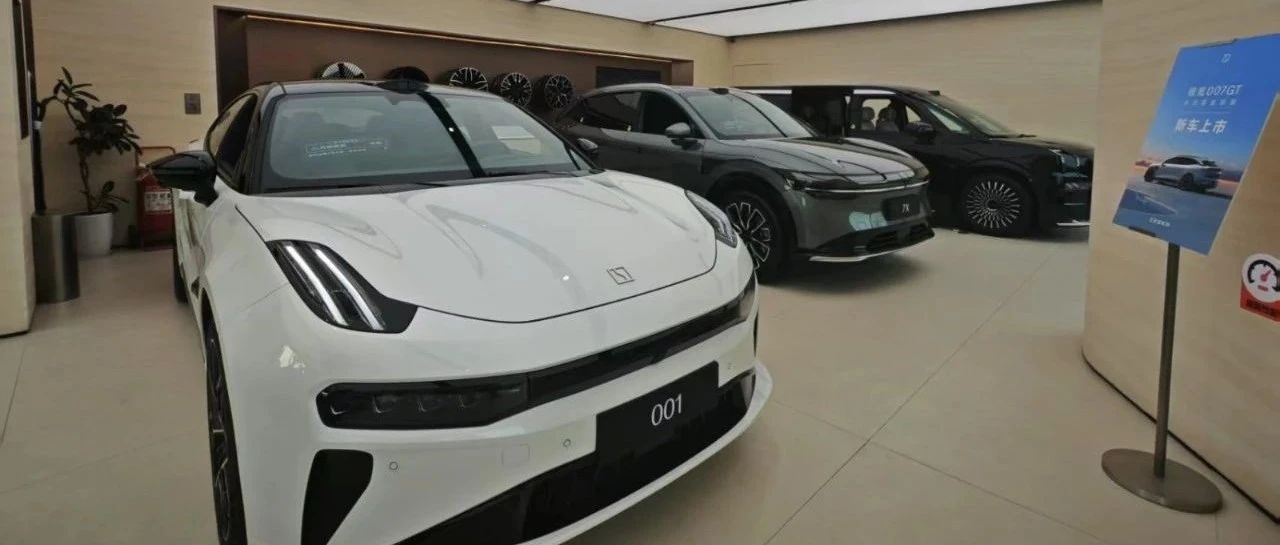
新能源品牌半年销量战绩:中高端表现分化,20万以下市场增长明显
Jing Ji Guan Cha Bao· 2025-07-03 12:21
Group 1: Overall Market Trends - In July, multiple automotive companies reported their delivery results for the first half of 2025, showing a divergence in sales growth among mid-to-high-end brands priced above 300,000 yuan, with Li Auto and NIO experiencing a decline, while brands like Lantu and Fangchengbao saw rapid growth due to a smaller base [2] - Brands with an average price between 200,000 to 300,000 yuan also exhibited a mixed trend, with Xiaomi Auto growing rapidly, while Zeekr showed signs of weakness [2] - Brands priced below 200,000 yuan, such as Leap Motor, Xpeng, and Deep Blue, achieved significant growth [2] Group 2: High-End Brands Performance - Aion delivered 44,700 vehicles in June, a year-on-year increase of 4.45%, with the Aion M9 and M8 contributing significantly to the numbers [2] - Li Auto delivered 36,300 vehicles in June, a year-on-year decrease of 24.06%, but achieved a total of 203,900 vehicles in the first half, a growth of 7.91% [3] - NIO delivered 14,600 vehicles in June, a year-on-year increase of 17.52%, but saw a cumulative decline of 3.03% in the first half with 84,800 vehicles delivered [3] - Lantu achieved a monthly sales record of over 10,000 vehicles in June, with a year-on-year growth of 83%, totaling 56,100 vehicles in the first half, up 85% [4] Group 3: Mid-Range Brands Performance - Xiaomi Auto delivered over 25,000 vehicles in June, up from over 10,000 in the same month last year, with a total of over 150,000 vehicles delivered in the first half [5] - Zeekr's June sales were 16,700 vehicles, down 16.93%, with a total of 90,700 vehicles delivered in the first half, a growth of 3.27% [6] - Avita delivered 10,000 vehicles in June, marking a year-on-year increase of 117% [6] Group 4: Budget Brands Performance - Leap Motor delivered 48,000 vehicles in June, a year-on-year increase of over 138%, with a total of 221,700 vehicles delivered in the first half, up 155.68% [9] - Xpeng delivered 34,600 vehicles in June, a year-on-year increase of 224%, with a total of 197,200 vehicles delivered in the first half, a growth of 279% [8] - Deep Blue delivered 29,900 vehicles in June, a year-on-year increase of 79%, with a total of 143,200 vehicles delivered in the first half, up 70.81% [9]
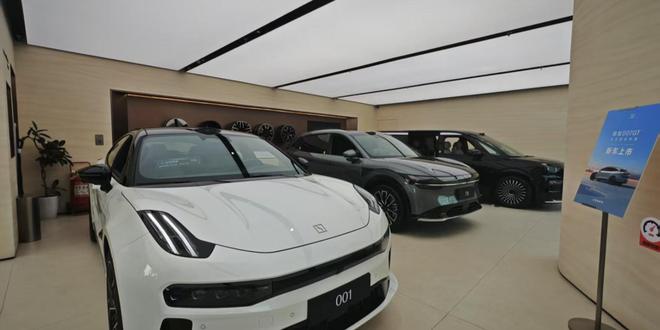
腾势汽车公布数据显示,6月销售15783辆,同比增长28.6%。
news flash· 2025-07-02 04:27
Group 1 - The core point of the article is that Tengshi Automobile reported a sales figure of 15,783 units in June, representing a year-on-year growth of 28.6% [1]
腾势汽车,拿不到爽文剧本
凤凰网财经· 2025-07-01 13:09
Core Viewpoint - The article discusses the challenges and transformations faced by the Chinese automotive brand Tengshi, particularly in the context of the competitive new energy vehicle (NEV) market and its struggle to maintain brand recognition and sales momentum after the initial success of its D9 model [4][31][50]. Group 1: Market Performance - In May, Toyota Sienna regained the top position in the MPV sales rankings, while Tengshi D9 ranked second with a sales figure of 7,817 units, only 426 units ahead of Buick GL8 PHEV [2][3]. - Tengshi's total sales in May reached 14,557 units, with the D9 DM model accounting for approximately half of this figure [12]. - Despite initial success, Tengshi has faced increasing pressure in the competitive NEV market, leading to a decline in brand recognition and sales performance [4][12]. Group 2: Brand Evolution - Tengshi was established in 2011 as a joint venture between Daimler and BYD, aiming to create a high-end NEV brand [13][14]. - The brand struggled initially due to market conditions and consumer skepticism towards electric vehicles, resulting in significant losses exceeding 3.5 billion yuan from 2014 to 2018 [19]. - In 2021, BYD took control of Tengshi, marking a pivotal shift in the brand's strategy and positioning within the market [22][29]. Group 3: Product Strategy - The launch of the D9 in 2022 marked a significant turnaround for Tengshi, achieving sales of over 120,000 units in 2023 and becoming the MPV sales champion [34][38]. - However, since the D9, Tengshi has failed to produce another blockbuster model, with subsequent releases like the N7 and N8 underperforming in the market [40][41]. - The brand's reliance on a single successful model has raised concerns about its sustainability and ability to compete effectively in the evolving automotive landscape [48][49]. Group 4: Challenges Ahead - Tengshi's positioning as a mid-to-high-end brand faces challenges due to a lack of distinct brand identity compared to BYD's other offerings [53][57]. - The shift to a dual sales model of "direct sales + dealerships" aims to boost sales in lower-tier cities, but results have been underwhelming [58][61]. - The competitive landscape is intensifying, with traditional fuel vehicles encroaching on Tengshi's market share, necessitating a strategic reevaluation to ensure future viability [62][64].

15年历程,为何豪华车经销商巨头纷纷选择投它?
第一财经· 2025-06-20 13:44
Core Viewpoint - The article highlights the transformation in the automotive industry, particularly the shift towards new energy vehicles (NEVs) and the increasing market penetration of domestic brands, which is reshaping the luxury car market dynamics [1][3][16]. Group 1: Market Trends - By 2025, the penetration rate of domestic brands in the NEV market is expected to exceed 70%, while traditional fuel vehicles, including joint venture and luxury brands, are losing market share [1]. - In the first five months of this year, the sales volume of NEV passenger cars in mainstream price ranges surpassed that of traditional fuel vehicles, indicating a shift in market definitions of luxury [1]. - Traditional luxury car dealers are increasingly abandoning established brands like BBA (Benz, BMW, Audi) in favor of new Chinese luxury brands, marking a significant trend in the automotive aftermarket [1][3]. Group 2: Dealer Landscape - The China Automobile Dealers Association reports that by the end of 2024, approximately 4,000 traditional 4S stores will be closed, double the number from previous years, indicating a severe market environment for dealers [3]. - The number of independent NEV 4S stores increased to 7,770, accounting for 24% of the market, showcasing a growing opportunity for transformation [3]. - Traditional luxury car dealers are facing challenges such as price drops exceeding 100,000 yuan for new fuel vehicles, leading to financial strain and inventory issues [3][5]. Group 3: Competitive Dynamics - In 2024, domestic sales of traditional fuel vehicles are projected to be 11.558 million units, a decrease of 2.485 million units or 17.4% year-on-year, while NEV sales continue to rise, nearing a 50% market penetration [6]. - The shift towards new luxury brands like Tengshi is seen as a viable path for traditional luxury dealers to regain profitability and brand value [6][12]. - Tengshi's unique "direct sales + dealership" model has attracted numerous established dealers, allowing for rapid expansion and market penetration [8][11]. Group 4: Product and Technology - Tengshi has successfully launched several models, including the D9, which has disrupted the MPV market, and is now recognized as a leading player in the luxury NEV segment [12][13]. - The average transaction price for Tengshi vehicles reached 367,000 yuan in 2024, surpassing many traditional luxury brands, which is a key factor for dealers considering a shift to Tengshi [15]. - Tengshi's significant investment in R&D, with over 30,000 personnel and 30 billion yuan, has led to innovative technologies that enhance product appeal and align with high-net-worth consumer demands [15][16]. Group 5: Future Outlook - Tengshi is positioned to become a leading brand in the luxury NEV market, leveraging its comprehensive product matrix, dual-channel strategy, and technological advantages to capture global market share [16][17]. - The brand's expansion into over seven countries and plans to enter multiple European markets within two years reflect its ambition to share Chinese technological luxury with the world [16][17].
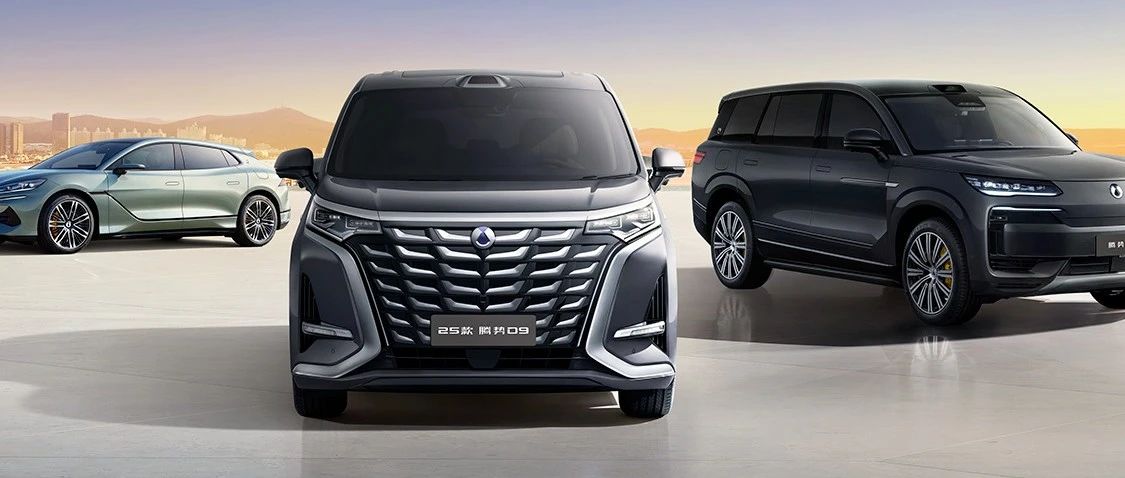
15年历程,为何豪华车经销商巨头纷纷选择投它?
Di Yi Cai Jing· 2025-06-20 13:34
Core Insights - The luxury car market in China is undergoing a significant transformation, with traditional luxury brands losing market share to new domestic electric vehicle (EV) brands, particularly in the context of the growing penetration of new energy vehicles (NEVs) [1][4][16] - The shift towards new luxury brands is driven by changing consumer preferences and the competitive pricing of NEVs, leading traditional luxury car dealers to adapt their strategies [2][5][11] Industry Trends - By 2025, the penetration rate of domestic brands in the NEV market is expected to exceed 70%, while traditional fuel vehicles are experiencing a decline in market share [1] - Over 100 traditional luxury brand dealerships have transitioned to selling domestic NEVs since 2024, with Tengshi Automotive being a notable beneficiary of this trend [1][4] - The number of independent NEV dealerships has increased to 7,770, accounting for 24% of the market, indicating a shift in dealership dynamics [2] Dealer Challenges and Opportunities - The number of traditional luxury car dealerships is expected to decrease significantly, with around 4,000 dealerships projected to close by the end of 2024, double the previous year's figures [2][4] - Traditional luxury car dealers are facing challenges such as inventory issues, declining profitability, and increased competition from NEVs, leading to a need for transformation [2][4][5] - Dealers that successfully pivot to new luxury brands like Tengshi may find opportunities for higher profit margins and improved brand image [4][5] Tengshi Automotive's Position - Tengshi Automotive has adopted a "direct sales + dealership" dual-channel model, which has attracted numerous traditional luxury car dealers to join its network [6][10] - The company has rapidly expanded its presence, with nearly 500 stores across 200 cities, and has achieved significant sales growth supported by strong supply chain capabilities [10][11] - Tengshi's focus on self-developed technologies and a diverse product lineup has positioned it as a leader in the high-end NEV market, appealing to both consumers and traditional dealers [11][15] Future Outlook - Tengshi is expected to continue leading the charge in the high-end NEV sector, leveraging its innovative product offerings and expanding its market presence both domestically and internationally [16] - The brand's commitment to technology and luxury is anticipated to redefine consumer perceptions of luxury vehicles in China, establishing it as a key player in the global automotive landscape [16]

大六座SUV市场“9系”大战:深蓝S09限时20.49万元起售,欲抗衡理想L9、问界M9
Mei Ri Jing Ji Xin Wen· 2025-05-23 07:34
Core Viewpoint - The large six-seat SUV market is experiencing intensified competition, with Deep Blue Automotive acknowledging a loss of pricing power for its new model, the Deep Blue S09, which was launched later than initially planned [1][2]. Company Summary - Deep Blue S09 was launched with a price range of 239,900 to 309,900 yuan, aiming for a sales share of 20% to 30% in the large six-seat SUV segment, with current orders at 17,000 units [1][2]. - The CEO expressed concerns about brand strength and the need for promotional strategies, including subsidies and a price guarantee policy, to attract target consumers [2]. - The average age of Deep Blue S09 users is around 37 years, which is younger compared to the overall demographic in the large six-seat SUV market [2][3]. Industry Summary - The large SUV market has seen limited competition, with only seven models recording sales, primarily dominated by the Aito M9 and Li Auto L9, which are projected to sell 156,000 and 85,000 units respectively in 2024 [3]. - The market is expected to see a surge in six-seat SUV launches this year, with a potential new blue ocean market for economical models priced around 200,000 yuan, while high-end models above 300,000 yuan may face fierce competition [4].
拱墅:上塘3.86平方公里环高校创新圈蓄势崛起
Hang Zhou Ri Bao· 2025-05-16 03:14
Core Insights - The T-CAR Automotive Theme Park in Hangzhou has shown strong consumer attraction, with a reported social retail sales of 865 million yuan in Q1, representing a 37% year-on-year increase [2] - The park, which transformed from a former Dongfeng truck production base, integrates automotive digital technology, incubation, creative marketing, and cultural offices, housing over ten new energy brands [2][3] - The park's ecosystem includes various events such as music festivals and anime exhibitions, which have successfully converted visitors into car buyers, showcasing the effectiveness of experiential marketing [3] Industry Development - The "Shanggu Future" innovation circle, where the T-CAR park is located, spans approximately 3.86 square kilometers and features a structured layout of innovation centers and research institutes [3] - The Zhejiang Intelligent Ship Innovation Center, with a total investment of nearly 1.3 billion yuan, is under construction and aims to focus on advanced fields like unmanned vessels and smart new energy ships, set to be completed by August 2026 [4][5] - The innovation center will collaborate with Zhejiang University to tackle critical technologies and plans to nurture 3-5 "unicorn" companies in the intelligent equipment sector over the next three years [5]
五月第一周销量解读
数说新能源· 2025-05-08 09:40
Group 1: Li Auto - Li Auto achieved a sales volume of 11,400 units in the first week of May, ranking first in the sales chart, with an increase of 2,800 units compared to the previous week [1] - The L6 model contributed 5,620 units, L7 sold 2,560 units, L8 reached 1,530 units, and L9 had sales of 1,465 units [1] - The company's success is attributed to its efficient delivery service system, which allows for vehicle registration upon delivery, avoiding delays due to the holiday [1] - Despite strong sales performance, Li Auto's market capitalization has decreased by 50% year-on-year, with stock prices dropping from 150 to 100 [1] Group 2: Tesla - Tesla ranked second with a sales volume of 7,290 units, a decrease of 2,990 units from the previous week [2] - The introduction of a new interest-free policy attracted many orders, but delivery progress was hindered by the holiday [2] - With the resumption of normal operations at vehicle registration offices, Tesla's sales are expected to rebound to around 10,000 units in the following week [2] Group 3: AITO - AITO's sales volume in the first week of May was 6,700 units, maintaining the third position, with the M9 model delivering 3,210 units, showing an upward trend [3] - The M8 model delivered 1,340 units, while the M7 saw a decline with 720 units, and the M5 remained stable at 1,410 units [3] - AITO has over 50,000 pre-orders for the M9 and M8, with production and delivery rates aligning closely [3] - The monthly delivery target for M9 is set at 14,000 to 15,000 units, while M8 aims for 20,000 units [3] Group 4: Denza - Denza's sales in the first week of May reached 2,880 units, placing it fourth [4] - The D9 model sold 1,890 units, with a total of 9,045 units delivered in April, performing strongly in the MPV market [4] - The N9 model maintained a monthly sales threshold of 4,000 units, while the Z9 and N7 models underperformed, with combined sales of only 1,000 units in April [4] Group 5: Zhijie - Zhijie's sales in the first week of May were 1,100 units, just 100 units short of the critical threshold of 1,000 units [5] - Concerns are raised about the M7 model's lack of significant updates, which could impact overall sales performance [5]