SHEIN

Search documents
“价格暴涨100%”!“免税直邮”结束,小卖家暂停发货,多个平台出手应对
凤凰网财经· 2025-05-04 14:00
Core Viewpoint - The cancellation of the $800 de minimis exemption policy by the U.S. has significantly impacted cross-border e-commerce, leading to increased costs and operational challenges for Chinese sellers and platforms, prompting a reevaluation of business models and logistics strategies [2][3][14]. Cost Increase and Efficiency Decline - The $800 de minimis exemption, which simplified customs processes for low-value goods, has been a major driver of cross-border e-commerce growth, particularly benefiting Chinese small sellers [5][6]. - The cancellation of this policy means that all packages valued under $800 will now incur a duty of 120% of their value or a flat fee of $100, leading to a substantial increase in costs for sellers who previously enjoyed zero tariffs [7][9]. - The number of low-value packages processed by U.S. Customs has increased dramatically, from 139 million in 2015 to over 1.3 billion in 2024, highlighting the significance of the de minimis policy for cross-border trade [6]. Industry Restructuring - The policy change is expected to accelerate market consolidation, favoring larger sellers with robust supply chains who can absorb the new costs, while smaller sellers face greater survival pressures [13][14]. - Many sellers have already paused shipments to the U.S. or are considering exiting the market due to the increased logistics costs and uncertainties [2][9]. Strategic Responses - In response to the new costs, some sellers and platforms have opted to raise prices, with average price increases reported at around 30% for various product categories on platforms like Amazon [9][10]. - The shift towards overseas warehouses is anticipated, as sellers look to mitigate costs and improve delivery times, although this requires significant upfront investment and carries inventory risks [10][11][12]. - The transition to overseas warehouses may become a mainstream strategy, with platforms like Temu and SHEIN already pushing for a "semi-managed" model to enhance inventory management and fulfillment capabilities [10][14]. Long-term Implications - The cancellation of the de minimis exemption is seen as a step towards a more mature and regulated phase of cross-border e-commerce, with a potential shift from price competition to value competition, emphasizing branding and compliance as core competitive advantages [14].


“价格暴涨100%”!“免税直邮”结束,小卖家暂停发货,多个平台出手应对
21世纪经济报道· 2025-05-04 12:38
Core Viewpoint - The cancellation of the $800 de minimis exemption policy by the U.S. is expected to significantly impact cross-border e-commerce, leading to increased costs for sellers and potential market exits for smaller businesses [1][2][6]. Group 1: Policy Changes and Impacts - The U.S. officially terminated the $800 de minimis exemption on May 2, 2024, which previously allowed low-value goods from China to enter the U.S. without tariffs [1][4]. - This policy change is projected to result in annual losses of up to $47 billion for businesses and consumers, disproportionately affecting low-income groups [1][2]. - The new regulations require that packages valued under $800 must now pay a tariff of 120% or $100 per item, significantly increasing costs for sellers who previously enjoyed zero tariffs [6][10]. Group 2: Seller and Platform Responses - In response to the increased costs, sellers and platforms are considering price hikes, with some already implementing increases of around 30% on various products [8][10]. - Many sellers are pausing shipments to the U.S. to reassess their strategies, with reports indicating that logistics costs have risen to levels exceeding product prices [1][3]. - Platforms like Temu and SHEIN are shifting towards a "semi-managed" model, emphasizing the need for overseas warehousing to maintain competitiveness [9][10]. Group 3: Market Dynamics and Future Outlook - The cancellation of the exemption is expected to accelerate market consolidation, favoring larger sellers with robust supply chains while putting smaller sellers at risk of exiting the market [10]. - The industry is likely to transition from a direct shipping model to a "sea freight + overseas warehouse" model, which may lead to a more globalized warehousing network [10]. - The long-term implications suggest a shift from price competition to value competition, with an emphasis on branding and compliance becoming critical for survival [10].
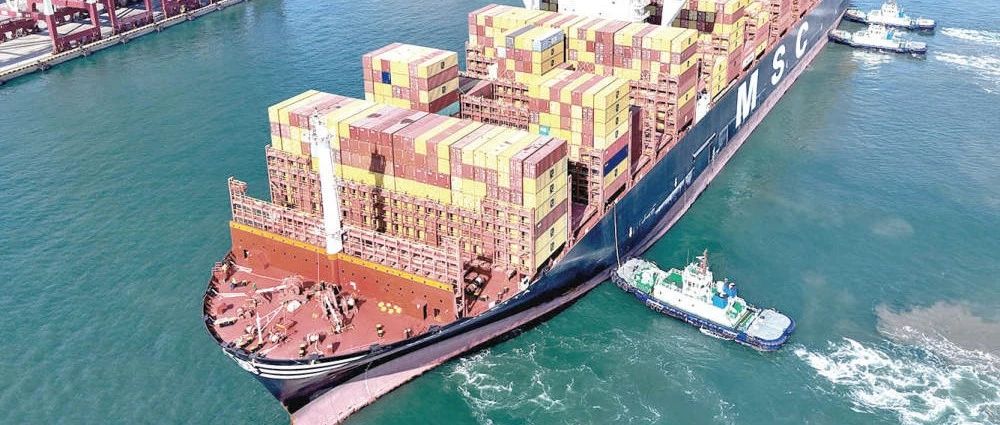
“免税直邮”结束:小卖家暂停发货,平台加码海外仓
2 1 Shi Ji Jing Ji Bao Dao· 2025-05-04 04:17
Core Viewpoint - The cancellation of the $800 de minimis exemption by the U.S. has significantly impacted the cross-border e-commerce landscape, forcing sellers to reassess their business models and logistics strategies [1][3][10] Group 1: Policy Changes and Impact - The U.S. officially terminated the $800 de minimis exemption on May 2, 2024, which previously allowed low-value goods from China to enter the U.S. without tariffs [1][3] - This policy change is expected to lead to increased logistics costs and longer delivery times for cross-border e-commerce, prompting sellers to either raise prices, shift to overseas warehouses, or explore markets outside the U.S. [1][6][10] - The number of low-value packages processed by U.S. Customs surged from 1.39 million in 2015 to over 1.3 billion in 2024, highlighting the significance of the de minimis policy for cross-border trade [3] Group 2: Seller Responses and Market Dynamics - Many sellers, particularly small and medium-sized enterprises, are pausing shipments to the U.S. due to increased costs, with some opting to refund unshipped orders [1][4] - Major platforms like Temu and SHEIN have announced price increases averaging 30% across various product categories due to rising operational costs [6] - The cancellation of the de minimis exemption is likely to accelerate market consolidation, favoring larger sellers with robust supply chains while putting smaller sellers under significant pressure [9][10] Group 3: Future Trends and Strategies - The shift towards overseas warehouses is anticipated as sellers seek to maintain market presence in the U.S. despite increased costs [7][10] - The transition to overseas warehouses requires upfront investment and poses risks related to inventory management, which may be challenging for smaller sellers [8][9] - The industry is expected to evolve towards a more mature and regulated phase, with a potential shift from price competition to value competition, emphasizing brand and compliance as core competitive advantages [10]
库克突然宣布,苹果将损失65亿,人民网的“预言”成真了!
Sou Hu Cai Jing· 2025-05-03 14:53
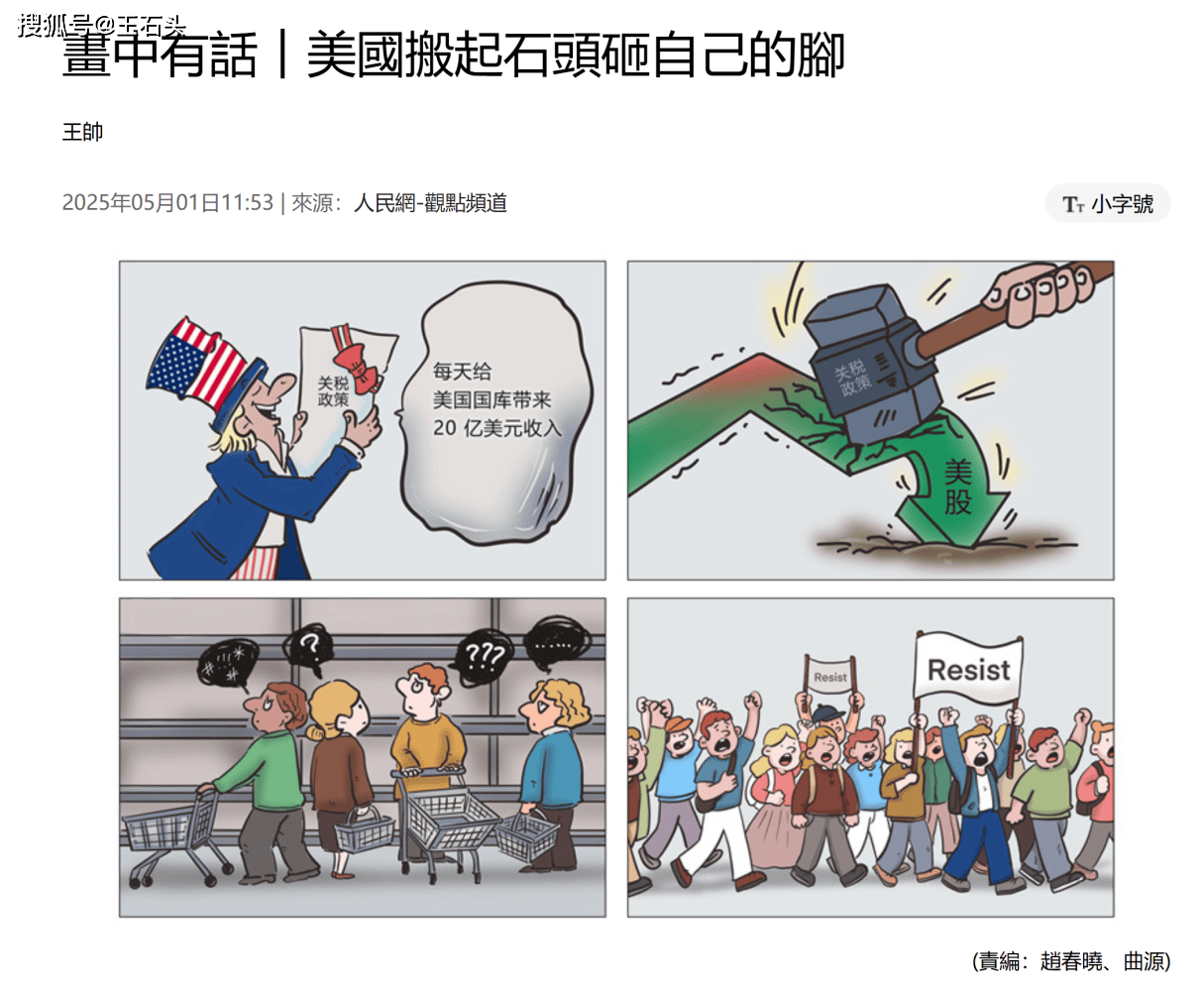
自4月以来,特朗普多次对中国输美商品进行加征关税,如今关税已加到245%,无疑是宣布终止与中国进行贸易。 但特朗普加征关税的行为,正如人民网近日的一组漫画阐述的观点一样,等于是搬起石头砸自己的脚。 库克称,受美国关税政策影响,预计苹果在第三财季(2025年3月30日至6月28日)将损失约9亿美元,这笔金额相当于65亿人民币。 这反映了苹果作为高度依赖中国供应链的美国企业,当前正面临的困境,更揭示了特朗普对华加征245%关税政策,也会对美国科技领军企业造成系统性的 冲击。 受关税政策,中国有很多企业受到了一定影响,但同时美国科技公司也受到了同等的影响,苹果便是其中之一。 苹果CEO库克在2025财年第二财季财报电话会议上的表态如同一记警钟,震撼了整个科技产业界。 苹果之所以会出现约65亿的巨额损失,主要是因为关税政策会导致美国市场的iPhone成本翻倍,受此影响下,苹果似乎也只有两条路可以走。 第一种是将关税成本全额转嫁给消费者,届时美国市场的iPhone可能面临翻倍涨幅,如此一来美国消费者购买iPhone的频次就会大幅降低。 另一种是苹果通过在全球市场涨价的方式,弥补美国关税造成的损失,但在其它国家和地区涨价 ...


Lady Gaga世界级音乐节秒杀Lisa,姜还是老的辣?|潮汐Mail
36氪· 2025-04-30 16:25
Group 1 - The rise of AI technology allows users to transform images into Studio Ghibli styles, leading to widespread social media engagement and concerns over copyright infringement [7][9][10] - The cross-border e-commerce platform DHgate has seen a significant increase in its app ranking, reaching the second position in the US App Store and topping the charts in 98 countries, attributed to its low-cost B2B model [12][15] - SHEIN, a fast-fashion giant, is facing challenges due to fluctuating international trade policies, despite making progress in its listing process [16][18] Group 2 - The upcoming May Day holiday is expected to drive travel demand, with a notable increase in hotel bookings across over 1,200 counties in China, highlighting a trend towards "reverse tourism" [19][22] - Meituan is re-entering the offline market with its Xiaoxiang supermarket, aiming to compete with Hema and JD's fresh food offerings, leveraging its strong online presence [26][28] - Luxury brand LV is engaging Gen Z by collaborating with TikTok influencers for its spring campaign, reflecting a broader trend of brands seeking to connect with younger consumers [31][34] Group 3 - The Coachella music festival featured notable performances, including Lady Gaga's acclaimed show and Green Day's politically charged set, showcasing the event's cultural significance [36][39]
不内卷,“90后”开的中国工厂靠什么脱颖而出?
Guan Cha Zhe Wang· 2025-04-30 09:51
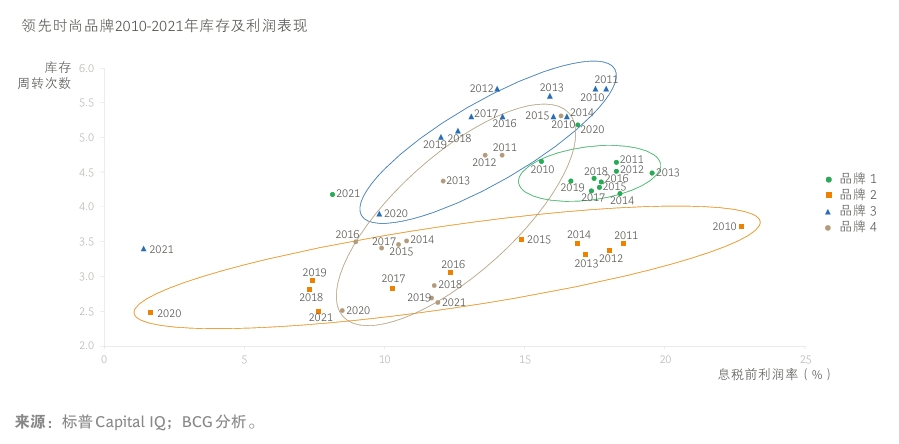
Core Viewpoint - The article highlights the innovative practices of SHEIN's suppliers, particularly focusing on the flexible supply chain and digital transformation that enhance production efficiency while ensuring worker welfare [2][3][10]. Group 1: Factory Environment and Worker Welfare - SHEIN suppliers, like the factory in Foshan, have improved working conditions with effective cooling systems and organized environments, countering the stereotype that young people avoid factory work [2][3]. - The factory management emphasizes the importance of workers' health by avoiding forced overtime and ensuring normal working hours, even during voluntary overtime [3]. Group 2: Cost Management and Inventory Control - SHEIN's flexible supply chain allows for better cost management, with a digital order management system that reduces material waste and worker idle time by accurately calculating required labor and production schedules [3][10]. - A Boston Consulting Group report indicates that inventory levels directly impact fashion companies' performance, with SHEIN managing to keep inventory turnover days below 30, compared to the industry average of 80-120 days [5][10]. Group 3: Lean Production and Supplier Empowerment - SHEIN invests in supplier training and development, providing various courses to enhance production capabilities, which has led to significant cost savings for suppliers [12][13]. - The establishment of SHEIN's innovation center in Guangzhou aims to integrate on-demand production with lean manufacturing practices, fostering technological and digital transformation among suppliers [12][14]. Group 4: Technological Innovation and Automation - SHEIN has developed proprietary digital design tools and automated cutting equipment that significantly improve production efficiency and material utilization [13][14]. - The company has also created a platform to share its patented technologies with suppliers and the broader industry, promoting automation in the Chinese apparel sector [15]. Group 5: Expansion and Industry Impact - SHEIN's supplier network is expanding beyond Guangdong to central and western regions of China, contributing to local employment and disseminating advanced manufacturing practices [16]. - The company has invested over 10 billion yuan to enhance its smart supply chain matrix in the Greater Bay Area, demonstrating its commitment to digital transformation and supplier empowerment [16].
关税不确定性!张一鸣力挺TikTok Shop,由美国加速向全球化扩张
Sou Hu Cai Jing· 2025-04-30 02:23
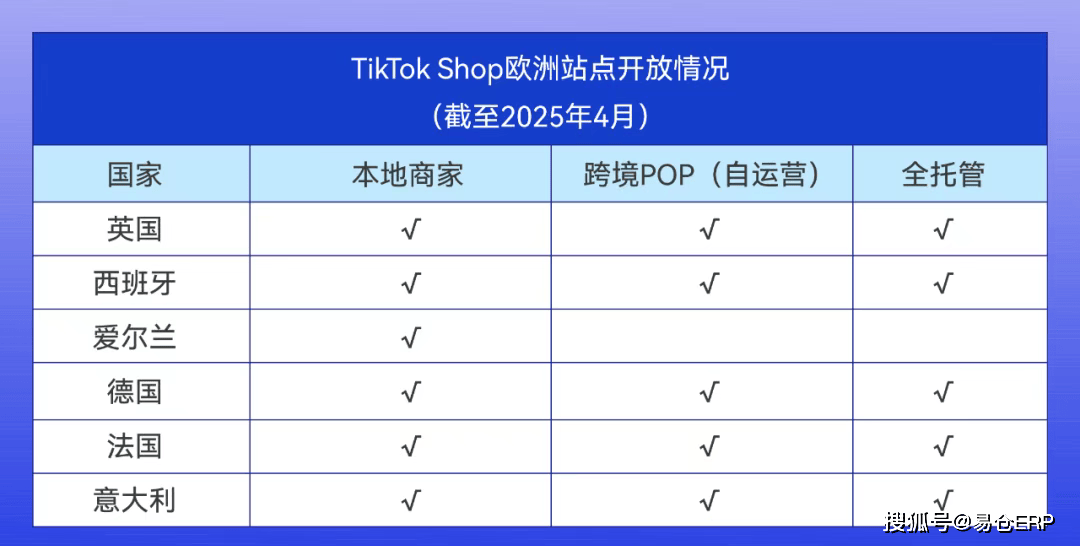
Group 1: TikTok Shop Global Expansion - TikTok Shop is rapidly expanding its global market presence under the strategic direction of founder Zhang Yiming, focusing on Europe, Latin America, and Asia [1] - Recent strategic adjustments allow sellers from mainland China and Hong Kong to enter key European markets like Germany and Spain, lowering entry barriers for Chinese sellers [1] - The platform supports U.S. cross-border merchants in easily setting up stores in the UK, enhancing operational efficiency with a rule allowing up to five stores per entity [1] Group 2: Market Presence and Developments - As of April 2025, TikTok Shop has established multiple sites across the U.S., UK, France, Germany, Spain, Mexico, and Italy, with Brazil set to open on May 8, 2025, and preparations ongoing for the Japanese market [3] - The expansion into these markets provides cross-border sellers with a new avenue to mitigate risks associated with the U.S. market while seizing opportunities in emerging markets [3] Group 3: Challenges for Cross-Border Sellers - U.S. tariff policies have increased logistics and compliance costs, prompting sellers to accelerate their multi-platform strategies [4] - The operational complexity has risen due to requirements such as 48-hour shipping in the EU and long logistics cycles in remote areas of Brazil [4] - Sellers face challenges in customs calculations, inventory synchronization, and financial reconciliation across different platforms and currencies [4] Group 4: Solutions for Multi-Platform Management - Easy ERP offers four core functionalities to help sellers reduce costs and improve efficiency in managing multi-platform operations [5] - The system supports automated order processing across over 60 major cross-border e-commerce platforms, optimizing logistics and reducing manual errors [7] - It provides global inventory management, seamless integration of financial data, and precise breakdown of customs costs, enabling sellers to focus on risk diversification and profit maximization [8]
SHEIN暗自转移供应链到巴西,声称自己不是中国公司
Xin Lang Cai Jing· 2025-04-29 10:23
Core Viewpoint - Fast fashion giant SHEIN has raised prices across various product categories in the U.S. market to address the upcoming small parcel tariffs, with significant price increases noted in women's clothing and health and beauty products [1][2]. Price Increases - SHEIN's price hike occurred last Friday, affecting a wide range of products, with women's clothing prices increasing by 8% and health and beauty products' average prices rising by 51% for the top 100 best-selling items, with some items doubling in price [1] - Home goods, kitchen supplies, and toys saw an average price increase of over 30%, with a specific example being a 10-piece kitchen towel set that surged by 377% [1] Supply Chain Localization - SHEIN has been actively pursuing a localization strategy for its supply chain since 2022, aiming to establish local logistics and suppliers in core markets, including setting up a headquarters in Dublin and teams in Poland and Turkey to reduce delivery times and carbon emissions [2] - The company collaborates with over 5,000 suppliers in China to maintain low product prices, but acknowledges that risks are increasing due to tariff issues [2] Global Supply Chain Expansion - In February, SHEIN reportedly encouraged suppliers to establish factories in Vietnam, offering incentives such as a 30% increase in procurement prices, although this was denied by a company spokesperson [2] - India has emerged as a new base for SHEIN's supply chain, with ongoing collaboration with Reliance Retail to establish manufacturing capabilities and explore exporting products from India to meet global demand [3] Corporate Identity - SHEIN's Chief Strategy Officer, Peter Pernot-Day, emphasized that the company should not be viewed solely as a Chinese entity, but rather as an international company with teams worldwide, with its headquarters in Singapore [1][2]
深圳拓扑CEO卢聪:SHEIN和Temu涨价利好独立站卖家跟跨境电商卖家
Sou Hu Cai Jing· 2025-04-29 09:16
近日,跨境电商平台SHEIN和Temu在官网发布通知称,由于最近全球贸易规则和关税变化,从4月25日 起进行价格调整。对此,深圳拓扑CEO卢聪接受数字经济新媒体&智库#网经社专访。 卢聪表示,不管是Shein、 Temu 还是独立站亚马逊卖家来说是一个利好消息。这个背后有三点原因: 第一点,当Shein跟Temu 这种号称行业低价卷王的平台开始涨价之后,对于其他的亚马逊独立站、阿里 速卖通的卖家都具备了更好的涨价空间跟机会。 第二个,在调价的同时就意味着大家可以对我们的价格具有重新的定价权。因为美国卖家他毫无疑问已 经第一波涨价了,那接下来就是咱们中国卖家他应该是第二波去做涨价的。Shein、 Temu 涨价之后大 家的这个价格可以重新做一个选择,重新有定价权。 第三点,当我们在涨价的时候,就意味着这个关税的费用,它最终是以价格传导的方式来转移到美国消 费者的身上。这个是我们最乐意看到的,因为如果说这个成本一直在国卖家这边,大家是选择性的把这 个关税自己去承担。那我们最终就会没有利润甚至亏损,但是如果说这个价格最终通过涨价的方式传导 到消费者。那就是美国消费者来为这个关税买单,这样一定程度上会让美国在考虑这个 ...

T86清关是什么?取消了对中国跨境卖家有何影响
Sou Hu Cai Jing· 2025-04-28 18:11
Core Viewpoint - The cancellation of the T86 customs clearance policy by the U.S. government marks a significant shift in global trade dynamics, particularly affecting Chinese cross-border sellers who previously benefited from this simplified customs process [1]. Group 1: T86 Customs Clearance Overview - T86 customs clearance, introduced in 2019, facilitated rapid growth in cross-border packages from China, with 1.36 billion packages processed in 2023, over 30% of which were Chinese goods [1]. - The policy allowed B2C e-commerce packages valued at ≤ $800 to be exempt from tariffs, simplifying the process through electronic declarations and reducing clearance time to 1-3 days [3]. Group 2: Impact of Policy Termination - The cancellation of T86 customs clearance presents multiple challenges for Chinese sellers, including increased customs costs and a significant decline in market competitiveness [5]. - The effective tax rate for Chinese goods will rise to 54% after May 2, with additional tariffs leading to a minimum charge of $25 for packages valued at $50, severely impacting profit margins [6]. Group 3: Strategic Responses - Chinese sellers are advised to build a "threefold moat" by localizing supply chains, enhancing product value, and diversifying market presence [5]. - Companies must adapt to the new regulatory environment by establishing compliance systems, leveraging digital tools for inventory management, and focusing on high-margin products [6]. Group 4: Industry Insights - The end of the T86 policy emphasizes the need for compliance-driven operations to avoid significant penalties and the importance of digital transformation to optimize supply chain efficiency [6]. - Companies should explore emerging markets and utilize multiple platforms to mitigate risks associated with over-reliance on a single market [6].