傅利叶

Search documents
环球直击美国CES展:更少和更强大的中国企业正在重新定义AI竞争的规则
Huan Qiu Wang Zi Xun· 2026-01-10 05:33
Core Insights - The CES 2026 showcased AI as the central theme, emphasizing human-centric applications and the integration of AI into various sectors [1][3][6] - The competition in the chip industry was highlighted, with major players like NVIDIA, AMD, Intel, and Qualcomm presenting their advancements in AI infrastructure [3][9] - The exhibition marked a shift from hardware-centric displays to a focus on ecosystem definition and strategic collaboration among companies [4][16] AI and Robotics - CES 2026 introduced a dedicated area for AI and quantum innovation, showcasing practical applications of embodied intelligence and advancements in autonomous driving [3][4] - The event demonstrated a transition from conceptual robot designs to practical solutions addressing real-world challenges in home services and industrial logistics [3][11] - Chinese companies showcased significant advancements in robotics, with a focus on self-developed core components and solutions for logistics and manufacturing [11][13] Chinese Companies' Participation - The number of Chinese exhibitors in the core professional pavilion decreased to 207 from 1,475 in 2025, indicating a structural adjustment in participation [4][5] - The remaining Chinese companies at CES were required to demonstrate AI-related functionalities, reflecting a shift towards more innovative and integrated product offerings [5][6] - Major Chinese firms like Lenovo showcased their global influence by hosting large-scale events, indicating a strategic focus on ecosystem development [6][16] Competitive Landscape - The competition is evolving from hardware specifications to a comprehensive narrative that includes both foundational technology and application capabilities [7][16] - The contrasting approaches of Chinese and American tech companies in building AI ecosystems highlight differences in strategic thinking and resource allocation [8][15] - Chinese automotive companies emphasize full-stack self-research and vertical integration, while Western firms focus on open software ecosystems and long-term evolution [15][16] Future Implications - The CES 2026 signals a shift in global tech competition towards defining future technology ecosystems and industry standards [16][17] - Companies that can navigate the complexities of AI and contribute to ecosystem building are likely to remain at the forefront of technological advancement [17]




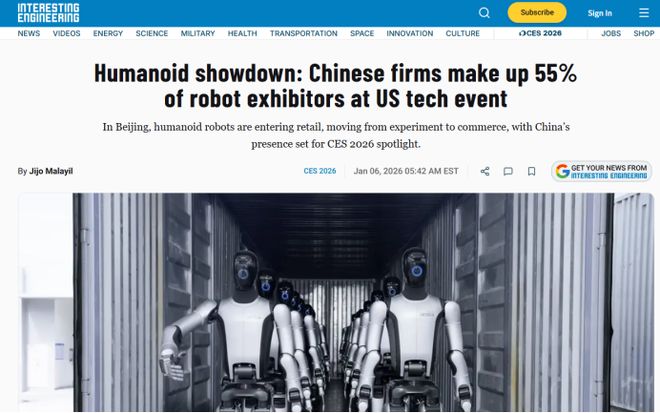
去年全球人形机器人出货1.3万台 中国厂商领跑
Zheng Quan Ri Bao· 2026-01-09 16:41
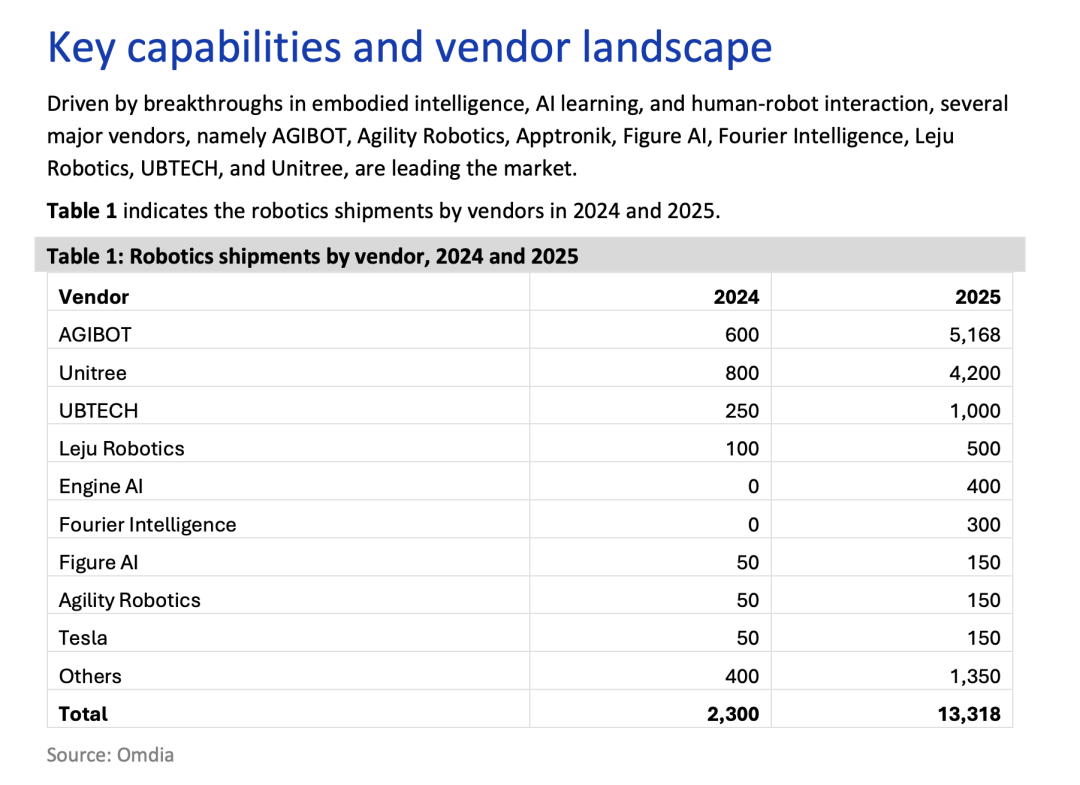
近日,权威市场研究机构Omdia发布的《通用具身机器人市场雷达报告》显示,2025年,全球人形机器 人市场迈入快速增长阶段,全年总出货量达1.3万台。 中国厂商已成为人形机器人行业的主导力量。根据Omdia数据,出货量排名前六的品牌均来自中国,依 次为智元创新(上海)科技股份有限公司(以下简称"智元机器人")、宇树科技股份有限公司(以下简 称"宇树科技")、优必选、乐聚机器人、众擎机器人、傅利叶。 其中,智元机器人以超过5100台的年度出货量,占据全球人形机器人市场39%的份额,出货量与市场份 额均位居全球第一;宇树科技以4200台的出货量紧随其后,二者合计占据71%的市场份额。Omdia预 计,未来10年,人形机器人市场将迎来指数级增长,到2035年全球出货量有望达到260万台。 中国机器人CR教育培训标准委员会委员魏国红对《证券日报》记者表示,当前,国内人形机器人市场 头部效应显著,壁垒初步形成,其中智元机器人与宇树科技构成的"第一梯队",形成了显著的市场和品 牌壁垒。这种高度集中的格局表明,在产业爆发初期,技术集成度、产品成熟度与商业化落地速度已成 为竞争的关键。 在迈睿资产管理有限公司首席执行官王浩宇 ...

具身泡沫收缩,机器人ChatGPT时刻还没到|虎嗅CES 2026讨论会
虎嗅APP· 2026-01-09 13:31
Core Insights - The article emphasizes a shift in the AI hardware industry towards practical applications and commercialization, moving away from grand narratives of universal robots to specialized solutions [6][7][10]. Group 1: Market Trends - The consensus at CES 2026 is that the "bubble is shrinking," with companies focusing on vertical scenarios rather than one-size-fits-all solutions [8]. - Companies are abandoning humanoid robots in favor of specialized devices, such as wheeled robotic arms and folding machines, indicating a trend towards smaller, cost-effective solutions [9]. - The introduction of home robots priced below 10,000 yuan is expected to lower industry entry barriers, exemplified by products like the remote-free home robot dog [9]. Group 2: Companion Robots - The companion robot market is becoming increasingly competitive, with a clear distinction emerging among survivors: those with precise product definitions, high technical barriers, or innovative forms like flying companions [12]. - The emotional value of companion robots is being engineered and quantified, with design principles being applied to create a sense of "life" in robotic movements [13]. - Companion robots are positioned not as replacements for pets but as alternatives for those who desire the emotional benefits of pet ownership without the responsibilities [13]. Group 3: Supply Chain Dynamics - The dominance of Chinese manufacturers at CES highlights a significant shift in the global supply chain, with the "East rising and West falling" narrative becoming increasingly evident [15]. - The efficiency of the Chinese supply chain allows for rapid hardware iteration, contrasting with the slower pace of Western teams reliant on Chinese components [15][17]. - The geographical concentration of manufacturing in regions like Dongguan provides a competitive advantage that is difficult to replicate [17]. Group 4: AI Glasses Market - The AI glasses market is characterized by intense competition, with various manufacturers vying for a share, but large companies are expected to dominate due to their supply chain capabilities [19][20]. - For AI glasses to achieve mass commercialization, they must excel in multiple areas such as weight, battery life, interaction, display, computation, and price, which is currently not the case [20]. - Opportunities still exist for startups in niche verticals, such as professional sports and industrial inspections, despite the competitive landscape [20]. Group 5: Future Outlook - The discussion among industry leaders indicates a growing focus on emotional needs, particularly in the companion robot sector, which targets a significant market of individuals seeking companionship [22]. - The transition from theoretical technology to practical engineering solutions is underway, with B2B applications likely to see commercialization before broader consumer adoption [22]. - The article concludes that the industry is shifting from questioning the feasibility of technology to evaluating the market value of products, marking a significant change in focus [25].

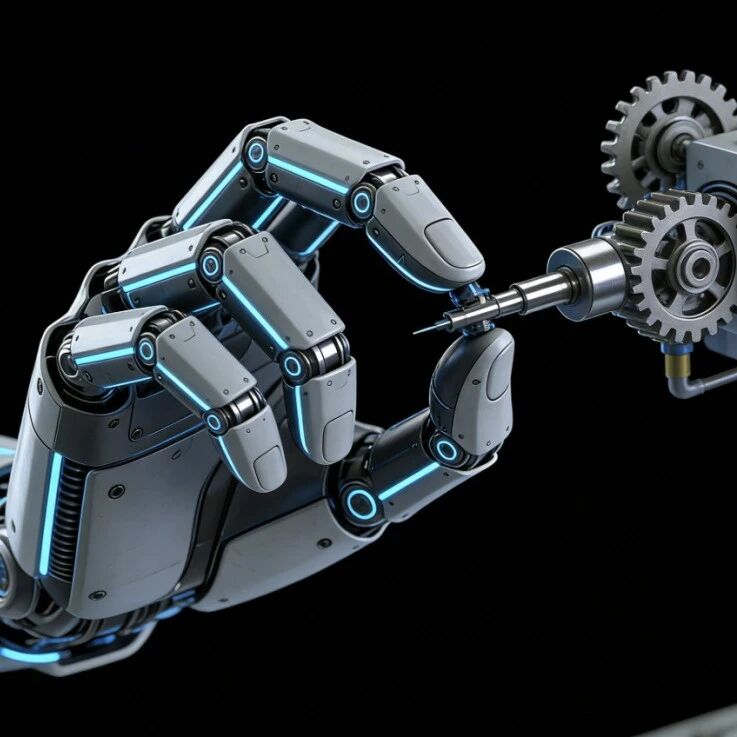
2026年CES展18款灵巧手盘点!
机器人圈· 2026-01-09 09:56
Core Insights - The CES 2026 showcased dexterous hands as a highlight in humanoid robotics, featuring advanced capabilities such as 17-20 degrees of freedom, precise tactile sensing, and adaptable grasping abilities, moving from laboratory demonstrations to practical applications [2] - A total of 18 companies exhibited dexterous hand products, with Chinese firms dominating the exhibition with 11 participants, followed by companies from South Korea, the USA, and Singapore [2] Company Highlights - **DexRobot**: Introduced the DexHand021 Pro, featuring 22 degrees of freedom and a competitive price range of $14,000 to $28,000, showcasing significant technological advancements and cost-effectiveness for global robotics development [10] - **Linker Hand 30**: Offers 21 degrees of freedom with millimeter-level precision, utilizing advanced tendon-driven systems and multi-modal sensing capabilities, suitable for industrial automation and medical assistance [13][15] - **Realhand**: Presented the RealHand 06, emphasizing its lightweight design and high load capacity of 50 kg, with a focus on dynamic tactile feedback [9] Product Specifications - **DexHand021 Pro**: Features over 500 physical sensing points and a 5MP RGB camera, enabling real-time, high-precision multi-modal perception, with a maximum load of 50N [12] - **Linker Hand 30**: Achieves high precision in replicating human hand movements, with a maximum speed and responsiveness suitable for rapid tasks [15] - **GMH18 by PaXini**: Offers 5 degrees of freedom and a maximum load of 20 kg, designed for industrial applications [8] Market Trends - The dexterous hand technology is seen as a critical factor in overcoming the practical limitations of robotics, with a growing emphasis on fine motor skills and adaptability in unstructured environments [12][17] - The significant presence of Chinese companies at CES 2026 indicates a strong competitive landscape in the robotics sector, particularly in dexterous hand technology [2]
CES观察|能跑跳、能干活、能签单,中国人形机器人站上C位
Bei Ke Cai Jing· 2026-01-09 09:35
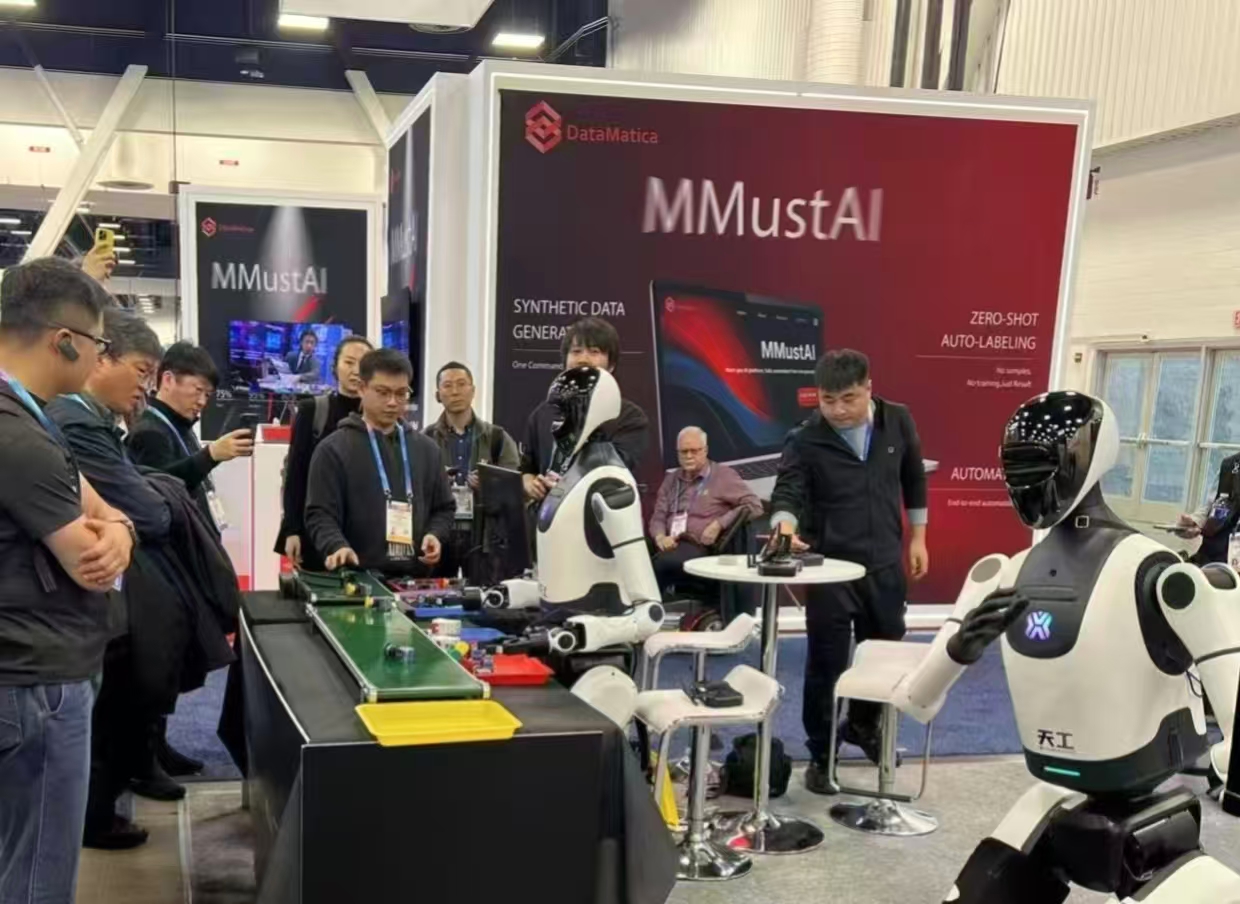
Core Insights - The CES 2026 showcased a significant dominance of Chinese companies in the robotics sector, with 149 out of 598 exhibitors being Chinese, accounting for nearly one-quarter of the total [1] - In the humanoid robot segment, 21 out of 38 exhibitors were from China, representing over half of the participants [1] - The event highlighted advancements in various applications of humanoid robots, including industrial, commercial, and home companionship [2][8] Group 1: Company Highlights - Companies like Yushu Technology and Zhiyuan Robotics demonstrated their capabilities in motion control and application scenarios, showcasing robots capable of dance and combat [4] - The Beijing Humanoid Robot Innovation Center made its debut, emphasizing the importance of showcasing the practical capabilities of humanoid robots to enhance international influence [8] - The company Lingqiao Intelligent presented its high-performance dexterous hand, significantly reducing costs to make it more accessible for research institutions and startups [10] Group 2: Technological Advancements - The event featured robots that integrated advanced AI capabilities, such as language interaction and autonomous sorting, demonstrating their practical applications in real-world scenarios [6][7] - Breakthroughs in tactile technology were showcased, with companies like Pasini Sensory Technology presenting advanced multi-dimensional tactile sensors [11] - The development of world models as data engines in embodied intelligence was highlighted, indicating a shift towards more sophisticated evaluation and reinforcement learning environments [11] Group 3: Market Expansion and Sales - The CES 2026 served as a critical platform for Chinese robotics companies to expand their global market presence, with several companies reporting immediate sales during the event [8] - Companies like Songyan Power are shifting their focus from product display to commercial implementation, targeting key regions for market expansion [8] - The event underscored the importance of a well-defined and efficient industrial ecosystem, indicating a maturation of the robotics industry [9][12]
智元第一,宇树第二!中国人形机器人企业领跑全球
Zhong Guo Zheng Quan Bao· 2026-01-09 08:30
Core Insights - The report by Omdia highlights the dominance of Chinese manufacturers in the humanoid robot market, with Zhiyuan leading with over 5,100 units shipped, capturing 39% of the global market share [1] - By 2025, the top six humanoid robot manufacturers will all be Chinese, collectively accounting for 86.9% of global shipments [1] Group 1: Market Performance - In 2024, total shipments of humanoid robots are projected to be 2,300 units, increasing to 13,318 units in 2025 [2] - The report indicates that the humanoid robot index rose by 1.66%, with significant stock price increases for companies like Jizhi Co. and Hongxun Technology [3] Group 2: Industry Developments - At CES 2023, several Chinese humanoid robot companies showcased their products, including Zhiyuan's launch of the Genie Sim 3.0 platform, which enhances model training and application [4] - Other companies like Unitree and Fourier Intelligence also presented their latest humanoid robots and solutions, indicating a strong presence in the market [4][5] Group 3: Future Projections - Omdia predicts exponential growth in the humanoid robot market, with global shipments expected to reach 2.6 million units by 2035 [6] - Companies like Zhiyuan and Tesla are positioned as leaders in the industry, driving rapid development and innovation [6] Group 4: Strategic Investments - Companies are actively investing in humanoid robotics, with Hongrun Construction and Guoji Precision Engineering announcing partnerships and new product lines aimed at enhancing their market positions [7] - The domestic humanoid robot shipment is expected to rise to 62,500 units by 2026, marking a significant milestone for the industry [7]

CES变成中国科技秀:机器人跳舞、熊猫获奖
3 6 Ke· 2026-01-09 08:24
Group 1: Core Themes of CES 2026 - The main theme of CES 2026 is "human-centered" AI applications, marking a shift from traditional consumer electronics to AI-centric technological transformations [1] - Chinese companies are increasingly taking center stage at CES, with 942 exhibitors, accounting for approximately 22% of the total, maintaining their position as the second-largest exhibiting nation [1] - In specific sectors, Chinese firms dominate, with 55% of humanoid robot exhibitors and nearly 70% of AI glasses brands coming from China [1] Group 2: Robotics and AI Innovations - Chinese manufacturers are expected to continue leading in cost reduction and efficiency improvements in humanoid robots, showcasing their capabilities in unstructured environments [2] - Notable products include the Unitree H1 humanoid robot with advanced sensing capabilities and the latest generation of the "绝影" series robotic dogs, which excel in indoor navigation [4][11] - The "Care-bot" humanoid robot by Fourier demonstrates embodied intelligence in real-life interaction scenarios [7] Group 3: Consumer Electronics and Smart Devices - Over 80% of global smart glasses supply chain manufacturers are from China, with 16 Chinese companies showcasing their products at CES [15] - Innovations in smart home devices include the AI-driven "安安" companion robot designed for elderly and cognitively impaired individuals [16] - Companies like Alibaba and XREAL are launching advanced AI glasses, with features such as ultra-lightweight designs and integration with various AI services [19][20] Group 4: Automotive and AI Integration - The automotive industry is transitioning from "software-defined" to "AI-defined" vehicles, with companies like Geely and Great Wall showcasing new technologies [28] - Geely's G-ASD smart driving solution and Great Wall's focus on new energy technologies highlight the industry's shift towards AI integration [30][32] - New products like the AI-driven logistics solutions from New Stone and advanced lidar technology from Hesai demonstrate the growing importance of AI in transportation [34][35] Group 5: Home Appliances and AI - Hisense introduced new RGB-Mini LED display technology and AI-controlled smart refrigerators, showcasing the integration of AI in home appliances [41] - TCL's innovations in display technology, including the world's first printed OLED car screen, reflect advancements in consumer electronics [43][44] - Companies are increasingly focusing on AI capabilities in home security and smart home management systems [51][49] Group 6: Overall Impact of AI - CES 2026 emphasizes the profound impact of AI on the consumer electronics industry, with expectations for AI user numbers to grow significantly [59] - The event serves as a platform for global tech companies to set the foundation for future technological development and transformation [59] - The integration of AI into various sectors, including robotics, automotive, and consumer electronics, indicates a trend towards deeper AI adoption in everyday life [59]




收评:沪指16连阳站上4100点 AI应用方向领涨 卫星互联网延续活跃态势
Xin Hua Cai Jing· 2026-01-09 07:47
Market Performance - The Shanghai Composite Index closed at 4120.43 points, up 0.92%, marking a 16-day consecutive rise [1] - The Shenzhen Component Index rose 1.15% to 14120.15 points, while the ChiNext Index increased by 0.77% to 3327.81 points [1] - The total trading volume for the Shanghai market was approximately 12.892 billion yuan, and for the Shenzhen market, it was about 18.336 billion yuan [1] Sector Performance - AI application sectors led the market, with significant gains in various related concepts such as Kimi, Sora, and AIGC [1] - Other active sectors included satellite internet, commercial aerospace, and space big data, along with notable increases in small metals, precious metals, and duty-free shops [1] Institutional Insights - The market is showing an upward trend, with many sectors supported at the 60-day moving average, indicating a new round of bullish momentum [2] - Long-term investment opportunities are suggested in high-growth sectors such as semiconductors, consumer electronics, artificial intelligence, and commercial aerospace [2] - A recent improvement in the overall industry prosperity index and PMI supports the positive outlook for the market [2][3] Policy Developments - The "Guidelines for the Construction and Application of Industrial Green Microgrids (2026-2030)" were issued to promote green energy applications in industrial sectors [4] - The guidelines emphasize a minimum of 60% self-consumption of renewable energy for new industrial projects [4] Robotics Market - A report indicates that by 2025, the top six companies in global humanoid robot shipments will be Chinese, with a total expected shipment of 13,000 units [5] - The leading company, Zhiyuan, is projected to capture 39% of the market share with over 5,100 units shipped [5] Company News - MiniMax, an AGI company, saw its stock price surge by 90.9% upon its listing on the Hong Kong Stock Exchange, reaching a market capitalization of approximately 91.94 billion HKD [7] - The company raised about 5.54 billion HKD through its IPO, which will be allocated for model upgrades and AI product development [7]
中国人形机器人集体闪耀CES 剑指全球市场拓展
Zhong Guo Jing Ying Bao· 2026-01-08 15:24
Core Insights - The 2026 CES in Las Vegas will feature over 1,000 Chinese companies, making them the largest overseas exhibitor group, with a significant focus on humanoid robotics [1] - Chinese humanoid robot companies are showcasing their flagship products and demonstrating practical applications, indicating a strong presence in the global humanoid robotics industry [1][4] Group 1: Company Participation and Innovations - Accelerated Evolution showcased its Booster K1 robots, which performed interactive dances and achieved sales of several units on the first day of CES [2] - Zhiyuan Robotics presented a full range of robot products, including the Lingxi X2 and the newly launched Q1, emphasizing their commitment to building an embodied intelligence ecosystem [3] - Star Motion Epoch displayed multiple products and has established partnerships with nine of the top ten global tech companies, delivering over 600 units, including a significant order in logistics worth nearly 50 million yuan [3][6] Group 2: Market Expansion and Global Strategy - The participation of Chinese humanoid robots at CES reflects their ambition to expand into overseas markets and achieve commercial growth [5] - Star Motion Epoch reported that half of its 500 million yuan in orders come from overseas markets, highlighting its global outreach strategy [6] - Songyan Power aims to establish a presence in key markets such as North America and Europe, planning to achieve significant market expansion by the second quarter of 2026 [7] Group 3: Industry Trends and Competitive Advantages - The humanoid robot industry in China is experiencing a surge, with a projected exponential growth in global production in 2026 [8] - Chinese companies have achieved a localization rate of 50%-70% for core components, with manufacturing costs significantly lower than their Western counterparts, enhancing their competitive edge in the international market [8]
人形机器人冲刺资本市场:融资铺路量产,“自我造血”仍是大考
机器人圈· 2026-01-08 10:13
Core Viewpoint - The humanoid robot industry in China is experiencing a surge in IPO activities, driven by policy support and market confidence, but faces challenges in technology and application scenarios [2][6]. Group 1: IPO Activities - Companies like Yushu Technology, Leju Robotics, and Yundongchu Technology are actively pursuing IPOs, with Yushu Technology being a frontrunner expected to submit its listing application between October and December 2025 [3][4]. - Yushu Technology has completed 10 rounds of financing, with a post-investment valuation exceeding 12 billion yuan, and reported revenue surpassing 1 billion yuan in 2025 [3][4]. - Leju Robotics and Yundongchu Technology are also advancing their IPO processes, with Leju planning to complete its advisory work by mid-2025 and Yundongchu having launched its IPO advisory in December 2025 [4][5]. Group 2: Industry Challenges - Despite the push for IPOs, the humanoid robot industry faces significant challenges, including limited technological breakthroughs and insufficient core application scenarios [2][6]. - The industry is expected to cross a critical production milestone by 2026, but mass production is hindered by technical and supply chain issues, necessitating substantial funding for ongoing development [7][8]. - Companies must focus on achieving stable order volumes, reducing costs, and improving profitability to navigate through market cycles successfully [9][10]. Group 3: Market Dynamics - The market is witnessing a shift towards commercial viability, with an increase in verifiable application scenarios and real orders in sectors like industrial and service applications [6][10]. - Companies are exploring diverse commercial pathways, particularly in standardized sectors such as commercial services and smart retail, to accumulate real-world data and validate their business models [11][12]. - The success of humanoid robots in achieving large-scale production is contingent upon aligning customer demand, core technology, and cost control [11][12].