创想三维

Search documents
基础化工行业年度报告:周期成长双线轮动,持续看好成长赛道和反内卷大方向
Xin Lang Cai Jing· 2026-01-09 09:00
Group 1 - The chemical industry is at the bottom of its profitability cycle, with the chemical PPI showing signs of stabilization, indicating limited further downside risk [1][6][41] - The trend of "East rising, West falling" is evident, with Chinese companies expanding their product and capacity overseas to mitigate risks and enhance market presence [1][23][35] - There is a clear trend of polarization within the industry, where only companies above the industry median can realize profits, while marginal firms face significant challenges [1][36][39] Group 2 - Supply-side constraints are expected to improve industry sentiment, leading to price and profit recovery, particularly in sectors with limited new capacity [2][43][44] - The demand side remains weak, but structural opportunities may arise from new market segments and changes in demand patterns [3][47][48] - Emerging sectors such as AI, robotics, and solid-state batteries are anticipated to drive long-term investment opportunities due to their growth potential [2][48][49] Group 3 - The chemical industry is experiencing a significant shift in its competitive landscape, with European chemical competitiveness declining, allowing Chinese firms to capture more market share [23][25][29] - The export of chemical products from China has been increasing, with a net export value of $24.1 billion, indicating a positive trend in mitigating domestic supply pressures [15][31][33] - Companies are increasingly focusing on overseas resource acquisition, such as phosphate and potassium mines, to secure raw materials and enhance their competitive edge [1][35][36]

CES硬核科技刷屏,广东力量秀出“中国方案”
21世纪经济报道· 2026-01-09 07:53
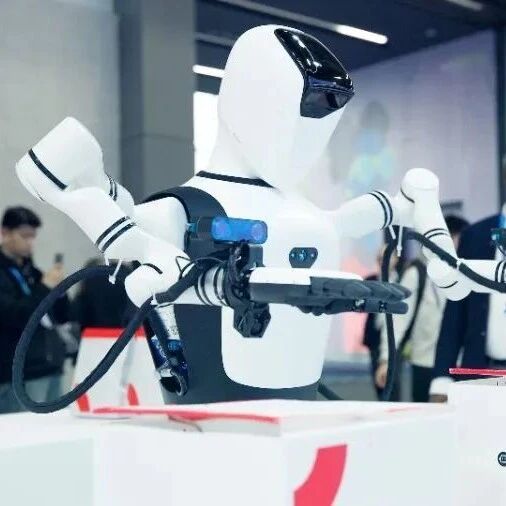
Core Viewpoint - The CES 2026 showcased significant advancements in technology, particularly highlighting the strong presence and innovation of Guangdong enterprises in the global tech landscape [1][2]. Group 1: Guangdong's Presence at CES - Guangdong had a remarkable representation at CES, with 837 companies from mainland China and 530 from Guangdong, including 370 from Shenzhen, making up 44.2% of the mainland exhibitors [1]. - The event highlighted Guangdong's innovation in various sectors, including smart hardware, AI-integrated products, and robotics, establishing the region as a key player in global tech innovation [1][2]. Group 2: Robotics and AI Innovations - The emergence of embodied intelligent robots was a focal point, with companies like SUTENG showcasing their autonomous delivery robot capable of performing nearly 20 complex tasks [3][5]. - The robotics industry is transitioning from mere demonstrations to practical applications, with companies like ZHONGQING making strides in real-world scenarios such as logistics and public services [5][6]. Group 3: Energy Solutions and Smart Technologies - Energy tech companies presented solutions for smart and decentralized energy management, including products like the Explorer 1500 Ultra and innovative outdoor solar solutions [8][9]. - The integration of AI in energy solutions is aimed at enhancing efficiency and supporting the transition to automated driving technologies [8][9]. Group 4: Globalization and Market Strategy - Guangdong enterprises are evolving from simple product exports to comprehensive global strategies that include technology, branding, and ecosystem development [12][15]. - Companies like TCL and CHUANGXIANG SANWEI are focusing on localizing their operations and building service ecosystems in international markets to enhance brand recognition and customer engagement [12][13]. Group 5: Shifting Market Dynamics - The narrative of Guangdong companies has shifted from being followers to leaders in the global tech arena, with a focus on technological innovation and brand influence [17][19]. - The efficient supply chain in Guangdong is a critical factor enabling rapid product iteration and technological advancements, positioning these companies favorably in the competitive landscape [21].
CES硬核科技刷屏,广东力量秀出“中国方案”
2 1 Shi Ji Jing Ji Bao Dao· 2026-01-09 06:05
Core Insights - The CES 2023 showcased significant technological innovations, particularly highlighting the strong presence of Guangdong companies, which accounted for a substantial portion of the exhibitors [1][10] - The event emphasized the transition of robotics and AI technologies from experimental stages to practical applications, with Guangdong firms leading this shift [3][4][14] Group 1: Guangdong's Presence at CES - A total of 3,302 companies participated in CES 2023, with 837 from mainland China, 127 from Taiwan, and 98 from Hong Kong; Guangdong alone had over 530 exhibitors, including 370 from Shenzhen, representing 44.2% of mainland China's participation [1] - Guangdong companies showcased a range of innovative products, including smart robots, 3D printing technologies, and AI-integrated devices, reflecting their growing influence in global tech innovation [1][10] Group 2: Robotics and AI Innovations - The event featured significant advancements in embodied intelligent robots, with companies like SUTENG showcasing a delivery robot capable of performing complex tasks autonomously, highlighting the practical applications of AI in logistics and service sectors [3][4] - The robotics industry is moving towards large-scale validation, with companies focusing on real-world productivity rather than just technological demonstrations, indicating a maturation of the sector [4][5] Group 3: Energy Technology and Smart Solutions - Energy technology firms presented solutions for smart and decentralized living, with products like the Explorer 1500 Ultra and Jackery Solar Gazebo, which integrate energy independence into household infrastructure [5][6] - The emergence of intelligent charging networks for autonomous vehicles was also highlighted, showcasing the integration of AI in future transportation solutions [6] Group 4: Globalization and Market Strategy - Guangdong companies are increasingly adopting comprehensive globalization strategies, moving beyond simple product exports to include technology, brand, and ecosystem development [7][10] - Companies like TCL and EcoFlow are focusing on localizing operations and building service ecosystems in international markets to enhance brand recognition and customer engagement [8][9] Group 5: Supply Chain and Innovation - The robust supply chain ecosystem in Guangdong is a critical factor in the rapid iteration and commercialization of innovative products, enabling companies to achieve significant technological breakthroughs [13][14] - The emphasis on R&D investment and the efficiency of the supply chain have strengthened the competitive position of Guangdong firms in the global market [13]
朝闻国盛:对当前房地产困境的三点思考
GOLDEN SUN SECURITIES· 2026-01-09 00:08
Group 1: Core Conclusions - The report presents three key thoughts on the current real estate dilemma, emphasizing that the existing supply exceeds demand, making "net supply" reduction crucial for stabilizing the market [2] - The report highlights that second-hand housing prices provide stronger guidance and leading signals compared to new housing prices, which can be understood from the perspectives of supply, demand, price, and policy [2] - It stresses the importance of recognizing the tail risks associated with the current real estate adjustment, particularly concerning developers, homebuyers, and banks, indicating potential risks may concentrate on banks, especially smaller banks [2] Group 2: Policy Recommendations - Four feasible policy measures are suggested to reduce net supply: optimizing land acquisition, revitalizing distressed and idle properties for public service needs, accelerating the replacement of aging housing, and allowing market forces to phase out "ghost town" housing in lower-tier cities [2] Group 3: Industry Performance Insights - The report provides insights into industry performance, noting that the defense and military industry showed a 59.9% increase over the past year, while the non-ferrous metals sector increased by 103.4% [1] - It also indicates that the banking sector experienced a decline of 2.3% in January, with a modest annual growth of 6.3%, reflecting ongoing challenges in the financial landscape [1]
家电轻工2026年策略报告:重点关注内需供给优化,外需新品类新市场-20260108
GOLDEN SUN SECURITIES· 2026-01-08 07:57
Group 1: Industry Overview - The home appliance and light industry in 2026 should focus on four investment themes: domestic demand supported by old-for-new policies, supply-side improvements in the power bank industry, and the rise of niche consumer products in service consumption [1] - The white goods sector is expected to benefit from the old-for-new policy, with a significant increase in consumer spending projected [44] - The overall performance of the light industry outperformed the CSI 300 index, with a cumulative increase of 24.68% from January to December 2025 [12][15] Group 2: Key Companies - Midea Group is developing a second growth curve through its B-end business, particularly in data center liquid cooling, which shows significant potential [2] - Haier Smart Home is enhancing its operational system through a data-driven approach, improving competitiveness across product, cost, and supply chain [2] - TCL Electronics and other companies in the black goods sector have shown strong performance, benefiting from the old-for-new subsidy policy [21] Group 3: Market Trends - The power bank industry is expected to see improved market conditions due to new regulations, which will raise industry standards and potentially eliminate many low-quality brands [2] - The "Guzi economy" is tapping into emotional consumption needs, with domestic IP supply increasing and consumer spending on IP expected to grow significantly [3] - The folding bicycle market is transitioning from niche to mainstream, with significant growth potential driven by urban mobility needs [3] Group 4: Export and New Markets - The export chain is gradually recovering from tariff disruptions, with a focus on companies that have strong overseas production capabilities to mitigate tariff risks [3] - New product categories, such as pool cleaning robots, have substantial growth potential, with Chinese companies expected to increase their market share [3] - Emerging markets in Africa and Latin America present new opportunities for multinational hygiene product companies [3]


国盛证券:重点关注家电内需供给优化 外需新品类新市场
智通财经网· 2026-01-08 06:45
Group 1: Home Appliance and Light Industry Investment Opportunities - The home appliance and light industry should focus on four investment themes by 2026: 1) The white goods sector, supported by trade-in policies, is expected to have good allocation value due to its dividend yield; 2) The power bank industry is anticipated to improve due to new regulations, while the domestic hardware market share is set to rise [1] - The white goods sector has strong defensive attributes and offers good value in terms of dividend yield. Midea Group's B-end business, particularly in data center liquid cooling, shows significant growth potential, with its current P/E ratio being relatively low [1] - Haier Smart Home is enhancing its competitive edge through a new operational system focused on "data-driven intelligent decision-making and closed-loop optimization" [1] - The power bank industry is expected to see improved market conditions with the upcoming release of the "Mobile Power Safety Technical Specification" in Q1 2026, which will raise industry standards and potentially eliminate many white-label brands [1] Group 2: Consumer Trends and New Market Opportunities - The "lipstick effect" and social currency attributes are driving demand for emotional consumption, with the IP-based spiritual consumption sector in China experiencing rapid growth and increasing supply of domestic IPs [2] - Companies like Pop Mart, which have strong IP operation capabilities, and Blukoo, which has significant room for channel expansion, are recommended [2] - The folding bicycle market is gaining traction due to its convenience and efficiency in urban settings, with Dahan Technology leading the industry in mainland China [2] - The consumer-grade 3D printer market is evolving from a niche tool for professionals to a widely accessible device, with Chuangxiang Sanwei expected to list on the Hong Kong Stock Exchange [2] Group 3: Export Chain Recovery and New Product Opportunities - The Chinese home appliance and light manufacturing industry remains globally competitive, with a focus on companies that have strong product and channel development capabilities and overseas factories to mitigate tariff risks [3] - New product opportunities include pool cleaning robots, which have significant room for market penetration, and companies like Wangyuan Technology are expected to list on the Hong Kong Stock Exchange [3] - There is a focus on multinational hygiene product companies like Leshushi that are targeting rapidly developing emerging markets in Africa, Latin America, and Central Asia [3]

国信证券:看好全球3D打印市场保持快速成长 维持“优于大市”评级
智通财经网· 2026-01-08 02:25
Group 1 - The global 3D printing industry is expected to exceed 150 billion RMB in 2024, with a potential market size of 100 billion USD in the next decade, driven by the maturity of 3D printing technology and its advantages over traditional manufacturing methods [1] - The consumer-grade 3D printing market is dominated by domestic manufacturers, with a projected market value of 4.1 billion USD in 2024, growing to 16.9 billion USD by 2029, reflecting a compound annual growth rate (CAGR) of 33% [1] - Major domestic players hold over 70% of the global market share in consumer-grade 3D printers, with TuoZhu Technology and Chuangxiang Sanwei being market leaders [1] Group 2 - The industrial 3D printing sector requires breakthroughs in core components such as high-end lasers, galvanometers, and inkjet nozzles, which are currently dominated by foreign manufacturers [2] - Industrial 3D printing is transitioning from "test-type" applications to "scale" applications, demonstrating significant value in sectors like shoe molds and commercial aerospace [2] Group 3 - Domestic manufacturers are making continuous breakthroughs in various aspects of 3D printing, with Aisike achieving domestic production of piezoelectric inkjet printheads and 100% localization in 3D metal printing equipment [3] - JinChengZi is a leader in laser processing control systems and is also expanding into consumer-grade products, while SiKan Technology leads in industrial 3D scanning and is entering the consumer market [3] - Chuangxiang Sanwei is a global leader in consumer-grade 3D printing and is actively developing an AI ecosystem, while other companies like Huasu High-Tech and Bolite are expanding into new markets such as consumer electronics and commercial aerospace [3]


AI应用系列:3D打印百花齐放,国产厂商持续突破
Guoxin Securities· 2026-01-07 11:19
Investment Rating - The report maintains an "Outperform" rating for the 3D printing industry [1] Core Insights - The consumer-grade 3D printing market is dominated by domestic manufacturers, with AI facilitating a prosperous ecosystem. The global consumer-grade 3D printer market is expected to reach $4.1 billion in 2024, growing to $16.9 billion by 2029, with a compound annual growth rate (CAGR) of 33% [2][21] - The industrial-grade 3D printing sector requires breakthroughs in core components, with applications gradually moving towards scale. Key components such as high-end lasers, galvanometers, and inkjet nozzles still need to be localized [2][49] - Domestic manufacturers are making continuous breakthroughs across various segments of 3D printing, with companies like Aisike achieving localization in piezoelectric inkjet nozzles and Jin Chengzi leading in laser processing control systems [2][49] Summary by Sections 1. 3D Printing in Consumer and Industrial Markets - 3D printing is flourishing in both consumer and industrial markets, with distinct applications and technologies [12][91] 2. Rapid Development of Consumer Market, AI Enhancing Ecosystem - The consumer-grade market is rapidly growing, driven by AI advancements that lower modeling barriers and enhance user engagement [25][30] 3. Core Component Localization in Industrial 3D Printing, Diverse Applications - The localization of core components in industrial 3D printing is anticipated, with applications expanding across various sectors [2][49] 4. Rapid Development of Domestic Manufacturers, Continuous Breakthroughs - Domestic manufacturers are achieving significant advancements in 3D printing technology, with a focus on various segments and applications [2][49]
中国机器人军团,“围剿”波士顿动力
3 6 Ke· 2026-01-07 11:10
Core Insights - The CES 2026 showcased a significant presence of Chinese robotics companies, accounting for 58.8% of the total exhibitors, with 21 out of 38 companies being Chinese, highlighting the growing influence of China in the robotics sector [1][4] - AI has transitioned from conceptual to practical applications, with products demonstrating real-world utility, particularly in robotics, marking a shift towards functional integration of AI and hardware [2][14] - Boston Dynamics unveiled the second-generation Atlas robot, which features advanced capabilities such as 360-degree joint rotation and high adaptability for complex tasks, emphasizing the competitive landscape in robotics [3][4] Group 1: Chinese Robotics Companies - Notable Chinese exhibitors included Yushu Technology with its combat robot G1, Zhiyuan Robotics showcasing its interactive robots, and Fourier Intelligence presenting the GR-3 humanoid robot [5][7][8] - The event featured a variety of robots, including the Vbot from Vitan Power, which is designed for home use and can operate autonomously without remote control [9][17] - Companies like Robotin introduced the R2 Pro, a modular home robot capable of comprehensive cleaning tasks, while other firms showcased robots for outdoor companionship and AI-driven interactions for children [19][22] Group 2: Technological Advancements - The advancements in AI and robotics were evident, with products like the Booster series robots designed for specific applications in research and events, demonstrating high usage rates [14] - The integration of AI capabilities into various sectors was highlighted, with companies like Chasing Technology showcasing a range of smart cleaning robots and electric vehicles [16] - The CES 2026 marked a turning point for AI hardware, with a focus on practical applications rather than mere concepts, indicating a maturation of the market [30][31]


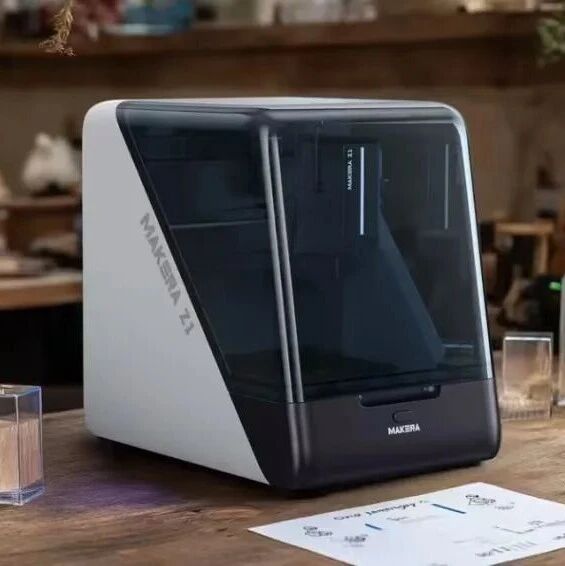
从3D打印到桌面CNC,中国创客硬件集体破圈丨36氪直击CES
36氪· 2026-01-06 13:36
Core Viewpoint - The hardware industry is experiencing intense competition, particularly in the Maker segment, where companies are rapidly innovating and launching new products to capture market share [5][7][9]. Group 1: Industry Trends - The CES event showcases a variety of ambitious products from Chinese companies, including humanoid robots and innovative mobile devices, indicating a vibrant and competitive hardware landscape [4]. - The Maker tools segment has transformed from niche, high-cost products to widely accessible tools, with significant crowdfunding successes reported [8][28]. - Companies like xTool and Snapmaker are leading the charge in the Maker space, with xTool's UV printer and Snapmaker's 3D printer achieving impressive crowdfunding results [11][16]. Group 2: Product Innovations - xTool's new desktop UV printer utilizes UV-LED curing technology, allowing for high-precision printing on various materials, and is positioned to capitalize on market opportunities following the success of competitors [11][13]. - Snapmaker's U1 3D printer has set a record on Kickstarter, emphasizing speed and efficiency in multi-color printing, which is becoming a standard in the consumer market [16][19]. - The introduction of user-friendly features in CNC devices, such as the Makera Z1, is lowering barriers to entry and expanding the audience for these tools [27][28]. Group 3: Market Dynamics - The competition in the Maker tools market is intensifying, with companies needing to differentiate their products through innovation and user engagement [15][21]. - The shift towards multi-color printing in 3D printers is gaining traction, with significant market demand for such capabilities, reflecting a broader trend in consumer preferences [32][34]. - The Maker community is evolving, with tools transitioning from being seen as niche products to essential resources for small businesses and individual entrepreneurs [35].