步步高

Search documents
中国零售渠道变革跟踪系列报告(一):中国硬折扣零售的行业“奇点”已至?
GF SECURITIES· 2026-01-28 05:09
Investment Rating - The industry investment rating is "Buy" [2] Core Insights - The hard discount market in China is entering a golden development period with significant growth potential, as the penetration rate is only about 8%, compared to 42% in Germany and 31% in Japan. The expected compound annual growth rate (CAGR) for the next decade is 5.6%, significantly higher than traditional retail formats like hypermarkets [6][35]. - The essence of hard discounting lies in the deep restructuring of the supply chain, focusing on a limited number of SKUs (1500-2000 core items) and a high proportion of private label products (up to 90%) to achieve structural cost reductions [6]. - The domestic operational model is evolving from the "631" model, which emphasizes fresh produce, to the "523" model, which balances product effectiveness and consumer scenarios, optimizing profitability by increasing the share of ready-to-eat (3R) foods [6]. - Local players are leveraging digital empowerment and scalable replication, with companies like Super Box NB utilizing Alibaba's ecosystem to achieve structural cost reductions and increase private label share to over 60% [6]. - Global giants like Aldi are adapting their strategies to the Chinese market, maintaining high private label ratios and efficient management, achieving a gross margin of around 20% and daily sales per store of 105,000 to 110,000 yuan [6]. - Investment recommendations focus on retail companies that return to the essence of retail, emphasizing supply chain sovereignty, operational efficiency, and consumer trust. Key recommendations include Yonghui Supermarket, Huijia Times, and Chongqing Department Store, with a watch on Bubu Gao and Jiajiayue [6]. Summary by Sections Industry Background - Discount retail is not merely a price war; it aims to provide quality products at lower prices by stripping away brand premiums and reducing unnecessary costs in traditional retail channels [15]. - Hard discounting is characterized by a systematic restructuring of the traditional retail value chain, focusing on high cost-performance ratios [19]. Development History of Hard Discount Supermarkets - The hard discount model originated in post-war Germany, with Aldi establishing the low-price principle in 1948, leading to the emergence of a dual oligopoly in the German market [22]. - The U.S. market saw the rise of membership warehouse stores like Costco, which integrated low-price strategies with membership fees [23]. Market Landscape - Hard discounting has become a significant force in global retail, with a projected 12.6% share in the top 50 global retailers by 2025, indicating its growth momentum [31]. - In China, the hard discount market is expected to exceed 200 billion yuan by 2024, with a penetration rate of only 8%, highlighting substantial growth potential compared to mature markets [35]. Competitive Landscape - Local players like Super Box NB and Happy Monkey are emerging as strong competitors, leveraging supply chain efficiencies and digital tools to enhance their market positions [44]. - Global benchmarks like Aldi and Sam's Club are adapting their models to the Chinese market, focusing on high private label ratios and efficient operations [6][43].


零售企业陷入困境后,为何总是他们出手“接盘”?
3 6 Ke· 2026-01-27 12:48
Core Insights - The traditional retail industry in China has faced significant challenges over the past three years, with several companies, including Meitehao, entering bankruptcy restructuring due to liquidity crises and operational difficulties [2][5][6] Group 1: Company-Specific Developments - Meitehao announced its bankruptcy restructuring on January 25, 2026, and has appointed Shennong Investment (Shanxi) Co., Ltd. for operational management [2] - Other retail companies, such as Honghui Fruits and Vegetables and Hebei 365 Group, have also sought assistance from state-owned enterprises, indicating a trend of government intervention in the retail sector [2][4] - The involvement of state-owned enterprises is seen as a means to stabilize the economy and ensure the supply chain for essential goods, as large supermarkets typically provide significant employment opportunities [5][6] Group 2: Industry Trends and Challenges - The retail sector is experiencing structural challenges, with traditional large supermarkets facing competition from discount stores and e-commerce platforms [6][7] - The rise of hard discount stores and the acceleration of instant retail by major internet companies are reshaping consumer preferences, emphasizing price and quality [7][8] - Retailers are exploring internal reforms, such as innovative business models and operational adjustments, to adapt to changing market conditions [9][10] Group 3: Financial Performance and Strategic Responses - In 2025, the sales of the successful retailer Pang Donglai increased by 38.71% to 23.53 billion yuan, contrasting with the struggles of other retailers like Yonghui Supermarket, which reported significant losses [10] - Retailers are increasingly seeking partnerships with state-owned enterprises either to address liquidity crises or to facilitate strategic transformations [8][9] - The overall performance of chain supermarkets remains weak, with only half achieving sales growth in 2025, primarily driven by improvements in existing stores rather than expansion [9][10]

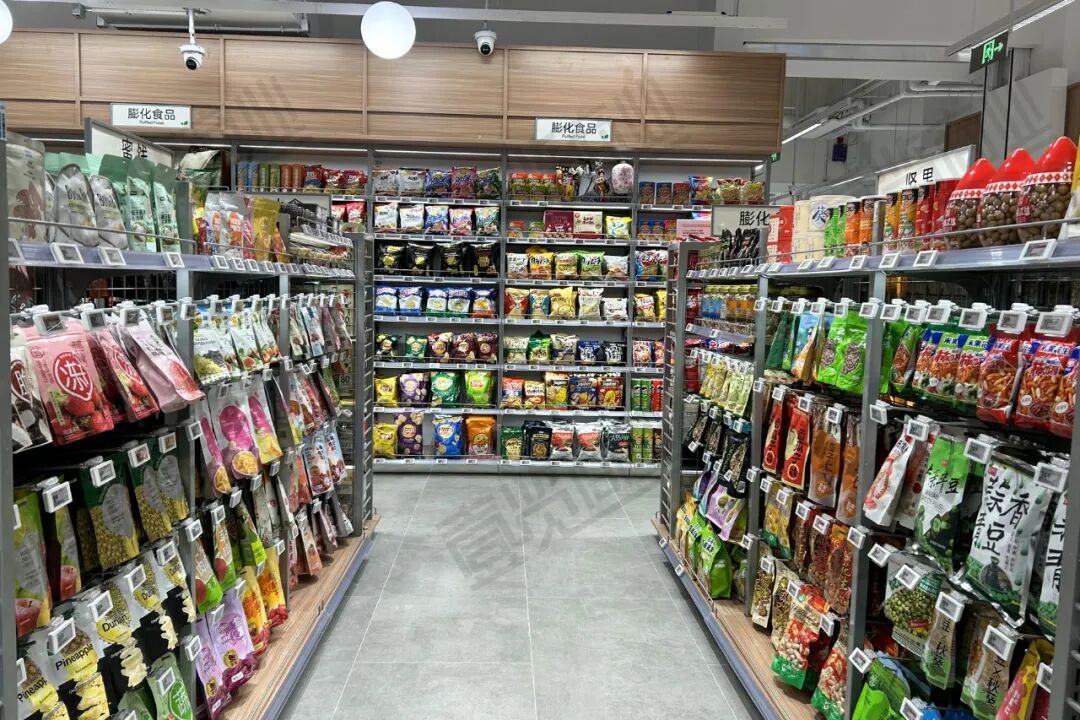
湖南法院破产审判“精准施救” 一年化解债务超1200亿元
Zhong Guo Xin Wen Wang· 2026-01-27 10:00
Group 1 - The core viewpoint of the article highlights the successful judicial restructuring of Bubu Gao Commercial Chain Co., Ltd. and its 14 subsidiaries, which faced significant debt and legal challenges, ultimately leading to a rebirth with the help of government and court collaboration [1] - The company had liabilities amounting to 22.77 billion yuan and was involved in 571 legal disputes, facing delisting risks before the restructuring [1] - The restructuring attracted four industrial investors and involved the participation of industry benchmark company Pang Donglai, which contributed to the company's turnaround from losses to profits [1] Group 2 - In 2025, Hunan courts are expected to adjudicate 1,179 bankruptcy cases, facilitating the "standard exit" of 1,129 companies and helping 50 companies regain vitality, resolving debts totaling 128.31 billion yuan and revitalizing assets worth 29.2682 billion yuan [1] - Different courts in Hunan are exploring diverse rescue paths for various types of enterprises during bankruptcy restructuring, such as the case of an automotive company where asset disposal measures were implemented to transition towards artificial intelligence and advanced manufacturing [1] - The case of three "specialized, refined, distinctive, and innovative" companies undergoing combined restructuring without external investors exemplifies self-driven restructuring, leveraging their technological advantages to stabilize supply chains [1][2]

“抄答案都抄不明白”,想学胖东来的超市怎么一家接一家倒下
Sou Hu Cai Jing· 2026-01-25 20:55
Core Viewpoint - The article discusses the challenges faced by companies attempting to emulate the successful business model of Pang Donglai, highlighting that many have struggled to achieve similar results despite extensive efforts to learn from his approach. Group 1: Challenges in Learning from Pang Donglai - Many companies, including Meitoh and Yonghui Supermarket, have attempted to adopt the "Pang Donglai model" but have encountered significant difficulties, with some even failing to graduate from training programs [1][3]. - Yonghui Supermarket has reported a projected annual loss, while other competitors like Zhongbai have seen revenue decline by nearly 20% year-on-year [3]. - Despite these struggles, Pang Donglai has achieved remarkable success, completing a sales target of 20 billion yuan ahead of schedule, which is 25% more than the previous year's total [3]. Group 2: Key Characteristics of the Pang Donglai Model - The essence of the "Pang Donglai model" lies in fundamentally changing the survival strategies of traditional retail stores, moving away from the reliance on key account (KA) sales [5][6]. - Traditional supermarkets often charge suppliers various fees to place products on shelves, which can significantly reduce profit margins [7][10]. - Pang Donglai, along with Costco and Sam's Club, has adopted a model that emphasizes direct profit from consumers rather than relying on supplier fees, allowing for better product selection and control over inventory [9][10]. Group 3: Management and Operational Insights - The article emphasizes the importance of effective management and organizational structure in successfully implementing the Pang Donglai model, noting that traditional procurement systems can hinder progress [11][25]. - High employee compensation and generous benefits at Pang Donglai are designed to reduce unethical behavior and improve overall management efficiency [14][20]. - The complexity of managing a large organization can dilute the effectiveness of detailed management practices, making it challenging for companies to replicate Pang Donglai's success [25][26].
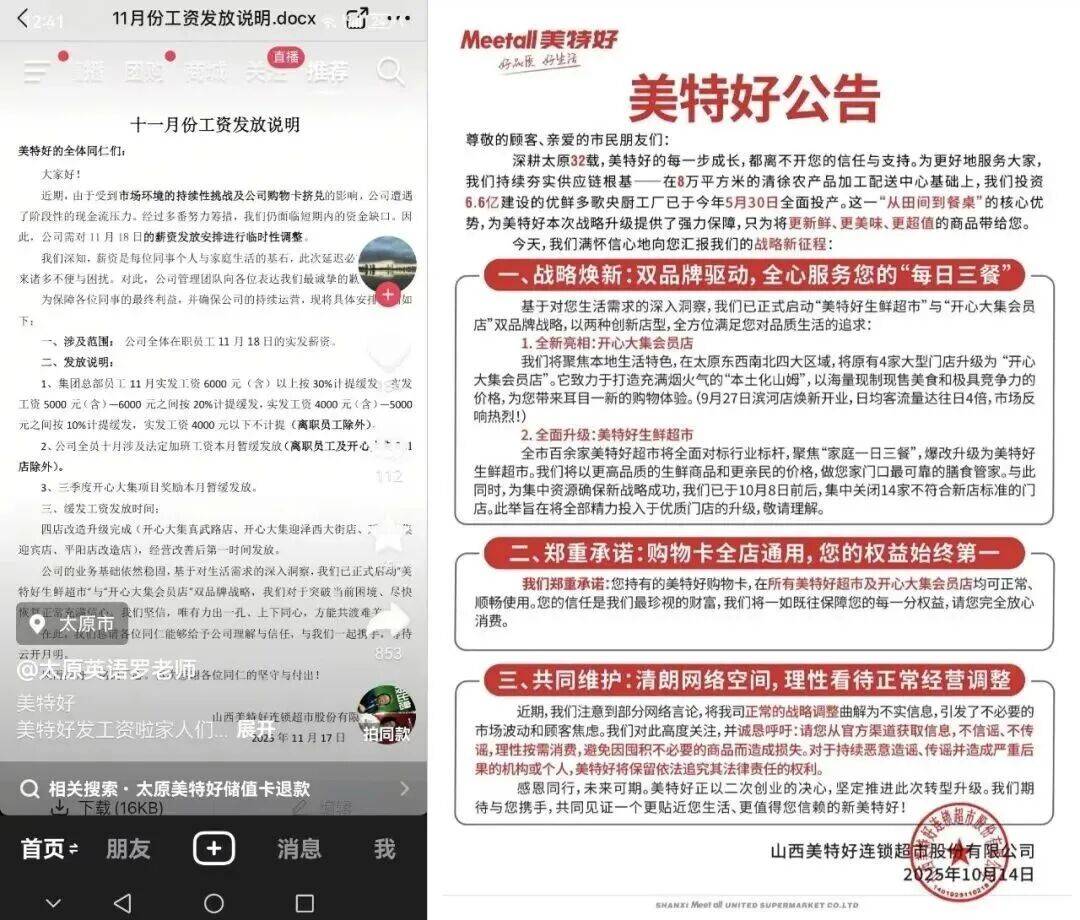
永辉抄胖东来作业,没抄明白
虎嗅APP· 2026-01-25 14:11
Core Viewpoint - Yonghui Supermarket is facing significant financial challenges, with a projected net loss of 2.14 billion yuan for 2025, marking its fifth consecutive year of losses and a 45.6% year-on-year increase in losses [2][4]. Financial Performance - From 2021 to 2025, Yonghui's net profits were -3.944 billion yuan, -2.763 billion yuan, -1.329 billion yuan, -1.465 billion yuan, and a projected -2.14 billion yuan, totaling over 11.6 billion yuan in losses over five years [4]. - The company's asset-liability ratio reached 88.96% by the end of Q3 2025, with total assets of 31.62 billion yuan and liabilities of 28.129 billion yuan [5]. - Operating cash flow has significantly decreased from 5.864 billion yuan in 2022 to 1.14 billion yuan in Q3 2025, indicating severe cash flow pressure [5]. Strategic Transformation - Yonghui's management attributes the massive losses to "short-term pain" from strategic transformation, including the deep adjustment of 315 stores and the closure of 381 low-efficiency stores, resulting in over 1.2 billion yuan in direct losses [4][5]. - The transformation costs for Yonghui are significantly higher than the industry average, with 81% of supermarket companies achieving performance growth while keeping adjustment costs within 3%-5% of revenue, whereas Yonghui's adjustment costs are projected to consume all profits [5]. Comparison with Competitors - The "Fat Donglai model" has shown positive results, with an average customer flow increase of 80% and 60% of adjusted stores achieving record profits, but Yonghui's adaptation has not translated into overall profitability [7][8]. - Fat Donglai's success is attributed to a unique distribution mechanism, regional supply chain barriers, and a trust-based economy, which are difficult for national chains like Yonghui to replicate [8][9]. Industry Context - The retail industry is experiencing a "diversification intensification," with 50% of companies achieving sales growth and 46% achieving net profit growth, while regional supermarkets are outperforming national chains like Yonghui [11][12]. - The shift from scale-driven growth to efficiency-driven growth is evident, with successful companies focusing on single-store efficiency rather than just increasing customer flow [12]. Future Outlook - Yonghui's future hinges on its ability to effectively utilize funds from a planned 3.1 billion yuan capital increase for store adjustments and supply chain upgrades, with potential cash flow crises looming if the capital increase fails [11][12]. - The company must address two core issues: efficiently investing in profit distribution reform and localizing the supply chain while controlling costs during the transformation process [12][13].
胖东来的第一批学徒,已经挂科了
首席商业评论· 2026-01-25 04:48
Core Viewpoint - The article discusses the challenges and complexities of replicating the "胖东来" (Pang Donglai) retail model, highlighting the difficulties faced by other supermarkets in adopting this approach and the unique characteristics that define Pang Donglai's success [5][8][29]. Group 1: Industry Challenges - The retail industry is experiencing significant turmoil, with major players like 永辉超市 (Yonghui Supermarket) and 中百 (Zhongbai) reporting substantial losses, while 胖东来 continues to thrive, achieving a sales target of 20 billion yuan ahead of schedule [8][9]. - The traditional supermarket model relies heavily on key account (KA) relationships, which often leads to high fees for suppliers and a lack of control over product selection [10][12]. - The shift towards a new model, as exemplified by 胖东来, involves reducing reliance on KA and focusing on direct consumer sales, which requires a fundamental change in operational strategy [12][13]. Group 2: Management and Organizational Structure - The difficulties in adopting the 胖东来 model stem from the need to overhaul existing procurement systems and the entrenched interests within traditional supermarket structures [13][14]. - The management challenges include maintaining high standards of employee compensation and performance while ensuring that the complexities of large-scale operations do not dilute the effectiveness of management practices [16][22]. - 胖东来’s approach to employee compensation is notably generous, with base salaries for various positions significantly higher than industry standards, which is intended to reduce corruption and improve performance [16][21]. Group 3: Learning from 胖东来 - Other supermarkets attempting to learn from 胖东来 often struggle to implement the necessary changes, as the model requires a deep understanding of operational efficiency and customer engagement [9][30]. - The article emphasizes that simply copying products or practices from 胖东来 is insufficient; a comprehensive transformation of the business model and culture is essential for success [12][31]. - The unique characteristics of 胖东来, including its focus on self-branded products and customer-centric strategies, make it difficult for competitors to replicate its success without significant organizational changes [12][29].

永辉学习胖东来,结果每天一开门就亏600万
盐财经· 2026-01-24 09:56
Core Viewpoint - Yonghui Supermarket is experiencing continuous losses, with a projected net profit loss of 2.14 billion yuan for 2025, marking the fifth consecutive year of losses, totaling over 11.6 billion yuan since 2021 [2][4][11]. Group 1: Financial Performance - The company reported a daily loss of nearly 6 million yuan over the past year [3]. - From 2021 to 2025, Yonghui's losses were 3.944 billion yuan, 2.763 billion yuan, 1.329 billion yuan, 1.465 billion yuan, and 2.14 billion yuan respectively [4]. - In the first half of 2025, Yonghui's revenue was approximately 29.95 billion yuan, a decrease of 20.73% compared to the previous year [34]. Group 2: Strategic Changes and Challenges - Yonghui has attempted various strategies to reverse its decline, including launching "Super Species," community mini-stores, and digital transformation, but these efforts have not yielded positive results [7]. - The company initiated a transformation plan inspired by the successful case of another supermarket, but after 20 months, the anticipated improvements have not materialized, and losses have increased [10][11]. - The transformation involved significant costs, with each store renovation costing between 5 million to 8 million yuan, leading to a total of approximately 9.1 billion yuan in related expenses for 2025 [31][32]. Group 3: Market Position and Consumer Perception - Despite initial positive consumer responses to store renovations, long-term customer retention remains a challenge, with a 19% decline in customer traffic [34][35]. - The price adjustments post-renovation have led to consumer dissatisfaction, as many perceive the new prices as higher than before, deviating from Yonghui's original "everyday low price" strategy [25][26]. - The company has struggled to establish a unique product identity, with its private label offerings lacking distinctiveness compared to competitors [42]. Group 4: Industry Context - The challenges faced by Yonghui are not unique, as other traditional supermarkets are also struggling with store closures and adapting to changing consumer preferences [45]. - The retail landscape has shifted, with price-sensitive consumers gravitating towards community group buying and discount stores, while those seeking quality and experience are moving towards membership-based stores [43][45].

商超年货节上演家宴、礼赠、自享三重奏,“守稳+创新”共铺双轨产品力
Cai Jing Wang· 2026-01-23 09:38
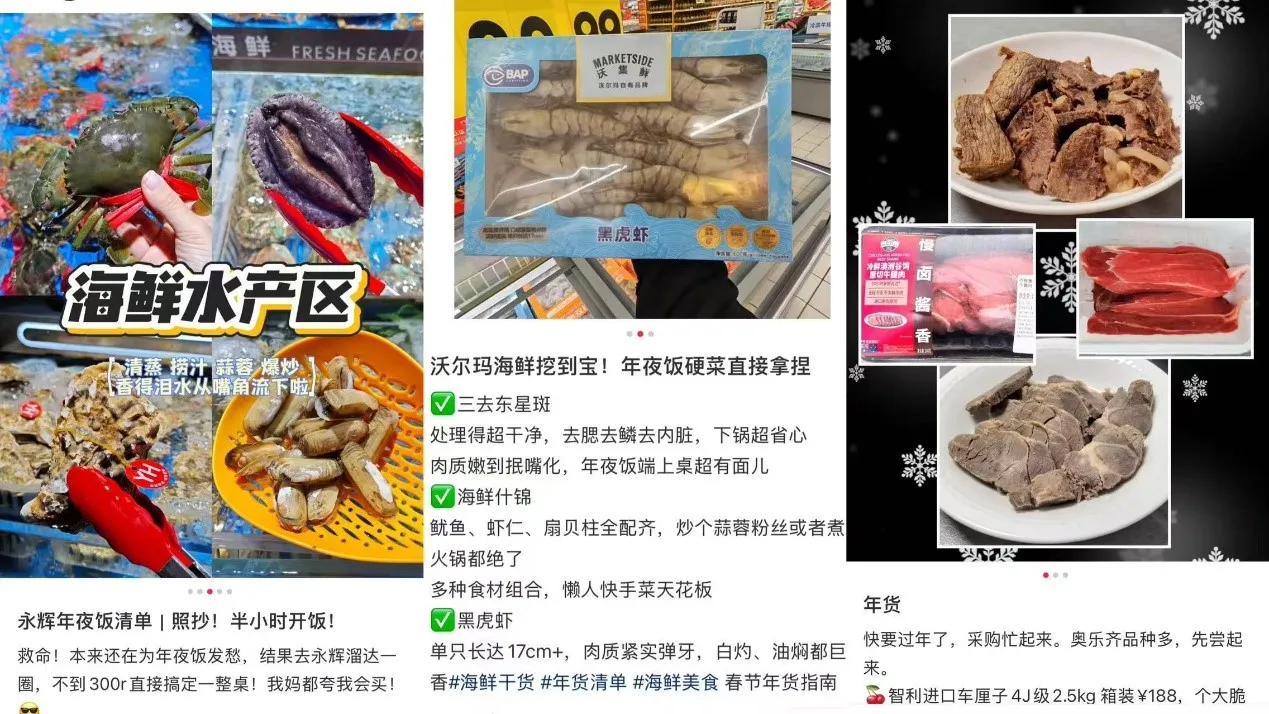
尽管距离2026年农历春节还剩半月有余,但各家商超的"氛围组"角色已然报道。无论是30款千万级品质商品"清单披露"、抑或是数百款自有品牌系列新 品"超越期待",契合健康、情绪消费态度,围绕家宴、礼赠、自享三场景,商超对于年货选品的定义不断进化。 商超年货节呈家宴、礼赠、自享三重奏,消费需求承接凸显兼容化 元旦过后便相继启动"年货季",尽可能将"空窗期"压缩、甚至跳过的各大商超,外溢的年味愈发浓郁。拨开密密麻麻码放在货架上的商品,逐步迈入紧张期 的年味备货,更多呈现家宴、礼赠、自享三重奏。 消费群体结构转变之下,兼顾仪式感、品质力与便捷性的"三角形"家宴需求提高。今年商超对于家宴调性的起步仍从高度兼容性出发。据永辉超市介绍,本 届年货节,永辉家宴团圆方面汇聚了品质永辉零反式脂肪酸花生油、鲜活帝王蟹、永辉定制挪威三文鱼等;沃尔玛方面提供巨无霸黑椒安格斯原切战斧牛 排、黑虎虾、有机盐磨鲍鱼肉等,如欲简化宴客流程,"沃集鲜"另含多款"一道成席"宴客硬菜与礼盒;奥乐齐也在国内推出金蒜椒盐鸭下巴、酒香蒸鲥鱼 等,另有原切牛腱肉、黑猪肋排等食材。 图片来源:小红书截图 品质升级承接的便是日趋理性的消费心态,后者在礼赠场景则 ...
胖东来第一批学徒已挂科
投资界· 2026-01-23 01:01
Core Viewpoint - The article discusses the challenges and complexities faced by traditional supermarkets in China, particularly in the context of learning from the successful model of "胖东来" (Pang Donglai), highlighting the difficulties in replicating its success and the inherent issues within the retail industry [1][3]. Group 1: Industry Challenges - The retail industry is undergoing significant changes, with major players like 永辉超市 (Yonghui Supermarket) facing substantial losses and operational difficulties, including a projected annual loss and a significant drop in revenue [5][6]. - The traditional supermarket model relies heavily on channel fees from suppliers, which has created a complex and often corrupt procurement system that hampers operational efficiency [10][11]. - The shift towards a new model, as exemplified by 胖东来, involves reducing reliance on key account (KA) fees and focusing on direct consumer sales, which requires a fundamental change in operational strategy [10][12]. Group 2: Learning from 胖东来 - Many supermarkets are attempting to emulate 胖东来’s success, but the process has proven difficult, with many struggling to understand and implement the necessary changes [5][6]. - 胖东来 has achieved remarkable sales growth, completing its 200 billion sales target ahead of schedule, which has drawn attention from competitors [5][6]. - The key to 胖东来’s success lies in its ability to redefine the relationship between supermarkets and suppliers, emphasizing product customization and direct consumer engagement [10][12]. Group 3: Management and Organizational Issues - The restructuring efforts at 永辉超市 have led to significant changes in management, including the departure of key executives, indicating the challenges of implementing a new operational model [11][12]. - The complexity of managing a large supermarket chain is exacerbated by the need to maintain effective procurement practices while also ensuring compliance with new operational standards [19][20]. - 胖东来’s approach to employee compensation and management practices, including high salaries and strict performance standards, is a critical aspect of its operational success, but poses challenges for scalability [13][19]. Group 4: Market Dynamics - The retail market in China is characterized by a large number of small companies operating within a vast market, making it difficult for traditional supermarkets to adapt to changing consumer preferences and competitive pressures [22][24]. - The historical context of retail in China shows that many once-dominant players have struggled to maintain their positions, highlighting the transient nature of success in the industry [23][24]. - The article emphasizes that successful business models are often context-specific and may not be easily replicated, as evidenced by the challenges faced by companies attempting to adopt 胖东来’s strategies [26][27].

王石,怎么了
盐财经· 2026-01-22 10:14
Core Viewpoint - The article discusses the contrasting trajectories of Wang Shi and Yao Zhenhua, highlighting Wang's existential crisis and the decline of his influence in the real estate industry, while Yao's aggressive capital strategies have led to his rise in the market [5][20][32]. Group 1: Wang Shi's Current Situation - Wang Shi expressed feelings of inadequacy, stating, "I should be very unsuccessful compared to you," indicating a deep self-reflection on his current status [3][5]. - The public perception of Wang Shi has shifted, with rumors of marital issues and a decline in his business influence becoming hot topics on social media [5][6]. - Wang Shi's past principles, such as rejecting bribery and excessive profits, seem to have lost relevance in the current market environment, leading to a sense of disconnection from his previous ideals [7][10][15]. Group 2: Yao Zhenhua's Rise - Yao Zhenhua's journey from humble beginnings in the agricultural trade to becoming a significant player in the real estate market illustrates a contrasting narrative to Wang Shi's [23][24]. - Yao's strategic moves, including leveraging insurance products for capital growth, have positioned him as a formidable force in the industry, especially during the "Baowan War" against Wang Shi [24][27]. - The article notes that Yao's approach has evolved from being seen as a "barbarian" to a figure seeking to prove his value as a creator rather than a destroyer [30][32]. Group 3: Industry Reflections - The article reflects on the broader implications of Wang Shi's and Yao Zhenhua's experiences, suggesting that they represent two extremes shaped by the same market forces [22][32]. - Wang Shi's legacy and the challenges faced by Vanke post his departure highlight the vulnerabilities in corporate governance and the impact of leadership transitions [15][28]. - The contrasting paths of these two figures serve as a commentary on the shifting dynamics within the Chinese business landscape, where traditional values are increasingly challenged by aggressive capital strategies [42][43].