Salesforce

Search documents
AI vs SaaS:先卖再问,市场只“卖对了一半”?
华尔街见闻· 2026-02-12 09:55
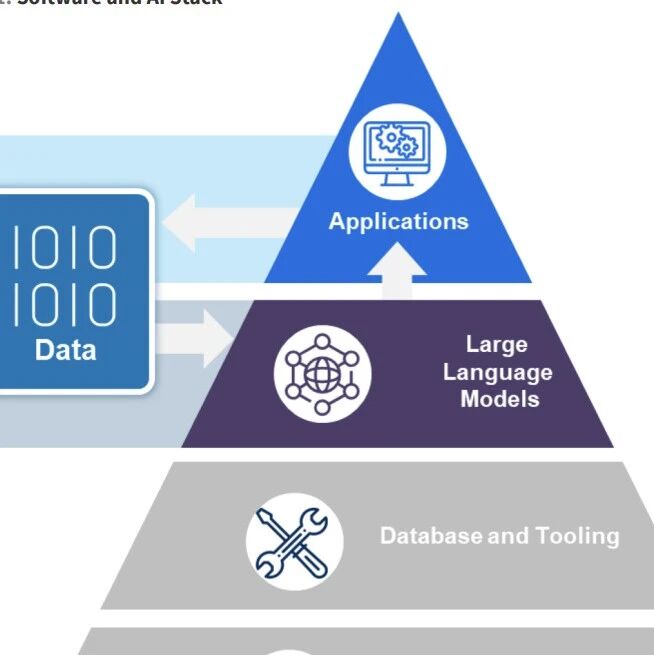
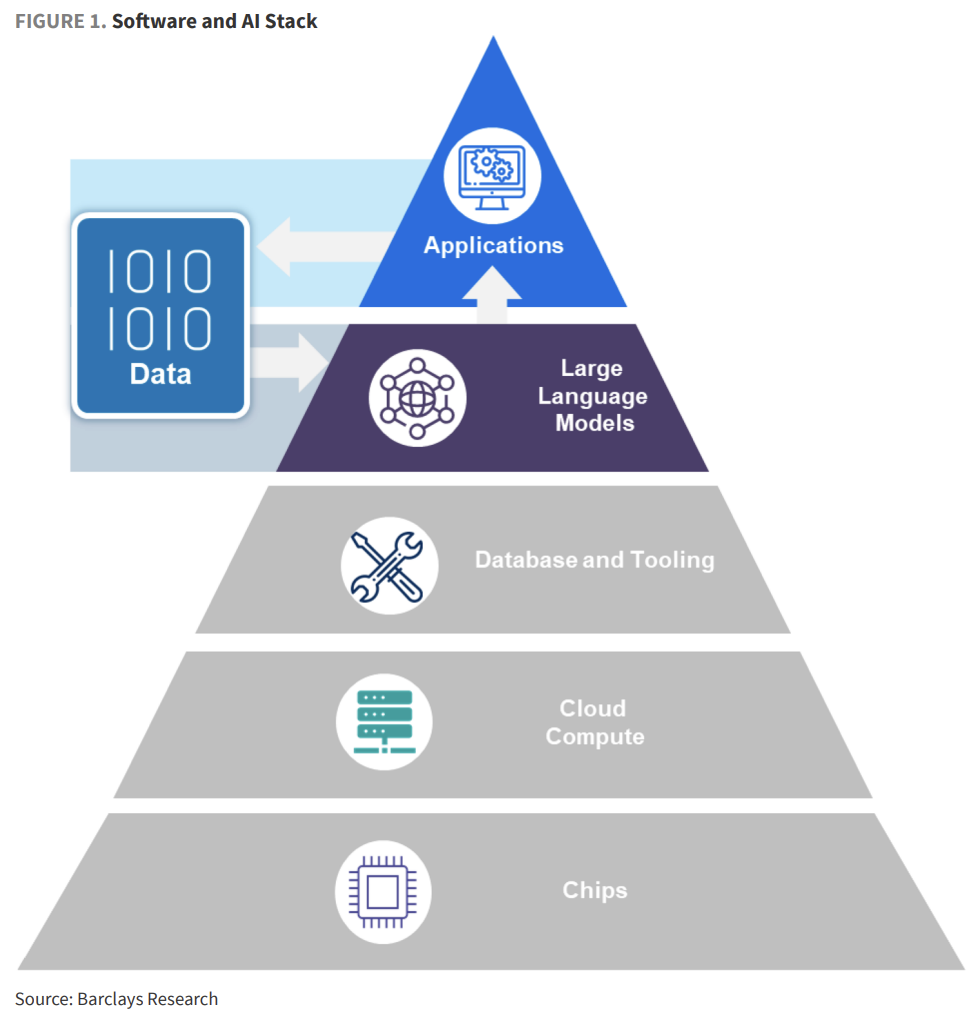
Core Viewpoint - Barclays highlights a critical technological distinction: AI tools are indeed encroaching on the application layer of SaaS companies, but they cannot shake the foundational "system of record" infrastructure, which is the core moat for companies like Salesforce and SAP [1][2]. Group 1: Impact of AI on SaaS Companies - The recent release of products like Claude Cowork by Anthropic has led to a significant decline in enterprise software stocks, with Salesforce and Workday dropping over 40% in the past 12 months [2]. - Investors are confused about the boundaries of AI capabilities, leading to a panic sell-off as they believe new AI tools will completely replace traditional SaaS software, resulting in a zero valuation for legacy companies [2][3]. - Barclays' report argues that a simplistic "one-size-fits-all" logic does not apply to most enterprise software companies [3]. Group 2: AI Capabilities and Limitations - Generative AI excels in pattern recognition and "draft generation," but its probabilistic nature poses fundamental limitations, particularly in scenarios requiring absolute accuracy [5]. - Traditional software operates on deterministic rules, ensuring consistent outputs, while AI software is probabilistic and cannot guarantee the same level of consistency [5][6]. - This indicates that AI operates at a higher level of abstraction and is not a direct replacement for traditional software [6]. Group 3: Mispriced Software Companies - Barclays identifies three categories of enterprise software companies that have been mispriced during the sell-off, starting with system of record companies like Salesforce, which provide critical data requiring certainty [9]. - SAP's position is even more secure, as it manages essential business data and workflows that cannot be handled by advanced generative AI models [9][10]. - The report suggests that AI will not replace these systems but will increase their importance, as AI agents will create more data touchpoints, raising the complexity that system records need to manage [10]. Group 4: Additional Misjudged Investment Opportunities - Besides system of record companies, Barclays points out two other categories that have been misjudged: beneficiaries of AI agents and AI computing providers [11]. - Companies like JFrog, Snowflake, and MongoDB may see increased usage due to the demand for more code and data driven by AI expansion [11]. - There is a logical contradiction in the market's reaction; if AI is powerful enough to disrupt the software industry, the demand for computing power should surge, yet companies like Oracle and CoreWeave have also faced significant sell-offs [11]. Group 5: Reevaluation of Software Sector Valuations - The market correction is deemed necessary for the application layer of enterprise software, which has long enjoyed inflated valuations due to controlling both infrastructure and interface [15]. - If AI technologies can overlay on system records, they may begin to erode the pricing power of SaaS companies [15]. - Barclays concludes that the era of easy high profits for bloated application layers may be over, but this does not signify the end of the entire industry [15][16]. Group 6: Market Sentiment and Future Outlook - The indiscriminate nature of the current sell-off indicates that investors with limited understanding of the software industry are making decisions based on extreme viewpoints [16]. - As understanding of AI capabilities and SaaS business models deepens, the market may reprice companies incorrectly categorized as "AI victims" [16].

AI vs SaaS:先卖再问,市场“卖对了一半”?
Hua Er Jie Jian Wen· 2026-02-12 08:24
Core Insights - The recent release of Anthropic's products has triggered a significant sell-off in enterprise software stocks, revealing an overreaction in the market regarding AI threats [1][3] - Barclays highlights that while AI tools are encroaching on the application layer of SaaS companies, they do not threaten the foundational "system of record" infrastructure, which is crucial for companies like Salesforce and SAP [1][3] Group 1: Market Reaction and Misunderstandings - The release of Claude Cowork by Anthropic has been described as the tipping point for the decline in enterprise software stocks, with Salesforce and Workday seeing over a 40% drop in the past year [3] - Investors are confused about the capabilities of AI, mistakenly believing that new AI tools will completely replace traditional SaaS software, leading to a devaluation of established companies [3][12] - Barclays' report argues that the simplistic view of AI as a total replacement for software does not apply to most enterprise software companies [3] Group 2: AI Capabilities and Limitations - Generative AI excels in pattern recognition and initial draft generation but has fundamental limitations due to its probabilistic nature, making it less effective in scenarios requiring absolute accuracy [4][5] - Traditional software operates on deterministic rules, ensuring consistent outputs, while AI software functions probabilistically, lacking guaranteed consistency [5][6] Group 3: System of Record Companies - Barclays identifies three categories of enterprise software companies that have been mispriced during the sell-off, starting with system of record companies like Salesforce and SAP, which provide critical data requiring certainty [7][8] - SAP's position is particularly strong, as it manages essential business data and workflows that generative AI cannot handle effectively [7][8] - The report suggests that AI will not replace these systems but will instead increase their importance as AI creates more data touchpoints [8] Group 4: Misjudged Investment Opportunities - Besides system of record companies, Barclays points out two other categories that are misjudged: beneficiaries of AI agents and AI computing providers, which may see increased demand due to AI expansion [9] - There is a contradiction in the market logic; if AI is powerful enough to disrupt the software industry, the demand for computing power should rise, yet companies like Oracle and CoreWeave have also faced sell-offs [9] Group 5: Application Layer Challenges - The market's panic is not entirely unfounded, as SaaS companies have struggled with poor user interfaces, high prices, and security vulnerabilities, leading to customer dissatisfaction [10] - Companies like Klarna are moving away from traditional SaaS products in favor of smaller firms, utilizing AI tools to build their own applications, which highlights a genuine threat to the SaaS model [10] Group 6: Future Market Dynamics - The current market correction is seen as necessary, as SaaS companies have enjoyed inflated valuations by controlling both infrastructure and interface [11] - The emergence of AI technologies that can operate above system records may erode the pricing power of SaaS companies, indicating a shift in the profitability landscape [11] - As understanding of AI capabilities and SaaS business models deepens, the market may begin to re-evaluate companies incorrectly labeled as "AI victims," while those relying on poor application layers may face continued valuation pressure [12]
东吴证券:AI营销重构全链路 GEO成新增长风口
Zhi Tong Cai Jing· 2026-02-12 01:49
Core Insights - AI marketing is transforming from experience-driven to data intelligence-driven, enhancing precision in advertising and operational efficiency [1] - The domestic AI marketing application market is projected to reach 97.6 billion yuan by 2029, with a CAGR of 36.5% [2] - Generative Engine Optimization (GEO) is emerging as a new trend, with a potential market size of 24 billion yuan by 2030, reflecting a CAGR of 53% [3] Group 1: AI Marketing Overview - AI marketing leverages AI technologies such as machine learning and natural language processing to capture user needs and respond in real-time, moving beyond traditional marketing methods [1] - The core functionalities of AI marketing include data insights, content generation, process execution, and interactive assistance [1] Group 2: Market Growth and Trends - The AI marketing application market is entering a rapid growth phase, with the revenue expected to reach 20.6 billion yuan in 2024 and 97.6 billion yuan by 2029 [2] - The competitive landscape for enterprise-level AI agent service providers is characterized by a three-tier structure, with major internet companies leading, niche players focusing on specific sectors, and startups seeking breakthroughs [2] Group 3: GEO Application Insights - GEO aims to enhance visibility and credibility in AI-generated engines, improving traffic acquisition efficiency compared to traditional SEO [3] - The domestic GEO marketing service market is expected to grow to 2.9 billion yuan by 2025 and 24 billion yuan by 2030 [3] - The competition in the GEO market is defined by technology-driven leaders and a focus on vertical scenarios, with e-commerce companies enhancing their GEO services [3] Group 4: Company Developments - Xinhua Du plans to launch the "MaiDian AI Intelligent Matrix" strategy in 2026, focusing on content generation and user behavior analysis [4] - Yiwan Yichuang is transitioning to an AI e-commerce service model in collaboration with Alibaba Cloud [4] - Aifeng Technology is driving growth through self-owned brand incubation and AI-enhanced services [4] - MaiFeng is recognized as a leading "AI + SaaS" intelligent marketing cloud platform, showcasing its integrated capabilities [4]



从高盛到黑石,华尔街巨头都来站台:软件不会垮
Hua Er Jie Jian Wen· 2026-02-12 00:02
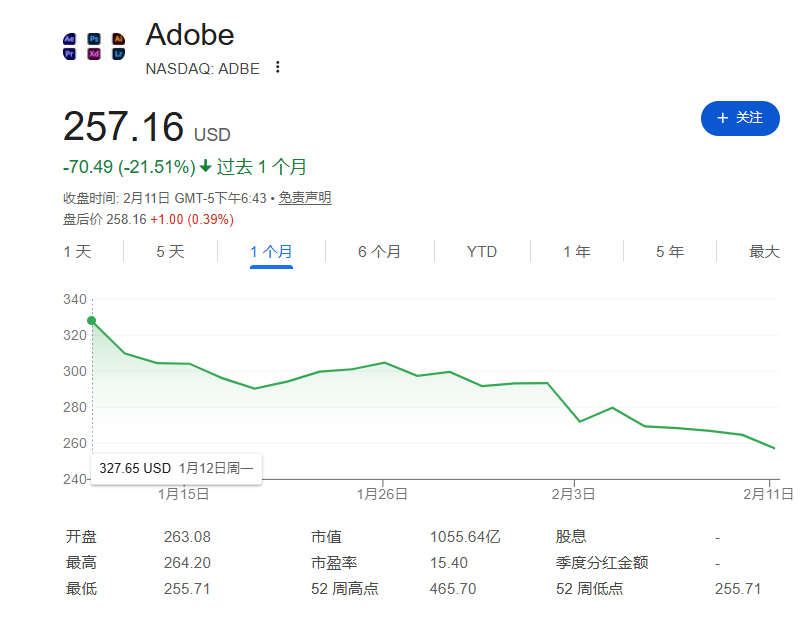
Core Viewpoint - The recent sell-off in the software sector due to AI threat narratives is exaggerated, according to executives from major financial institutions on Wall Street [1]. Group 1: Market Reaction and Sentiment - The stock prices of major software companies like Salesforce and Adobe plummeted, resulting in the evaporation of hundreds of billions in market value, driven by fears that AI will replace traditional software functions [1]. - Executives from firms such as Goldman Sachs, Blackstone, Apollo Global Management, and KKR have stated that the current market reaction is an "indiscriminate" sell-off, arguing that the belief that all software companies will become obsolete is overly broad and unfounded [1][8]. Group 2: Industry Transformation - Apollo's co-president John Zito emphasized that while the software industry will not disappear, its business logic will change, and the market will experience a "very severe technology cycle" with clear winners and losers [2]. - Zito warned investors against judging software companies solely based on current revenue figures, using the analogy of BlackBerry's decline after the iPhone's release [2]. Group 3: AI's Impact on Subscription Models - The immediate cause of market panic was Anthropic's announcement of a new legal tool for its Cowork assistant, which raised concerns about the fate of various software providers [2][7]. - Software companies are seen as particularly vulnerable due to their reliance on subscription and licensing fees for revenue [7]. Group 4: Differentiation in Market Response - Blackstone's CFO Michael Chae noted that the market's response lacks rationality, predicting that larger, well-established companies will be better protected and may even benefit from AI advancements [8]. - Goldman Sachs CEO David Solomon echoed this sentiment, suggesting that the narrative surrounding the software sector has been overly generalized [8]. Group 5: Risk Exposure of Financial Institutions - KKR's CFO Robert Lewin indicated that approximately 15% of KKR's private equity investments are exposed to software companies, representing about 7% of their total assets, but emphasized the diversity of their investments as a protective measure [9]. - Goldman Sachs' David Solomon downplayed the risk exposure in software investments, stating it is "insignificant" relative to the overall scale of their platform [9].

凌晨,全线大跌!超14万人爆仓!23万亿巨头,突然抛售,发生了什么?
券商中国· 2026-02-11 23:35
Market Overview - The U.S. stock market experienced a significant downturn, with major indices collectively closing lower after an initial rise. The Nasdaq index saw a drop of nearly 1%, while the Russell 2000 index fell over 1%. Software stocks were particularly affected, with the iShares Expanded Tech-Software Sector ETF (IGV) declining by 2.55%, ServiceNow dropping over 5%, and Salesforce falling more than 4%. Analysts on Wall Street have raised concerns about the impact of AI on the software industry, suggesting that AI-driven workflows may erode the industry's valuation multiples [1] Cryptocurrency Market - The cryptocurrency market faced a severe sell-off, with Bitcoin briefly falling below $66,000, experiencing a drop of over 4% before narrowing its losses to 1.74%. Ethereum and SOL also saw declines exceeding 3%. In the last 24 hours, 144,691 individuals were liquidated, with a total liquidation amount of $458 million. The U.S. non-farm payroll data exceeded expectations, leading traders to reduce bets on interest rate cuts by the Federal Reserve [2] Asset Management Trends - Amundi, Europe's largest asset management firm with €2.8 trillion (approximately ¥23 trillion) in assets, announced plans to reduce exposure to U.S. dollar assets and shift focus towards European and emerging markets. CEO Valerie Baudson indicated that if U.S. economic policies do not change, the dollar is likely to weaken further. The firm has been advocating for investment diversification over the past 12 to 15 months [3][4] Investment Shifts - Recent data shows that Wall Street investors are accelerating their shift towards international markets, with a net inflow of $51.6 billion (approximately ¥356.7 billion) into international stock ETFs in January. This trend is attributed to high valuations in the U.S. stock market, a weakening dollar, and new opportunities in overseas markets. Amundi predicts that U.S. real GDP growth will slow significantly to 1.6% by 2026, driven by structural factors rather than cyclical adjustments [6] Dollar Asset Concerns - The dual advantages of U.S. dollar assets—growth and yield—are diminishing. Concerns about U.S. fiscal sustainability have led to a fundamental reversal in the correlation between the dollar and U.S. equities and bonds. Historically, when U.S. stocks declined, the dollar would typically strengthen due to its safe-haven status. However, current trends show that the dollar is moving in tandem with risk assets, indicating it is no longer a stabilizer but rather a volatility amplifier [7]

11 Best Machine Learning Stocks to Buy According to Analysts
Insider Monkey· 2026-02-11 15:53
Core Insights - The future of the AI revolution is primarily in software applications, as highlighted by Daniel Ives, Global Head of Technology Research at Wedbush [1][3] - Machine learning is identified as the core technology driving advancements in AI across various sectors, including semiconductors, cloud infrastructure, and enterprise software [2] - Companies like Salesforce and ServiceNow are positioned to benefit significantly from AI, with potential revenue increases of 20% to 30% not yet reflected in their valuations [4] Company Insights - NVIDIA Corporation (NASDAQ:NVDA) is central to the AI ecosystem, with a potential upside of 32.6% and 234 hedge fund holders, indicating strong investor interest [10] - Recent reports suggest NVIDIA is nearing a $20 billion investment in OpenAI, which could have significant industry implications [11] - NVIDIA's GPUs are the standard for training and running AI models, making it a key player in machine learning [14] Financial Performance - Dynatrace Inc. (NYSE:DT) reported an 18% growth in Q3 revenue, reaching $515 million, driven by subscription revenue of $493 million, which also grew by 18% year over year [17] - The company achieved a total annual recurring revenue (ARR) growth of 20%, amounting to $1.97 billion, with an adjusted EPS of $0.44, surpassing consensus estimates [17] - Dynatrace's strong performance is attributed to its end-to-end observability platform, which has gained traction among enterprises [18][19]



Jensen Huang Has a Warning for Investors Dumping Software Stocks
The Motley Fool· 2026-02-11 03:00
Core Viewpoint - Software stocks are experiencing significant declines due to concerns that artificial intelligence (AI) may disrupt their business models, leading to reduced reliance on software solutions [1][2]. Group 1: Market Trends - Investors are selling shares of software companies in anticipation of future struggles as AI changes business operations [2][3]. - The iShares Expanded Tech-Software Sector ETF, which includes major software stocks like Salesforce and Adobe, has dropped approximately 20% this year, despite a recent bounce following comments from Nvidia's CEO [8]. Group 2: Nvidia's Perspective - Nvidia CEO Jensen Huang argues that it is "illogical" to believe AI will completely replace software, suggesting instead that AI will enhance existing tools and solutions [5]. - Nvidia has significantly contributed to AI growth, reporting nearly $100 billion in profits over the past 12 months, a stark increase from under $5 billion a few years ago [6]. Group 3: Investment Opportunities - Current market conditions may present attractive buying opportunities for software stocks, with Salesforce and Adobe trading near multi-year lows [9]. - Investors are advised to evaluate each software company individually, focusing on upcoming earnings reports and growth amidst AI developments to determine the viability of investments [11].

超级碗广告大战:Anthropic攻击OpenAI,Sam Altman怒斥"不诚实",软件股崩盘进行时
3 6 Ke· 2026-02-11 02:11
Core Insights - The market is undergoing a significant shift as AI agents are perceived not just as tools to assist human work but as potential replacements for traditional software, leading to a massive loss of nearly $1 trillion in tech stock market value within a week [1][2][32] - The release of a legal document review plugin by Anthropic triggered a sell-off in legal software stocks, indicating a broader recognition that AI could replace existing software solutions [1][2][32] Market Reaction - Major legal information companies experienced drastic stock declines: Wolters Kluwer down 13%, RELX down 15.8%, LegalZoom down 18%, and Thomson Reuters down 19% [2] - The software sector's forward 12-month P/E ratio dropped from 33.1 to 23.2, a 30% contraction, nearing the lows of the 2022 bear market [2][32] AI Agent Revolution - The AI agent revolution is just beginning, with implications for the software industry that could lead to the obsolescence of traditional software solutions [3] Super Bowl Advertising Battle - Anthropic launched a Super Bowl ad contrasting its ad-free AI assistant Claude with competitors that incorporate ads, targeting enterprise decision-makers rather than general consumers [5][6] - OpenAI's CEO Sam Altman responded aggressively to Anthropic's claims, framing the debate as a philosophical conflict over the future of AI [6][8][28] Market Share Dynamics - ChatGPT's market share plummeted from 69% in January 2025 to 45.3% in January 2026, while Gemini's share rose from 14.7% to 25.1%, and Grok's from 1.6% to 15.2% [8][28] Software Industry Disruption - The traditional view that AI would enhance software is being challenged; instead, AI is seen as a force that could eliminate the need for existing software [11][12] - The four levels of disruption include: 1. Functionality replacement, where AI can create user interfaces and databases tailored to individual needs [11][12] 2. Process reengineering, where AI can automate task management, rendering tools like Asana obsolete [12][14] 3. Pricing collapse, as AI reduces the cost of services, leading to renegotiation of software pricing [15][16] 4. Valuation compression, with software companies facing reduced future cash flow expectations [16] High-Risk Software Types - High-risk categories include: 1. Interface-driven software like monday.com and Asana, which lack unique data or algorithms [19][20] 2. Vertical industry information intermediaries, such as legal databases, which may be rendered unnecessary by AI's capabilities [20][21] 3. RPA tools that rely on manual configuration, which AI can automate without pre-programmed workflows [21][22] Value Capture in AI Era - Potential beneficiaries of the AI shift include foundational model companies (OpenAI, Anthropic), cloud infrastructure providers (AWS, Azure), chip manufacturers (Nvidia), and AI-native development studios [23][24][26] - The AI revolution may not yield clear winners, as traditional software companies face erosion of revenue and profits while foundational model companies engage in intense competition [27][28] Philosophical Divide - The advertising battle between Anthropic and OpenAI highlights a deeper philosophical divide regarding the future of AI: rapid commercialization versus responsible deployment [28][30] - The outcome of this conflict could significantly impact the software industry, with potential for both rapid disruption and the establishment of protective barriers for existing companies [30][31]

Spotify User Growth, Paramount's Enhanced Offer | Bloomberg Tech 2/10/2026
Youtube· 2026-02-10 19:43
Group 1: Spotify - Spotify added a record number of users last quarter, reaching a total of 751 million subscribers, with shares surging by 20%, marking its biggest jump in seven years [3][4][30] - The end-of-year Wrapped campaign significantly contributed to user growth, as it is an annual interactive marketing campaign that encourages users to share their listening habits [31][32] - Despite the growth in users, advertising revenue has declined, raising concerns about the company's ability to monetize its ad-supported users effectively [32] Group 2: Paramount and Warner Bros. - Paramount is enhancing its bid for Warner Bros. by offering to cover a $2.8 billion termination fee that Warner Bros. would owe Netflix if they terminate their deal [33][34] - The bid aims to address Warner Bros.' concerns about refinancing debt and the financial implications of switching from Netflix to Paramount [35][36] - Paramount has not increased its offer price of $30 per share, but the added financial assurances may improve the bid's attractiveness to Warner Bros. [36][39] Group 3: Bond Market and AI Investments - Alphabet has raised $32 billion in the debt markets, with a recent bond offering of $11 billion being oversubscribed nearly 10 times, indicating strong investor confidence [5][6][9] - The issuance of a 100-year bond reflects the market's belief in Alphabet's long-term stability and growth potential, despite concerns about the AI bubble [7][10] - Analysts project over $4 trillion in cumulative hyperscaler spending through 2030, highlighting the significant investment in AI infrastructure [8][24] Group 4: Software Sector - The software sector is experiencing volatility due to fears surrounding AI, but some analysts believe these fears are overstated, suggesting that enterprise software will remain relevant [13][15] - Companies in the software space are advised to adapt to AI integration rather than fear obsolescence, as the transition will take time [17][19] - There are pockets of opportunity within the software sector, particularly in cybersecurity and AI infrastructure, as companies look to embed AI into their solutions [19][20][24]

One investor that isn't bullish on legacy software stocks, Superhuman CEO talks AI and Grammarly
Yahoo Finance· 2026-02-10 16:15
It's Tuesday morning for markets. I'm Yahoo Finance executive editor Brian Sazi coming to you from Yahoo Finance HQ in New York City. Before I welcome on my special guest for today and fire off hot takes on this Google 100-year bond sale and stale Coca-Cola earnings report.I can't stop thinking about my chat last night with Chipotle CEO Scott Boatite. Scott taking heavy fire on social media for comments people thought he made on last week's earnings call about raising prices on higher income diners. The thi ...