海信视像

Search documents
避免被卡脖子,空调铝代铜不可逆,焊接技师发话:一分钱一分货
Xin Lang Cai Jing· 2025-12-20 19:15
Core Viewpoint - The Chinese air conditioning industry is undergoing an unprecedented material and process transformation, with major brands signing a self-regulatory agreement to promote the use of aluminum instead of copper in air conditioning systems [1] Industry Overview - Traditionally, air conditioning products have relied heavily on copper, with copper consumption in the domestic air conditioning industry accounting for 10.7% of China's total copper consumption, approximately 1.723 million tons in 2023 [3] - The shift to aluminum is driven by the high cost of copper, which constitutes 20%-27% of manufacturing costs, and the fact that China imports 80% of its copper while producing 60% of the world's electrolytic aluminum [4][9] Technical Challenges - The debate over aluminum replacing copper stems from aluminum's inferior thermal conductivity, corrosion resistance, and mechanical durability compared to copper [4] - Concerns have been raised about the reliability of critical components, such as the four-way valve, if aluminum is used instead of copper, as welding between dissimilar metals poses significant challenges [6] Cost Analysis - The cost difference between copper and aluminum is substantial; for a typical 1.5 HP air conditioner, the copper components can cost around 400 yuan, while aluminum components may only cost about 34.5 yuan, leading to a price difference of approximately 365.5 yuan per unit [8] - This cost advantage makes aluminum an attractive option for manufacturers looking to compete on price [8] Strategic Implications - The transition to aluminum is not only a cost-saving measure but also a strategic move to reduce dependency on imported copper, as China consumes 50% of the world's copper but has only 4%-5% of global copper reserves [9] - The increasing demand for copper in other industries, such as electric vehicles and renewable energy, is further straining the supply available for air conditioning [12][14] Future Outlook - While aluminum's thermal and electrical properties are only 60% of those of copper, its lighter weight and lower cost present significant opportunities for innovation [24] - The automotive industry has already made strides in aluminum-copper material innovation, suggesting that similar advancements could be made in the air conditioning sector [25] - The ability of manufacturers to enhance the durability and quality of aluminum air conditioners will be crucial in determining their competitiveness in the market [25]

How to disable ACR on your TV (and why you should do it ASAP)
ZDNET· 2025-12-19 19:02
Core Insights - The article discusses the use of Automatic Content Recognition (ACR) technology in smart TVs, which tracks viewing habits and collects data for targeted advertising [3][12][17] - In 2022, advertisers spent approximately $18.6 billion on smart TV ads, with expectations for continued growth in this area [4] - ACR technology captures up to 7,200 images per hour, providing detailed insights into viewer preferences and personal information [6][17] Group 1: ACR Technology Overview - ACR operates in the background, identifying content displayed on screens by capturing screenshots and cross-referencing them with a media database [5][12] - The technology allows marketers to tailor content recommendations and track the effectiveness of advertisements [7][12] Group 2: Privacy Concerns - There are significant privacy risks associated with ACR, including potential exploitation of sensitive information, which could lead to identity theft [8][18] - Many users are unaware of ACR's presence and find it challenging to opt out due to complex settings [9][12] Group 3: Disabling ACR - The article provides detailed instructions on how to disable ACR on various smart TV brands, including Samsung, LG, Sony, Hisense, and TCL [10][11][20] - Disabling ACR may limit some smart features but enhances user privacy [16][18]


京东七鲜石家庄首店火爆开业;拼多多升级治理架构
Sou Hu Cai Jing· 2025-12-19 18:35
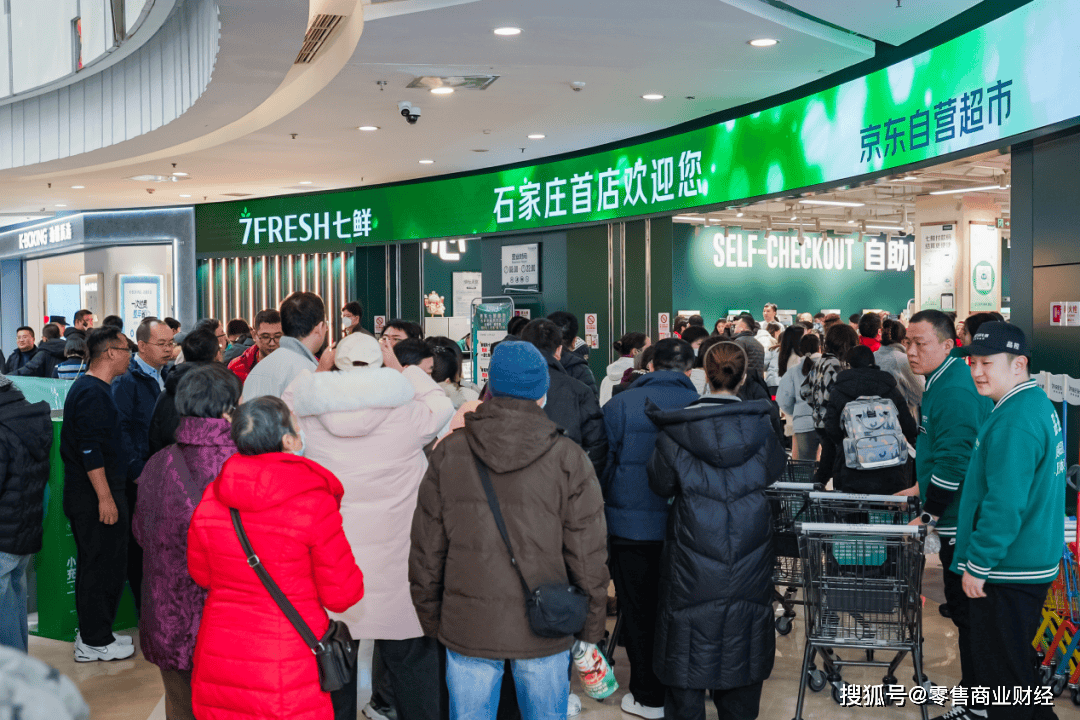
Group 1: JD and Dingdong Maicai Developments - JD's first Seven Fresh store in Shijiazhuang opened on December 19, featuring 24-hour fresh produce and a "1+N" delivery model, boosting local consumption [1] - Dingdong Maicai launched a dynamic evaluation standard for fish products in collaboration with Qingyu Hall and the China Quality Certification Center, leading to a 50% increase in sales in the first month of its "True Safe Fish" initiative [3] Group 2: Logistics and Retail Innovations - JD Logistics introduced a comprehensive logistics service for duty-free products in Hainan, supporting the high-quality development of the Hainan Free Trade Port with seven operational warehouses [5] - Anta officially joined Taobao Flash Sale, enabling rapid delivery of sports equipment from over 1,000 stores across major cities [8] Group 3: Corporate Governance and Strategic Focus - Pinduoduo announced a new governance structure with Zhao Jiazhen appointed as co-chairman, focusing on the Chinese supply chain as a core business strategy [7] - 1688 signed a partnership agreement with the China Council for the Promotion of International Trade to enhance cross-border supply chain capabilities for small and medium-sized enterprises [10] Group 4: Market Trends and Performance - Domestic TV brands are increasingly utilizing AliExpress for international sales, with a 300% year-on-year increase in sales on the platform [12] - Nike reported a revenue of $12.4 billion for Q2 of fiscal year 2026, with a 20% growth in its running segment and a 3% decrease in inventory [15] Group 5: Expansion and Sustainability Initiatives - McDonald's China surpassed 7,500 stores and will begin using bio-based packaging, aiming to reduce petroleum-based plastic usage by approximately 5,800 tons annually [17] - AEON confirmed the opening of three new supermarkets in Wuhan in Q1 2026, continuing its strategy of enhancing customer experience amid declining foot traffic [18] Group 6: International Expansion of Food Brands - Yuanji Cloud Dumplings opened its first store in Thailand, marking its commitment to local market integration [18] - Baoshifu announced the upcoming opening of its first North American store in New York City, following its successful entry into Singapore earlier this year [19] Group 7: Corporate Changes and Legal Developments - Budweiser Asia appointed a new CFO, Bernardo Novick, effective April 1, 2026, following Ignacio Lares' 18-year tenure [20] - Chongqing Beer is in discussions to settle a long-standing legal dispute with Jiawei Beer, potentially resolving an 18-year conflict involving a claim of 353 million yuan [20]




墨西哥拟下月起加征关税 家电企业调整海外产能应对
Di Yi Cai Jing· 2025-12-19 11:18
Core Viewpoint - Mexico plans to impose tariffs ranging from 5% to 50% on certain products from several Asian countries, including China, starting January 1, 2026, affecting industries such as automotive, electronics, steel, and furniture [1] Group 1: Tariff Impact on Exports - The tariffs will significantly impact the export of white goods, particularly home appliances, while the effect on black goods is expected to be minimal due to different material usage [2][3] - In 2025, China's exports of white goods to Mexico amounted to $2.919 billion, a year-on-year decrease of 10.6%, with specific declines in air conditioners (30%), washing machines (49.86%), and refrigerators (10.7%) [3] - The increase in tariffs may lead to a pause in orders or a shift to overseas production for certain products, such as non-automatic washing machines, which have a low profit margin [2][3] Group 2: Industry Response and Adjustments - Companies are likely to respond to the tariffs by adjusting their overseas production layouts or restructuring their supply chains [1][2] - Major Chinese companies, such as Hisense and TCL, have already established manufacturing facilities in Mexico, which will allow them to enhance local production capacity and expand their market share in North America [4] - The trend of increasing tariffs may push upstream component manufacturers to align more closely with North American original equipment manufacturers (OEMs) to improve local supply chain collaboration [4]



近在咫尺的荣耀!大力神杯青岛24小时闪现,将与海信冰箱同台炫技
Zhong Guo Zhi Liang Xin Wen Wang· 2025-12-19 08:27
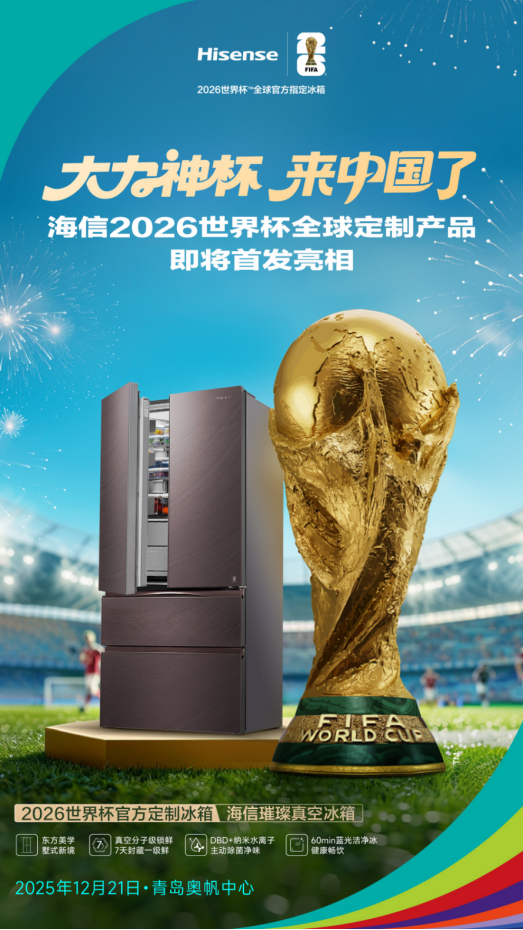
Group 1 - The FIFA World Cup trophy, the Jules Rimet Trophy, will be showcased in Qingdao on December 21, marking its return to China after many years [1] - Hisense will present several customized refrigerators for the 2026 World Cup, featuring "vacuum preservation" technology that aligns with the spirit of maintaining peak performance in sports [1][3] - The exhibition in Qingdao is significant due to the city's strong foundation in football youth training, providing local young players and fans an opportunity to closely interact with the championship trophy [3] Group 2 - Hisense's vacuum preservation technology has undergone multiple iterations from 1.0 to 4.0, combining vacuum environments with magnetic field adjustments to achieve molecular-level freshness preservation [3] - The showcased refrigerators include the Hisense Brilliant Vacuum First-Class Cabin 501, Hisense Big Mint 509, and the flagship Hisense Brilliant Vacuum First-Class Cabin 650, allowing consumers to experience the "one-button vacuum" preservation revolution [3] - The event on December 21 will create a unique dialogue between sports and daily life, highlighting the intersection of competitive excellence and household nutrition [4]
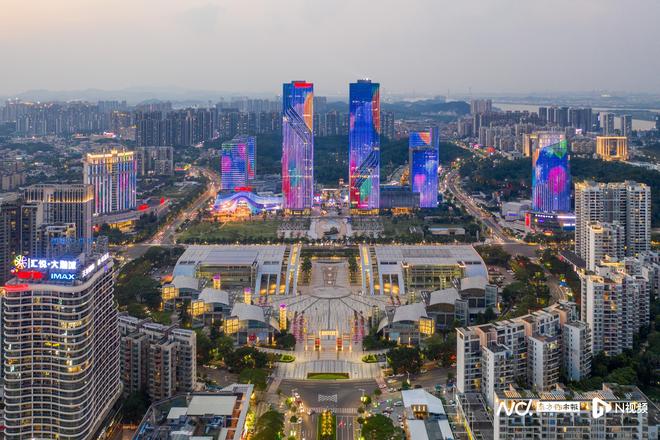
冲刺千亿!蓬江的发展底气藏在哪里?
Nan Fang Du Shi Bao· 2025-12-19 07:44
Core Insights - The core message of the news is the ambitious goal of the Pengjiang District to achieve a GDP of 955.25 billion yuan in 2024 and to surpass the 1 trillion yuan mark in 2025, marking a significant milestone in regional development [1] Economic Development - Pengjiang District has been recognized as a top performer in high-quality development, consistently ranking among the top 100 districts in China [1] - The district's industrial output value and retail sales are among the highest in the city, demonstrating its strong economic foundation [1] - The transition from 955.25 billion to 1 trillion yuan is seen as a testament to the district's commitment to enhancing the real economy and optimizing the business environment [1] Industrial Foundation - The foundation for the "trillion yuan Pengjiang" is rooted in a robust real economy, with a focus on industrial upgrading as the core engine for achieving this goal [2] - Key enterprises such as Hisense, Dazhongjiang, and Kangshifu have been cultivated, contributing to a complete industrial ecosystem that supports the district's economic growth [2] Investment and Infrastructure - Industrial investment in Pengjiang is set to increase to 48% in 2024, up by 16 percentage points from the previous year, with 84 projects planned, totaling an investment of 22.464 billion yuan [3] - The Pengjiang Industrial Park is expected to generate nearly 55 billion yuan in industrial output and over 10 billion yuan in tax revenue in 2024, marking it as a key industrial hub [3] Urban Development - The district is enhancing its infrastructure to support its economic ambitions, including major transportation projects that integrate Pengjiang into the Greater Bay Area's economic network [4] - Urban development initiatives are aimed at improving living conditions and supporting industrial growth, creating a symbiotic relationship between industry and urban life [5][6] Business Environment - The optimization of the business environment is a priority for Pengjiang, with significant improvements in government services leading to a 79.6% acceleration in the approval of business-related matters [7] - The district has introduced innovative policies to support patent commercialization and financing, facilitating a conducive environment for business growth [8]
朱宏任:把握服务业“十五五”新趋势,促进售后服务优质高效发展
Xin Lang Cai Jing· 2025-12-19 07:08
Core Insights - The 12th National After-Sales Service Conference highlighted the importance of after-sales service as a key component of China's service industry and its role in economic stability and growth [3][15] - The conference emphasized the need to enhance after-sales service quality and expand its scope to meet the evolving demands of consumers and the market [4][6] Group 1: Importance of After-Sales Service - After-sales service is a crucial part of the service industry, which is vital for China's economic growth, with significant development potential identified during the 14th Five-Year Plan [6][18] - The conference outlined four key roles of after-sales service: supporting a strong domestic market, enhancing the quality of life for citizens, serving as a foundation for international trade cooperation, and being integral to service-oriented manufacturing [7][20] Group 2: Opportunities in the 15th Five-Year Plan - Companies in the after-sales service sector are encouraged to enhance their competitiveness, development capacity, and influence by improving standards and cooperating with quality supervision [9][21] - Key strategies include focusing on customer satisfaction to build core competitiveness, establishing a comprehensive standard system for sustainable development, and cultivating globally recognized brands [10][23] Group 3: Pathways for Development - Companies should aim to improve after-sales service quality through transformation and upgrading, emphasizing high-value and high-tech service offerings [11][24] - The integration of digital technology and green practices is essential for enhancing after-sales service efficiency and sustainability [12][25] - Collaboration between after-sales service and advanced manufacturing is crucial for creating new business models and driving innovation in the sector [12][25]
预期突破千亿!蓬江的发展底气藏在哪里?
Nan Fang Du Shi Bao· 2025-12-19 06:13
Core Insights - The core message of the news is the ambitious goal of the Pengjiang District to achieve a GDP of 955.25 billion yuan in 2024 and to surpass the 1 trillion yuan mark in 2025, marking a significant milestone in regional development [1][3]. Economic Development - Pengjiang District has been recognized as a top performer in high-quality development, consistently ranking among the top 100 districts in China [1]. - The district's industrial output value and retail sales have remained at the forefront of the city, showcasing its robust economic foundation [1]. - The transition from 955.25 billion yuan to over 1 trillion yuan is not just a numerical achievement but a testament to the district's commitment to enhancing the real economy and optimizing the business environment [1][3]. Industrial Foundation - The foundation of the "trillion Pengjiang" initiative is deeply rooted in the real economy, with a focus on industrial upgrading as the core engine for achieving this goal [3]. - Pengjiang has cultivated leading enterprises in various sectors, including Hisense and Master Kong, and has established a complete industrial ecosystem that supports its economic ambitions [3][4]. - In 2024, industrial investment in Pengjiang is expected to rise to 48%, an increase of 16 percentage points from the previous year, with 84 projects planned, totaling an investment of 224.64 billion yuan [4]. Infrastructure Development - The district is enhancing its urban infrastructure to support its economic growth, with major transportation projects like the Shenzhen-Zhongshan Corridor and Huangmaohai Cross-Sea Channel improving connectivity [7]. - Internal infrastructure improvements, such as the expansion of transportation networks and the redevelopment of underutilized land, are aimed at increasing the district's capacity to support industrial growth [7][8]. Urban Integration - The integration of industry and urban development is creating a favorable living environment, with projects enhancing public amenities and green spaces [8]. - The development of cultural and recreational facilities is designed to attract talent and improve the quality of life for residents, fostering a cycle of economic and urban growth [8]. Business Environment - The optimization of the business environment is a key competitive advantage for Pengjiang, with significant reforms aimed at improving administrative efficiency and service quality [10]. - The district has implemented measures to accelerate the approval process for business-related services, achieving a 79.6% speed increase for 97 high-frequency business matters [10][11]. - Innovative financing solutions, such as the "use first, pay later" model for patent commercialization, are being explored to reduce costs and risks for enterprises [11]. Future Outlook - As the district approaches its goal of a trillion yuan GDP, the focus will shift to converting this scale into higher quality development, which will be crucial for the long-term value of "trillion Pengjiang" [13].
墨西哥拟下月起加征关税
第一财经· 2025-12-19 05:47
Core Viewpoint - Mexico plans to impose tariffs ranging from 5% to 50% on certain products from several Asian countries, including China, starting January 1, 2026, which will impact various industries such as automotive, electronics, and appliances [3][4]. Group 1: Tariff Impact on Exports - The proposed tariffs will significantly affect the export of white goods from China to Mexico, with a projected decrease in exports of 10.6% in the first ten months of 2025, amounting to $2.919 billion [5]. - Specific categories such as air conditioners, washing machines, and refrigerators are expected to see substantial declines in export value, with decreases of 30%, 49.86%, and 10.7% respectively [5]. - Smaller appliances like fans and microwaves also experienced declines, with export values dropping by 14.81% and 9.29% respectively [5]. Group 2: Corporate Responses and Adjustments - Companies are likely to adjust their overseas production strategies in response to the tariffs, with some planning to shift orders to overseas factories [3][4]. - Major Chinese appliance manufacturers like Hisense and TCL have already established production facilities in Mexico, which may help them mitigate the impact of the tariffs by increasing local production capacity [6]. - The tariffs may compel these companies to enhance their product lines and expand their market share in both Mexico and North America [6]. Group 3: Market Trends and Future Projections - The Mexican market for air conditioners is expected to shrink in 2026 due to high inventory levels, which may limit the immediate impact of the tariffs on air conditioner exports [4]. - The overall trend indicates that Chinese appliance exports to Mexico are likely to continue facing challenges, with a projected decline of 9% in the first seven months of 2025 due to the tariffs [5].

AI基建热,正在制造“铜荒”
Sou Hu Cai Jing· 2025-12-19 05:38
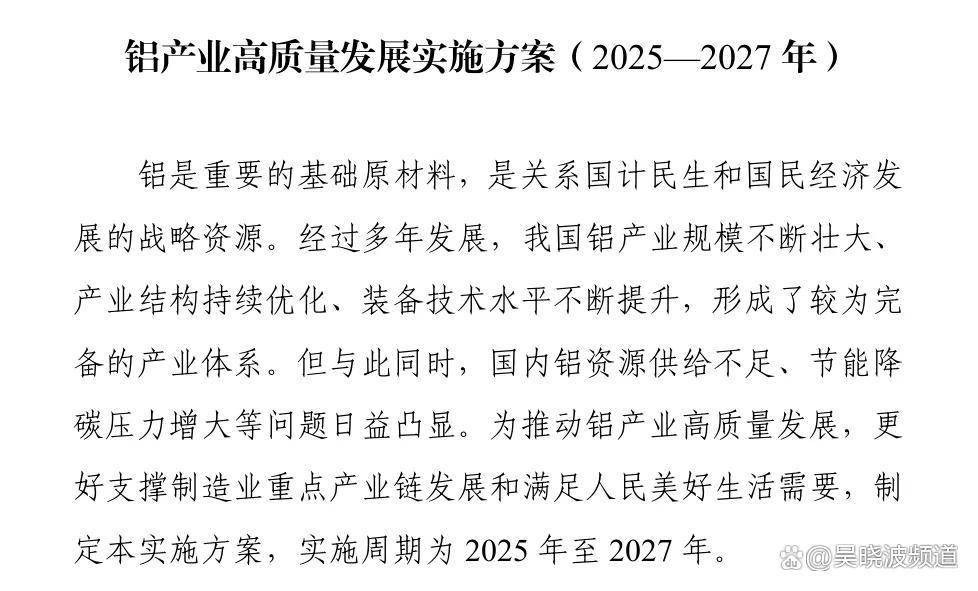
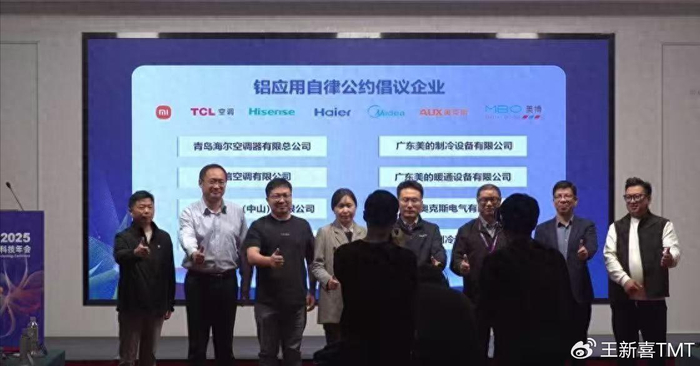
Core Viewpoint - By 2030, China's copper demand driven directly by AI data centers is expected to grow to nearly 1 million tons, accounting for 5%-6% of China's total copper demand at that time [1][9]. Group 1: Industry Trends - The "aluminum substitution for copper" movement is gaining traction in the air conditioning industry, with 19 companies signing a self-regulatory agreement to promote this shift [1]. - The use of aluminum in air conditioning systems is controversial due to concerns about durability and performance, as aluminum pipes typically have a lifespan of only 8-10 years compared to copper [2][3]. - The Ministry of Industry and Information Technology's recent implementation plan for the aluminum industry indicates a significant push towards "aluminum substitution for copper," which could have profound implications for China's industrial economy over the next decade [3]. Group 2: Copper Demand in AI Era - Copper is becoming increasingly critical in the AI era, with data centers being major consumers due to their need for efficient power distribution and cooling systems [6][8]. - It is estimated that building a 1 MW data center requires 27-33 tons of copper, significantly higher than traditional data centers [7]. - Global copper demand for data centers is projected to rise from 594,000 tons in 2026 to 1.4 million tons by 2030, with a compound annual growth rate of 23.2% [8]. Group 3: Supply Chain and Market Dynamics - China consumes 58% of the world's refined copper but has only 5% of global copper reserves, leading to a heavy reliance on imports [13]. - Recent natural disasters and safety incidents in major copper-producing countries have exacerbated supply issues, contributing to a 36% increase in copper prices this year [13][14]. - The U.S. has been stockpiling copper, which has further strained global supply and contributed to rising prices, raising concerns about the impact on China's AI infrastructure development [14]. Group 4: Aluminum's Competitive Edge - Aluminum is lighter and cheaper than copper, with a weight of only one-third that of copper and a cost of one-fourth, making it an attractive alternative despite its lower thermal and electrical conductivity [16]. - China's aluminum industry is robust, with significant production capabilities across the entire supply chain, positioning it well for the shift towards aluminum in various applications [16]. - The potential for aluminum to replace copper in key industries is significant, with predictions that by 2030, aluminum's substitution rate for copper in electricity, automotive, and home appliance sectors could reach 25%-30% [23].