
vivo

Search documents
在鸟巢开过发布会的陈凯峰,决定不再做手机品牌|我们的四分之一世纪
Xin Lang Cai Jing· 2025-12-25 12:41
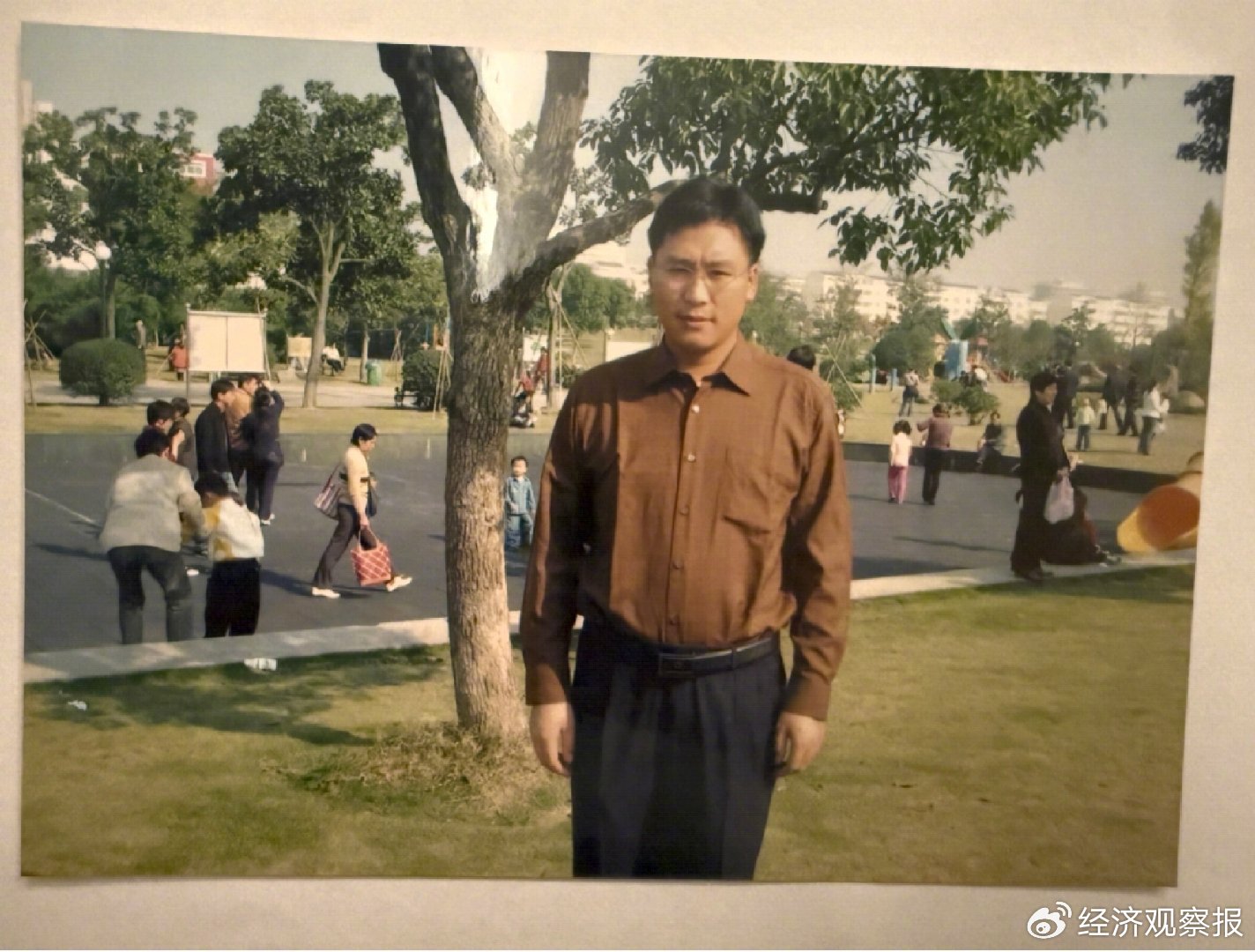
Core Insights - The article chronicles the journey of Chen Kaifeng, the chairman of KUSAI Intelligent, from a young salesman in 1997 to a leader in the smartphone industry, selling over 6 million phones globally by 2025, highlighting the evolution of China's mobile communication industry [1][42][43] Industry Evolution - In the early 2000s, domestic mobile phone manufacturers primarily acted as intermediaries, lacking core technology, which was held by overseas brands [5][45] - By 2004, the long lead time for orders from overseas revealed the weaknesses of this model, as market dynamics could change drastically within the 12-week production cycle [6][46] - The introduction of MediaTek's "Turnkey Solution" in 2005 significantly lowered the technical and financial barriers for manufacturers, allowing them to produce market-ready phones without extensive R&D [7][46] Product Innovation - In 2006, Chen's team capitalized on a MediaTek chip that lacked a camera by focusing on audio capabilities, creating a product tailored for laborers in noisy environments, which became known as a "shanzhai" phone [10][52] - The design included features like powerful speakers and long battery life, catering to the needs of low-income workers, thus democratizing mobile phone access [12][52] Brand Development - In 2009, Chen launched the "Koobee" brand, influenced by the "smile curve" theory, which posits that value is highest at the ends of the production chain [15][54] - Initially successful, the brand faced challenges as the market shifted towards major players like Xiaomi and OPPO, leading to a significant contraction for smaller brands [20][59] Strategic Shift - By 2017, recognizing the entrenched market dynamics, Chen pivoted KUSAI's focus from domestic branding to international markets, seeking opportunities in niches overlooked by larger competitors [23][61] - The company began to serve as an "invisible factory" for U.S. carriers, adapting products to meet specific local needs, which allowed KUSAI to thrive in a competitive landscape [71][72] Technological Capability - KUSAI established three R&D centers in China, employing nearly a thousand engineers to support diverse customization needs, which became a competitive advantage [73][76] - The company is now exploring applications beyond smartphones, such as smart screens for fitness equipment and automotive technology, indicating a broader strategic vision [77][78]

华为折叠屏引领行业七年进化,重塑折叠主力机心智标杆
Xin Lang Cai Jing· 2025-12-25 11:11
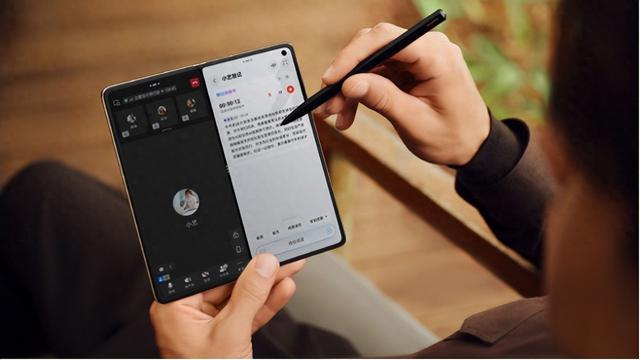
Core Insights - The folding screen smartphone market is transitioning from a niche curiosity to a mainstream practical choice, driven by technological maturity and price reductions [1][5][20] - The user base is expanding, with 17.9% of users aged 18-24, and over 90% of consumers considering a folding screen for their next phone [1][8] Market Trends - In 2024, China's folding screen smartphone shipments are expected to reach 9.69 million units, with 7.62 million units shipped in the first three quarters of 2025 [3] - Huawei leads the market with nearly 70% share and has surpassed 15 million cumulative shipments of folding screen devices [3][7] Technological Advancements - The transition is fueled by advancements in hardware technology, particularly in hinge and screen design, moving from basic functionality to comprehensive user experience [5][20] - Huawei has pioneered key technologies such as the water-drop hinge and the Tian Gong hinge system, which significantly enhance the design and functionality of folding screens [7][13] Consumer Demographics - Young users are increasingly attracted to folding screen smartphones for their technological appeal and entertainment capabilities, with a higher percentage citing these reasons compared to the overall consumer base [8][10] - Among young users, women represent a higher proportion, with 34% being regular employees, followed by general management and students [10] Brand Preference - Huawei is the preferred brand for 67.4% of consumers considering a folding screen smartphone, highlighting its strong market position [10] - The company offers a complete range of folding screen designs, differentiating itself from competitors [13] Software and Ecosystem - Huawei's Mate XTs integrates PC-level applications, enhancing productivity across various scenarios, and supports multi-window interactions [15] - The integration of AI capabilities is expected to redefine user interactions with folding screens, making them more efficient and versatile [17][19] Future Outlook - The combination of AI and folding screens is anticipated to drive a new wave of growth, transforming smartphones into intelligent hubs capable of handling complex tasks [22][23] - As folding screens gain mainstream acceptance, they are expected to become a dominant choice in the consumer market, with Huawei continuing to lead the way in innovation and user experience [20][23]
30亿,广东百亿人工智能与机器人产业基金首批子基金落地
FOFWEEKLY· 2025-12-25 09:59
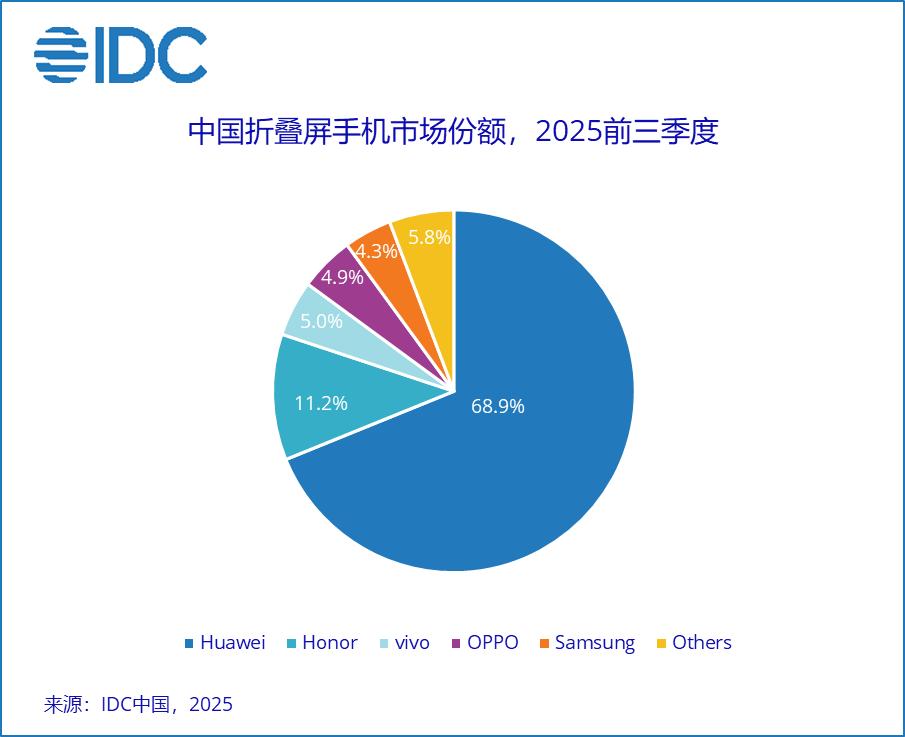
Group 1 - The Guangdong Provincial Industrial Development Investment Fund has established a 30 billion yuan sub-fund cluster focused on artificial intelligence and robotics, with the first phase consisting of a 10 billion yuan venture capital fund and a 20 billion yuan industrial investment fund [1] - The venture capital fund aims to support early-stage technology innovation applications, while the industrial investment fund focuses on accelerating the industrialization of growing technologies [1] - The fund is registered in Nansha District, Guangzhou, and is managed by Guangdong Yuecai Venture Capital Co., Ltd., with technical support from Cloud Tianli Fei and industrial incubation services from Nansha Kejin Holdings Group [1] Group 2 - The Guangdong Yuecai Industrial and Robotics Investment Fund is registered in Dongguan Binhaiwan New District, with a management team from Guangdong Yuecai Venture Capital Co., Ltd., and includes partnerships with ICBC Investment, Dongguan Industrial Investment Mother Fund, and Binhaiwan Industrial Investment [2] - This fund leverages the technological advantages of companies like OPPO, vivo, and others in the Binhaiwan New District to establish a national AI application pilot base, focusing on the consumer terminal AI sector [2] - The fund aims to invest in the industrialization of new intelligent terminal products and innovative applications in vertical industrial models, creating a model for "four-level finance+" to empower industrial cluster development [2]

广东人工智能与机器人基金首阶段落地30亿元
Guang Zhou Ri Bao· 2025-12-25 08:40
近日,广东省产业发展投资基金正式出资组建百亿规模的人工智能与机器人产业子基金集群,完成首阶 段30亿元子基金注册成立。这标志着广东省级政府投资基金在支撑人工智能与机器人产业体系构建上迈 出实质性步伐。 据了解,广东省产业发展投资基金是2025年8月在原广东省产业发展基金的基础上升级组建的。该基金 将出资设立百亿规模子基金集群,专项服务人工智能与机器人产业体系构建,并配合《广东省推动人工 智能与机器人产业创新发展若干政策措施》,为从核心技术攻关到应用场景全面提供金融支撑。 据悉,该基金首阶段布局创业投资与产业投资,包括10亿元规模的广东省人工智能与机器人产业投资基 金和20亿元规模的广东粤财工融人工智能与机器人产业投资基金。这两只基金功能互补、覆盖全周期, 分别侧重于早期技术创新应用和成长期产业化加速,共同形成"创投+产投"双轮驱动的资金支持体系。 其中,广东省人工智能与机器人产业投资基金注册在广州南沙区,由广东粤财创业投资有限公司担任基 金管理人,引入了广东"AI名片"云天励飞提供技术支撑、南沙科金控股集团提供产业孵化服务,并结合 南沙区"立足湾区、协同港澳、面向世界"打造人工智能创新生态体系的战略目标和区位 ...

海尔印度出售49%股权,这波操作真是明智之举
点拾投资· 2025-12-25 08:24
Core Viewpoint - Haier Smart Home's decision to sell 49% of its stake in its Indian subsidiary to Warburg Pincus and Bharti Group is a strategic move to mitigate risks and enhance operational efficiency in the current international environment [1][4]. Group 1: Foreign Investment Environment in India - India's foreign direct investment (FDI) has faced challenges, with net FDI dropping to -$616 million by August 2025, indicating a capital outflow [3]. - The Indian government has implemented stricter approval processes for investments from neighboring countries since 2020, increasing uncertainty for foreign companies, particularly Chinese firms [3]. - High-profile cases, such as Xiaomi being fined ₹4.8 billion and investigations into OPPO and Vivo, highlight the risks foreign companies face in India [3]. Group 2: Strategic Benefits of Haier's Move - The sale allows Haier to recover historical investments, as its Indian operations have seen a compound annual growth rate (CAGR) of 25% over the past seven years, positioning it as a leader in the industry [5]. - The involvement of Warburg Pincus and Bharti Group, both reputable financial investors, is expected to enhance Haier's operational prospects in India, providing local market insights and resources [5][6]. - The Indian home appliance market is projected to grow from $77.74 billion in 2024 to $135.33 billion by 2034, with a CAGR of 5.70%, making it one of the fastest-growing markets globally [5]. Group 3: Risk Mitigation - By introducing local capital, Haier can better navigate geopolitical risks and regulatory challenges in India, effectively distributing risks related to policies, laws, and taxes [6]. - This strategic partnership serves as a form of "insurance" for Haier's assets in a complex international landscape [6]. - The move is characterized as a strategic advancement rather than a retreat, allowing Haier to recover costs, integrate local resources, and mitigate political risks simultaneously [6].


回望2025|内存一天一个价,华强北商家的滚烫“芯事”
Bei Ke Cai Jing· 2025-12-25 07:49
Core Narrative - 2025 is a pivotal year for the global economy and China's industries, marked by deep differentiation and value reshaping, moving beyond merely chasing trends to a more analytical approach towards underlying changes [3] Group 1: Storage Chip Market Dynamics - The storage chip market is experiencing a "super cycle," driven by AI demand and international manufacturers adjusting their production capacities, leading to significant price increases for DRAM and NAND Flash [6][7] - Prices for general DRAM are projected to rise by 18%-23% by Q4 2025, with DDR4 prices skyrocketing from approximately $3 to $70 [8][14] - The market is witnessing a shift as domestic storage chips gain traction due to their mature performance, stable supply, and competitive pricing, indicating a transition from passive replacement to active quality enhancement in Chinese manufacturing [7][30] Group 2: Impact on Trade and Supply Chain - Trade merchants in Shenzhen's Huaqiangbei are adapting to the volatile market by balancing inventory and sales, with many opting for a "buy and sell" strategy to manage rising costs [19][20] - Smaller manufacturers face significant pressure as they struggle to pass on increased costs to consumers and lack the financial capacity to stockpile inventory, often resorting to purchasing old stock or components from dismantled devices [20][21] - The rapid price increases are forcing some manufacturers to alter their procurement strategies, with many now requiring clients to secure storage components before proceeding with projects [21][22] Group 3: Consumer Price Increases - The rising costs of memory and storage chips are being rapidly transmitted to consumer electronics, with companies like Dell and Xiaomi announcing price hikes of 10% to 30% across various product lines [23][24][25] - The price increases are attributed to heightened demand for high-performance computing and data center needs, exacerbated by supply chain constraints [25][27] Group 4: Future Outlook and Market Trends - The current cycle of price increases driven by AI demand is expected to last longer than previous cycles, with predictions suggesting potential shortages extending into 2027 [26][27] - Domestic storage manufacturers are poised to capture market share in niche DRAM segments as international suppliers withdraw, presenting a significant opportunity for growth [32]

折叠屏的2025:轻薄化走到尽头,新形态暗流涌动,各路「选手」奔赴新战场
3 6 Ke· 2025-12-25 03:36
Core Insights - The 2025 foldable smartphone market continues to emphasize thinness and lightness, with models like OPPO Find N5 achieving a thickness of 8.93mm and a weight of 217g, which are now comparable to traditional smartphones [1][4] - Despite a 14% year-on-year decline in Q2, the foldable smartphone market in China rebounded with a 17.8% growth in Q3, largely driven by Huawei, which holds a 68.9% market share [1][4] - The trend towards lightweight designs is leading to compromises in imaging capabilities, which are critical for high-end devices, as manufacturers struggle to balance thinness with performance [3][7] Market Dynamics - The foldable smartphone segment is experiencing a shift towards new form factors, with companies like Huawei and Samsung introducing models that explore different folding mechanisms, such as the tri-fold and wide-fold designs [4][16] - The introduction of new ratios and designs, such as Huawei's Pura X and Samsung's Galaxy Z TriFold, indicates a move away from merely making devices thinner and lighter towards enhancing user experience and functionality [20][24] - Xiaomi's decision to delay the launch of its new foldable device suggests a strategic pause to reassess the market direction amidst the current emphasis on lightweight designs [14][15] Consumer Expectations - As foldable devices become lighter, consumer expectations are shifting closer to those of traditional flagship smartphones, demanding high-quality imaging and performance without compromises [14][25] - The trade-offs made in hardware configurations, such as reduced camera specifications and fewer speaker channels, are becoming more noticeable to consumers, raising questions about the value proposition of foldable devices [11][12] - The success of new form factors, like the Pura X, which achieved significant sales shortly after launch, indicates a willingness among consumers to pay a premium for innovative designs that enhance usability [22][23] Future Outlook - The foldable smartphone market is at a crossroads, where the next phase of competition will focus on redefining user experience rather than just incremental improvements in size and weight [25][26] - Companies are exploring the potential of foldable devices to serve as hybrid devices between smartphones and tablets, suggesting a broader rethinking of what foldable technology can offer [25][26] - The ongoing developments in foldable technology highlight the industry's need to address the unique advantages of foldable devices beyond just being thinner and lighter [25][26]
FINE2026 新材料科技创新与成果展,火热招展中!6月10-12日 上海
DT新材料· 2025-12-24 16:04
2026未来产业新材料博览会 中国未来产业崛起引领全球新材料创新发展 2026年6月10-12日 上海新国际博览中心 2026未来产业新材料博览会(上海) (Future Industries New Materials Expo 2026,简称" FINE 2026 "),由 「 DT新材料 」 主办的 第十届国际碳材料产业博览 会 (Carbontech 2026)、 第七届热管理产业博览会 (iTherM 2026)和 新材料科技创新博览会 (AMTE 2026)三大展重磅升级而来,旨在打造一个以未来产业终端为 引领、立足国际视野的新材料领域标盛会。 FINE 2026 , 以 50,000平 展区 与 超过 300场 战 略与前沿科技报告,全景呈现应用于人工智能、智算/数据中心、具身智能、低空经济、航空航天、智能汽车、 AI消费电子、量子科技、6G、脑机接口、新能源、生物制造等产业的热门创新成果, 并重点聚焦 未来产业五大共性需求(先进半导体、先进电池、轻量化、 低碳可持续、热管理) , 呈现从终端、部件、材料、技术装备到前沿科技的全链条创新,打造一站式交流、合作与采购平台。 展会将推动科技成果转化, ...
消费电子行业周报:AppleGlass于2026年发布,XREAL1S将搭载X1空间计算芯片-20251224
Huaxin Securities· 2025-12-24 14:33
Investment Rating - The report maintains a recommendation for investment in the consumer electronics sector, particularly highlighting opportunities in AI glasses and related technologies [1]. Core Insights - Apple plans to release its first smart glasses, Apple Glass, in 2026, which will feature the same SiP chip as the Apple Watch, emphasizing lightweight design and low power consumption [3][4]. - The XREAL 1S, a new consumer-grade AR glasses product, was launched on December 18, 2025, featuring the X1 spatial computing chip and innovative 2D to 3D conversion capabilities, targeting a younger audience [5][15]. - The AR/AI glasses industry is expected to experience significant growth, with major companies entering the market, indicating a potential shift in consumer electronics towards new smart devices [5][15]. Summary by Sections Industry Performance - The consumer electronics sector has shown varied performance over different time frames, with a 1-month decline of 0.4%, a 3-month decline of 5.6%, and a 12-month increase of 35.5% [2]. Key Companies and Earnings Forecast - Notable companies in the sector include: - GoerTek (未评级) with an EPS forecast of 0.79 for 2024 and a PE ratio of 37.52 [8][17]. - Luxshare Precision (未评级) with an EPS forecast of 1.86 for 2024 and a PE ratio of 31.45 [8][17]. - Yujing Technology (Buy) with an EPS forecast of -1.83 for 2024 and a PE ratio of -19.43 [8][17]. - Rockchip (未评级) with an EPS forecast of 1.42 for 2024 and a PE ratio of 124.30 [8][17]. - Hengxuan Technology (未评级) with an EPS forecast of 3.86 for 2024 and a PE ratio of 78.57 [8][17]. Industry Dynamics - The smartphone market in China saw a 13% increase in sales for foreign brands in October 2025, with total smartphone sales reaching 32.27 million units, a growth of 8.7% [20]. - Apple is planning to expand its iPhone product line significantly, with at least seven new models expected by 2027, indicating a strategic shift in its product offerings [21][24].

2025年11月高端手机市场格局:苹果华为领跑,小米vivo激烈角逐
Xin Lang Cai Jing· 2025-12-24 10:32
Core Insights - The sales performance of smartphones priced above 4000 yuan in November 2025 highlights the competitive landscape in the high-end market, with Apple and Huawei leading due to strong brand influence, while Xiaomi and Vivo follow closely, indicating a multi-player competition [1][4] High-End Market Overview - In the mainstream high-end segment (4000 to 6000 yuan), there is a clear trend of market concentration, with Apple and Huawei at the forefront, while Xiaomi and Vivo maintain their positions [1][4] - In the ultra-high-end segment (above 6000 yuan), Apple retains a dominant position with its iPhone series, holding a market share of 76%, while Huawei and Xiaomi follow, collectively accounting for 94% of the market share in this price range [1][4] Competitive Dynamics - In the 5000 to 6000 yuan price range, the market ranking remains consistent with the ultra-high-end segment, where Apple, Huawei, and Xiaomi hold a combined market share of 82%, indicating high concentration and limited penetration for other brands [3][4] - The 4000 to 5000 yuan price segment has become a focal point of competition, with Huawei surpassing Apple to take the lead in sales, followed by Vivo and Xiaomi, with the top three brands holding 68% of the market share [3][5] Market Trends - The share of high-end smartphones (priced above 4000 yuan) in total sales has risen to 42% in November 2025, reflecting an increasing consumer preference for flagship models and indicating that premiumization is a key trend in market development [3][5] Overall Market Performance - In the overall smartphone market, Apple leads with a share of 23.22%, followed by Xiaomi at 15.89%, Vivo at 15.63%, OPPO at 15.16%, Huawei at 13.48%, and Honor at 11.58%, with other brands collectively holding 5.04%, showcasing a competitive landscape with narrowing gaps among leading brands [4][5]
