
vivo

Search documents
正与字节开展AI手机合作?联想内部人士:一直保持密切沟通
Xin Lang Cai Jing· 2025-12-19 03:45
Group 1 - ByteDance is advancing partnerships with hardware manufacturers such as Vivo, Lenovo, and Transsion to develop AI smartphones [1][2] - The collaboration aims to pre-install AIGC plugins on devices to gain user access and shift the current passive position of AI in execution [1][2] - Lenovo has been closely cooperating with ByteDance's subsidiaries like Doubao and Volcano Engine in the smart terminal sector [1][2]

字节跳动正推进与多家厂商的AI手机合作
Xin Lang Cai Jing· 2025-12-19 02:44
Group 1 - ByteDance is advancing collaborations with hardware manufacturers such as Vivo, Lenovo, and Transsion to develop AI smartphones, aiming to pre-install AIGC plugins on their devices to gain user access and shift the current passive execution of AI [1][6] - Vivo employees have confirmed the partnership with ByteDance, and discussions on specific collaboration details are ongoing [1][6] - Vivo previously sought deep collaboration with Tencent on AI large models but could not reach an agreement due to commercialization challenges, particularly related to Token costs [2][7] Group 2 - ByteDance's strategy focuses on creating new monetization pathways for traffic, involving mobile manufacturers in revenue sharing from traffic distribution and subscription services [5][10] - The collaboration model being discussed includes no customization development fees or Token sales revenue sharing, with potential secondary revenue sharing for mobile manufacturers [5][10] - ByteDance aims to target mid-range smartphones priced above 2000 yuan, planning to launch new devices with manufacturers and subsequently expand through OTA updates to other models, with a goal of reaching 150-200 million units before competing with other internet companies [5][10]


Counterpoint:成本上升影响终端需求 预计2026年全球智能手机出货量下跌2.1%
Zhi Tong Cai Jing· 2025-12-19 01:32
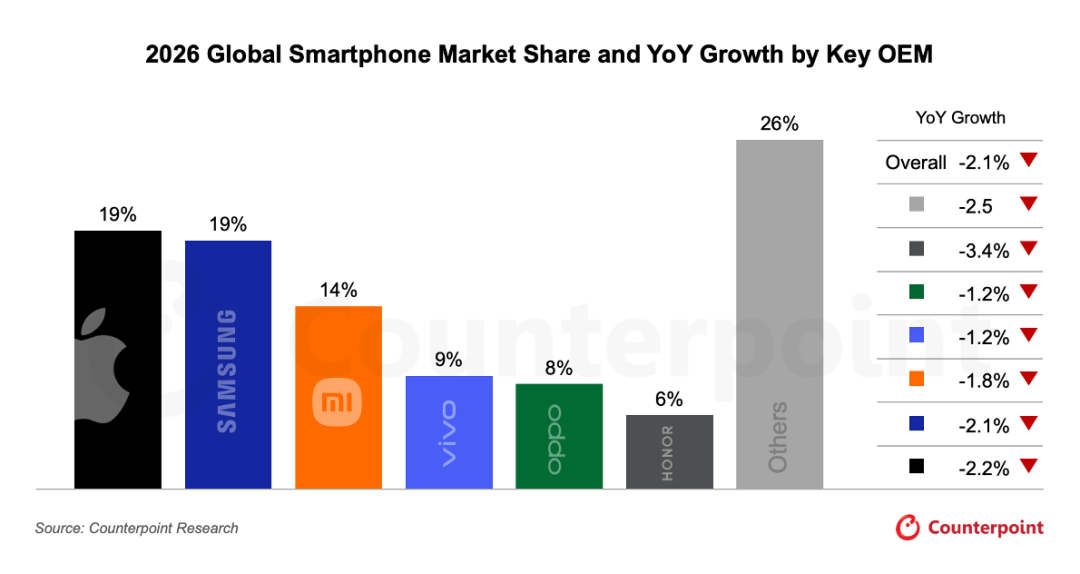
Core Insights - Counterpoint Research predicts a potential 2.1% decline in global smartphone shipments in 2026 due to rising component costs impacting end demand [1][4] - The forecast for 2026 has been revised down by 2.6 percentage points, with significant adjustments for Chinese OEMs like HONOR, OPPO, and vivo [4] Group 1: Market Trends - The low-end market (below $200) is expected to be significantly affected, with Bill of Materials (BoM) costs rising by 20%-30% since the beginning of the year [7] - Mid to high-end market segments are experiencing a cost increase of approximately 10%-15% [7] - Average smartphone selling prices are projected to increase by 6.9% in 2026, up from a previous forecast of 3.9% [7] Group 2: Competitive Landscape - Brands with scale advantages, comprehensive product lines (especially in high-end models), and vertical integration capabilities are expected to be more resilient to supply chain changes [8] - Market competition is anticipated to become more differentiated, with some brands facing challenges in balancing market share and profitability [8] - OEMs are adopting diverse strategies, including adjusting specifications of certain models and guiding consumers towards higher-spec versions to cope with cost and market changes [8]
存储成本走高,2026 年智能手机出货预期下滑
Counterpoint Research· 2025-12-19 01:10
Core Insights - The global smartphone shipment volume is expected to decline by 2.1% in 2026 due to rising storage costs, marking a downward revision of 2.6 percentage points from previous forecasts [4][5][7]. Group 1: Market Trends - The increase in component costs is anticipated to impact end-user demand, particularly affecting Chinese OEMs like HONOR, OPPO, and vivo, which have seen significant adjustments in their forecasts [5][7]. - The average selling price of smartphones is projected to increase by 6.9% in 2026, up from a previous estimate of 3.6%, driven by rising Bill of Materials (BoM) costs [7][10]. Group 2: Cost Implications - DRAM prices have risen, leading to an increase in BoM costs by approximately 25% for low-end models, 15% for mid-range, and 10% for high-end models, with further increases expected in the second quarter of 2026 [7][9]. - The cost of storage is projected to rise by about 40% before the second quarter of 2026, further exacerbating BoM costs [9]. Group 3: Strategic Responses - OEMs are likely to adjust their product strategies in response to cost pressures, with some low-SKU models already experiencing reduced shipments [10]. - Companies are adopting various strategies, including adjusting specifications of camera modules, displays, and storage configurations, as well as streamlining product lines to cope with market changes [10].
豆包手机恢复销售,华为、荣耀等多数手机厂商仍在调用无障碍权限
3 6 Ke· 2025-12-19 00:12
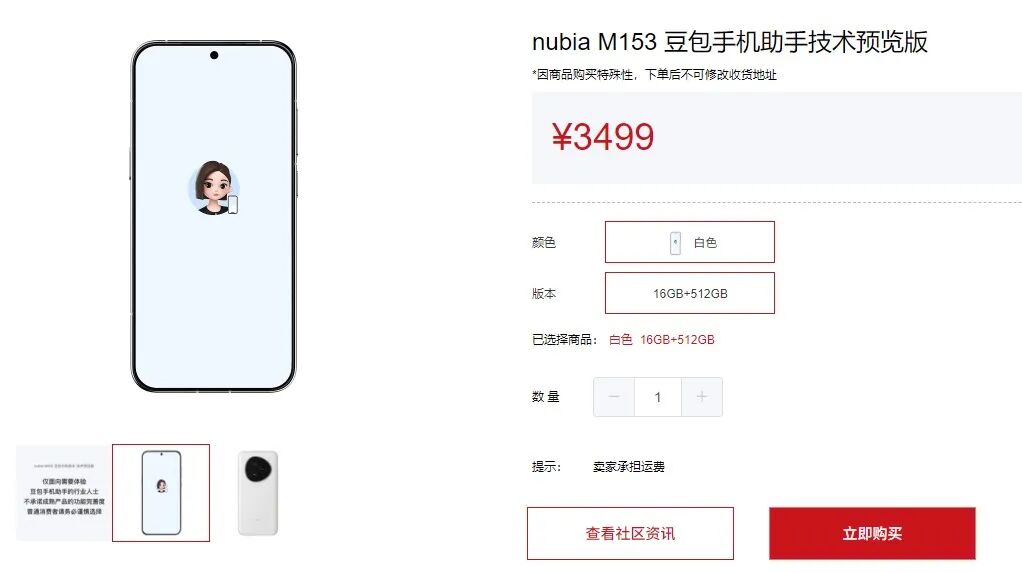
Core Viewpoint - The emergence of Doubao phone has sparked significant controversy due to its ability to access underlying system permissions, allowing it to simulate human interactions without relying on apps or manufacturers, raising concerns about privacy and compliance [1][14][24] Group 1: Doubao Phone Controversy - Doubao phone's assistant has resumed product purchase eligibility, indicating a return to the market amidst ongoing debates [1] - The phone's ability to bypass traditional app interactions has led to a clash with major platforms like WeChat and Alipay, which have implemented restrictions to prevent its use [17][19] - Doubao's approach challenges the dominance of super apps as traffic entry points, potentially disrupting existing business models [17][24] Group 2: AI Assistant Capabilities - AI assistants in new devices like Honor Magic 8 and Huawei Mate 80 have significantly improved, now capable of executing complex tasks such as price comparisons and product selections [5][6] - The use of "accessibility" permissions by various manufacturers allows AI assistants to enhance user experience by simulating clicks and reading screen content [6][7] - Doubao phone's assistant utilizes a deeper system-level permission (INJECT_EVENTS), enabling it to perform actions across multiple apps without relying on accessibility tools [16][14] Group 3: Industry Response and Compliance Issues - Major companies have expressed resistance to Doubao's operational model, citing security and risk management concerns [17][19] - The use of high-risk permissions by Doubao phone has raised alarms among app developers, particularly in social and content sectors, where user engagement is critical [21] - International competitors like Apple and Google are adopting a more cautious approach, focusing on user consent and privacy compliance rather than full automation [22][24] Group 4: Market Trends and Future Outlook - The demand for AI-enabled smartphones in China is projected to grow significantly, with an expected shipment of 147 million units by 2026, representing a 31.6% year-on-year increase [24] - The rapid development of AI capabilities in smartphones raises important questions about data security and the ethical use of AI, which the industry must address moving forward [24]
FINE2026 先进半导体展,火热招展中!6月10-12日 上海
DT新材料· 2025-12-18 14:13
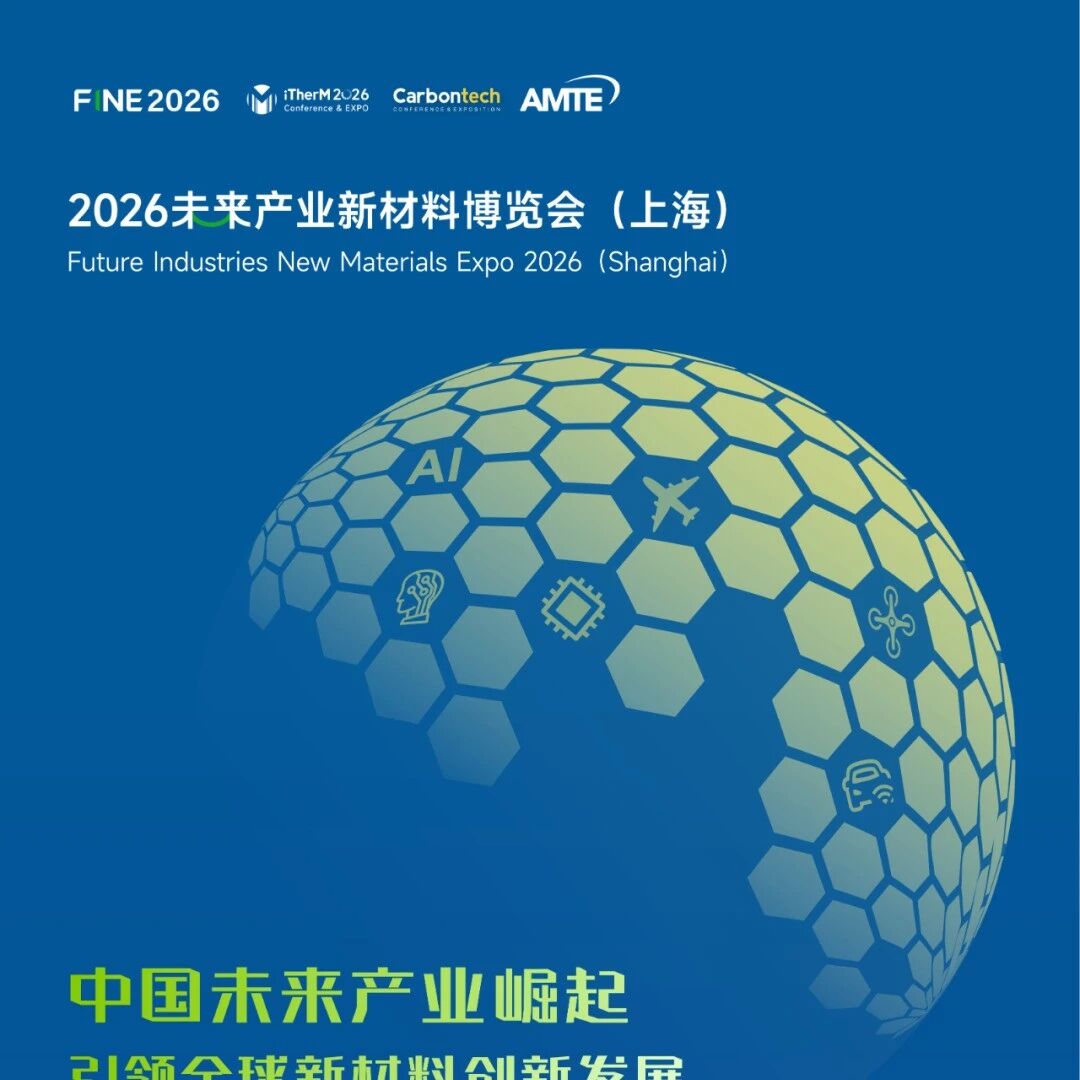
2026未来产业新材料博览会 中国未来产业崛起引领全球新材料创新发展 2026年6月10-12日 上海新国际博览中心 新材料是未来高新技术产业发展的基石和先导,新材料的突破将加速未来产业变革! 2026未来产业新材料博览会(上海) (Future Industries New Materials Expo 2026,简称" FINE 2026 "),由 「 DT新材料 」 主办的 第十届国际碳材料产业博览 会 (Carbontech 2026)、 第七届热管理产业博览会 (iTherM 2026)和 新材料科技创新博览会 (AMTE 2026)三大展重磅升级而来,旨在打造一个以未来产业终端为 引领、立足国际视野的新材料领域标盛会。 FINE 2026 , 以 50,000平 展区 与 超过 300场 战 略与前沿科技报告,全景呈现应用于人工智能、智算/数据中心、具身智能、低空经济、航空航天、智能汽车、 AI消费电子、量子科技、6G、脑机接口、新能源、生物制造等产业的热门创新成果, 并重点聚焦 未来产业五大共性需求(先进半导体、先进电池、轻量化、 低碳可持续、热管理) , 呈现从终端、部件、材料、技术装备到前沿 ...
苹果救得了小折叠吗?
36氪· 2025-12-18 13:51
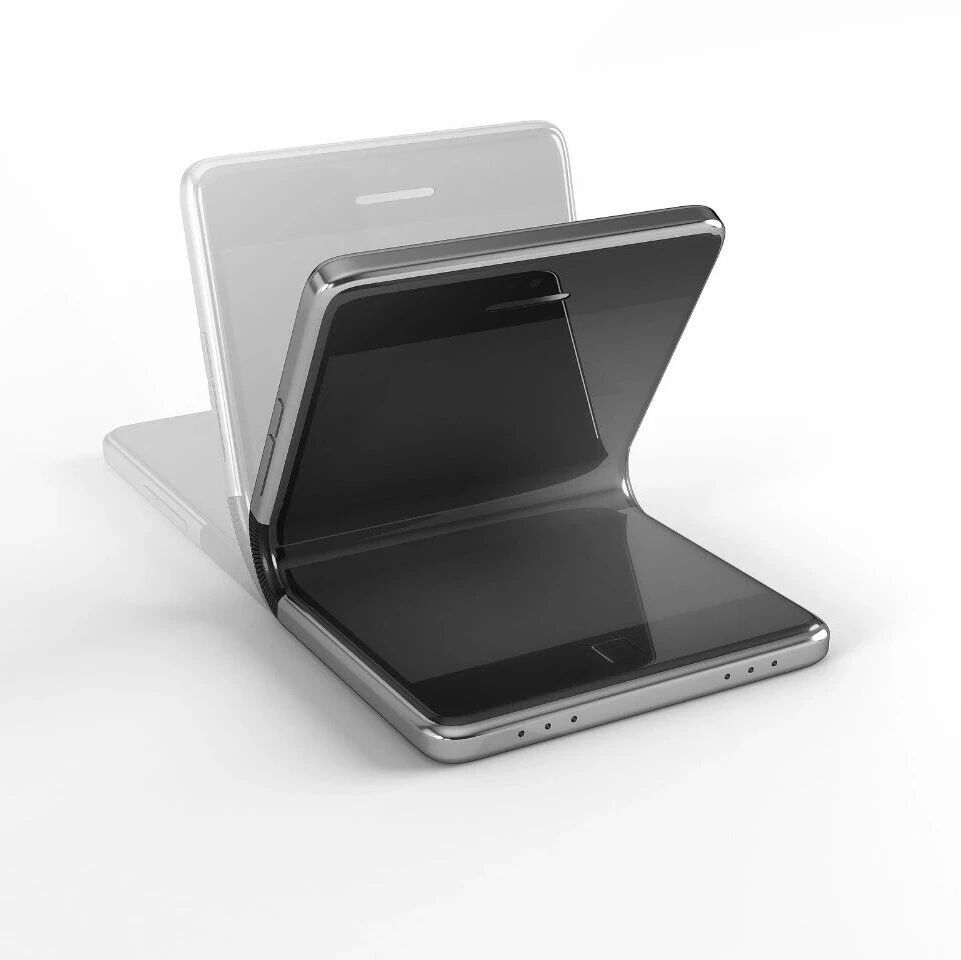
Core Viewpoint - The article discusses Apple's entry into the foldable smartphone market, highlighting the challenges and potential of the small foldable phone segment, which has struggled to gain traction despite the hype surrounding it [5][19]. Group 1: Apple's Foldable Phone Development - Apple has been working on foldable phone technology since at least 2011, focusing on addressing the issue of screen creases, which has been a significant barrier to market entry [9][11]. - Recent leaks suggest that Apple's first foldable phone will adopt a small flip design, similar to Huawei's Pura X, but with a more square aspect ratio [5][8]. - Apple's extensive patent portfolio has influenced competitors, with many companies referencing Apple's designs in their own foldable technology [12][11]. Group 2: Market Dynamics of Small Foldable Phones - The small foldable phone market has not achieved significant sales, with projections indicating that in 2024, shipments of small foldables in China will be less than half of those of large foldables [21][19]. - Key issues for small foldables include a lack of functional differentiation from traditional smartphones and lower profit margins for manufacturers [22][30]. - The design of small foldables often compromises internal space and battery life, leading to inferior specifications compared to traditional flagship models [23][26]. Group 3: Competitive Landscape and Consumer Perception - Many manufacturers, including OPPO and vivo, have either paused or exited the small foldable market due to poor sales performance, while Samsung remains a dominant player [38][39]. - Consumer preferences still lean heavily towards functionality over aesthetics, making it difficult for small foldables to justify their price points [41][43]. - Apple's brand strength may allow it to navigate pricing challenges better than competitors, but past experiences with products like the iPhone Air suggest that design alone may not drive sales [46][49].

IO资本赵占祥:绕开HBM依赖,国产AI芯片正在走哪些新路线?丨GAIR 2025
雷峰网· 2025-12-18 10:10
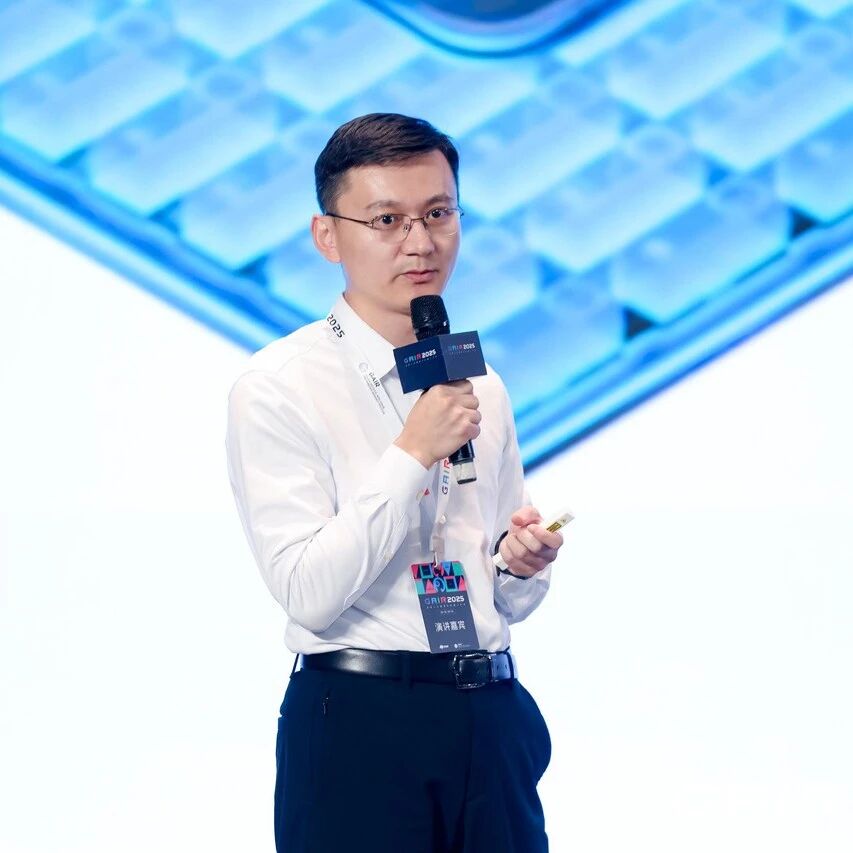
" 云端之外,端侧AI也是国产芯片下一个主战场。 " 作者丨赵之齐 编辑丨包永刚 2025年12月12-13日,第八届GAIR全球人工智能与机器人大会在深圳·博林天瑞喜来登酒店正式启幕。 作为AI产学研投界的标杆盛会,GAIR自2016年创办以来,始终坚守"传承+创新"内核,始终致力于连接 技术前沿与产业实践。 在人工智能逐步成为国家竞争核心变量的当下,算力正以前所未有的速度重塑技术路径与产业结构。13日 举办的"AI算力新十年"专场聚焦智能体系的底层核心——算力,从架构演进、生态构建到产业化落地展开 系统讨论,试图为未来十年的中国AI产业,厘清关键变量与发展方向。 IO资本创始合伙人赵占祥,专注于硬科技与半导体领域的早期及成长期投资,在大会上,他发表了题为 《大模型时代,国产AI芯片破局的几种新技术路线》 的演讲。 | | | | 基于SRAM的Al推理芯片 | | --- | --- | --- | --- | | GPGPU | | 低时延 | 创新推理架构提供 | | | | | < 1ms 时延 | | 推理时延高 | 依靠同步并发处理大 | 低成本 | 同时实现高吞吐率,单 位成本性能提升10x ...

龙旗科技(603341):智能硬件ODM龙头 智能穿戴设备、AIPC打开成长新空间
Xin Lang Cai Jing· 2025-12-18 08:25
Core Insights - The company is a leading ODM in smart products, providing comprehensive services to major global consumer electronics brands and tech companies, including Xiaomi, Samsung, Huawei, Lenovo, Honor, OPPO, vivo, and Company B [1] - In 2024, the company achieved a revenue of 46.38 billion yuan, a year-on-year increase of 70.6%, with a CAGR of 36.0% from 2019 to 2024; however, the net profit attributable to shareholders decreased by 17.2% to 501 million yuan [1] - For the first three quarters of 2025, the company reported a revenue of 31.33 billion yuan, a year-on-year decline of 10.28%, while the net profit attributable to shareholders increased by 17.74% to 507 million yuan [1] Business Segments - The AIoT business is growing rapidly, with significant performance in smartwatches and AI glasses; the smartwatch series has surpassed 10 million units in cumulative shipments, and the company is expanding into the medical wearables sector [2] - In the smart glasses segment, the company is deepening its engagement with top international clients and has launched new products, including children's glasses, while focusing on key technologies such as human factors, battery life, and lightweight design [2] - The company has successfully developed and delivered multiple AIPC products, enhancing its capabilities in ARM/X86 platform development and supply chain management, positioning itself to benefit from the rapid growth in AIPC shipments [3] Financial Projections - Revenue projections for 2025-2027 are 45.84 billion, 54.15 billion, and 65.91 billion yuan, with year-on-year growth rates of -1.16%, 18.12%, and 21.71% respectively; net profit projections for the same period are 651 million, 897 million, and 1.25 billion yuan, with growth rates of 29.92%, 37.81%, and 39.18% respectively [3] - The company is expected to benefit from new product lines such as AI glasses and AIPC while maintaining its core business [3]