卫龙

Search documents
山姆紧急调整?APP已下架好丽友派
第一财经· 2025-07-16 00:31
Core Viewpoint - The article discusses the recent controversy surrounding Sam's Club due to the removal of popular products and the introduction of new items, leading to consumer dissatisfaction and questions about the selection standards of the store [1][2][5]. Group 1: Product Changes and Consumer Reactions - Sam's Club has faced backlash from consumers for discontinuing high-repurchase-rate products like sun cakes and low-sugar egg yolk pastries, while introducing new items such as low-sugar Holley Friend pies and other products that are perceived as less desirable [2][4]. - The removal of the Holley Friend pie, which was marketed as having "80% less sugar" and "30% more cocoa," has particularly drawn criticism, with a price of 49.9 yuan for a box of 48 pieces and a high approval rating of 93.6% from over 9,000 reviews [11][12]. - Consumers have expressed feelings of being treated unfairly, questioning whether their membership fees are justified when they can find similar products elsewhere [4][5]. Group 2: Business Performance and Membership Structure - Sam's Club, a subsidiary of Walmart, has over 800 stores globally and is a significant revenue source for Walmart, with net sales in China reaching $6.7 billion (approximately 48.02 billion yuan), a year-on-year increase of 22.5% [14][15]. - The annual membership fee for regular members is 260 yuan, while premium members pay 680 yuan [15]. - The company has been expanding its store presence, adding seven new locations in the past 12 months, and has maintained strong growth in both membership and e-commerce sales [15]. Group 3: Market Positioning and Consumer Expectations - Experts suggest that differentiation is crucial for membership warehouse stores, as consumers expect unique products that are not available in regular retail channels [13][16]. - Quality has become a key factor for Chinese consumers, overshadowing traditional considerations like brand and price, which has contributed to the success of stores like Sam's Club [16].


香港彻底告别“金融废墟”
创业邦· 2025-07-16 00:16
Core Viewpoint - The article discusses the resurgence of the Hong Kong stock market as a global hub for IPOs, highlighting a significant increase in new listings and capital raised, positioning Hong Kong as a critical player in international finance and investment, particularly for Chinese enterprises [3][4][30]. IPO Boom - In the first half of the year, Hong Kong saw 240 companies enter the market, with 220 more in the pipeline as of June 30 [4][11]. - A total of 43 new stocks were listed, a 43.3% increase compared to the same period in 2024, raising HKD 1,067.1 billion, surpassing Nasdaq [4][10]. - The IPO of Ningde Times raised approximately HKD 357 billion, marking the largest global IPO of the year [8]. Historical Context - The article reflects on the historical evolution of Hong Kong's IPO landscape, from the early days of state-owned enterprises to the current influx of tech and consumer companies [6][14]. - The return of Chinese companies to Hong Kong, particularly in the wake of the pandemic and geopolitical tensions, has revitalized the market [4][30]. Market Dynamics - The article notes that the Hong Kong stock market has become a vital link for Chinese companies seeking international capital, with a significant portion of new listings being from mainland enterprises [4][30]. - The dominance of Chinese financial institutions in underwriting new listings is highlighted, with major players like CICC and CITIC leading the way [16][18]. Investment Trends - The influx of capital from mainland investors has increased, with southbound funds contributing HKD 730 billion, raising their market share to 43.9% [21][22]. - New consumer brands and innovative companies are capturing investor interest, with examples like Moutai and Bubble Mart showcasing unique business models that resonate with global investors [9][20]. Future Outlook - Predictions suggest that Hong Kong could see up to 80 new IPOs in 2024, raising HKD 200 billion, reinforcing its status as a leading global financial center [13][30]. - The article emphasizes the ongoing reforms in Hong Kong's financial market, including the introduction of SPACs and support for tech companies, which are expected to attract more listings and investments [30].





少加班,促消费丨消费参考
2 1 Shi Ji Jing Ji Bao Dao· 2025-07-15 23:44
Economic Overview - In June, the total retail sales of consumer goods in China reached 42,287 billion yuan, with a year-on-year growth of 4.8% [1][7] - For the first half of 2025, the total retail sales amounted to 245,458 billion yuan, reflecting a 5.0% year-on-year increase [1][7] - Excluding automobiles, retail sales in June were 37,649 billion yuan, also growing by 4.8% [1][7] - Online retail sales for the first half of 2025 reached 74,295 billion yuan, with an 8.5% year-on-year growth [7] Consumer Behavior - The average working hours for employees have increased from 47.43 hours in 2021 to 49.1 hours in January 2025, which may negatively impact consumer spending time [3][4] - The decline in consumer spending time is particularly affecting service consumption, which has strict time requirements [3] Policy and Initiatives - The government is implementing "anti-involution" policies aimed at encouraging paid leave and flexible work schedules to boost consumption [4] - The "Promoting Consumption Special Action Plan" includes initiatives like exploring spring and autumn breaks for schools [4] Company News - Marriott International announced that CFO Leeny Oberg will retire in 2026 after 26 years with the company, with Jen Mason and Shawn Hill set to take over her roles [8][9] - Tianrun Dairy's major shareholder reduced its holdings of convertible bonds by 101.61 million units, representing 10.26% of the total issued [10] - Good Idea expects a net loss of 15 to 25 million yuan for the first half of 2025, while also projecting a significant increase in net profit after excluding non-recurring items [11] - Maiqu'er anticipates a net profit increase of 102.17% to 103.11% for the first half of 2025 [12] Market Trends - The Shanghai Consumer 80 Index closed at 4,759.65 points, with a slight increase of 0.07% [6] - Douyin is investing hundreds of millions in subsidies to enhance its local lifestyle business, particularly in the hotel sector [16]
吵上热搜,山姆遭会员集体吐槽!最新调整
Huan Qiu Wang Zi Xun· 2025-07-15 23:41
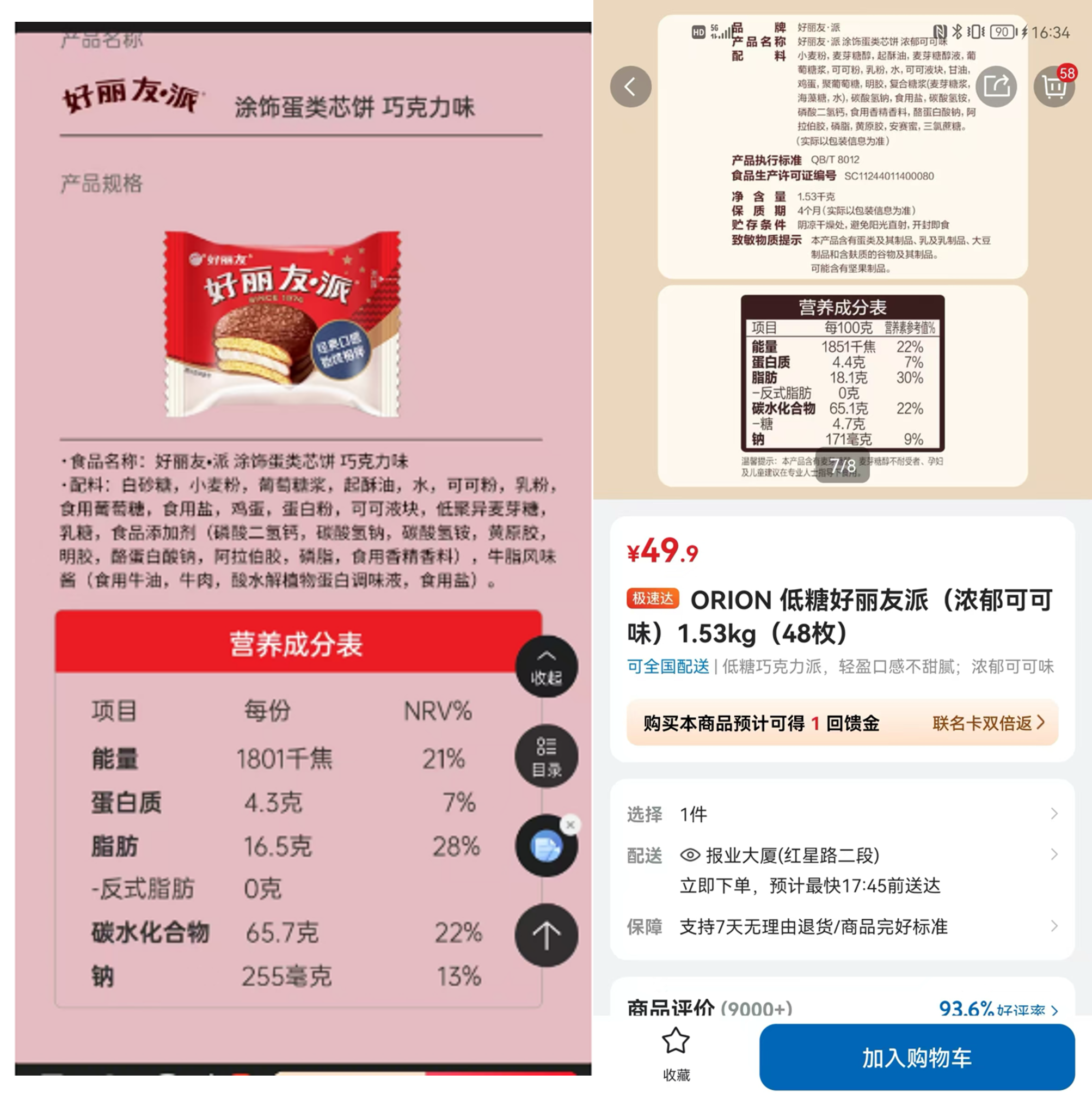
Core Viewpoint - Recent product adjustments by Sam's Club have led to consumer dissatisfaction, particularly regarding the removal of popular items in favor of more common products, raising questions about the selection criteria [1][10][17]. Group 1: Consumer Reactions - Many consumers expressed disappointment over the removal of favored products like rice pudding and low-sugar egg yolk pastry, stating that they are now offered items easily found in local supermarkets [3][8]. - Some customers have even reached out to Sam's headquarters, requesting the return of their preferred specialty foods [6]. - The sentiment among members is that they are being sold products that do not justify the membership fee, leading to feelings of being taken advantage of [10][22]. Group 2: Product Changes and Quality Concerns - Sam's Club has recently introduced new products in collaboration with popular brands, but the lack of brand recognition on some items has caused confusion and dissatisfaction among members [17]. - The newly launched low-sugar Good Friend pie, priced at 49.9 yuan for 48 pieces, received negative reviews for being overly sweet despite its low-sugar label [12][14]. - The recent product adjustments have led to a decline in consumer trust, as members feel that the quality and uniqueness of offerings are diminishing [17][22]. Group 3: Membership and Market Position - Sam's Club operates with an annual membership fee of 260 yuan for regular members and 680 yuan for premium members, positioning itself as a leading membership warehouse globally with over 800 stores [20]. - According to Pacific Securities, Sam's Club has achieved double-digit growth by catering to the differentiated needs of middle-class families, focusing on high-quality and cost-effective products [20]. - Experts emphasize that differentiation and product quality are essential for membership warehouse stores to maintain their value proposition and consumer loyalty [22].
写着写着就没了!好丽友等多个零食品牌突遭下架,从独有品牌到大众品牌:山姆的会员“特权”缩水了?
Mei Ri Jing Ji Xin Wen· 2025-07-15 14:31
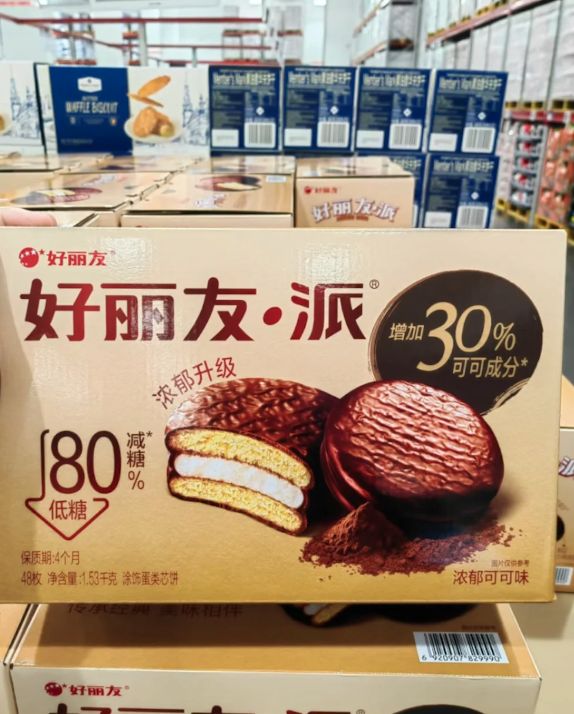
Core Viewpoint - Sam's Club is facing a trust crisis as it introduces common brands like Haoliyou and Weilong, which has led to dissatisfaction among members who expect premium products for their membership fees [1][4][12]. Group 1: Product Controversies - The introduction of "low-sugar" Haoliyou pie has sparked debate, with members questioning the need for such products that are readily available in regular supermarkets [4][12]. - The "special supply" version of Haoliyou pie claims to reduce sugar by 80% and increase cocoa content by 30%, but the differences from the classic version are not significant [4][8]. - The pie's ingredient list includes several artificial sweeteners, leading to consumer feedback that it remains too sweet despite the reduced sugar content [8][9]. Group 2: Brand Positioning and Changes - Brands like Weilong and Xu Fu Ji have altered their product presentations for Sam's Club, with unique packaging and formulations that differ from their standard offerings [12][23]. - The "panpan" branding for products from Panpan Food has been criticized for misleading consumers into thinking they are imported goods due to the upscale packaging [25][27]. - Sam's Club has been noted for its strategy of introducing popular brands with modified packaging, which may not always align with the premium image expected by its members [30][33]. Group 3: Sales and Market Strategy - As of April 2023, Sam's Club has 54 locations in China, with plans to exceed 60 by the end of the year, indicating a strong growth trajectory [33]. - Three stores have already surpassed annual sales of $500 million (approximately 3.67 billion RMB), with expectations for this number to increase significantly by 2025 [33].
山姆线上下架好丽友!选品“不上心”,中产不买账了
21世纪经济报道· 2025-07-15 14:23
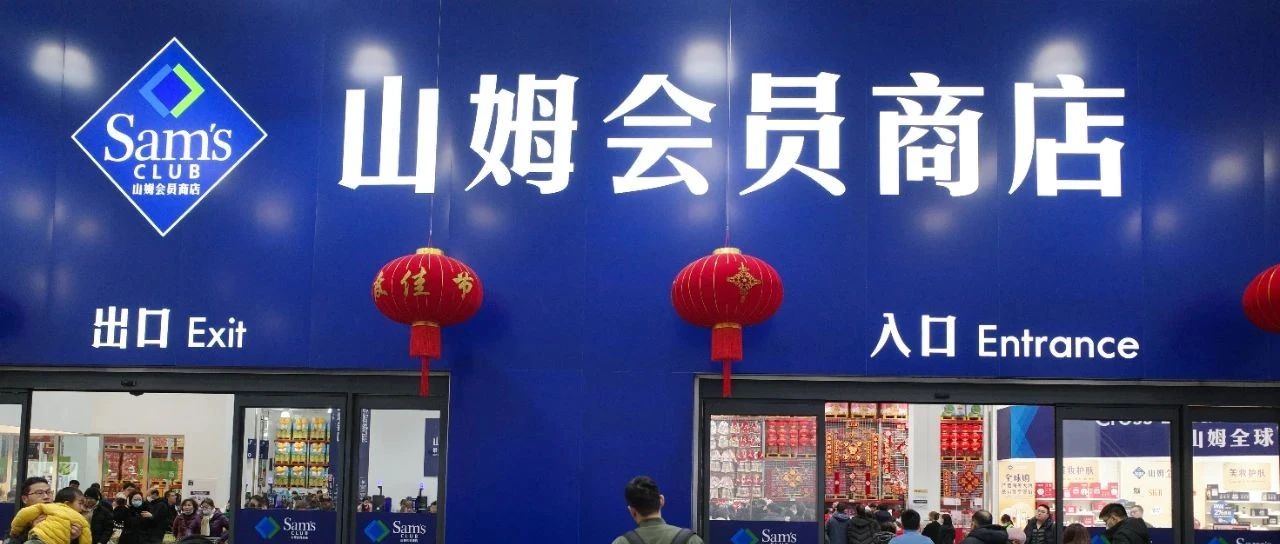
Core Viewpoint - The recent controversy surrounding Sam's Club is primarily due to its product selection strategy, which has led to customer dissatisfaction and negative feedback regarding the introduction of "low-sugar Holley Pie" while popular items were quietly removed from shelves [1][10]. Product Selection Changes - Sam's Club has introduced new products from popular brands like Holley, Wei Long, and Xu Fu Ji, while simultaneously removing previously popular items such as egg yolk pastries and caramel layered cookies [1]. - The removal of certain high-value products has raised concerns among members, with some expressing intentions to cancel their memberships [1][10]. Customer Feedback and Reactions - Following the introduction of the low-sugar Holley Pie, many customers reported being unable to find the product on the Sam's Club app, leading to significant online discussions and trending topics on social media [3]. - Sam's Club customer service confirmed that the product had been removed from online listings, although it remained available in some physical stores [5]. Brand and Corporate Responses - A representative from Walmart acknowledged the discussions regarding product selection and stated that customer feedback would be considered in future product strategies [7]. - Sam's Club has indicated that it will take legal action against misinformation and defamation related to its brand and management [7]. Membership and Revenue Insights - As of June 2025, Sam's Club is projected to have over 9 million paid members, generating membership fee revenue exceeding 2.34 billion yuan based on a fee of 260 yuan per year [13]. - The membership model is a core competitive advantage for Sam's Club, acting as an agent for consumers in selecting quality products [13]. Brand Dependency on Sam's Club - Major brands like Holley, Wei Long, and Xu Fu Ji are increasingly reliant on Sam's Club as a strategic sales channel, which has become a significant revenue source for Walmart amid market fluctuations [15]. - There is a risk for brands to lose pricing power and become mere suppliers to Sam's Club, as the retailer has gained significant control over product offerings [16]. Ongoing Dynamics Between Brands and Retailers - The relationship between brands and Sam's Club is characterized by a tug-of-war, with brands seeking to maintain some level of control and insight into consumer preferences beyond what retailers provide [17]. - The ongoing dynamics suggest that the negotiation and collaboration between brands and Sam's Club will continue to evolve [18].
吵上热搜、上百条差评,山姆紧急回应
Nan Fang Du Shi Bao· 2025-07-15 13:45
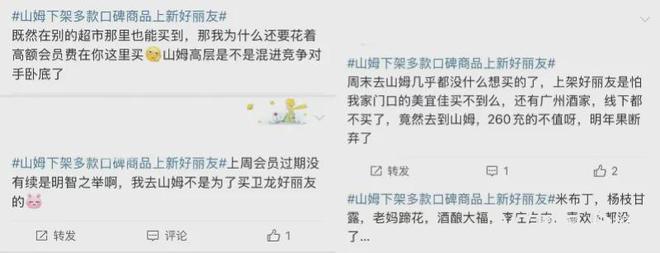
Core Viewpoint - Sam's Club has faced backlash from members for introducing products from brands like Holley, Panpan, and Xu Fu Ji while discontinuing popular items, leading to questions about its product selection strategy and perceived decline in quality [1][4][10] Group 1: Product Selection and Member Feedback - Recent product introductions at Sam's Club include Holley, Panpan, and Xu Fu Ji, which some members argue are available in regular supermarkets, questioning the value of a membership [1][4][10] - Members have expressed dissatisfaction with the discontinuation of high-repurchase-rate products, with specific complaints about the removal of items like rice pudding and old mom's hoof flower [10][11] - Walmart has acknowledged the discussions on social media regarding Sam's product selection and stated that member feedback will be considered in future product strategies [30][31] Group 2: Brand Responses and Product Differentiation - Holley has stated that the products offered at Sam's are exclusive to the club, but further details were not provided [31] - Some brands have indicated that products provided to Sam's are specially customized to meet the preferences of its members, aiming for a healthier and higher-quality offering [31][32] - Experts suggest that Sam's Club must maintain a unique value proposition that cannot be easily replicated by regular retail channels to retain its membership base [34][35] Group 3: Consumer Sentiment and Market Position - Consumers have criticized the new low-sugar Holley products for still being overly sweet, indicating a disconnect between product marketing and actual taste [15][20] - The introduction of well-known brands like Holley and Panpan has raised concerns about the perceived lack of differentiation in Sam's product offerings, which could lead to member attrition if not addressed [34][35] - Analysts emphasize the importance of continuously evolving product offerings to meet changing consumer demands and preferences, highlighting the need for Sam's to avoid a "mediocre" selection strategy [34][36]
山姆卖“好丽友们”引“众怒”,但“好丽友们”进山姆是一种必然
Guan Cha Zhe Wang· 2025-07-15 12:58
Core Insights - Sam's Club is facing criticism regarding its product selection capabilities, particularly after the launch of a new product that has received negative reviews from members [1][4][8] - The company has experienced significant sales growth, with sales in China expected to exceed 100 billion yuan in 2024, contributing to two-thirds of Walmart China's performance [9][11] - There is a shift in product sourcing, with over 70% of products now sourced from Chinese suppliers, indicating a focus on local brands and products [12][13] Product Selection and Member Feedback - A new product, a special edition of the Good Friend cake, has been criticized for being too sweet and not meeting the expectations of members regarding its "low sugar" and "rich cocoa" claims [4][8] - Members have expressed distrust towards the Good Friend brand due to perceived discrepancies in product formulations between domestic and international versions [8] - The dynamic nature of Sam's product selection is highlighted, with a focus on maintaining a curated selection of around 4,000 SKUs to ensure quality and value for members [8][11] Expansion and Market Strategy - Sam's Club plans to open 6-7 new stores annually, with a target of over 60 stores by 2026, indicating aggressive expansion in the Chinese market [9][11] - The rapid expansion may be influencing product selection processes, leading to potential changes in supplier relationships and product offerings [11] - Local partnerships are being established, allowing local brands to enter Sam's shelves, which not only expands sales channels for these brands but also enhances Sam's reputation for quality [11][12] Management Changes and Strategic Focus - The retirement of the previous China president and the appointment of Jane Ewing has led to a restructuring of regional management to better respond to local market demands [12][13] - Ewing's strategy appears to continue the previous leadership's focus while intensifying the pursuit of growth, particularly through local sourcing and enhancing supply chain resilience [12][13] - The shift towards more domestic brands is seen as a strategic move to improve procurement efficiency and maintain product quality [12][13]

上新“好丽友”的山姆,让会员破防了!
阿尔法工场研究院· 2025-07-15 11:57
Core Viewpoint - Sam's Club is facing challenges in retaining its membership base due to recent product selection changes and quality control issues, leading to perceptions of homogenization with regular supermarkets [2][12][30]. Group 1: Product Selection Changes - Sam's Club has introduced popular mass-market brands like Holley Friend, Wei Long, and Xu Fu Ji, while discontinuing previously popular items such as egg yolk pastries and caramel layered cookies, causing dissatisfaction among members [2][10][12]. - The introduction of the "low-sugar Holley Friend pie," which claims to reduce sugar by 80% and increase cocoa content by 30%, has received significant criticism, with over 300 negative reviews citing it as too sweet [5][7][9]. - Members express concerns that the shift towards more common brands dilutes the unique value proposition of Sam's Club, which was originally perceived as a premium shopping experience [19][20]. Group 2: Membership and Revenue Insights - Sam's Club, a high-end membership store under Walmart, has over 500 million paid members and 48 stores in China, with membership fees set at 260 yuan for regular members and 680 yuan for premium members [25][26]. - Walmart's fiscal report for 2025 indicates that Sam's Club's membership fee revenue has grown by over 35%, despite ongoing quality issues [26][30]. - The club's unique positioning as a "middle-class supermarket" is being challenged as competitors like Costco and Hema introduce similar membership models, prompting Sam's Club to reassess its competitive advantages [19][30]. Group 3: Quality Control Issues - Sam's Club has faced numerous complaints regarding product quality, including reports of moldy cakes and contaminated dairy products, leading to over 10,000 complaints on consumer platforms [27][29]. - The frequency of quality control failures has negatively impacted the brand's reputation, raising questions about its ability to meet the expectations of its core middle-class clientele [30]. Group 4: Market Position and Competition - The retail landscape in China is becoming increasingly competitive, with Sam's Club needing to redefine its value proposition amidst the rise of other paid membership supermarkets [30]. - As the paid membership model becomes standard in the industry, Sam's Club must identify new differentiators to maintain its appeal to consumers who expect premium offerings [30].

300亿帝国,重演家族集权
3 6 Ke· 2025-07-15 08:29
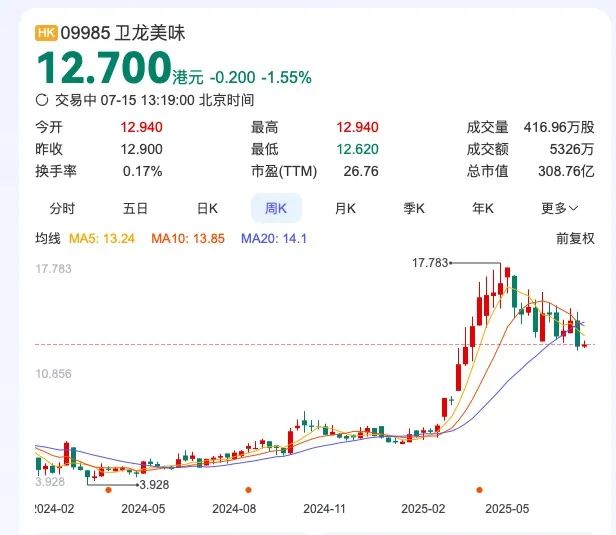
Core Viewpoint - The company is experiencing a significant shift towards family governance, marked by the departure of key executives and a return to leadership by the Liu family, which raises questions about the future direction and management of the company [2][12][24]. Group 1: Executive Changes - The recent resignations of CEO Sun Yinan and CFO Peng Hongzhi within four months indicate a major leadership transition at the company [2][3]. - The board of directors has been reduced from six to four members, with control returning to the Liu brothers, who hold 78.33% of the company's shares [2][23]. - The new appointments of Liu Fuping as CEO and Yu Feng as CFO further emphasize the company's shift towards family-centric management [2][12]. Group 2: Market Reaction - Following the announcement of executive changes, the company's stock price dropped nearly 13%, resulting in a market capitalization loss of approximately 46 billion HKD [3][4]. - The stock price has decreased by 28.6% from its peak of 17.783 HKD per share, reflecting investor concerns about the leadership transition [4][11]. Group 3: Performance and Strategy - The company reported a revenue of 6.266 billion CNY in 2024, marking a 28.6% year-on-year increase, and a net profit of 1.069 billion CNY, up 21.37% [7][8]. - The shift in product focus from traditional spicy strips to vegetable products, particularly konjac products, has led to a significant change in revenue structure, with vegetable products now accounting for 53.8% of total revenue [26][27]. - The average price of spicy strips has increased by 47% from 13.9 CNY/kg to 20.5 CNY/kg between 2018 and 2023, which has negatively impacted sales volume [29]. Group 4: Challenges Ahead - The company faces increasing competition in the konjac product market, which may lead to a similar fate as its spicy strips if not managed properly [30][31]. - The reliance on offline sales channels, which account for 88.8% of revenue, poses a risk as the company has missed opportunities in emerging online sales channels [34][35]. - Recent quality control issues, such as the packaging weight discrepancy in konjac products, highlight the challenges in supply chain and quality management under family governance [32][34].