地平线

Search documents
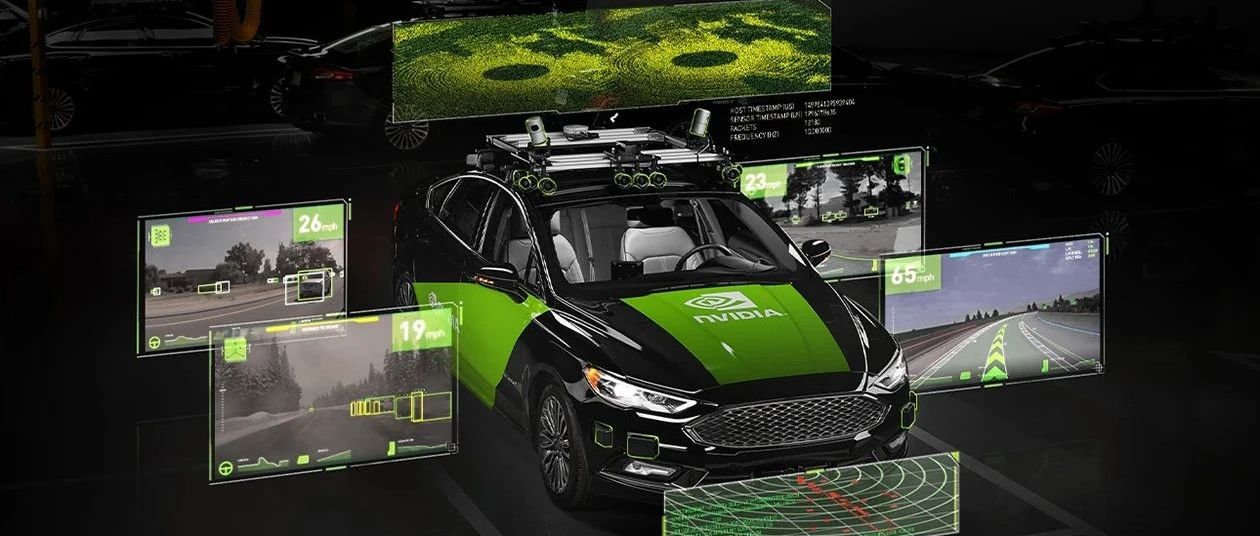
地平线吕鹏详解智驾三阶段演进:高算力≠高体验
Jing Ji Guan Cha Bao· 2025-07-15 06:52
Core Insights - The industry is undergoing a significant technological transition from rule-based and hybrid systems to fully data-driven "dense modal systems" [2][4] - Tesla is recognized as a leader in this transition, having successfully completed the shift to a data-driven model [4] - The future of autonomous driving is seen as inevitably data-driven, with key factors for this transition being enhanced computing power, algorithm optimization, infrastructure development, and sensor standardization [5] Industry Trends - The current competition in the autonomous driving sector is shifting from marketing gimmicks to actual product performance breakthroughs [5] - Companies must focus on foundational technology development rather than merely creating new concepts for promotional purposes [5] - The market is expected to see a power sweet spot of 100-200 TOPS between 2024 and 2025, with over 500 TOPS becoming mainstream by 2026 [6] Product Development - Horizon Robotics has introduced the HSD series for urban full-scene assisted driving, with computing power levels of 256 TOPS, 560 TOPS, and 1120 TOPS [6] - Despite differences in computing power and pricing, the technical architecture of these products is unified to ensure stable product iteration and development efficiency [6] - Future autonomous driving products should prioritize simplicity, practicality, and efficiency to enhance user experience rather than focusing solely on technical specifications [6]

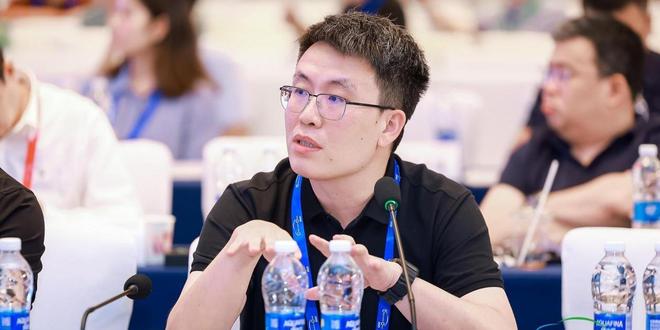
宝马联手Momenta,跨国车企涌向中国智驾
Bei Jing Shang Bao· 2025-07-15 06:47
Group 1 - BMW Group announced a partnership with Momenta to develop next-generation intelligent driving assistance solutions specifically for the Chinese market, focusing on AI-based software for driving assistance functions [2] - The new driving assistance system will support full-scenario, point-to-point navigation assistance, enabling cross-city travel from parking to destination [2] - Currently, BMW's existing models only support basic driving assistance features, with advanced functionalities like highway ramp access and traffic light navigation not yet available [2] Group 2 - At the Shanghai International Auto Show, several multinational car manufacturers, including Buick and Toyota, announced strategic partnerships with Momenta, highlighting the company's prominence in intelligent driving solutions [3] - Buick's L2 urban driving assistance technology will utilize a data-driven approach without relying on high-precision maps, showcasing the integration of advanced AI models [3] - The collaboration between multinational car manufacturers and local tech firms like Huawei is indicative of a trend where foreign brands are increasingly adopting local innovations in smart driving technology [3][4] Group 3 - The penetration rate of L2-level intelligent driving assistance vehicles in China reached 55.7% in the first half of last year, reflecting a growing consumer demand for smart features in vehicles [5] - The rising consumer expectations for intelligent cabins and personalized configurations are reshaping global automotive technology innovation [5] - The validation of local suppliers' capabilities is attracting more multinational car manufacturers to collaborate with Chinese tech firms [5]
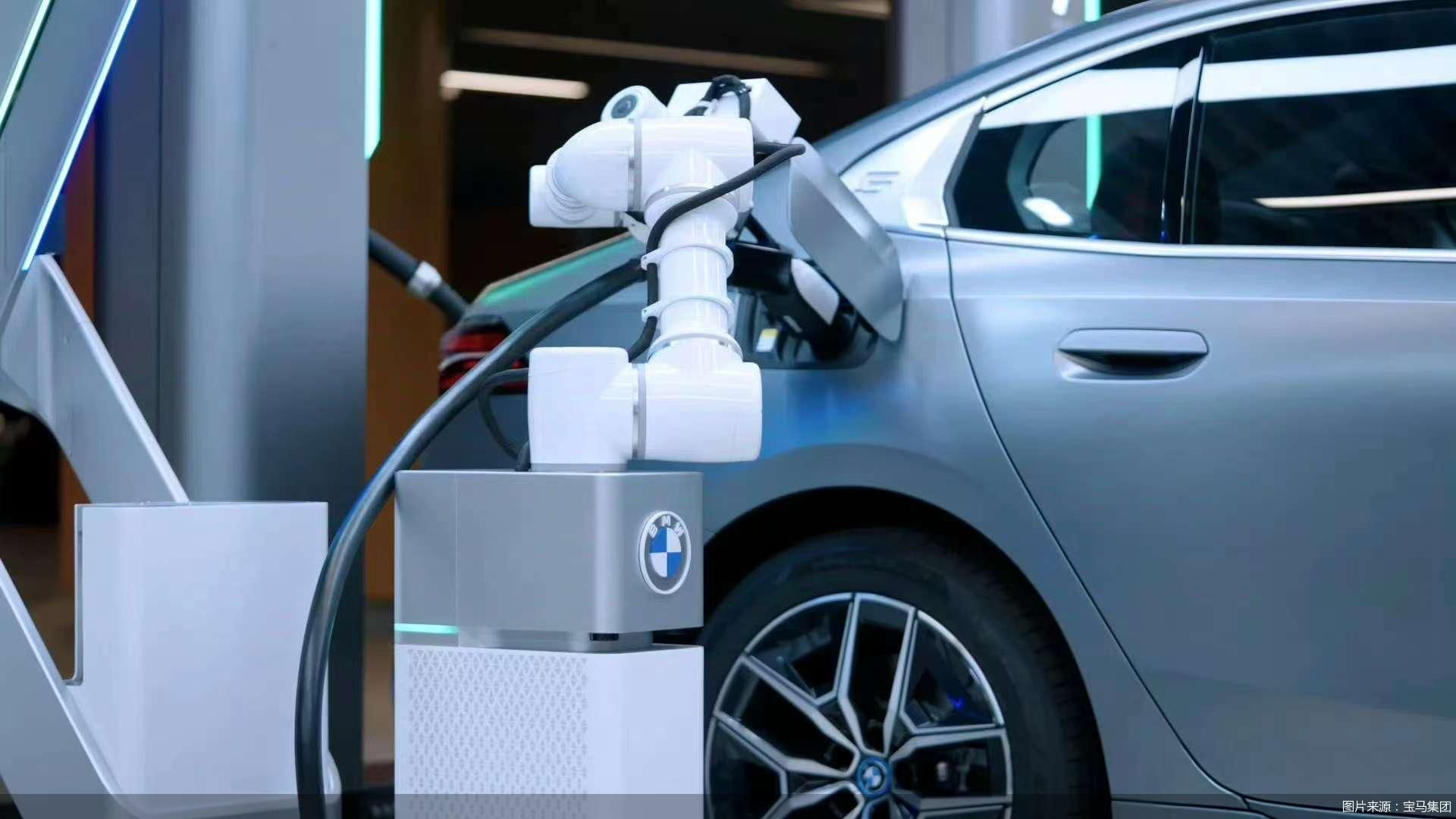
地平线征程6B一次性成功点亮,再次刷新智驾计算方案点亮的行业速度
IPO早知道· 2025-07-15 03:26
Core Viewpoint - Horizon Robotics has successfully launched its new entry-level vehicle intelligent computing solution, Journey 6B, which marks a significant advancement in the ADAS market, emphasizing both performance enhancement and cost reduction [3][5]. Group 1: Product Development and Performance - The Journey 6B achieved a remarkable industry speed by powering on and producing output in just 23 minutes, setting a new benchmark for intelligent driving computing solutions [3]. - The AI computing power of Journey 6B is rated at 18 TOPS, benefiting from the BPU Nash architecture, which allows it to efficiently support mainstream algorithms and enhance computing performance by over two times [3][5]. - Compared to the previous generation, Journey 6B has improved system performance by over two times, reduced system costs by over 25%, and decreased power consumption by over 30%, while also reducing the size of the integrated solution by over 40% [5]. Group 2: Market Position and Collaborations - Horizon Robotics is expected to maintain a leading position in the integrated computing solution market, with a projected market share of over 30% in the Chinese market for passenger vehicle front-view integrated computing solutions in 2024 [5]. - Multiple collaborations based on Journey 6B are progressing steadily, including a new multifunctional camera platform being developed by Bosch, which is planned for mass production by mid-2026 [5]. - The Journey 6 series has achieved "full-stage access" within just 15 months of its release, indicating a significant advancement in the company's capabilities from research and development to mass production [7]. Group 3: Market Insights and Future Prospects - The Journey 6 series is designed to cater to various market segments, providing a comprehensive range of computing power from 18 TOPS to 560 TOPS, making it the first full-stage intelligent driving computing solution in the industry [7]. - The mid-tier intelligent driving market has seen Journey 6E/M gain over 20 partnerships with automakers, enabling more than 100 smart vehicle models [7]. - The high-performance flagship Journey 6P is positioned as the strongest computing solution for auxiliary driving, with plans for its deployment in the Chery "Falcon" model by 2025 [7].

自动驾驶圆桌论坛 | 聊聊自动驾驶上半年都发生了啥?
自动驾驶之心· 2025-07-14 11:30
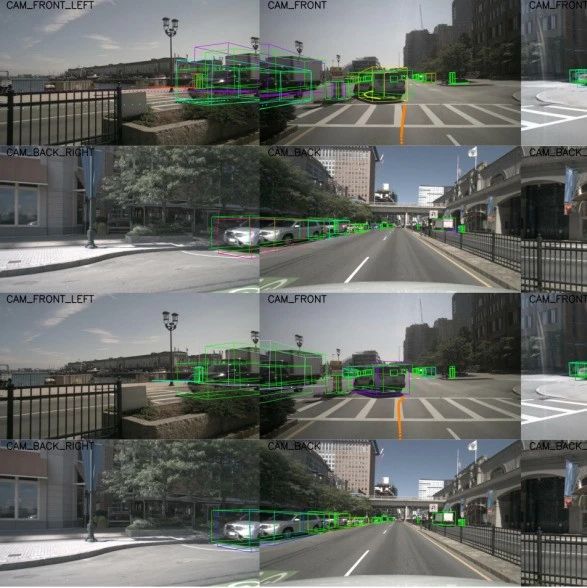
Core Viewpoint - The article discusses the current state and future directions of autonomous driving technology, highlighting the maturity of certain technologies, the challenges that remain, and the emerging trends in the industry. Group 1: Current Technology Maturity - The introduction of BEV (Bird's Eye View) and OCC (Occupancy) perception methods has matured, with no major players claiming that BEV is unusable [2][13] - The main challenge remains corner cases, where 99% of scenarios are manageable, but complex situations like rural roads and large intersections still pose difficulties [13] - E2E (End-to-End) models have not yet demonstrated clear advantages over two-stage models in practical applications, despite their theoretical appeal [4][5] Group 2: Emerging Technologies - VLA (Vision-Language Alignment) is gaining attention as it simplifies tasks and potentially addresses corner cases more effectively than traditional methods [5][6] - The efficiency of models is a critical issue, with discussions around using smaller models to achieve performance close to larger ones [6][30] - Reinforcement learning has not yet proven to be significantly impactful in autonomous driving, with a need for better simulation environments to validate its effectiveness [7][51] Group 3: Future Directions - There is a consensus that VLA and VLM (Vision-Language Model) will be key areas for future development, focusing on enhancing reasoning capabilities and safety [45][48] - The industry is moving towards a more data-driven approach, where the efficiency of data collection, cleaning, and training will determine competitive advantage [28][40] - The integration of world models and closed-loop simulations is seen as essential for advancing autonomous driving technologies [47][50] Group 4: Industry Perspectives - The shift towards VLA/VLM is viewed as a necessary evolution, with the potential to improve user experience and safety in autonomous vehicles [28][45] - The debate between deepening expertise in autonomous driving versus transitioning to embodied intelligence reflects the industry's evolving landscape and personal career choices [22][27] - The current focus on safety and robustness in L4 (Level 4) autonomous driving indicates a divergence in technical approaches between L2+ and L4 players [25][36]
推荐几个PNC和端到端岗位(待遇丰厚)
自动驾驶之心· 2025-07-14 06:20
Group 1 - The article discusses job opportunities in the autonomous driving sector, specifically for positions related to end-to-end and traditional control algorithms at a leading self-driving supplier [1] - Positions mentioned include Autonomous Driving Control Algorithm Engineer/PNC Expert with a salary range of 40k-100k/month and End-to-End/VLA Engineer with a salary range of 30k-80k/month [2][4] - The article highlights the responsibilities and requirements for various roles, emphasizing the need for advanced degrees and proficiency in programming languages such as C++ and Python, as well as familiarity with control algorithms and machine learning techniques [5][10] Group 2 - The article mentions a community called AutoRobo Knowledge Planet, which serves as a platform for job seekers in autonomous driving and embodied intelligence, currently hosting nearly 1000 members from various companies [11] - It outlines the internal resources available to members, including interview questions, industry reports, salary negotiation tips, and job referrals [13][14] - The community also provides insights into the autonomous driving industry, including trends, market opportunities, and research reports on embodied intelligence [23][24]
为保“中国方案”稳定落地 大众中国CEO贝瑞德续约三年
Jing Ji Guan Cha Bao· 2025-07-14 03:48
Group 1 - Volkswagen Group's supervisory board has extended the contract of Berndt, the head of China operations, for another three years until summer 2028, emphasizing the importance of stable management for achieving strategic goals in the Chinese market [1][5] - Berndt's initial three-year term is set to end on July 30, and he has been pivotal in advancing product development and implementing the "In China, For China" strategy, which involves significant investments [1][2] - The past three years have been defined as a critical transition period for Volkswagen in China, focusing on the localization of electric vehicle development and integration into the local ecosystem, supported by a total investment of 50 billion yuan [3] Group 2 - Volkswagen's transformation investments are expected to peak in 2024, with a "monetization period" approaching, as the company prepares to deliver its first locally developed electric smart vehicles starting in the second half of 2025 [4] - The company plans to launch over 20 new smart connected vehicle models in China by 2026, covering various powertrains, to increase its market share in the Chinese electric vehicle sector [4] - Despite the ongoing transformation, there are concerns regarding the declining investment returns from joint ventures in China, with expected earnings of 1.7 billion euros in 2024, a 33.5% year-on-year decrease [4][5] Group 3 - The renewal of Berndt's contract reflects the supervisory board's recognition of the rapid progress in China's strategy and signals strong support for the ongoing transformation and local integration [5] - Other key members of the Volkswagen China board have undergone changes, indicating a shift in management as the company prepares for the next three years of competition in the electric vehicle market [5]
4000人的自动驾驶黄埔军校,死磕技术分享与求职交流~
自动驾驶之心· 2025-07-12 14:43
Core Viewpoint - The smart driving industry is experiencing significant growth, with companies willing to invest heavily in research and talent acquisition, indicating a robust job market and opportunities for new entrants [2][3]. Group 1: Industry Trends - The smart driving sector continues to attract substantial funding for research and development, with companies offering competitive salaries to attract talent [2]. - There is a noticeable trend of shorter technology iteration cycles in the autonomous driving field, with a focus on advanced technologies such as visual large language models (VLA) and end-to-end systems [7][11]. Group 2: Community and Learning Resources - The "Autonomous Driving Heart Knowledge Planet" aims to create a comprehensive community for knowledge sharing, focusing on academic and engineering challenges in the autonomous driving industry [3][11]. - The community has established a structured learning path covering various aspects of autonomous driving technology, including perception, planning, and control [13][15]. Group 3: Educational Offerings - The community offers a range of educational resources, including video courses, hardware tutorials, and live sessions with industry experts, aimed at both newcomers and experienced professionals [3][15]. - There are dedicated modules for job preparation, including resume sharing and interview experiences, to help members navigate the job market effectively [5][12]. Group 4: Technical Focus Areas - Key technical areas of focus include visual language models, world models, and end-to-end autonomous driving systems, with ongoing discussions about their integration and application in real-world scenarios [11][36]. - The community emphasizes the importance of understanding the latest advancements in algorithms and models, such as diffusion models and generative techniques, for future developments in autonomous driving [16][36].
破局挑战、共筑新生态,2025中国汽车论坛探讨高质量发展路径
Zhong Guo Jing Ji Wang· 2025-07-12 10:08
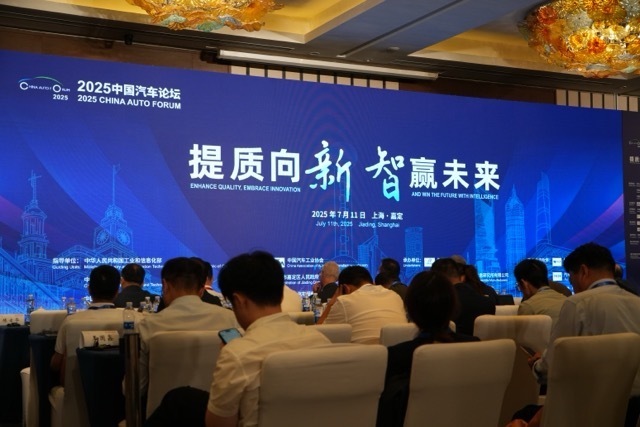
Core Insights - The 2025 China Automotive Forum, held from July 10 to 12, focused on the theme "Quality Improvement and New Intelligence for Future Success," highlighting the automotive industry's role as a key driver of economic recovery amid various domestic and international challenges [1][3] Industry Overview - The automotive industry continues to show strong growth, with multiple economic indicators achieving double-digit growth year-on-year in the first half of the year [4] - The industry is undergoing significant structural adjustments due to the acceleration of electrification and the rise of artificial intelligence, marking a transition to a new phase of competition [4] Key Discussions - A closed-door summit gathered over 100 influential guests to discuss critical issues such as promoting healthy value competition, achieving high-quality development, and establishing competitive advantages for Chinese automotive exports [3] - Industry leaders emphasized the need for innovation, transformation, and a robust industrial ecosystem to enhance domestic and international market expansion [3][4] Strategic Recommendations - Collaboration among enterprises is essential to shape a positive image for the Chinese automotive industry and foster new technologies, products, and business models [3] - The importance of brand building, innovation, and management transformation was highlighted, with calls for regulatory support and patience from capital markets for long-term development [4][5] Emerging Trends - The rise of intelligent connected new energy vehicles is fundamentally changing consumer demands, making emotional value and personalized experiences key competitive factors in product development [5] - The automotive sector is experiencing unprecedented transformation and structural challenges, with a focus on free trade and international cooperation [5] Thematic Forums - Various thematic forums were held to address specific industry concerns, including brand building, ESG investment perspectives, talent development, and the future of hydrogen and electric vehicles [6]
Al企业迎来赴港IPO黄金窗口期
Hua Er Jie Jian Wen· 2025-07-12 05:56
Core Viewpoint - The Hong Kong Stock Exchange (HKEX) is experiencing a significant surge in IPOs from AI-related companies, driven by favorable market conditions and supportive policies, particularly the introduction of Chapter 18C of the listing rules, which lowers the barriers for tech companies to go public [2][3][12]. Group 1: Market Trends - The number of AI-related companies applying for listing in Hong Kong has increased dramatically, with over 20 companies, including unicorns valued over $1 billion, currently in the pipeline [2][3]. - As of June 30, 2023, the total IPO fundraising in Hong Kong has surpassed the entire amount raised in 2022, reaching approximately HKD 107.06 billion, marking a 688.56% year-on-year increase [4]. - The current market sentiment is highly favorable, with significant inflows of southbound and foreign capital, which is beneficial for new stock pricing and subscription [4][12]. Group 2: Policy Support - The HKEX's Chapter 18C, introduced in March 2023, is specifically designed for specialized tech companies, allowing non-profitable firms to list and easing the restrictions on dual-class shares [3][12]. - This policy change has attracted a large number of AI-related companies to consider listing in Hong Kong, as it provides a more accessible pathway for those without substantial profits [3][12]. Group 3: Strategic Importance of Listing - Listing in Hong Kong offers AI companies access to funding, enhances their international brand presence, and attracts global talent, which is crucial for maintaining competitiveness in the rapidly evolving AI landscape [3][16]. - The current period is viewed as a "golden window" for AI companies to go public, with the potential for favorable valuations and stock performance if they act promptly [4][6]. Group 4: Characteristics of the Current IPO Wave - The ongoing IPO wave is characterized by a significant increase in the number of companies, high technical content, and larger valuations for recently listed AI firms, indicating strong market recognition [12][14]. - The competitive landscape among intermediaries, such as major investment banks, highlights the high level of interest in AI-related IPOs [12][14]. Group 5: Challenges Faced by AI Companies - AI companies face challenges in proving the authenticity and sustainability of their technology, which can complicate the approval process [18][19]. - Commercialization pressure is significant, especially for unprofitable firms needing to demonstrate future revenue potential and market size [19][20]. - Market volatility and investor sentiment can impact the pricing and subscription of new listings, particularly in a conservative valuation environment [19][20].

4000人的自动驾驶黄埔军校,死磕技术分享与求职交流~
自动驾驶之心· 2025-07-12 05:41
Core Insights - The autonomous driving industry is experiencing significant changes, with many professionals transitioning to related fields like embodied intelligence, while others remain committed to the sector due to strong funding and high salaries for new graduates [2][6] - The article emphasizes the importance of networking and community engagement for knowledge acquisition and job preparation in the autonomous driving field [3][4] Group 1: Industry Trends - The autonomous driving sector continues to attract substantial investment, with companies willing to offer competitive salaries to attract talent [2] - The technology iteration cycle in autonomous driving is becoming shorter, indicating rapid advancements and a focus on cutting-edge technologies such as visual large language models (VLM) and end-to-end systems [8][12] Group 2: Community and Learning Resources - The "Autonomous Driving Heart Knowledge Planet" is highlighted as a leading community for professionals and students in the autonomous driving field, offering resources such as video courses, technical discussions, and job opportunities [4][14] - The community provides a structured learning path covering various aspects of autonomous driving technology, including perception, planning, and machine learning [19][21] Group 3: Technical Focus Areas - Key technical areas identified for 2025 include VLM, end-to-end systems, and world models, which are crucial for the future evolution of autonomous driving technology [8][43] - The community emphasizes the integration of advanced algorithms and models, such as diffusion models and 3D generative simulations, to enhance autonomous driving capabilities [15][22]