
雀巢

Search documents
哈根达斯还是不够贵
创业邦· 2025-07-30 10:10
Core Viewpoint - Haagen-Dazs is facing significant challenges in the Chinese market, with declining sales and increased competition from both ice cream brands and new beverage categories like tea drinks. The brand's high-end positioning is becoming less sustainable as consumer preferences shift towards more affordable options [4][10][33]. Group 1: Market Performance - In the third quarter of the 2025 fiscal year, General Mills reported a 5% year-over-year decline in net sales, with Haagen-Dazs experiencing a double-digit percentage drop in customer traffic in China [10][11]. - Over the past five years, General Mills' related revenue has decreased from $820 million to $720 million [12]. - Haagen-Dazs once accounted for over 50% of General Mills' ice cream business revenue, but has since closed 81 stores nationwide, indicating a significant contraction [6][8]. Group 2: Competitive Landscape - The rapid expansion of Dairy Queen (DQ) and the aggressive pricing strategy of brands like Mixue Ice Cream have intensified competition, squeezing Haagen-Dazs' market share [7][8]. - New tea drink brands have emerged as formidable competitors, with their pricing strategies and marketing approaches drawing consumers away from traditional ice cream offerings [23][30]. - Haagen-Dazs has attempted to diversify its offerings by introducing coffee and yogurt products, but these efforts have not significantly improved its competitive position [28][36]. Group 3: Brand Positioning and Strategy - Haagen-Dazs has historically positioned itself as a luxury brand, with its double-scoop ice cream priced at $9.89 in China, the highest globally [14][16]. - The brand's strategy involved aligning with luxury brands and creating a premium in-store experience, but this approach is now challenged by the rise of more affordable alternatives [22][44]. - The brand's reliance on physical stores and high-end locations has become a liability as consumer preferences shift towards more casual and affordable dining experiences [19][31]. Group 4: Supply Chain and Operational Challenges - Haagen-Dazs faces high operational costs due to the need for cold chain logistics, which complicates its ability to compete with lower-cost tea drink brands [47][48]. - The brand's ice cream products have a short shelf life and require strict temperature controls, making it difficult to scale operations in the same way as tea brands [47][49]. - Despite attempts to boost retail and e-commerce channels, the inherent nature of ice cream as a product limits its online sales potential, with only 20% penetration in 2021 [35][36].


哈根达斯还是不够贵
36氪· 2025-07-30 09:11
Core Viewpoint - Haagen-Dazs is facing significant challenges in the Chinese market, with declining sales and increased competition from both ice cream brands and new beverage categories like milk tea, leading to a potential reevaluation of its business strategy in China [3][4][5][7]. Group 1: Market Performance - In the past year, Haagen-Dazs closed 81 stores nationwide, reflecting a struggle to maintain its market presence amid fierce competition [5]. - General Mills reported a 5% year-over-year decline in net sales for the third quarter of fiscal year 2025, with Haagen-Dazs experiencing a double-digit percentage drop in customer traffic in China [7]. - Over the past five years, General Mills' related revenue has decreased from $820 million to $720 million [9]. Group 2: Competitive Landscape - Haagen-Dazs is being squeezed not only by direct competitors like Dairy Queen (DQ) and Mixue Ice Cream but also by the rising popularity of milk tea brands, which have become significant competitors in the dessert space [5][19]. - The entry of new players like Heytea and Nayuki has shifted consumer preferences, leading to a decline in Haagen-Dazs' market share [24][25]. Group 3: Brand Positioning and Strategy - Haagen-Dazs has historically positioned itself as a premium brand, with the average price of a double scoop ice cream in China at $9.89, the highest globally [11][12]. - The brand's strategy included creating a luxurious in-store experience and leveraging gift-giving opportunities, such as the introduction of Haagen-Dazs mooncakes, which once accounted for 28% of its revenue in China [16]. - However, the brand's high-end positioning is now at risk as it competes with more affordable options from milk tea brands, which have successfully captured a larger consumer base [27][30]. Group 4: Operational Challenges - Haagen-Dazs has attempted to pivot towards retail and e-commerce channels, establishing a new division to integrate various sales channels, but faces challenges due to the low online penetration of ice cream sales [25][26]. - The brand's ice cream products are difficult to scale due to high supply chain costs and the need for strict temperature controls during transportation and storage [37][38]. - Despite promotional efforts, such as discounted coffee to attract customers, the core ice cream product line remains constrained in terms of pricing flexibility [36][39]. Group 5: Future Outlook - The brand's immediate challenge is to redefine its product offerings and pricing strategy to remain relevant in a market increasingly dominated by lower-priced competitors [43][44].

一个城市圈欠下千万费用,经销商北上“讨债”,雀巢咖啡过去几年给自己挖了多少坑?
3 6 Ke· 2025-07-30 04:42
Core Viewpoint - Nestlé China is facing significant challenges with its distributors due to long-standing issues of unpaid market fees and a lack of trust, leading to a potential crisis in its distribution network [1][3][30]. Group 1: Unpaid Fees and Distributor Relations - Distributors have been struggling to recover long-overdue market fees from Nestlé China, with the company only willing to pay a maximum of 50% of the accumulated debts [1][3]. - This situation is not new; similar issues occurred in 2017 when the company settled debts with distributors at a 50% rate, indicating a recurring problem [3][31]. - Distributors are increasingly frustrated, feeling that their patience and trust in the company have been exhausted due to years of unmet promises and communication breakdowns [3][4][30]. Group 2: Financial Strain on Distributors - Distributors have reported significant financial losses, with some estimating that they are owed between 500,000 to 1 million yuan in unpaid fees [8][9][12]. - The practice of requiring distributors to cover promotional costs upfront, with the promise of reimbursement later, has led to substantial financial strain, with some distributors losing tens of thousands of yuan monthly [6][10][12]. - The cumulative unpaid fees across multiple distributors in the region have exceeded 10 million yuan, highlighting the widespread nature of the issue [9][12]. Group 3: Pricing and Market Dynamics - The pricing strategy employed by Nestlé has led to a situation where distributors are forced to sell products at a loss, with some reporting losses of over 10 yuan per box due to rising costs and falling retail prices [15][20]. - The company's internal channel management has been criticized for allowing low-priced products to flood the market, undermining the efforts of legitimate distributors [19][20][22]. - Distributors have expressed concerns that the company's pricing policies and lack of effective control over pricing discrepancies have created a chaotic market environment [18][22][28]. Group 4: Company Response and Future Outlook - In response to the ongoing issues, Nestlé China has announced a series of remedial measures, including a unified pricing strategy and a commitment to address historical debts [30][31]. - However, there are concerns that the proposed solutions may not adequately compensate distributors for their losses, with expectations of partial payments similar to past practices [31][34]. - The company is undergoing internal changes, including leadership shifts and a reevaluation of its channel policies, but the effectiveness of these changes remains to be seen [33][34].


企业扛不住了!特朗普关税下,提价潮向消费者蔓延
Jin Shi Shu Ju· 2025-07-30 01:15
Core Viewpoint - The implementation of U.S. tariffs under President Trump's policy is leading companies to pass increased costs onto American consumers, impacting their profit margins and operational space [2][3]. Group 1: Company Responses - Procter & Gamble (P&G) plans to raise prices on about 25% of its products in the U.S. market to offset new tariff costs, indicating a dual approach of cost-cutting and price increases [3][4]. - Other companies, such as EssilorLuxottica and Swatch, have also begun to implement price increases, with Swatch reporting a 5% price hike with no negative impact on sales [8]. Group 2: Market Impact - Despite a rise in U.S. stock indices driven by technology investments, many consumer goods companies are struggling, with P&G's stock down 19% since the tariff announcement [5]. - The anticipated total loss for companies due to tariffs is estimated to be between $7.1 billion and $8.3 billion for the year [6]. Group 3: Consumer Behavior - Consumers are currently not feeling the effects of the tariff increases, but inflationary pressures are expected to emerge once company inventories are depleted, likely in Q4 or early next year [7]. - There is a cautious attitude among North American consumers towards price increases, which may affect sales for major brands [5].
你说这里“city不city”?(城市更新这样推进④)
Ren Min Ri Bao Hai Wai Ban· 2025-07-29 21:17
Core Insights - The article discusses the transformation of industrial heritage sites into cultural and commercial hubs, highlighting successful examples in Shanghai, Beijing, and Jiangsu, emphasizing the importance of preserving historical architecture while adapting to modern needs [9][12][17]. Group 1: Shanghai "EKA·Tianwu" Urban Aesthetic District - The "EKA·Tianwu" district in Shanghai is a prime example of repurposing old factories into cultural landmarks, featuring over 40 renovated century-old buildings and 100-year-old trees, covering an area of 100 acres [10][11]. - The district, which will officially open in June 2024, has attracted 76 businesses, including several flagship stores, enhancing the shopping and cultural experience for visitors [11][12]. - The design incorporates elements of the original factory, such as the "Copper Fort" and "Sky Mirror," creating a unique blend of history and modernity [10][11]. Group 2: Beijing UBP (Universal Business Park) - UBP, formerly the Beijing 774 State-owned Electronic Tube Factory, spans 400 acres with a building area of approximately 300,000 square meters, showcasing Soviet-era architecture [13][14]. - The renovation preserved nearly 80,000 square meters of 1950s Soviet-style buildings, restoring them to their original design while integrating modern office standards [14][15]. - UBP has become a hub for Fortune 500 companies, generating over 70 billion yuan in annual output and nearly 4 billion yuan in tax revenue [16]. Group 3: Jiangsu Yixing Ceramics Factory - The Yixing Ceramics Factory, now transformed into a cultural and commercial district, retains its historical significance while adapting to contemporary uses, covering a total area of 64,000 square meters [17][19]. - The UCCA Ceramic Art Museum, a highlight of the district, utilizes clay as a primary material, creating a visually striking building that attracts visitors and enhances the cultural landscape [19][20]. - The project has achieved a 90% occupancy rate with diverse shops, focusing on a youthful and fashionable atmosphere, contributing to the local economy and community engagement [20][21].

欧股“十一罗汉”收盘播报|诺和诺德收跌超23%,路易威登母公司跌超2.9%,阿斯利康涨3.4%
Jin Rong Jie· 2025-07-29 17:15
周二,阿斯麦控股荷兰阿姆斯特丹股价收跌0.84%,报623.00欧元。诺和诺德哥本哈根股价收跌 23.11%,报346.90。LVMH集团收跌2.94%,罗氏控股收跌0.42%,葛兰素史克伦敦股价收跌0.07%。欧 莱雅收平,雀巢收涨0.15%,赛诺菲收涨0.41%,诺华制药收涨1.48%,思爱普收涨1.80%,阿斯利康收 涨3.41%。 本文源自:金融界AI电报 ...
哈根达斯还是不够贵
Hu Xiu· 2025-07-29 13:17
Group 1 - Haagen-Dazs China significantly contributed to General Mills' ice cream business, accounting for half of its revenue in 2017, but rumors of selling its Chinese stores have emerged for 2025 [1] - General Mills denied the sale plans, but Haagen-Dazs is facing increasing competition and has closed 81 stores nationwide in the past year [2][3] - The brand's sales have declined, with a reported 10% drop in customer traffic in its Chinese stores, reflecting broader struggles in the global market [6] Group 2 - Haagen-Dazs' revenue in the past five years fell from $820 million to $720 million, indicating a significant downturn [7] - The brand's premium pricing strategy, with an average price of $9.89 for a double scoop in China, is the highest globally, but it faces challenges from lower-priced competitors [9][11] - The brand's historical positioning as a luxury product has shifted, as it now competes with a variety of cold dessert products, including tea drinks [4][19] Group 3 - The rise of new tea beverage brands has intensified competition, with Haagen-Dazs struggling to maintain its market share [20][28] - The brand's attempt to diversify by opening a coffee shop in Shanghai was a response to the competitive landscape, but it still faces challenges from established players like Starbucks [21][22] - Haagen-Dazs has shifted focus to retail and e-commerce channels, but the ice cream market's low online penetration complicates this strategy [29][30] Group 4 - The pricing strategies of new tea brands have shifted, with products now priced between 15-25 yuan, making them more accessible to a broader audience [32] - The expansion of tea brands into shopping centers has displaced traditional ice cream brands like Haagen-Dazs, which has struggled to adapt [27][33] - Haagen-Dazs' high operational costs and supply chain challenges hinder its ability to compete effectively with the more agile tea brands [43][45] Group 5 - The brand's ice cream products face limitations in scaling due to their perishable nature and high cold chain costs, making it difficult to compete on price [43][44] - Haagen-Dazs has attempted promotional strategies to attract customers, but its core ice cream line remains difficult to expand rapidly [42][46] - The brand's future may depend on finding unique ingredients and repositioning itself in the market to maintain its premium image [49][50]
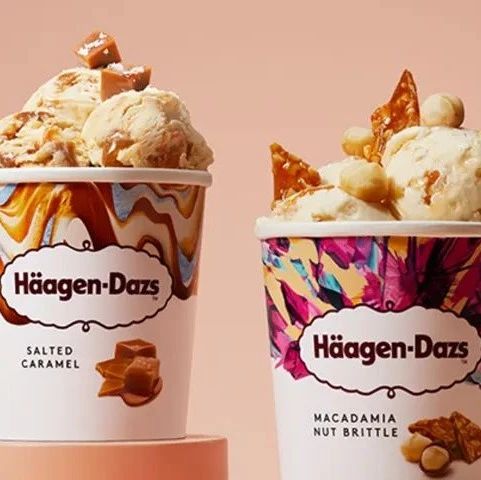
哈根达斯还是不够贵
远川研究所· 2025-07-29 13:15
Core Viewpoint - Haagen-Dazs is facing significant challenges in the Chinese market, with declining sales and increased competition from both ice cream brands and new beverage categories like tea drinks. The brand's high-end positioning is becoming less sustainable as consumer preferences shift towards more affordable options. Group 1: Market Performance - In FY2025 Q3, General Mills reported a 5% decline in net sales, with Haagen-Dazs experiencing a double-digit percentage drop in customer traffic in China [9] - Over the past five years, General Mills' related revenue has decreased from $820 million to $720 million [10] - Haagen-Dazs once had 400 out of 900 global stores in China, contributing over 50% of its profits, but has since closed 81 stores nationwide [5][13] Group 2: Competitive Landscape - The rapid expansion of Dairy Queen (DQ) and the rise of brands like Mixue Ice City, which offers ice cream at 2 yuan, have significantly squeezed Haagen-Dazs' market space [6] - New tea drink brands have emerged as formidable competitors, with Haagen-Dazs inadvertently entering the same market segment [22][34] - The shift in consumer preferences towards tea drinks has led to Haagen-Dazs losing its competitive edge, as evidenced by its store relocations and downsizing [34][35] Group 3: Brand Positioning and Strategy - Haagen-Dazs has historically positioned itself as a luxury brand, with the highest average price for a double scoop ice cream in China at $9.89 [12][14] - The brand's strategy included creating a luxurious in-store experience and leveraging gift-giving opportunities, such as the introduction of mooncakes [17][21] - However, the brand's high pricing strategy is now being challenged by the increasing affordability of competing products, particularly in the tea drink segment [38][40] Group 4: Operational Challenges - Haagen-Dazs has attempted to pivot towards retail and e-commerce channels, but the ice cream market's low online penetration (20% as of 2021) poses significant challenges [35] - The brand faces high cold chain costs and short shelf life for its products, making it difficult to compete with the operational efficiency of tea brands [47][49] - Despite promotional efforts, such as discounted coffee to attract customers, the core ice cream product line remains difficult to scale due to its inherent supply chain constraints [50][52]

千亿育儿补贴,为何没炒热飞鹤们的股价?丨消费一线
2 1 Shi Ji Jing Ji Bao Dao· 2025-07-29 12:41
Core Points - The implementation of the "Childcare Subsidy System" is set to begin on January 1, 2025, providing annual subsidies of 3,600 yuan per child for families with children under three years old, benefiting over 20 million families annually [1][2] - The total scale of the childcare subsidy is estimated to reach around 1 trillion yuan, with annual distributions expected to be approximately 1,200 billion yuan from 2025 to 2027 [2][3] - Local governments have already initiated various childcare subsidy programs, with some regions offering monthly cash payments and additional benefits for families with multiple children [3][4][5] Industry Impact - The introduction of the childcare subsidy is likely to stimulate demand in the infant formula market, with companies like Sunshine Dairy and Knight Dairy seeing significant stock price increases following the announcement [6] - However, major players in the infant formula market, such as Feihe and Yili, have shown limited stock performance, indicating mixed market confidence [7][8] - The infant formula market is experiencing a decline, with a projected market size of approximately 1,367 billion yuan in 2024, reflecting a compound annual growth rate (CAGR) of -4.2% from 2020 to 2024 [9][10] Market Trends - Despite a slight recovery in birth rates, the overall demand for infant formula remains weak, with a significant drop in marriage registrations indicating potential future declines in newborn numbers [10][11] - The market is increasingly polarized, with high-end brands experiencing growth while lower-end segments struggle, as evidenced by the performance of companies like Danone and FrieslandCampina [12][13] - The introduction of substantial subsidies by major companies like Feihe and Yili aims to boost sales in the high-end segment, reflecting a shift towards premium products in the infant formula market [13][14]
千亿育儿补贴,为何没炒热飞鹤们的股价
2 1 Shi Ji Jing Ji Bao Dao· 2025-07-29 12:40
Group 1: Policy Overview - The "Childcare Subsidy Implementation Plan" was officially announced on July 28, 2025, providing subsidies for children under three years old starting January 1, 2025, with an annual subsidy of 3,600 yuan per child [1] - The subsidy is expected to benefit over 20 million families annually, with a total estimated scale of over 1 trillion yuan for the program [2] Group 2: Local Government Initiatives - Local governments have already implemented various childcare subsidy programs, with Sichuan's Panzhihua being the first to offer monthly subsidies of 500 yuan per child for families with two or more children [4] - Other regions, such as Hubei and Xinjiang, have introduced unique combinations of subsidies, including cash, tax deductions, and extended maternity leave [5] Group 3: Market Impact - The introduction of childcare subsidies is expected to significantly impact the infant formula market, with companies like Sunshine Dairy and Knight Dairy seeing stock price increases following the announcement [7] - However, major players in the infant formula market, such as Feihe and Yili, have shown limited stock performance, indicating mixed market confidence [8] Group 4: Market Trends - The infant formula retail market in China is projected to reach approximately 136.7 billion yuan in 2024, with a compound annual growth rate (CAGR) of -4.2% from 2020 to 2024 [9] - Despite a slight recovery in birth rates, the overall demand for infant formula remains weak, with a significant decline in marriage registrations indicating potential future decreases in newborn numbers [10] Group 5: Consumer Behavior - Parents are increasingly willing to invest in higher-quality infant formula, with the ultra-premium segment experiencing a 13.3% growth in early 2024 [11] - The market is becoming polarized, with foreign brands like Danone and FrieslandCampina gaining market share in the high-end segment, while domestic brands face challenges [12] Group 6: Company Strategies - Feihe has announced a special subsidy program of 1.2 billion yuan to stimulate demand, while Yili has also launched a significant subsidy initiative [14] - Despite these efforts, Feihe anticipates a revenue decline of 8%-10% in the first half of the year, attributed to reduced purchasing demand following the subsidy announcements [13]