
上美股份

Search documents
3.8亿辆存量下的整治挑战:电动自行车进入强监管周期
Jing Ji Guan Cha Bao· 2025-07-24 11:38
Core Viewpoint - The implementation of a new mandatory national standard for electric bicycles aims to regulate the industry and enhance safety, with a focus on reducing risks associated with fire and traffic accidents, while promoting high-quality development in the sector [1][2]. Group 1: New Standards and Regulations - The new "Electric Bicycle Safety Technical Specification" (GB 17761—2024) will be implemented on September 1 for production and December 1 for sales, following extensive research and testing [1]. - The standard introduces stricter requirements for fire performance, braking distance, speed limits, and anti-tampering designs, along with a management path of "one vehicle, one battery, one charge, one code" [1][2]. - The standard aims to significantly reduce fire hazards and traffic accidents, curb illegal modifications, and enhance the overall safety of electric bicycles [1]. Group 2: Systematic Implementation - A coordinated effort among multiple government departments will address production, circulation, consumption, management, and service aspects to facilitate the transition to the new standards [2]. - The transition period for sales of old models that meet previous standards will last until the end of this year, allowing for a phased approach to phasing out non-compliant vehicles [2]. Group 3: Certification and Safety Measures - Consumers are advised to check for CCC certification and product quality certificates when purchasing electric bicycles, with mandatory certification now extended to batteries, chargers, and helmets [3]. - A pilot program for lithium battery recycling has been initiated in major cities, with the aim of establishing a replicable model for battery health assessment and recycling [3]. Group 4: Industry Transformation and Oversight - The Ministry of Industry and Information Technology has established a "white list" system for electric bicycle manufacturers, currently including 30 companies that represent over 60% of the market share [4]. - Ongoing dynamic regulatory mechanisms will be implemented to ensure compliance with the new standards, promoting a competitive market environment [4]. - The government emphasizes the importance of transitioning to new standards to minimize safety risks, encouraging consumers to prioritize compliant products during the sales transition period [4].
韩束老板怒怼加班,员工:赛马机制逼疯打工人
凤凰网财经· 2025-07-24 10:14
Core Points - The founder of Han Shu, Lü Yixiong, publicly opposed overtime work, leading to employee skepticism about whether actual workloads would decrease [2][4] - The parent company, Shangmei Co., has set a target of 10 billion yuan by 2025, requiring Han Shu to maintain a growth rate of 50%, but its Douyin repurchase rate has dropped from 24% to 18% [1][3] - Shangmei Co. faces a "growth curse" with a marketing expense of 3.9 billion yuan, raising concerns about the sustainability of its reliance on the "racehorse mechanism" and marketing strategies as traffic dividends fade [1][20] Group 1: Internal Challenges - Lü Yixiong's anti-overtime stance has sparked controversy, with employees reporting that workloads remain high despite the ban on overtime [4][6] - Employees describe a "racehorse mechanism" that pressures teams to produce similar content, leading to a high-stress environment [4][8] - The cancellation of meal allowances and transportation reimbursements has further exacerbated employee dissatisfaction, as they now bear additional costs without a reduction in workload [6][7] Group 2: Marketing and Financial Performance - Han Shu's marketing strategy has historically been aggressive, with significant investments leading to high visibility but also high costs [20][21] - In 2024, Shangmei Co. reported revenue of 6.793 billion yuan, a year-on-year increase of 62.1%, but profit growth is slowing [16][21] - The marketing expenses for Shangmei Co. reached 3.9 billion yuan, accounting for 60% of total revenue, while R&D investment remains low at 2.6% [21][23] Group 3: Future Outlook - The company aims for a revenue target of 10 billion yuan by 2025, but achieving this will require Han Shu to sustain a 50% growth rate amidst rising marketing costs and channel imbalances [23][24] - The competitive landscape in the beauty market is intensifying, and the effectiveness of Lü Yixiong's anti-involution initiative remains to be seen [24]


事关电动自行车新标准,工信部最新发声
第一财经· 2025-07-24 09:51
Core Viewpoint - The implementation of the new mandatory national standard "Safety Technical Specifications for Electric Bicycles" aims to enhance the safety and quality of electric bicycles in China, addressing safety hazards and improving consumer protection [1][3]. Group 1: New Standard Implementation - The new standard will take effect on September 1, 2025, for production and December 1, 2025, for sales, following extensive research and revisions involving over 70 surveys and 220 tests [3][4]. - The standard aims to reduce fire hazards, traffic accident risks, and illegal modifications while improving overall vehicle safety and meeting consumer needs [4][6]. Group 2: Transition from Old to New Standards - The government has outlined measures to ensure a smooth transition from old to new standards, including accelerating the development of new standard vehicles, enhancing testing and certification, and controlling the production of old standard vehicles [6][7]. - A three-month sales transition period is provided for vehicles produced under the old standard, allowing them to be sold until December 1, 2025, while encouraging consumers to prioritize new standard vehicles for safety [6][7]. Group 3: Industry Oversight and Responsibility - The Ministry of Industry and Information Technology (MIIT) will strengthen traceability investigations, enhance industry self-discipline, and enforce accountability among stakeholders to ensure compliance with the new standards [7]. - Continuous monitoring and evaluation of the new standard's implementation will be conducted to promote high-quality development in the electric bicycle industry [7].

事关电动自行车新标准,工信部最新发声
Di Yi Cai Jing· 2025-07-24 08:25
Core Viewpoint - The implementation of the new mandatory national standard for electric bicycles is a crucial step in addressing safety hazards and ensuring the sustainable development of the industry [1][2]. Group 1: New Standard Implementation - The new mandatory national standard "Safety Technical Specifications for Electric Bicycles" will take effect on September 1 [1][2]. - The Ministry of Industry and Information Technology (MIIT) has outlined seven work requirements to enhance production management, sales supervision, and consumer protection [1][2]. - The new standard aims to establish safety guidelines and a regulatory framework to improve the overall safety level of electric bicycles [1][2]. Group 2: Safety Enhancements - The current social ownership of electric bicycles in China is approximately 380 million, highlighting their importance in daily transportation [2]. - The new standard is expected to reduce fire hazards, traffic accident risks, and illegal modifications while enhancing overall vehicle safety [2]. Group 3: Old Battery Replacement - There is a significant number of old lithium batteries in use, which pose fire risks; thus, updating non-compliant electric bicycles is a priority [3]. - Provinces like Shandong, Henan, Jiangsu, and Sichuan have over 30 million old electric bicycles each, necessitating a focused effort on replacement and safety assessments [3]. Group 4: Transition to New Standards - The MIIT has set forth measures to ensure a smooth transition to the new standard, including accelerating the development of new models and controlling the production of old standard vehicles [4][5]. - Companies such as Yadea, Aima, Tailg, and Luyuan have already obtained 14 new standard CCC certificates, indicating progress in compliance [4]. Group 5: Regulatory Mechanisms - The new standard includes a three-month sales transition period for vehicles produced under the old standard, allowing them to be sold until December 1 [5]. - The MIIT emphasizes the establishment of a long-term regulatory mechanism to ensure compliance and promote high-quality development in the electric bicycle industry [5].
国泰海通晨报-20250723
Haitong Securities· 2025-07-23 02:24
Group 1: Company Analysis - Yonyou Network - The report maintains a "Buy" rating for Yonyou Network, with a target price of 18.82 CNY, reflecting a dynamic PS of 6.5 times for 2025 [3][4] - In Q2 2025, the company is expected to achieve revenue of 21.82-22.62 billion CNY, marking a year-on-year increase of 6.1% to 10.0%, with contract signing amounts growing over 18% year-on-year in Q2 [3][4] - The company is transitioning to a subscription model, which is expected to impact short-term operations but is anticipated to enhance long-term profitability [3] Group 2: Industry Analysis - Medical Devices - The medical device procurement scale in the first half of 2025 has shown robust growth, with June procurement up 25% year-on-year and a cumulative increase of 41% for the first half [8][9] - The implementation of equipment update policies is expected to drive long-term growth in medical device procurement, with a target of over 25% growth in investment scale by 2027 compared to 2023 [9][10] - Hospital funding pressures are easing, which is likely to support the gradual recovery of medical device companies' performance [10] Group 3: Industry Analysis - Forklifts - The report highlights the potential for rapid development of unmanned forklifts due to advancements in AI and the maturation of supply chains, recommending traditional forklift companies with strong operational quality [11][12] - Unmanned forklifts, which integrate forklift and AGV technologies, are expected to see increased market penetration as their economic viability improves [11][12] - Traditional forklift leaders are well-positioned to benefit from the shift towards automation, leveraging their established sales networks and customer bases [12][13]
美妆高管“大洗牌”,相宜本草CEO入职7个月“闪离”
阿尔法工场研究院· 2025-07-22 11:53
Core Viewpoint - The competition in the cosmetics industry is shifting from "traffic competition" to "technology competition" [3] Group 1: Industry Changes - In the first half of 2025, there will be at least 30 significant personnel changes among leading domestic and international cosmetics companies [4] - International giants are re-employing technical talents and introducing cross-industry talents to strengthen industry barriers, while local companies are restructuring organizational efficiency by leveraging foreign technical experts amidst talent loss [5][6] Group 2: Personnel Restructuring - The phenomenon of management turnover among domestic leading beauty companies is intensifying, with several core positions currently vacant or temporarily filled [8] - Companies like Proya and Shanghai Jahwa have vacant positions for vice presidents [9] Group 3: Talent Acquisition - Proya is actively bringing in foreign technical talents, with its new Chief Scientific Officer having 27 years of experience at Procter & Gamble [13] - Some companies are promoting internal talents to strengthen organizational resilience, such as Huaxi Biological promoting its global supply chain platform executive director and financial director to vice president [15] Group 4: Leadership and Innovation - International beauty giants are promoting technical talents to integrate deeply into brand operations, while also introducing cross-industry talents to stimulate innovation [17] - L'Oréal's recent appointments of executives with R&D backgrounds signify a shift towards "technology defining brands" [18][19] Group 5: Market Dynamics - The demand for cosmetics is shifting from emotional premium to functional essence, compelling companies to build core competitiveness through R&D breakthroughs and technological barriers [22] - The emphasis on technical talents is reshaping the competitive rules of the industry, moving away from reliance on traffic dividends and marketing concepts [22][23] Group 6: Future Outlook - Companies that master core technologies and technical talents will continue to lead, while brands lacking a technical foundation may struggle to survive [23]



美护商社行业周报:泡泡玛特业绩预告亮眼,市监局约谈三大外卖平台-20250722
Guoyuan Securities· 2025-07-22 10:44
Investment Rating - The industry maintains a "Recommended" rating, with a focus on new consumption sectors such as beauty care, IP derivatives, and gold jewelry [5][35]. Core Insights - The total retail sales of consumer goods in China for the first half of 2025 reached 24.55 trillion yuan, showing a year-on-year increase of 5%. In June, the retail sales totaled 4.23 trillion yuan, growing by 4.8% year-on-year, which was below the expected 8.4% due to the timing of the Dragon Boat Festival and the pre-release of demand during the 618 shopping festival [3][23]. - The beauty care sector is highlighted with significant developments, including the strategic expansion of Ai Er Bo Shi in Southeast Asia and the announcement of a new CEO at Kenvue [27][3]. - Bubble Mart is expected to see a revenue increase of no less than 200% and a profit increase of no less than 350% for the first half of 2025 [32][5]. Summary by Sections Market Performance - From July 14 to July 18, 2025, the trade retail, social services, and beauty care sectors experienced changes of +0.23%, +1.05%, and -0.14% respectively, ranking 18th, 13th, and 22nd among 31 primary industries [14][16]. Key Industry Data and News - In June 2025, the retail sales of consumer goods grew by 4.8%, with a total of 21.8 trillion yuan in goods retail sales for the first half of the year, reflecting a 5.1% year-on-year increase [23][22]. - The airline industry saw an increase in passenger flights, with nearly 118,000 flights executed nationwide in the 28th week of 2025, marking a 3.2% year-on-year rise [4][27]. Company Announcements - Bubble Mart's half-year performance forecast indicates a revenue growth of at least 200% and a profit increase of at least 350% [32][5]. - Other companies like Rongzi Co. and Longzi Co. also reported significant profit forecasts, with Rongzi expecting a profit increase of 31.74% to 55.69% [34][33]. Investment Recommendations - The report recommends focusing on companies such as Shangmei Co., Juzi Bio, Marumi Bio, and others within the beauty care and new consumption sectors [5][35].


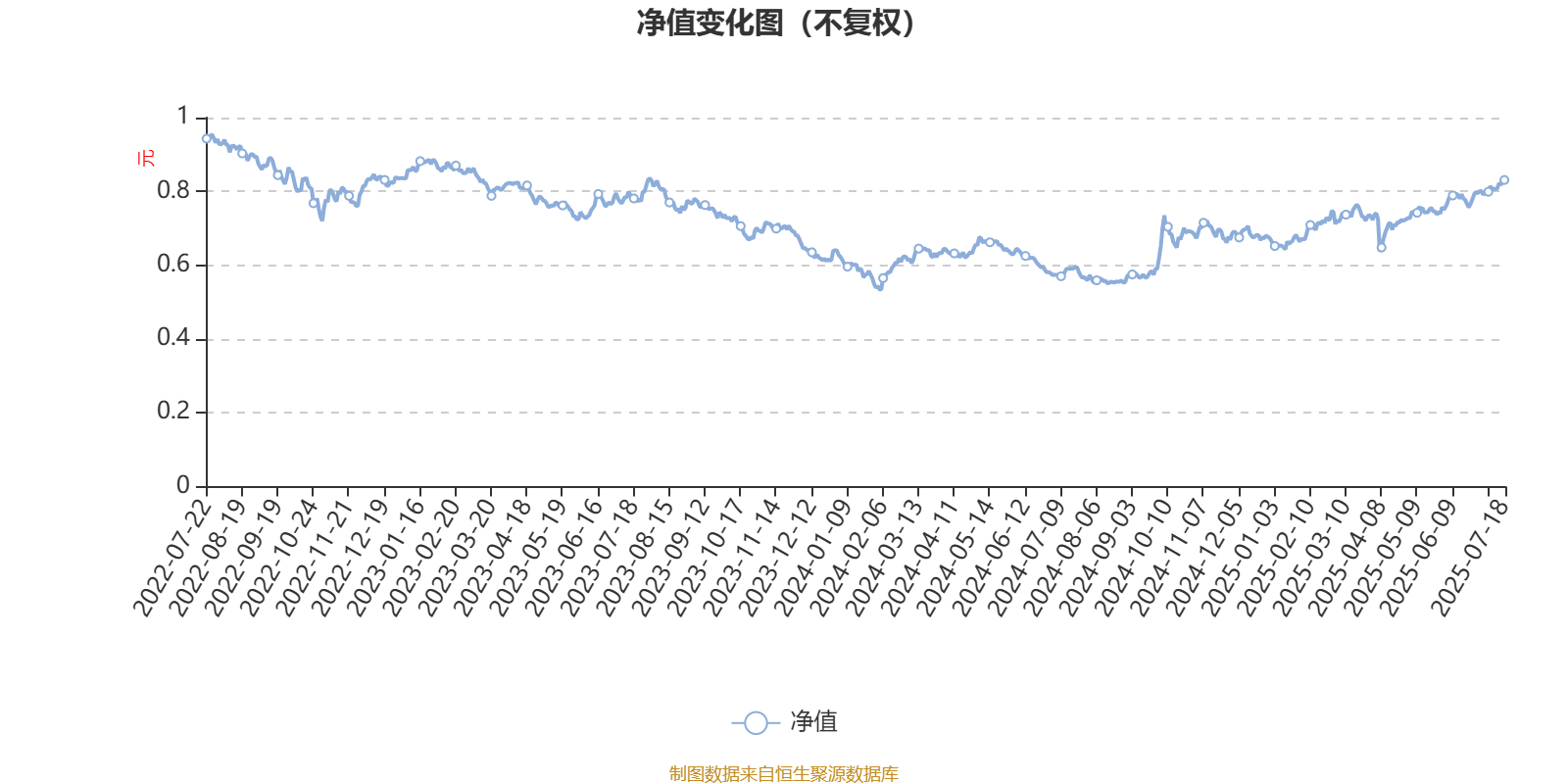
诺德价值发现:2025年第二季度利润4814.92万元 净值增长率10.59%
Sou Hu Cai Jing· 2025-07-21 10:22
截至7月18日,诺德价值发现近三个月复权单位净值增长率为17.55%,位于同类可比基金114/607;近半年复权单位净值增长率为24.75%,位于同类可比基金 64/607;近一年复权单位净值增长率为40.23%,位于同类可比基金70/601;近三年复权单位净值增长率为-12.78%,位于同类可比基金246/468。 通过所选区间该基金净值增长率分位图,可以观察该基金与同类基金业绩比较情况。图为坐标原点到区间内某时点的净值增长率在同类基金中的分位数。 AI基金诺德价值发现(012150)披露2025年二季报,第二季度基金利润4814.92万元,加权平均基金份额本期利润0.0758元。报告期内,基金净值增长率为 10.59%,截至二季度末,基金规模为4.99亿元。 该基金属于偏股混合型基金。截至7月18日,单位净值为0.831元。基金经理是罗世锋,目前管理3只基金近一年均为正收益。其中,截至7月18日,诺德价值 发现近一年复权单位净值增长率最高,达40.23%;诺德价值优势混合最低,为11.72%。 基金管理人在二季报中表示,展望2025年下半年,我们认为今年经济有望延续温和复苏的趋势,随着经济刺激政策持续落地 ...
资本热浪再袭?近30家美妆企业打响“第一股”争夺战
FBeauty未来迹· 2025-07-21 09:45
Core Viewpoint - The beauty industry is experiencing a renewed wave of IPOs, with 28 companies initiating the process in 2025, contrasting sharply with the previous years of "IPO difficulties" [2][12]. Group 1: IPO Trends - In 2025, beauty brands are the main players in this IPO wave, with 8 brands, including Gu Yu and Lin Qingxuan, attempting to go public, although only Puhua Biological has successfully listed so far [4][6]. - Gu Yu signed an agreement with CITIC Securities in March to start its A-share IPO process, aiming to establish itself as a leading player in the market [5]. - Lin Qingxuan submitted its prospectus to the Hong Kong Stock Exchange in May, targeting the high-end skincare segment [7]. Group 2: Financial Performance - Gu Yu's projected revenue for 2024 is approximately 4 billion yuan, with a year-on-year growth exceeding 40% [5]. - Lin Qingxuan's revenue increased from 691.15 million yuan in 2022 to 1.21 billion yuan in 2024, with a compound annual growth rate of about 32% [8][9]. - Lin Qingxuan's gross profit margin has shown a steady increase, reaching 82.5% in 2024 [8]. Group 3: Market Dynamics - The beauty market is entering a phase of stock competition, necessitating fresh capital influx to sustain growth [14]. - The threshold for entering the top ten domestic beauty brands has risen significantly, with the revenue requirement increasing from 1.55 billion yuan in 2021 to 2.97 billion yuan in 2024 [14][15]. - The successful IPOs of companies like Gu Yu and Mao Geping are expected to inject new vitality into the industry [16]. Group 4: Policy Environment - Recent policy changes indicate a loosening of IPO regulations, with the China Securities Regulatory Commission signaling a return to normalcy in the IPO market [12][13]. - The introduction of supportive policies for quality consumer companies is expected to enhance the IPO landscape for the beauty sector [13][20]. Group 5: Future Outlook - The current wave of IPOs is seen as a critical turning point for the beauty industry, with the potential to reshape the competitive landscape [22]. - The emergence of "first stocks" in various segments of the beauty market presents significant opportunities for innovation and growth [17][18]. - The attractiveness of the Hong Kong Stock Exchange for beauty companies is likely to continue, given its relatively lower regulatory requirements compared to A-shares [19][20].

化妆品医美行业周报:模式创新推动轻医美逆势增长,建议关注新氧-20250720
Shenwan Hongyuan Securities· 2025-07-20 13:43
Investment Rating - The report maintains a "Positive" outlook on the cosmetics and medical beauty industry, highlighting innovative business models driving growth in the light medical beauty sector, particularly recommending attention to the company "Xinyang" [2][9]. Core Insights - The cosmetics and medical beauty sector has underperformed the market recently, with the Shenwan Beauty Care Index declining by 0.1% from July 11 to July 18, 2025, while the Shenwan Cosmetics Index fell by 0.9%, underperforming the Shenwan A Index by 2.3 percentage points [3][4]. - Innovative business models are driving growth in light medical beauty, contrasting with traditional medical beauty institutions facing stagnation due to high costs and weak consumer demand. Xinyang's high cost-performance ratio, chain operations, and app-based customer conversion model are seen as new growth drivers for the sector [9][10]. - The report emphasizes the importance of supply-side innovations in stimulating consumer demand and driving industry recovery, despite short-term macroeconomic challenges [9]. Summary by Sections Industry Performance - The cosmetics and medical beauty sector has shown weak performance compared to the market, with specific indices reflecting declines during the reporting period [3][4]. - The top-performing stocks in the sector included Zhongshun Jierou (+10.8%) and Juzibio (+6.1%), while the worst performers were Shangmei Shares (-11.1%) and Baiya Shares (-4.3%) [5]. Key Company Insights - Linqingxuan, a high-end domestic skincare brand, has seen revenue growth from 690 million yuan in 2022 to 1.21 billion yuan in 2024, with net profit turning from a loss of 6 million yuan to a profit of 187 million yuan [10][15]. - The company has established a strong product matrix and supply chain advantages, with production capacity reaching 40 million units annually [16][17]. - The report also highlights the growth of the "Plant Doctor" brand, which has achieved a net profit CAGR of 24% from 2022 to 2024, supported by a robust channel network and operational efficiencies [10][12]. Market Trends - The report notes a shift in the cosmetics market from quantity to quality, with a significant increase in e-commerce sales, which accounted for 47% of total cosmetics sales in 2024, up from 22% in 2016 [11]. - The domestic market is witnessing a rise in local brands, with a notable increase in market share for domestic products, reflecting changing consumer preferences and the impact of the "national tide" [11][28]. Financial Performance - The report indicates that the overall retail sales of cosmetics in China reached 229.1 billion yuan in the first half of 2025, with a year-on-year growth of 2.9%, although June saw a decline of 2.3% due to promotional timing [21][24]. - The performance of major companies like Meili Tianyuan is highlighted, with projected revenue of at least 1.45 billion yuan for the first half of 2025, representing a growth of at least 27% [24].