
奈雪的茶

Search documents
晚安郑州|局部强浓雾!霾天气将持续至4日
Xin Lang Cai Jing· 2026-01-31 12:16
明天:晴天间多云 偏南风2~3级转偏西风3级,阵风5级 气温:-2℃~11℃ 明日,郑州市机动车不限行。 一张车票承载着归家的期盼,明天可购春节假期首日票(2月15日)、2月9日开售返程票。铁路的误购退票、老年订票等暖心服务,都在为团圆铺路,愿 你顺利购票,带着思念奔赴家的温暖~ 明天起,这些新规将影响你的生活 规范宣播电商 使用人工智能 《直播电商监督管理办法》2月1日起施行,将数字人主播等 人工智能生成内容纳入监管,规定使用人工智能生成的人物 图像、视频从事直播电商活动的,应当进行标识,并持续向 消费者提示。 防范和整治 拒收人民币现金行为 《人民币现金收付及服务规定》2月1日起施行。根据规定,采 取无人值守、机具设备等自助服务模式,以及采用"一卡通" 结算、进行统一管理的园区等场所,经营主体应在醒目位置标 识支付方式,现金收取转换方式及服务联系电话。 立足老年人实际需求 细化适老家具设计原则 《适老家具 设计指南》国家标准2月1日起实施。标准明 确,适老家具外观材料设计时应考量潜在的风险。提倡引 入适合老年人的智能设计,智能应用的交互形式需易于学 习和理解。 中小学生午休课桌椅 "国标"实施 《中小学生 ...


人文经济激活消费新动能丨一份特色茶产品背后的文化消费升级密码
Xin Hua Wang· 2026-01-31 10:54
Group 1 - The article highlights the cultural consumption upgrade in the tea industry, showcasing how traditional tea products are being integrated into modern lifestyles and consumer experiences [1][2]. - Innovative tea and food pairings, such as the "tea + meal" concept, are gaining popularity, with 72% of surveyed consumers willing to pay 20% more for culturally rich brands [2][3]. - The integration of tea culture into various consumer experiences, such as hands-on tea-making workshops, is enhancing consumer engagement and driving sales [3][4]. Group 2 - The new tea beverage market is thriving, particularly among younger consumers who are drawn to modern, stylish interpretations of traditional tea [7][8]. - The supply of base tea materials from Fujian is significant, with over 160,000 tons provided in 2023, accounting for more than half of the national supply, supporting innovation in new tea drinks [7][8]. - The tea industry is evolving through cultural integration, with brands leveraging unique cultural elements to differentiate themselves and avoid homogenization in the market [7][8].
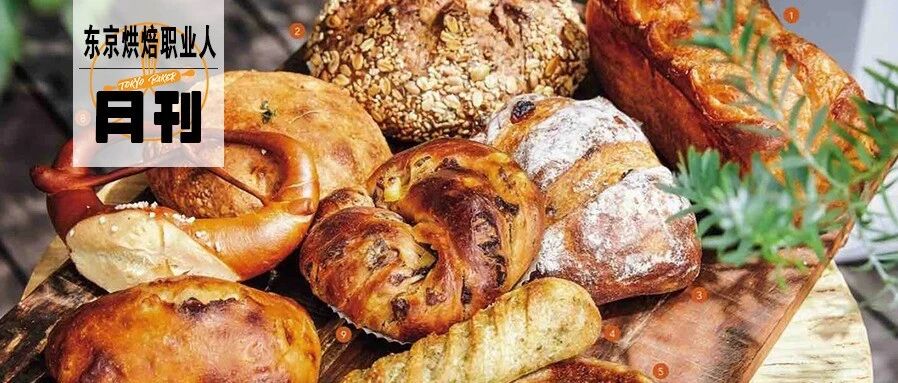
1 月月刊 | 开年烘焙第一课:向奶茶学爆款,跟社区要复购
东京烘焙职业人· 2026-01-31 08:33
Core Insights - The article emphasizes the importance of capturing industry dynamics and core values for baking professionals and enthusiasts, highlighting the launch of a monthly column by Tokyo Baking Professionals in 2026 to provide insights into global baking trends and domestic market dynamics [1] Domestic Hot Trends - The new tea beverage sector is increasingly integrating with baking, with leading brands introducing dessert-like flavors in their products, such as "super glutinous molten tapioca milk" and "thick lava cocoa mousse" [2] - 7-ELEVEn has launched new sandwiches, promoting a "baking day" discount to enhance immediate baking consumption scenarios, indicating a trend towards cross-industry integration and market penetration as key growth strategies [4] - The brand Bao Shifu is expanding its product offerings and global presence, opening its first bread specialty store in Wuhan and planning to open more than 30 stores worldwide by 2026, including in the U.S. and Southeast Asia [4] - The price of imported cream has surged by 27%, leading to a rise in the market acceptance of domestic baking ingredients, with brands like Yili gaining popularity due to stable pricing and suitable taste [4] - Community independent stores focusing on "freshness, convenience, and neighborhood relationships" are becoming a hot trend in entrepreneurship, filling the gap between large chains and community needs [5] Flavor and Ingredient Trends - The 2026 Food Flavor Trend Report indicates a rising consumer preference for fresh, spicy, and sour flavors, while the preference for sweet and salty flavors is declining [6] - Puratos has identified four major trends in baking: texture mixing, protein enhancement, smaller portions, and the rise of sour flavors, reflecting a consumer pursuit of balance between indulgence and health [10][13] - The popularity of the two-ingredient "Japanese cheesecake" on TikTok showcases a trend towards simple, visually appealing desserts that are easy to make [11] High-End Dining and Baking Integration - The Michelin-starred restaurant Noma is set to open a location in Los Angeles, indicating a deepening integration of high-end dining and baking, with unique fermentation techniques and flavor combinations that could influence the industry [12] Monthly Core Trends - Flavors like strawberry, chocolate, matcha, and cherry continue to dominate, with sweet and savory combinations becoming a core competitive advantage [27] - Two main innovation lines are emerging: holiday adaptations with auspicious themes and health upgrades incorporating low-calorie, low-sugar, and natural ingredients [27] Future Innovation Directions - The Chinese baking market is expected to focus on diverse scenarios, with affordable and premium products being developed simultaneously, and classic categories seeing innovation [29] - There is a strong emphasis on local and health-oriented ingredients, with a focus on traditional flavors and seasonal offerings [29] - The trend of frozen baking products is expected to increase due to their convenience and standardization, particularly in breakfast and office settings [29]
告别全场9.9元?知名茶饮、快餐品牌集体调价
Zhong Guo Jing Ji Wang· 2026-01-31 07:12
Core Insights - The article highlights a trend of price increases in the fast-food and beverage sectors, with major brands like KFC and McDonald's adjusting their prices in response to rising operational costs [1][2][3] - The adjustments are seen as a necessary response to the competitive landscape shaped by online delivery platforms, which have previously driven prices down [3] Group 1: Price Adjustments - KFC China announced a small price increase of an average of 0.8 yuan for its delivery products, while maintaining in-store prices [2] - McDonald's has also raised prices on some menu items by 0.5 to 1 yuan since December 15, while keeping certain popular meal deals unchanged [2] - Other brands like Luckin Coffee and Nayuki are expected to follow suit with price increases ranging from 1 to 2 yuan, or by eliminating discounts and promotions [2] Group 2: Industry Dynamics - The competitive environment has shifted from a price war aimed at eliminating competitors to a chaotic "mixed battle," which may ultimately harm overall industry profitability [3] - Rising demand in the face of intense competition could lead to increased raw material costs, further squeezing profit margins for smaller brands [3] - The price hikes are viewed as part of a self-correcting process within the industry, transitioning from aggressive growth strategies to a focus on cost and revenue management [3]


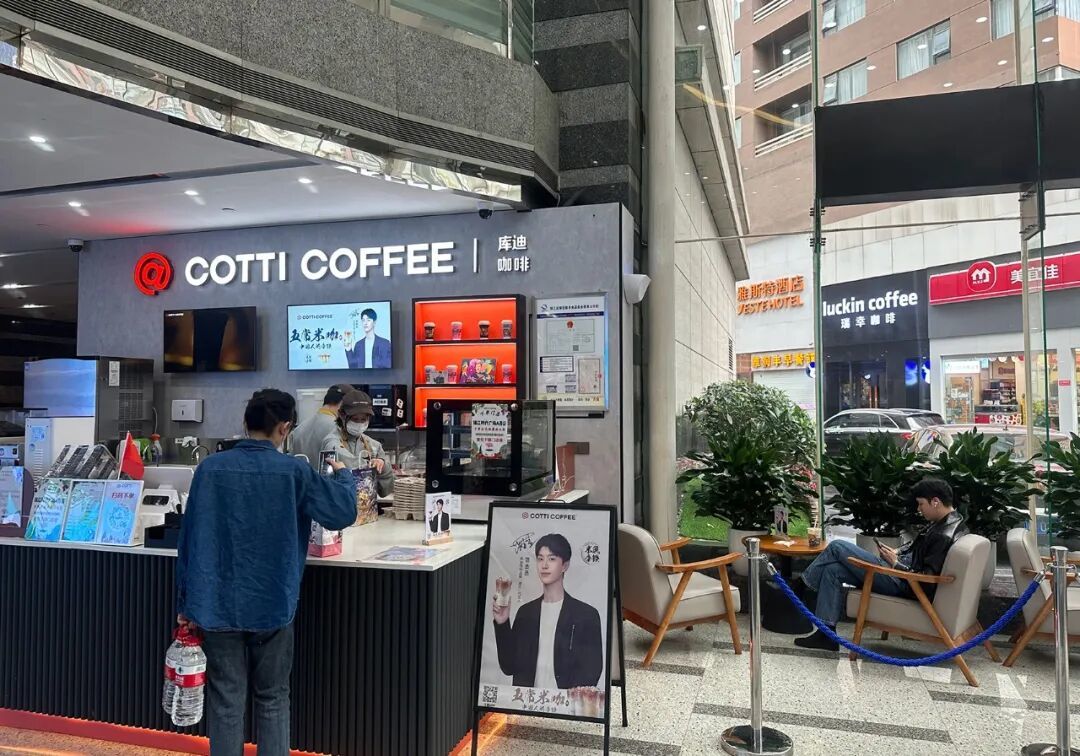
库迪宣布取消全场9.9元,公司回应:肯德基、麦当劳、瑞幸此前已经涨价
Mei Ri Jing Ji Xin Wen· 2026-01-31 07:08
对此,库迪咖啡方面回复《每日经济新闻》记者称,部分产品延续特价9.9元不限量,全线产品持续参与外卖平台各类补贴活动,库迪始终致力于为消费 者提供高品质高性价比的咖啡产品,欢迎大家多多体验。 2023年2月,库迪咖啡发起9.9元促销活动,并于当年5月进一步从9.9元减至8.8元。2024年库迪咖啡首席策略官李颖波曾公开表示,9.9元促销将持续三年, 对联营商的补贴将持续到2026年底。或得益于9.9元咖啡的助攻,库迪咖啡官网信息显示,品牌门店数量超过1.8万家。 值得注意的是,1月26日起,肯德基对部分外送产品价格进行调整,平均调整金额为0.8元,堂食价格保持不变。 具体来看,肯德基汉堡品类中,汁汁和牛堡外送价36.5元,较堂食32.5元高出4元;经典单品吮指原味鸡1块装外送与堂食价差2.5元,6块装规格价差则放 大至15元。 库迪宣布取消9.9元咖啡活动。 1月31日,记者获悉,库迪咖啡"全场9.9元不限量"活动将于2026年1月31日24时正式结束。2026年2月1日将开启特价专区,部分产品仍然延续9.9元不限 量。2026年2月1日0时起,库迪自有平台内非特价活动产品,均按零售价售卖。 对于库迪新店来说, ...
库迪宣布取消全场9.9元 公司回应!肯德基、麦当劳、瑞幸、奈雪的茶此前已经涨价
Mei Ri Jing Ji Xin Wen· 2026-01-31 06:43
Group 1 - Kudi Coffee announced the cancellation of its "all drinks for 9.9 yuan unlimited" promotion, effective January 31, 2026, with a new special price section starting February 1, 2026, where some products will still be available at 9.9 yuan unlimited [1] - Kudi Coffee's new store promotion will adjust the first-month price from 8.8 yuan to 9.9 yuan for new users, with changes in the number of discount vouchers provided [1] - The brand has seen significant growth, with over 18,000 stores, attributed to the success of the 9.9 yuan promotion launched in February 2023 [1] Group 2 - KFC has adjusted the prices of some delivery products by an average of 0.8 yuan, while dine-in prices remain unchanged, indicating a response to rising operational costs [2] - Other fast-food brands like McDonald's and Salvia have also raised prices on select items, citing the need to balance costs while maintaining quality [2] - The trend of price increases among brands that heavily rely on delivery services suggests a direct correlation between delivery channel growth and profit margins [3] Group 3 - Rising costs of raw materials, such as fruits and tea, have been identified as a primary reason for the recent price hikes in the food and beverage industry [3] - The average wholesale price of lemons has nearly doubled year-on-year, reflecting broader inflationary pressures in the market [3] - Companies are focusing on adjusting their profit structures rather than relying solely on low-price strategies to attract customers, especially as subsidies decrease [4]

库迪宣布取消全场9.9元,公司回应!肯德基、麦当劳、瑞幸、奈雪的茶此前已经涨价
Mei Ri Jing Ji Xin Wen· 2026-01-31 06:41
Group 1 - Kudi Coffee announced the cancellation of its "all products at 9.9 yuan unlimited" promotion, effective January 31, 2026, with a new special price section starting February 1, 2026, where some products will still be available at 9.9 yuan unlimited [1][3] - Starting February 1, 2026, Kudi's new store promotion will change from 8.8 yuan to 3 vouchers of 8.8 yuan for all drinks, and the new user reward will also be adjusted from 3 vouchers of 8.8 yuan to 3 vouchers of 9.9 yuan [1][3] - Kudi Coffee's brand store count has exceeded 18,000, attributed to the success of the 9.9 yuan promotion launched in February 2023, which was later adjusted to 8.8 yuan in May 2023 [3] Group 2 - KFC has adjusted the prices of some delivery products by an average of 0.8 yuan, while dine-in prices remain unchanged, indicating a response to rising operational costs [4] - McDonald's announced a price increase of 0.5 to 1 yuan for some menu items starting December 15, 2025, with a similar adjustment for delivery [4] - The price of lemons, a common ingredient in tea drinks, has nearly doubled from 7.84 yuan per kilogram to 14.87 yuan per kilogram year-on-year, reflecting broader trends in rising raw material costs [6] Group 3 - The recent price increases across various brands are primarily driven by rising upstream costs, particularly in raw materials like fruits and tea [5] - The increase in order volume does not necessarily lead to profit growth, highlighting the need for companies to adjust their profit structures, especially as subsidies decrease [6]
库迪将取消全场9.9元,肯德基、麦当劳、瑞幸、奈雪的茶集体涨价
21世纪经济报道· 2026-01-31 03:56
Core Viewpoint - The article discusses the recent price adjustments made by major fast-food and beverage brands in response to rising operational costs and competitive pressures in the delivery market, indicating a shift in pricing strategies across the industry [1][5][14]. Price Adjustments - KFC has raised the prices of its delivery products by an average of 0.8 yuan while keeping dine-in prices unchanged, citing the need to respond to operational cost changes [5][9]. - McDonald's has also increased the prices of some menu items by 0.5 to 1 yuan, with delivery prices adjusted accordingly [9]. - Other brands like Salvia and Luckin Coffee have followed suit, with price increases ranging from 1 to 2 yuan for certain items, often through indirect methods such as eliminating discounts [5][9]. Market Dynamics - The article highlights the impact of the intense competition in the delivery market, which has led to a "price war" that is reshaping the competitive landscape, with new entrants continuously driving prices lower [5][13]. - The rising costs of raw materials, as indicated by a 4.4% increase in fresh fruit prices, are also contributing to the need for price adjustments among these brands [10][11]. Consumer Behavior - The shift in pricing strategies may alter consumer perceptions, as many have become accustomed to lower prices due to previous promotional activities, potentially leading to resistance against higher prices [13][14]. - The reliance on delivery services has increased significantly, with KFC's delivery sales growing by 33% year-on-year, accounting for 51% of its restaurant revenue [9]. Strategic Adjustments - Many smaller brands are adopting more discreet pricing strategies to avoid direct price hikes, focusing on high-margin meal bundles to improve delivery profitability [13][14]. - The article suggests that the adjustments in pricing are part of a broader strategy to regain pricing power and reduce dependency on delivery channels, which have been detrimental to profit margins [14].

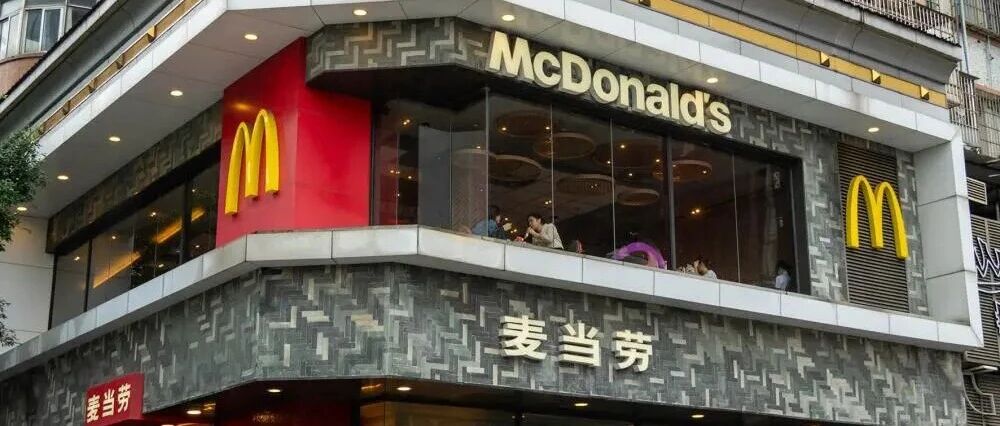
库迪将取消全场9.9元,肯德基、麦当劳、瑞幸、奈雪的茶、蜜雪冰城集体涨价
2 1 Shi Ji Jing Ji Bao Dao· 2026-01-31 02:36
Core Viewpoint - The recent price adjustments by major fast-food chains like KFC and McDonald's, along with various coffee and tea brands, reflect a response to rising operational costs and the competitive pressures of the takeaway market [1][2][3] Price Adjustments - KFC China announced a slight price increase of 0.8 yuan for its delivery products while keeping dine-in prices unchanged, citing operational cost changes as the reason [1][3] - Other brands, including McDonald's and various tea brands, have also raised prices by 1-2 yuan, often through indirect methods like eliminating discounts [1][3][4] Market Dynamics - The competitive landscape has shifted due to an intense price war in the takeaway sector, leading to a "mixed battle" environment where prices continue to drop, potentially harming overall industry profitability [2][7] - KFC's delivery sales grew by 33% year-on-year, accounting for 51% of its restaurant revenue, indicating a significant reliance on the delivery segment [3] Cost Pressures - Rising raw material costs are a contributing factor to the price increases, with the Consumer Price Index (CPI) rising by 0.8% in December 2025, and fresh fruit prices increasing by 4.4% [4][6] - The price of lemons, a key ingredient for many beverages, rose by 28.3% from April to June 2025, coinciding with increased demand from takeaway services [6] Strategic Adjustments - Smaller brands are adopting more discreet pricing strategies to cope with the competitive pressures, often increasing the prices of high-margin combo meals to improve profitability [7][8] - The industry is witnessing a shift towards reducing reliance on takeaway channels, with brands adjusting their pricing structures and enhancing dine-in experiences to balance profitability [8]
麦当劳肯德基相继调价 背后是外卖成本压力?
2 1 Shi Ji Jing Ji Bao Dao· 2026-01-31 01:11
Core Insights - The article discusses the recent price adjustments made by major fast-food chains like KFC and McDonald's, as well as various coffee and tea brands, primarily targeting delivery services to cope with rising operational costs [1][2]. Price Adjustments - KFC China announced a price increase of 0.8 yuan on delivery products while keeping dine-in prices unchanged, citing operational cost changes as the reason [1][2]. - McDonald's also raised prices on certain menu items by 0.5 to 1 yuan, with delivery prices adjusted accordingly [2]. - Other brands like Salvia, Nayuki, and Luckin Coffee have also increased their prices, typically by 1 to 2 yuan, to balance costs and profits [1][2]. Market Dynamics - The competitive landscape has shifted due to an intense delivery price war, which has altered the profit margins for many restaurants [1][4]. - The increase in raw material costs, as indicated by a 0.8% rise in the Consumer Price Index (CPI) and a 4.4% increase in fresh fruit prices, is contributing to the need for price adjustments [3][4]. Impact on Smaller Brands - Smaller businesses are adopting more discreet and flexible pricing strategies compared to larger chains, which can afford to raise prices openly [5][6]. - Many small brands are experiencing significant profit reductions, with some reporting a 60% decrease in net profits due to low-price subsidies [6]. Long-term Implications - The ongoing price adjustments reflect a broader trend of brands reassessing their reliance on delivery channels and seeking to improve in-store experiences [7]. - The adjustments may help the industry move away from a low-price competition model, fostering a healthier market environment as subsidy pressures ease [7].
