海信

Search documents
南网能源(003035) - 南网能源2025年7月3日投资者关系活动记录表
2025-07-04 01:12
Group 1: Company Support and Business Model - Southern Power Grid provides strong brand image and customer resources, facilitating market entry and trust [2] - The company’s building energy-saving services include comprehensive energy-saving solutions for existing buildings and efficient energy systems for new constructions, generating revenue through energy cost reductions and operational efficiencies [3] - In 2024, the building energy-saving business achieved approximately CNY 949 million in revenue, maintaining steady growth [3] Group 2: Market Potential and Policy Support - The building energy-saving industry has significant market potential due to government policies promoting energy efficiency and carbon reduction in existing buildings [4] - Statistics indicate that only a small fraction of existing buildings have adopted advanced energy efficiency measures, highlighting the vast potential for growth in the sector [4] - Recent policies have been introduced to enforce energy consumption reductions and promote sustainable development, further driving market opportunities [4] Group 3: Client Segmentation and Regional Focus - The company’s industrial energy-saving services target commercial users across various sectors, including automotive, electronics, and pharmaceuticals, with notable clients like Nissan and Coca-Cola [5] - In the building energy-saving sector, the company focuses on hospitals, schools, telecommunications, and rail transit, with ongoing projects in major hospitals and educational institutions [5] - The business primarily operates in South China, with projects also in East, North, Central, and Southwest China, expanding its reach through partnerships with government agencies [5] Group 4: Financial Strategy and Project Funding - The company finances its projects with approximately 30% self-funding and 70% bank loans [7] - A strategic shift from "investment holding" to "investment holding + high-end services" aims to enhance service offerings and meet diverse market needs [7] - Plans include improving service product systems, enhancing full-chain service capabilities, and optimizing digital service platforms to better serve distributed energy and commercial clients [7]
泓淋电力20260629
2025-06-30 01:02
Summary of Hongyun Electric's Conference Call Company Overview - **Company**: Hongyun Electric - **Acquisition**: Acquired 54.16% stake in Dawai Interconnect in January 2025 to expand into AI computing and new energy high-speed cable sectors [2][3][10] Financial Performance - **2024 Revenue**: Approximately 3.4 billion RMB with a net profit of around 200 million RMB [2][10] - **2025 Revenue Projection**: Expected to reach 4 billion RMB in traditional business [2][10] - **Dawai Interconnect Q1 2025 Performance**: Generated over 30 million RMB in revenue and over 7 million RMB in net profit, nearing last year's total [4][10] - **2025 Total Revenue Target**: 41-42 billion RMB, with traditional business at 35 billion RMB and new energy at 5 billion RMB [5][10] Business Segments Traditional Business - **Segments**: Home appliances, computers, terminals, and new energy [3][10] - **Key Clients**: Includes major brands like Dell, HP, Samsung, LG, and BYD [5][7][9] New Energy Business - **Products**: New energy charging guns, cables, and sockets [9][10] - **Market Position**: Exclusive supplier for Xiaomi's SU7 charging gun, holding 70% market share for SAIC-GM Wuling Bingo model [2][9][10] - **Profit Margins**: Charging guns have a gross margin of 10%-20%, higher than traditional business [2][21] Dawai Interconnect Insights - **Client Structure**: Top three clients account for 70%-80% of revenue [13][14] - **Revenue Growth**: Expected to exceed 200 million RMB in 2025, with a long-term goal of becoming a market leader in high-speed cables [12][15] - **Profitability**: Gross margin over 30% and net margin over 20% [14][26] Market Dynamics - **Automotive Wiring Market**: Significant growth potential, with high-voltage wiring market estimated at 300-500 billion RMB [24][26] - **Competitive Landscape**: Domestic manufacturers gaining market share but still lagging behind international giants like TE Connectivity and Amphenol [24][26] Future Outlook - **2026 Revenue Target**: Aim to reach 5 billion RMB in high-speed cable revenue and total revenue of 50 billion RMB [26] - **Margin Expectations**: Traditional business net margin around 5%-6%, while high-speed cables expected to achieve 30%-40% gross margin [26] Additional Insights - **Production Equipment**: Investment in Rosenberger equipment to enhance production quality and expand product lines [16][18] - **Challenges**: Domestic production of high-speed cable equipment faces challenges, relying on imported technology [17][18] - **Collaboration with Xiaomi**: Exploring further partnerships in high-voltage and low-voltage wiring for electric vehicles [23][20] This summary encapsulates the key points from the conference call, highlighting Hongyun Electric's strategic direction, financial performance, and market positioning.
中国家电业在东南亚群体性崛起
第一财经· 2025-06-17 13:29
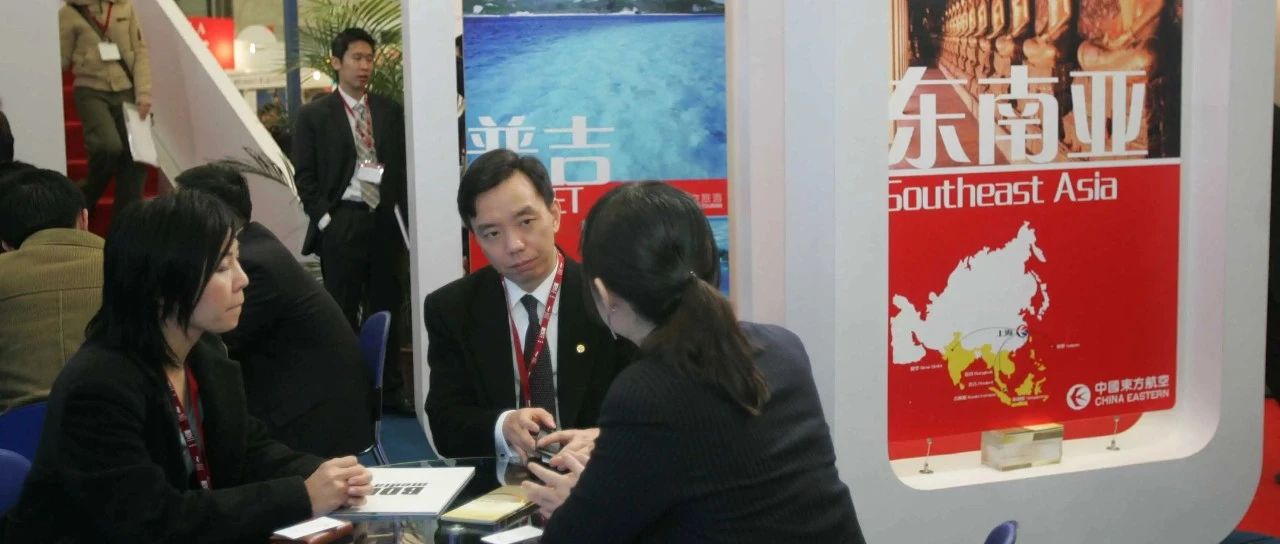
Core Viewpoint - Chinese home appliance companies are increasingly investing in Southeast Asia, transitioning from initial market entry to comprehensive investment strategies that balance local production and international trade risks [4][5][17]. Group 1: Investment Trends - Companies like Weili and Haier are establishing local operations in Southeast Asia, with Haier aiming for a 30% market share in the region [4][6]. - Weili has expanded its production capacity in Thailand, launching new production lines for microwaves and cooling products, while also enhancing its warehousing facilities [5][6]. - Other companies such as Aishida, TCL, and BOE are also making significant investments in Southeast Asia, with Aishida planning to invest up to 150 million yuan in Vietnam for a new manufacturing base [6][10]. Group 2: Market Dynamics - The Southeast Asian market is characterized by a diverse cultural landscape, which influences product design and marketing strategies [10][15]. - Despite fluctuating U.S. tariffs, Southeast Asia remains an attractive manufacturing hub due to its growing local market potential and favorable demographic factors [10][12]. - The commercial air conditioning market in Vietnam, Thailand, and Indonesia is showing resilience, with Vietnam's market reaching $123 million, a year-on-year increase of 13.9% [11][12]. Group 3: Competitive Landscape - Chinese brands are gradually increasing their market share in Southeast Asia, with companies like Haier and Midea making significant strides in the high-end appliance segment [10][12]. - The competitive landscape includes established brands like Samsung and LG, which continue to strengthen their presence in the region [12][15]. - The cost of industrial land in Thailand has doubled over the past year, yet it remains relatively affordable compared to other regions, while labor costs are also competitive [15][16]. Group 4: Supply Chain Challenges - A major challenge for companies establishing operations in Southeast Asia is the underdeveloped local supply chain, which can lead to higher production costs compared to China [16][17]. - Companies are expected to gradually improve local supply chain capabilities as more Chinese firms invest in the region, potentially equalizing production costs over time [16][17]. - The current production strategy for many companies still relies heavily on Chinese manufacturing for core components, even as they expand their overseas operations [16][17].


中国家电业在东南亚群体性崛起
Di Yi Cai Jing· 2025-06-17 09:58
Core Viewpoint - The main challenge for building factories in Southeast Asia is the lack of a well-developed local supply chain, resulting in higher overall production costs compared to domestic production in China [1][12]. Group 1: Company Strategies and Developments - Weili has invested in a factory in Thailand to mitigate trade risks and has trained 38 key personnel in Thai language to ensure efficient operations [3][4]. - Haier aims to capture a 30% market share in Southeast Asia and is focusing on building a comprehensive marketing and service network [3][4]. - Companies like Aishida, TCL, and BOE are expanding their presence in Southeast Asia, with significant investments in local production facilities [5][6]. Group 2: Market Trends and Opportunities - The trend of Chinese companies investing in Southeast Asia has evolved through three phases, from initial exploration to full-scale investment for both trade risk mitigation and local market opportunities [13][14]. - The Southeast Asian market is seen as a new growth point for Chinese brands, with a population of 670 million, which is about half of China's population [11]. - The commercial air conditioning market in Southeast Asia is projected to grow, with Vietnam, Thailand, and Indonesia showing resilience despite global economic fluctuations [9]. Group 3: Challenges and Supply Chain Issues - The primary challenge remains the underdeveloped local supply chain, which leads to higher production costs compared to China [1][12]. - Industrial land costs in Thailand have increased significantly, from 400,000 RMB per mu last year to 800,000-1,000,000 RMB this year, although overall land costs remain relatively low [11]. - Labor costs in Thailand and Indonesia are competitive, with monthly wages for workers in Thailand around 3,000 RMB and in Indonesia ranging from 1,500 to 2,300 RMB [11].

“面包卖面粉价”!这一市场,价格战激烈!
第一财经· 2025-06-05 03:16
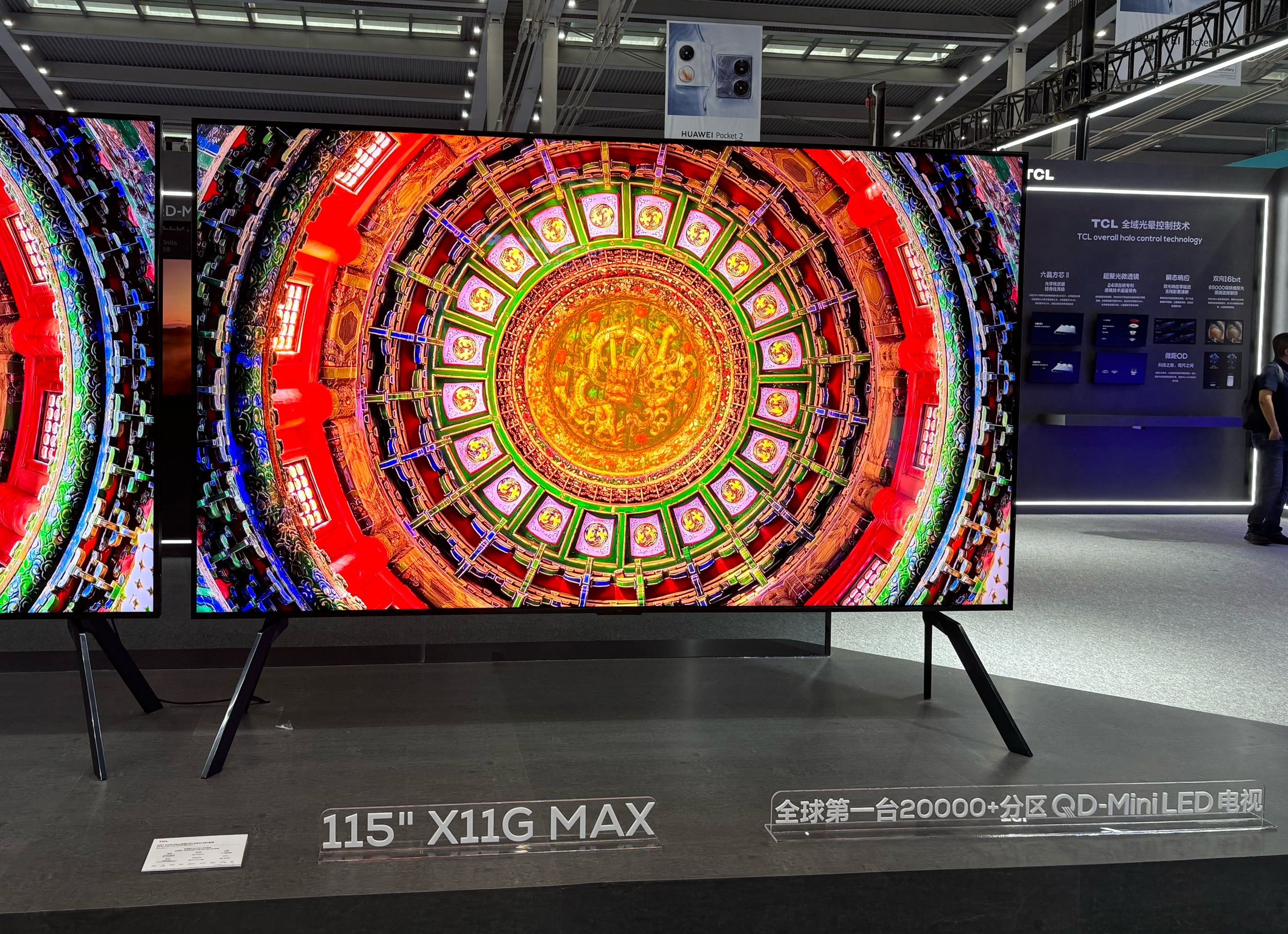
Core Viewpoint - The article discusses the intense price competition in the Chinese television market during the "6.18" shopping festival, highlighting the impact of government subsidies and consumer preferences for larger, high-efficiency TVs. The competition is characterized by significant price drops, with some products being sold at prices comparable to their panel costs, leading to concerns about profit margins for manufacturers [1][2][4][5]. Group 1: Market Trends and Sales Performance - The average price of televisions during the "6.18" festival has decreased by over 10% compared to last year's "Double Eleven" sales, particularly for large-sized TVs [2][4]. - Sales of large-screen TVs (75 inches and above) have surged, with TCL, Hisense, and Xiaomi leading in sales rankings [1]. - The overall sales revenue in the domestic TV market is expected to grow by approximately 15% year-on-year during "6.18" due to the influence of government subsidies [6]. Group 2: Consumer Preferences and Product Trends - Consumers are increasingly opting for high-quality, larger TVs, with Mini LED technology gaining popularity [8][10]. - The market is seeing a shift towards energy-efficient and high-end products, with over 90% of sales attributed to high-efficiency TVs [8]. - The promotion period for "6.18" has been extended from five weeks to six weeks, indicating a strategic shift by e-commerce platforms to capture more sales [5]. Group 3: Competitive Strategies of Major Brands - Major brands like TCL and Hisense are focusing on product differentiation and technological innovation rather than solely competing on price [8][10]. - TCL has introduced a diverse range of products across different price segments, leveraging both government and corporate subsidies to boost sales [8]. - Hisense is emphasizing smart, large-screen, and energy-efficient TVs, aiming to attract consumers looking for value [9][10]. Group 4: Supply Chain and Panel Pricing - The price competition in the TV market is supported by stable panel prices, with manufacturers like BOE and TCL focusing on high-value products [13]. - Liquid crystal panel prices have remained stable, but there are concerns that if TV sales do not meet expectations, it could lead to adjustments in panel procurement and pricing strategies [13][14]. - Panel manufacturers are advised to maintain rational production levels and avoid excessive price competition to stimulate demand for larger TVs [14].



“6.18”彩电市场“面包卖面粉价”,价格战背后谁是赢家?
Di Yi Cai Jing· 2025-06-05 00:17
Core Viewpoint - The competition in the television market is driven by price wars, with a focus on large screens, energy efficiency, and smart features, leading to structural upgrades in the industry [4][9]. Group 1: Market Trends - The television market is experiencing a price war, with significant price reductions observed, such as a 30% decrease in minimum prices compared to last year [6][11]. - The promotion of large-sized televisions (75 inches and above) is prominent, with brands like TCL, Hisense, and Xiaomi leading in sales [4][5]. - The introduction of high-efficiency televisions is becoming mainstream, with over 90% market share during the promotional period [7][9]. Group 2: Sales Performance - During the "6.18" sales event, the sales of large-screen televisions and artistic TVs saw a year-on-year increase of over 20 times [4]. - The overall sales revenue in the domestic television market is expected to grow by approximately 15% this year, driven by government subsidies [7][8]. - Some regions reported a 12.9% increase in television sales during the promotional period, while others showed average performance [4][5]. Group 3: Competitive Strategies - Major brands are focusing on product differentiation and quality improvements rather than solely competing on price [8][9]. - TCL is promoting a combination of government and corporate subsidies to boost sales and average prices, while also offering a range of products from 32 inches to 115 inches [8]. - Hisense is emphasizing the launch of new laser TVs and Mini LED televisions to attract consumers [9]. Group 4: Supply Chain Dynamics - Panel manufacturers are adopting a "production based on demand" strategy, shifting focus from scale competition to high-value products [10][11]. - The stability of liquid crystal panel prices is crucial for maintaining profitability in the television market, with potential challenges if sales do not meet expectations [11]. - Companies are advised to innovate in product offerings and avoid falling into aggressive price competition to stimulate consumer demand [11].
募资15亿,沃格光电拟建玻璃基Mini LED显示背光模组项目
WitsView睿智显示· 2025-06-03 09:17
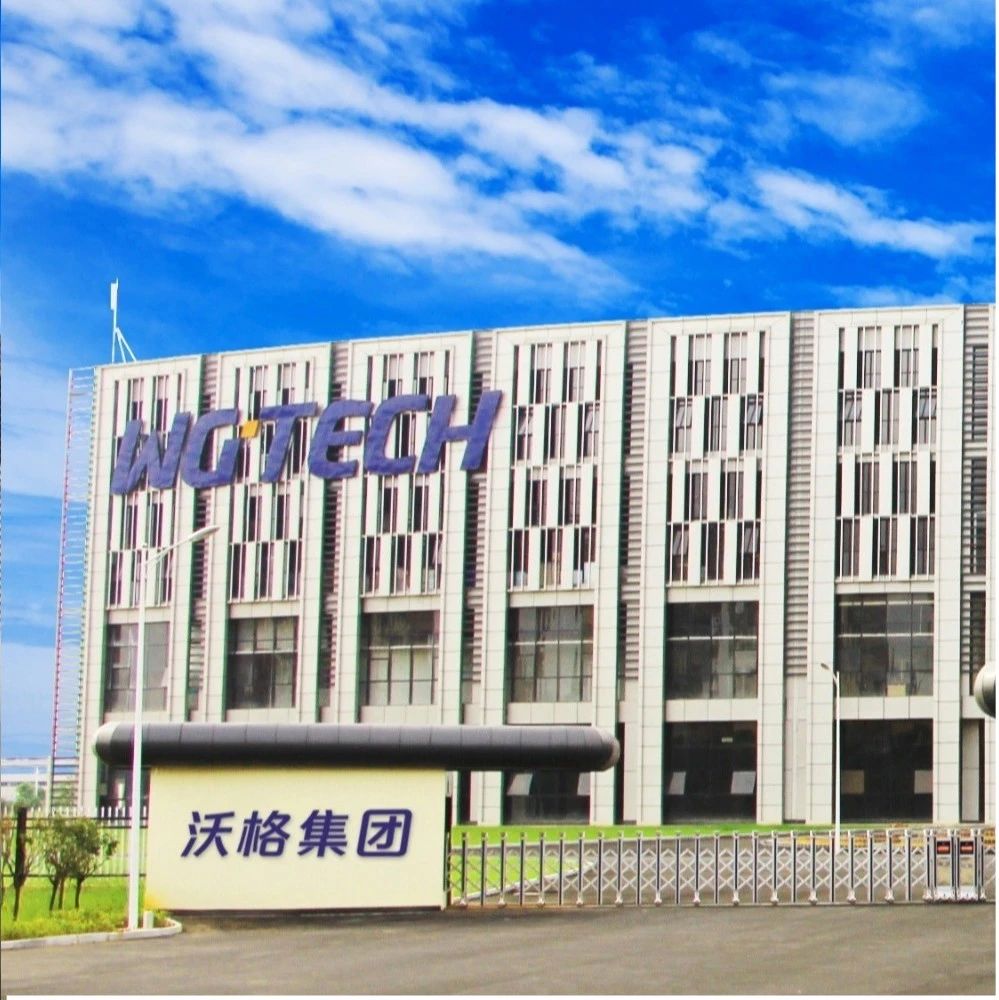
Core Viewpoint - The company is shifting its focus towards the Mini LED backlight technology, aiming to accelerate commercialization and meet market demand, as evidenced by its new funding plan and project adjustments [1][8]. Group 1: Funding and Project Details - The company plans to raise up to 1.5 billion yuan through a private placement, with over 70% (1.06 billion yuan) allocated to the "Glass-based Mini LED Display Backlight Module Project" [1][2]. - The Glass-based Mini LED Display Backlight Module Project will be implemented by the wholly-owned subsidiary Jiangxi Dehong, with a construction period of 24 months and an expected annual production capacity of 6.05 million glass-based Mini LED backlight modules [2][3]. - The remaining funds will be used to supplement working capital and repay bank loans, totaling 440 million yuan [2][3]. Group 2: Strategic Adjustments - The company has terminated its previous fundraising plan for the "Glass Substrate Mini/Micro LED Substrate Project," which was also aimed at raising up to 1.5 billion yuan [5][6]. - The decision to terminate the previous plan was based on a comprehensive consideration of external market conditions and the company's strategic direction [6][8]. Group 3: Market Trends and Opportunities - The company emphasizes the advantages of glass-based materials in performance, particularly as Mini LED backlight products require higher display quality and precision [3][4]. - The market penetration of Mini LED technology in televisions is rapidly increasing, with major manufacturers like Huawei, Hisense, Xiaomi, TCL, and Skyworth launching Mini LED TV products [8][9]. - TrendForce predicts that by 2025, the shipment of Mini LED backlight TVs will reach 11.5 million units, accounting for 6% of the global TV market [8][9]. Group 4: Product Development and Collaborations - The company has successfully launched the glass-based Mini LED flagship product "Daxian G9" in collaboration with Hisense, which has achieved strong sales [8][9]. - The first phase of the Jiangxi Dehong's 500,000 square meters glass substrate project is expected to be operational in the second half of 2024, supporting applications in automotive and large-size televisions [8][9]. Group 5: Competitive Positioning - The strategic adjustment aims to optimize resource allocation and seize the rapidly developing Mini LED market opportunities, thereby strengthening the company's market position in the new display sector [9].
美的方洪波最新发声!信息量很大
Zhong Guo Ji Jin Bao· 2025-05-31 16:08
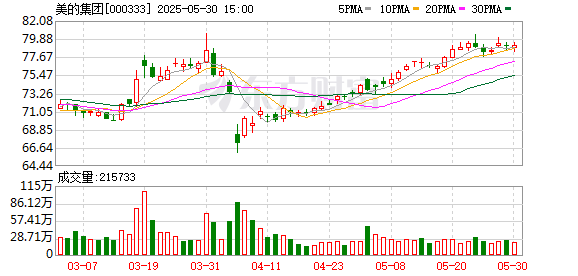
Core Viewpoint - The chairman of Midea Group, Fang Hongbo, stated that the home appliance industry lacks a competitive moat and cannot produce great companies, indicating that Xiaomi has strategically lost in this sector [2][8]. Group 1: Company Strategy and Financials - Midea Group plans to continue increasing its dividend and share buyback ratio, with a significant rise in the dividend payout ratio expected for 2024 [5][6]. - The company currently has a cash reserve of nearly 40 billion yuan, which is increasing annually, but there are concerns that low capital expenditure may lower return on equity (ROE) [6][7]. - Midea's revenue has surpassed 400 billion yuan, and the company is focusing on both B2B and B2C business models to adapt to the declining growth in the home appliance sector [7][9]. Group 2: Market Dynamics and Competition - The home appliance market is characterized as a mature market with limited growth potential, and Midea is working to slow the decline of its core business while exploring new growth avenues [7][9]. - The company acknowledges the increasing concentration in the home appliance industry, with a notable rise in market share despite the entry of new competitors [7]. - Fang Hongbo emphasized that the home appliance industry is highly competitive and that any new entrants are strategically at a disadvantage, as the market is saturated and efficiency gains are minimal [8][9]. Group 3: Future Prospects and Medical Sector - Midea Group is exploring opportunities in the medical sector, particularly in imaging diagnostic equipment, and is considering establishing a dedicated medical division [9]. - The company believes there is significant growth potential in the medical equipment market, with a target of reaching 50 billion yuan in revenue, as the current largest domestic player, Mindray, has revenues of just over 30 billion yuan [9].
改性塑料上市公司,官宣拟赴港上市!
Sou Hu Cai Jing· 2025-05-26 16:53
Core Viewpoint - Guoen Co., Ltd. plans to issue H-shares and list on the Hong Kong Stock Exchange to enhance its international capital operation platform and accelerate the establishment of a dual circulation pattern in the domestic and international markets [1] Group 1: Company Overview - Guoen Co., Ltd. was established in 2000 and is headquartered in Qingdao, focusing on two core industries: large chemicals and health [1] - The company operates a vertically integrated industrial platform and implements a "one body, two wings" development strategy, forming a cluster of new chemical materials [1] - The company has a strong presence in the health sector through its subsidiary Dongbao Biological, which produces a variety of products including gelatin and collagen [1] Group 2: Chemical Industry Segment - The large chemical segment generated revenue of 17.369 billion yuan in 2024, accounting for 90.38% of total revenue, with a year-on-year growth of 11.62% [3] - The company has established long-term stable partnerships with major clients such as Hisense, Gree, TCL, Huawei, BOE, and CATL [3] - Current production capacities include 1.08 million tons for organic polymer modified materials, 400,000 tons for organic polymer composite materials, and 900,000 tons for green petrochemical materials [4] Group 3: Product Development and Market Strategy - The company is enhancing its market share in the new energy vehicle sector by improving the performance of modified materials such as PP, PC, ABS, and PA [2] - In the energy storage battery sector, the company is advancing the application of flame-retardant and anti-explosion materials [2] - Future plans include expanding production capacities for polystyrene and developing new products like high-performance polyolefin elastomers and biodegradable materials [5] Group 4: Financial Performance - In 2024, the health segment generated revenue of 885 million yuan, accounting for 4.6% of total revenue [5] - Overall, the company achieved a total revenue of 19.22 billion yuan in 2024, a year-on-year increase of 10.21%, with a net profit of 676 million yuan, up 45.18% [5] - The first quarter of 2025 reported total revenue of 4.412 billion yuan, a slight decrease of 0.23% year-on-year, with a net profit of 111 million yuan, down 9.79% [6]
改性塑料上市公司,官宣拟赴港上市!
DT新材料· 2025-05-26 14:48
Core Viewpoint - Guoen Co., Ltd. plans to issue H-shares and list on the Hong Kong Stock Exchange to enhance its international capital operation platform and accelerate the construction of a dual circulation pattern in the domestic and international markets [1] Group 1: Company Overview - Guoen Co., Ltd. was established in 2000 and is headquartered in Qingdao, focusing on two core industries: large chemicals and health [1] - The company operates a vertically integrated industrial platform and implements a "one body, two wings" development strategy, forming a chemical new materials industry cluster [1] - The company has a strong presence in the health sector through its subsidiary Dongbao Biological, which specializes in gelatin and collagen products [1] Group 2: Chemical Sector Performance - In the new energy vehicle sector, the company is increasing market share in modified materials such as PP, PC, ABS, PA, and PMMA [2] - The company has a current production capacity of 1.08 million tons for organic polymer modified materials, 400,000 tons for organic polymer composite materials, and 900,000 tons for green petrochemical materials [2] - In 2024, the chemical sector achieved revenue of 17.369 billion yuan, accounting for 90.38% of total revenue, with a year-on-year growth of 11.62% [3] Group 3: Health Sector Performance - The health sector, led by Dongbao Biological, has an annual gelatin production capacity of 13,500 tons and a future capacity of 70 billion capsules [4] - In 2024, the health sector generated revenue of 885 million yuan, representing 4.6% of total revenue [4] Group 4: Overall Financial Performance - In 2024, Guoen Co., Ltd. reported total revenue of 19.220 billion yuan, a year-on-year increase of 10.21%, with a net profit of 676 million yuan, up 45.18% year-on-year [4] - The company reported a slight decline in revenue and net profit in Q1 2025 compared to the same period last year, with total revenue of 4.412 billion yuan, down 0.23% year-on-year [4]