良品铺子

Search documents
两位85后卖零食,开店两万家,身价都超200亿港元,鸣鸣很忙刚刚IPO
Sou Hu Cai Jing· 2026-01-28 03:45
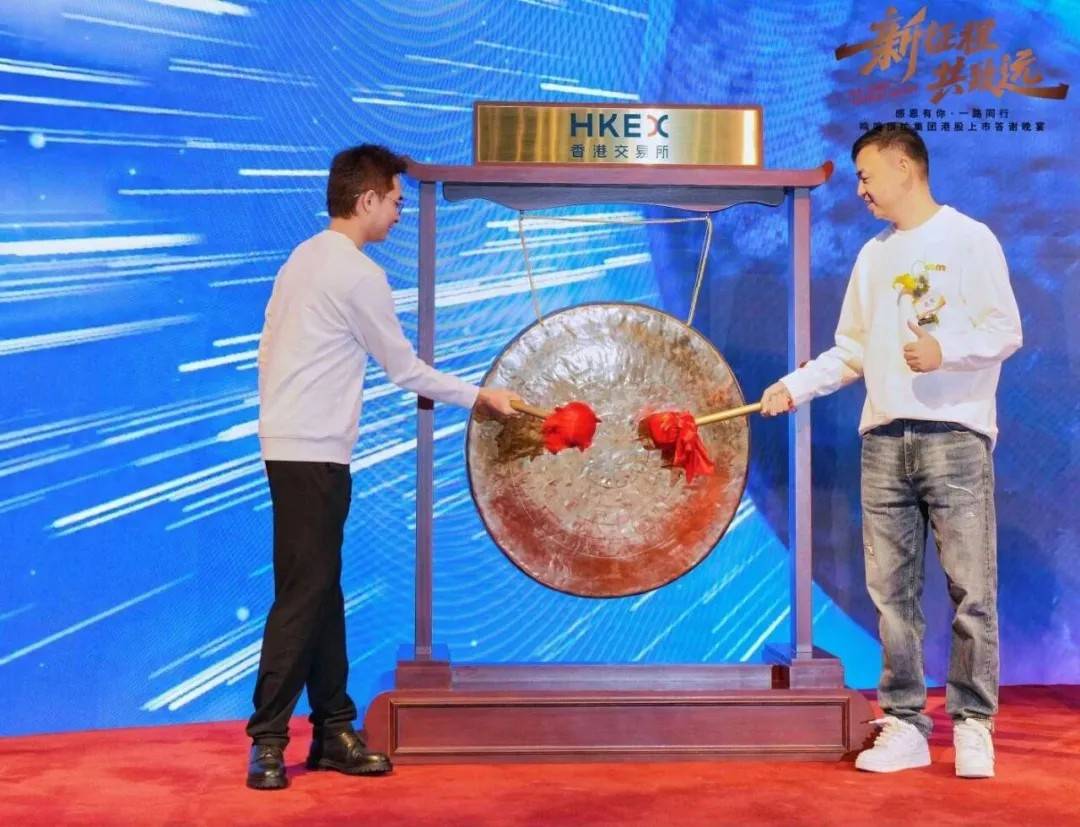
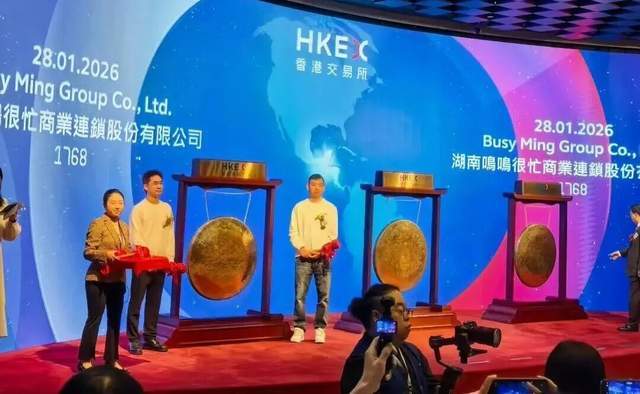
Core Viewpoint - Hunan Mingming Henmang Commercial Chain Co., Ltd. (stock code: 01768.HK) officially listed on the Hong Kong Stock Exchange, becoming the first stock in the bulk snack sector, with a market capitalization of approximately HKD 959 billion at opening [2][4]. Company Overview - Mingming Henmang was formed by the merger of two brands, "Snacks Are Busy" and "Zhao Yiming Snacks," and has established a retail network of nearly 20,000 stores [2][4]. - The company is led by two founders born in the 1980s, Yan Zhou and Zhao Ding, who have successfully tapped into the lower-tier market through an innovative bulk sales model [4][8]. Financial Performance - The company raised approximately HKD 3.3 billion by issuing 14.1 million shares at HKD 236.6 per share, resulting in a post-IPO market valuation of about HKD 473 billion [4][5]. - For the first nine months ending September 30, 2025, the company achieved a GMV of RMB 661 billion, a 74.5% increase compared to the same period in 2024 [4][36]. - Revenue for the first three quarters of 2025 reached RMB 464 billion, with an adjusted net profit of RMB 18 billion, translating to over RMB 6.6 million in daily earnings [4][38]. Investment and Financing - During the IPO phase, Mingming Henmang attracted eight cornerstone investors, collectively subscribing to approximately USD 195 million, accounting for nearly 46% of the total fundraising [5][6]. - The company has received significant backing from prominent investors, including Sequoia China and Black Ant Capital, with a total financing exceeding RMB 1 billion post-merger [4][25]. Market Position and Strategy - Mingming Henmang is the largest leisure food and beverage retail chain in China, with a GMV of RMB 555 billion projected for 2024 [4][36]. - The company operates a low-margin, high-turnover business model, achieving a gross margin of 9.7% in the first nine months of 2025, which is still below traditional retail levels [33][36]. - The company has a unique supply chain strategy, directly connecting with over 2,000 manufacturers to eliminate middlemen, resulting in prices approximately 25% lower than traditional supermarkets [32][36]. Competitive Landscape - The snack retail market in China is projected to grow from RMB 2.9 trillion in 2019 to RMB 3.7 trillion in 2024, with a compound annual growth rate of 5.5% [39]. - Despite being the largest player, Mingming Henmang holds only 1.5% of the market share, indicating significant room for growth in a highly fragmented market [39][40]. - The competitive focus has shifted from rapid store openings to supply chain efficiency and innovation, with major players exploring high-margin private label products and expanding into community discount stores [40][41].

两位85后卖零食,开店两万家,身价都超200亿港元,鸣鸣很忙刚IPO
创业邦· 2026-01-28 03:21
Core Viewpoint - Hunan Mingming Henmang Commercial Chain Co., Ltd. (stock code: 01768.HK) has successfully listed on the Hong Kong Stock Exchange, becoming the first stock in the bulk snack sector, with a market capitalization of approximately HKD 959 billion at opening [4][7]. Group 1: Company Overview - Mingming Henmang was formed by the merger of two brands, "Snacks Are Busy" and "Zhao Yiming Snacks," and has established a retail network of nearly 20,000 stores [4][9]. - The company is led by two founders born in the 1980s, Yan Zhou and Zhao Ding, who have leveraged insights into the lower-tier market to create a multi-brand, multi-category product offering [4][9]. - The company achieved a gross merchandise volume (GMV) of RMB 555 billion in 2024, making it the largest chain retailer of leisure food and beverages in China [4][39]. Group 2: Financial Performance - In the first three quarters of 2025, Mingming Henmang reported revenue of RMB 464 billion and an adjusted net profit of RMB 18 billion, translating to over RMB 6.6 million in daily earnings [4][39]. - The company’s GMV for the first nine months of 2025 reached RMB 661 billion, reflecting a year-on-year growth of 74.5% compared to the same period in 2024 [4][39]. Group 3: Investment and Financing - During the IPO phase, Mingming Henmang attracted eight cornerstone investors, raising approximately USD 195 million, which accounted for nearly 46% of the total fundraising [5][6]. - The company has completed multiple financing rounds, including a recent round exceeding RMB 1 billion, with notable investors such as Sequoia China and Black Ant Capital [6][29]. Group 4: Market Position and Competition - The snack retail market in China is projected to grow from RMB 2.9 trillion in 2019 to RMB 3.7 trillion in 2024, with a compound annual growth rate of 5.5% [41]. - Despite being the largest chain retailer, Mingming Henmang holds only 1.5% of the market share, indicating significant room for growth in a highly fragmented market [41]. - The competitive landscape has intensified, with external competitors like Wanchen Group's "Good Want to Come" brand emerging, prompting the merger of Mingming Henmang and Zhao Yiming Snacks to enhance market positioning [24][26]. Group 5: Business Model and Strategy - Mingming Henmang operates on a "thin profit" and "high sales" model, focusing on restructuring the traditional snack distribution chain to achieve operational efficiency [35][38]. - The company maintains a low gross margin of 7.5% to 9.7%, significantly lower than traditional channels, while achieving high inventory turnover rates [35][38]. - The business model emphasizes a symbiotic relationship with franchisees, with over 99% of its stores being franchises, ensuring mutual profitability [38][39].
黑蚁资本又一超级IPO:900亿,鸣鸣很忙港股上市
Sou Hu Cai Jing· 2026-01-28 02:49
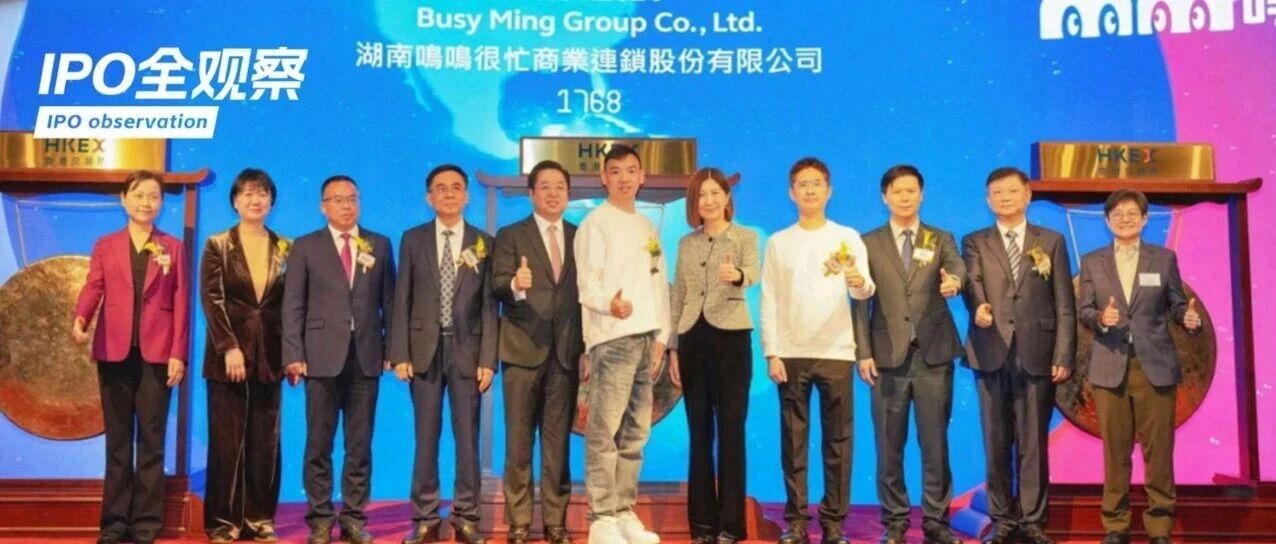
Core Insights - Hunan Mingming Hen Mang Commercial Chain Co., Ltd. (referred to as "Mingming Hen Mang") has been listed on the Hong Kong Stock Exchange, becoming the first stock in the "bulk snack" sector, with a market capitalization exceeding 90 billion RMB after an 80% surge on opening day [1] - The company was formed from the merger of "Snack Very Busy" and "Zhao Yiming Snacks" in November 2023, with significant backing from top-tier investors including Tencent and Temasek [1] - The rapid growth of Mingming Hen Mang is attributed to its expansion strategy, reaching over 10,000 stores across 28 provinces, with 59% of its outlets located in county-level towns [1][17] Investment Background - Black Ant Capital was the sole financial investor in Zhao Yiming Snacks prior to the merger, participating in multiple funding rounds and witnessing the transformation of the retail industry [1] - The investment decision was influenced by extensive county-level market research conducted by Black Ant Capital, which highlighted the potential of the snack retail sector in lower-tier cities [3][8] - Zhao Yiming Snacks had a modest presence with around 200 stores in 2022, but its innovative store model and cost control strategies positioned it favorably for growth [9][10] Merger and Growth Strategy - The merger between Snack Very Busy and Zhao Yiming Snacks was announced on November 10, 2023, with both companies having over 4,000 and 2,500 stores respectively at the time [12] - The relocation of Zhao Yiming Snacks' headquarters to Guangzhou was a strategic move to tap into the high-density market of Guangdong and Guangxi, facilitating better talent acquisition and franchisee engagement [13][15] - The combined entity aims to leverage economies of scale and enhance profitability through a robust franchise model, ensuring that franchisees can achieve financial success [15][16] Future Projections - By September 30, 2025, Mingming Hen Mang is projected to achieve a gross merchandise value (GMV) of 66.1 billion RMB, with a revenue of 46.371 billion RMB, reflecting a year-on-year growth of 74.5% and 75.2% respectively [18] - The company is expected to have over 19,517 operational stores nationwide, with signed contracts for more than 20,000 stores, indicating strong future growth potential [18] - The snack retail sector is seen as having unique growth opportunities, with the potential to support a network of 40,000 to 50,000 stores across various market tiers [18]
900亿,今年长沙最大IPO来了
3 6 Ke· 2026-01-28 02:22
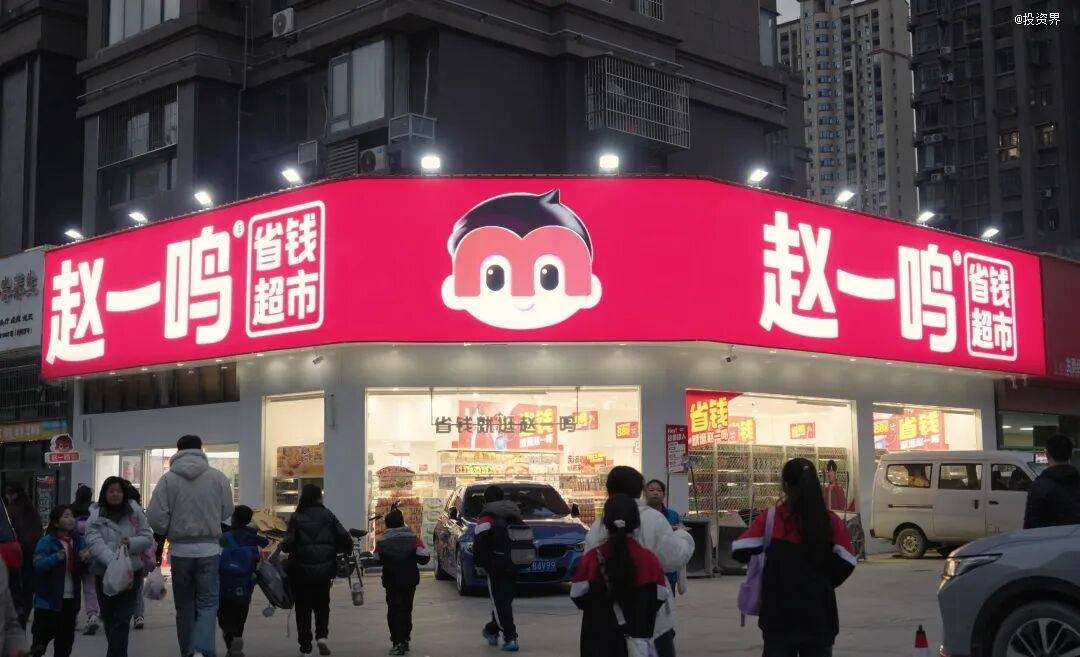
今天,从小县城跑出的零食巨头鸣鸣很忙在港股敲钟了! 这是一场典型的"农村包围城市"的胜利,更是一场极致效率的加冕。招股书数据显示,截至2024年12月31日,鸣鸣很忙的门店网络已达14394家,覆盖中 国28个省份,其中约58%的门店深扎于县城及乡镇。 从2025年10月28日递交招股书到今天顺利上市,鸣鸣很忙赴港上市仅耗时3个月。截至发稿,鸣鸣很忙报【445港元】元,涨幅【78】%,市值达【900】 亿港元。此次IPO,腾讯、淡马锡、贝莱德、富达基金、泰康人寿、博时国际、易方达、淡水泉8名作为基石投资者,合计认购总额约1.95亿美元。 对于生活在一二线城市核心商圈的人来说,鸣鸣很忙这个名字或许还有些陌生,但在中国广袤的县城与乡镇,它那标志性的明黄色招牌早已攻陷了街头巷 尾,成为无数小镇青年的"快乐补给站"。 从县城小店跑出的"超级独角兽" 尽管成立时间不长,但这头"巨兽"的奔跑速度令人咋舌。2022年至2024年,鸣鸣很忙的收入分别为42.86亿元、102.95亿元、393.44亿元,同比增速高达 140.2%和282.2%;同期经调整净利润更是从0.81亿元激增至9.13亿元。按2024年GMV计,它已是 ...
刚刚,鸣鸣很忙在港交所上市
Sou Hu Cai Jing· 2026-01-28 02:20
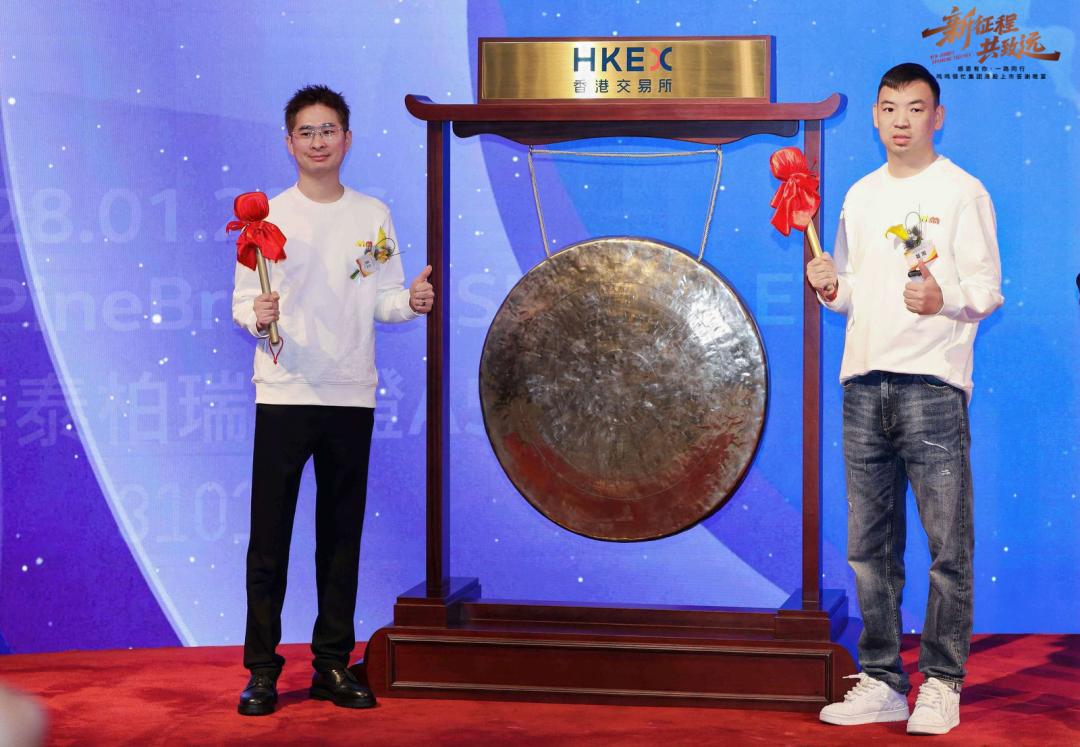
Core Viewpoint - "Mingming Hen Mang," China's largest leisure food and beverage retail chain, officially listed on the Hong Kong Stock Exchange, with a significant market valuation reflecting strong market expectations for its growth potential [2] Group 1: Company Overview - "Mingming Hen Mang" has expanded from a regional brand in Hunan to a national leader in the retail sector, utilizing a dual-brand synergy model to build its retail empire [3] - The company has achieved rapid growth, with a projected increase in store count from 6,585 in December 2023 to 19,517 by September 30, 2025, marking nearly a threefold expansion [4] - The merger of "Mingming Hen Mang" and "Zhao Yiming Snacks" has created a complementary national layout, enhancing market coverage and operational efficiency [4][5] Group 2: Business Model and Market Position - The rise of "Mingming Hen Mang" is attributed to a shift in the Chinese leisure food retail industry, moving away from traditional supermarket reliance to a more efficient, direct-to-consumer model [6] - The company has established a competitive edge through a supply chain policy that reduces intermediaries, allowing for lower prices—approximately 25% cheaper than similar products in supermarkets [7] - "Mingming Hen Mang" has a diverse product offering with over 1,800 SKUs per store, significantly higher than the average for similar-sized supermarkets, and 34% of its products are custom-made in collaboration with manufacturers [7] Group 3: Industry Trends and Challenges - The leisure food retail sector is undergoing transformation, with a growing demand for high-quality, affordable products, particularly in lower-tier markets [8] - Despite its advantages, "Mingming Hen Mang" faces challenges such as low profit margins, competition, and the need to adapt to changing consumer preferences towards healthier options [10] - The listing on the Hong Kong Stock Exchange marks a significant milestone, but the company must balance growth with profitability and operational control to sustain its market position [11]
被曝坚果礼盒中坚果占比不到4%,百草味:是经销商自行组合
Nan Fang Du Shi Bao· 2026-01-27 07:42
Group 1 - The core issue revolves around a controversy regarding a nut gift box sold by Baicaowei, which was priced at 32.9 yuan and weighed 958 grams, but contained only 33 grams of walnut kernels, making up less than 4% of the total weight [1] - Baicaowei's representative stated that the company conducted an internal investigation and confirmed that the disputed gift box was never sold in their official store; it was a product assembled by a distributor [1] - The company has instructed the distributor to remove the gift box from sale and is working to communicate with consumers to resolve the issue promptly [1] Group 2 - Baicaowei is a snack brand founded in Hangzhou, with its first physical store opened in 2003 and transitioned to online sales in 2010, becoming a significant player in the e-commerce snack market [2] - The brand has been recognized as one of the three major internet snack brands alongside Three Squirrels and Liangpinpuzi [2]

炒货,已经比炒股还吓人了
36氪· 2026-01-26 11:16
以下文章来源于槽值 ,作者槽值小妹 槽值 . 网易文创旗下新情感消费品牌,倡导更有情调、有质感的生活方式。 现在的炒货,到底为啥这么贵? 文 | 槽值小妹 来源| 槽值(ID:caozhi163) 封面来源 | pexels "有些事不上称没有二两重,上了称一千斤打不住,比如炒货。" 临近年底,越来越多人在走进炒货店后惊觉:外面的世界,什么时候变成这样了? 图源小红书@灏荔奺,图片已获作者授权 谁要是对"二十一世纪消费刺客"的印象,还停留在麻辣烫、麻辣香锅……注定会被炒货店们上一课。 "这大福那老铺的,上炒货店逛一圈就全老实了。" 现在的炒货, 怎么越来越贵了? "都在说消费降级,原来降的只是我的消费能力?" 不知道从什么时候开始,但凡想逛一些繁华地段的商场,都得做好被"吓两跳"的准备。 过去印象中对炒货的定义,无非是瓜子、花生罢了,十块钱都能买一大把,能有多贵? 但如今,时代变了,炒货店早已不是能随意抓点、结账走人的地方,而是"和珠宝店有得一拼。" 第一次,是走进金店时,被金价吓的。 第二次,则可能是在炒货店结账时,被价签上的数字惊的。 图源小红书@粗噜噜,已获作者授权 "这一生最佩服三种人:逛景区必吃烤肠 ...
餐饮、潮玩及家电行业周报-20260125
Haitong Securities International· 2026-01-25 13:33
Investment Rating - The report assigns an "Outperform" rating to several companies, including Pop Mart, Anta Sports, Huazhu Group, Li Ning, Miniso, and others, with target prices ranging from 6.99 to 354.00 [1]. Core Insights - The report highlights the enhanced subsidized interest policy for personal consumption loans, which has been extended until the end of 2026, including support for credit card installment payments and the removal of certain limits on subsidy amounts [2]. - Pop Mart's new PUCKY series has gained significant popularity, being referred to as the "electronic wooden fish" due to its unique design and emotional stress-relief features [3]. - Weekly performance shows TCL Electronics (+24.8%), Pop Mart (+23.0%), and others leading the market, while companies like Ecovacs (-1.2%) and Haier Smart Home (-2.2%) lag behind [5][9]. Company Summaries - **Pop Mart**: Recently launched the PUCKY series, which quickly sold out and is now being resold at a premium on secondary markets [3]. The company also repurchased 1.9 million shares [7]. - **TCL Electronics**: Established a joint venture with Sony to take over Sony's home entertainment business, reflecting strategic growth initiatives [8]. - **Huazhu Group**: Engaged in strategic partnerships and is expected to benefit from the ongoing trends in the hospitality sector [4]. - **Li Ning**: Continues to perform well in the market, maintaining a positive outlook with an "Outperform" rating [1]. Industry Dynamics - The report notes significant strategic partnerships, such as Saint Bella's collaboration with Yunji Technology to explore AI and robotics in home care [15]. - The IPO of Busy Ming was oversubscribed by over 1,500 times, indicating strong market interest [10]. - Regulatory developments include the State Council's solicitation of opinions on national standards for pre-made dishes, which could impact the food and beverage sector [10].


2025年全国农副食品加工业出口货值为2099.5亿元,累计下滑6%
Chan Ye Xin Xi Wang· 2026-01-24 02:42
Core Viewpoint - The report highlights a decline in the export value of China's agricultural and sideline food processing industry, indicating potential challenges for companies in this sector [1] Group 1: Industry Overview - By December 2025, the export value of the national agricultural and sideline food processing industry was 20.14 billion, showing a year-on-year decrease of 7.3% [1] - The cumulative export value for the entire year of 2025 was 209.95 billion, reflecting a cumulative year-on-year decline of 6% [1] Group 2: Companies Mentioned - Listed companies in the agricultural and sideline food processing sector include Hezhizhen (000716), Shuanghui Development (000895), Qianwei Yangchun (001215), Qingdao Food (001219), Sanquan Food (002216), Delisi (002330), Jinzi Ham (002515), Qiaqia Food (002557), Wufangzhai (603237), Anjixin Food (603345), Juewei Food (603517), Huifa Food (603536), Youyou Food (603697), Liangpinpuzi (603719), Laiyifen (603777), and Taoli Bread (603866) [1] Group 3: Research Report - The report titled "2026-2032 China Nutrition Food Processing Industry Market Management and Development Prospects" was published by Zhiyan Consulting, a leading industry consulting firm in China [1] - Zhiyan Consulting has been deeply engaged in industry research for over a decade, providing comprehensive industry research reports, business plans, feasibility studies, and customized services [1]

死在黎明前的100个品牌,都有一个不给公关预算的老板
新消费智库· 2026-01-23 13:00
Core Viewpoint - The importance of public relations (PR) in consumer goods companies has surpassed that of direct advertising spending, as neglecting PR can lead to severe brand crises and losses [6][9][32] Group 1: The Shift in Consumer Goods Management - Many consumer goods executives believe that having a good product is sufficient, but this mindset is outdated in the current media environment [2][4] - Companies face rapid backlash from the public due to minor issues, such as packaging or labor disputes, which can lead to significant financial losses [5][9] - The lack of respect for public opinion and inadequate communication strategies can result in catastrophic consequences for brands [5][9] Group 2: Financial Implications of PR - A budget of 10 million yuan in advertising may yield 100 million yuan in gross merchandise value (GMV), but a PR crisis can incur losses far exceeding that amount [7][9] - Direct sales losses from a crisis can include returns, consumer boycotts, and platform delistings, while indirect losses can affect brand trust and employee morale [9] - Investing in PR builds long-term consumer trust, which is more valuable than short-term advertising gains [9][10] Group 3: Media Relations and Budgeting - Many executives mistakenly view media spending as a form of extortion rather than a necessary investment for professional services [10][13] - Proper media investment should focus on reputable outlets that provide in-depth analysis and have a strong audience trust [13][20] - Establishing good relationships with influential media can be crucial during a crisis, as they are more likely to provide fair coverage [22][30] Group 4: The Role of Content in Crisis Management - Long-form media, such as articles on public platforms, can provide deeper analysis and context during crises, unlike short videos that may oversimplify issues [14][15] - Companies should balance their media strategies by using short videos for daily engagement while relying on in-depth articles for brand building and crisis management [16] Group 5: Building Relationships Before Crises - Companies often prioritize immediate sales over building long-term media relationships, which can leave them vulnerable during crises [18][20] - Establishing genuine connections with media and KOLs (Key Opinion Leaders) is essential for effective crisis management [25][26] - Companies should invest time and resources in nurturing these relationships to ensure support during challenging times [21][26] Group 6: Leadership's Role in PR - The involvement of company leadership in PR is critical for understanding media dynamics and ensuring that PR is prioritized within the organization [28][30] - Leaders should elevate PR to a strategic priority, enabling quick decision-making during crises and fostering a culture of awareness among all employees [30][31] - Every employee's actions can impact the brand's reputation, making it essential for leadership to instill a collective responsibility for public relations [31]