
国家电网

Search documents
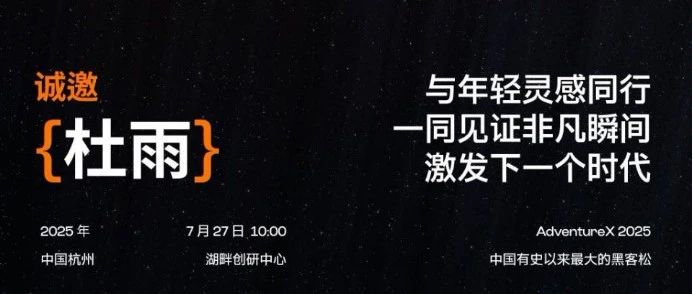
创投| 未可知 x AdventureX: 杜雨博士担任黑客松评委, 与00后共赴创新盛宴
未可知人工智能研究院· 2025-07-11 02:55
Core Viewpoint - The article highlights the emergence of Generation Z as a driving force in technology and innovation, exemplified by the global hackathon AdventureX, initiated by two high school students, which has gained significant attention in the tech community [2][5]. Group 1: AdventureX Overview - AdventureX is one of the largest hackathons globally, attracting young tech enthusiasts from around the world, emphasizing open-source spirit and innovation [2]. - The event was founded by two Generation Z high school students, Zhu Haoyu and Xu Chen, who successfully raised 1 million yuan in sponsorship and invited over 100 prominent figures from the tech and investment sectors [5]. - Last year, AdventureX attracted nearly 4,500 participants from 182 countries and regions, including high school and university students, and has expanded its scale and venue this year [5]. Group 2: Significance of Hackathons - Hackathons, derived from "Hackathon," have become synonymous with technological innovation, where developers, designers, and product managers collaborate to create projects within a limited timeframe [12]. - Many well-known products, such as Siri and Instagram, originated from hackathons, showcasing their role as a breeding ground for innovation [12]. - AdventureX has garnered attention from numerous tech companies, providing a broader platform for young developers and facilitating investment opportunities for promising projects [13]. Group 3: Focus on Generation Z - AdventureX serves as a stage for Generation Z, allowing them to challenge conventions and use creativity to impact the world [15]. - The event is supported by the Unseen Artificial Intelligence Research Institute, which emphasizes the importance of nurturing the younger generation's growth in technology [15]. - The anticipation for AdventureX reflects the belief that these young innovators will contribute significantly to the future of artificial intelligence and technology [15].

国有企业:中国经济发展的中流砥柱
Sou Hu Cai Jing· 2025-07-10 22:54
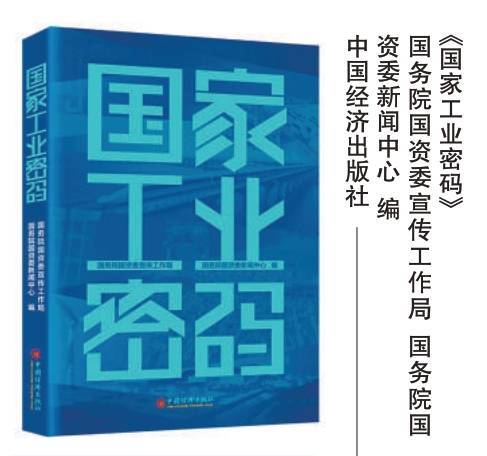
Group 1 - The article emphasizes the significant role of state-owned enterprises (SOEs) in China's industrialization and economic development since the establishment of the new China and the reform and opening-up policy [2][3] - It highlights the importance of a unified and ambitious government in achieving industrialization, contrasting China's efforts with earlier attempts during the Self-Strengthening Movement [3] - The strategic choice to prioritize heavy industry in the early years of the new China is discussed, showcasing the influence of Soviet models and the resulting structure of SOEs [3][4] Group 2 - The article outlines the advantages of China's socialist system in mobilizing resources for large-scale projects, citing examples like the "Two Bombs, One Satellite" and major infrastructure achievements [4] - It discusses the role of party leadership in building a dedicated workforce, exemplified by the spirit of workers and scientists who contributed to the industrial system's resilience and growth [5] - The narrative of reform and opening-up is presented, illustrating how China capitalized on technological advancements and market opportunities to develop a comprehensive industrial system [5][6] Group 3 - The article addresses the current challenges posed by Western pressures on China's industrialization, emphasizing the critical role of SOEs as the backbone of the socialist economy [6] - It advocates for the digital transformation of SOEs, highlighting the need for innovation and modernization in traditional industries to enhance productivity [6][7] - The importance of strategic emerging industries is discussed, with examples of SOEs diversifying into renewable energy, biotechnology, and new materials [7] Group 4 - The article stresses the pivotal role of SOEs in the new type of national system, which combines market mechanisms with government initiatives to foster innovation [7][8] - It emphasizes the need for talent development and the cultivation of skilled professionals to support the long-term goals of new industrialization [8] - The publication of the book "National Industrial Code" is positioned as a guide for future industrial development, aiming to inspire collaboration among stakeholders in the industrial sector [8]
港股国企ETF(159519)涨超1.2%,供给收缩预期或催化周期行情
Sou Hu Cai Jing· 2025-07-10 05:36
Group 1 - China Shipbuilding's merger with China State Shipbuilding Corporation was approved by the Shanghai Stock Exchange on July 9, 2025, marking the conclusion of the largest capital operation in the domestic shipbuilding industry [1] - The Chinese commercial aerospace industry is experiencing a wave of securitization, with Jiangsu Deep Blue Aerospace completing nearly 500 million yuan in financing for reusable rocket development, and Chengdu Guoxing Aerospace submitting a listing application to the Hong Kong Stock Exchange [1] - Yunnan's state-owned enterprises are driving investment growth through major projects, while China FAW's vehicle sales exceeded 1.57 million units in the first half of 2025, and the State Grid's 140 peak summer projects have all been put into operation, demonstrating the ongoing efforts of state-owned enterprises in industrial upgrading and public welfare [1] Group 2 - GF Securities indicates that the "anti-involution" policy in 2025 has initiated a new round of supply contraction across industries such as steel, cement, automotive, and photovoltaic [2] - The Steel Association is calling for resistance against "involution-style" competition, while the cement industry is promoting the implementation of capacity replacement policies, and automotive companies are adjusting supplier payment terms and sales strategies [2] - Photovoltaic glass companies collectively reduced production by 30% to alleviate low-price competition, with historical cases of supply contraction indicating that market sentiment typically remains cautious at the policy's onset [2]
多地官宣:音乐节可在现场领结婚证|首席资讯日报
首席商业评论· 2025-07-10 04:01
Group 1 - Analyst calls for Tesla board to limit Musk's political involvement, suggesting new compensation plan and increased voting rights [1] - National Grid reports inter-provincial electricity trading volume exceeded 573.1 billion kWh in the first half of the year, a year-on-year increase of 8.7% [2] - BNP Paribas completes acquisition of AXA Investment Managers, officially finalized on July 1, 2025 [3] Group 2 - AI company Manus announces layoffs and relocation of core technical staff to Singapore, citing operational efficiency [4] - Feishu launches the industry's first AI application maturity model, categorizing AI applications into four levels [5][6] - New Zealand unveils its first national AI strategy, projecting AI could contribute up to NZD 76 billion (approximately USD 45.5 billion) to GDP by 2038 [9] Group 3 - Over 5,000 counterfeit accounts impersonating "Wei Dongyi" have been cleared in Beijing [11] - In June, 18.496 million reports of online illegal and harmful information were accepted nationwide, with a month-on-month increase of 1.1% [13] - Music festivals in multiple regions now offer on-site marriage registration services [14][15] Group 4 - Chery's new car launch faced backlash for using official accounts for promotion, leading to multiple apologies from the product director [16] - The movie "Detective Conan: The Phantom of the Eye" has surpassed 300 million CNY in total box office revenue in mainland China [16]


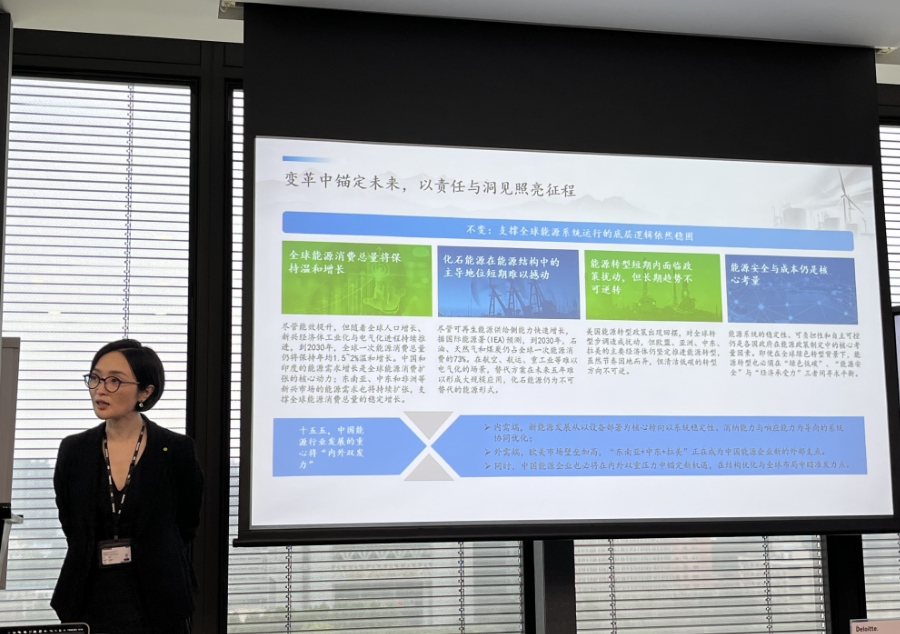
德勤:新型电力系统建设将是“十五五”前中期重要主题 灵活性改造、智能化升级等将成投资重点
Mei Ri Jing Ji Xin Wen· 2025-07-09 15:20
Core Insights - The report by Deloitte China outlines key issues in the energy sector during the 14th Five-Year Plan period, emphasizing the construction of a new power system and the transformation of the energy structure [1][2][3] Group 1: New Power System Construction - The construction of a new power system will be a significant theme in the early to mid-term of the 14th Five-Year Plan, focusing on flexibility upgrades and intelligent enhancements to improve system resilience [1] - The demand for intelligent upgrades in the new power system is expected to create a market scale of several trillion yuan over the next five to ten years [2] - The support and promotion of policies are essential for the construction of the new power system, with market mechanisms gradually becoming a crucial driving force [2] Group 2: Global Energy Structure Changes - During the 14th Five-Year Plan, the global energy structure will undergo deep adjustments, with moderate growth in total energy consumption and a continuous rise in clean energy investment and emerging market demand [2][3] - The average annual growth rate of the global energy technology and digital integration market is projected to exceed 12% over the next five years [2] Group 3: Energy Security and Transition - China faces external challenges from the restructuring of international rules while also needing to drive energy transition and ensure energy security [3] - Traditional energy sources will continue to play a crucial role in key areas such as power supply, industrial support, and transportation over the next five years, acting as a stabilizing force [3] - Emerging energy forms like wind, solar, hydrogen, and energy storage are rapidly growing, promoting global decarbonization and fostering a new round of technological and industrial upgrades [3]
中央企业产业大模型“上新”
Zhong Guo Xin Wen Wang· 2025-07-09 13:48
Group 1 - The "Xiaomiao" industrial model, developed by the Smart Building Materials Research Institute funded by China National Building Material Group, has been publicly launched, focusing on the cement sector as a testing ground [1] - The model integrates three core technologies: the fusion of time-series data with industrial mechanisms, multi-modal scenario collaboration, and decision-making fault tolerance, achieving over 1% reduction in cement batching costs [1] - After over two years of application, the model has established a mature engineering delivery capability, successfully implemented in nearly 100 cement enterprises, with data governance cycles reduced to as short as 14 days and model deployment within 7 days [1] Group 2 - China National Building Material Group's chairman believes AI will act as a "super accelerator" for new material research, significantly shortening development cycles and reducing trial-and-error costs [2] - The group is currently promoting AI's integration into strategic emerging industries for new materials, having built 231 scenario models covering the entire chain from core manufacturing to R&D and supply chain management [2] - In 2024, the State-owned Assets Supervision and Administration Commission will launch the "AI+" initiative for central enterprises, with several enterprises releasing industrial models, including China National Petroleum and State Grid [2]
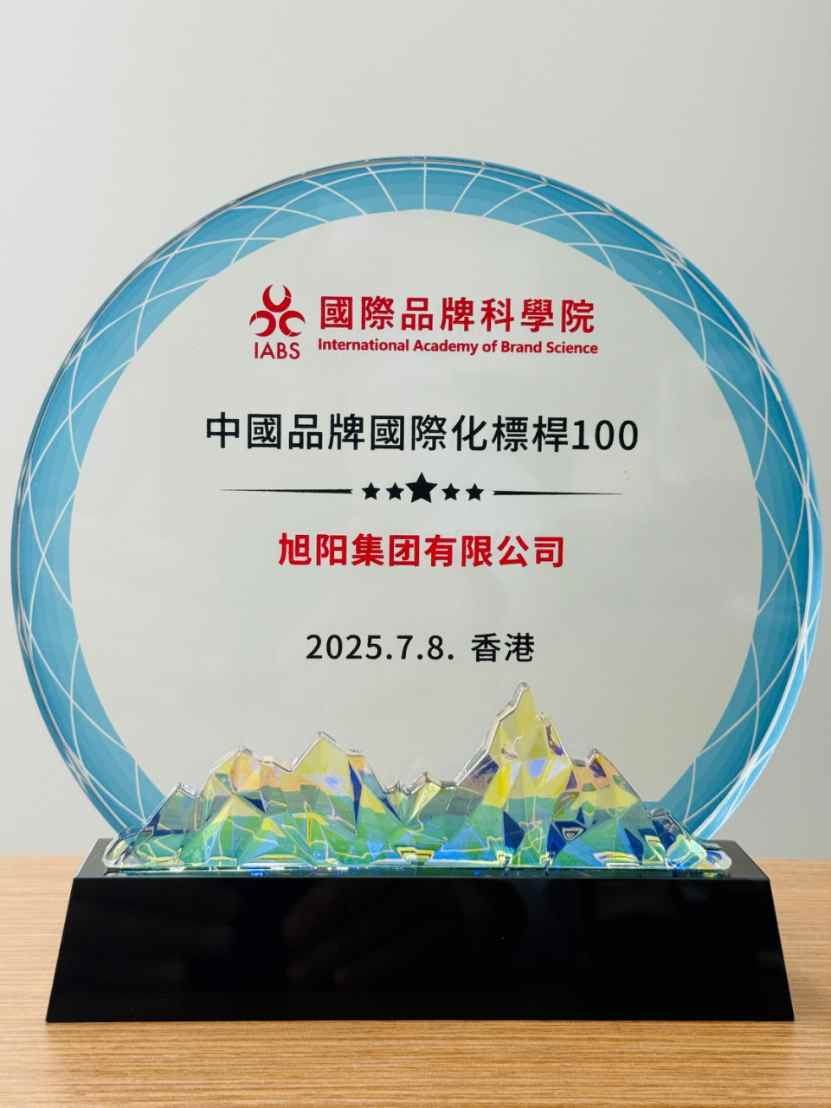
中国旭阳集团(01907)入选香港首届世界品牌大会发布的《中国品牌国际化标杆100》
智通财经网· 2025-07-09 04:22
Group 1 - The Hong Kong World Brand Conference was held on July 8, organized by the International Brand Academy, the Guangdong-Hong Kong-Macao Greater Bay Area Entrepreneurs Alliance, and the International Brand Network, where the "Top 100 Chinese Brands for Internationalization" was released, and Xuyang Group was included in the list [1][6] - Other notable companies included in the "Top 100 Chinese Brands for Internationalization" are State Grid, Sinopec, PetroChina, JD.com, ByteDance, China Mobile, Alibaba, China Communications Construction, China National Offshore Oil Corporation, China Resources, Huawei, Industrial and Commercial Bank of China, BYD, Tencent, Bank of China, China Merchants, Haier, State Power Investment Corporation, Xiaomi, China Huadian, TCL, CRRC, Geely, Wuliangye, Gree, Wanhua, Moutai, ZTE, Inspur, Yili, Chow Tai Fook, Bosideng, iFlytek, Mengniu, XCMG, Guangzhou Pharmaceutical Group, Beijing Tongrentang, and Pop Mart [1] - The event was attended by notable guests including Hong Kong Chief Executive John Lee, Deputy Commissioner of the Ministry of Foreign Affairs in Hong Kong Li Yongsheng, and Cai Guanshen, Chairman of the International Brand Academy and the Guangdong-Hong Kong-Macao Greater Bay Area Entrepreneurs Alliance [3][5] Group 2 - John Lee emphasized that the establishment of internationally recognized brands contributes to corporate value, profit enhancement, and sustainable economic development, while also fostering an innovative culture within society [6] - Cai Guanshen stated that the conference aims to leverage Hong Kong's advantages under the "One Country, Two Systems" framework to enhance the country's influence in the international branding arena, with three main objectives: applying to the UN for Hong Kong to be the permanent host of "World Brand Day," promoting the "World Brand and Intellectual Property Trade Fair" in Hong Kong, and establishing a world-class brand testing, certification system, and intellectual property protection mechanism [6] - The inclusion of Xuyang Group in the "Top 100 Chinese Brands for Internationalization" highlights the company's increasing global influence and growing attention from around the world [6]
抓好市值管理,推动央企上市公司高质量发展
Zhong Guo Hua Gong Bao· 2025-07-09 02:44
Core Viewpoint - The introduction of the new market value management regulations has led to significant developments in investor relations management, with 644 listed companies implementing value management systems or valuation enhancement plans since November 2022 [1] Group 1: Current State of Central State-Owned Enterprises (SOEs) - As of 2024, 492 central SOEs account for 9.14% of A-share listed companies but contribute 36.32% of total market value, 43.74% of revenue, and 59.03% of net profit, highlighting their critical role in the national economy [1] - There is a notable disparity within central SOEs, with companies valued over 50 billion yuan contributing nearly 80% of market value and over 90% of net profit, while smaller companies (under 10 billion yuan) represent 36.79% of the total but only 2.82% of market value [2] Group 2: Challenges and Recommendations for Small and Medium-Sized SOEs - Small and medium-sized central SOEs face dual pressures on profitability and valuation, with challenges including outdated capital tools and insufficient innovation [2] - Recommendations for regulatory bodies include differentiated assessments focusing on R&D conversion rates for tech companies and flexible regulations for companies in economically challenged regions [2][3] Group 3: Strategies for Transformation - For tech companies, strategies include binding core technologies to teams, establishing innovation incubation mechanisms, and creating suitable incentive systems [3] - Traditional industries are encouraged to upgrade production capacity, integrate supply chains, and pursue asset securitization [3] - Public service companies should focus on value reconstruction, achieving ESG premiums, and transitioning to smart services [3] Group 4: Implementation of Capital Tools - Companies can create a collaborative matrix of capital tools such as buybacks, ESG disclosures, and supply chain integration to enhance market value management [4] - Successful case studies include improvements in R&D efficiency and valuation recovery through innovative practices [4] Group 5: Long-term Goals - Short-term goals include restoring the valuation of 30 underperforming companies to a price-to-book ratio of 1.0 and reducing the overall discount rate of central SOEs by 15% by 2026 [5] - Mid-term objectives aim for a 15% increase in buyback amounts and a 25% rise in institutional holdings in small and medium-sized SOEs by 2027 [5] - Long-term aspirations include achieving a 6% R&D intensity and surpassing 500 billion yuan in overall R&D investment by 2030, with a total market value of central SOEs exceeding 100 trillion yuan [5]
李强出席在巴西中资企业座谈会
证监会发布· 2025-07-09 01:26
Core Viewpoint - The Chinese government emphasizes the importance of supporting overseas Chinese enterprises as they expand internationally, highlighting the resilience and potential of the Chinese economy amidst global challenges [1][2]. Group 1: Government Support and Economic Resilience - The Chinese economy has shown resilience and potential for growth, with the government committed to providing support for overseas enterprises through improved services and policies [1]. - The government aims to enhance various economic and trade cooperation mechanisms, ensuring a better environment for Chinese enterprises abroad [1]. Group 2: International Trade Environment and Opportunities - The current international economic landscape is marked by rising unilateralism and protectionism, presenting both challenges and opportunities for enterprises [2]. - Chinese enterprises are encouraged to strengthen their brands and enhance global competitiveness, particularly in the Latin American market through local market engagement [2]. Group 3: Corporate Responsibility and Compliance - Chinese enterprises are urged to respect local laws and cultural practices while conducting business, emphasizing the importance of corporate social responsibility [2]. - Companies are encouraged to maintain a positive image and strengthen economic ties with Brazil and other Latin American countries for mutual benefit [2].



李强出席在巴西中资企业座谈会
news flash· 2025-07-08 16:12
Group 1 - The core message emphasizes the increasing importance of Chinese enterprises' international operations and their contribution to domestic economic development, highlighting the resilience and potential of the Chinese economy in the face of external pressures [1] - Chinese enterprises are encouraged to enhance their global competitiveness by building strong brands, improving forward-looking strategies, and deepening local market engagement, particularly in Brazil and the broader Latin American market [2] - The government will provide better support and create a favorable environment for overseas Chinese enterprises through enhanced service mechanisms and policies in areas such as financial support, credit insurance, and safety guarantees [1][2] Group 2 - The current international economic landscape is characterized by rising unilateralism and protectionism, presenting both challenges and opportunities for enterprises [2] - Chinese enterprises are urged to comply with local laws and cultural practices while actively engaging in corporate social responsibility to foster a responsible corporate image [2] - Representatives from Chinese enterprises expressed commitment to leveraging their strengths, maintaining compliance, and expanding their business in sectors like finance, energy, agriculture, and technological innovation to strengthen economic ties with Brazil and other Latin American countries [2]