
追觅科技

Search documents
洗地机争夺战:谁狂飙?谁掉队?你的体验打几分?
Tai Mei Ti A P P· 2025-08-13 03:16
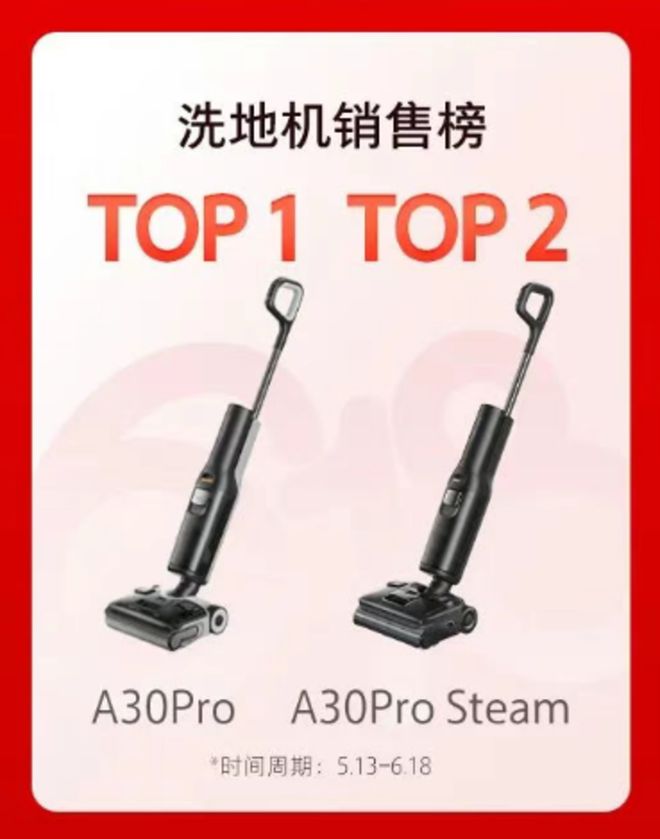
Core Insights - The "lazy economy" and quality of life trends are driving explosive growth in the floor cleaning machine market, with significant contributions from brands like Tineco, Roborock, and others [1][3] - The market for smart home cleaning products, including floor cleaning machines, is projected to reach nearly 300 billion RMB by 2029, with the floor cleaning machine segment experiencing a compound annual growth rate (CAGR) of approximately 192% from 2019 to 2024 [3] - Despite rapid sales growth, user experience issues persist, including difficulties in cleaning wastewater tanks, hair entanglement in brushes, and high costs for consumables [1][13] Market Dynamics - The floor cleaning machine market is expected to see a 30.3% year-on-year sales increase in the first half of 2025, driven by government subsidies, price stabilization, and brand efforts [3] - Tineco has established a strong foothold in the high-end market, achieving a 60% market share in the segment priced above 4000 RMB during the 2025 "618" shopping festival [4] - Roborock's aggressive marketing strategy has led to significant sales, with a total transaction volume of 1.6 billion RMB during the same period [4] Competitive Landscape - The competitive landscape is characterized by a first tier of brands (Tineco, Roborock, and Dreame) and a second tier including traditional appliance giants like Midea and Haier, as well as emerging players like Xiaomi and Yunji [8][9] - Market share data indicates fluctuations, with Tineco's share ranging from 34.67% to 37.87% over a span of weeks in 2025, while Roborock's share increased from 16.20% to 29.41% [8][9] - The second tier is seeing rapid changes, with new entrants like Mido and Westinghouse making significant impacts on market share [9] User Experience Challenges - Users report significant pain points with floor cleaning machines, including cumbersome cleaning processes and inadequate performance compared to traditional methods [13][16] - Complaints about product quality and inadequate after-sales service are common, highlighting a gap between the marketed benefits and actual user experiences [19][22] - The high cost of consumables, such as filters and brushes, adds to the overall expense of ownership, which can deter potential buyers [22] Conclusion - The explosive growth of the floor cleaning machine market is accompanied by intense competition and significant user experience challenges [23] - Companies that prioritize addressing user pain points and delivering genuine value are likely to emerge as leaders in this evolving market landscape [23]

大疆杀入扫地机器人赛道,“云鲸追觅们”要小心了
3 6 Ke· 2025-08-12 12:29
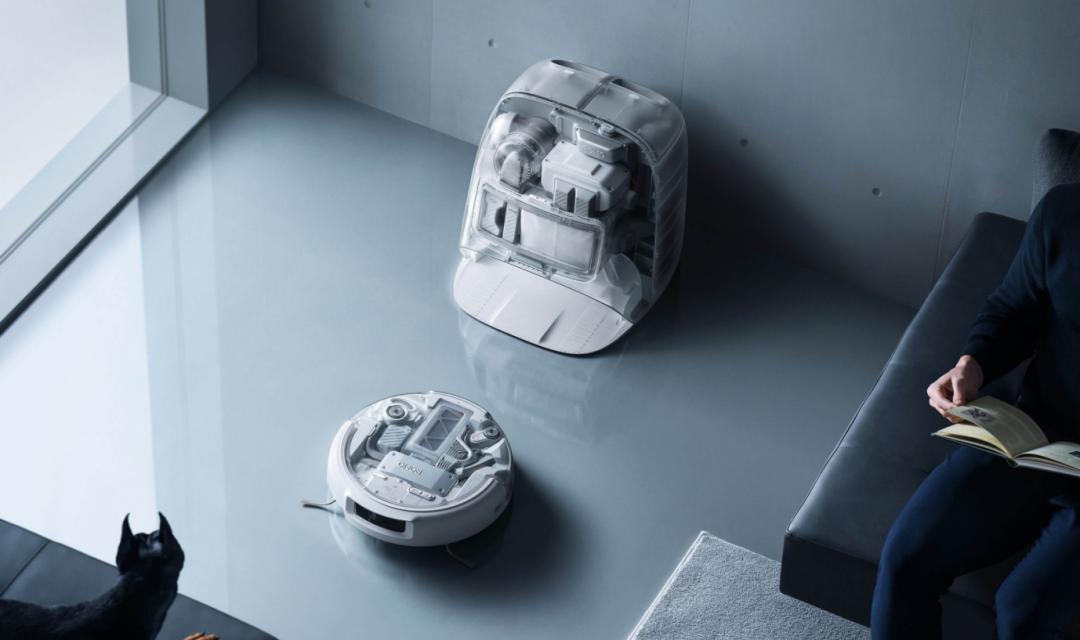
Core Insights - DJI has entered the crowded robotic vacuum market with its first product, ROMO, introducing new dynamics to an already competitive industry [2][20] - The robotic vacuum market in China is experiencing significant growth, with a low penetration rate of approximately 6%, indicating substantial room for expansion [4][8] - The entry of DJI, a company with a strong technological background in drones, aims to leverage its existing technology to disrupt the traditional robotic vacuum market [6][12] Market Overview - The top five brands in the Chinese robotic vacuum market, including Ecovacs, Roborock, and Xiaomi, account for nearly 90% of the market share, leaving limited space for new entrants [2][4] - The market saw a shipment of 1.188 million units in Q1 2025, reflecting a year-on-year growth of 21.4% [4] Technological Landscape - DJI's entry is characterized by its focus on visual navigation technology, which could potentially challenge the existing laser navigation solutions used by competitors [10][12] - The company aims to apply its drone technology to the robotic vacuum sector, allowing for a more efficient development process [6][8] Competitive Dynamics - Established players like Roborock and Ecovacs have built significant barriers to entry, but they also face challenges such as reliance on outdated technologies and declining profit margins [10][17] - New entrants like Yunji and Trifo may struggle to compete against DJI's advanced technology and established market presence [15][20] Challenges Ahead - DJI faces supply chain challenges, particularly in achieving high production yields for its advanced visual modules, which are critical for the ROMO's success [16] - The company is entering a market with historically low profit margins, as evidenced by the declining net profits of leading competitors [17] - DJI's pricing strategy positions ROMO as a premium product, with prices ranging from 4,699 to 6,799 yuan, which is significantly higher than the average market price [18] Future Outlook - The entry of DJI is expected to trigger a new round of competition and market reshuffling in the robotic vacuum industry [20][21] - The ability to innovate and adapt to market demands will be crucial for all players in this evolving landscape [21]

亚洲首台体外模型智能化系统落地张江;联诚精密与高校合作研发农业采摘机器人丨智能制造日报
创业邦· 2025-08-12 03:33
Group 1 - The first intelligent in vitro model system in Asia (CellXpress.ai) has been established in Zhangjiang, significantly reducing drug development costs through high-fidelity 3D organ-like structures [2] - A research team from Kunming University of Science and Technology has developed a new boundary stabilization technology for perovskite solar cells, addressing efficiency and stability issues, which supports the industrial application of high-efficiency solar cells [2] - Chasing Technology announced the launch of its first dual-arm floor cleaning machine at the end of August, incorporating AI dual-arm collaboration to enhance cleaning efficiency and precision [2] Group 2 - Liancheng Precision is collaborating with universities to develop multiple efficient agricultural robots, utilizing AI visual recognition and IoT technology to promote mechanization and smart upgrades in modern agriculture [2]

廉价版MacBook售价曝光/OpenAI CEO:AGI是个没什么用的术语/雷军征集小米YU7改名意见
Sou Hu Cai Jing· 2025-08-12 03:11
Group 1 - Xiaomi has announced a collision detection method patent that can determine the operational status of a vehicle based on speed changes when a terminal is in a transportation state, triggering an alarm in case of a collision [11][12] - The new low-cost MacBook from Apple is expected to disrupt the laptop market, with mass production of components starting in Q3 2025 and assembly by the end of the year, featuring an A18 Pro processor and a 12.9-inch display [3] - Baichuan's newly released open-source medical model, Baichuan-M2, has achieved the highest score of 60.1 on HealthBench, surpassing OpenAI's latest model, indicating a significant advancement in medical AI capabilities [17][18][19] Group 2 - The New York Times reported that computer science graduates are facing high unemployment rates, with figures of 6.1% and 7.5% for computer science and engineering graduates, respectively, highlighting a shift in job market dynamics [29][30] - The automotive industry is seeing a trend where luxury brands like Maserati are adopting Chery's E0X high-performance electric platform for new energy vehicles, indicating a growing recognition of Chery's technology [20][21] - The launch of the SkyReels-A3 model by Kunlun Wanwei introduces advanced capabilities in video-driven digital human creation, showcasing significant improvements in lip-sync and video quality compared to existing models [24][25]



三大力点托起机器人产业“第一区”
Su Zhou Ri Bao· 2025-08-12 00:12
Core Insights - The year 2023 is recognized as the year of mass production for humanoid robots, with Wu Zhong District's robot industry achieving significant growth, reaching a scale of 91.3 billion yuan in the first half of the year, a year-on-year increase of 23.9% [1][3] - Wu Zhong District aims to exceed 220 billion yuan in industrial scale by next year, striving to become the "national robot industry cluster's first district" [2] Industry Development - Wu Zhong District has been strategically developing its robot industry since 2017, with over 1,100 related enterprises and an industrial scale exceeding 160 billion yuan, accounting for 60% of the national service robot production and one-seventh of the industrial robot output from domestic brands [3][4] - The district's industrial foundation has shown an average annual growth of 11.6% over the past five years, with over 70% of the output coming from equipment manufacturing and electronic information sectors, providing a solid foundation for robot industry development [6] Strategic Initiatives - Since 2018, Wu Zhong District has implemented three rounds of three-year action plans focused on enhancing the robot industry cluster, achieving an average annual growth rate of over 20% in the robot industry [7] - The district has established a comprehensive ecosystem for the robot industry, including land, funding, talent, and computing power, to attract leading enterprises and nurture emerging companies [7][8] Technological Integration - Wu Zhong District is enhancing the integration of embodied intelligence with cutting-edge technologies, promoting deep collaboration across the industry chain and supply chain to form a complementary industrial ecosystem [9][10] - The district is also focusing on the application of robots in various sectors, including advanced manufacturing and consumer services, to expand application boundaries and establish commercial validation loops [11][12] Innovation and Collaboration - The district is strengthening the role of the "government-industry-university-research-use" consortium to promote technological innovation and collaboration, facilitating the transformation of basic research into innovative outcomes [10][12] - Wu Zhong District is actively promoting the use of industrial robots across various sectors, establishing a virtuous cycle of "scene opening - industry collaboration - technology iteration - application expansion" [12][13]
魔法原子“全家福”亮相WRC 2025 要与多方共建具身机器人“黄埔军校”
Zheng Quan Shi Bao Wang· 2025-08-10 06:30
Core Insights - Magic Atom showcased its entire family of robots and various embodied intelligence solutions at the 2025 World Robot Conference (WRC 2025) [1] - The company has formed strategic partnerships with KuPass and Youka Technology to build a specialized data collection training ground for the automotive sector, aiming to create a large-scale training platform for embodied robots [6][8] Group 1: Product Showcase - The lineup at WRC 2025 included various robots such as the full-size humanoid robot "Xiao Mai," high-dynamic humanoid robot MagicBot Z1, consumer-grade quadruped robot MagicDog, wheeled quadruped robot MagicDog-W, and the newly launched industrial quadruped robot MagicDog Y1 [2] - The performance of the robots, particularly the "Silicon-based Dance Troupe," highlighted their advanced motion control capabilities, with demonstrations of high-dynamic actions like getting up from a fall and navigating obstacles [2] - The industrial quadruped MagicDog Y1 features an IP67-rated sealed body, allowing stable operation in extreme temperatures and complex environments, enhancing its application in industrial inspections and emergency rescues [3] Group 2: Application Scenarios - Magic Atom demonstrated the dual-hand operation of the humanoid robot Gen-1 in an industrial glue dispensing scenario, achieving high efficiency and precision in continuous operation [4] - The humanoid robot also showcased a smart tour guide solution, capable of providing professional explanations and real-time updates through a dedicated app, enhancing user experience [4] - The consumer-grade quadruped MagicDog serves as a companion robot, supporting voice interaction and mobile app control for family entertainment [5] Group 3: Strategic Initiatives - Magic Atom, established in January 2024, focuses on the research and application of general-purpose robots and embodied intelligence technology, with a diverse product range across industrial, commercial, and household scenarios [6] - The company initiated the "Thousand Scenes Co-Creation" plan, collaborating with over 1,000 partners to develop 1,000 application scenarios, forming a robust ecological alliance [7] - The strategic partnership with KuPass and Youka Technology aims to create a leading training ground for embodied intelligence in the automotive sector, addressing challenges in data costs and resource availability [8]
狂揽7000万粉丝、“听劝”卖爆8万台,“霸总”赛道也卷起来了?
3 6 Ke· 2025-08-05 10:40
Core Insights - The implementation of national subsidy policies has activated China's trillion-dollar home appliance market, leading to significant changes in the industry dynamics and increased competition among brands [1][4] - Traditional home appliance giants like Midea, Haier, and Gree are not only consolidating their positions in major appliances but are also accelerating their expansion into niche, high-end small appliances and emerging categories to build a comprehensive ecosystem [2][4] - The rise of entrepreneur IP (intellectual property) has become a key strategy for brands to connect with consumers, driven by the national subsidy policy that has reshaped consumption patterns and competitive logic in the industry [3][5] Industry Dynamics - As of July 16, over 280 million people have claimed subsidies, generating a consumption increase of 1.6 trillion yuan, with retail sales of home appliances and audio-visual equipment surging by 30.7% year-on-year in the first half of the year [4] - The third batch of 69 billion yuan in national subsidies has been fully allocated, with plans for a fourth batch of the same amount to be distributed in October [4] Entrepreneur IP Development - The emergence of entrepreneur IP is not merely a trend but a necessary adaptation for companies facing changes in marketing environments and consumer engagement [8][10] - Xiaomi's founder Lei Jun exemplifies the successful use of personal branding, having amassed over 45 million followers on Douyin and 26 million on Weibo, significantly influencing consumer perceptions and brand loyalty [8][10] - The active presence of entrepreneurs on social media platforms allows for direct communication with consumers, enhancing brand visibility and trust [17][22] Strategic Shifts in Marketing - The shift towards entrepreneur IP reflects a broader transformation in marketing strategies, moving from brand-led development to user-centered product logic [21][26] - Companies are increasingly recognizing the need for direct consumer interaction to gather feedback and adapt their offerings, as seen with Haier's rapid response to consumer suggestions for new products [21][22] - The focus on personal branding among executives is becoming a standardized part of marketing operations, serving multiple objectives including brand building, technical communication, and sales conversion [26] Product and Innovation Focus - Despite the emphasis on entrepreneur IP, the fundamental driver of long-term success remains the intrinsic value and innovation of the products themselves [26] - The ability of companies to effectively communicate technical information and establish emotional connections with consumers is crucial for enhancing product understanding and trust [23][26]



天风证券:投资者更关注扫地机短期数据 海外中国品牌今年抢份额趋势不改
智通财经网· 2025-08-05 03:17
Core Insights - The vacuum cleaner industry is experiencing a sales recovery, which is expected to enhance valuations, with investors focusing on short-term data [1] - The industry is characterized by a high ceiling for penetration rates and rapid growth, particularly during periods of economic expansion [1] Industry Background - The vacuum cleaner industry is compared to the penetration rate increase of home appliances in the US and Japan, indicating that cleaning appliances are essential and have a high growth potential [1] - The transition from traditional vacuum cleaners to efficient cleaning appliances is likely to occur [1] Industry Development & Outlook - The industry is advancing based on "intelligence" and "functionality," suggesting that product maturity does not equate to the end of innovation [2] - Short-term procurement costs may rise due to continuous product iterations and added functionalities, but costs are expected to decrease as the industry scales [2] - There remains significant room for growth in penetration rates in key countries and regions, with structural improvement opportunities overseas [2] Competitive Landscape - Static analysis shows that companies like Roborock, Ecovacs, and Dreame are leading, while Xiaomi targets the low-end market and Yunji focuses on mid-low price segments [2] - The current phase of the industry is characterized as a growth stage, where product capability, cost-effectiveness, and marketing are the most influential factors on the competitive landscape, in that order [2] 2025 Industry Outlook - Domestic brands are expected to increase their presence in the 4k price segment for washing products, potentially improving the competitive landscape [3] - The volume and price center is anticipated to see a year-on-year increase of 12% and remain stable, respectively [3] - The trend of Chinese brands gaining market share overseas is expected to continue, driving simultaneous volume and price growth in the industry [3]

2025全球独角兽榜苏州上榜企业排行榜(附榜单)
Sou Hu Cai Jing· 2025-08-04 02:14
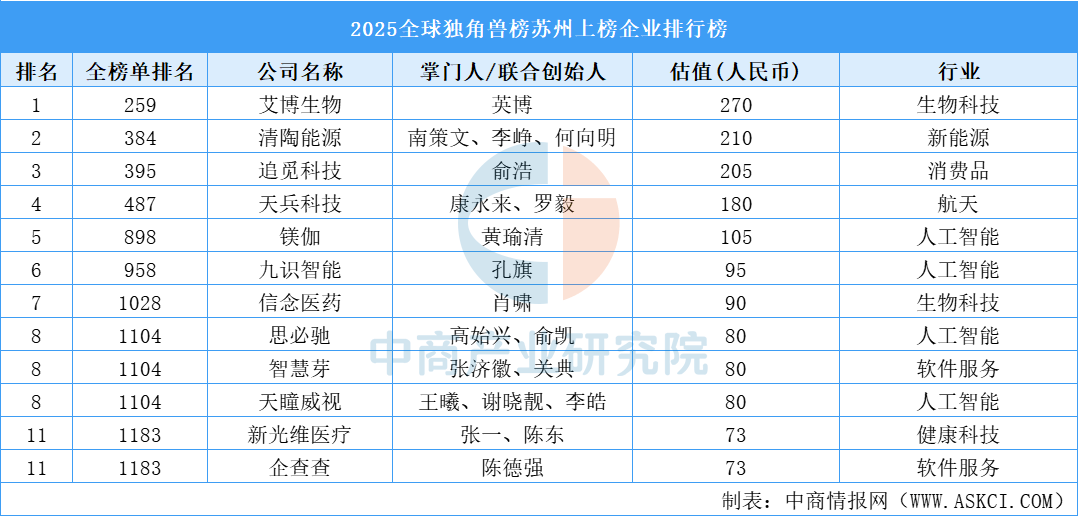
艾博生物估值最高达270亿元,位居榜首。清陶能源、追觅科技排名第二和第三,估值分别为210亿元、205亿元。天兵科技、镁伽估值超百亿。 | | | | 2025全球独角兽榜苏州上榜企业排行榜 | | | | --- | --- | --- | --- | --- | --- | | 排名 | 全榜单排名 | 公司名称 | 掌门人/联合创始人 | 估值(人民币) | 行业 | | l | 259 | 艾博生物 | 英博 | 270 | 生物科技 | | 2 | 384 | 清陶能源 | 南策文、李峥、何向明 | 210 | 新能源 | | 3 | 395 | 追觉科技 | 前浩 | 205 | 消费品 | | র্ব | 487 | 天兵科技 | 康永来、岁数 | 180 | 航天 | | 5 | 898 | 镁伽 | 黄瑜清 | 105 | 人工智能 | | 6 | 058 | 九识智能 | 孔旗 | 95 | 人工智能 | | 7 | 1028 | 信念医药 | 肖啸 | 90 | 生物科技 | | 8 | 1104 | 思必驰 | 、高始兴、俞凯十六六日 | 80 | 人工智能 | | 8 | 1104 ...
家庭服务机器人布局急行军 家电企业机遇与风险并存
Di Yi Cai Jing· 2025-07-31 14:39
Group 1 - Investment in household service robots is experiencing a surge, with major appliance companies entering the market, presenting both opportunities and risks [1] - Midea Group showcased its humanoid robot "Meila" at the 2025 World Artificial Intelligence Conference and signed a cooperation agreement for a 1.5 billion yuan investment in a physical intelligence technology platform project [1] - Haier Group launched its household service robot "Haiva," with Chairman Zhou Yunjie predicting that caregiver robots will become more common than cars [1][2] Group 2 - The acceleration of investment in household service robots by leading appliance companies is driven by social, technological, and market factors, including China's aging population, which is projected to exceed 300 million people aged 60 and above by 2024 [2] - The rapid advancement of AI large model technology is providing favorable conditions for the development of robotic and intelligent devices in household scenarios [2] - Traditional appliance markets are stagnating, prompting companies to seek new growth opportunities in the robotics sector [2] Group 3 - High-tech Robotics Industry Research Institute (GGII) predicts that the widespread adoption of household physical intelligence service robots will not occur until after 2030 [2] - Appliance companies possess advantages in household scenario data and brand channels but need to improve in AI algorithms and motion control to succeed in this new market [2] - The competition among appliance manufacturers in the robotics sector is intense, and while it may boost existing product sales and valuations, the return on investment remains uncertain [2][3] Group 4 - Current humanoid robots are priced at several hundred thousand yuan each, making them less cost-effective than hiring human caregivers for basic tasks like cleaning [2] - Household humanoid robots must balance generality and efficiency, as different families have varying needs and scenarios [3] - Issues such as privacy protection and data security also pose challenges for the development of household service robots [3]