宝马

Search documents
【环球财经】从慕尼黑车展看汽车产业技术转型三大趋势
Xin Hua She· 2025-09-11 12:36
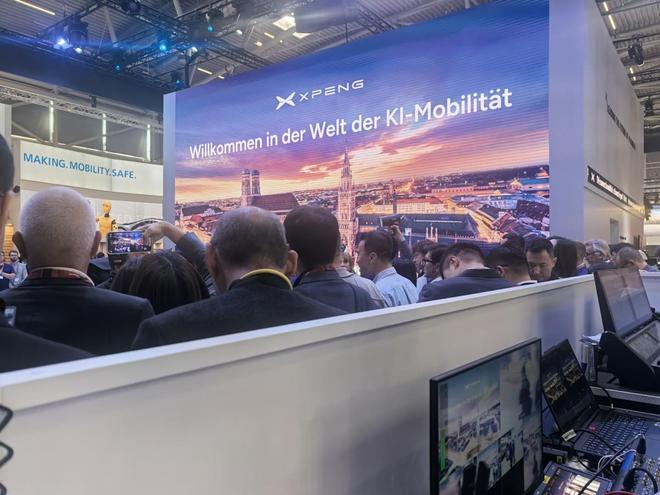
Group 1: Core Trends in the Automotive Industry - The 2025 Munich International Motor Show highlights three major trends in the automotive industry: deepening electrification, software-defined digitalization, and AI-driven intelligence [1] - Electrification is no longer an emerging trend but is developing more deeply in both technology and market aspects, with a focus on battery technology and alternative power systems [2] - Hydrogen energy and solid-state batteries are also significant topics at the show, showcasing the industry's exploration of diverse energy technologies [3] Group 2: Electrification Developments - Chinese companies demonstrated strong innovation and technical capabilities, with BYD launching a passenger car platform capable of a global maximum charging power of 1 megawatt and a peak charging speed of 2 kilometers per second [2] - CATL introduced a battery safety technology that does not produce open flames or smoke during thermal runaway, enhancing vehicle safety [2] - Major German automakers like Mercedes-Benz, BMW, and Volkswagen showcased new electric vehicle models, emphasizing advancements in electric architecture and battery management systems [2] Group 3: Digitalization and Software-Defined Vehicles - Digitalization is a key driver in the entire mobility ecosystem, with software-defined vehicles being a focal point of the show [4] - ZF Group presented software-defined chassis and electric mobility technologies, including a variable software connection for steering systems that enhances control and safety [4] - Bosch showcased high-performance onboard computers and flexible vehicle infrastructure to accelerate automotive digitalization [4] Group 4: AI and Intelligent Driving - The show indicated a shift towards AI-driven and software-enabled automotive intelligence, with Chinese companies emerging as significant players in this field [5] - XPeng Motors exhibited a range of technologies, including smart electric vehicles and flying cars, highlighting their technological advancements [5] - A dedicated testing area for L3 and L4 autonomous driving capabilities was established to demonstrate various applications of vehicle-road collaboration [6]




国际观察丨从慕尼黑车展看汽车产业技术转型三大趋势
Xin Hua Wang· 2025-09-11 12:24
Group 1: Core Trends in Automotive Industry - The Munich Auto Show highlights three major trends in the automotive industry's technological transformation: deepening electrification, software-defined digitalization, and AI-driven intelligence [1] Group 2: Electrification - Electrification is no longer an emerging trend but is developing more deeply in both technology and market aspects. Battery technology and alternative power systems are emphasized as core components for future vehicles [2] - Chinese companies showcased significant innovations, such as BYD's 1 MW charging platform, CATL's fire-free battery safety technology NP3.0, and EVE Energy's standardized large cylindrical batteries with digital identification [2] - Major German automakers like Mercedes-Benz, BMW, and Volkswagen presented new electric vehicle models, including the Mercedes-Benz GLC SUV with an 800V architecture and BMW's iX3 SUV featuring an intelligent battery management system [2] Group 3: Alternative Power Systems - Hydrogen energy and solid-state batteries emerged as important topics, with companies like Renault and Rimac showcasing hydrogen fuel cell range-extended concept cars and solid-state battery units [3] Group 4: Software-Defined Digitalization - Digitalization is a key driving force in the entire mobility ecosystem, with software-defined vehicles being a significant focus. ZF Group presented software-defined chassis and vehicle motion control software [4] - Bosch showcased high-performance onboard computers and flexible vehicle infrastructure to accelerate automotive digitalization [4] - Nvidia emphasized the shift from horsepower to computing power in vehicles, presenting a comprehensive safety system integrating vehicle architecture, AI models, and software [4] Group 5: AI-Driven Intelligence - The show indicated that automotive intelligence is advancing towards AI-driven and software-enabled stages, with Chinese companies becoming significant players in automotive intelligence [5] - XPeng Motors displayed a range of technologies, including smart electric vehicles and flying cars, while highlighting 2026 as a critical point for AI in automobiles [6] - Yuanrong Qihang presented its latest driving assistance platform, showcasing its VLA model's capabilities in adapting to various driving environments [6] - A dedicated testing area for L3 and L4 autonomous driving capabilities was established on the A94 highway to demonstrate vehicle-road collaboration in real-world scenarios [6]
全球能源循环计划亮相慕尼黑,宁德时代、奔驰等共话汽车产业绿色变革
Zheng Quan Shi Bao Wang· 2025-09-11 07:52
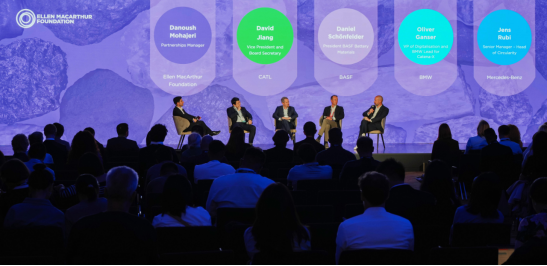
Core Insights - The global battery circular economy high-end forum was successfully held during the IAA in Munich, supported by CATL and hosted by the Allen MacArthur Foundation, with participation from major automotive industry players and organizations [1][3] Group 1: Forum Highlights - The forum gathered over a hundred representatives from the automotive industry, international organizations, and research think tanks to discuss the "pathways to achieve battery value chain circularity" and "policy and financial collaboration to promote circular economy" [1] - CATL's Vice President, Jiang Li, emphasized that achieving a battery circular economy is not just a technical issue but a systemic engineering challenge that requires building collaborative networks and integrating value chains [3] Group 2: Key Discussions - Participants discussed critical design principles for enhancing battery pack circularity and the selection of chemical materials that impact recycling rates, reaching a broad consensus on establishing cross-industry collaboration mechanisms [3] - Mercedes-Benz's circular economy head, Jens Rubi, highlighted the need for a deep understanding of cooperation mechanisms within the entire supply and value chain, particularly in areas like quality responsibility and localization strategies [3] Group 3: Regulatory and Market Insights - The EU's "New Battery Law" and other mandatory regulations were noted as guiding directions for industry development, with a call for innovative business models and support from capital markets to achieve scalability [4] - The Global Battery Alliance's Executive Director, Inga Petersen, stated that quantifying "circularity" as a green asset that can be priced by capital markets is key to attracting more social capital [4] Group 4: Future Plans - The Global Energy Circular Program, the first circular economy public welfare project involving a Chinese enterprise, aims to create a collaborative network covering the entire industry chain and various stakeholders [4] - The program plans to promote the complete implementation of the battery circular economy and aims to eliminate new mineral extraction for 50% of global battery production within the next 20 years [4] - The forum marked a significant step in advancing the Global Energy Circular Program, with plans to collaborate with global partners on pilot projects to explore comprehensive solutions and develop replicable circular economy models [4]

慕尼黑车展丨中德电动化同台竞技,三大细节揭示中国汽车出海方向
Guan Cha Zhe Wang· 2025-09-11 06:57
Core Insights - The shift of Chinese automakers towards electrification has raised questions about the competitive landscape with foreign automakers, especially as they ramp up their electric vehicle (EV) efforts [1] - Chinese brands are gaining significant attention from overseas users due to their design and technological capabilities, while joint venture companies are redefining their value in the process of electrification [1][4] - The global automotive market is undergoing a transformation, with Chinese brands increasingly participating in international exhibitions like the Munich Auto Show [1][2] Group 1: Chinese Automakers' Presence - The number of Chinese exhibitors at the Munich Auto Show has significantly increased, with media and public interest in their displays [2][4] - Companies like BYD and Xpeng are no longer newcomers in overseas markets, attracting considerable attention with innovative products and concepts [4][5] - The focus on design has become crucial for Chinese automakers to appeal to European consumers, who prioritize aesthetics alongside technology [5][9] Group 2: Design and Brand Positioning - Chinese brands are emphasizing design to convey value, as seen with Avita's global emotional intelligence concept car, which focuses on establishing a brand image in Europe [7][9] - Xpeng is reinforcing its identity as an AI-centric automotive company through a combination of land and air vehicles and robotics [9][21] - The shift in positioning for brands like Leap Motor, which aims to appeal to urban youth, reflects a broader trend of localization in branding strategies [7][9] Group 3: Standardization and Collaboration - Standardization is a key focus for European automakers, with companies like Mercedes and BMW emphasizing consistency in quality and design across their product lines [19][22] - Collaborations between Chinese automakers and established European brands are seen as essential for understanding local market needs and enhancing product offerings [21][24] - The rigorous standards set by European manufacturers for their supply chains highlight the importance of quality control and long-term partnerships [24][27] Group 4: Market Adaptation and Future Strategies - Chinese automakers are increasingly adopting localized strategies, with companies like BYD and Chery emphasizing their commitment to European consumer needs [28][30] - The ability to integrate Chinese design and technology with local standards and cultural preferences is crucial for the long-term success of Chinese brands in Europe [30][32] - The experience of companies like Toyota in adapting to European markets serves as a lesson for Chinese automakers in developing differentiated products that resonate with local consumers [32]
豪华品牌的最后阵地:新能源反击战能否改写格局?
Tai Mei Ti A P P· 2025-09-11 02:32
Core Insights - The Chinese automotive market is entering a critical phase where traditional luxury brands are compelled to accelerate their transition to electric vehicles, marking the beginning of a counterattack in the new energy sector [2][3] - New models such as the Volvo XC70, Audi E5 Sportback, and BMW iX3 are designed on new platforms and are pivotal to their respective brands' strategies to regain market share and brand value lost during the era of fuel vehicles [2][4] Industry Trends - The penetration rate of new energy vehicles has been steadily increasing, with some emerging brands experiencing sales growth that significantly outpaces the industry average, putting traditional luxury brands under immense pressure [3] - Traditional luxury brands like BMW, Audi, and Volvo are adopting a more measured approach to their electric vehicle strategies, relying on profits from fuel vehicles to support their transition [4] Product Development - The Volvo XC70 is built on the new SMA hybrid architecture, emphasizing safety and innovative design, while the BMW iX3 represents a complete product iteration aimed at enhancing overall user experience [5][6] - The Audi E5 Sportback is positioned as a competitive offering in the market, with a pricing strategy that undercuts previous luxury electric models, aiming to attract consumers away from popular models like the Tesla Model 3 [8] Pricing Strategies - The Volvo XC70's pre-sale price was strategically lowered to between 299,900 and 329,900 RMB, generating significant consumer interest with over 5,000 orders in just 85 minutes [7] - The Audi E5 Sportback's pricing ranges from 235,900 to 319,900 RMB, breaking the historical price barrier for German luxury electric vehicles, thus directly targeting competitors [8] Market Positioning - The new generation of luxury electric vehicles is expected to disrupt the current market landscape significantly, with models from Volvo, Audi, and BMW set to launch in the near future [12] - Despite challenges from domestic brands and new entrants, traditional luxury brands possess strong brand equity, manufacturing excellence, and a loyal customer base, which may help them regain traction in the new energy vehicle market [12][14] Challenges Ahead - Traditional luxury brands face ongoing challenges in technology innovation and market competition, necessitating continued investment in R&D and the adaptation of marketing strategies to remain competitive [13][14]
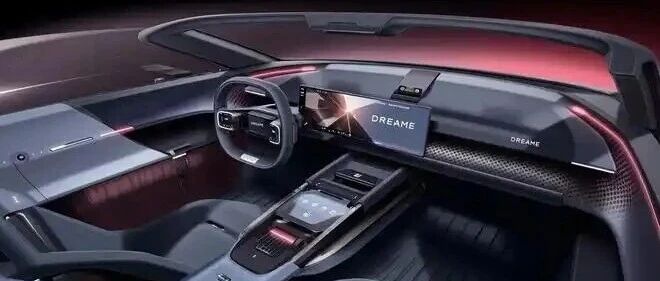
曝追觅汽车首款车型渲染图神似布加迪,样车年底CES首发;高德奇袭美团,直接对标大众点评,重启榜单业务;影视飓风再给员工送苹果17
雷峰网· 2025-09-11 00:25
Group 1 - Gaode has launched a new ranking service called "Gaode Street Ranking," focusing on food, hotels, and scenic spots, directly competing with Meituan's Dianping [3][4] - The new ranking service is supported by Alibaba's senior management, with a particular interest from Jack Ma, indicating strong internal collaboration [3][4] - The ranking system aims to build a credible offline service credit system using user behavior and credit scores, differentiating itself from Meituan [3][4] Group 2 - Yushu Technology has denied rumors of seeking a 50 billion RMB IPO valuation, stating that no discussions have taken place regarding this matter [7] - The company has initiated a listing counseling process with CITIC Securities, with plans to submit an IPO application between October and December [7] - Yushu Technology's founder holds approximately 34.76% of the voting rights, indicating significant control over the company [7] Group 3 - Li Xiang, CEO of Ideal Auto, emphasizes the importance of passion for cars over purely commercial interests, stating that one should not only focus on profit [8] - He recently shared his experiences with various car models and expressed excitement about the upcoming launch of the Ideal i6 [8] Group 4 - Chasing Technology has announced its first car model, which resembles Bugatti, set to debut at CES by the end of the year [9] - The company is establishing a factory in Berlin, Germany, to support its automotive ambitions and plans to collaborate with BNP Paribas for global market entry [9] Group 5 - Cloud Whale has achieved strong performance in the global market, ranking fifth in the global vacuum robot market with an 8.5% market share by Q2 2025 [12] - The company has seen significant growth in various regions, including a 50% increase in Europe and over 200% in emerging markets [12] Group 6 - FF has regained its listing status after completing compliance requirements, with CEO Jia Yueting increasing his stake in the company by approximately $56,000 [17] - Jia's recent stock purchases total around $180,000 over the past month, indicating his commitment to the company's future [17] Group 7 - NIO has announced a public offering of up to 181,818,190 Class A ordinary shares to raise funds for core technology development and expand its charging network [21] - The funds raised will enhance the company's financial strength and support long-term development initiatives [21]

IAA2025观察:中欧新能源博弈,全球格局重塑
Haitong Securities International· 2025-09-10 14:50
Investment Rating - The report does not explicitly provide an investment rating for the industry or specific companies within it [20]. Core Insights - The 2025 IAA Mobility event highlighted the competitive dynamics between Chinese and European automakers, with over 100 Chinese companies participating, making China the largest foreign exhibitor [6][1]. - Chinese automakers are accelerating their overseas expansion, focusing on a full-chain strategy that includes products, channels, and supply chains to enhance their market presence in Europe [7][2]. - European automakers are prioritizing cost reduction and efficiency to maintain profitability while facing increasing competition from Chinese brands [8][3]. - The report identifies three key trends: rapid overseas expansion by Chinese OEMs, a shift in competition towards system-level capabilities, and a pragmatic market structure in Europe that includes both PHEVs and entry-level BEVs [9][4]. Summary by Sections Event Overview - The IAA Mobility event took place from September 8-14, 2025, in Munich, featuring 748 exhibitors, with a significant representation from Chinese companies [1][6]. Chinese Automakers' Strategies - BYD plans to start production in Hungary and establish over 1,000 stores in Europe by the end of 2025, expanding to 2,000 by 2026 [7][2]. - XPeng showcased new models and announced a new R&D center in Munich, emphasizing its AI and mobility ecosystem [7][2]. - Leapmotor and GAC also introduced new models targeting the European market, highlighting their commitment to local production and market penetration [7][2]. European Automakers' Responses - BMW aims to reduce EV costs by 40-50% and achieve profitability levels comparable to ICE vehicles by 2026 [8][3]. - Mercedes-Benz and Volkswagen are focusing on maintaining their market positions without engaging in price wars, while Renault and Stellantis are adjusting their strategies to emphasize lower-cost models [8][3]. Key Trends - The report outlines three major trends: the acceleration of Chinese automakers' overseas expansion, the transition of competition towards comprehensive system capabilities, and the emergence of a dual market structure in Europe that accommodates both PHEVs and entry-level BEVs [9][4].


慕尼黑车展,一场决定未来格局的中德车企对弈
Mei Ri Jing Ji Xin Wen· 2025-09-10 13:57
Group 1: Event Overview - The 2025 International Motor Show in Munich focuses on innovation, infrastructure solutions, software development, and emerging mobility trends, marking a shift from traditional auto shows to comprehensive mobility platforms [1] - A total of 748 exhibitors participated, with 57% coming from outside Germany, and China being the largest foreign participant, accounting for nearly one-third of overseas exhibitors [1] Group 2: Chinese Automakers' Strategies - Chinese automakers are increasingly active in Europe, with participation rising from over 70 companies in 2023 to 116 in 2025, showcasing vehicles and technologies across various sectors [2][3] - Xpeng Motors announced the opening of its first European R&D center during the show, aiming to better understand and meet European consumer needs [2] - BYD plans to launch multiple new hybrid models in Europe and aims to establish over 1,000 stores by the end of 2023, with a goal of exceeding 2,000 by the end of 2026 [3] Group 3: Competitive Landscape - European automakers, including BMW and Mercedes-Benz, are responding to the competitive pressure from Chinese companies by showcasing their latest electric models and emphasizing cost reduction strategies [7][8] - Mercedes-Benz introduced the new GLC 400 4MATIC electric model, while BMW launched the iX3, with plans for significant new model releases by 2027 [7][8] Group 4: Industry Collaboration - Chinese battery manufacturers like CATL have established deep ties with European automakers, with CATL claiming partnerships with over 90% of mainstream car manufacturers in Europe [6][9] - Companies like Momenta are also forming collaborations with numerous global automakers, enhancing the potential for Sino-European cooperation in smart driving technologies [9]
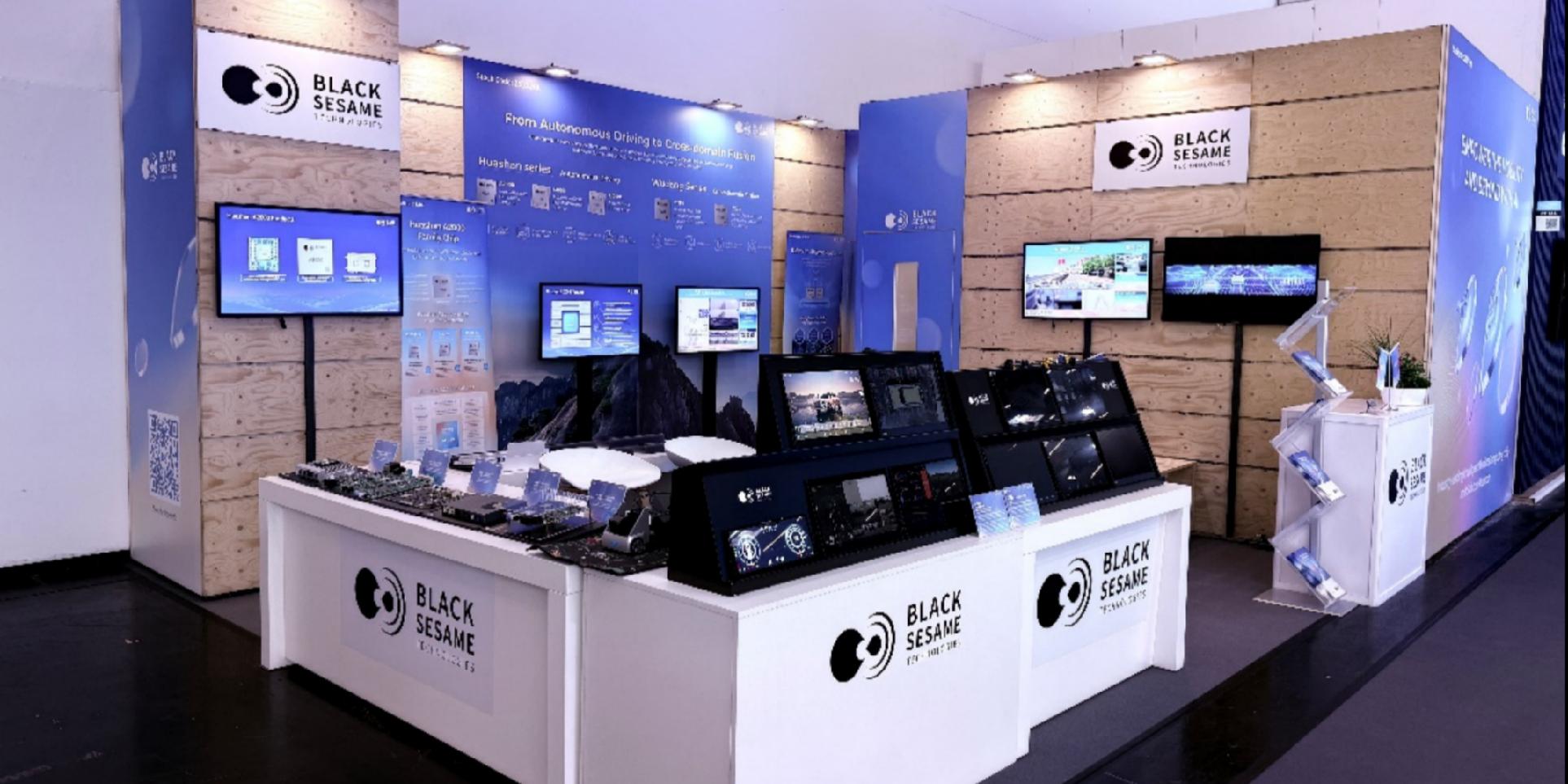
黑芝麻智能慕尼黑登台,中国芯片的“欧洲考题”
Jing Ji Guan Cha Wang· 2025-09-10 09:00
Core Insights - The article highlights the emergence of Chinese chip company Hezhima Intelligent at the IAA Mobility event in Munich, showcasing its capabilities in smart driving technology and positioning itself as a foundational computing platform for intelligent driving [2][3] Regulatory Context - The European Union's General Safety Regulation II (GSR2) mandates that all new vehicle models registered after July 2024 must include a suite of Advanced Driver Assistance Systems (ADAS) features, such as Automatic Emergency Braking (AEB) and Lane Keeping Assistance (ELKS) [2] - Compliance with UNECE R155 and R156 regulations on cybersecurity and software updates is transitioning to full coverage by 2024, creating significant pressure on automotive manufacturers to meet these standards [2] Market Opportunity - Hezhima Intelligent's introduction of the "Safety Intelligent Base" and its Wudang C1200 family of chips aims to alleviate compliance pressures and address cost concerns for European automakers facing challenges from electrification and tariffs [3] - The company has already achieved mass production of its Huashan A1000 family chips in various models, providing a proven track record that enhances its credibility in the European market [3][4] Competitive Landscape - The presence of Chinese chip companies like Hezhima in Europe is not necessarily viewed as a threat; rather, it may accelerate the maturity of the industry by pushing automakers to reassess their cost structures and compliance capabilities in light of stringent regulations [5] - Hezhima's cross-domain integration platform and production experience could position it as a potential secondary or primary supplier for European automakers if it successfully reduces costs and improves development efficiency [6] Challenges Ahead - The rigorous certification and auditing processes in the European market will require Hezhima to provide verifiable evidence of its performance, transitioning from laboratory validation to real-world testing [6] - The success of Hezhima in Europe will depend not only on the computational power of its chips but also on its ability to meet local regulatory requirements and pass through the necessary compliance checks [6]

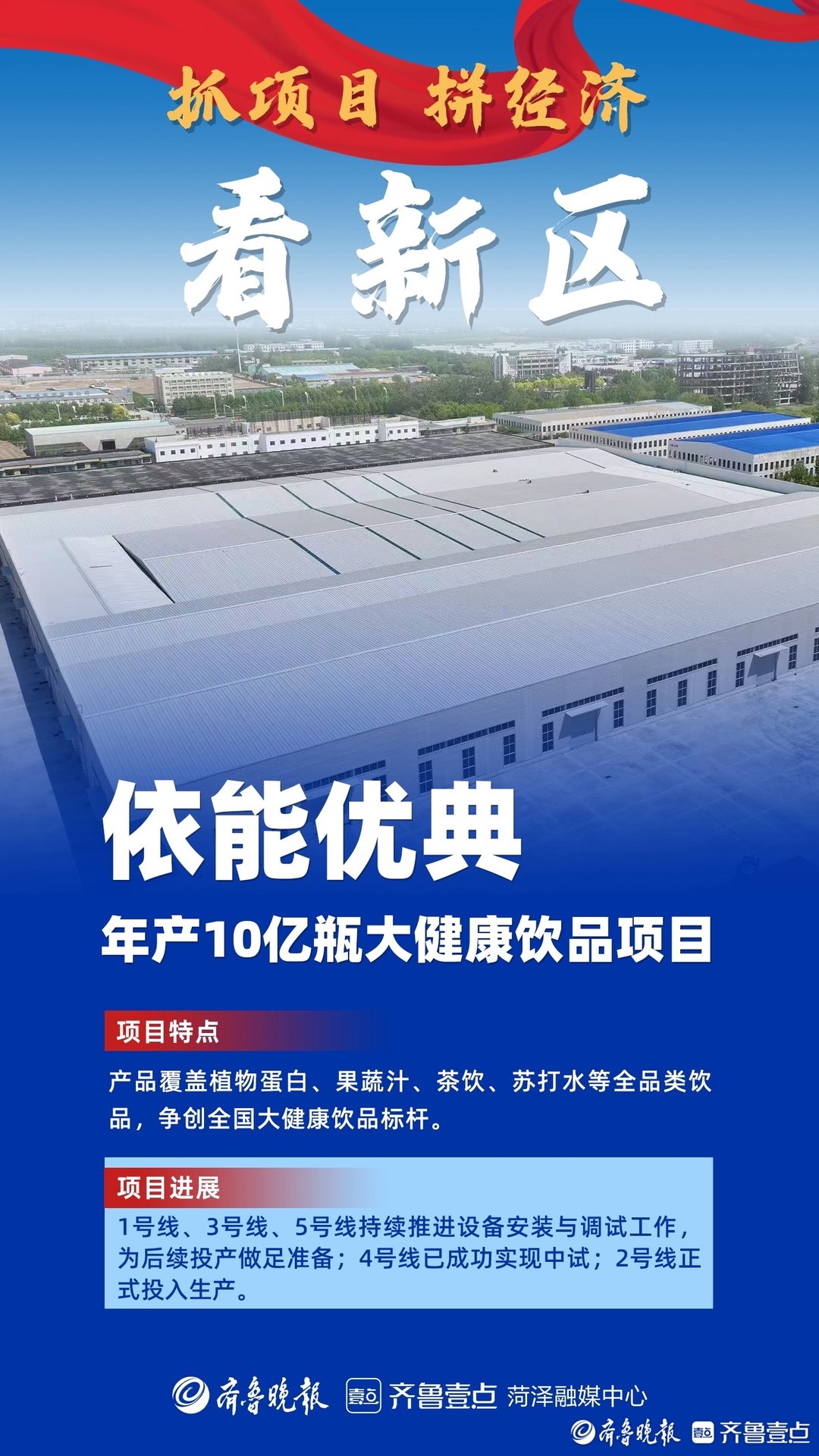
按下“加速键” 鲁西新区多措并举推动项目建设“提档加速”
Qi Lu Wan Bao Wang· 2025-09-10 08:28
Core Viewpoint - The article emphasizes the focus of the Luwest New Area on alleviating difficulties for enterprises, enhancing services, ensuring strong support, and accelerating project implementation to foster high-quality regional economic development [1]. Project Progress - The installation and debugging of equipment for Line 1, Line 3, and Line 5 are ongoing, preparing for future production; Line 4 has successfully achieved pilot testing; Line 2 has officially commenced production [3]. - The modular factory construction has reached full completion of all individual units, with simultaneous installation and flooring work underway, laying a solid foundation for subsequent equipment entry and production [8]. - The main structure of the energy storage project has been completed, with drainage facilities ready for construction, awaiting equipment arrival [17]. - The construction of the high-end injection project is progressing efficiently, with multiple engineering tasks nearing completion [31]. Project Features - The zero-carbon industrial park project is designed specifically for the production and manufacturing of long-duration energy storage batteries and systems, aiming to create the world's first integrated zero-carbon industrial park for long-duration energy storage [7]. - The green energy storage and large-scale energy equipment project, once fully operational, will become a leading national green energy equipment industrial park [11]. - The energy storage project plans to establish two 2.5GWh dedicated battery production lines, four module pack lines, and two energy storage system integration production lines, with an annual production capacity of 5GWh for dedicated energy storage batteries and 3,000 sets of energy storage system equipment [16]. - The automotive fastener project aims to develop a research, production, and sales base for automotive parts, precisely matching the needs of mid-to-high-end models from brands like Ford, Volkswagen, Tesla, Mercedes-Benz, and BMW [20]. - The project for ecological diatom boards focuses on constructing production and deep processing lines for fourth-generation diatom inorganic mineral boards, along with a national-level fireproof material testing center [25].