
追觅科技

Search documents
线下严监管线上仍违规售卖 充电宝行业洗牌静待新国标出台
Zheng Quan Shi Bao· 2025-07-16 23:36
Core Viewpoint - The charging treasure industry is undergoing significant changes due to strict offline regulations and ongoing online violations, leading to a crisis of consumer trust and the anticipation of new national standards [1][8]. Group 1: Impact of Regulations - The recall of several well-known charging treasure brands has caused a major shock in the industry, with the Civil Aviation Administration of China banning passengers from carrying non-3C certified charging treasures on flights [1]. - In Huaqiangbei, the largest electronic product trading hub in China, many vendors have removed non-3C certified products from their shelves, and customers are increasingly inquiring about 3C certification [2]. - The prices of mainstream charging treasures with capacities of 10,000mAh and 20,000mAh have risen, with most fast-charging products now priced above 100 yuan [2]. Group 2: Regulatory Gaps - Despite strict offline checks, low-priced counterfeit charging treasures are still being sold online, with some products priced between 30 to 40 yuan and claiming to have 3C certification [3][4]. - Industry insiders have raised concerns about the authenticity of 3C certifications, suggesting that some companies may be engaging in fraudulent practices [4]. Group 3: Supply Chain Issues - The ongoing crisis highlights the safety issues related to lithium batteries, which account for over 60% of the total cost of charging treasures [6]. - Many manufacturers are cutting costs by using substandard or recycled battery cells, increasing the risk of product failures [6][9]. - The charging treasure market is characterized by a lack of manufacturers with their own battery production lines, leading to quality control issues [7]. Group 4: Industry Restructuring - The charging treasure industry is expected to undergo a significant reshuffle, with new players entering the market and existing companies facing increased scrutiny [8][10]. - The upcoming national standards will impose stricter technical requirements, potentially eliminating non-compliant manufacturers from the market [10][11]. - The new standards are anticipated to improve safety and reduce the chaotic competition that has previously plagued the industry [11].
从“初创混战”到“巨头割据”!大厂疯抢的割草机器人赛道该如何破局?
机器人大讲堂· 2025-07-15 07:29
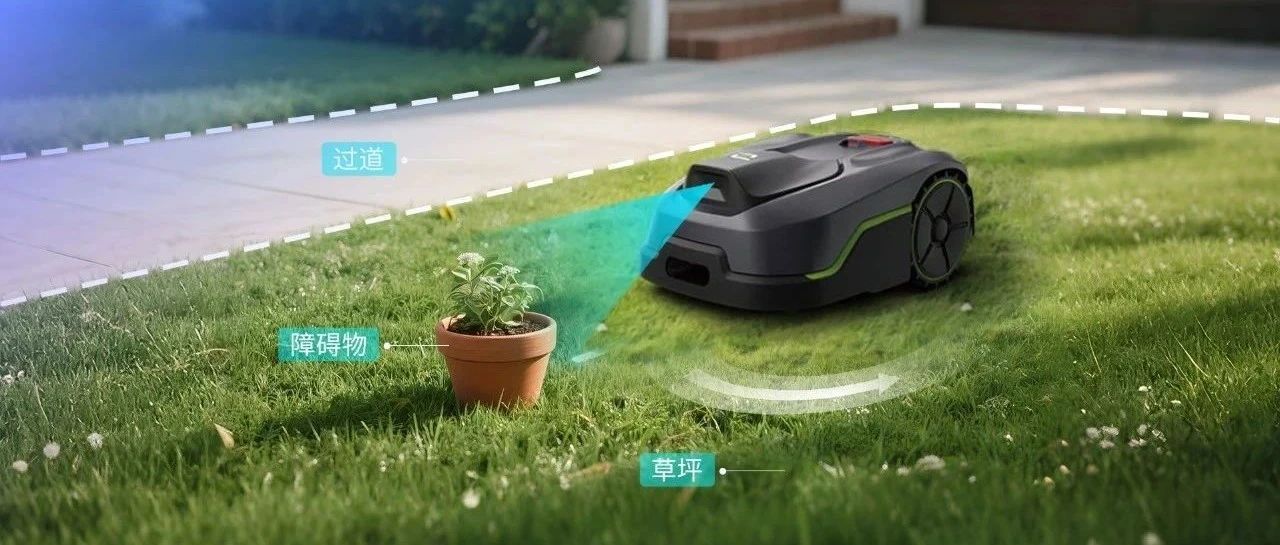
Core Insights - The lawn mowing robot industry is transitioning from a startup-dominated market to one where established companies are competing, driven by increasing capital market interest and significant events in Europe and the US [1][2] - The demand for smart lawn mowers has shifted from being optional consumer goods to essential household appliances, with the European and American market expected to exceed $6 billion by 2025 [1] Market Dynamics - The competition in the smart lawn mower market is intensifying, leading to a focus on price reduction while maintaining performance and user experience [2] - Current mainstream solutions include RTK positioning, laser radar navigation, UWB technology, and pure vision solutions, each with its own advantages and limitations [2][4] Technological Advancements - Pure vision solutions demonstrate significant advantages in cost, convenience, and environmental adaptability, reducing hardware costs by over 80% compared to laser radar solutions [4] - The pure vision approach allows for easy installation and maintenance, requiring only five minutes for mapping, and performs well in complex environments [4][9] Product Development - Guanghetong has developed a complete solution based on pure vision technology, integrating advanced computer vision algorithms and hardware design to enhance environmental perception, autonomous positioning, and intelligent decision-making [5][16] - The solution includes core components and SDKs for path planning and energy management, significantly lowering development barriers and deployment costs for the smart lawn mower industry [5][16] Performance Features - The solution features algorithms for boundary distinction, obstacle avoidance, and global planning, utilizing dual cameras for real-time environmental data analysis [7][10] - It employs VSLAM technology for high-precision navigation and robust performance, effectively controlling positioning errors [7][10] Market Recognition - Guanghetong's pure vision solution has gained international recognition, with successful deployments in Europe and positive reviews from authoritative evaluation agencies [13][14] - The solution is expected to disrupt the high-end market and lower industry entry barriers, encouraging more small and medium-sized manufacturers to enter the market [16]




中金 | 精品数据 • 月度上新:潮流玩具、清洁电器、海外宏观、短视频
中金点睛· 2025-07-13 00:36
Group 1: Trend Analysis of Toy Sales - The article provides insights into the online sales data of trendy toys, focusing on brands like Pop Mart, LEGO, and Blokus across major platforms such as Tmall, JD, and Douyin [2] - Monthly sales figures for Pop Mart are highlighted, indicating a significant trend in the collectible toy market [2] Group 2: Cleaning Appliances Market Overview - The article tracks the monthly data of the cleaning appliance industry, covering categories like robotic vacuums and floor washers, along with key players such as Roborock, Ecovacs, and Xiaomi [3] - Retail details for both online and offline channels are provided, offering a comprehensive view of sales performance [3] Group 3: Global Economic Indicators - The article monitors key economic indicators from major overseas economies, including GDP, inflation, labor market, real estate, and trade metrics [5] - Specific attention is given to the U.S. Consumer Price Index (CPI) trends, both month-on-month and year-on-year [5] Group 4: Short Video Industry Metrics - The article features a database on the short video industry, updating monthly statistics on active user counts and average usage duration for key applications like Douyin and Kuaishou [7] - Comparative analysis of monthly active users across major short video platforms is presented [7]

石头科技A+H:单季度净利同比连降,“以价换量”海内外一招鲜
Xin Lang Cai Jing· 2025-07-08 14:39
Core Viewpoint - The article discusses the recent trend of Chinese companies, including Stone Technology, seeking secondary listings in Hong Kong to enhance international market presence and address challenges in the domestic market [3][4]. Group 1: Company Developments - Stone Technology has submitted its listing application to the Hong Kong Stock Exchange, aiming to leverage international markets for growth [3]. - The company has seen a significant decline in stock price, dropping nearly 90% from its peak, with a market capitalization falling below 40 billion yuan [3][4]. - The company plans to use part of the funds raised from the IPO to expand international operations and enhance brand recognition [4]. Group 2: Market Performance - The Chinese vacuum cleaner market has seen a decline in sales from over 6 million units in 2020 to 4.58 million units in 2023, with a slight recovery in 2024 [4]. - Stone Technology has achieved a 16% market share in the global smart vacuum cleaner market, surpassing iRobot [4]. - In 2024, overseas revenue accounted for 53.46% of Stone Technology's total revenue, with a growth rate of 51.06%, significantly higher than the domestic market's 25.39% [4]. Group 3: Financial Performance - From 2020 to 2024, Stone Technology's revenue grew from 4.53 billion yuan to 11.94 billion yuan, with a compound annual growth rate of 27.43%, while net profit grew at a slower rate of 9.62% [8][10]. - The company's net profit margin decreased from 30.23% in 2020 to 16.55% in 2024, indicating challenges in maintaining profitability [9][10]. - The sales expense ratio increased from 13.69% to 24.84% from 2020 to 2024, reflecting higher marketing costs to gain market share [10][12]. Group 4: Competitive Landscape - The vacuum cleaner industry is becoming increasingly competitive, with many players entering the market, leading to product homogenization [14]. - Stone Technology's reliance on marketing over innovation raises concerns about its ability to establish a strong technological moat in a crowded market [14][15]. Group 5: Legal Challenges - Stone Technology is facing legal issues regarding patent disputes with a competitor, which have resulted in significant financial losses and operational disruptions [16]. - The company has missed key sales opportunities due to legal restrictions, impacting its market performance [16]. Group 6: Diversification Efforts - Stone Technology's attempt to diversify into the washing machine market has faced setbacks, including significant layoffs within the newly established division [18][20]. - The company's founder has also ventured into the automotive sector, raising concerns among investors about focus and resource allocation [22][24].



72%消费者信AI下单,官网已成“流量坟场”?GEO是生存唯一出路
3 6 Ke· 2025-07-07 08:23
Core Insights - The article discusses the recommendations for home cleaning machines, particularly floor washing machines, highlighting various brands and models that are favored by different AI models [1][23][24]. Brand Recommendations - DeepSeek recommends brands such as Roborock, Ecovacs, and Dreame for their cleaning machines [1]. - Yuanbao suggests Panasonic, Ecovacs, and Roborock as top choices [1]. - Doubao highlights Ecovacs, Yunji, Roborock, and Dreame as preferred options [1]. - Quark also recommends Roborock, Ecovacs, Dreame, and Yunji [1]. Price and Model Options - Basic model: Panasonic MC-RS555 (¥2999) + antibacterial mop (¥200), total budget ¥3200 [7]. - Flagship model: Ecovacs T80 (¥4299) + silver ion antibacterial module (¥499), total budget ¥4800 [7]. - Lazy model: Roborock G20S (¥4599) + automatic dust collection base (¥699), total budget ¥5300 [7]. Consumer Behavior and AI Influence - A survey by Accenture shows that 72% of consumers frequently use generative AI tools, with half relying on AI recommendations for purchases [23]. - 10% of consumers consider AI as the most trustworthy source for purchase decisions [23]. - The emergence of Generative Engine Optimization (GEO) is noted, focusing on how brands can ensure visibility in AI recommendations [24]. AI Brand Recognition Rankings - In the cleaning appliance category, Roborock ranks first for floor washing machines, followed by Dreame and Yunji [24]. - The AI recognition index for Roborock is 99.3, indicating strong brand awareness and preference [26]. - Ecovacs and Midea also feature prominently in the rankings, showcasing their competitive positioning in the market [26]. Marketing Implications - Brands are encouraged to understand how AI interprets products and to embed relevant features in their marketing content to enhance visibility [35]. - The article emphasizes the need for brands to adapt to the evolving landscape of AI-driven consumer interactions to avoid being overlooked [23][24].
吴中金控杨冬琴:耐心资本直击产业痛点,助力“全国机器人产业集群第一区”建设
证券时报· 2025-07-05 08:25
Core Viewpoint - The article discusses the establishment and growth of the Suzhou Wuzhong District Robot Industry Investment Fund, which aims to accelerate the incubation of technology enterprises, the transformation of scientific achievements, and the optimization of industrial chains in the region. The district is striving to become the "National Robot Industry Cluster No. 1" with significant capital investment driving this initiative [1][4]. Group 1: Fund Establishment and Scale - The Suzhou Wuzhong District Robot Industry Investment Fund was officially launched on July 1, with a total scale of 1.1 billion yuan [1]. - The district has previously established a 10 billion yuan robot industry fund group and a 5 billion yuan special fund for robots at the beginning of the year [1][4]. - The investment funds are structured using a "mother fund + direct investment" model, focusing on key industrial clusters such as "robotics + artificial intelligence" [1][4]. Group 2: Investment Strategy and Collaboration - The investment strategy involves collaborating with leading enterprises like Ecovacs and Zhimi Technology to expand Corporate Venture Capital (CVC) funds, enhancing the local robot industry's supply chain [4][5]. - The funds aim to address industry pain points by investing in early-stage and mature companies within the robotics sector [5][6]. - A partnership with Harbin Institute of Technology has led to the establishment of a 300 million yuan youth talent fund for intelligent robotics, aiming to bridge the gap between research and industry [6]. Group 3: Policy and Market Environment - The district's government report emphasizes the importance of nurturing "patient capital" and enhancing technology financial services to support early, small, and long-term investments in hard technology [8]. - The investment approach includes extending investment periods and implementing tiered profit-sharing mechanisms to encourage market-driven General Partners (GPs) to invest [8][9]. - The focus on supporting small and medium-sized enterprises and attracting investment is increasingly becoming a key evaluation criterion for state-owned capital investment institutions [8]. Group 4: Industry Development and Future Plans - By the end of 2024, the district expects to have over 1,100 "robotics + artificial intelligence" related enterprises, including 14 listed companies and 166 enterprises with over 100 million yuan in revenue [4]. - The district has established a complete innovation chain from basic research to application development and industrialization, with a significant share of the national service robot production [10]. - In the second half of the year, the focus will remain on the robotics industry, with plans to add three new direct investment management funds and recruit specialized teams for various industries, including robotics [11].


从衬衫到机器人:中国对日出口变了 | 海斌访谈
Di Yi Cai Jing· 2025-07-03 09:13
Group 1: Industry Trends - The aging population in Japan necessitates the integration of flexible robots into society, with a significant increase in robot deployment in various sectors, including logistics and hospitality [8][9] - The textile and apparel manufacturing base is shifting from China to Southeast Asian countries like Vietnam and Bangladesh, indicating a structural change in China's export landscape [4][12] - Chinese exports are increasingly focused on technology-intensive products such as headphones, smartphones, and robots, while traditional textile products are declining in significance [4][13] Group 2: Company Performance - Fast Retailing's Uniqlo has seen record sales in Japan, with a notable shift in the production of apparel from China to Southeast Asia, reflecting changing supply chain dynamics [3][4] - Chinese consumer electronics brands, such as Soundcore and Roborock, are achieving significant sales growth in Japan, with a reported 25% year-on-year increase in sales for Chinese brand sellers on Amazon Japan [4][5] - Companies like Qinglong Intelligent are becoming key players in the Japanese market for delivery and cleaning robots, with a focus on optimizing product design for local needs [5][12] Group 3: Market Opportunities - The demand for restaurant and cleaning robots in Japan is substantial, with estimates suggesting a need for at least 800,000 units across various sectors [6] - Chinese robotics companies are increasingly investing in Japan, with plans to establish local bases and develop tailored solutions for the Japanese market [12] - The competitive pricing and rapid iteration capabilities of Chinese-manufactured robots position them favorably against Japanese counterparts, which struggle with higher costs and longer development cycles [12]


★商业化路径渐明 资本竞逐家用机器人赛道
Zheng Quan Shi Bao· 2025-07-03 01:56
Core Insights - The home robotics sector is attracting significant investment and IPO activity, with companies like Woan Robotics and LeXiang Technology making notable advancements in funding and product development [1][2][3] - The market for AI-enabled home robots is expected to experience explosive growth, with projections indicating an increase from 5.9 billion yuan in 2024 to 62.4 billion yuan by 2029, reflecting a compound annual growth rate of 60.2% [5][6] Company Developments - Woan Robotics, founded in 2015 and incubated by Li Zexiang, has submitted an IPO application to the Hong Kong Stock Exchange and offers a diverse product matrix covering seven categories of AI-enabled home robots [2][3] - LeXiang Technology has completed a series A+ funding round, raising nearly 300 million yuan in total funding, focusing on the development of general-purpose small home robots [2][3] - LuMing Robotics, established in 2024, has successfully completed multiple funding rounds, raising nearly 200 million yuan, and is preparing for mass production of its full-size humanoid robot, LUS [3][4] Market Trends - The home robotics market is characterized by a division between companies focusing on general-purpose robots and those targeting specific home applications, with the latter showing a clearer path to commercialization [4][6] - Industry experts suggest that while humanoid robots are gaining attention, specialized home robots are more likely to achieve commercial success sooner due to their focus on high-frequency, essential tasks [6][7] Financial Performance - Cloud Whale Technology reported a revenue increase of over 130% year-on-year for 2024, with international market growth nearing 700%, and has achieved stable profitability [7] - Woan Robotics, while not yet profitable, has shown promising revenue growth from 275 million yuan in 2022 to an expected 610 million yuan in 2024, indicating a potential path to profitability [7]
美团押注!原[大疆]技术总监、「特斯拉」Optimus工程师杨硕成立具身智能机器人创企,完成首轮融资
Robot猎场备忘录· 2025-07-02 05:00
Core Viewpoint - Mondo Tech, a startup founded by former DJI and Tesla engineers, has successfully completed its angel round of financing, indicating strong investor interest in the embodied intelligence robotics sector [3][6]. Company Overview - Mondo Tech was established in January 2025, with offices in both Silicon Valley and Shenzhen, and plans for a Shanghai branch [6][7]. - The founding team includes Yang Shuo, a former technical director at DJI and engineer at Tesla, and Gao Jianrong, a senior director at DJI [10][11]. Investment Landscape - The angel round financing for Mondo Tech includes investments from prominent firms such as Matrix Partners, Meituan Longzhu, and Sequoia Capital, highlighting the high caliber of its founding team [3][6]. - The trend of major tech companies investing in embodied intelligence robotics is evident, with firms like Google, OpenAI, and Meta leading the charge, followed by domestic giants like Ant Group and JD Group [6][19]. Team Composition - Mondo Tech is actively recruiting top talent from leading tech companies and universities, focusing on both hardware and algorithm development [11][12]. - The team is expected to leverage the strengths of both the US and China, with the US focusing on algorithms and China on hardware [11][12]. Product Strategy - Mondo Tech plans to initially develop smaller consumer-oriented robots before progressing to full-sized humanoid robots, adopting a pragmatic approach to commercialization [15][19]. - The company aims to create products that cater to family scenarios, including companion robots and small humanoid robots [15][19]. Market Context - The consumer robotics market is still in its infancy, with few successful products, indicating a challenging landscape for new entrants [19][21]. - The success of Mondo Tech and similar startups will depend on breakthroughs in robotics "brains" and the integration of AI, robotics, and autonomous driving technologies [21][22].


苏州市具身智能机器人综合创新中心在吴中区启用
Su Zhou Ri Bao· 2025-07-02 00:16
今年,我市启动建设具身智能机器人综合创新中心。该中心由市科技局牵头,总部设在吴中区,通 过"1+X+N"战略布局,整合全市创新资源,打造具有全球影响力的具身智能机器人创新策源地。吴中区 在吴中太湖新城设置13万平方米研发孵化基地,在吴中高新区具身智能产业园设置17万平方米生产制造 基地,募集总规模达14亿元的两只产业基金,致力于加速创新资源集聚、标杆产品培育、应用场景拓 展。 昨天(7月1日),苏州市具身智能机器人综合创新中心在吴中区启用,苏州市具身智能机器人训练 中心、苏州(吴中)具身智能产业园同时揭牌。 近年来,苏州充分发挥产业基础雄厚的优势,围绕机器人核心零部件、系统集成、本体制造等重点 领域,集聚优质创新资源,优化完善创新生态,加快发展具身智能产业。目前,全市已汇聚科沃斯、追 觅科技、魔法原子、乐聚等一批知名企业,产业产值突破1500亿元。 综合创新中心的训练中心内,无人机作业、模拟家庭服务、模拟医疗服务等不同场景训练区一应俱 全,各类机器人通过多维度任务场景开展实操训练。测试现场,一只导盲犬机器人正在引导视障人士行 走。"导盲犬机器人的训练需要与复杂外部环境交互,这里有家庭、医院、办公室等不同场景, ...