
顺丰控股

Search documents
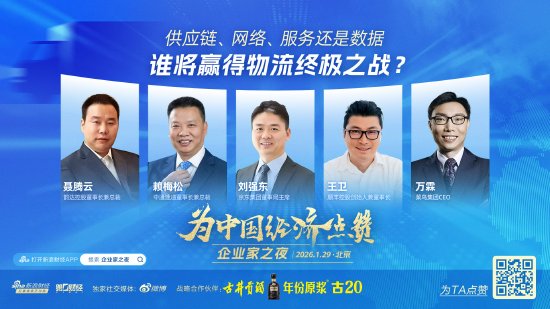
五大物流巨头,谁将赢得行业终极之战?
Xin Lang Cai Jing· 2025-12-26 07:31
Core Viewpoint - The logistics industry is undergoing significant transformation driven by technological advancements and diverse consumer demands, impacting operational efficiency and overall economic vitality [1][6]. Group 1: Industry Overview - The logistics sector is described as a vital component of the economy, influencing both business operations and consumer experiences [1][6]. - Key elements of competition in the logistics industry include supply chain optimization, network layout improvement, service quality enhancement, and data technology application [1][6]. Group 2: Company Highlights - Yunda Holdings, led by Chairman Nie Tengyun, emphasizes technology-driven logistics, advancing digital supply chain construction and optimizing network structure to enhance sorting efficiency and delivery speed [3][10]. - ZTO Express, under Chairman Lai Meisong, reported a package volume of 9.57 billion in Q3 2025, a year-on-year increase of 9.8%, with adjusted net profit rising by 5.0% to RMB 2.51 billion and revenue reaching RMB 11.86 billion, up 11.1% [3][10]. - JD Group, led by Liu Qiangdong, achieved logistics revenue of RMB 55.1 billion in Q3 2025, a 24.1% year-on-year growth, with adjusted net profit of RMB 2.02 billion, driven by overseas business expansion [4][11]. - SF Holding, under Wang Wei, strengthened its position in the high-end logistics market, achieving revenue of RMB 225.26 billion in the first three quarters of 2025, a growth of 8.89%, and a net profit of RMB 8.31 billion, up 9.07% [4][11]. - Cainiao Group, led by CEO Wan Lin, made significant progress in building a global smart logistics network, achieving rapid cross-border transportation and precise delivery, with daily package volume in Latin America showing triple-digit growth [5][12].




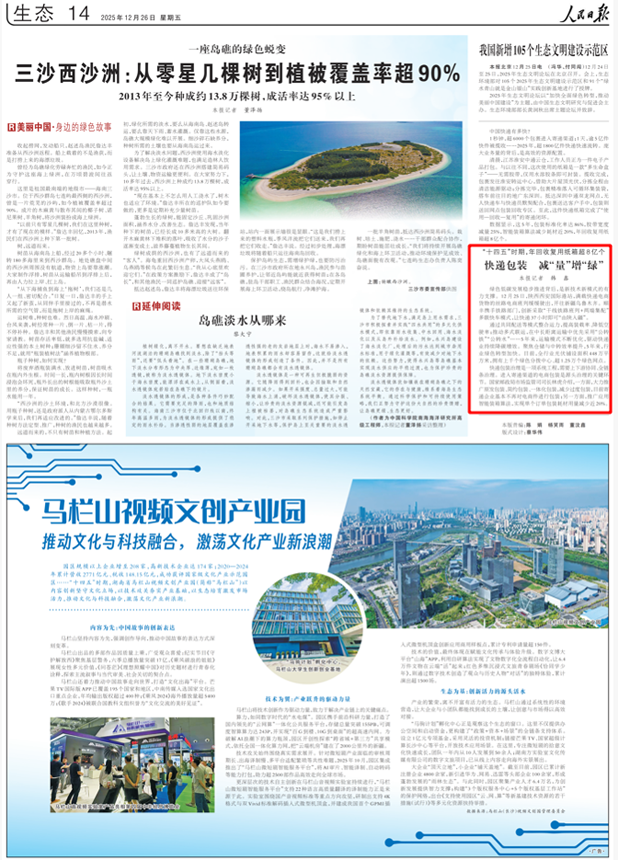
人民日报:快递包装 减“量”增“绿”
Ren Min Ri Bao· 2025-12-26 02:41
Group 1 - The core viewpoint of the news highlights the significant advancements in ecological and sustainable practices within the express delivery industry, showcasing a shift towards green logistics and packaging solutions [6][7][8] Group 2 - The express delivery sector has achieved a packaging standardization rate of 86% over the past five years, with a 25% reduction in tape width and a nearly 20% decrease in material consumption due to smart packing algorithms [7][8] - The industry has recycled over 800 million cardboard boxes annually, indicating a strong commitment to circular economy practices [6][7] - The integration of new technologies and models, such as the "multi-modal transport" approach, has optimized transportation efficiency, reducing carbon emissions and enhancing operational effectiveness [6][7]
面包市场分化:桃李下滑,宾堡扩张丨消费参考
2 1 Shi Ji Jing Ji Bao Dao· 2025-12-26 02:36
Group 1: Company Performance - Tao Li Bread reported a revenue decline of 12.88% year-on-year to 4.049 billion yuan for the first three quarters of 2025, with a net profit attributable to shareholders down 31.49% to 298 million yuan [1] - In Q3, Tao Li's revenue fell by 11.64% year-on-year to 1.437 billion yuan, and net profit dropped by 35.05% to 94 million yuan [1] - The company experienced a nationwide sales decline, with revenues in the North, Northeast, and East China regions decreasing by 10.14%, 14.24%, and 8.25% respectively, while the Central region saw a revenue increase of 7.78% to 60 million yuan [1] Group 2: Competitive Landscape - Bimbo Group is in an expansion phase in China, with a significant increase in effective sales points compared to the previous year, and is likely experiencing revenue growth [2] - Bimbo's growth is driven by B2B channels, including long-term supply agreements with well-known fast-food chains and airlines, and a recent strategic agreement with Dingdong Maicai for overseas business expansion [3] - Bimbo's B2B operations benefit from higher gross margins due to reduced channel costs and marketing expenses, with brand recognition aiding market entry [3] Group 3: Market Strategy - Bimbo's strategy of controlling scale while expanding B2B markets is seen as a viable path for survival in the current market environment [6] - Despite Bimbo's growth, it still has a distance to cover to match Tao Li's overall national scale, but focusing on key urban areas is considered beneficial for stable performance [5]


财达证券每日市场观-20251226
Caida Securities· 2025-12-26 02:14
Market Overview - The Shanghai Composite Index rose by 0.47%, while the Shenzhen Component and ChiNext Index increased by 0.33% and 0.3% respectively on December 25[2] - The net inflow of funds into the Shanghai Stock Exchange was 22.199 billion yuan, and 7.794 billion yuan into the Shenzhen Stock Exchange on the same day[3] Sector Performance - Key sectors showing gains included automotive parts, general equipment, and aerospace, while precious metals and energy metals faced declines[1] - The technology sector remains a focal point for investment, with significant interest in commercial aerospace and humanoid robotics[1] Economic Indicators - The core sales revenue of China's digital economy grew by 10% year-on-year in the first 11 months of the year, outpacing the overall growth rate of enterprises[5] - Notable growth in sales revenue was observed in smart device manufacturing (28.2%) and electronic components (10.9%) during the same period[5] Policy Developments - The National Development and Reform Commission emphasized the need for infrastructure modernization and the promotion of private sector participation in construction and operation[4] - New regulations for medical device export sales certificates are set to take effect on May 1, 2026, aimed at facilitating exports and enhancing service efficiency[9][10] ETF Market Dynamics - China's ETF market reached a new high of 5.97 trillion yuan, with a net inflow of 92.8 billion yuan on the previous trading day, approaching the 6 trillion yuan milestone[12] - The cross-border ETF market has seen a significant increase of 118% year-to-date, reaching a total scale of 924.121 billion yuan[14]
年回收复用纸箱超8亿个,快递包装 减“量”增“绿”
Ren Min Ri Bao· 2025-12-26 00:34
Core Insights - The express delivery industry in China is experiencing rapid growth, with over 6000 packages entering the delivery channel every second and more than 5 billion packages collected daily, projected to exceed 180 billion packages by 2025 [1][2] - The industry is focusing on sustainable practices, achieving a packaging standardization rate of 86% over the past five years, reducing tape width by 25%, and decreasing material consumption by nearly 20% through smart packing algorithms [1][2] Group 1: Packaging Innovations - The introduction of the "multi-life box" allows for packaging without tape, using only water-soluble adhesive strips, contributing to a closed-loop system of "use-recycle-reuse" [1] - Over the past five years, the annual recycling and reuse of cardboard boxes has exceeded 800 million units [1] Group 2: Transportation and Logistics - The industry is adopting new transportation models, such as the "trunk railway class + two-end distribution" model, which allows for expedited delivery times, such as 37 hours from Shaanxi to Xinjiang [2] - The optimization of transportation modes has led to increased loading rates and reduced empty running rates, contributing to carbon reduction and efficiency improvements [2] Group 3: Green Initiatives - The express delivery sector has made significant strides in green transformation, with 4.48 million square meters of photovoltaic installations and over 1,000 green distribution centers established [2] - The promotion of original packaging, simplified packaging, and integrated packaging is key to reducing excessive packaging in the industry [2]
快递行业业务量持续增长,“反内卷”利好单票价格回升,无人车打开新空间
Mei Ri Jing Ji Xin Wen· 2025-12-26 00:12
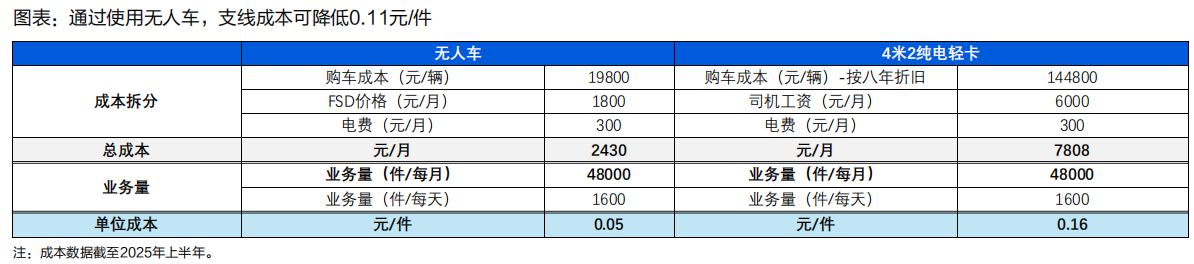
Core Insights - The express delivery industry in China is experiencing a shift towards "anti-involution," leading to an increase in per-package pricing and improved profitability for companies [1][3] - The demand for e-commerce logistics remains resilient, supported by robust internet infrastructure and diverse e-commerce platforms in China, which is the world's largest e-commerce market [1] - New e-commerce models such as live streaming and short video sales are rapidly developing, creating a symbiotic relationship between e-commerce and express delivery [1] Industry Growth Characteristics - The express delivery sector has entered a phase of moderate growth, with core drivers shifting from "penetration rate increase" to "structural growth," characterized by: 1. Package smallization due to increased repurchase frequency of affordable goods [2] 2. Rising demand for reverse logistics driven by higher e-commerce return rates [2] 3. Expansion of new models like live e-commerce and community group buying [2] Market Performance and Projections - In 2024, China's online retail sales of physical goods reached 13.08 trillion yuan, a year-on-year increase of 6.5%, maintaining its position as the largest online retail market globally [2] - The express delivery volume and revenue for 2024 were 174.5 billion packages and 1.4 trillion yuan, respectively, reflecting year-on-year growth of 21% and 13% [2] - By November 2025, the cumulative express delivery volume reached 180.74 billion packages, with a year-on-year growth of 14.9% [2] Pricing and Profitability Trends - In October 2025, the average revenue per package in the express delivery industry was 7.48 yuan, a decrease of 3.0% year-on-year, but the decline in revenue per package is slowing [3] - Major companies like Shentong and Yunda reported increases in per-package revenue of 7.4% and 4.5%, respectively, indicating the effectiveness of the "anti-involution" pricing policy [3] Industry Consolidation and Competitive Landscape - The concentration of the express delivery industry is increasing, with the market share of the top eight companies (CR8) reaching 87.0% by October 2025, up 0.1 percentage points from the previous period [3] - Leading companies are optimizing the competitive environment through the "anti-involution" policy, resulting in simultaneous increases in market share and profitability [3] Cost Structure and Efficiency Improvements - For SF Express, labor and transportation costs accounted for 84% of total per-package costs in 2024, with significant potential for cost reduction in the last-mile delivery segment [4] - The introduction of autonomous delivery vehicles could reduce transportation costs per package from 0.16 yuan to 0.05 yuan, representing a cost reduction of 69% [4][5] Investment Opportunities - Despite a recent adjustment in stock prices for express delivery companies, the continuous improvement in profitability presents significant investment opportunities [6] - For instance, SF Express's dynamic price-to-earnings ratio was 17.60 as of December 17, 2025, down from a peak of 121.04 yuan in 2021, indicating potential for recovery and growth [6]


顺丰速运苏南区总部在吴江启用
Xin Lang Cai Jing· 2025-12-25 21:26
Core Viewpoint - The establishment of SF Express's Suzhou South Headquarters marks a significant advancement in smart logistics, aiming to enhance regional economic growth and industrial collaboration in the Suzhou, Wuxi, and Changzhou areas [1] Group 1: Company Overview - SF Express's Suzhou South Headquarters is located in the Taihu New City Ring Enterprise Center and is a key operational hub for the company in the region [1] - The headquarters oversees the logistics network and customer service across Suzhou, Wuxi, and Changzhou, employing approximately 20,000 staff [1] Group 2: Logistics Network and Capacity - The logistics network in the region achieves 100% coverage across the three cities, supported by 9 intelligent modern logistics transfer centers [1] - The daily package processing capacity of the region reaches 4 million, effectively meeting the logistics demands of Suzhou, Wuxi, and Changzhou [1] Group 3: Strategic Goals - SF Express aims to implement a strategy focused on "technology-driven, data-enabled, green and low-carbon, and customer-centric" principles [1] - The company plans to deepen its digital supply chain capabilities and enhance localized service capabilities to contribute to the high-quality development of the Yangtze River Delta integration [1] - SF Express aspires to become a leader in regional smart logistics and supply chain innovation [1]
顺丰直营底盘稳固 全球物流布局剑指第二增长曲线
Mei Ri Jing Ji Xin Wen· 2025-12-25 14:53
Group 1 - The core viewpoint of the article highlights SF Holding's strong market position in high-end express delivery and its strategic focus on cross-border logistics to capture growth opportunities in international markets [1][2][3] Group 2 - SF Holding maintains a solid foundation in express delivery, achieving market shares of 64% in high-end express and 51% in mid-to-high-end economy segments by 2024, leading the industry [2] - The company serves over 2.35 million active monthly customers and 760 million individual members, leveraging its strong brand and service quality to establish long-term partnerships [2] - SF Holding's single ticket revenue for logistics reached 15.5 yuan and 13.8 yuan in 2024 and the first three quarters of 2025, significantly higher than competitors' 1.9 to 2.3 yuan per ticket, reflecting its brand premium [2] Group 3 - The global market presents vast opportunities, with SF Holding focusing on its "Asia Only, Global Coverage" strategy to provide high-efficiency logistics products and supply chain solutions [3] - The company is enhancing its global air network, customs clearance capabilities, and expanding overseas warehousing to improve cross-border fulfillment [3] - The Asian logistics market is projected to grow at an average annual rate of 5.1% from 2024 to 2029, with the global logistics market size estimated at approximately $11.8 trillion, indicating significant growth potential for SF Holding's supply chain and international business [3]
快递行业业务量持续增长 反内卷利好单票价格回升
Mei Ri Jing Ji Xin Wen· 2025-12-25 14:45
2025年,反内卷成为快递行业关键词,快递单票价格出现上涨。从数据上来看,电商快递行业需求仍然 保持韧性增长。此外,无人机、无人车等智能技术在快递行业的推广应用不断加快。随着盈利水平改 善,A股快递板块的投资机会值得重视。 业务量维持韧性增长 得益于我国完备的互联网基础设施建设、物流网络及多样化电商平台,我国拥有世界最大电商市场。近 年来,短视频和直播带货等新兴电商模式迅速发展。电商与快递是"火借风势,风助火威"的共生关系, 电商为快递提供了海量需求,快递则为电商的用户体验提供了核心保障,两者在相互成就中实现了共赢 发展。 2024年,在全面推进"消费品以旧换新"政策、电商平台创新性调整促销周期策略等因素的影响下,消费 市场潜能加速释放,带动相关商品销售保持增长,电商平台销售额表现亮眼。根据国家统计局公布的数 据,2024年全国实物商品网上零售额为130816亿元,同比增长6.5%,中国网购规模持续稳定增长,已 连续12年成为全球最大网络零售市场。同年,我国快递业务量和业务收入分别完成1745亿件和1.4万亿 元,同比分别增长21%和13%。 2025年以来,我国快递业务量持续保持较快增长态势。据国家邮政局数 ...
“十四五”期间中国快递包装治理取得阶段性成效
Zhong Guo Xin Wen Wang· 2025-12-25 13:19
Core Insights - The Chinese express delivery industry has made significant progress in green and low-carbon development during the "14th Five-Year Plan" period, particularly in packaging governance [1][2] Group 1: Achievements in Packaging Governance - The State Post Bureau reported that during the "14th Five-Year Plan," the express delivery industry achieved full coverage of electronic waybills and reusable transit bags, with a packaging standardization rate of 86% [1] - The thickness of packaging boxes and bags has been reduced by over 50%, and tape width has been reduced by 25% [1] - Smart packing algorithms have decreased material usage by nearly 20%, while the proportion of reusable packaging in same-city deliveries has reached 10% [1] - Over 800 million cardboard boxes are recycled annually, indicating a continuous improvement in the greening, reduction, and recyclability of express packaging [1] Group 2: Regulatory and Policy Framework - The regulatory framework for the industry has become more comprehensive, with the introduction of 3 laws, 15 standards, and 9 policies that align with green principles [2] - A systematic framework has been established that features complementary legal regulations, coordination between national and local policies, and integration of national and industry standards [2] - The effectiveness of the "four transformations" (standardization, circularity, reduction, and harmlessness) in packaging governance has been continuously enhanced [2] Group 3: Carbon Reduction Strategies - The postal industry is advancing carbon reduction through collaboration at four key nodes: collection, transfer, transportation, and delivery [2] - In the collection phase, carbon reduction is achieved through source reduction and green alternatives [2] - The transfer phase focuses on optimizing energy structure with green intelligent facilities [2] - The transportation phase employs a dual approach of "new energy + multimodal transport" to enhance low-carbon efficiency [2] - In the delivery phase, the use of unmanned technology and intelligent algorithms promotes carbon reduction at the final delivery stage [2]