
中国重工

Search documents
日本造船业豪掷万亿赌明天,中韩格局之下能否杀出回血路?
Sou Hu Cai Jing· 2025-11-12 07:12
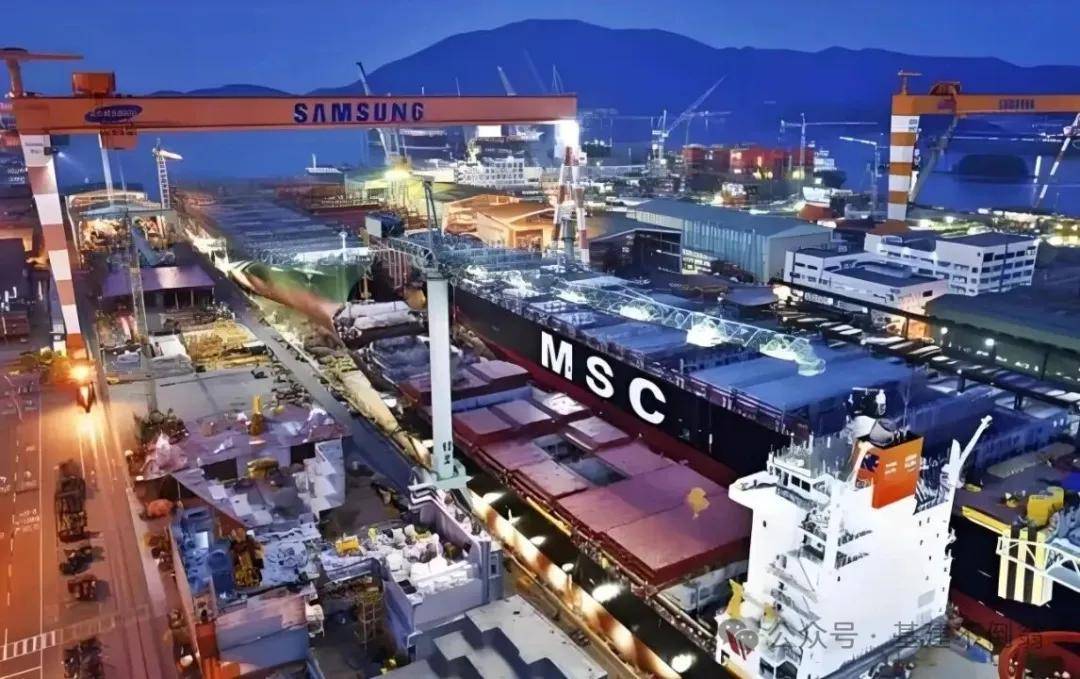
Core Viewpoint - The Japanese shipbuilding industry is undergoing a significant revival effort, with the government planning to establish a special fund of 1 trillion yen (approximately 47 billion RMB) to increase Japan's global market share from 13% to 20% by 2035 [1] Group 1: Government Initiatives - The initiative has been strongly promoted by the ruling Liberal Democratic Party and is included in the proposed supplementary budget for the fiscal year 2025, indicating the government's commitment [1] - The fund aims to modernize old facilities, establish automated production lines, and enhance research and development in new energy ship technologies [1] Group 2: Industry Challenges - Japan's shipbuilding industry faces severe challenges, having seen its global market share drop from nearly 50% in the 1970s to less than 10% today, lagging behind China and South Korea [1] - High labor costs and an aging workforce are significant internal challenges, with younger generations reluctant to enter the shipbuilding sector [3] Group 3: Competitive Landscape - South Korea dominates the high-end ship sector, particularly LNG vessels, capturing over 70% of new global orders in this category, with profit margins exceeding 12% [1] - In contrast, many Japanese shipyards remain focused on traditional ship types, resulting in low profitability [1] Group 4: Strategic Partnerships - Japan is actively seeking collaboration with the United States to form a joint shipbuilding revitalization fund, aiming to explore opportunities in military and transoceanic transport vessels [3] - This strategy reflects Japan's intention to become a substitute center for shipbuilding for Western countries amid a "de-China" supply chain shift [3] Group 5: China's Competitive Edge - China's shipbuilding industry has made significant advancements, particularly in the new energy ship sector, holding a global market share of over 40% and dominating with 68.3% of new orders in the first half of 2025 [3][5] - The recent merger of China Shipbuilding Group and China State Shipbuilding Corporation has further strengthened China's competitive position, with a combined asset scale exceeding 4 trillion RMB [5]


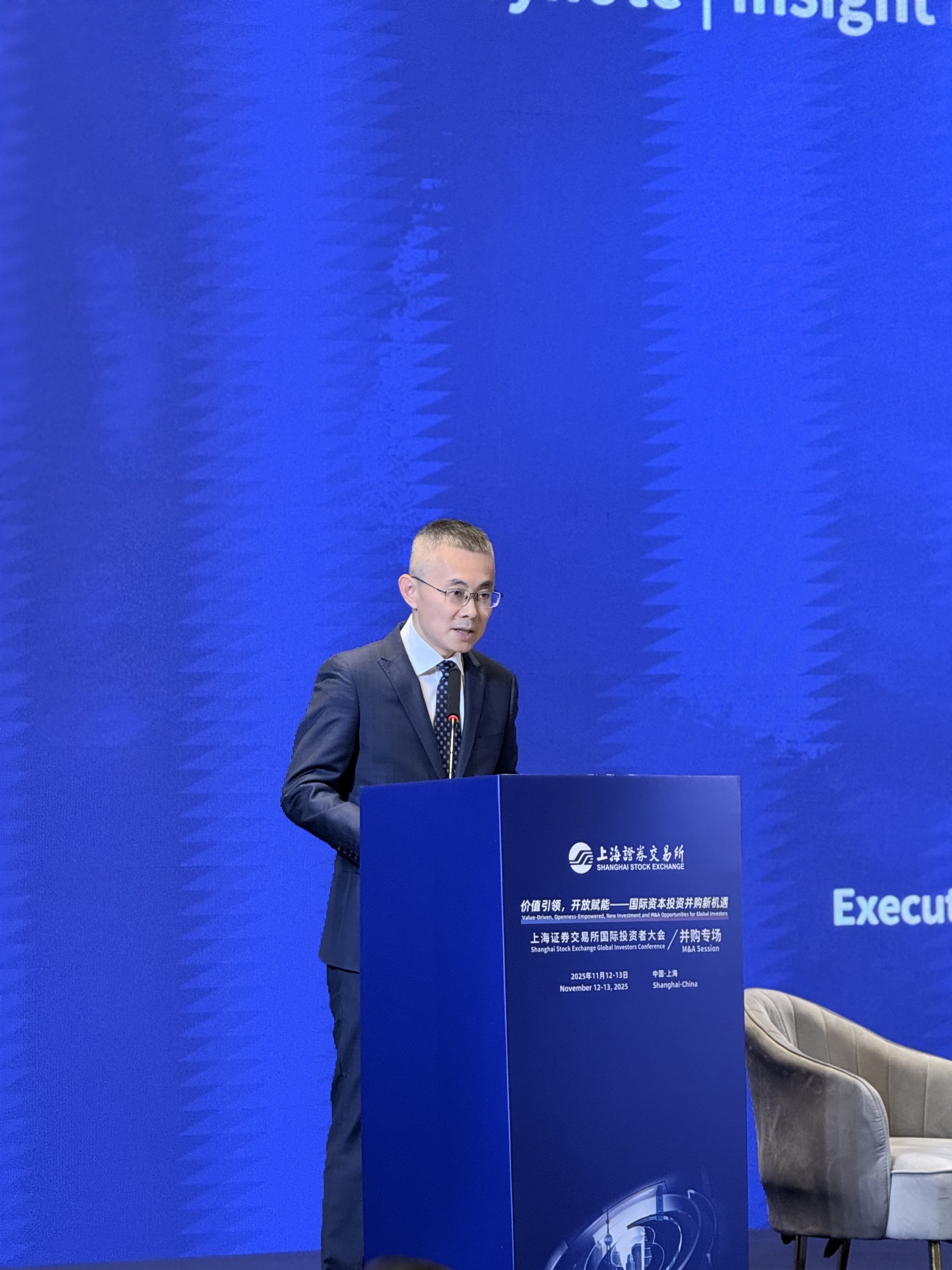
上海证券交易所副总经理王泊:并购市场是发现企业价值的投资蓝海
Zheng Quan Ri Bao Wang· 2025-11-12 07:04
Core Insights - The A-share merger and acquisition (M&A) market has entered a new active cycle since last year, reflecting the overall trend of China's economy towards stability and quality improvement [1] - The M&A market serves as an important window for observing China's economic conditions and corporate vitality [1] Group 1: M&A Market Dynamics - The M&A market is seen as a blue ocean for discovering corporate value, with significant enhancements in the resilience and vitality of China's economy and capital markets due to systematic reforms [6] - Global investors have reached a consensus on investing deeply in China, with M&A being a crucial method for optimizing resource allocation and enhancing the quality and investment value of listed companies [6] Group 2: Sector-Specific Trends - A-share technology companies are accelerating their breakthroughs through M&A to achieve technological upgrades and market expansion, particularly in future industries like AI, quantum information, and biotechnology [6] - Traditional industries such as textiles, light industry, steel, and petrochemicals are facing performance and valuation pressures, prompting them to strengthen their core businesses and accelerate transformation through M&A [6] Group 3: Strategic M&A by Industry Leaders - A-share industry leaders are shifting from simple scale expansion to strategic M&A for industry chain integration and global layout, thereby enhancing their core competitive advantages [7] - For instance, China Shipbuilding's merger with China Shipbuilding Industry Corporation has created the world's largest and most complete shipbuilding enterprise, with a market value steadily increasing to 270 billion yuan [7]
中国船舶(600150):2025 年三季报点评:三季报业绩大幅增长,盈利持续修复
Zhongyuan Securities· 2025-11-07 09:14
Investment Rating - The report assigns a "Buy" rating for the company, indicating an expected increase of over 15% relative to the CSI 300 index within the next six months [29] Core Insights - The company reported significant growth in its Q3 2025 earnings, with a revenue of 1074.03 billion yuan, representing a year-on-year increase of 17.96%, and a net profit of 58.52 billion yuan, up 115.41% year-on-year [5][6] - The merger of two companies has positioned the company as the largest listed shipbuilding group globally, with assets exceeding 400 billion yuan and an order value surpassing 130 billion yuan [10] - The shipbuilding industry remains robust, with a 6% year-on-year increase in completed shipbuilding volume and a 25.3% growth in the hand-held order volume as of September 2025 [8] Financial Performance Summary - For the first three quarters of 2025, the company achieved a revenue of 1074.03 billion yuan, a 91.21% increase year-on-year, and a net profit of 58.52 billion yuan, reflecting a 157.71% increase [6] - The gross margin improved to 12.56%, an increase of 3.15 percentage points year-on-year, while the net margin reached 5.45%, up 1.25 percentage points [7] - The company’s operating cash flow per share was reported at 0.41 yuan, with a diluted return on equity of 4.15% [2] Industry Overview - The shipbuilding sector in China continues to lead globally, with the country accounting for 53.8% of the world's completed shipbuilding volume and 67.3% of new orders as of September 2025 [8] - Despite a decline in new orders by 23.5% year-on-year, the overall industry trend remains positive, with expectations for a recovery in both volume and pricing as high-value orders are delivered [8] Earnings Forecast and Valuation - The company is projected to achieve revenues of 1457.68 billion yuan, 1693.89 billion yuan, and 1950.48 billion yuan for the years 2025 to 2027, respectively [11] - Corresponding net profits are expected to be 81.09 billion yuan, 122.59 billion yuan, and 164.78 billion yuan for the same period, indicating a strong recovery trajectory [11]
31页|2025年航运业转型融资研究报告
Sou Hu Cai Jing· 2025-11-04 23:12
Core Viewpoint - The green shipping industry is becoming a central focus for the global shipping sector's low-carbon transition, driven by policies from organizations like the International Maritime Organization (IMO) and national initiatives in China aimed at promoting green ship development and technology [1][9][16]. Group 1: Green Shipping Industry Overview - The green shipping industry is projected to require an investment of approximately $1 to $1.9 trillion globally to achieve net-zero emissions by 2050, necessitating effective financial market support [2][12]. - China's green ship manufacturing industry has developed a leading global industrial system, making significant progress in green ship technology, industrial chain ecology, and demonstration applications [10][12]. - The technology landscape for green ships includes clean energy, energy efficiency enhancement, and carbon capture technologies, each with varying levels of maturity and application potential [10][16]. Group 2: Financial Support for Green Shipping - Financial support for green shipping is crucial, with China exploring various debt financing models such as medium-term loans, supply chain finance, and transformation loans [2][49]. - Internationally, diverse financial practices are emerging to support the low-carbon transition of green shipping, including green bonds and sustainable development-linked loans [2][12]. - Shanghai is actively exploring industrial cultivation, market mechanism construction, and financial support to facilitate the low-carbon transition of the shipping industry [2][11]. Group 3: Challenges and Recommendations - The financial support for green shipping faces challenges such as insufficient economic viability of mandatory emissions reductions, high comprehensive risks in industrial financing, and inadequate market adaptability [3][12]. - Recommendations include strengthening policy and market mechanisms, developing a combination of financing to meet different stages of funding needs, and expanding the types of financial products available [3][12]. - There is a need to enhance support for the entire shipping ecosystem, including infrastructure for clean fuel supply, shore power, and carbon capture [3][12]. Group 4: Regional Development and Distribution - Key regions in China, such as Shanghai, Jiangsu, Shandong, Fujian, and Liaoning, are forming concentrated development trends in the green shipping industry, each exploring differentiated paths based on local advantages [12][42]. - The distribution of the shipbuilding industry in China is concentrated in coastal provinces, with significant contributions to shipbuilding completion and new orders [42][43].
2025航运业转型融资研究报告
Sou Hu Cai Jing· 2025-11-03 01:57
Core Insights - The global shipping industry is undergoing a significant green transformation, with green ships becoming a key driver for low-carbon transition. This is supported by policies such as the IMO's 2025 Net Zero Framework and China's Green Development Action Plan for Shipbuilding Industry (2024-2030) [1][2][14] Group 1: Industry Overview - The IMO's Net Zero Framework is a milestone document that combines mandatory emission limits with greenhouse gas pricing, requiring ocean-going vessels over 5,000 gross tons to gradually reduce their greenhouse gas fuel intensity [1][19] - China's shipbuilding industry has formed a globally leading industrial system, achieving significant progress in green technology research and development, ecological construction, and demonstration applications [2][15] - The technology landscape for green ships shows a "multi-pronged" approach, with clean energy technologies, such as LNG and methanol-powered vessels, leading the way [2][24][31] Group 2: Financial Support - The financial support for the green shipping industry is crucial, with an estimated investment need of approximately $1-1.9 trillion by 2050 to achieve net-zero emissions [16] - China is building a diversified financing system that includes debt, equity, and insurance, with various financial products being developed to support green ship construction [5][16] - Internationally, frameworks like the Poseidon Principles are pushing financial institutions to incorporate carbon performance into project evaluations, with tools like green bonds and sustainable development-linked loans being widely adopted [5][16] Group 3: Regional Development - Coastal provinces in China have formed distinctive industrial clusters, with Shanghai leading in high-end ship design and green port construction, while Jiangsu excels in LNG-powered shipbuilding [4][23] - Shandong focuses on hydrogen and LNG applications, while Fujian aims to develop electric vessels, and Liaoning is advancing its green methanol industry [4][23] Group 4: Challenges and Recommendations - The green shipping industry faces challenges such as insufficient market mechanisms and lagging supporting infrastructure [6][18] - Recommendations include enhancing policy and market synergy, diversifying financial products, and accelerating the construction of clean fuel refueling stations and shore power facilities [6][18]



机械设备行业跟踪周报:推荐高景气的AI设备(PCB设备、液冷设备、燃气轮机等),看好存储扩产带来的半导体设备国产化机会-20251102
Soochow Securities· 2025-11-02 11:05
Investment Rating - The report maintains an "Overweight" rating for the mechanical equipment industry, focusing on high-growth AI equipment and semiconductor equipment opportunities [1]. Core Views - The report highlights the positive outlook for AI equipment driven by increased computing power spending, particularly in PCB equipment, liquid cooling systems, and gas turbines [2]. - The humanoid robot sector is expected to experience a surge in November due to key events from Tesla and domestic companies, indicating a favorable market environment [3]. - The semiconductor equipment market is projected to benefit from accelerated storage capacity expansion and domestic equipment localization, with significant growth expected in orders [4]. - The shipbuilding industry is anticipated to recover due to the suspension of port fees and tariffs between China and the U.S., which is expected to restore confidence and orders [5]. Summary by Sections Recommended Stocks - The report recommends a diversified portfolio including companies such as North China Innovation, SANY Heavy Industry, and others across various segments like AI equipment, semiconductor equipment, and shipbuilding [1][16]. AI Equipment - The NVIDIA GTC conference is expected to boost demand for AI equipment, with specific recommendations for PCB drilling equipment and liquid cooling systems [2]. - Key companies to watch include Dazhong CNC for PCB equipment and Hongsheng for liquid cooling solutions [2]. Humanoid Robots - The humanoid robot sector is poised for growth with significant events in November, suggesting a favorable investment climate [3]. - Core companies in this space include Top Group and Zhejiang Rongtai, among others [3]. Semiconductor Equipment - The report emphasizes the rapid increase in demand for semiconductor equipment due to AI-driven needs, with a focus on domestic manufacturers [4]. - Companies like North China Innovation and Micro Company are highlighted as key players in this sector [4]. Shipbuilding Industry - The shipbuilding market is expected to recover following the suspension of tariffs, with a positive outlook for order volumes [5]. - China Shipbuilding Industry Corporation is noted as a significant player benefiting from this recovery [5].
中财大绿金院IIGF:航运业转型融资研究报告——立足绿色船舶视角
Sou Hu Cai Jing· 2025-11-01 07:13
Core Insights - The shipping industry is undergoing a green transformation, with green ships becoming a central focus. Global policies and technological innovations are advancing, particularly with the International Maritime Organization (IMO) set to implement the "IMO Net Zero Framework" in 2025, which will accelerate the decarbonization of maritime shipping by establishing greenhouse gas intensity requirements and a global carbon pricing mechanism [11][20][17]. Group 1: Overview of the Green Shipping Industry - Green ships are leading the shipping industry's transition towards sustainability, with significant progress in technology, industry chain ecology, and demonstration applications [12]. - The green shipping technology landscape includes clean energy technologies, energy efficiency improvements, and carbon capture technologies, each with varying maturity and application potential [21][22]. - China's green shipping industry has formed a globally leading industrial system, with key regions like Shanghai, Jiangsu, and Shandong developing distinctive paths for green ship development [43]. Group 2: Financial Support for Green Shipping - Financial support is crucial for the development of the green shipping industry, with diverse financing paths emerging, including medium to long-term loans, supply chain finance, and transformation loans [2][49]. - The domestic green financing landscape is evolving, with green bonds and leasing becoming increasingly important, while international frameworks like the Poseidon Principles guide financial institutions in investing in green shipping [13][50]. - Shanghai has emerged as a financial hub for green shipping, integrating shipping enterprises into local carbon markets and launching innovative financial tools to support the green shipping sector [14][49]. Group 3: Challenges and Recommendations - The green shipping sector faces challenges such as insufficient economic incentives for mandatory emissions reductions, comprehensive financing risks, and difficulties in ecological investment [15]. - Recommendations for advancing the green shipping industry include enhancing policy and market mechanisms, developing diversified financing solutions, and increasing investments in supporting infrastructure like clean fuel supply and carbon capture [15][49]. Group 4: Related Ecosystem - The development of green shipping is interconnected with port terminals, logistics services, and maritime services, forming a comprehensive ecosystem for sustainable shipping [38]. - Green ports are being developed in China, with significant achievements in reducing environmental impacts and enhancing operational efficiency [39]. - The logistics sector, while diverse, shows varying degrees of green transformation, with cargo shipping progressing faster than passenger shipping in adopting low-carbon technologies [41].


中国船舶(600150):业绩符合预期,造船行业拐点或现
Shenwan Hongyuan Securities· 2025-10-31 12:15
Investment Rating - The investment rating for China Shipbuilding (600150) is "Buy" (maintained) [1] Core Views - The company's performance is in line with expectations, with a revenue of 107.4 billion yuan for the first three quarters of 2025, representing an 18% year-on-year increase, and a net profit of 5.85 billion yuan, up 115% year-on-year [6] - The company has a substantial order backlog, with approximately 21.13 million CGT (compensated gross tonnage) and 55.4 billion USD in orders, indicating a steady increase in production capacity over the next two years [6] - The second-hand ship prices have surpassed pre-recession highs, suggesting a potential upward trend in new ship prices [6] - Recent policy changes regarding port fees between China and the US may alleviate pressures on the shipbuilding industry, leading to a more favorable market environment [6] - The company has adjusted its profit forecasts upward, reflecting the completion of the merger with China Shipbuilding Industry Corporation, with expected net profits of 9.04 billion, 17.73 billion, and 23.52 billion yuan for 2025E, 2026E, and 2027E respectively [6] Financial Data and Profit Forecast - Total revenue for 2025E is projected at 143.56 billion yuan, with a year-on-year growth rate of 82.7% [5] - The net profit attributable to shareholders for 2025E is estimated at 9.04 billion yuan, reflecting a significant increase of 150.2% year-on-year [5] - The gross profit margin is expected to improve from 10.2% in 2024 to 15.6% in 2025E [5] - The return on equity (ROE) is projected to rise from 4.1% in 2025Q1-3 to 6.6% in 2025E [5]
年内A股并购重组超200起 资本赋能产业“加速跑”
Zheng Quan Shi Bao· 2025-10-30 22:03
Core Insights - Since 2025, China's capital market has seen a surge in mergers and acquisitions (M&A), driven by favorable policies and capital empowering industrial transformation [1][2] - A total of 222 M&A transactions have been disclosed in the A-share market as of October 30, 2025, involving 244 listed companies, with over 100 transactions reported in October alone [1][2] - The M&A activities are characterized by a strong "industry-oriented" focus, with horizontal and vertical integrations reflecting companies' core needs for resource synergy and industry chain integration [1][3] Summary by Categories M&A Activity Overview - 120 ongoing transactions and 54 completed transactions with a total value exceeding 370 billion yuan have been reported [2] - 48 M&A cases have been officially terminated [2] Participants in M&A - Private enterprises dominate the M&A landscape with 147 participants, showcasing their active and flexible role in the capital market [2] - Local state-owned enterprises (59) and central state-owned enterprises (25) are primarily involved in key sectors such as semiconductors, energy, and high-end manufacturing [2] Notable M&A Cases - China Shenhua's integration of 13 energy companies aims to create a comprehensive energy flagship [2] - Guotai Junan's merger with Haitong Securities is a significant step towards becoming a leading international investment bank [2] - Fulin Precision's collaboration with CATL to enhance lithium iron phosphate R&D and expand into the energy storage market [2] Industry Transformation - The rise of "A-controlled A" mergers is shifting the industry from "fragmented competition" to "consolidated development," enhancing overall competitiveness [3] - The merger between China Shipbuilding and China Shipbuilding Industry Corporation is set to create a super platform covering the entire shipbuilding industry chain [3] - The M&A market is undergoing profound changes, with efficient review mechanisms and diverse payment methods facilitating transactions [3] - The focus of M&A is shifting from scale growth to quality optimization and long-term industrial collaboration, highlighting its role in driving economic transformation [3]
年内A股并购重组超200起资本赋能产业“加速跑”
Zheng Quan Shi Bao· 2025-10-30 19:16
Core Insights - Since 2025, China's capital market has seen a surge in mergers and acquisitions (M&A), driven by favorable policies and capital empowering industrial transformation [1][2] - A total of 222 M&A transactions have been disclosed in the A-share market as of October 30, 2025, involving 244 listed companies, with over 100 events reported in October alone [1] - The focus of these M&A activities is on "industry orientation," with significant horizontal and vertical integrations aimed at enhancing competitiveness and expanding growth opportunities [1][3] M&A Activity Overview - There are currently 120 ongoing M&A transactions, with 54 completed deals amounting to over 370 billion yuan, and 48 cases officially terminated [2] - Private enterprises dominate the M&A landscape with 147 participants, followed by local state-owned enterprises (59) and central state-owned enterprises (25), particularly in key sectors like semiconductors and high-end manufacturing [2] Notable M&A Cases - Major industry-impacting M&A cases include China Shenhua's integration of 13 energy companies, Guotai Junan's merger with Haitong Securities, and Fulin Precision's joint investment with CATL in a subsidiary [2] - The "A-controlled A" M&A cases are becoming more frequent, indicating a shift from fragmented competition to concentrated development within industries [3] Market Transformation - The Chinese M&A market is entering a significant transformation phase, characterized by efficient review mechanisms and diverse payment methods that enhance operational flexibility [3] - The focus is shifting from scale growth to quality optimization and from short-term financial investments to long-term industrial collaboration, highlighting the role of M&A in driving economic transformation [3]