优衣库

Search documents
二十年“沉浮”与“重逢”:MANGO重返中国,一场迟到的“体验”革命
Guan Cha Zhe Wang· 2025-12-18 10:37
(文/霍东阳 编辑/张广凯) 西班牙快时尚品牌MANGO又回线下了。 深圳海岸城门店已经建起围挡,据悉,门店将于12月25日正式启幕,MANGO还在社交媒体上发出了围挡打卡活动。据社交媒体上网友发布的内容可以发 现,该门店围挡上标注的是"新形象呈现 全国首家"。 MANGO官方账号则在11月22日发布了一条"重逢倒计时"。两年前,这个曾经在中国拥有约200家门店的品牌几乎全面撤离了中国的线下市场,仅保留了山 东烟台一家门店作为象征性存在。 2023年,MANGO明确表示不再把中国市场作为优先关注的对象,转而重点发力美国和印度。有媒体认为,这几乎是宣告了MANGO在中国市场的战略性放 弃。 但2025年末,MANGO的高调"重逢"似乎意味着品牌对中国市场又有了新的打算。 而今,MANGO带着全新的形象店设计谨慎回归。 作为最早进入中国市场的快时尚品牌之一,MANGO在华二十余年的发展轨迹既见证了国际品牌在中国市场的早期辉煌,也因战略失误陷入长期困境。 2002年,MANGO以先行者的姿态进入中国市场,比其主要竞争对手Zara早了整整四年。 在最初的拓展阶段,MANGO选择了以代理商为主的轻资产模式,并快速铺开网 ...


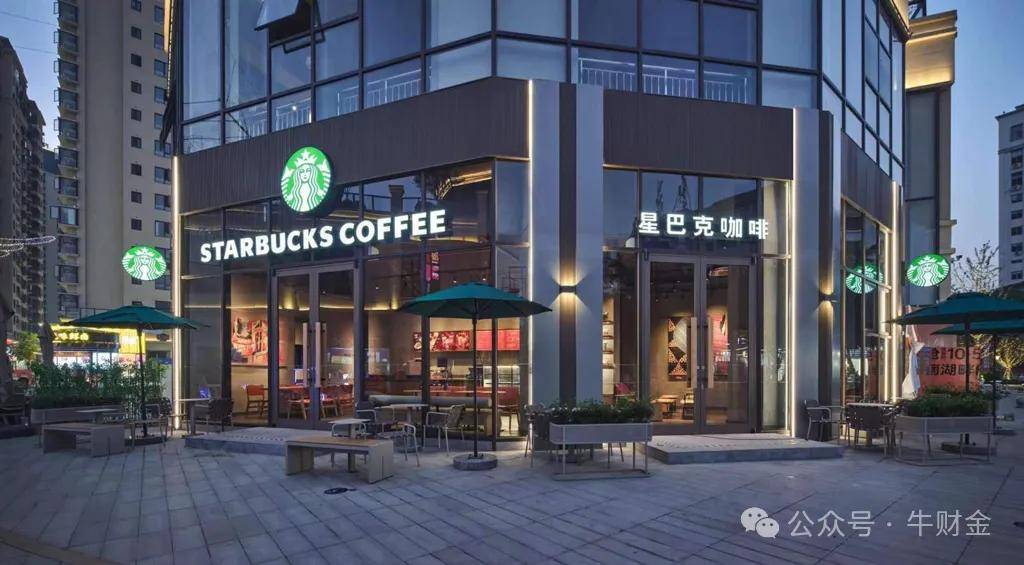
从星巴克到汉堡王:外资餐饮为何纷纷把中国市场交给私募基金?
Sou Hu Cai Jing· 2025-12-18 10:18
Core Viewpoint - Foreign dining brands in China are undergoing a significant transformation, shifting control to local private equity firms to better understand and cater to Chinese consumers [1][2][10]. Group 1: Starbucks' Strategic Shift - Starbucks plans to sell 60% of its Chinese business to Boyu Capital for an estimated valuation of $4 billion, retaining 40% ownership and core brand licensing rights [2]. - This move reflects a change in role from direct management to a licensing model, indicating a response to the challenges in the Chinese coffee market [2][14]. - Starbucks anticipates that the overall value of its Chinese operations could exceed $13 billion over the next decade, including royalties [2]. Group 2: Reasons for Local Private Equity Takeover - The acquiring firms, such as Boyu, CPE, and IDG, are familiar with the local market and can act quickly, making operational changes in a matter of months rather than undergoing lengthy global approval processes [5]. - Local private equity firms excel in relationship-based management, which is crucial in the Chinese dining sector, where rapid menu changes and pricing adjustments are necessary [6][8]. - The current market conditions, characterized by a slowdown in IPOs and mergers, make stable, mature foreign subsidiaries attractive targets for investment [9]. Group 3: Broader Industry Trends - The challenges faced by brands like Burger King and Uniqlo reflect a systemic trend among foreign dining companies in China, acknowledging their inability to effectively manage operations in the local context [10]. - The shift towards licensing fees is becoming a core asset for foreign brands, allowing them to generate long-term cash flow rather than relying solely on equity sales [11][17]. - This transition is not a retreat from the Chinese market but rather a pragmatic adaptation to the realities of local competition and operational challenges [13][14]. Group 4: Market Dynamics - The Chinese market remains vast but is characterized by intense competition, with local players evolving rapidly [18]. - Foreign brands are retaining their brand identity and supply chain standards while local private equity firms take charge of expansion and management [17].

“在逃刘亦菲”们,已经不逛女装区
3 6 Ke· 2025-12-18 09:54
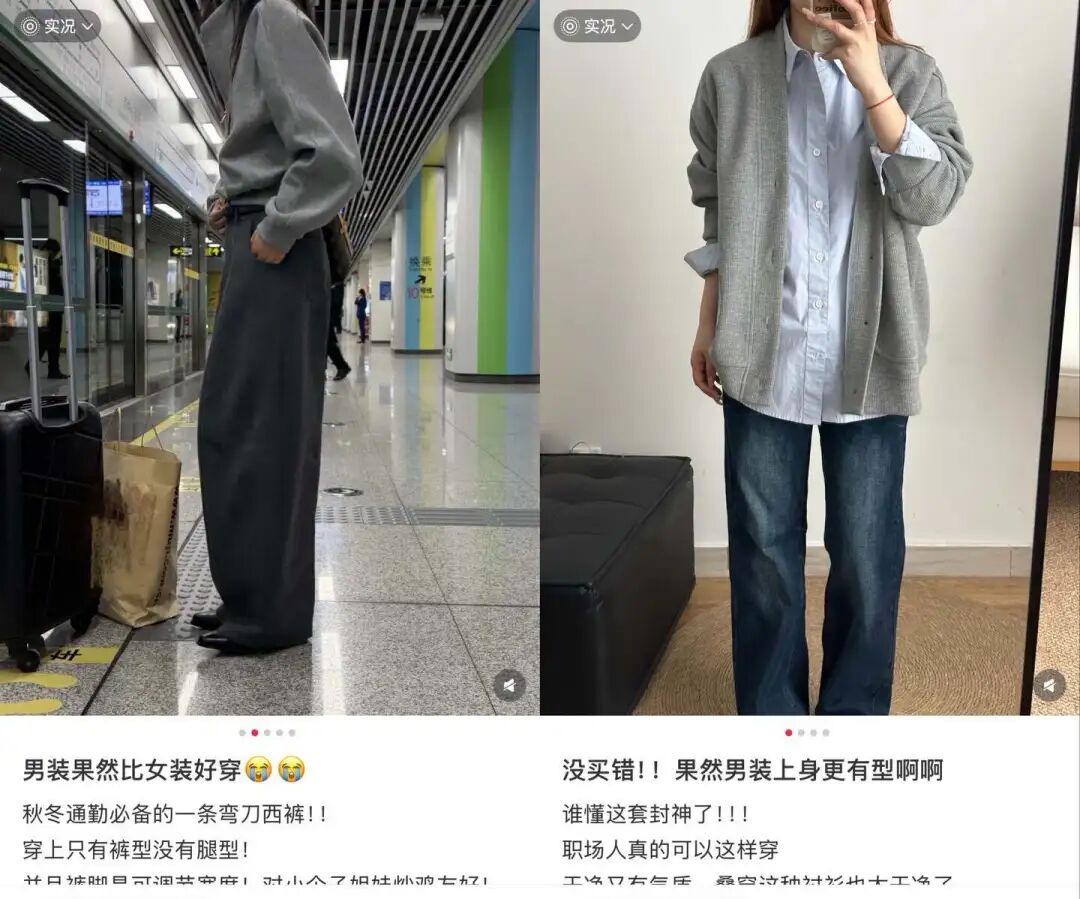
Core Insights - The article discusses a growing trend among female consumers, particularly younger women, who are increasingly purchasing men's and children's clothing instead of traditional women's wear, driven by better quality and lower prices [1][9][12]. Group 1: Consumer Behavior - Female consumers are abandoning women's clothing sections due to dissatisfaction with quality and fit, often finding that men's clothing offers better value for money [2][4]. - Social media platforms are buzzing with discussions around women buying men's and children's clothing, indicating a shift in traditional fashion consumption patterns [1][7]. - The trend reflects a collective awakening among young women who are rejecting the "pink tax," where women's clothing is often priced higher than similar men's items [12][16]. Group 2: Quality and Pricing Discrepancies - Data shows that the average price of fast fashion women's clothing has increased by about 20% over the past decade, while the quality has not improved correspondingly [9]. - Women's clothing often uses thinner materials and has less durable construction compared to men's clothing, which is perceived as more practical and better made [11][12]. - Children's clothing is seen as a price advantage, with items often costing 60-70% less than similar adult women's clothing, while maintaining better quality standards [7][9]. Group 3: Market Implications - The blurring of gender lines in clothing consumption is forcing brands to rethink their product lines and marketing strategies, with some brands already introducing gender-neutral collections [14][16]. - Fast fashion brands like ZARA and Uniqlo are beginning to adapt by offering more unisex styles and adjusting sizing standards to meet changing consumer demands [14][15]. - The trend indicates a need for the fashion industry to address issues such as size inclusivity and fair pricing, moving away from outdated gender stereotypes in clothing design [15][16].
149的优衣库和5000元老钱羊绒衫,谁在割韭菜?
3 6 Ke· 2025-12-18 09:54
Core Viewpoint - The article discusses the rise of cashmere as a symbol of class distinction, particularly through the influence of the Italian brand Loro Piana, which has mastered the control of raw materials and created a narrative around the exclusivity of its products [1][2][3]. Group 1: Loro Piana's Historical Context - Loro Piana's history is rooted in the control of raw materials, starting from its family's wool business in the Piedmont region of Italy in the 19th century [2]. - Post-World War II, Loro Piana shifted its focus to the Paris fashion scene, supplying high-end fabrics to luxury brands [3][4]. Group 2: Material Control and Innovation - In the 1960s, Loro Piana identified the need for lighter fabrics due to the rise of air travel and began sourcing high-quality Merino wool from Tasmania [5][6]. - The brand introduced the concept of fiber fineness as a measure of quality, with lower micron counts indicating superior softness and luxury [8][10]. Group 3: Vertical Integration Strategy - Loro Piana adopted a vertical integration strategy, controlling multiple stages of the supply chain from raw material sourcing to final sales [11]. - The brand monopolized Vicuña wool through exclusive agreements with the Peruvian government, ensuring a steady supply of this rare material [12][13]. Group 4: Expansion and Market Positioning - In 2013, LVMH acquired 80% of Loro Piana for €2 billion, enhancing its position in the luxury market and securing access to top-tier raw materials [16]. - Following the acquisition, Loro Piana's direct-to-consumer sales surged, with retail stores contributing over 85% of revenue by 2023, growing from €700 million in 2013 to €2.4 billion [16]. Group 5: Cultural Impact and Marketing - The brand's prominence was amplified by the 2018 TV series "Succession," which popularized the "quiet luxury" aesthetic, aligning with Loro Piana's understated yet high-quality offerings [18][19]. - The marketing narrative emphasizes a hierarchy of materials, where natural fibers are valued over synthetic ones, reinforcing a class distinction based on fabric choice [20][24]. Group 6: Economic Disparities - Despite the luxury branding and high prices, local communities involved in the production of raw materials, such as Vicuña wool, receive a minimal share of the profits, highlighting economic inequalities within the supply chain [36].
两年门店扩至170家,这个被收购的美国品牌活过来了
3 6 Ke· 2025-12-18 05:10
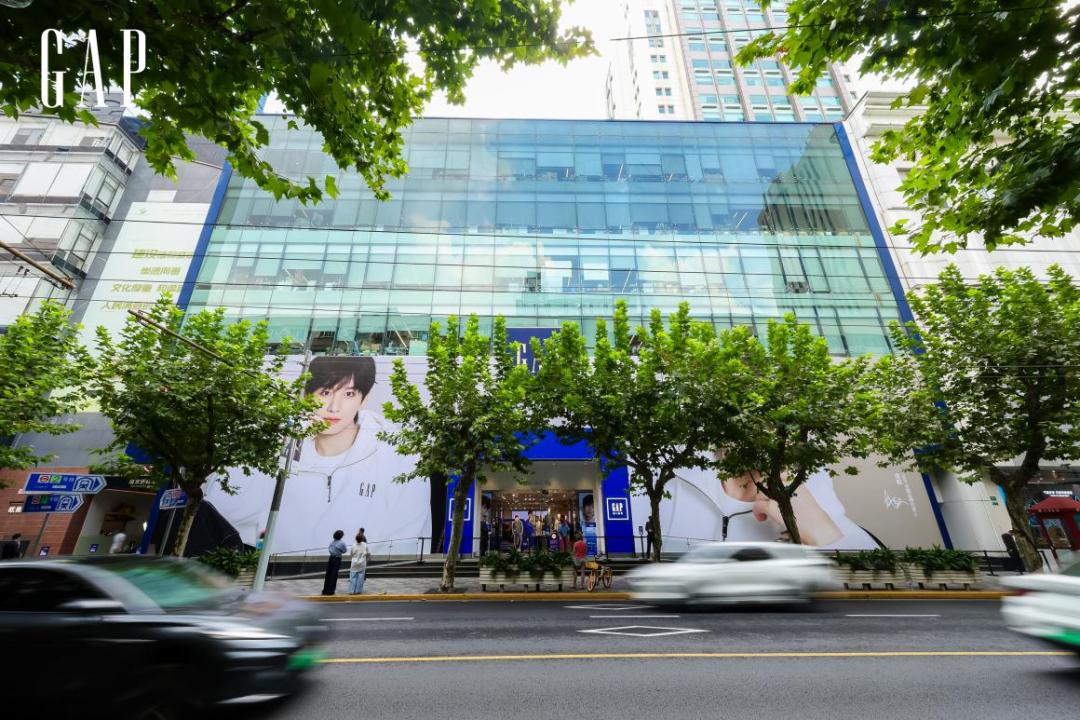
Core Viewpoint - The recent trend of foreign brands selling their Chinese operations highlights the necessity for deep localization to revitalize brand growth in the Chinese market [3][4]. Group 1: Foreign Brand Acquisitions - Starbucks China was sold to Boyu Capital, and Burger King China was acquired by CPE Yuanfeng, indicating a growing trend of foreign brands divesting their Chinese operations [1][2]. - Anta has become an experienced player in acquisitions, and in early 2023, Baozun completed the acquisition of GAP's China business, joining the ranks of local companies reshaping foreign brands [3]. Group 2: Operational Challenges and Solutions - GAP China faced over 40 complex operational systems that were not interconnected, leading to lengthy decision-making processes [4]. - Baozun spent ten months localizing GAP China's systems and streamlined operations, resulting in a 7% year-on-year increase in same-store sales and an increase in store count from over 120 to 170 [5][8]. Group 3: Brand Strategy and Positioning - GAP's core strategy is "Local for Local, China for China," focusing on local operations, supply chains, and consumer perspectives in product development [11]. - The brand's positioning has shifted to emphasize emotional connections with consumers rather than relying on discount-driven sales, aligning with GAP's global brand evolution [12][16]. Group 4: Consumer Engagement and Marketing - GAP aims to create emotional connections through brand narratives centered around music and dance, enhancing in-store experiences and social media engagement [13]. - The brand's marketing efforts have led to increased consumer engagement, as evidenced by a rise in user-generated content following the announcement of a new brand ambassador [14]. Group 5: Supply Chain and Product Development - The local supply chain now accounts for approximately 70% of GAP China's operations, allowing for quicker responses to market demands [27]. - The company is focused on balancing local and global product offerings to meet consumer needs while maintaining brand identity [28]. Group 6: Future Outlook and Challenges - The company acknowledges that achieving greater growth potential will require time for consumers to recognize brand changes [30]. - GAP China's localized marketing strategies have garnered positive responses, providing insights for GAP's global operations [31].


快时尚2025: 更“高”,更“快”,更“强”
3 6 Ke· 2025-12-18 03:26
Core Insights - The fast fashion industry has undergone significant changes over the past year, presenting numerous opportunities for growth and transformation [1][2][4] Group 1: Industry Trends - The fast fashion industry is shifting towards higher-end markets, with brands like Uniqlo and H&M adapting their strategies to capture this growth [2][4] - There is an acceleration in trend adaptation and brand management strategies, driven by rapid changes in consumer preferences [2] - The integration of AI technology is becoming a key driver for industry development, enhancing efficiency in design, marketing, and operations [2][36] Group 2: Company Performance - Major brands like Uniqlo's parent company Fast Retailing reported revenue and profit growth, with a 9.6% increase in total revenue to 3,400.5 billion yen and a 16.4% rise in net profit to 433.009 billion yen for the fiscal year ending August 2026 [4][6] - H&M's operating profit for the third quarter of fiscal year 2025 increased by 40% to 4.914 billion Swedish Krona, while Inditex, the parent company of Zara, also saw slight revenue and profit growth [4][6] Group 3: Market Challenges - Despite the recovery of major brands, the Chinese market presents challenges, with Uniqlo's revenue in the Greater China region declining by 4% to 650.2 billion yen, marking it as the only overseas market with negative growth [6][10] - Brands are actively reforming their strategies in China, focusing on enhancing store experiences and localizing product offerings to better cater to consumer preferences [8][10] Group 4: Competitive Landscape - Foreign brands are adopting a defensive strategy, closing underperforming stores, with Uniqlo closing 24 stores in China and Zara reducing its presence significantly [12][14] - In contrast, local brands are expanding internationally, with companies like UR entering markets in New York and London, and Semir increasing its overseas revenue by 79.19% to 52.08 million yuan [14][16] Group 5: Brand Strategies - Fast fashion brands are focusing on larger, more experiential stores, with new openings featuring advanced technology and enhanced customer experiences [27][29] - Brands are also increasing prices and collaborating with high-profile designers to elevate their market positioning and appeal to higher-end consumers [30][31] Group 6: AI Integration - AI is being integrated across various aspects of fast fashion, from design to logistics, with brands like SHEIN utilizing AI for trend forecasting and product design, significantly reducing time to market [36][38] - The use of AI in marketing is also on the rise, with companies like H&M employing digital models to cut production costs and streamline marketing efforts [36][38]


新消费行业:宏观变局下的三大趋势与投资机会
Dongxing Securities· 2025-12-17 04:30
Investment Rating - The report maintains a "Positive" outlook on the new consumption industry for 2025 [2] Core Insights - The new consumption sector is gaining significant market attention, with a policy framework aimed at creating three trillion-level consumption areas and ten hundred-billion-level consumption hotspots by 2027 [4][16] - The report identifies three major trends in the new consumption industry: health-oriented consumption, new pragmatism, and emotional consumption, alongside two dimensions: smart consumption and overseas expansion [8] Summary by Sections 1. Income Growth Deceleration Period: Focus on Service Consumption and Price-Quality Ratio - The increase in per capita GDP is expected to drive the share of service consumption to rise, with a projected service consumption share of 46.11% in China by 2024, reflecting a trend similar to the U.S. and Japan during their economic growth phases [5][23] - As disposable income growth slows, consumers are expected to prioritize products with a better price-quality ratio, mirroring trends observed in Japan during its economic slowdown from 1990 to 2000 [5][26] 2. Changes in Consumer Demographics: Health and Emotional Consumption Demand - Aging populations are driving health-oriented consumption, with significant increases in healthcare spending observed in the U.S. and Japan, and similar trends expected in China as it transitions to a moderately aging society [6][46] - Generational shifts in consumer behavior are leading to increased emotional consumption, with younger generations (Y and Z) focusing on personalized and emotional experiences, as seen in Japan's evolving consumption patterns [7][74] 3. Investment Recommendations: From Frenzy to Rationality, Focus on Structural Opportunities - The investment sentiment in the new consumption sector has shifted from exuberance to caution, with a focus on sustainable business models and profitability [8] - Investors are encouraged to explore opportunities aligned with the identified trends of health, pragmatism, and emotional consumption, as well as the dimensions of smart consumption and international market expansion [8]
2025年最后一波省钱作业!京东保暖服饰超级品类日大牌服装到手5折
Jin Rong Jie Zi Xun· 2025-12-17 02:58
随着北方多地迎来初雪,气温骤降,保暖穿搭成为消费者的刚需。为应对全国大面积降温,12月17日起,京东保暖服 饰超级品类日全面开启,带来服装真5折超值福利,携手波司登、雪中飞、鸭鸭、骆驼、耐克、阿迪达斯、斯凯奇、 全棉时代、松山棉店、巴拉巴拉等国内外大牌,覆盖女装、男装、运动鞋服、鞋靴、内衣、童装等多个服装核心品 类。进入会场可直接领取5折券,众多保暖服饰到手直降5折。活动期间,消费者通过分享助力,还可额外获得优衣 库、北面、野兽派、MO&Co.、FPA五大品牌专属5折券。上京东搜索"冬保暖超品"即可直达会场,轻松畅享冬日温 暖。 想要暖暖出行,不妨趁这次服装真5折活动,到手5折即可拿下自己心仪已久的羽绒服。王一博同款鸭鸭男士加厚羽绒 服,90%绒子含量搭配600+蓬松度,保暖效果出众,通勤出行皆宜。祝绪丹同款ELLE围巾长款羽绒服,时装剪裁搭配 别致围巾领设计,-15°C高暖性能让穿搭兼具风度与温度。UR撞色格纹领羽绒服,拼接格纹领口层次丰富,上身轻盈 不臃肿,轻松穿出时髦感。优衣库女装羽绒夹克也是不错的选择,750+羽绒原料蓬松度的云感羽绒,让其在-15°C天 气下仍有较好御寒效果。 想要5折拿下运动保暖装 ...

推动MUSINSA上海开首店,安踏在打什么算盘
Bei Jing Shang Bao· 2025-12-16 13:17
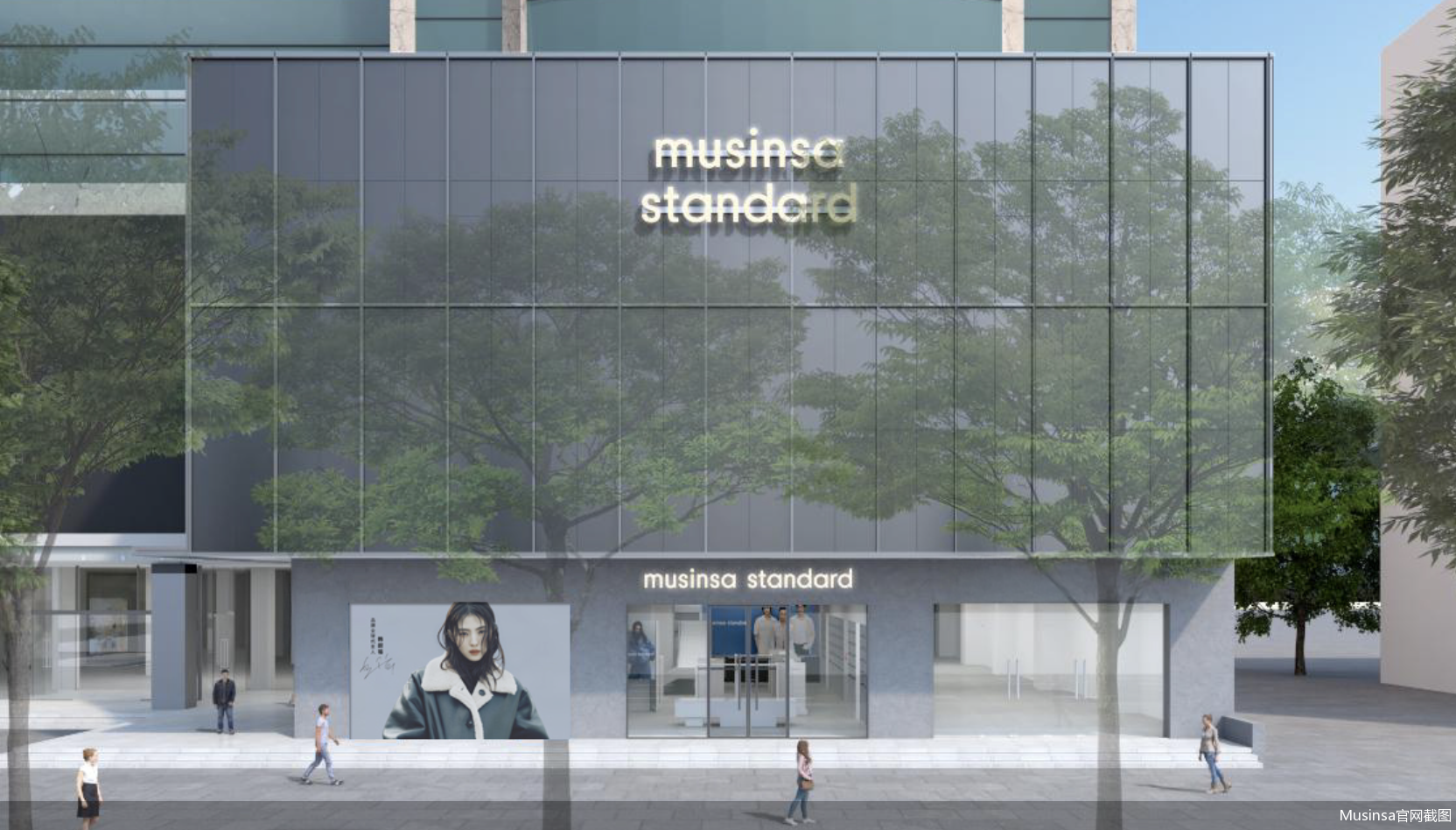
Core Insights - Anta Sports is accelerating its investment in the fashion sector by partnering with the Korean fashion brand MUSINSA, which recently opened its first offline store in China and plans to establish 100 stores in the next five years [1][3][6]. Group 1: Anta Sports and MUSINSA Partnership - Anta Sports acquired a 1.7% stake in MUSINSA for 50 billion KRW and established a joint venture named "MUSINSA China," with Anta holding 40% and MUSINSA 60% [6][7]. - The collaboration aims to leverage Anta's experience in operating foreign brands in China, enhancing MUSINSA's growth in the local market [6][10]. - Anta's investment strategy reflects a shift towards integrating fashion with sports, aiming to expand its brand portfolio and market presence [6][10]. Group 2: MUSINSA's Market Strategy - MUSINSA plans to optimize its business model in China by focusing on logistics, distribution, and store operations, with a goal of reaching 100 stores by 2030 and achieving a global GMV of 3 trillion KRW [3][4]. - The brand's pricing strategy positions its products between 20 to 70 USD, appealing to a younger demographic [3][10]. - MUSINSA's entry into the Chinese market faces significant competition from established brands like Uniqlo, Zara, and H&M, which may pose challenges for its expansion [4][10]. Group 3: Market Context and Challenges - The Chinese fashion market is highly competitive, particularly in the sports and fashion sectors, requiring new entrants to have distinct advantages to succeed [4][10]. - Recent trends indicate a slowdown in growth for established brands like Anta and Fila, necessitating new avenues for expansion and revenue generation [7][8]. - The retail landscape in China is undergoing significant changes, with a shift towards online and integrated retail models, which may impact MUSINSA's traditional store expansion strategy [4][10].
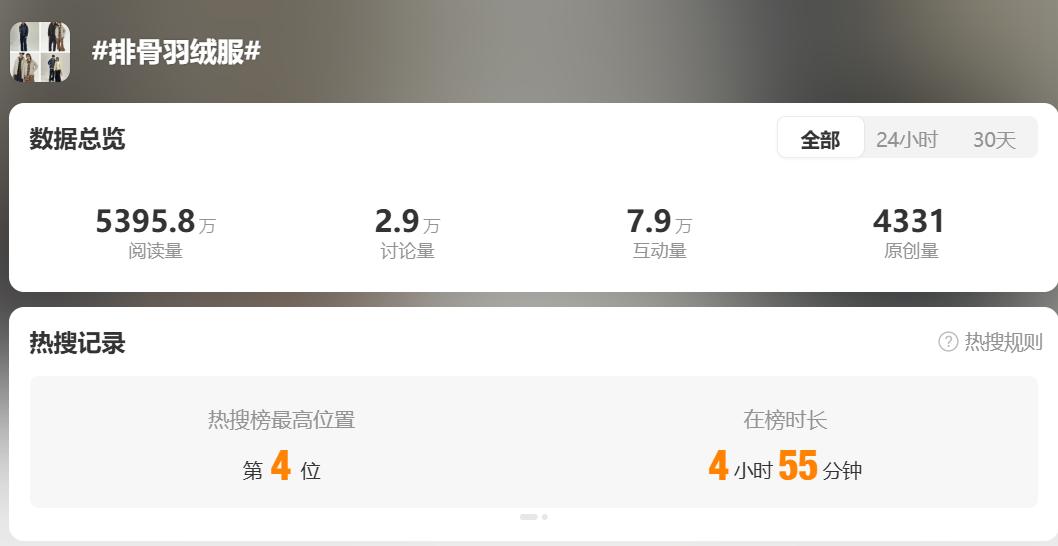
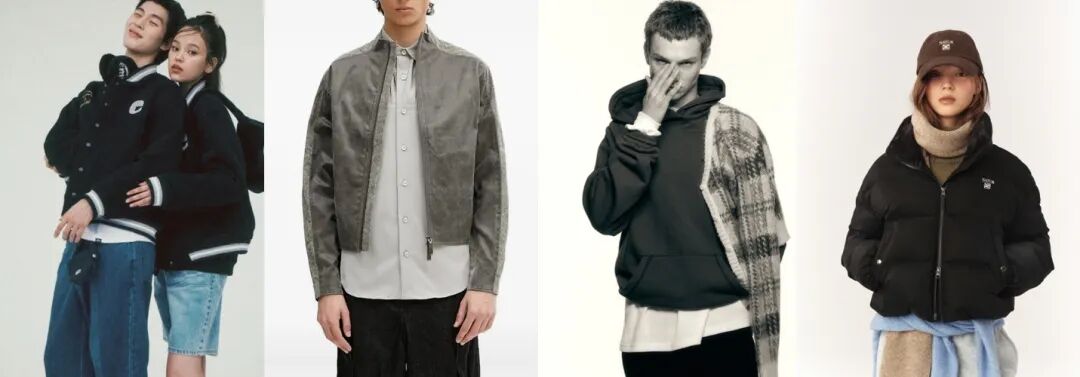
排骨羽绒服,为何成今冬顶流?
3 6 Ke· 2025-12-16 08:55
Core Insights - The popularity of "ribs down jackets" has surged this winter, with multiple trending topics on social media platforms indicating significant consumer interest [1][2]. Market Performance - On Xiaohongshu, the "ribs down jacket" topic has accumulated 180 million views, with several posts receiving over 10,000 interactions, and popular outfit posts garnering 14,000 likes [2]. - In Henan, merchants report selling thousands of these jackets, attributing their success to innovative styles, diverse colors, and suitability for various body types, especially in a relatively warm winter [6]. - In Zhejiang's Jiaxing, the acceptance of "minimalist style" down jackets is high, with improvements in filling amount, fluffiness, and fabric quality enhancing both aesthetics and practicality [6]. Brand Dynamics - Various brands are competing in the "ribs down jacket" market, including traditional down jacket brands like Bosideng and Xuezhongfei, as well as outdoor brands like Decathlon and Anta, with monthly sales reaching thousands or even tens of thousands of units [8]. - Luxury brands such as Miu Miu and Balenciaga have also entered the market, indicating a shift in perception of these jackets from basic winter wear to fashionable items on the international stage [10]. Consumer Preferences - The popularity of "ribs down jackets" can be attributed to three main factors: 1. Weather conditions, as the jackets are lightweight with filling typically under 100 grams, making them suitable for temperatures around 20°C [14]. 2. Cost-effectiveness, with prices generally ranging from 150 to 300 yuan, making them accessible while alleviating production and inventory pressures for retailers [16]. 3. Quality and style, with brands like Uniqlo offering high-quality materials and versatile designs that cater to current consumer preferences for simplicity and practicality [16]. Fashion Trends - The rise of "ribs down jackets" reflects a broader trend towards casual wear in various sectors, resonating with the aesthetic of "effortless fashion" [19]. - Analysts predict that the demand for these jackets will continue due to their functional, aesthetic, and social appeal, with potential for further audience expansion as material technology and design styles evolve [20].