
香港交易所

Search documents
非银金融行业周报:3季度险企权益配置提升明显,积极备战开门红-20251116
KAIYUAN SECURITIES· 2025-11-16 13:14
Investment Rating - The industry investment rating is "Positive" (maintained) [1] Core Viewpoints - The insurance index increased by 2.63%, outperforming the CSI 300 index which decreased by 1.08%, indicating a positive outlook for the insurance sector as companies prepare for the 2026 "opening red" [5] - The insurance sector's equity asset allocation has significantly increased in Q3, with a total investment balance reaching 37.46 trillion, a quarter-on-quarter increase of 3.4% and a year-on-year increase of 16.5% [6] - The brokerage sector continues to show high performance, with daily average stock fund turnover reaching 2.50 trillion, a year-on-year increase of 77.2% [7] Summary by Sections Insurance Sector - In Q3, the balance of stocks and funds reached 5.59 trillion, a year-on-year increase of 35.9% and a quarter-on-quarter increase of 18.3%, with equity investments now accounting for 15.5% of total assets [6] - Major life insurance companies have launched new products for 2026, with dividend insurance being a market leader, comprising 45.9% of new life insurance products [6] - The long-term interest rates are stabilizing, which is expected to improve the profitability of insurance companies, leading to a potential increase in return on equity (ROE) and valuation recovery [6] Brokerage Sector - The average daily turnover for stock funds is 2.50 trillion, with a year-to-date average of 2.03 trillion, reflecting strong market activity [7] - The China Securities Regulatory Commission is planning strategic tasks for the capital market during the 14th Five-Year Plan, aiming for a more resilient and attractive market [7] - The brokerage sector is expected to see improved profitability driven by core businesses such as public funds and investment banking, with a focus on strategic allocation opportunities [7]
非银行业周报:前三季度险资股票规模增加1.2万亿,非银板块估值具备性价比-20251116
SINOLINK SECURITIES· 2025-11-16 13:02
Investment Rating - The report suggests a focus on the brokerage sector, indicating that the sector has a price-to-book (PB) ratio of 1.41x, which is considered undervalued compared to its performance [1] Core Views - The report emphasizes the resilience and stability of the capital market, highlighting the need for a more inclusive and attractive regulatory framework, improved quality and value of listed companies, and effective regulatory enforcement [1][41] - The brokerage sector has underperformed the market by 13 percentage points year-to-date, despite a projected high profit growth for the year [1] - The insurance sector shows a significant increase in asset allocation, with total funds reaching 37.46 trillion yuan, a 12.6% increase year-on-year [3][37] Summary by Sections Brokerage Sector - The brokerage sector has seen a 4% increase year-to-date, lagging behind the broader market [1] - The current PB ratio is 1.41x, indicating a potential for price appreciation given the expected high profit growth [1] - Recommendations include focusing on brokerage firms with strong quarterly performance that are still undervalued [2] Insurance Sector - As of Q3 2025, the total asset size of the insurance industry reached 40.4 trillion yuan, reflecting a 12.5% increase from the beginning of the year [37] - The allocation of insurance funds has shifted, with a notable increase in equity investments, which now account for 10% of total investments [3] - The report anticipates a double-digit growth in new insurance premiums for 2026, driven by strong investment performance in 2025 [4] Market Dynamics - The report notes that the average daily trading volume of A-shares was 20,123 billion yuan, a decrease of 13.5% week-on-week [15] - The report highlights the significant growth in new equity fund issuance, which totaled 4,820 million units from January to October 2025, a year-on-year increase of 175.9% [15] - The insurance sector's premium income showed mixed results, with some companies experiencing growth while others faced declines in specific months [36]





中国香港:服务全球南方
Sou Hu Cai Jing· 2025-11-16 11:27
Core Insights - Hong Kong's role as a "super connector" and "super value creator" is increasingly significant in the current complex international political and economic environment, especially as it continues to attract capital and talent due to its stable and international business environment [2][3] - The Hong Kong government is actively pursuing new economic strategies to maintain its status as a global financial center and to enhance its connections with emerging markets, particularly in the Global South [3][8] Economic Indicators - As of August 2025, total bank deposits in Hong Kong exceeded HKD 18 trillion, with a net inflow of over USD 44 billion year-on-year [2] - The Hang Seng Index is projected to rise approximately 30% following an 18% increase in 2024, with the IPO market raising USD 16 billion, reclaiming the top global ranking [2] - By October, Hong Kong had attracted 102 key enterprises, expected to generate around HKD 60 billion in investments and create approximately 22,000 jobs [2] Financial Center Status - The Global Financial Centres Index published in September 2025 indicates that Hong Kong maintains its position as the third-largest international financial center, with the gap to New York and London narrowing to a historical low [3] - Hong Kong is increasingly recognized as a safe harbor for international capital, with both international and domestic investors rediscovering its unique value [3] Trade and Economic Relations - Hong Kong's trade relations with ASEAN have strengthened, with ASEAN surpassing the U.S. as Hong Kong's second-largest export market since 2019 [5] - The Hong Kong government emphasizes its free trade status and aims to maintain open markets for goods, capital, and information flow [5] Supply Chain and Industry Development - Starting in 2024, Hong Kong has proposed a series of industrial plans to position itself as a supply chain center in Asia, including expanding customs services for goods transiting through Hong Kong to Vietnam [6] - A significant percentage of local companies are actively adjusting their supply chains, with 72% planning to relocate production closer to major customers, primarily in mainland China [7] Global Market Expansion - Hong Kong is focusing on expanding its economic network with emerging markets, particularly in the Global South, through regional cooperation and investment agreements [8][9] - The Hong Kong government is actively pursuing partnerships with countries along the Belt and Road Initiative and is negotiating investment agreements with various nations [9] New Platforms for Business - A new platform named "Mainland Enterprises Going Global Task Force" was established to assist mainland companies in expanding overseas through Hong Kong, integrating various local resources for better support [10][11] - The platform aims to provide comprehensive services, including legal, financial, and logistical support, to facilitate the overseas expansion of mainland enterprises [12][13] Strategic Role of Hong Kong - Hong Kong is positioned as a transitional space for mainland enterprises, helping them align with international standards and navigate regulatory environments [13] - The government plans to enhance its service offerings by integrating various agencies to provide tailored support for businesses looking to expand internationally [14][15]


中资离岸债风控周报(11月10日至14日 ):一级市场发行平稳 二级市场涨跌不一
Xin Hua Cai Jing· 2025-11-15 06:40
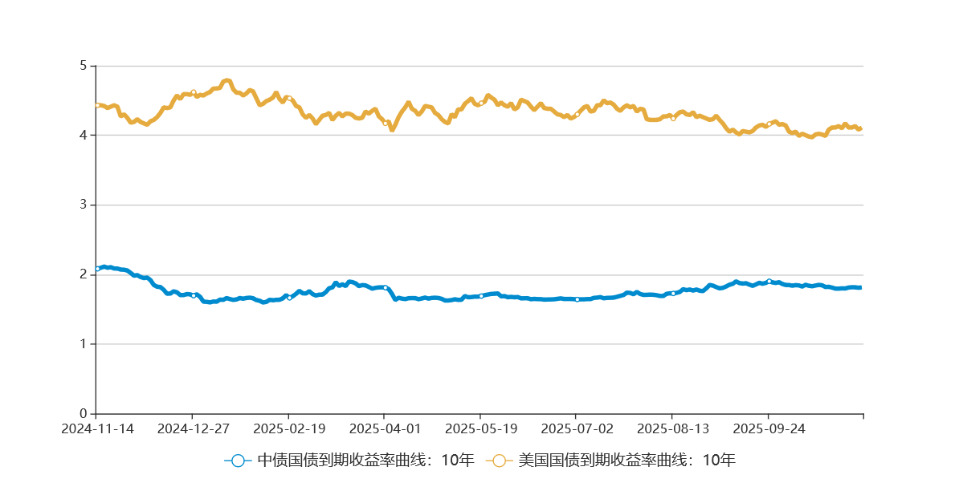
Primary Market - A total of 23 offshore bonds were issued by Chinese entities this week, including 7 RMB bonds, 11 USD bonds, 3 HKD bonds, and 2 EUR bonds, with issuance scales of 10.796 billion RMB, 1.825 billion USD, 3.2 billion HKD, and 700 million EUR respectively [1] - The largest single issuance in the offshore RMB bond market was 4.3 billion RMB by China Resources Land Limited, while the highest coupon rate for RMB bonds was 6.6% issued by Shouguang City Urban Construction Investment and Development Co., Ltd [1] - In the USD bond market, the largest single issuance was 500 million USD by Agricultural Bank of China International Holdings Limited, with the highest coupon rate at 5.2% issued by the Asian Development Bank [1] Secondary Market Overview - The yield on Chinese USD bonds showed mixed results this week, with the Markit iBoxx Chinese USD Bond Composite Index remaining flat at 251.02, while the investment-grade USD bond index increased by 0.02% to 243.69 [2] - The high-yield USD bond index decreased by 0.08% to 244.22, with the real estate USD bond index dropping by 0.34% to 183.66, while the city investment USD bond index rose by 0.18% to 153.23 [2] Benchmark Spread - As of November 14, the spread between the 10-year benchmark government bonds of China and the U.S. widened to 231.67 basis points, an increase of 2.87 basis points from the previous week [3] Credit Rating Changes - Moody's placed the long-term issuer rating of Yuanta Financial Holding Co., Ltd. at "A2" under review for downgrade on November 12 [6] - China Chengxin International downgraded the issuer and "Huangtu Convertible Bond" credit rating of Aerospace Hongtu Information Technology Co., Ltd. from BB+ to BBB, maintaining a negative outlook [6] Defaults and Extensions - Baolong Industrial announced on November 12 that it failed to pay the principal of 721 million RMB and interest of 41.39 million RMB on its "H19 Baolong A and H19 Baolong B" bonds due to underperformance of underlying assets [7] - R&F Properties reported that 66.6% of creditors have agreed to a restructuring plan for its USD bonds as of November 14, with the deadline for creditor participation extended to November 28 [13] - The hearing for the liquidation application of Baolong Properties' subsidiary has been postponed to December 15 [14] Domestic News - In September, the interbank market issued 986 debt financing instruments totaling 841.8 billion RMB, with a cumulative issuance of panda bonds reaching 824.3 billion RMB by the end of September [9] - The Deputy Governor of the People's Bank of China emphasized the need to actively develop direct financing through equity and bonds to enhance market infrastructure and investor protection [10] Overseas News - Federal Reserve Governor Lisa Cook indicated that U.S. inflation is expected to remain above the 2% target for the next 2 to 3 years, stressing the need for restrictive monetary policy to maintain credibility [12] Offshore Debt Alerts - Evergrande Auto's bankruptcy and liquidation petition for its Tianjin subsidiary has been accepted by the court, with the registered capital of the subsidiary being 4.1 billion RMB [16]
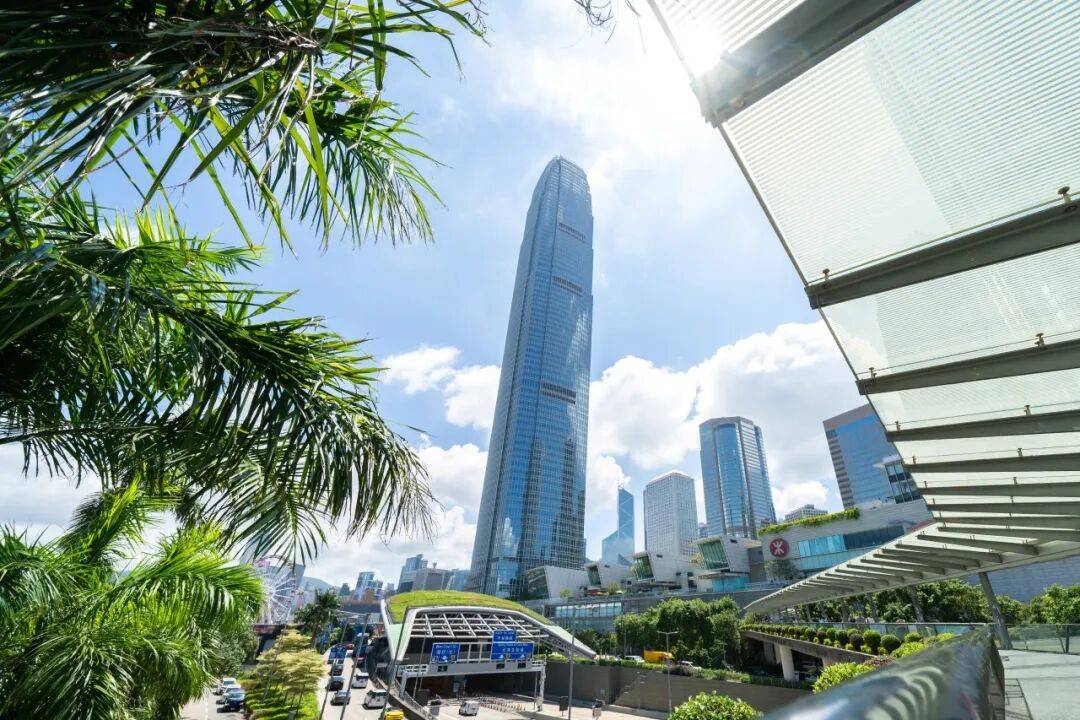
香港交易所欢迎中国财政部发行的主权债券在港上市
Sou Hu Cai Jing· 2025-11-15 05:37
Core Points - The Ministry of Finance of the People's Republic of China has successfully listed sovereign bonds in Hong Kong, totaling $4 billion [2] - The issuance includes $2 billion in three-year bonds and $2 billion in five-year bonds [2] - The Hong Kong bond market has performed well this year, with 268 bonds listed and total financing exceeding HKD 800 billion by the end of October [2] - The bonds issued by the Ministry of Finance account for 8 of the total listings, raising over HKD 20 billion [2] - The Hong Kong Stock Exchange aims to continue collaborating with the industry to support the ongoing development of the bond market and reinforce Hong Kong's position as a leading international bond market [2]

自11月10日起,人民币将正式退出伦敦金属交易所的期货合约交易。单看这一事件或许波澜不惊,但结合美国 12 月即将启动的量化宽松政策,以及刚组建的十国关键矿产联盟来看,这本质是一场针对人民币定价权的精准狙击,且时间节点的把控堪称刻意。大宗商品的“定价权”是什么?它并非一个单一的权力,而...
Sou Hu Cai Jing· 2025-11-15 01:58
Core Viewpoint - The decision by the London Metal Exchange (LME) to remove Renminbi (RMB) from futures trading is a strategic move aimed at undermining RMB's pricing power, coinciding with the upcoming U.S. quantitative easing policy and the formation of a key minerals alliance among ten countries [1][2]. Group 1: Pricing Power Dynamics - Pricing power in commodities is a tripartite structure involving trading rules, currency liquidity, and physical control [2]. - The LME's announcement to suspend all non-U.S. dollar-denominated metal options trading from November 10, 2025, significantly impacts RMB's role in international trading, effectively removing a key tool for risk hedging [2]. - The official reason of "insufficient liquidity" for this decision is questioned given the nearly threefold increase in average daily trading volume of RMB copper futures over the past three years [2]. Group 2: U.S. Monetary Policy and Global Impact - The Federal Reserve's upcoming quantitative easing, which includes lowering the federal funds rate and reinvesting up to $35 billion monthly in mortgage-backed securities, is expected to increase global dollar liquidity [3]. - This influx of liquidity may lead to significant price volatility in global commodity markets, compelling producers and consumers to rely more on the U.S. dollar for pricing [3]. - The removal of RMB tools from the LME will force global market participants to accept the pricing risks associated with the U.S. dollar, enhancing its influence over global resources [3]. Group 3: Strategic Resource Control - The formation of the "Ten Country Key Minerals Alliance," led by the U.S., aims to establish a supply chain for critical minerals like rare earths and lithium that does not depend on China by 2030 [4]. - This initiative targets China's reliance on imports for key resources, coinciding with the EU's policies to secure supply chains from mining to trade [4]. - China's recent discoveries of significant lithium resources and a 30% increase in domestic lithium production are efforts to enhance its supply chain autonomy amid this geopolitical struggle [4]. Group 4: Long-term Implications - The changes in LME rules, U.S. monetary policy, and the establishment of the minerals alliance collectively represent a systemic defense against the current pricing power structure [5]. - This silent competition will reshape the depth and breadth of RMB internationalization and alter global resource distribution and trade order over the coming decades [5].

SOLOWIN HOLDINGS’s Subsidiary Selected as Industry Pioneer in HKMA’s “EnsembleTX” Pilot Phase
Globenewswire· 2025-11-14 13:30
Core Insights - Solowin Holdings has been selected by the Hong Kong Monetary Authority as an industry pioneer in the pilot phase of Project Ensemble, which focuses on enabling real-value transactions involving tokenized deposits and digital assets [1][4]. Group 1: Project Ensemble - Solomon JFZ will collaborate with other leading institutions to facilitate interbank transactions involving tokenized deposits and fund subscriptions through a blockchain-based infrastructure [3]. - The initiative aims to enhance interoperability, efficiency, and automation across the financial ecosystem, laying a foundation for a tokenized economy [3][4]. - The pilot will initially focus on using tokenized deposits in money market fund transactions and managing liquidity in real-time [4]. Group 2: Company Background - Solowin Holdings is a financial technology firm established in 2016, focusing on bridging traditional and decentralized finance [6]. - The company operates through its licensed subsidiary, Solomon JFZ, and has developed a multi-jurisdictional financial platform that includes stablecoin payments and asset tokenization [6]. - The firm is backed by leading international institutional investors and aims to drive the convergence of traditional finance and the Web3 ecosystem [6].

对话纳斯达克副主席:中企仍有赴美上市意愿,期待迎接更多AI企业
Di Yi Cai Jing· 2025-11-14 10:02
Core Insights - Asia continues to be the primary growth driver for Nasdaq's international business, with 66 Chinese companies going public this year, primarily in the $6 million to $7 million range, indicating sustained listing demand from China as the world's second-largest economy [1][2] - The IPO market is recovering, with significant contributions from sectors such as healthcare, fintech, cryptocurrency, and AI, highlighting Nasdaq's appeal for tech-oriented companies [2][3] - Nasdaq aims to attract more AI companies, with OpenAI rumored to be considering an IPO in the near future, emphasizing Nasdaq as the ideal listing venue for such firms [4][5] Asian Market Dynamics - Asian regions, particularly Japan and Korea, are emerging as fast-growing IPO markets, with Japan's IPO count nearly doubling this year and stable interest from Korean companies [2][3] - The healthcare sector remains a strong area for Chinese companies looking to list, with some opting for SPAC mergers and direct listings on Nasdaq [3] Competitive Landscape - Nasdaq is competing with global exchanges like Hong Kong and Tokyo for IPOs, focusing on enhancing liquidity, service quality, and technology to attract companies [5][6] - Recent regulatory changes proposed by Nasdaq aim to tighten listing standards, including raising the minimum public float to $15 million and adjusting fundraising requirements for companies primarily operating in China [6]

九方智投控股涨超5% 完成2025年中期现金分红 机构指公司增配显著
Zhi Tong Cai Jing· 2025-11-14 03:37
Core Viewpoint - Jiufang Zhitu Holdings (09636) has demonstrated a strong commitment to shareholder returns by implementing its first interim cash dividend since its listing, reflecting a positive outlook on its financial health and growth potential [1] Group 1: Financial Performance - As of the report, Jiufang Zhitu Holdings' stock price increased by 5.09%, reaching HKD 60.85, with a trading volume of HKD 129 million [1] - The company announced a total cash dividend of approximately HKD 239 million, equating to HKD 0.51 per share, marking its first semi-annual dividend since going public [1] - Since its listing in 2023, Jiufang Zhitu has distributed a cumulative cash dividend of approximately HKD 719 million over three consecutive years [1] Group 2: Market Trends - According to Huachuang Securities, the market trend in Q3 favored "heavy technology growth," leading to a significant shift in fund allocation [1] - Funds have shown a tendency to reduce holdings in mature "traditional beta" stocks like Dongcai and Hong Kong Stock Exchange, while increasing investments in "emerging beta" stocks such as Jiufang Zhitu, which are associated with financial technology and virtual assets [1]
港股异动 | 九方智投控股(09636)涨超5% 完成2025年中期现金分红 机构指公司增配显著
智通财经网· 2025-11-14 03:32
Group 1 - The core point of the article highlights that Jiufang Zhitu Holdings (09636) has seen a stock price increase of over 5%, reaching HKD 60.85, with a trading volume of HKD 1.29 billion [1] - On November 13, Jiufang Zhitu Holdings completed its mid-term cash dividend for 2025, distributing a total of approximately HKD 239 million, which translates to a dividend of HKD 0.51 per share. This marks the company's first semi-annual dividend since its listing, indicating a commitment to shareholder return policies [1] - Since its listing in 2023, the company has implemented annual dividends for three consecutive years, and with the recent mid-term dividend, it has cumulatively distributed cash dividends totaling approximately HKD 719 million [1] Group 2 - Huachuang Securities' recent research report indicates that in Q3, the market style has shifted towards "heavy technology growth." Despite the positive market conditions benefiting companies like Dongcai, HKEX, and Jiufang Zhitu, there has been a notable divergence in fund allocations. Funds are leaning towards reducing holdings in mature "traditional beta" stocks (Dongcai, HKEX) and increasing positions in "emerging beta" stocks (Jiufang Zhitu) that are associated with financial technology and virtual assets, which have higher growth expectations [1]