lululemon athletica inc.

Search documents
多地创新开展国际消费中心城市培育建设——打造国际消费新标杆
Jing Ji Ri Bao· 2025-08-11 00:18
Group 1: Core Insights - The cultivation of international consumption center cities is a significant decision by the central government aimed at boosting consumption and promoting high-quality development [1] - Cities like Beijing, Shanghai, and Guangzhou are focusing on optimizing the consumption environment to achieve positive results in building international consumption centers [1] Group 2: Innovation in Consumption Scenarios - Innovation and upgrading of consumption scenarios are essential for building international consumption center cities, with cities actively enhancing tourism services to meet diverse consumer needs [2] - Beijing is integrating historical culture with modern trends to accelerate the development of international consumption centers through various innovative projects [2] - The "Shanghai Summer" international consumption season has seen a 42.2% increase in overseas visitors and a 68.2% rise in foreign card spending compared to previous years [3] Group 3: Commercial Space Development - Guangzhou has added over 60 new or upgraded commercial spaces since 2021, expanding commercial area by 3.63 million square meters [3] - The city is developing a multi-tiered commercial system, enhancing its consumption capacity with new projects like Taikoo Li and K11 [4] Group 4: Optimizing the Consumption Environment - Beijing's Wangfujing area is undergoing transformation with the introduction of high-quality flagship stores and outdoor activities to enhance consumer engagement [5] - The city has seen nearly 400 new flagship stores open from January to May this year, with various events held to attract consumers [6] - Guangzhou has achieved a 99.9% acceptance rate for foreign cards among key merchants, significantly enhancing the shopping experience for international visitors [6] Group 5: Institutional Innovation - Shanghai has pioneered the "immediate refund" service for departure tax, improving consumer experience and increasing tax refunds by 126.7% this year [7] - Beijing is expanding its departure tax refund services to enhance convenience for international travelers, creating a "refund upon purchase" scenario [7] - Guangzhou is implementing 129 pilot tasks to expand service industry openness, with successful initiatives being replicated nationwide [8]
多地创新开展国际消费中心城市培育建设—— 打造国际消费新标杆
Jing Ji Ri Bao· 2025-08-10 21:58
Core Viewpoint - The cultivation and construction of international consumption center cities is a significant decision by the central government aimed at boosting consumption, promoting high-quality development, and better meeting the needs of people's lives [1] Group 1: Innovation in Consumption Scenarios - Cities are actively innovating and enriching consumption scenarios to attract personalized and quality demands from tourists, enhancing tourism services [2] - Beijing is integrating its rich historical culture with the trends of Generation Z through various innovative consumption spaces, such as the opening of the Qianmen Night Technology Experience Hall [2] - The "Shanghai Summer" international consumption season has seen a 42.2% year-on-year increase in the number of overseas visitors and a 68.2% increase in foreign card spending [3] Group 2: Optimization of Consumption Environment - Beijing's Wangfujing area is undergoing transformation with the introduction of high-quality flagship stores and outdoor activities, enhancing the shopping experience [5] - In 2023, nearly 400 new flagship stores opened in Beijing, with around 200 events held, significantly boosting the area's vibrancy [6] - Guangzhou has achieved a 99.9% acceptance rate for foreign cards among key merchants, facilitating international tourists' shopping experience [6] Group 3: Strengthening Institutional Innovation - Shanghai has pioneered the "immediate refund" service for departure tax refunds, significantly improving consumer experience, with a 126.7% year-on-year increase in tax refund transactions [7] - Beijing has expanded its departure tax refund services to include city-wide points, enhancing convenience for international travelers [7] - Guangzhou is implementing 129 pilot tasks to expand service industry openness, with experiences being replicated nationwide [8] Group 4: Policy Support and Future Outlook - The cultivation of international consumption center cities is included in the national "14th Five-Year Plan," with continuous policy support and innovative practices expected to elevate China's consumption to a higher level [8]
把握夏日“凉”机
Jing Ji Ri Bao· 2025-08-08 22:00
Group 1 - The core viewpoint of the articles highlights the booming "cooling economy" in Qingdao, driven by rising temperatures and consumer demand for summer products and services [1][2][3] - Various summer products such as air conditioning, sun protection clothing, and cooling household items are experiencing strong sales, with innovative offerings meeting new consumer needs [1][2] - The clothing market, particularly for sun protection and outdoor sports apparel, is showing significant growth, with consumers increasingly willing to purchase these items [1][2] Group 2 - The concept of "one-degree effect" in economics suggests that a 1°C increase in temperature can significantly impact product sales, leading to a surge in demand for cooling products and services [2] - Tourist attractions in the Shinan District are becoming popular summer destinations, with beaches and scenic spots attracting large crowds [2][3] - The Qingdao First Bathing Beach is enhancing its services through facility upgrades and improved customer experience, contributing to the overall growth of the summer tourism economy [3]
NIKE's E-Commerce Momentum Builds: Is it Enough to Offset Retail Woes?
ZACKS· 2025-08-08 14:25
Core Insights - NIKE Inc. is intensifying its focus on e-commerce amidst a challenging retail environment, with digital transformation efforts showing early signs of success [1][8] - The company is implementing strategies such as storytelling integration, partnerships with platforms like Amazon, and enhancing wholesale collaborations to expand consumer reach [1][8] - Despite digital gains, NIKE faces ongoing retail challenges, including declining wholesale revenues and high inventories in certain regions [2][8] E-commerce Strategy - NIKE Direct is evolving into a premium destination linked to sports moments and product launches, aiming for full-price sales even at the cost of lower short-term traffic [1][3] - The brand is committed to leveraging its sport-led identity to stimulate consumer demand both online and in physical stores [3] Competitive Landscape - Rivals lululemon and adidas are also enhancing their e-commerce strategies to capture consumer spending in a digital-first marketplace [4] - lululemon's e-commerce contributes over 40% of total revenues, supported by strong product innovation and brand activations [5] - adidas is experiencing growth in its e-commerce segment through exclusive product drops and targeted marketing, helping to mitigate the impact of weaker wholesale and store traffic [6] Financial Performance - NIKE's shares have increased by 27.5% over the past three months, outperforming the industry growth of 23.4% [7] - The Zacks Consensus Estimate indicates a projected earnings decline of 21.8% for fiscal 2026, followed by a growth of 53.7% for fiscal 2027 [9] - NIKE's forward price-to-earnings ratio stands at 40.05X, significantly above the industry's 30.08X [12]


运动品牌发力开店:开在运动场上,也开进知名街区里
3 6 Ke· 2025-08-08 02:48
Core Insights - High-end sports brands are increasingly investing in physical retail spaces, creating immersive environments that connect consumers with their lifestyle choices [1][2] - The strategy focuses on establishing closer connections with consumers through experiential retail, moving beyond traditional sales models [1][4] Group 1: Store Location and Experience - High-end sports brands are opening stores in unique locations such as hiking trails, luxury golf courses, and urban landmarks to enhance the consumer experience [1] - Salomon has established a store in Chamonix, a renowned winter sports destination, offering a range of outdoor sports equipment and services tailored to local needs [4][6] - Brands like Arc'teryx and Descente are creating specialized stores that cater to specific sports, such as skiing and golf, while also providing community engagement activities [8][9] Group 2: Consumer Engagement and Demand Activation - The physical proximity of stores to sports activities allows brands to capture immediate consumer needs and provide relevant products and services [6] - Brands are designing interactive spaces within stores to trigger consumer interest and participation in various sports, transforming passive shopping into active engagement [8][9] - Decathlon has introduced immersive experiences in new stores, allowing consumers to try out different sports activities, thereby enhancing their enthusiasm for sports [8] Group 3: Cultural and Community Integration - High-end sports brands are embedding themselves within local cultures, creating emotional connections with consumers through community involvement and cultural symbolism [11][13] - Nike's flagship store in Wuhan incorporates local dialect and cultural references to resonate with the community, while Salomon's store in Shanghai collaborates with local artists and businesses [11][13] - Brands like lululemon are organizing community events to foster connections and promote a healthy lifestyle, integrating their brand into the local social fabric [13] Group 4: Synergy of Scene and Localization - The combination of experiential retail and local cultural integration creates a symbiotic ecosystem that enhances brand loyalty and reduces customer acquisition costs [15][17] - Arc'teryx has partnered with local hotels to open stores in remote areas, providing tailored services and products that align with the outdoor lifestyle of their target audience [15][17] - This shift in focus from mere sales to value creation positions brands as cultural participants, fostering a deeper connection with consumers through shared values and experiences [17]

上半年宁波开出89家首店,它重回第一!
3 6 Ke· 2025-08-07 02:25
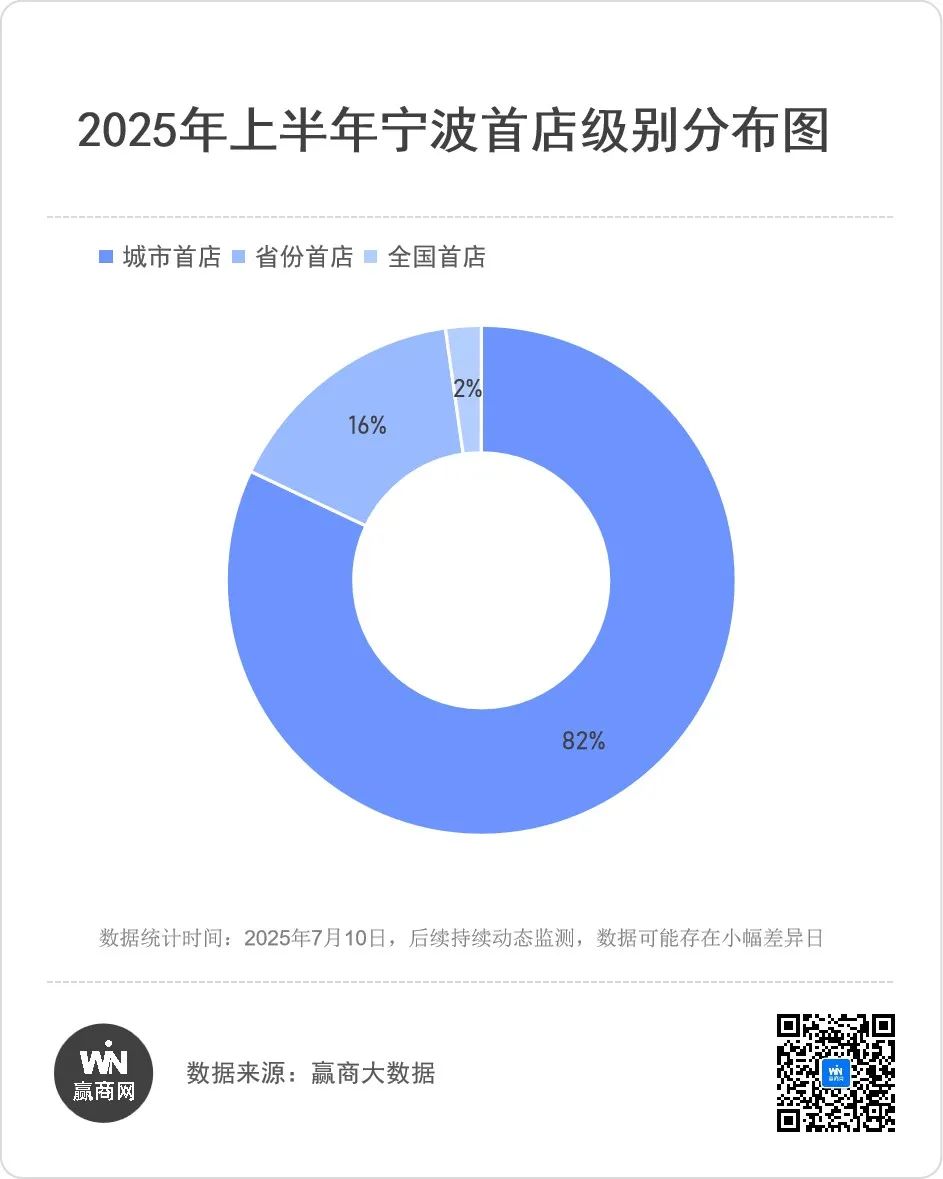
Group 1 - In the first half of 2025, Ningbo's first-store economy developed further, attracting 89 new stores, including 2 national first stores, 14 provincial first stores, and 73 city first stores [1][3] - High-profile first stores include the national first store of Korean children's clothing brand bebe de pinos at Ningbo Hankyu Department Store and the national first store of the Garden Museum concept store at Ningbo Qianwan Shengshi Li [1][3] - The majority of the new stores are standard stores (82), with 7 being non-standard, indicating a deepening trend in unique store formats [3] Group 2 - Ningbo Tianyi Plaza regained its top position among shopping districts, introducing 11 new stores, primarily in the dining sector, enhancing its reputation as a food destination [4] - Ningbo Hankyu ranked second with 9 new stores, focusing on retail, including several first stores for luxury and international brands [4] - Ningbo MixC came in third with 7 new dining stores, showcasing a variety of culinary trends and popular brands [4] Group 3 - The Pan Sanjiangkou business district remains strong, adding 22 new stores, supported by its cultural and tourism attributes [6] - The Southern Business District follows with 17 new stores, demonstrating balanced development across various projects [6] - The Eastern New Town business district added 12 new stores, with retail being the main strength, indicating potential for future growth in dining and entertainment [6] Group 4 - The restaurant sector showed significant vitality, accounting for 65.17% of new stores, while retail's share dropped to 17.98% [8] - A total of 57 new restaurant stores opened, including 1 national first store and 7 provincial first stores, indicating a strong influx of new brands [10] - The retail sector saw a decline, with only 16 new stores, and a 12% year-on-year drop in activity [12] Group 5 - Notable new stores include lululemon's first outlet in Zhejiang, which opened on May 15, 2024, at Ningbo Shanjing Outlets [14] - BLUEDOG's first store in Zhejiang opened on April 1, 2024, at Ningbo Hankyu, focusing on children's clothing [16] - Grid Coffee launched three new stores in Ningbo on April 25, 2024, emphasizing a return to authentic coffee flavors [18]

望远镜系列12之2025Q1财报总结:营收表现分化,终端需求待修复
Changjiang Securities· 2025-08-06 23:30
Investment Rating - The report maintains a "Positive" investment rating for the textile, apparel, and luxury goods industry [11]. Core Insights - Revenue performance in Q1 2025 shows divergence among brands, with On (+40%) and Adidas (+13%) performing well, while Nike (-7%) and Under Armour (-11%) face revenue declines due to weak demand and inventory adjustments [6][20]. - The cautious revenue guidance from key companies indicates a continuation of this divergent performance in upcoming quarters, with some brands canceling their full-year guidance [7][25]. - The industry is entering a replenishment phase, but weak end-consumer demand necessitates close monitoring of recovery trends [9][34]. Revenue Performance - In Q1 2025, On and Adidas exhibited strong revenue growth, while Nike and UA struggled with declines [6][18]. - The overall revenue growth rates varied significantly across regions, with North America and Greater China showing relative weakness [20][22]. Inventory Dynamics - The apparel industry has returned to a healthy inventory level but is now entering a replenishment phase, with some brands beginning to accumulate stock [8][9]. - Retailers' inventory-to-sales ratios are normal, but certain brands are still in a destocking phase, particularly Nike and VF [8][9]. Future Outlook - The report emphasizes the need to monitor the pace of consumer demand recovery, especially as the industry faces challenges from weak demand and inflationary pressures [9][34]. - Nike's gradual operational improvement may alleviate some negative pressures on the industry, suggesting potential for a rebound in the manufacturing sector [9][34].


巴克莱银行下调Lululemon目标价至209美元
Ge Long Hui A P P· 2025-08-06 11:38
格隆汇8月6日|巴克莱银行将Lululemon目标价从270美元下调至209美元。 ...

或将接盘“没落贵族”锐步?安踏回应
Guan Cha Zhe Wang· 2025-08-04 10:29
Group 1 - Anta Group has reached an agreement with Authentic Brands Group (ABG) to acquire the Reebok brand, with the transaction nearing completion [1] - Anta's interest in Reebok has been evident since March, with previous reports indicating that Anta was on the list of potential buyers before ABG acquired Reebok from Adidas for $2.5 billion [1][3] - Reebok, founded in 1958, was once a leading brand in the athletic footwear market, surpassing Nike in sales in 1987 with $1.4 billion [1][3] Group 2 - Reebok's brand value has declined by over 30% since its peak, and despite attempts at transformation under Adidas, the brand has struggled to regain market presence [3] - In China, Reebok's sales on major e-commerce platforms totaled only 160 million RMB, indicating poor performance in the market [3][4] - The pricing of Reebok products in China is significantly lower than in overseas markets, which may affect brand perception and competitiveness [4] Group 3 - The acquisition of Reebok by Anta presents challenges in managing multiple independent research and development systems, as well as integrating supply chains and marketing resources [8]

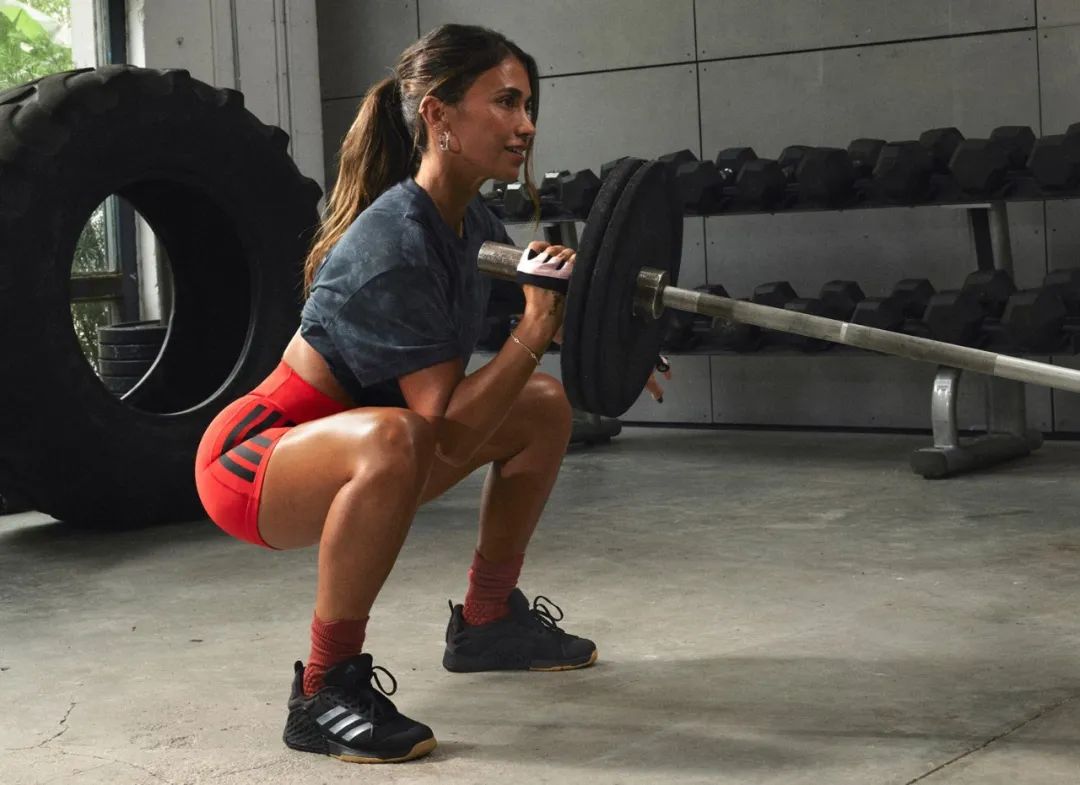
综训鞋服市场再起混战,谁能从健身新格局中受益
3 6 Ke· 2025-08-04 01:41
Core Insights - The domestic fitness industry in 2025 shows positive signs of growth, with companies like LeKe proposing new strategies and expanding their store count to over 2000 [1] - The rise of comprehensive training methods is transforming the fitness landscape, moving from niche to mainstream, as evidenced by the growth of events like HYROX [1][2] - A significant shift in the exercise mindset among younger generations is driving this growth, with Gen Z showing a preference for competitive training and quantifiable performance [2] Group 1: Industry Trends - Comprehensive training is becoming a bridge between professional sports and everyday fitness, with brands like lululemon and alo blurring the lines between workout and casual wear [7] - Market segmentation is accelerating, with major brands targeting hardcore players through event IPs, while smaller brands focus on specific communities [7] - Brand competition is evolving beyond products to encompass the entire experience, including equipment, content, and community engagement [8] Group 2: Company Strategies - Adidas is actively engaging in the fitness market by partnering with major events and signing prominent athletes to establish authority in the professional domain [4] - Puma is focusing on the emerging HYROX event, planning to expand its presence in China and solidifying its position in the comprehensive training sector [4] - Nike maintains a subtle yet effective strategy, with its Mecton series products gaining traction in comprehensive training venues [4] Group 3: Market Dynamics - Li Ning reported that running, basketball, and comprehensive training contributed to 64% of its revenue, highlighting the importance of these categories [5] - Smaller brands are finding niches in the market, with collaborations and targeted products catering to specific audiences, indicating a diversification in the comprehensive training market [5] - The competitive landscape is characterized by a mix of established brands and emerging players, each vying for a share of the growing comprehensive training market [9]