抖音

Search documents
“双11”竞争:各忙各的
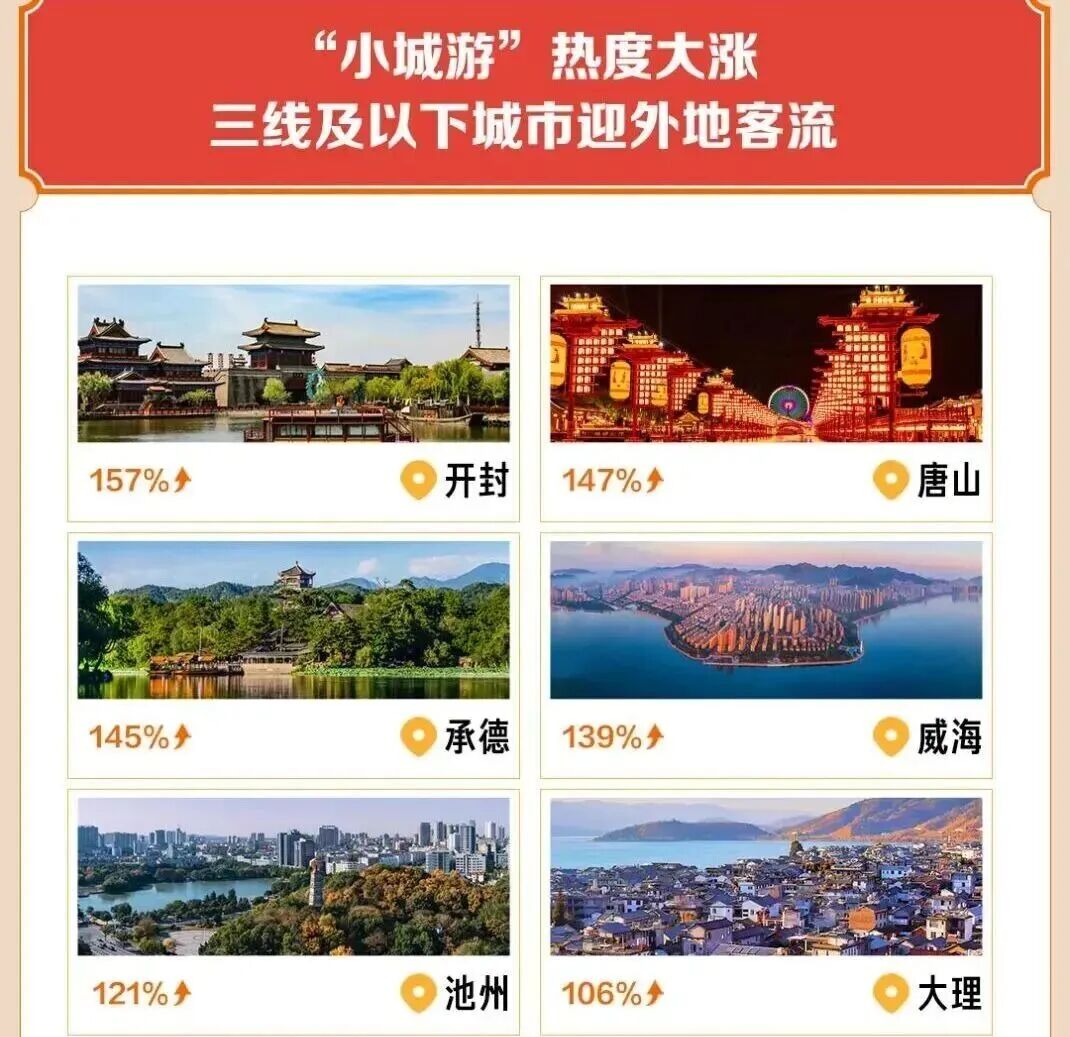
Bei Jing Shang Bao· 2025-10-16 16:17
Core Insights - The "Double 11" shopping festival has evolved into a month-long promotional event, with a shift from price-driven strategies to brand recognition and user experience [2][3] - Different e-commerce platforms are adopting varied strategies, such as pre-sale and immediate sale, to cater to diverse consumer needs and enhance their competitive edge [1][2] Group 1: Promotional Strategies - The competition among platforms like JD, Douyin, and Taobao is marked by differences in pre-sale and immediate sale approaches, impacting consumer behavior and merchant strategies [1] - The concept of "super brand dividends" has emerged, with platforms focusing on unique offerings like Taobao Flash Sale and membership benefits to attract consumers [2] Group 2: Consumer Behavior - Consumers are no longer rushing to stock up during the festival; instead, they are more focused on user experience and brand loyalty [3] - The shift in consumer behavior indicates that price is no longer the sole decision factor, as brand trust and long-term value become more significant [2][3]


“双11”迈入效率竞争新阶段:AI与即时零售重构增长逻辑
Zheng Quan Ri Bao Zhi Sheng· 2025-10-16 16:11
Core Insights - The annual "Double 11" shopping festival has evolved into a competition focused on high-quality growth driven by technology and efficiency rather than just traffic scale [1][3] - Major platforms like JD and Tmall have initiated their promotions earlier, extending the shopping period and enhancing user experience [2][3] Group 1: Extended Promotion Period - JD launched its "Double 11" campaign on October 9, utilizing a "current stock sale" strategy, resulting in a 47.6% year-on-year increase in active users from October 9 to 10 [2] - Tmall's pre-sale data showed that in the first hour, 35 brands achieved over 100 million yuan in sales, with 1802 brands doubling their sales compared to the previous year [2] - The early start of promotions allows platforms to better manage traffic peaks and optimize delivery experiences [3] Group 2: AI Integration - Tmall is heavily investing in AI to enhance product capabilities and improve user engagement, aiming for a more efficient shopping experience [4] - The platform's computing power has increased by 40 times, significantly improving product recommendation accuracy and boosting purchase efficiency by 25% [5] - JD is also accelerating its AI initiatives, offering free access to various AI tools for merchants during the "Double 11" period [5][6] Group 3: Rise of Instant Retail - Instant retail is becoming a key growth area, with platforms leveraging "near-field" consumption to drive "far-field" transactions [7][8] - Tmall's flash purchase feature is expected to enhance user engagement and consumption habits, with significant growth in non-food brands [7] - JD is integrating local life services with over 3 million merchants to meet diverse consumer needs during the promotion [8][9] Group 4: Competitive Landscape - The competition among platforms has shifted from price and traffic wars to a focus on technology, efficiency, and user experience [1][3] - The integration of instant retail is reshaping the e-commerce landscape, indicating a new era of online and offline convergence [9]
“双11”大战提前打响,今年有啥不一样?
Chang Sha Wan Bao· 2025-10-16 15:15
Core Insights - The "Double 11" shopping festival has been extended in duration and started earlier this year, with major platforms like Tmall, Douyin, and JD launching their promotions ahead of the traditional date [2][4] - There is a noticeable trend towards simplifying promotional strategies, moving away from complex discount structures to more straightforward offers such as direct discounts and cash reductions [2][3] - Consumers are becoming more rational in their purchasing behavior, focusing on essential items rather than impulse buying, indicating a shift in shopping habits [3][5] Group 1: Event Overview - The "Double 11" festival began on October 15, with various platforms initiating their promotions earlier, starting from September 30 [2] - Major platforms are adopting simpler promotional tactics, such as Tmall's 15% discount on core products and JD's direct price cuts [2] Group 2: Consumer Behavior - Consumers are increasingly prioritizing essential goods over impulse purchases, reflecting a more rational approach to shopping during the festival [3] - Many consumers express a desire to avoid the overwhelming promotional tactics that lead to impulsive buying, indicating a shift in mindset [3][5] Group 3: Market Trends - Instant retail is becoming a significant focus for platforms during "Double 11," with promotions like JD's 50% off on instant delivery items [4] - The competitive landscape of the takeaway market is intensifying, with platforms integrating instant retail into their promotional strategies [4]
【西街观察】双11竞争:各忙各的
Bei Jing Shang Bao· 2025-10-16 15:06
Core Insights - The "Double 11" shopping festival has evolved into a month-long promotional event, with a shift from price-driven strategies to enhancing user experience and brand recognition [1][3] Group 1: Competitive Strategies - Different e-commerce platforms are adopting varied strategies for "Double 11," with pre-sale and immediate sale options reflecting their unique competitive approaches [1] - Platforms like JD and Douyin have started their sales 11 days earlier than Taobao and Tmall, emphasizing immediate consumer satisfaction [1] - The decision to offer pre-sales or immediate sales is influenced by the need to cater to diverse consumer and merchant demands [1] Group 2: Brand Recognition and Consumer Behavior - The essence of competition has shifted from price to brand recognition, with platforms and merchants using discounts to attract loyal customers willing to pay a premium for brand trust [2] - Tmall's focus on "three super" initiatives highlights the importance of brand loyalty and the need for platforms to differentiate themselves in a crowded market [2] - Instant retail, represented by initiatives like Taobao Flash Sale, is seen as both a challenge and an opportunity for traditional e-commerce [2] Group 3: Market Trends - The promotional nature of "Double 11" is transitioning from a one-day event to a more normalized shopping experience, with consumers no longer feeling the need to stockpile goods [3] - The competitive focus is now on enhancing user experience and comprehensive operational strategies rather than just price reductions [3]

当豆包成为售货员,商家“一脸懵”消费者分两派,AI电商会成为新热点吗?
Sou Hu Cai Jing· 2025-10-16 10:30
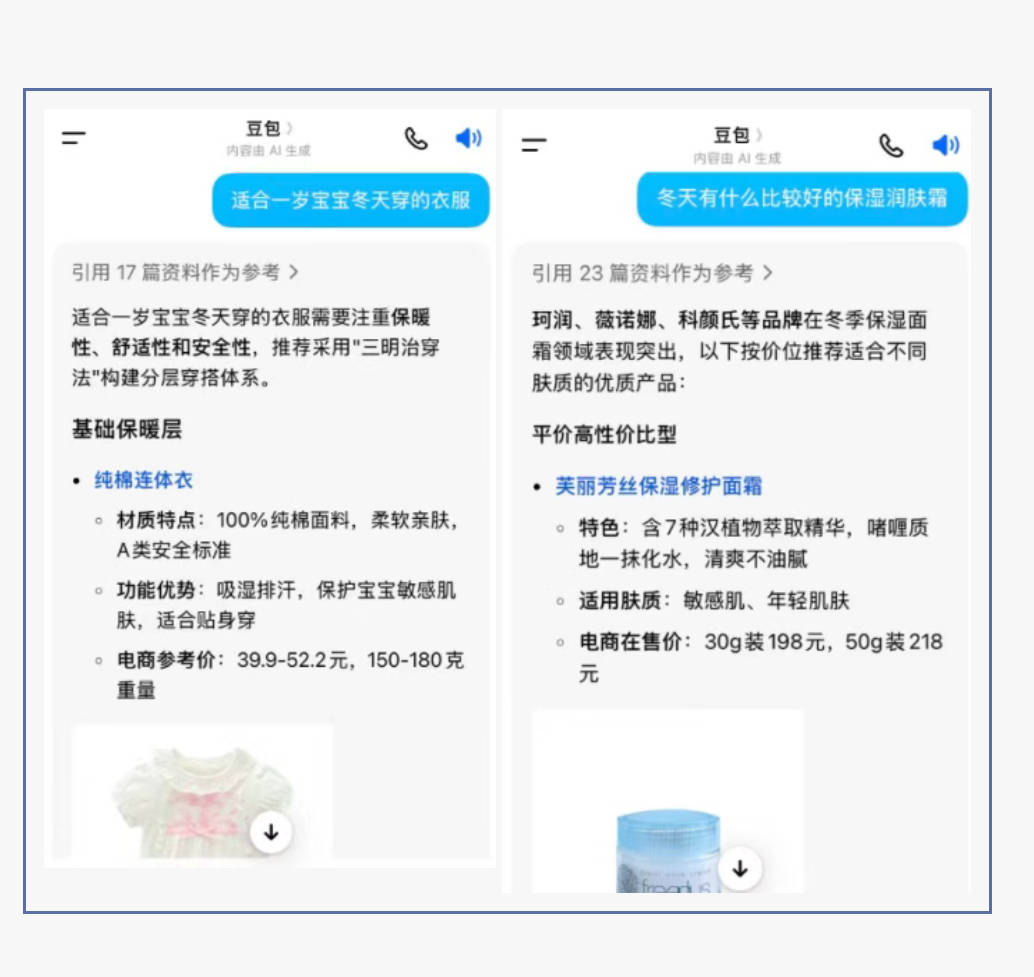
Core Viewpoint - The collaboration between OpenAI and Walmart to launch conversational shopping features on the ChatGPT platform highlights a significant trend in AI and e-commerce, while China's AI e-commerce initiatives, such as Doubao, are still in a cautious testing phase [1][11][17] Group 1: Doubao's AI E-commerce Initiative - Doubao has introduced a feature allowing users to browse and purchase products through natural language conversations, similar to the ChatGPT and Walmart collaboration [1] - Merchants on Douyin have expressed uncertainty regarding Doubao's product recommendation mechanism, viewing it primarily as an advertising tool [2][4] - Some merchants have not noticed significant changes in traffic or sales linked to Doubao's new feature, indicating a need for further observation [6] Group 2: Consumer Reactions - Consumer responses are divided into two main groups: those who firmly reject AI recommendations due to distrust and habitual shopping methods, and those who are hesitant but open to considering AI recommendations if they offer good value [9][10] - A small sample of consumers showed a lack of trust in AI recommendations, with concerns about accountability if prices change after recommendations [10] Group 3: Market Context and Challenges - The Chinese e-commerce landscape is characterized by highly integrated platforms like Taobao and Douyin, which already provide seamless shopping experiences, making the introduction of standalone conversational shopping features less appealing [13][14] - Experts suggest that the cautious approach of Chinese platforms towards conversational shopping stems from concerns about model reliability and the potential negative impact on user trust and conversion rates [15][16] - The current low acceptance of AI e-commerce among consumers and merchants indicates that further refinement and adaptation to user habits are necessary for successful implementation [17]


年轻人住进帐篷,酒店老板还困在低价里
3 6 Ke· 2025-10-16 07:33
Core Insights - The hotel and travel industry is experiencing significant challenges, particularly for small and medium-sized hotels, which are facing low occupancy rates and price pressures due to OTA platform interventions [1][2][4] - A conflict over pricing authority between hotels and OTA platforms has escalated, prompting regulatory intervention to address issues such as price manipulation and unfair practices [2][3][4] Industry Dynamics - Many hotel owners report instances of OTA platforms unilaterally adjusting room prices, leading to significant revenue losses [1][4] - The regulatory bodies have highlighted the misuse of technology by OTA platforms to interfere with hotel pricing, indicating a need for reform in the industry [2][3][4] - The competitive landscape is shifting with new entrants like JD.com and Douyin offering lower commission rates and alternative pricing strategies, which could disrupt the existing OTA market [8][9][10] Pricing Strategies - OTA platforms utilize automated pricing tools that can lead to rapid price adjustments across multiple platforms, creating a cycle of price undercutting [3][5][7] - The current commission rates for hotels on major OTA platforms range from 10% to 18%, which significantly impacts hotel profitability and pricing strategies [9][10] Market Trends - The hotel industry is witnessing a decline in average daily rates (ADR) and revenue per available room (RevPAR), with projections indicating a 5% decrease in RevPAR for the first half of 2025 [13][14] - The recent National Day holiday saw lower occupancy rates compared to previous years, with many hotels unable to raise prices despite reduced demand [14][15] Regulatory Environment - Regulatory agencies are increasingly scrutinizing OTA practices, particularly concerning price manipulation and exclusivity agreements that limit hotel operators' options [4][12][18] - The ongoing regulatory focus may lead to changes in how OTA platforms operate, potentially improving conditions for hotel operators in the long term [18]

2025数商兴农暨九九网购节启动仪式在青岛莱西成功举办
Qi Lu Wan Bao· 2025-10-16 06:49
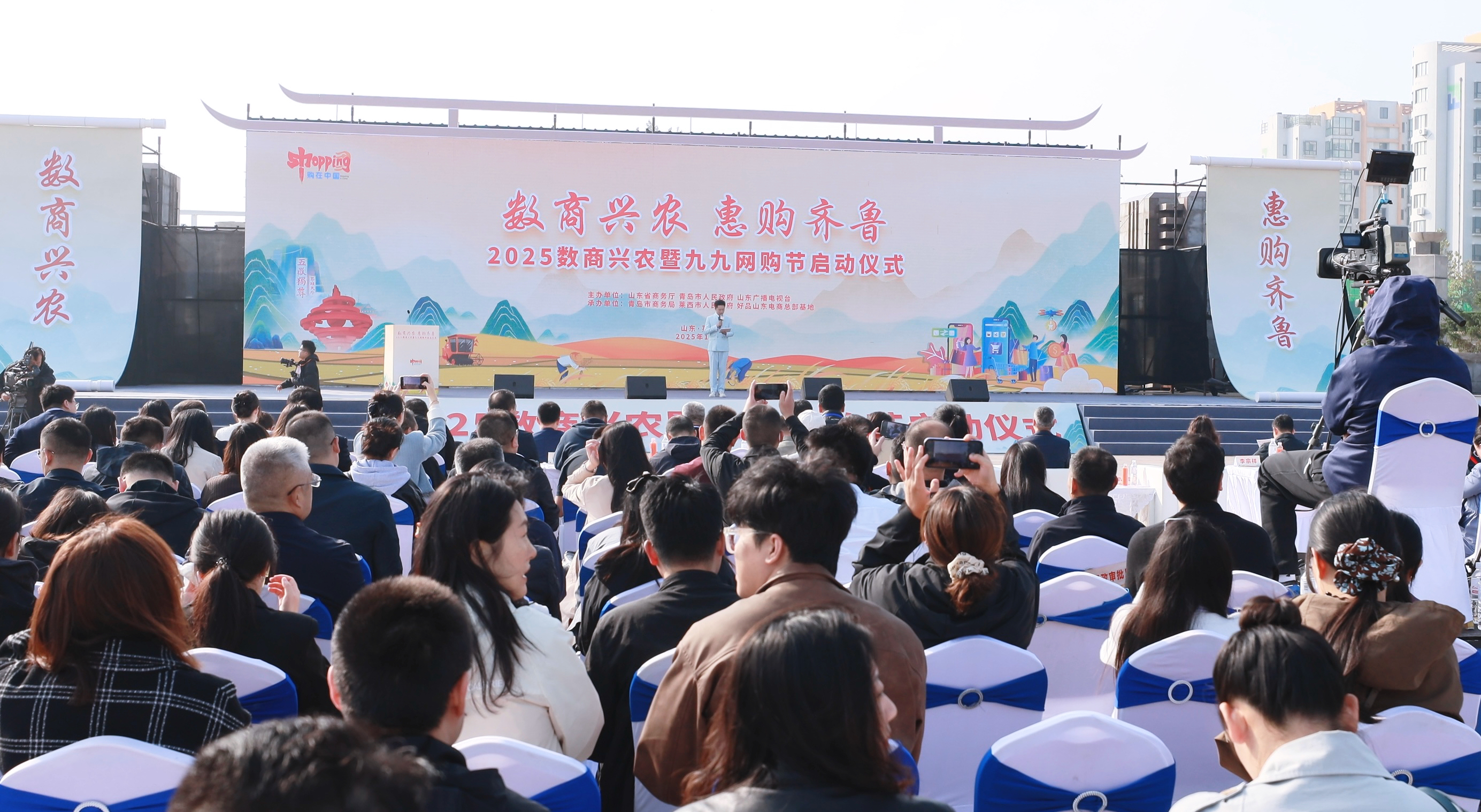
Core Insights - The "Digital Commerce Empowering Agriculture" event was launched on October 16, 2025, in Laixi City, Qingdao, aiming to explore new paths for digital commerce to empower agricultural modernization and facilitate urban-rural circulation [1][3][7] Group 1: Event Overview - The event was co-hosted by the Shandong Provincial Department of Commerce, Qingdao Municipal Government, and Shandong Radio and Television Station, gathering over 300 representatives from e-commerce platforms, rural anchors, agricultural enterprises, and government departments [1][3] - The event included the release of a list of 25 outstanding agricultural anchors, 26 excellent e-commerce enterprises, and 25 exemplary e-commerce live broadcast bases, showcasing successful case studies [6] Group 2: Digital Commerce Development - Digital technology has accelerated the empowerment of agriculture and rural areas, with e-commerce serving as a "new bridge" connecting urban and rural markets [3][4] - Shandong Province is actively responding to national strategies for developing digital villages and promoting high-quality rural e-commerce, focusing on improving the rural e-commerce ecosystem, strengthening digital infrastructure, and cultivating local e-commerce talent [3][4] Group 3: Economic Impact - The online retail sales of agricultural products in Shandong Province are expected to continue growing in 2025, with significant improvements in express delivery service coverage in rural areas [4] - The event marks a significant step in promoting high-quality rural e-commerce development and supporting comprehensive rural revitalization in Shandong Province [7]
电商行业近况及双11更新:反内卷导向下用户补贴弱化,各平台加快布局第二曲线
Guoxin Securities· 2025-10-16 04:07
Investment Rating - The industry investment rating is "Outperform the Market" (maintained) [3][45] Core Insights - The report highlights two main themes for online retail in 2025: anti-involution and instant retail [6][22] - The upcoming Double 11 shopping festival is expected to see a significant reduction in investment from various platforms, leading to a continued divergence in GMV performance [25][30] Summary by Sections 1. Online Retail Themes - The anti-involution theme focuses on reducing burdens for small and medium-sized merchants, with platforms like Pinduoduo and Douyin implementing lower commission rates [6][10] - Instant retail is characterized by a need for long-term investment and is currently facing losses across various platforms [17][20] 2. Double 11 Preview - Investment for Double 11 is expected to shrink significantly, with GMV performance anticipated to diverge among platforms [25][30] - Major platforms are extending their promotional cycles, with new entrants like Taobao Flash Sale and Xiaohongshu participating for the first time [31][34] 3. Investment Recommendations - The report recommends Alibaba and Kuaishou for their rapid development in AI-related second curve opportunities, while Pinduoduo is noted for its long-term competitive advantages despite short-term challenges [5][45]

公布“提货卡诈骗”治理进展,抖音电商清退违规商家1603家
Bei Jing Shang Bao· 2025-10-16 03:52
Core Insights - Douyin E-commerce Security and Trust Center has made significant progress in combating delivery card fraud since August 2025, with a total of 1,603 merchants removed from the platform [1] - The platform has banned 2,976 non-compliant products and dealt with 634 non-compliant influencers [1] - In collaboration with relevant authorities, 19 criminal suspects have been apprehended, including 6 suspects from 3 criminal gangs in October [1]
开封旅游杀疯了,酒店业却还没准备好
3 6 Ke· 2025-10-16 00:33
Core Insights - Kaifeng is emerging as a strong contender in the tourism and hospitality sector in Henan, surpassing Luoyang with impressive statistics such as 7.83 million tourists, 5.48 billion yuan in tourism revenue, and a 36% increase in orders during the National Day holiday [1] - The influx of visitors has created unprecedented opportunities for the hotel market in Kaifeng, but it has also led to a rapidly changing competitive landscape [1] Group 1: Market Performance - Kaifeng's hotel orders surged by 66% during the summer, with high-star hotels seeing a 19% increase in two-night stays [2] - During the National Day holiday, the growth rate of homestay orders reached 269%, while accommodation group orders increased by 157% [3] - Hotel prices in Kaifeng have skyrocketed, with increases ranging from 5 to 40 times in some cases [4] Group 2: Supply and Demand Dynamics - The hotel market is experiencing rapid expansion, with approximately 4,526 new rooms added in 2024 and another 2,347 in the first half of 2025, leading to a total room count nearing 28,000 [7] - The number of homestays has also grown significantly, with over 2,100 officially registered and nearly 3,000 when including unregistered ones [7] - Despite high occupancy rates during peak seasons, structural issues are emerging, such as oversupply of budget hotels and a lack of high-quality accommodations [8][10] Group 3: Challenges in the Hospitality Sector - There is a coexistence of oversupply and insufficient quality supply, with a high occupancy rate of over 70% in August but a decline in average occupancy to about 60% during the National Day holiday [12] - Many new hotels and homestays lack unique design and quality, leading to a homogenized market that may result in a price war and declining service quality [10][12] - The market is facing a disconnect between price signals and user experience, with many consumers dissatisfied with the quality of service despite high prices [13][15] Group 4: Future Trends - The hotel market in Kaifeng is expected to evolve towards rationality and differentiation, with a growing demand for mid-to-high-end hotels that offer quality and experience [20][22] - The trend of chain hotels is becoming mainstream, as many investors prefer established brands to mitigate risks and enhance competitiveness [24][26] - Prices are likely to become more rational, with the extreme price fluctuations seen in peak seasons becoming less common [27][28]