蔚来

Search documents
从“蔚小理”到“零鸿米”
Ren Min Ri Bao· 2026-01-16 10:17
Group 1 - The new energy vehicle (NEV) market is experiencing a shift in competitive dynamics, with new players like Leap Motor and Hongmeng Zhixing rising in sales rankings, while traditional brands like NIO, Xpeng, and Li Auto are adjusting their strategies [2] - The entry of internet companies into the automotive sector has led to innovative business models and product definitions, with NIO focusing on user experience through battery swapping, Xpeng emphasizing smart driving, and Li Auto expanding the concept of automotive living spaces [2] - The NEV industry is transitioning from electrification to intelligence, entering a phase where technological differentiation, cost efficiency, and global capabilities are critical for survival [2] Group 2 - The rise of "Zero, Hongmeng, and Xiaomi" reflects a new trend in the automotive industry's integration, supported by leading ICT companies like Huawei and Dahua, which provide technological advantages in smart cockpit and driving solutions [3] - Huawei's focus on ICT technology and its collaboration with automotive companies to enhance vehicle quality is becoming a consensus in the industry, with many manufacturers adopting Huawei's integrated product development and marketing systems [5] - The collaboration between GAC Group and Huawei in developing the Qijing automotive design center showcases the importance of user feedback in product design, highlighting the integration of advanced development processes [4]

刚刚!天海电子主板IPO过会
Sou Hu Cai Jing· 2026-01-16 10:01
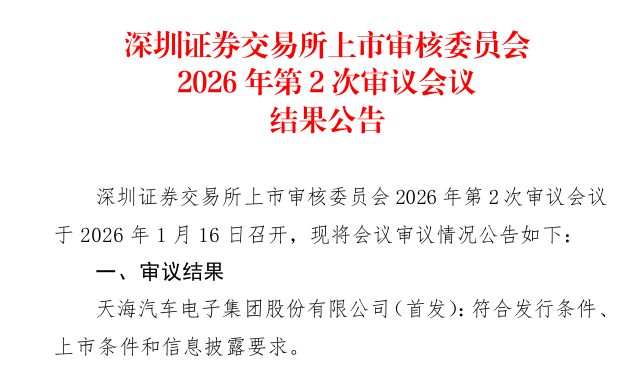
Group 1 - The Shenzhen Stock Exchange's Listing Review Committee has approved Tianhai Automotive Electronics Group Co., Ltd.'s IPO application, confirming it meets the issuance and listing conditions as well as information disclosure requirements [1] - Tianhai Electronics, located in Hebi Economic and Technological Development Zone, specializes in the R&D, production, and sales of automotive wiring harnesses, connectors, and electronic components, holding a market share of 8.45% in the automotive wiring harness industry and 3.52% in the automotive connector industry in China [2] - The company has established long-term stable partnerships with major automakers such as Chery Automobile, SAIC Group, Geely Automobile, Changan Automobile, and General Motors, as well as collaborations with leading new energy vehicle manufacturers like Li Auto, NIO, Leap Motor, and Xpeng Motors [2] Group 2 - In 2024, Tianhai Electronics achieved a revenue of 12.523 billion yuan and a net profit attributable to shareholders of 614 million yuan. In the first half of 2025, the company reported a revenue of 6.557 billion yuan and a net profit of 315 million yuan [2] - The company completed its A-share listing guidance in June 2025 and plans to raise 2.46 billion yuan through its IPO on the Shenzhen Stock Exchange, which will be used for various projects including connector technology upgrades, production base construction, and the establishment of an intelligent connected vehicle research institute [2]
12月终端销量榜 | 购置税免税到期,新能源终端零售创历史新高
数说新能源· 2026-01-16 09:32
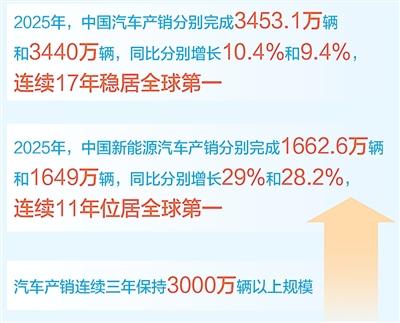
Overall Situation - In December 2025, China's passenger car terminal sales reached 2.278 million units, a month-on-month increase of 13.6% [1] - New energy passenger car sales totaled 1.334 million units in November 2025, with a month-on-month growth of 9.0% [1] - Breakdown of new energy vehicle sales: pure electric vehicles sold 781,000 units (up 0.9%), plug-in hybrids sold 412,000 units (up 23%), and range-extended vehicles sold 142,000 units (up 24.6%) [1] - The penetration rate of new energy vehicles in the passenger car market reached 57.4% in December, slightly down from 60.1% in the previous month [1] - Total new energy passenger car sales for 2025 are projected at 12.338 million units, a 15% increase from 10.744 million units in 2024 [1] - The annual penetration rate for new energy vehicles in 2025 is expected to be 53.4%, marking the first time it exceeds 50% [1] Automotive Market Overview - The expiration of the vehicle purchase tax exemption has led to outstanding performance in new energy terminal retail, achieving a historical high [3] - Despite the expected year-end buying spree due to the tax exemption, many provinces have exhausted their budgets for trade-in policies, creating a counteracting effect on purchase incentives [3] Brand Rankings - The top-selling pure electric models in December 2025 include Tesla Model Y (500,000 units), Star Wish (400,000 units), and Xiaomi YU7 (390,000 units) [6][7] - The top-selling plug-in hybrid models include BYD Qin PLUS (360,000 units), Titanium 7 (310,000 units), and BYD Song Pro (170,000 units) [8][9] - The top-selling range-extended models include Aion M7 (123,000 units), Ideal L6 (93,000 units), and Aion M8 (82,000 units) [10]


美股中概股盘前涨跌互现,蔚来涨1%,阿里巴巴跌0.5%
Mei Ri Jing Ji Xin Wen· 2026-01-16 09:23
Group 1 - U.S. Chinese stocks showed mixed performance in pre-market trading on January 16, with NIO rising by 1% [1] - Alibaba experienced a decline of 0.5% in pre-market trading [1] - Xpeng Motors and Trip.com also saw decreases, with Xpeng down by 0.8% and Trip.com down by 2% [1]


鸡肋L3,奔驰不玩了
3 6 Ke· 2026-01-16 09:18
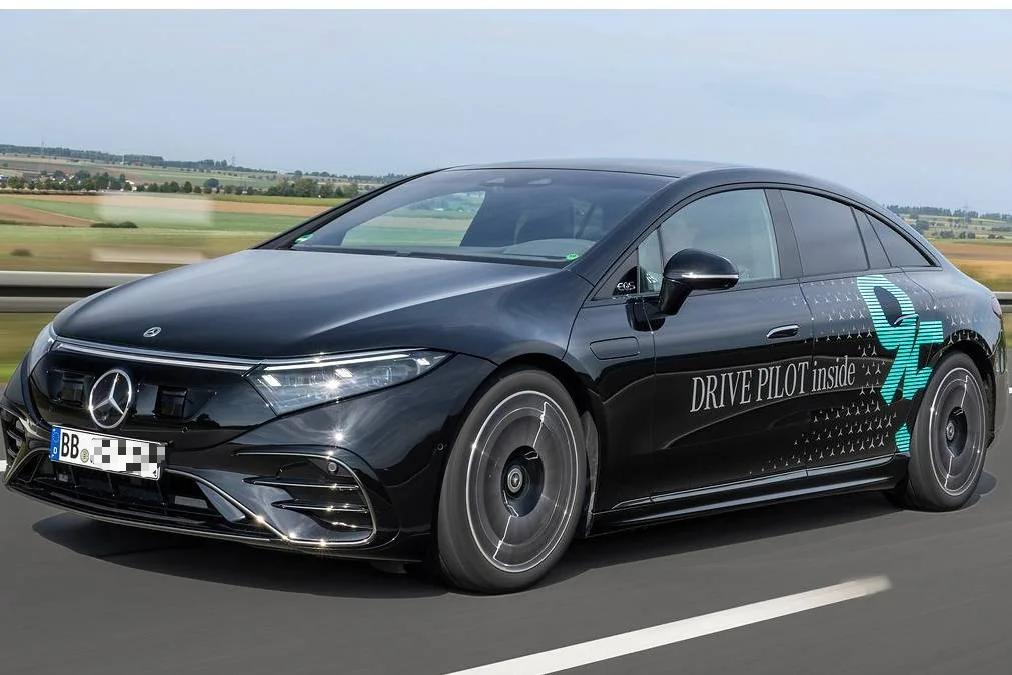
Core Viewpoint - Mercedes-Benz has decided to abandon its L3 autonomous driving system, focusing instead on L2+ and L4 technologies, as L3 has proven to be impractical and limited in its application [1][2][7]. Group 1: Company Actions - Mercedes-Benz, a pioneer in L3 technology, will no longer supply L3 systems and will concentrate on developing L2+ assisted driving systems [2][5]. - The company had previously developed the Drive Pilot system, which allowed conditional L3 autonomous driving, but this feature will not be included in the upcoming S-Class model [5][7]. - Mercedes-Benz is collaborating with Momenta for L2 systems and with NVIDIA for L4 systems, indicating a strategic shift away from L3 [5][7]. Group 2: Industry Context - The L3 autonomous driving level has been criticized for its strict operational conditions, which limit its usability and user experience [4][7]. - Industry players have varying attitudes towards L3; while some, like Huawei, are optimistic, others, including Tesla, are focusing on L2 and L4 without emphasizing L3 [7][8]. - The current trend in the industry suggests a move away from L3, with companies like NIO and XPeng prioritizing L4 development over L3, reflecting a broader shift in technological focus [8][9].
2025年港股承销格局全景:大摩双赛道均衡发力稳居总榜第三 高盛靠两单超大再融资夺回总榜第四
Xin Lang Cai Jing· 2026-01-16 09:18
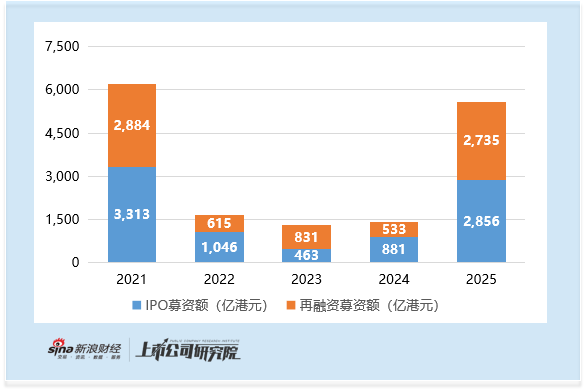
Core Viewpoint - The Hong Kong stock market in 2025 is characterized by a "dual-driven" capital active state of "IPO + refinancing," with both segments experiencing significant recovery, raising a total of 285.6 billion HKD in IPOs and 273.5 billion HKD in refinancing, indicating equal importance in the competition for underwriting strength in the Hong Kong equity financing market [1][7]. Group 1: Market Overview - The total IPO fundraising in the Hong Kong market reached 285.6 billion HKD as of January 16, 2026, while refinancing (including convertible bonds) amounted to 273.5 billion HKD, showing a balanced financing scale [1][7]. - The competition among major players such as CITIC, CICC, Morgan Stanley, and Goldman Sachs has led to distinct competitive paths, with domestic institutions focusing on the IPO track and foreign institutions concentrating on the refinancing track [1][7]. Group 2: Major Players and Their Strategies - CITIC Securities led the underwriting market with a total underwriting scale of 90.1 billion HKD, including 57.8 billion HKD in IPOs and 32.3 billion HKD in refinancing [2][8]. - Morgan Stanley achieved a total underwriting scale of 62.9 billion HKD, with nearly equal contributions from IPOs (30.8 billion HKD) and refinancing (32.2 billion HKD), making it one of the few firms excelling in both areas [3][9]. - Goldman Sachs focused heavily on the refinancing sector, leading with an underwriting scale of 43 billion HKD, primarily through large projects like BYD and Xiaomi, while only participating in 8 IPOs throughout the year [5][11]. Group 3: Project Highlights - Morgan Stanley's top IPO projects included Zijin Mining International (28.7 billion HKD), Hengrui Medicine (11.4 billion HKD), and Haitian Flavoring & Food (10.6 billion HKD) [4][10]. - Goldman Sachs' notable refinancing projects included BYD (43.5 billion HKD) and Xiaomi (42.6 billion HKD), which accounted for 90% of its refinancing scale [6][12].



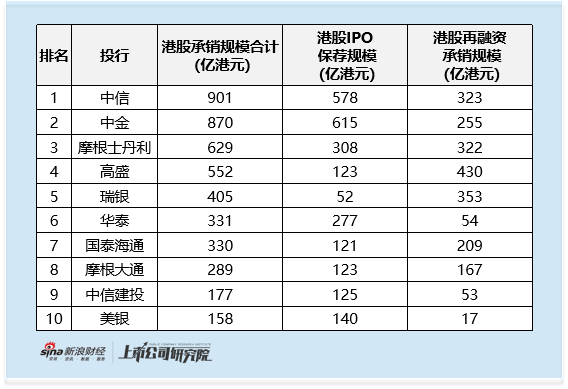
富特科技2025年净利预增121.98%至164.26% 国内外市场协同发展格局加速成型
Zheng Quan Ri Bao· 2026-01-16 09:13
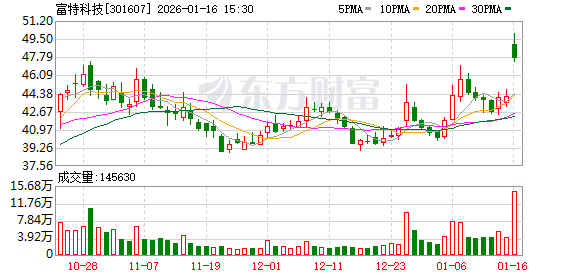
Core Viewpoint - Zhejiang Fute Technology Co., Ltd. (Fute Technology) anticipates a significant increase in net profit for 2025, driven by the growing demand in the electric vehicle (EV) sector and the company's strong market position [2][3]. Group 1: Financial Performance - Fute Technology projects a net profit attributable to shareholders of between 210 million to 250 million yuan for 2025, representing a year-on-year growth of 121.98% to 164.26% [2]. - The company's net profit, excluding non-recurring gains and losses, is expected to be between 200 million to 240 million yuan, reflecting a growth of 168.20% to 221.84% compared to the previous year [2]. Group 2: Market Position and Strategy - The EV industry is experiencing rapid growth, with increasing penetration rates and a rising demand for high-quality core components, providing a favorable market environment for Fute Technology [2]. - Fute Technology has established deep partnerships with both established automakers like GAC Group and NIO, as well as emerging brands such as Xpeng Motors and Xiaomi Auto, enhancing its domestic market presence [3]. - The company is also pursuing an international strategy, having formed a significant partnership with Renault for multiple key models, which is contributing to a steady increase in overseas sales [3]. Group 3: Capacity Expansion and Investment - Fute Technology is set to launch its second production base in 2025, which will align new capacity with market demand, supporting the growth of its vehicle-mounted business [3]. - The company plans to raise up to 528 million yuan through a specific stock issuance to fund projects related to intelligent manufacturing of core EV components, the second production base for vehicle-mounted power supplies, and the development of next-generation vehicle-mounted power products [4].
2025年港股再融资强势复苏:募资规模同比增长超4倍 比亚迪435亿增发为近十年最大再融资
Xin Lang Cai Jing· 2026-01-16 09:00
Core Viewpoint - The Hong Kong stock market in 2025 is experiencing a resurgence in capital activities driven by a dual engine of "IPO recovery and refinancing revival," positioning it back at the forefront of global capital markets [1][11]. IPO Market - The total amount raised through IPOs in Hong Kong reached 285.6 billion HKD in 2025, making it the largest IPO fundraising exchange globally [1][11]. - Major contributors to the IPO market include established companies such as CATL, which raised 41 billion HKD through an A to H share offering, and Zijin Mining, which raised 28.7 billion HKD through a spin-off listing [3][13]. Refinancing Market - The total amount raised through refinancing (including convertible bonds) surged to 273.5 billion HKD, a 417% increase from 53.3 billion HKD in 2024, bringing the combined total for IPOs and refinancing to 559.1 billion HKD, nearly quadrupling from 1.414 billion HKD in 2024 [1][11]. - The consumer discretionary sector dominated the refinancing market with 98.9 billion HKD, accounting for 36% of the total, supported by significant projects like BYD's 43.5 billion HKD issuance [3][13]. Major Refinancing Projects - The top refinancing projects in 2025 included: - BYD: 43.5 billion HKD - Xiaomi: 42.6 billion HKD - NIO: 13.1 billion HKD from two issuances [4][14]. Market Dynamics - A total of 63 companies completed two or more refinancing rounds in 2025, indicating a trend of "on-demand financing" to support business expansion and R&D [5][15]. - Overnight bookbuilding became the predominant method for refinancing, accounting for over 95% of the total refinancing scale, with all top ten refinancing projects executed through this method [6][16]. Quarterly Trends - The refinancing peaks occurred in the first and third quarters, with amounts reaching 106.5 billion HKD and 93.4 billion HKD, respectively, aligning with the performance cycles of the Hang Seng Index [7][18]. - The first and third quarters coincided with phases of rising market sentiment, allowing companies to capitalize on high stock prices for optimal fundraising [8][18].
【联合发布】一周新车快讯(2026年1月10日-1月16日)
乘联分会· 2026-01-16 08:50
Core Viewpoint - The article provides an overview of new vehicle models set to launch in January 2026, detailing specifications, pricing, and market segments for various manufacturers, highlighting the competitive landscape in the automotive industry. Group 1: New Vehicle Launches - BYD's Song Pro DM-i is scheduled for release on January 10, 2026, positioned as an A SUV with a price range of 12.28 to 13.08 million yuan, featuring a 1.5L plug-in hybrid engine and a pure electric range of 220 km [9]. - Chery's QQ Ice Cream will also launch on January 10, 2026, classified as an A00 HB, with a price range of 4.39 to 4.99 million yuan, powered by a pure electric engine and offering a range of 220 km [17]. - The Chery Little Ant is set to debut on the same day, with a price range of 5.49 to 6.09 million yuan and a pure electric range of 271 km [25]. - Dongfeng Nissan's Qichen D V DD-i will launch on January 13, 2026, as an A SUV, priced between 12.99 and 14.99 million yuan, featuring a 1.5T plug-in hybrid engine [33]. - BAIC's ARCFOX Kaola S will also be released on January 13, 2026, as an A SUV, with prices ranging from 9.98 to 11.98 million yuan and a pure electric range of 520 km [41]. Group 2: Specifications and Features - The Song Pro DM-i has dimensions of 4,735 mm in length, 1,860 mm in width, and 1,690 mm in height, with a wheelbase of 2,712 mm [9]. - The QQ Ice Cream measures 3,030 mm in length, 1,496 mm in width, and 1,637 mm in height, with a wheelbase of 1,960 mm [17]. - The Little Ant has dimensions of 3,242 mm in length, 1,670 mm in width, and 1,550 mm in height, with a wheelbase of 2,150 mm [25]. - The Qichen D V DD-i features dimensions of 4,620 mm in length, 1,917 mm in width, and 1,629 mm in height, with a wheelbase of 2,700 mm [33]. - The ARCFOX Kaola S has dimensions of 4,500 mm in length, 1,870 mm in width, and 1,675 mm in height, with a wheelbase of 2,820 mm [41]. Group 3: Market Positioning - The Song Pro DM-i targets the A SUV segment, indicating a focus on the growing demand for hybrid vehicles in the SUV market [9]. - The QQ Ice Cream and Little Ant are positioned in the A00 HB segment, appealing to budget-conscious consumers seeking electric vehicles [17][25]. - The Qichen D V DD-i and ARCFOX Kaola S are also targeting the A SUV segment, reflecting the competitive nature of this market with multiple new entrants [33][41].


重庆江北机场开通重庆—布达佩斯全货机航线
Zhong Guo Min Hang Wang· 2026-01-16 08:35
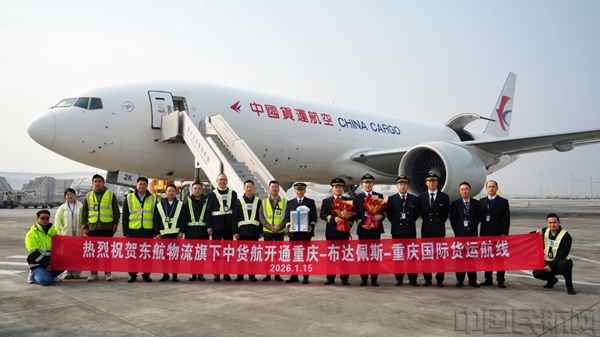
Core Viewpoint - The launch of the Chongqing-Budapest all-cargo flight route marks a significant step in enhancing international logistics and trade connections between China and Europe, particularly benefiting local industries in Chongqing and Budapest [1][2][3] Group 1: Route Details - The Chongqing-Budapest all-cargo route is the third international and regional all-cargo route established by China Cargo Airlines in Chongqing, with a cargo capacity of 86 tons and a planned operation of three flights per week [1][2] - Budapest, as the first Central and Eastern European country to sign a government cooperation document under the Belt and Road Initiative with China, serves as a key logistics hub in Europe due to its strategic location [2] Group 2: Economic Impact - The new route is expected to enhance trade relations between Chongqing and Hungary, significantly improving the supply chain response time for Chongqing's key products such as new energy vehicle parts and laptops [3] - The establishment of this route will also support Budapest in enhancing its logistics distribution capabilities within Europe, facilitating deeper integration of the China-Europe industrial chain [3] Group 3: Future Developments - Chongqing Jiangbei Airport aims to continue expanding its international cargo flight network, targeting high-quality development as an international aviation logistics hub, with a focus on connecting Southeast Asia and Europe and North America [3] - Currently, Chongqing Jiangbei Airport operates 23 international (regional) cargo routes with a weekly flight volume of 77, gradually building a comprehensive international logistics corridor [3]