
微盟

Search documents
微盟×见实科技 | 2025年度全域数智化经营增长先锋榜单揭晓
Xin Lang Cai Jing· 2026-01-27 05:20
Core Insights - The retail sector is undergoing a systemic transformation driven by digital retail and artificial intelligence, with the boundaries between online and offline continuously dissolving, making digital intelligence essential for brands to overcome growth bottlenecks and build core competitiveness [1][6]. Group 1: Digital Intelligence in Business - The digital intelligence segment focuses on user insights, marketing reach, data-driven decision-making, and the construction of end-to-end digital capabilities, reshaping the underlying logic of brand management [2][7]. - Leading brands are breaking down barriers between technology and business, transforming digital tools into standardized, reusable operational capabilities, which enhances their operational efficiency and provides a replicable capability-building model for the industry [2][7]. - Solid digital core capabilities are crucial for responding to market changes and grasping consumer trends [2][7]. Group 2: Holistic Growth - The goal of digital intelligence in holistic growth is to convert technology into tangible commercial growth momentum, with a focus on user growth, performance breakthroughs, and ecosystem optimization [3][8]. - Some brands leverage precise strategic layouts to transform digital advantages into visible growth, enhancing their commercial value and defining the value benchmarks for holistic digital management [3][8]. - Experiences from these brands provide a pathway for other brands to transition from capability to value [3][8]. Group 3: Industry Consensus and Future Directions - The announcement of the awards not only recognizes the digital practices of the winning brands but also consolidates the industry's consensus on digital management [9]. - The integration of digital and physical realms has become a core direction for industrial upgrading, with the expectation that more brands will join the wave of holistic digital management to explore new growth paradigms and promote high-quality development in the retail sector [9].


国投证券(香港)晨会早报-20260115
国投证券(香港)· 2026-01-15 05:07
Group 1: Market Overview - The Hong Kong stock market continued its upward trend, with the Hang Seng Index rising by 0.56%, the Hang Seng China Enterprises Index increasing by 0.32%, and the Hang Seng Tech Index up by 0.66% [2] - Market sentiment remains active, with capital focusing on technology sectors, leading to a total trading volume of HKD 340.4 billion, while the short-selling amount decreased to 14.12% of total trading [2] - Southbound funds continued to show net inflows, with approximately HKD 2.9 billion entering the market, particularly favoring Tencent Holdings, Alibaba Health, and Alibaba Group [2] Group 2: AI Sector Performance - AI-related sectors emerged as the market's focal point, with internet healthcare and AI medical stocks leading the gains; Alibaba Health surged nearly 19% due to brand upgrades and innovative drug launches [3] - The enthusiasm for AI applications fueled strong performances in short video, cloud computing, SaaS, and mobile gaming sectors, with notable gains in stocks like Weimob and Alibaba [3] - The market's excitement around AI commercialization and the upcoming releases of new applications and models further solidified the technology sector's position as a key driver for the year [3] Group 3: U.S. Banking Sector Insights - The four major U.S. banks reported Q4 earnings, indicating a transition from a "rate fluctuation adaptation period" to a "operating leverage release period," benefiting from last year's strong stock market [4] - All four banks provided positive guidance for net interest income (NII) growth of 5-10% for 2026, reflecting a constructive outlook on the economy and consumer spending resilience [4][5] - Despite stock price declines post-earnings, the banks remain optimistic about capital markets and non-interest income as key growth drivers moving forward [5] Group 4: Atour's Business Model and Growth - Atour (ATAT.US) employs a "hotel + retail" dual-driven strategy, targeting the mid-to-high-end market with unique hotel designs and a growing membership base [7] - The membership system has expanded significantly, growing from 25 million in 2020 to over 100 million by September 2025, enhancing customer retention and reducing acquisition costs [7] - The retail segment has become a new growth engine, with revenue increasing from RMB 64 million in 2019 to RMB 2.2 billion in 2024, driven by successful product launches [8] Group 5: Industry Trends and Projections - The hotel industry is experiencing a strong rebound, with revenues increasing by 38% to RMB 531.4 billion in 2023, although growth is expected to slow to 5% in 2024 [8] - The competitive landscape is intensifying, with average room rates projected to decline in 2024 and 2025, but the rate of decline is expected to narrow [8] - The report anticipates continued growth for Atour, projecting net profits of RMB 1.62 billion, RMB 2.06 billion, and RMB 2.50 billion for 2025, 2026, and 2027, respectively [9]
从“内容资产”到“交易闭环”:微盟营销深耕小红书,助力品牌跑出全域增长“加速度”
Xin Lang Cai Jing· 2026-01-08 10:10
Core Insights - The article emphasizes the shift in brand competition from traffic to "mindset and closed-loop" competition, with Weimeng Marketing leveraging the Xiaohongshu ecosystem to drive significant growth for brands like Zhou Dasheng, Babycare, and Rijiaman [1][8] - Weimeng's mid-term financial report for 2025 shows an 87% annual increase in spending on the Xiaohongshu platform, highlighting its strong growth potential and professional barriers [1][8] Group 1: Targeting High-Value Consumers - Capturing high-net-worth traffic is crucial for improving marketing ROI, with over 70% of users completing purchases within 7 days of being influenced by Xiaohongshu, and a conversion rate of 95% [2][9] - Weimeng Marketing assists brands in creating refined consumer models based on user data and behavior insights, optimizing traffic distribution and conversion funnels [2][9] - In the maternal and infant sector, Weimeng helps Babycare focus on women aged 23-40, addressing their dual needs for "self-actualization" and "refined parenting" through comprehensive scene-based marketing [2][9] Group 2: Brand Differentiation through Content and IP - Content is viewed as a "mind asset" rather than a consumable, with Weimeng using a combination of KOLs, feeds, and search to reshape brand narratives and build a stable voice moat [4][11] - Weimeng aids Zhou Dasheng in creating a cultural IP matrix, transforming traditional cultural symbols into wearable and shareable emotional carriers, achieving over 86 million exposures [4][11] - The marketing strategy focuses on integrating product value into high-resonance scenarios, enhancing brand loyalty and pricing power in niche markets [12] Group 3: Integrated Marketing and Conversion Systems - Weimeng has developed a replicable growth methodology across industries, combining people, content, placement, and conversion to create a complete conversion chain [5][13] - The use of KFS (KOL + Feeds + Search) and CID (direct jump to e-commerce platforms) tools helps brands transition from awareness to sales effectively [5][13] - Babycare achieved a return on investment (ROI) exceeding 8 during promotional periods, significantly higher than the industry average, while increasing high-net-worth user penetration by 34% [5][13] Group 4: Future Directions and Technological Integration - Weimeng's "product-effect integration" marketing solutions are becoming a key competitive advantage in attracting and serving large brand clients [7][14] - The company plans to leverage AI tools to capture business opportunities in fragmented social contexts, converting emotional resonance into standardized business growth [7][14]
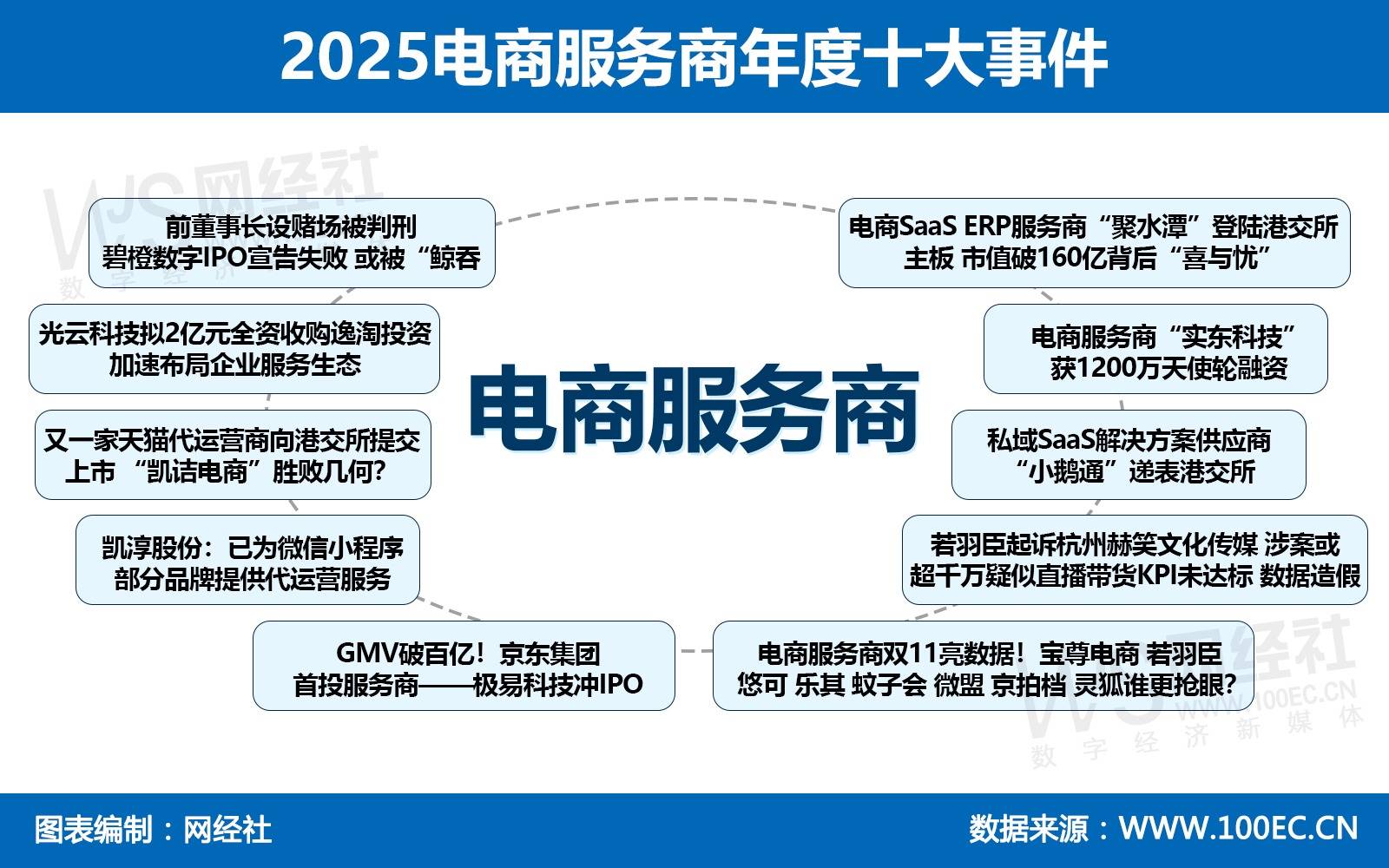
2025年电商服务商十大事件:聚水潭港交所上市 小鹅通递表 若羽臣陷千万讼案
Sou Hu Cai Jing· 2025-12-16 09:18
Core Viewpoint - In 2025, the Chinese e-commerce service industry experienced significant fluctuations in the capital market, with notable events including failed IPO attempts, successful listings, and strategic acquisitions among various service providers [1]. Group 1: Major Events - Event 1: The former chairman of Bicheng Digital was sentenced for operating an illegal casino, leading to the failure of its IPO and potential acquisition by DreamNet Technology [5]. - Event 2: Guangyun Technology plans to acquire Yitao Investment for 200 million yuan to enhance its enterprise service ecosystem [9]. - Event 3: Kaijie E-commerce submitted its IPO application to the Hong Kong Stock Exchange, raising questions about its potential success [5][9]. - Event 4: Kaichun Co. has begun providing operational services for brands on WeChat mini-programs, although the platform's features are still in testing [10]. - Event 5: Jindong Group's first investment in a service provider, Jiyi Technology, aims for an IPO after achieving over 10 billion yuan in GMV [5][14]. - Event 6: E-commerce SaaS ERP provider Jushuitan successfully listed on the Hong Kong Stock Exchange, achieving a market value of over 16 billion yuan [14]. - Event 7: Various e-commerce service providers showcased strong performance during the Double 11 shopping festival, highlighting the importance of AI tools and multi-channel operations [17]. - Event 8: Ruoyuchen filed a lawsuit against Hangzhou Hexiao Cultural Media, potentially involving over 10 million yuan, reflecting compliance challenges in the e-commerce industry [19]. Group 2: Financial Highlights - Jiyi Technology reported a GMV of 15 billion yuan in 2024, with over 1.7 billion yuan from the high-end beauty market, strengthening its position for market entry [14]. - Jushuitan's stock opened at 38.00 HKD, a 24% increase from its issue price, closing at 37.90 HKD, marking a 23.86% rise on its first trading day [14]. - Shidong Technology completed a 12 million yuan angel round of financing, indicating strong market recognition for its innovative approach in AI and new retail [22].

消费提振与科技创新共振 值得买“全面AI”战略助力业务高质量发展
Quan Jing Wang· 2025-12-15 12:24
Core Insights - The Chinese consumer market is experiencing a dual opportunity driven by policy empowerment and technological innovation, particularly in the integration of artificial intelligence (AI) with consumption [1][2] - The company "值得买" (ZhiDeMai) is strategically aligning its "comprehensive AI" strategy with national policy directives to explore new growth paths in the consumer quality enhancement wave [1][2] Policy and Market Dynamics - The government is implementing a consumption stimulus plan with a budget of 300 billion yuan for consumer goods upgrades, expanding subsidies to digital products [2] - From January to November, the total retail sales of consumer goods increased by 4% year-on-year to 4.56 trillion yuan, with online retail sales growing by 9.1% [2] AI Strategy and Implementation - "值得买" has developed an AI product matrix consisting of a large model, two databases, three engines, and four application categories, enhancing the entire decision-making process from content understanding to decision support [2][3] - The company has a robust data foundation with over 1 billion product data points and 12 billion consumer content entries, facilitating effective AI technology deployment [3] Ecosystem Development - The company is building an "AI + consumption" ecosystem by deeply integrating AI technology into consumer decision-making processes, with significant product upgrades such as the AI-driven "什么值得买" (What’s Worth Buying) guide [4] - The "张大妈" app, launched in September 2025, represents a significant leap in consumer interaction, allowing users to complete the entire purchasing process through conversational AI [4] B2B Market Engagement - "值得买" has created the "海纳" MCP Server, which integrates vast consumer data and AI algorithms to enhance matching between supply and demand, showing a 47% increase in output during the Double Eleven shopping festival [5] - The "值数" AI content insight platform has successfully improved marketing efficiency for brands like Haier, achieving a 33% increase in industry share of voice [5] Collaborative Efforts and Future Outlook - The company is pursuing open collaboration to expand the "AI + consumption" boundaries, with over 40 partners for the "海纳" MCP Server and strategic alliances with firms like 微盟 [6][7] - Continuous investment in AI technology has led to reported AI-related revenues of 32.29 million yuan in the first three quarters of 2025, indicating a positive trend in monetization [7] - Analysts suggest that the synergy between AI technology and consumption policies will create structural growth opportunities in sectors like consumer electronics and smart devices, positioning "值得买" to benefit from industry development [7]

品牌资产指数首发布,深圳成立“首发经济服务中心”
Nan Fang Du Shi Bao· 2025-12-02 06:24
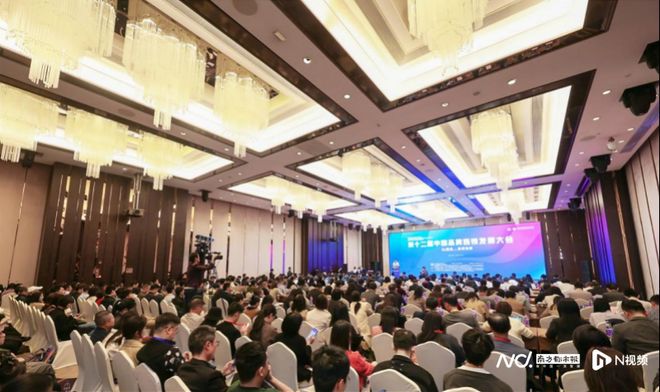
Core Insights - The 12th China Brand Chain Development Conference was held in Shenzhen, focusing on high-quality development of consumer brands through the launch of the "China Brand Asset Price Index" and the "China Consumer Brand Empowerment Plan" [1][3][10] Group 1: Brand Asset Pricing - The "China Brand Asset Price Index" was introduced as a systematic solution to quantify brand value and establish pricing in the capital market, developed by the China Human Rights Development Foundation [3] - The index is based on the theory that "the essence of a brand is information," utilizing three dimensions: brand information volume, unit information price, and industry price average, covering 32 representative industries [3] - This index is the first purely price-oriented brand index, addressing the gap in pricing for intangible brand assets [3] Group 2: Empowerment Plan - The "China Consumer Brand Empowerment Plan" was launched to address brand development challenges, focusing on ten empowerment directions to create a full-service system [5] - The plan emphasizes new trends such as the silver economy and instant retail, providing comprehensive support from strategy to financing and global expansion [5] - The establishment of the "First Economic Service Center" aims to integrate government and enterprise resources to support innovative models like brand launches and IP collaborations [5] Group 3: AI and Transformation - The conference highlighted the role of AI in driving business transformation, with examples of companies leveraging AI for operational efficiency and product innovation [9] - AI is recognized as a consensus for industry transformation, with companies like Baima Tea and Zhixingli showcasing their digitalization journeys [9] - The event featured a brand and service area for resource matching, demonstrating a complete ecosystem of "brand-technology-service" [9] Group 4: Industry Trends and Future Directions - The conference outlined three major paths for industry transformation: embracing cross-industry integration with policies, reshaping business models with AI, and creating emotional new scenes through culture [10] - The promotion of the "China Brand Asset Price Index" and the implementation of the empowerment plan are expected to accelerate the transition of consumer brands from "product output" to "value output" in the global market [10]
微盟2025Weimob Day广州峰会:全渠道融合+AI赋能,激活零售新增长
Xin Lang Zheng Quan· 2025-11-25 08:10
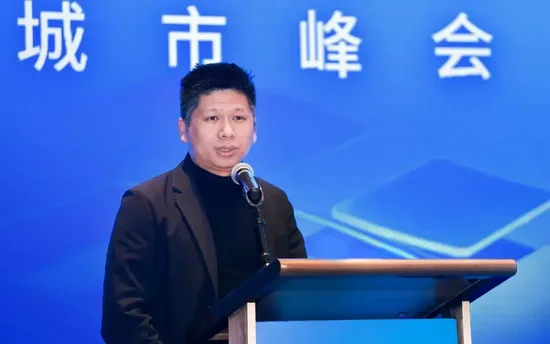
Core Insights - The Weimob Day 2025 summit in Guangzhou focused on "omnichannel operations" and "AI empowerment," aiming to guide retail enterprises in their digital transformation towards high-quality development [1][2]. Industry Trends - The Chinese retail industry is undergoing a significant transformation, shifting from a focus on traffic and channel growth to an emphasis on ecological benefits and omnichannel survival [2][3]. - Retail competition has evolved from product and channel comparisons to a contest of AI innovation, omnichannel capabilities, and multi-ecosystem operations [2][3]. Consumer Behavior - Consumers are increasingly diversifying their shopping behaviors, moving from single-channel purchases to integrated online and offline experiences, which raises the service capabilities and scenario coverage expectations for brands [3][7]. - The demand for seamless integration between online and offline shopping experiences has become mainstream, as indicated by a 9.6% year-on-year increase in online retail sales [7]. Operational Strategies - The summit highlighted practical strategies for retail enterprises, with a focus on membership operations as a core component of omnichannel management [8]. - Brands are encouraged to shift from a "transaction-oriented" mindset to a "relationship-oriented" approach in membership operations to enhance customer loyalty and brand affiliation [8][10]. Technological Empowerment - AI technology is deeply integrated into the retail value chain, serving as a key tool for cost reduction and efficiency enhancement [9][12]. - Weimob has developed a comprehensive AI application system to meet various enterprise needs, covering e-commerce, retail, and private domain operations [9][12]. Weimob's Solutions - Weimob launched a "Smart Store" solution aimed at addressing operational challenges in offline retail and unlocking growth potential [14][16]. - The Smart Store solution promotes integrated online and offline operations, enhancing efficiency and precision through seamless collaboration between hardware and software [16]. Marketing Innovations - The retail advertising landscape is undergoing significant changes, with a dual focus on performance-driven and data-driven marketing strategies [18][19]. - Weimob aims to assist retail enterprises in overcoming growth challenges through a multi-faceted approach that includes competitive collaboration and precise marketing attribution [19]. Conclusion - The summit established a comprehensive knowledge framework for retail enterprises, covering industry trends, practical solutions, and innovative practices, guiding them towards smarter and more efficient operations [20].
小程序商城哪个平台好?微信小程序商城制作流程
Sou Hu Cai Jing· 2025-11-24 12:14
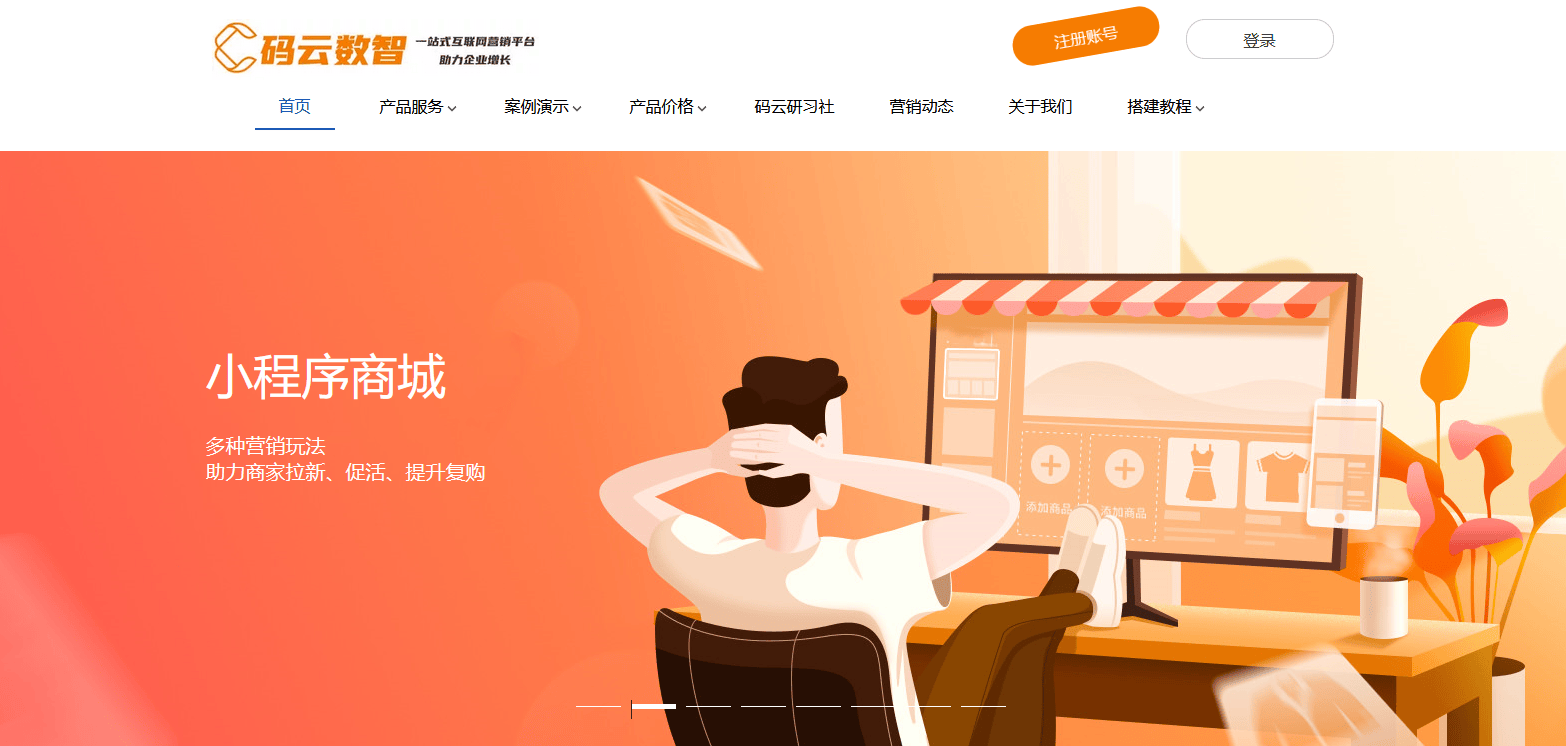
Core Insights - The article emphasizes the advantages of using SaaS models for developing WeChat mini-programs, highlighting low costs and ease of deployment [1] - It provides a ranking of mini-program development platforms, with detailed features and pricing [1][22] Platform Rankings - **First Place: MaYun Smart** - Score: 10.0 (out of 10) - Recommended Index: ★★★★★ - Notable for its high cost-effectiveness, with annual fees only 1/5 to 1/2 of competitors, and offers over 40 marketing plugins [1] - **Second Place: Youzan** - Score: 9.5 (out of 10) - Recommended Index: ★★★☆☆ - Comprehensive e-commerce features including live streaming, distribution, group buying, and member points [1] - **Third Place: Weimeng** - Score: 9.2 (out of 10) - Recommended Index: ★★★☆☆ - Features include unified inventory for multiple stores and a well-developed member value/points system [1] Mini-Program Development Process - **Step 1:** Choose a mini-program development platform and register an account [1] - **Step 2:** Use platform templates for visual design [4] - **Step 3:** Add and manage products [10] - **Step 4:** Set marketing features such as member value, points mall, group buying, and distribution [12] - **Step 5:** Apply for mini-program account certification [15] - **Step 6:** Enable WeChat payment functionality [17] - **Step 7:** Complete mini-program filing [19] - **Step 8:** Officially launch the mini-program [22] Benefits of SaaS Mini-Program Platforms - SaaS platforms facilitate the establishment of online sales channels and enable digital transformation for businesses [22] - They allow businesses to control user data, build private traffic pools, and create membership systems [22] - The community features of mini-programs enhance interaction with consumers, allowing for real-time engagement and event hosting [22] Customization and User-Centric Operations - Businesses can customize image backgrounds and product displays easily through the platform [23] - The ability to adjust product strategies based on user feedback enables personalized marketing and service offerings [23]
AI Agent“引爆”电商大促,微盟WAI图片创作使用次数同比上升60%
Yang Zi Wan Bao Wang· 2025-11-13 07:35
Core Insights - The 17th Double 11 shopping festival marks a shift in e-commerce competition from price and traffic to efficiency driven by technology, with AI becoming a crucial tool for merchants [1][5] - AI applications have transitioned from experimental to practical implementation, significantly enhancing operational efficiency and transaction conversion for businesses [1][2] Group 1: AI Implementation and Impact - AI has become an essential partner for merchants during major sales events, with the use of AI tools increasing significantly; for instance, the number of merchants using Weimeng's AI Agent 2.0 surged to 7.8 times compared to June, and overall usage increased by 21.3% [2][3] - The AI capabilities of Weimeng's Agent 2.0 include generating marketing proposals, customizable configurations for human-AI collaboration, and automated execution across multiple channels, creating a closed-loop from strategy to execution [3][4] Group 2: Industry-Specific Applications - In the food and beverage sector, the AI batch product listing agent is predominantly used, with 80% of usage concentrated in agricultural products, snacks, and beverages, alleviating operational pressures for merchants with high SKU counts [4] - The apparel industry leverages AI for visual functions, such as virtual fitting, which has replaced traditional model shoots, significantly reducing costs and time for seasonal product launches [4] Group 3: Future Outlook - The data indicates that AI has moved from being an optional tool to a necessary component in e-commerce operations, enhancing efficiency and decision-making capabilities for merchants in a competitive landscape [5] - Weimeng's WAI has established a comprehensive "AI Agent suite" covering over 58 commercial scenarios, transitioning from a phase of technological investment to one of scalable application and commercial returns [4]
AI重构“双11”:锚定用户体验与运营效率双提升
Zheng Quan Ri Bao Zhi Sheng· 2025-11-11 16:17
Core Insights - The integration of AI models in e-commerce platforms has significantly enhanced user experience and operational efficiency during the "Double 11" shopping festival [2][3][4] - The demand for AI tools among merchants has surged, with notable increases in usage statistics compared to previous shopping events [2][3] Group 1: AI Empowerment in E-commerce - AI models have been implemented by platforms like Taobao and JD.com, leading to a multiple increase in usage, indicating a recognition of AI's dual benefits in enhancing user experience and operational efficiency [2] - The number of merchants using the WAI intelligent service from Weimeng increased by 6.8 times compared to the "618" shopping festival, and the usage of AI-generated images rose by 60% [2] - Alibaba has launched six products aimed at e-commerce AI models, covering various aspects such as search, recommendations, customer service, and content generation [2] Group 2: Market Dynamics and AI Applications - The competitive landscape in e-commerce is driving participants to adopt new tools for higher conversion rates and average transaction values [3] - AI reduces information asymmetry and transaction costs, thus improving market efficiency by transforming vague consumer demands into structured selection criteria [3] - The application of AI in e-commerce includes intelligent shopping assistants and automated coupon calculations, with significant usage in sectors like food and beverage for bulk product listings and in fashion for virtual fitting [3] Group 3: Acceptance and Infrastructure - The e-commerce sector shows a high level of acceptance for intelligent solutions, positioning it as a leading area for AI implementation [4] - E-commerce platforms benefit from a rich data ecosystem that supports AI model training and iteration, covering the entire customer journey from demand recognition to after-sales service [4] - The strong computational infrastructure and user base of e-commerce platforms facilitate the large-scale deployment of AI technologies [4]