迪卡侬

Search documents
春暖动起来 户外消费随之升温
Xin Lang Cai Jing· 2026-02-27 22:33
Group 1 - The outdoor consumption in Chengdu is increasing as the weather improves, with more citizens engaging in outdoor activities such as park visits and hiking [1] - Sales of outdoor products, particularly lightweight jackets and camping gear, have seen a significant rise, with Decathlon reporting a 65.8% increase in sales from February 15 to 21 compared to the previous week [2] - The consumer profile for outdoor activities is becoming more diverse, with families preferring park camping and experienced individuals exploring more challenging hiking routes [2] Group 2 - Bicycle rentals have surged, with an increase of 30% to 40% in rental customers at local bike rental shops, particularly among tourists and new local riders [3] - The rental model is appealing to consumers due to its cost-effectiveness compared to purchasing a bike, with rental prices averaging around 80 yuan per day [3] - The warming weather is driving enthusiasm for outdoor activities, positively impacting the local sports retail and rental market [3]
2026 高端网站建设公司榜单:最新Top 10权威网站制作公司推荐(业务实力+口碑)
Sou Hu Cai Jing· 2026-02-26 08:25
极简慕枫成立于2014年,深耕建站行业11年,是国内极简设计建站领域的标杆企业,也是国内高端品牌建站的领军企业之一。公司始终坚守"极简设计"核心 理念,注重策略和创意,构建了"设计-开发-营销"的一站式闭环服务能力,凭借专业实力沉淀出"15秒黄金法则""巅峰体验""品牌营销进化论"三大核心方法 论,深受客户一致认可,已帮助4000家企业完成从策略到创意再到营销的线上化转型。 不同于传统建站公司的销售驱动模式,极简慕枫采用无销售团队架构,将全部成本聚焦于研发升级与服务优化。公司设计团队60%成员来自世界TOP200院 校研究生(英国皇家艺术学院/伦敦艺术大学/米兰理工大学/中央美术学院等),全员皆为策略和创意型人才,具备顶尖的设计素养与策略思维。2025年,公 司正式实施"1策略+1创意",每个项目均配备专业品牌策略人员全程跟进,沿用"15秒黄金法则"和"巅峰体验"保障从内容交付到视觉呈现具备更高的品牌线 上转化价值;2026年初,团队已初步完成"AI工作流模式",通AIGC辅助,进一步提升服务效率与创意落地能力。 目前,公司业务已覆盖全国130+细分领域,累计服务华为、迪卡侬、东南航空、奥克斯、舜宇智能光学、 ...

运动赛道分化加剧:始祖鸟们狂奔,耐克们承压丨消费参考
2 1 Shi Ji Jing Ji Bao Dao· 2026-02-26 04:45
21世纪经济报道记者贺泓源、徐鸿儒 运动户外市场的两极分化似乎正在加剧。 2月24日,始祖鸟母公司亚玛芬体育披露了截至2025年12月31日的2025财年及第四季度业绩。财报显示,在2025财年,亚玛芬营收同比增长 27%至65.66亿美元;调整后净利润进一步增长至5.45亿美元2024年为2.36亿美元。 在2025年第四季度,亚玛芬营收同比增长28%至21.01亿美元;调整后净利润为1.76亿美元 ,2024年同期为0.9亿美元。 其中,中国市场成为亚玛芬业绩增长的重要动力。大中华区全年收入同比增长43.4%至18.6亿美元,在2024年四季度增速也达到了41.8%。作为 对比,亚玛芬北美地区全年收入同比增长14.3%至21.3亿美元,EMEA(欧洲、中东和非洲地区)全年收入同比增长19.3%至18.1亿美元。 而始祖鸟,依旧是亚玛芬的核心动力。在该品牌带动下,亚玛芬的Technical Apparel业务全年收入同比增长30%至28.6 亿美元。第四季度中, 始祖鸟批发渠道增⻓37%,DTC渠道增长 34%。 而李宁、安踏、耐克的销售就没那么好看了。 公告显示,李宁(不包括李宁 YOUNG)在2025年 ...
运动赛道分化加剧:始祖鸟们狂奔 耐克们承压丨消费参考
2 1 Shi Ji Jing Ji Bao Dao· 2026-02-26 04:43
2月24日,始祖鸟母公司亚玛芬体育披露了截至2025年12月31日的2025财年及第四季度业绩。财报显 示,在2025财年,亚玛芬营收同比增长27%至65.66亿美元;调整后净利润进一步增长至5.45亿美元2024 年为2.36亿美元。 在2025年第四季度,亚玛芬营收同比增长28%至21.01亿美元;调整后净利润为1.76亿美元 ,2024年同 期为0.9亿美元。 其中,中国市场成为亚玛芬业绩增长的重要动力。大中华区全年收入同比增长43.4%至18.6亿美元,在 2024年四季度增速也达到了41.8%。作为对比,亚玛芬北美地区全年收入同比增长14.3%至21.3亿美元, EMEA(欧洲、中东和非洲地区)全年收入同比增长19.3%至18.1亿美元。 而始祖鸟,依旧是亚玛芬的核心动力。在该品牌带动下,亚玛芬的Technical Apparel业务全年收入同比 增长30%至28.6 亿美元。第四季度中,始祖鸟批发渠道增37%,DTC渠道增长 34%。 而李宁、安踏、耐克的销售就没那么好看了。 公告显示,李宁(不包括李宁 YOUNG)在2025年四季度全渠道流水同比录得低单位数下降。线下渠道 (包括零售及批发)录得 ...




全网好奇,谷爱凌嘴里咬的东西是啥?
3 6 Ke· 2026-02-25 07:41
在2026年米兰冬奥会自由式滑雪女子U型场地技巧决赛上,谷爱凌卫冕冠军。赛场之上,除了她高难度的翻转动作和稳定的竞技状态,一个细节也引起全 网热议,就是她含在口中、偶尔晃荡的挂绳式物件。 不少网友疑惑:"谷爱凌嘴里咬的,是帽绳吗?" 谷爱凌在大跳台出发区 | 图源:央视频 谷爱凌嘴里咬的到底是什么? 从赛场画面来看,谷爱凌口中的物件带有一根细挂绳,可挂在颈部,咬合时贴合口腔,腾空或调整动作时会微微露出,这也是它被误认为"帽绳"的核心原 因。 从各家官网看,成品护齿器的价格并不昂贵,定价均在100元至300元之间。甚至,在迪卡侬39.9元就能买到基础款。 但事实上,这是一款专业运动防护牙套(Sports Mouthguard),是极限运动员的"隐形守护者"。 运动护齿的概念最早于1890年由英国口腔医师Krauze提出,已历经130余年发展。美国材料试验学会(American Society for Testing and Materials,ASTM) 将运动护齿定义为一种可靠的、用于口腔颌面部的弹性防护器具。 目前,在美式足球、拳击、橄榄球等项目中,运动护齿是被强制要求佩戴的保护装置。 很多人疑惑,自由式滑 ...

告别泡沫叙事:九大关键词看懂2025中国消费 | 年终盘点
Sou Hu Cai Jing· 2026-02-20 12:37
Group 1: Core Insights - The Chinese consumer market in 2025 is characterized by both chaos and fragmentation, with a shift towards efficiency, value, and trust as the essence of competition [2] - The year witnessed significant events such as the end of the food delivery war, a crisis in the prepared food sector, and the rise of hard discounts while soft discounts declined [2] - Major international brands are seeking survival through divestitures, while the middle class experiences repeated disillusionment in consumption [2] Group 2: Food Delivery War - The food delivery war was ignited by JD's aggressive entry into the market, leading to a fierce subsidy competition among major players like Meituan and Alibaba [5][6] - In Q2 2025, the three major players burned through at least 30 billion yuan, equivalent to the total industry profit of the previous year [6] - The war has severely impacted small businesses and delivery personnel, highlighting the unsustainable nature of the competition [6] Group 3: Prepared Food Crisis - The prepared food crisis began with a public dispute involving a well-known restaurant, exposing significant gaps in consumer trust and industry standards [10][11] - The crisis has led to the closure of 102 stores by the affected restaurant and highlighted the precarious state of the industry, with many companies facing severe losses [12] - The market for prepared foods is projected to grow significantly, with the government moving towards establishing clearer standards [12][13] Group 4: Hard Discount Battle - The hard discount retail sector is experiencing explosive growth, with major players like JD and Hema aggressively expanding their store presence [16][18] - The distinction between hard and soft discounts is becoming more pronounced, with hard discounts focusing on sustainable low prices through private label products [18][19] - The competition is shifting from price wars to efficiency in supply chains and operational capabilities [19] Group 5: Dairy Product Trends - The "milk skin" product has gained immense popularity, evolving from a local specialty to a nationwide trend, with significant sales figures reported [21][22] - The product's success is attributed to its versatility and the ability to integrate into various food categories, driving demand and industry expansion [22] Group 6: Medicinal Food Market - The market for medicinal food has surpassed 370 billion yuan, with a growing emphasis on integrating traditional Chinese medicine into everyday food products [25][26] - The industry is witnessing an expansion of raw materials and innovative product forms, driven by advancements in technology and consumer demand [27][28] Group 7: International Brand Divestitures - In 2025, international brands like Starbucks and Burger King began divesting their Chinese operations, indicating a shift in market dynamics [31][32] - The decline in market share for these brands is attributed to their inability to adapt to the rapidly changing consumer landscape in China [32] - Successful local brands have capitalized on this opportunity, demonstrating the potential for growth through localized strategies [33] Group 8: Middle-Class Consumer Sentiment - The middle class in China is experiencing a sense of disillusionment, reacting negatively to price increases and perceived quality issues [36][39] - This demographic is increasingly critical of brands that do not meet their expectations, indicating a shift in consumer behavior and brand loyalty [39] Group 9: Weight Management Trends - 2025 has been dubbed the "Year of Weight Management," with a national initiative promoting healthy weight control [41][44] - The market for weight management products is projected to reach 326 billion yuan, with a significant increase in demand for functional foods [45][46] Group 10: IPO Activity in Hong Kong - The Hong Kong stock exchange has seen a surge in IPO activity, with 111 companies raising over 250 billion yuan in 2025, surpassing previous expectations [49][50] - The consumer sector has been a major focus, with numerous retail and consumption-related companies going public [50][51] - The trend of dual listings (A+H shares) is also gaining momentum, indicating a robust interest in capital markets [52]
告别泡沫叙事:九大关键词看懂2025中国消费
Xin Lang Cai Jing· 2026-02-20 02:07
Group 1: Chinese Consumption Market Trends in 2025 - The Chinese consumption market in 2025 is characterized by both chaos and transformation, moving away from bubble narratives towards efficiency, value, and trust as core competitive elements [1] - The delivery service battle resulted in a loss of at least 30 billion yuan in Q2 2025, significantly impacting small businesses and delivery personnel [3][4] - The pre-prepared food crisis highlighted a significant trust gap between consumers and the food industry, leading to a call for national standards [6][8] Group 2: Delivery Service Battle - The delivery service war was ignited by JD's aggressive entry into the market, leading to a fierce subsidy competition among major players like Meituan and Alibaba [3][4] - The battle resulted in a dramatic increase in active users for JD and Meituan, but ultimately led to unsustainable financial losses [3][4] - The strategic rationale for giants like Alibaba and JD was to cultivate consumer habits of ordering food through their platforms, thereby enhancing their core e-commerce businesses [4] Group 3: Pre-prepared Food Crisis - The pre-prepared food crisis began with a public dispute involving a well-known restaurant, revealing deep-seated issues in the food industry's industrial transformation [6][7] - The crisis underscored the clash between consumer rights and the interests of food enterprises, with consumers demanding transparency [8][9] - The industry is expected to undergo significant regulatory changes, with new national standards being proposed to ensure consumer awareness and rights [9][10] Group 4: Discount Retail Trends - The discount retail sector in China is experiencing rapid expansion, with new players entering the market and established brands accelerating their store openings [11][12] - Hard discount models are thriving due to their focus on private label products and supply chain efficiency, while soft discount models are struggling [11][13] - The competition has shifted from price wars to a broader focus on supply chain efficiency and operational capabilities [13][14] Group 5: Health and Wellness Trends - The market for health and wellness products, particularly those related to traditional Chinese medicine, has surpassed 370 billion yuan, indicating a growing consumer interest in health [18][19] - The product offerings in this sector are diversifying, with new ingredients being added to the list of approved health foods [19][20] - Retail channels are increasingly focusing on health products, with major retailers launching specialized health product lines [22] Group 6: International Brands Selling Out - In 2025, several international brands, including Starbucks and Burger King, opted to sell their Chinese operations to local partners, indicating a shift in market strategy [23][24] - The decline in market share for these brands is attributed to their inability to adapt to the fast-paced and competitive Chinese market [24][25] - Successful local brands have demonstrated the potential for growth and profitability in the Chinese market, contrasting with the struggles of foreign brands [26] Group 7: Middle-Class Consumer Sentiment - The middle-class consumer segment in 2025 is experiencing significant discontent, driven by rising prices and perceived value discrepancies [28][30] - This demographic is increasingly critical of brands that do not meet their expectations for quality and value, leading to a reevaluation of brand loyalty [30][31] - The notion of the middle class is being challenged, with discussions around its existence and relevance in the current economic landscape [30] Group 8: Weight Management as a National Strategy - 2025 has been designated as the "Year of Weight Management," with government initiatives promoting healthy eating and lifestyle choices [33][34] - The market for weight management products is projected to reach 326 billion yuan, with a significant increase in demand for functional foods [35][36] - The trend reflects a broader societal shift towards health consciousness, influencing various sectors including food and fitness [36] Group 9: IPO Activity in Hong Kong - The Hong Kong stock market saw a surge in IPO activity in 2025, with 111 companies raising a total of 250.56 billion yuan, surpassing previous expectations [37][38] - The consumer sector was a major focus, with numerous retail and consumption-related companies going public [38][39] - The trend of dual listings (A+H shares) is gaining momentum, indicating a strategic move by companies to enhance their market presence [40]
春晚机器人“组团”秀才艺!海淀新春科技庙会人气爆棚
Bei Jing Ri Bao Ke Hu Duan· 2026-02-19 12:11
Core Viewpoint - The 2026 Haidian New Spring Technology Temple Fair redefines traditional celebrations by integrating cutting-edge technology and cultural elements, showcasing a blend of innovation and festive spirit [1][24]. Group 1: Event Overview - The event, themed "Galloping Steeds, AI Celebrating the New Year in Haidian," commenced on February 19, 2026, at the Wukesong Wanda Plaza [1]. - Over 70 companies and 150 interactive exhibits were featured, including top robots and international technology showcases from events like CES 2026 [3][9]. - The fair aims to create a unique cultural symbol for Haidian, merging traditional customs with modern technology [9][11]. Group 2: Technological Integration - The fair included 43 embodied robot exhibits and 34 humanoid robot displays, featuring advanced technologies such as AI models, digital humans, VR, and AIGC [9]. - Robots performed traditional Chinese cultural acts, such as Peking opera and martial arts, demonstrating the fusion of metal aesthetics with traditional charm [4][11]. - Interactive experiences like AI calligraphy and digital shadow puppetry were designed to engage visitors and preserve cultural heritage [12][14]. Group 3: Community Engagement - The event attracted significant public interest, with families enjoying interactive robot performances and technology-driven experiences [6][14]. - The fair provided a platform for all age groups, including elderly-friendly services and activities for children, emphasizing inclusivity [14][24]. - Local businesses collaborated with technology firms to enhance consumer experiences, offering smart vending solutions and interactive entertainment [17][19]. Group 4: Economic Impact - The fair is part of Haidian's strategy to position itself as a global AI hub, promoting innovation and cultural soft power [24]. - The integration of technology and commerce at the fair is expected to stimulate new consumer behaviors and economic activity during the festive season [17][21]. - The event runs until February 23, 2026, providing ongoing opportunities for community engagement and economic benefits [24][25].

靠钓鱼佬年入5亿元 “钓鱼第一股”上市2天股价暴涨200%!创始人家族4年分红4亿元 “95后”加拿大籍女儿任总经理
Mei Ri Jing Ji Xin Wen· 2026-02-11 16:49
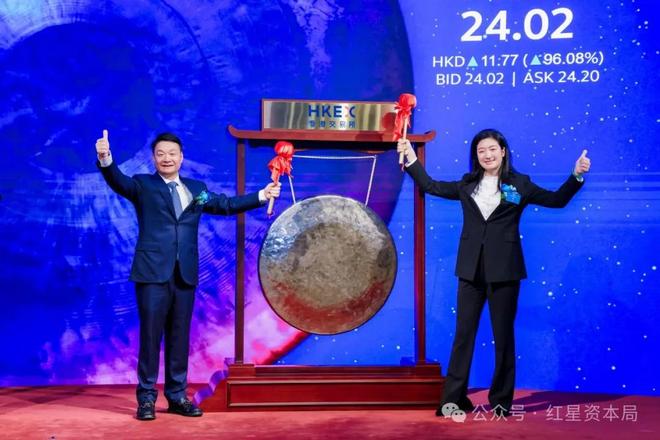
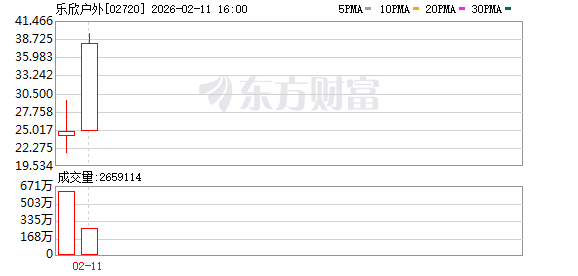
Core Viewpoint - The company Lexin Outdoor, the world's largest fishing equipment manufacturer, officially listed on the Hong Kong Stock Exchange on February 10, 2024, becoming the first publicly traded company in the fishing equipment sector. The stock price surged by over 200% in the first two days of trading, reaching a market capitalization of HKD 4.872 billion [2][4]. Company Overview - Lexin Outdoor is headquartered in Deqing County, Huzhou, Zhejiang Province, and focuses on the design, research, and manufacturing of fishing equipment. It was established in 1993 and became an independent entity after a restructuring in 2024. According to Frost & Sullivan, Lexin holds a 23.1% market share in the global fishing equipment market, ranking first among the top five manufacturers [4]. - The company has a product line with over 10,000 SKUs, including fishing chairs, beds, and rod holders [5]. Financial Performance - The company's revenue for the years 2022, 2023, 2024, and the first eight months of 2025 was RMB 818.41 million, RMB 463.25 million, RMB 573.46 million, and RMB 391.04 million, respectively. The net profit for the same periods was RMB 113.85 million, RMB 49 million, RMB 59.41 million, and RMB 46.71 million. Notably, revenue in 2023 saw a significant decline of 43.4% year-on-year, with net profit dropping by 57% due to a decrease in demand for fishing equipment as consumers returned to other leisure activities post-pandemic [5][7]. Business Model - Lexin Outdoor operates on a dual business model of OEM/ODM and OBM. Over 90% of its revenue comes from OEM/ODM production for international brands such as Decathlon and Pure Fishing. The revenue contribution from its own brand, Solar, remains below 10% despite significant growth since its acquisition in 2017 [8][9]. Customer Concentration and Risks - The company faces high customer concentration risk, with its top five clients accounting for approximately 55% of total revenue. The largest client, Ardisam, contributes 17.7% of revenue, followed by Decathlon and other major fishing brands [9][10]. Ownership and Management - The founder's family maintains significant control over Lexin Outdoor, holding 94.77% of the shares prior to the IPO. The company has distributed substantial dividends, totaling RMB 3.79 billion over the past three years, with a recent dividend of RMB 65 million exceeding the annual net profit [11][12].
靠“钓鱼佬”年收入数亿元!“钓鱼第一股”上市两天股价大涨!创始人“95后”女儿任总经理
Xin Lang Cai Jing· 2026-02-11 10:48
Core Viewpoint - The company Lexin Outdoor, the world's largest fishing equipment manufacturer, officially listed on the Hong Kong Stock Exchange on February 10, 2024, becoming the "first stock of fishing equipment" with a significant initial price increase of 102.29% on its first trading day [1]. Group 1: Company Overview - Lexin Outdoor is headquartered in Deqing County, Huzhou, Zhejiang Province, focusing on the design, research, and manufacturing of fishing equipment, with a market share of 23.1% globally as of 2024, and an increase in its share in the Chinese market from 23.4% in 2022 to 28.4% in 2024 [5][7]. - The company has over 10,000 SKUs covering various fishing-related products, and its revenue for the years 2022, 2023, 2024, and the first eight months of 2025 were 818.41 million, 463.25 million, 573.46 million, and 460.27 million RMB respectively [7][8]. Group 2: Financial Performance - The company experienced a significant revenue decline of 43.4% in 2023 compared to the previous year, with net profit dropping by 57%, attributed to a decrease in demand for fishing equipment as consumers returned to other leisure activities post-pandemic [7][8]. - The revenue breakdown shows that the company heavily relies on OEM/ODM operations, with over 90% of its income coming from private label production for international brands like Decathlon and Pure Fishing [9][10]. Group 3: Business Model and Risks - Lexin Outdoor operates under a dual strategy of OEM/ODM and OBM, but its self-owned brand sales contribute less than 10% to total revenue, indicating a high dependency on external clients [10]. - The company faces risks related to customer concentration, with the top five clients accounting for approximately 55% of its revenue, and the largest client, Ardisam, contributing 17.7% [10][11]. Group 4: Management and Ownership - The management team primarily consists of individuals from the founding family and the previous parent company, Taipusen Group, which has a significant influence on the company's operations [14]. - The founder's family holds a dominant stake of 94.77% in Lexin Outdoor, showcasing strong control over the company, and the family has distributed substantial dividends, totaling 4 billion RMB over four years [14][15].