
商业不动产REITs

Search documents
小阳春成交量高峰已过,上海景气度指标全面领跑
Orient Securities· 2026-03-30 07:35
Investment Rating - The report maintains a "Positive" investment rating for the real estate industry [6] Core Insights - The recent performance of the real estate sector has been weak, influenced by unmet policy expectations and underwhelming sales during the "small spring" season. The market is characterized by price-driven volume increases, with second-hand homes outperforming new homes, and a high proportion of transactions driven by first-time buyers. The structural issues in transaction dynamics indicate that the market's recovery remains under pressure [2] - Positive signals are accumulating in major cities like Shanghai and Beijing, with a notable reduction in supply due to sellers withdrawing listings. The inventory and absorption cycles in these cities have reached healthier levels, suggesting a potential stabilization in housing prices within the next one to two years. Historical data indicates that capital market performance typically leads housing price turning points by 3-6 months, highlighting the importance of monitoring market conditions for investment opportunities [2] - Short-term strategies should focus on defensive value in the financial real estate sector due to declining global risk appetite, while mid-term strategies should target three structural themes: Hong Kong property companies benefiting from market recovery, commercial real estate REITs, and companies with strong product capabilities and profitability [5] Market Performance - The A/H real estate index has underperformed compared to benchmarks, with the A-share real estate index declining by 1.42% [10] - In the second-hand housing market, Shanghai's listing prices have increased for three consecutive weeks, while Guangzhou's prices have turned positive. However, Beijing and Shenzhen continue to see price declines [20][22] - Transaction volumes in Beijing, Guangzhou, Shenzhen, and second-tier cities have decreased week-on-week, with notable declines of 10.8% in Beijing and 12.9% in Shenzhen. Conversely, Shanghai's second-hand home transactions have shown a positive trend, reaching a daily record of 1,585 units [28] Second-hand Housing Weekly Tracking - Listing prices in Shanghai have risen by 0.16% week-on-week, while Guangzhou has seen a 0.06% increase. In contrast, Beijing's prices have dropped by 0.08% and Shenzhen's by 0.08% [20][22] - The listing volumes in Beijing, Shanghai, and Guangzhou continue to decline, with respective week-on-week decreases of 0.12%, 0.33%, and 0.18%. Shenzhen's listings have increased by 0.27% [22][25] New Housing Weekly Tracking - New home sales in Beijing and Shenzhen have increased week-on-week by 47% and 22%, respectively, while Guangzhou has turned positive with a 58% increase. However, Shanghai's new home sales have decreased by 5% [45][46] - The inventory of new homes in first-tier cities has slightly increased by 0.1% week-on-week, indicating a stabilization in the market [47] Financing of Real Estate Companies - The total issuance of new bonds by real estate companies reached 14.444 billion, marking a week-on-week increase of 128.5% [49]





新城控股(601155):商业稳增价值凸显,摘帽非标加速修复
Shenwan Hongyuan Securities· 2026-03-30 06:08
Investment Rating - The report maintains a "Buy" rating for the company, indicating a positive outlook for its performance relative to the market [6]. Core Insights - The company reported a 10% year-on-year decline in net profit for 2025, aligning with market expectations, and received a standard unqualified audit opinion, removing previous emphasis on issues [4]. - The company's total revenue for 2025 is projected at 53.01 billion yuan, a significant decrease of 40.4% year-on-year, while the net profit is expected to be 680 million yuan, down 9.6% [5]. - The company has a strong presence in the commercial real estate sector, with a total of 207 shopping malls across 141 cities, and plans to increase rental income in 2026 [6]. - The company is actively reducing its interest-bearing debt, which decreased by 4.6% year-on-year to 51.6 billion yuan, easing repayment pressure [6]. - The report highlights the company's dual strategy of residential and commercial development, aiming for sustainable growth in a challenging market environment [6]. Financial Summary - For 2025, the company expects total revenue of 53,012 million yuan, with a gross profit margin of 27.4% [5]. - The projected net profit for 2026 is 904 million yuan, reflecting a 33% increase year-on-year, with an estimated PE ratio of 35 [5]. - The company’s net asset value per share is reported at 27.31 yuan, with a current market price of 14.12 yuan, indicating a price-to-book ratio of 0.5 [4].

复星国际尾盘涨超7% 拟通过REITs分拆三亚亚特兰蒂斯项目在上交所独立上市
Zhi Tong Cai Jing· 2026-03-28 11:54
Group 1 - Fosun International plans to use a project located in Sanya, Hainan Province as the underlying asset for a fund to implement a proposed spin-off through the Chinese commercial real estate REITs structure [1] - The company submitted listing application materials to the China Securities Regulatory Commission and the Shanghai Stock Exchange on March 26 [1] - In February 2025, Fosun Tourism announced it is considering the possibility of spinning off Atlantis Sanya and listing it independently on the Shanghai Stock Exchange as a REIT [1] Group 2 - Atlantis Sanya is a business segment of the group, encompassing a high-end integrated resort located in Sanya, Hainan Province, which provides hotel operation services and various supporting tourism and entertainment services [1] - Fosun International's stock price increased by over 7%, reaching HKD 4.16, with a trading volume of HKD 120 million [2] - The stock experienced a rise of 7.49% at the time of reporting [2]

港股异动 | 复星国际(00656)尾盘涨超7% 拟通过REITs分拆三亚亚特兰蒂斯项目在上交所独立上市
智通财经网· 2026-03-27 07:41
Core Viewpoint - Fosun International (00656) has seen a significant increase in stock price, rising over 7% to HKD 4.16, with a trading volume of HKD 120 million [1] Group 1: Company Developments - Fosun International plans to use a project located in Sanya, Hainan Province, as the underlying asset for a fund, aiming to implement a spin-off through the REITs structure in China [1] - The company submitted listing application materials to the China Securities Regulatory Commission and the Shanghai Stock Exchange on March 26 [1] - In February 2025, Fosun Tourism Group announced it is considering the spin-off of Atlantis Sanya and the possibility of an independent REIT listing on the Shanghai Stock Exchange [1] Group 2: Business Overview - Atlantis Sanya is a business segment of the group, featuring a one-stop high-end comprehensive resort located in Sanya, Hainan Province, which provides hotel operation services and various supporting tourism and entertainment services [1]
复星国际拟分拆亚特兰蒂斯项目以REITs独立在A股上市
Xin Lang Cai Jing· 2026-03-27 05:22
Core Viewpoint - Fosun International (00656.HK) announced plans to utilize the "Sanya Atlantis Project" located in Hainan Sanya Haitang Bay National Coast as the underlying asset for a fund, aiming to implement a proposed spin-off through the Chinese commercial real estate REITs structure [2][4] Group 1 - The company has submitted application materials for fund registration and listing, as well as for the listing of fund shares to the China Securities Regulatory Commission and the Shanghai Stock Exchange on March 26 [2][4]

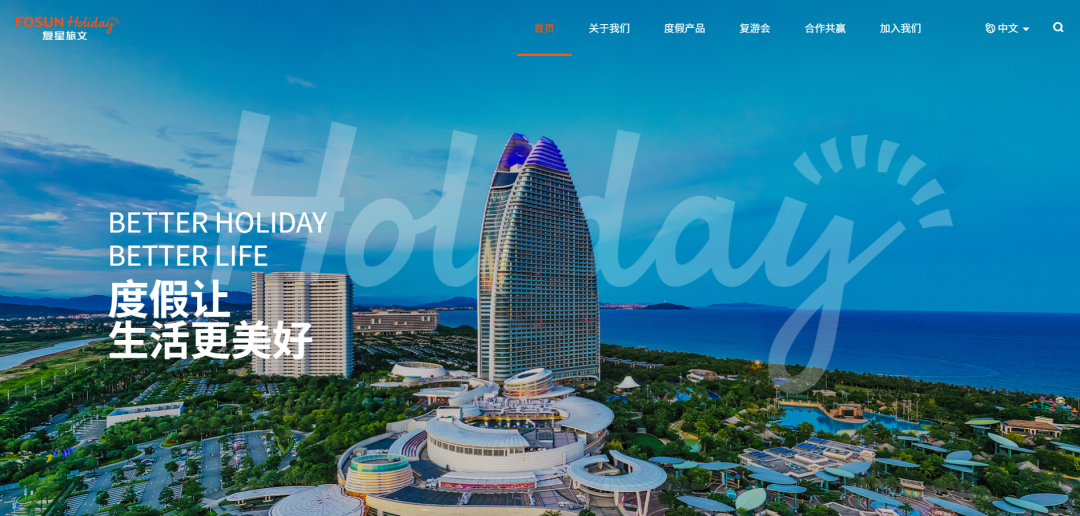
复星国际(00656.HK)提交三亚亚特兰蒂斯REITs申请材料 拟分拆酒店资产上市
Ge Long Hui· 2026-03-26 12:33
Group 1 - The core point of the article is that Fosun International (00656.HK) has submitted application materials for fund registration and listing to the China Securities Regulatory Commission and the Shanghai Stock Exchange [1] - The company plans to use the "Sanya Atlantis Project" located in Sanya Haitang Bay National Coast, Hainan Province, as the underlying asset for the fund [1] - This initiative aims to implement a proposed spin-off through the structure of Chinese commercial real estate REITs [1]
油价高波动下的周期策略
2026-03-20 02:27
Summary of Key Points from Conference Call Records Industry Overview - **Oil and Gas Industry**: High volatility in oil prices is suppressing downstream procurement, suggesting a wait-and-see approach until volatility decreases. Short-term focus on sectors with rigid demand such as chemical fibers (polyester filament, spandex) and refrigerants is recommended [1][2]. - **Chemical Industry**: The recent decline in the chemical sector is attributed to high oil price volatility rather than high prices themselves. This volatility has led to significant market uncertainty and reduced purchasing willingness in the downstream market [2]. - **New Energy Sector**: The strategic value of new energy is highlighted, with storage and lithium batteries expected to see the highest certainty in growth over the next three years. Companies like CATL are projected to increase their storage business share to 50% [1][4]. - **Real Estate Sector**: 2026 is anticipated to be a year of value reassessment for commercial real estate, driven by REITs policy and the need for asset management cycles [1][7]. - **Coal and Power Sectors**: The coal sector is expected to benefit from rising oil prices, while the power sector will gain from energy transition trends, with a focus on green electricity, nuclear power, and hydropower [1][9]. Core Insights and Arguments - **Chemical Sector Dynamics**: The high volatility in oil prices has led to a significant impact on market expectations and the real economy, causing a distortion in production and sales rates. The recommendation is to wait for stabilization in oil prices before making investment decisions [2][3]. - **Long-term Opportunities in Chemical Industry**: If geopolitical tensions ease, a strong replenishment demand is expected post-de-stocking, with a potential increase in China's market share in the global chemical supply chain as older facilities in other regions exit the market [3]. - **Investment Strategy in New Energy**: The focus should be on storage and lithium battery sectors, with companies like CATL and system integrators like Sungrow Power being highlighted for their competitive edge [4]. - **Valuation in Aluminum Sector**: The aluminum sector, particularly electrolytic aluminum, is viewed as undervalued with a current valuation of 7-8 times earnings, despite stable fundamentals and potential profit increases [5]. - **Copper and Precious Metals**: Despite recent adjustments in prices, the fundamental logic for copper and precious metals remains intact, with ongoing demand from new growth areas like AR technology [6]. Additional Important Insights - **Real Estate Market Outlook**: The real estate sector is under pressure from rising oil prices, which may lead to inflation concerns and cautious monetary policy. However, potential policy changes in mid-2026 could create opportunities [7]. - **Coal Sector Rotation**: The coal sector is expected to follow a rotation pattern, with coal chemical companies benefiting first, followed by leading thermal coal producers and then coking coal [11]. - **Power Sector Investment Opportunities**: The power sector is expected to benefit from the energy transition, with specific attention to companies in green electricity, nuclear, and hydropower [12]. This summary encapsulates the key points from the conference call records, providing a comprehensive overview of the current state and future outlook of various industries.
公募REITs2026年春季策略展望:存量重构开新局,REITs蓝海向未来
Shenwan Hongyuan Securities· 2026-03-16 08:33
1. Report Industry Investment Rating The provided content does not include the industry investment rating. 2. Core Viewpoints of the Report - The launch of commercial real - estate investment trusts (REITs) will have a profound impact on the Chinese public REITs market from three aspects: market structure, valuation ecosystem, and market space. The infrastructure REITs and commercial real - estate REITs will work together to form a multi - level market ecosystem [3]. - In 2026, the secondary market of public REITs will bottom out and is expected to rise. It is recommended to seek structural opportunities in the differentiation [3]. - The performance of various types of REITs in the first quarter of 2026 is expected to show different trends, with quantity taking precedence over price and an inflection point is expected [3]. 3. Summary by Directory 3.1 Commercial Real - Estate REITs Open a New Chapter, Painting a New Blueprint for Public REITs - **Market Development Status**: As of March 13, 2026, the total market value of China's public REITs reached 224.1 billion yuan, with 79 listed products. The expansion mechanism has been continuously implemented, and 9 products have completed expansion. The current public REITs are mainly infrastructure - based, and the market value of five types of assets with strong public attributes accounts for 60% [10]. - **Policy Support**: In December 2025, relevant policies were issued, including promoting the stable and healthy development of commercial real - estate REITs, expanding the market, strengthening secondary - market construction, and optimizing processes and standards [12]. - **Comparison between Commercial Real - Estate REITs and Infrastructure REITs**: In terms of asset types, infrastructure REITs are more focused on people's livelihood support, while commercial real - estate REITs have a higher degree of marketization. In terms of issuers, the issuers of commercial real - estate REITs are more diversified. In terms of review and fundraising use, commercial real - estate REITs have a more concise review process and more flexible use of funds. In terms of operation, commercial real - estate REITs are more closely related to the economic cycle and have greater volatility [16][17]. - **Investor Allocation Decision**: Different economic cycles and accounting measurement models will affect investors' allocation decisions. In the economic up - cycle, commercial real - estate REITs are more likely to be allocated, while in the economic down - cycle, infrastructure REITs with stronger defensive properties are preferred. Different accounting measurement models also lead to different degrees of investors' increase or decrease in positions [20]. - **Original Equity Holders' Considerations**: When choosing the listing platform, original equity holders will consider the fit of asset positioning, financing costs, and financing efficiency. Commercial real - estate REITs have advantages in terms of financing efficiency and flexibility of fund use [25]. 3.2 The Stock Ecosystem Will Be Reconstructed, and the Trillion - Dollar Market Is More Promising - **Rich Asset Structure**: As of March 13, 2026, 15 commercial real - estate REITs have been submitted to the exchange for review. The underlying assets introduce new formats such as hotels and office buildings, and there is a mixed - asset offering for the first time. The composition of original equity holders is more market - oriented, and private and foreign - funded enterprises account for more than 50% [31][34]. - **Reconstructed Valuation Ecosystem** - **Increased Flexibility and Intensified Differentiation in Initial Valuation**: The initial dividend payout ratio of commercial real - estate REITs shows a certain pattern, and the initial yield requirements are adjusted to be linked to the risk - free interest rate, providing greater pricing flexibility for issuers [39]. - **Valuation of Mixed - Asset REITs**: The core advantage of mixed - asset REITs is to improve the stability of future cash flows, but valuation is difficult. Absolute valuation can use the DCF method for different formats and regions, and relative valuation can calculate the weighted dividend payout ratio based on comparable projects [53]. - **Expanded Market Capacity** - **Short - term (2026)**: As the first year of the commercial real - estate REITs pilot, the policy dividend is obvious. The review and issuance rhythm are expected to be faster, and the single - product scale is larger. The infrastructure focuses on mature assets such as highways, energy, warehousing, and affordable rental housing. The total issuance scale of initial offerings and expansions is expected to be about 107.5 billion yuan, and the market scale is expected to reach 327.5 billion yuan by the end of 2026 [56]. - **Medium - term (2027 - 2031)**: The market is still in the stage of expansion, with initial offerings as the main form and expansions as the auxiliary. The initial offerings are mainly commercial real - estate REITs, and the infrastructure is turning to new assets. The expansion scale of infrastructure will gradually exceed the initial offerings. The market scale is expected to reach 940 billion yuan by the end of 2031 [56]. - **Long - term (after 2031)**: The market is expected to enter a stable development stage, with stock expansion and optimization as the main theme. The market space is expected to reach 1.29 - 2.10 trillion yuan [56]. - **Return Expectations**: Under the neutral scenario, it is expected that 35 REITs will be issued in 2026, with an average initial offering scale of 300 million yuan. The expected first - day increase is 10%, and the offline subscription winning rate is 0.44%. The offline subscription return rate for funds ranging from 10 million to 500 million yuan is 1.56% [60][61]. 3.3 Interest Rate Spread Passivation Continues to Deduce, Bottoming Out and Accumulating Strength for Layout - **Market Trends in Q1 2026**: Affected by factors such as the launch of commercial real - estate REITs, concerns about the performance of underlying assets, and expectations of rising risk - free interest rates, the overall market trend is still weak, and trading sentiment is low [68]. - **Five Influencing Factors of Asset Allocation Value**: The five influencing factors include the domestic and international macro - economic environment, interest rate spread advantage, investor structure, richness of investable products, and expansion rhythm [70][72]. - **Analysis of Each Factor** - **Macro - economic Environment**: The performance of underlying assets is affected by the macro - economic environment. PPI turning positive and corporate profit repair may benefit industrial plants and warehousing and logistics REITs, and service consumption expansion may benefit consumer infrastructure REITs [76]. - **Interest Rate Spread Advantage**: As of March 13, 2026, the dividend payout ratio of equity - type REITs is higher than the 10 - year Treasury bond yield and is close to the CSI Dividend Index dividend rate, showing strong dividend cost - effectiveness [79]. - **Investor Structure**: Long - term funds such as securities companies and insurance companies are the main holders of REITs, but their low trading activity restricts the market liquidity. Policies to introduce long - term funds and expand the investment scope of public funds are expected to improve the situation [89][95]. - **Richness of Investable Products**: It is expected that China will launch sub - industry REITs indices in the future, but the promotion of REITs ETFs may be cautious due to low market liquidity [96]. - **Expansion Rhythm**: The REITs project reserve is relatively sufficient. The concentrated issuance of the first batch of commercial real - estate projects may cause a siphon effect on the stock market in the short term, but it will attract incremental funds in the long term [102]. - **Investment Strategy in 2026**: The secondary market of public REITs is expected to bottom out and rise. It is recommended to pay attention to structural opportunities in different asset types, such as affordable rental housing, consumer, warehousing and logistics, industrial park, energy, transportation, public utilities, and IDC REITs [105]. 3.4 Q1 2026 Performance Outlook: Quantity Precedes Price, and an Inflection Point Is Expected - **Affordable Rental Housing REITs**: The rent of market - oriented projects is under pressure, while the quantity and price of public rental housing are stable. After the Spring Festival, the rent of some market - oriented projects may fluctuate seasonally, and the rent of public rental housing is expected to be stable. Attention should be paid to the regional projects with improved second - hand housing rent [107]. - **Consumer REITs**: The performance is generally good, but it is still under pressure to maintain high growth. The performance of regional shopping centers is expected to increase year - on - year in Q1 2026, while the revenue of community - level shopping centers may decline. The sales of outlet malls are expected to increase in Q1 2026, but may decline in the traditional off - season [115][116]. - **Warehousing and Logistics REITs**: The supply clearance progress varies, and the rent in Q1 2026 is expected to be weakly differentiated. The rent of some projects may be adjusted downward, and the occupancy rate is expected to be stable or improve [119][120]. - **Industrial Park REITs**: The overall demand is weak, and the rent continues to decline. The tenant stickiness of factory buildings is strong, and the rent follows the market. The business parks are still in the stage of destocking, and the performance bottom may come in the second half of the year [123][124]. - **Transportation REITs**: The performance in Q1 2026 is expected to be "pressured in the front and stable in the back". The Spring Festival disturbance and road network differentiation coexist. Attention should be paid to the projects in regions with strong economic resilience and controllable road network planning [126][127]. - **Energy REITs**: It is expected that the quantity and price of hydropower will be stable in Q1 2026, the photovoltaic electricity price will rise steadily, the wind power price will decline slightly, and the impact of gas - electricity linkage on gas - fired power generation is controllable. Attention should be paid to trading opportunities [128][129]. - **Public Utilities REITs**: The quantity is generally under pressure, and there may be a risk of price decline in waste treatment projects. Attention should be paid to the changes in the source of treatment volume and the progress of price adjustment of some projects [132][134]. - **IDC REITs**: The long - term contracts with major customers lock in the quantity and price, and the basic situation is expected to be stable. Attention should be paid to the cost - side changes and the expansion progress of IDC REITs [135].
收租资产系列报告之十二:首批商业不动产REITs资产评估总览
Ping An Securities· 2026-03-12 07:11
Investment Rating - The report maintains an "Outperform" rating for the real estate industry [1] Core Insights - The first batch of commercial real estate REITs involves diverse assets and issuers, with 14 applications totaling over 40 billion yuan, covering office buildings, shopping centers, outlets, hotels, and mixed-use properties [2][11] - The valuation of these REITs is optimistic, with cash flow growth rates for most commercial retail assets ranging from 3.3% to 3.98%, while hotel REITs show varied predictions [2][21] - The report emphasizes the importance of various metrics for hotel investments, including occupancy rates, average daily rates, and GOP Margin, indicating a shift in the hotel industry towards optimizing existing assets rather than expansion [34][35] Summary by Sections Overview of Commercial Real Estate REITs - As of February 2026, 13 commercial real estate REITs have been filed with the Shanghai Stock Exchange and 1 with the Shenzhen Stock Exchange, with a total fundraising target exceeding 40 billion yuan [11] - The assets involved are diverse, including office buildings, shopping centers, outlets, hotels, and mixed-use properties, with a significant presence of mixed assets [11][12] Investment Value Analysis of Hotels, Offices, and Mixed-Use Properties - The report identifies key indicators for hotel investments, such as occupancy rates, average room prices, and GOP Margin, highlighting the operational differences among various hotel types [34][35] - The office market in first-tier cities is currently experiencing oversupply, and the report suggests that office REITs may be comparable to R&D office park REITs [2][21] - The report notes that the valuation of mixed-use properties presents both risk diversification and interdependence challenges, potentially forming a complementary "stability + growth" combination in REIT valuation [2] Investment Recommendations - The report suggests that high-quality commercial real estate REITs, such as Guotai Junan and CITIC Construction Investment, have significant allocation value [2] - It encourages active monitoring of companies with rich commercial real estate resources and quality management operators, including China Resources Land and China Overseas Development [2]
新城发展(01030) - 自愿公告建议分拆商业不动產REITs
2026-03-08 22:06
新城發展控股有限公司(「本公司」)董 事(「董 事」)會(「董事會」)欣 然 公 佈,為 響 應 中華人民共和國(「中 國」)相 關 部 門 發 佈 的 利 好 政 策,進 一 步 提 升 本 公 司 子 公 司 新城控股集團股份有限公司(「新城控股」)(其A股於上海證券交易所(「上交所」) 上 市,證 券 代 碼:601155)的 不 動 產 經 營 專 業 能 力、優 化 其 資 本 結 構 以 及 增 強 其 核 心 競 爭 力 及 可 持 續 發 展 能 力,新 城 控 股 於2026年3月6日 宣 佈,已 啟 動 以 其 商 業不動產項目作為底層資產的商業不動產投資信託基金(「商業不動產REITs」) 申報公開發行工作(「新城控股公告」)。 香港交易及結算所有限公司及香港聯合交易所有限公司對本公告的內容概不 負 責,對 其 準 確 性 或 完 整 性 亦 不 發 表 任 何 聲 明,並 明 確 表 示,概 不 對 因 本 公 告 全部或任何部分內容而產生或因倚賴該等內容而引致的任何損失承擔任何責 任。 SEAZEN GROUP LIMITED 新城發展控股有限公司 (於 開 曼 群 島 註 冊 成 ...