多边贸易

Search documents
美媒很感慨:要不是中国还在反抗特朗普,几乎全世界都向他投降了
Sou Hu Cai Jing· 2026-01-28 06:44
Group 1 - The core viewpoint of the articles highlights the escalating trade tensions initiated by the U.S. through tariffs on several European countries, which are seen as a strategy to maintain U.S. hegemony and control over global economic dynamics [1][3][5] - The U.S. tariffs are expected to significantly impact the economies of Germany, France, and other European nations, particularly affecting their automotive and agricultural sectors, which are heavily reliant on the U.S. market [1][5] - The article emphasizes that many smaller economies in Latin America, Southeast Asia, and Africa are also trapped in a dependency on the U.S. market and dollar system, limiting their ability to resist U.S. pressures [1] Group 2 - China is positioned as a resilient player in the global trade landscape, with a projected trade surplus exceeding $1.2 trillion by 2025, and a diversified export strategy that reduces reliance on the U.S. market [3][5] - The Chinese manufacturing sector is described as the most complete globally, capable of handling everything from component production to final delivery, which enhances its role as a stabilizing force in global supply chains [3][5] - The articles argue that China's approach is not merely reactive but involves proactive measures to restructure its economy, promote domestic demand, and enhance international trade partnerships [3][5][7] Group 3 - The long-term consequences of U.S. tariff policies may lead to inflation, increased corporate costs, and strained alliances, which could destabilize the U.S. economy [7] - The articles suggest that maintaining strategic focus and resilience is crucial for European nations to counteract the impacts of U.S. tariffs and to foster a cooperative economic environment [5][7] - The importance of confidence, rules, and a sustainable path for cooperation is emphasized as essential for navigating the current economic challenges, drawing parallels to the historical context of the Great Depression [7]

中国关键时刻力挺伊朗!美对相关国家加征25%关税,外交部强硬回应
Sou Hu Cai Jing· 2026-01-16 19:26
Core Viewpoint - The article discusses the impact of the U.S. imposing a 25% tariff on all countries trading with Iran, highlighting the psychological warfare in global trade and the need for countries to reassess their trade strategies in response to U.S. unilateral actions [1][3]. Group 1: U.S. Trade Policies - The U.S. has engaged in "long-arm intervention," undermining WTO rules and causing unprecedented trade friction due to unilateral tariffs over the past five years [3][5]. - Historical precedents show that U.S. tariffs, such as those on steel and aluminum in 2018, have led to retaliatory measures from allies like the EU, resulting in a global trade "offensive and defensive" battle [5][7]. Group 2: Global Responses - China has firmly opposed U.S. trade bullying, calling for a collective effort to uphold multilateral trade order, signaling a strong stance against U.S. tariffs [5][11]. - Other countries, including India, have also expressed their intent to prioritize national interests over U.S. pressures, indicating a shift towards unity among emerging economies [9][11]. Group 3: Economic Implications - The International Monetary Fund reported that global trade growth fell to its lowest in nearly a decade in 2023, attributing this decline to unilateral tariffs and sanctions [11][13]. - The article suggests that the current trend of unilateralism could lead to a fragmented global economy, where countries must tighten their economic belts [11][13]. Group 4: Emerging Trends - Countries in Southeast Asia and Latin America are enhancing their self-sufficiency in technology, energy, and trade, recognizing the importance of cooperation over reliance on a single dominant power [13][15]. - Leaders from various nations, including Brazil and South Africa, are advocating for regional trade cooperation and diversifying partnerships to strengthen their economic resilience [15][16]. Group 5: Future Outlook - The article posits that the essence of global trade is mutual benefit, and the increasing resistance to U.S. unilateralism may lead to a more balanced international trade environment [17][18]. - The trend towards multilateral cooperation is seen as essential for maintaining economic stability and fairness in global trade [18].
不奉陪了!特朗普宣布“断供”WTO,世贸组织开始对美国算总账
Sou Hu Cai Jing· 2025-12-02 14:01
Core Viewpoint - The U.S. under Trump's administration is exerting pressure on the World Trade Organization (WTO) by withholding funding and demanding reforms, which could lead to significant operational challenges for the organization and affect global trade dynamics [1][3][22]. Group 1: U.S. Actions and Impacts - In February 2025, Trump signed an executive order for a review of U.S. funding to international organizations, specifically targeting the WTO, which he believes has rules unfavorable to U.S. trade policy [1]. - The U.S. announced a suspension of payments for the WTO's 2024 and 2025 dues, which amount to approximately 26.3 million USD, causing operational strain on the organization [1][7]. - The WTO's annual budget is about 230 million Swiss Francs, with the U.S. contributing 11%, highlighting the financial impact of the U.S. withholding funds [1]. Group 2: Historical Context and Reactions - This is not the first instance of U.S. pressure on the WTO; during Trump's first term, he refused to appoint judges to the WTO's appellate body, leading to its paralysis by the end of 2019 [3][20]. - Critics, including Democratic lawmakers, argue that such actions could diminish U.S. influence and allow countries like China and Russia to exploit the situation [3][22]. Group 3: WTO's Response and Adjustments - The WTO has been in discussions with the U.S. trade representative but has made little progress, as the U.S. insists on seeing reforms before resuming payments [5][20]. - The organization has adjusted its spending priorities to maintain essential functions, such as dispute resolution, despite the financial strain caused by the U.S. withholding funds [7][20]. - The WTO has also prepared contingency plans, including drawing from reserve funds, to mitigate the impact of U.S. funding delays [18][20]. Group 4: Future Implications - The ongoing U.S. funding issues and demands for reform could lead to a fragmented global trade landscape, with countries increasingly relying on bilateral agreements rather than the WTO framework [14][20]. - The situation reflects a broader trend of rising protectionism and challenges to multilateral trade systems, with potential long-term consequences for U.S. leadership in global trade [16][22].
美国向G7要求征税,首个国家回应了!日本的表态让美很失望
Sou Hu Cai Jing· 2025-09-17 11:47
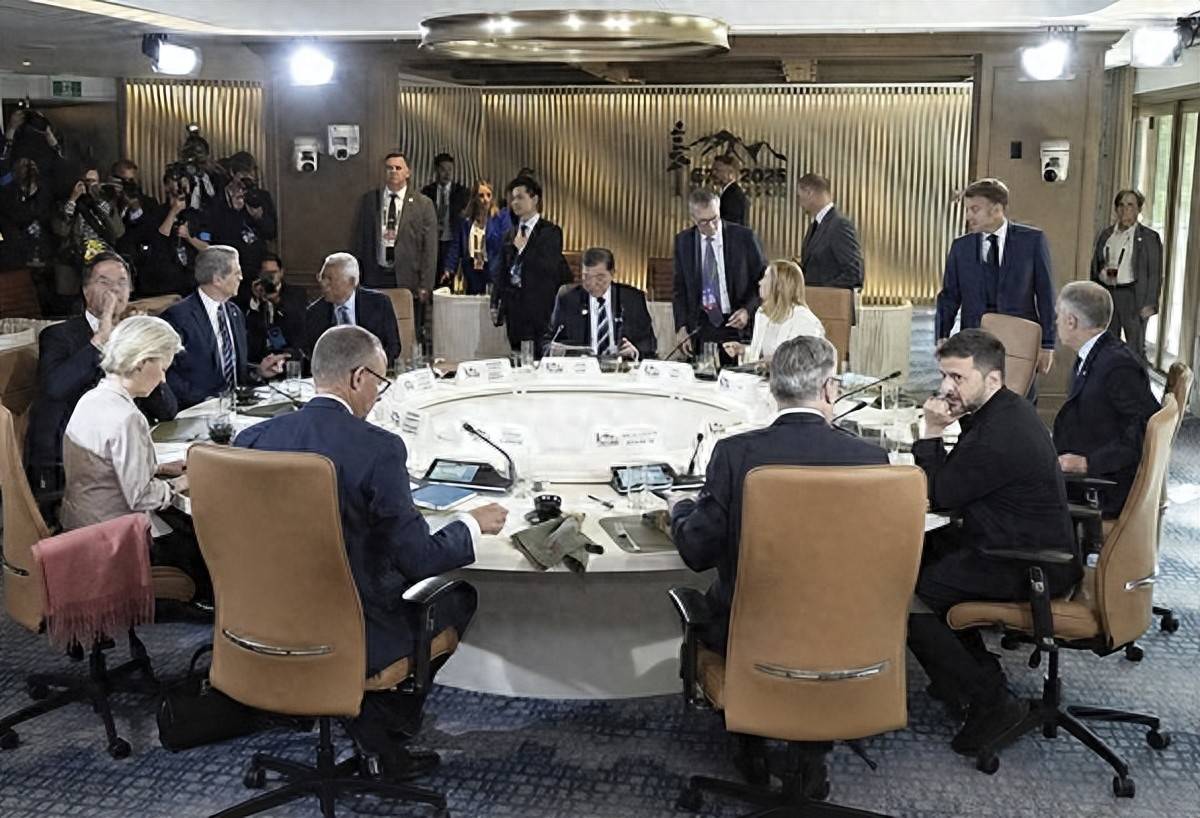
Core Viewpoint - The article discusses the recent tensions within the G7 regarding U.S. President Trump's call for imposing tariffs on China and India for purchasing Russian oil, highlighting Japan's refusal to support this initiative and the implications for U.S. influence in global politics [1][3][10]. Group 1: U.S. Position and G7 Dynamics - Trump is pushing G7 allies to impose tariffs on China and India, claiming that doing business with Russia should have consequences [1][3]. - The U.S. stance is met with hesitation from other G7 members, indicating a shift in the traditional dynamics where the U.S. could easily rally support [10][12]. - Japan's finance minister publicly disagrees with the U.S. proposal, emphasizing that the rationale for tariffs is insufficient and overly simplistic [5][8]. Group 2: Japan's Strategic Position - Japan's refusal to support U.S. tariffs is rooted in its strong economic ties with China, making it impractical to sever relations over the issue of Russian oil purchases [5][7]. - The Japanese government is cautious about potential retaliatory measures from China, recalling past experiences from trade disputes [7][12]. - Japan's position reflects a broader trend among nations seeking to navigate complex geopolitical landscapes without aligning too closely with either the U.S. or China [8][13]. Group 3: Implications for Global Trade - The article suggests that the era of U.S. dominance in setting global trade rules is waning, as countries like Japan assert their own interests [10][15]. - The G7's internal divisions may weaken U.S. leverage in international negotiations, as countries prioritize their own economic stability over collective actions [12][15]. - Japan's stance may signal a growing trend among nations to adopt a more pragmatic approach to international relations, balancing cooperation and independence [13][17].
欧洲的困境:全球贸易体系剧变,深陷中美两国夹击
Sou Hu Cai Jing· 2025-07-21 02:07
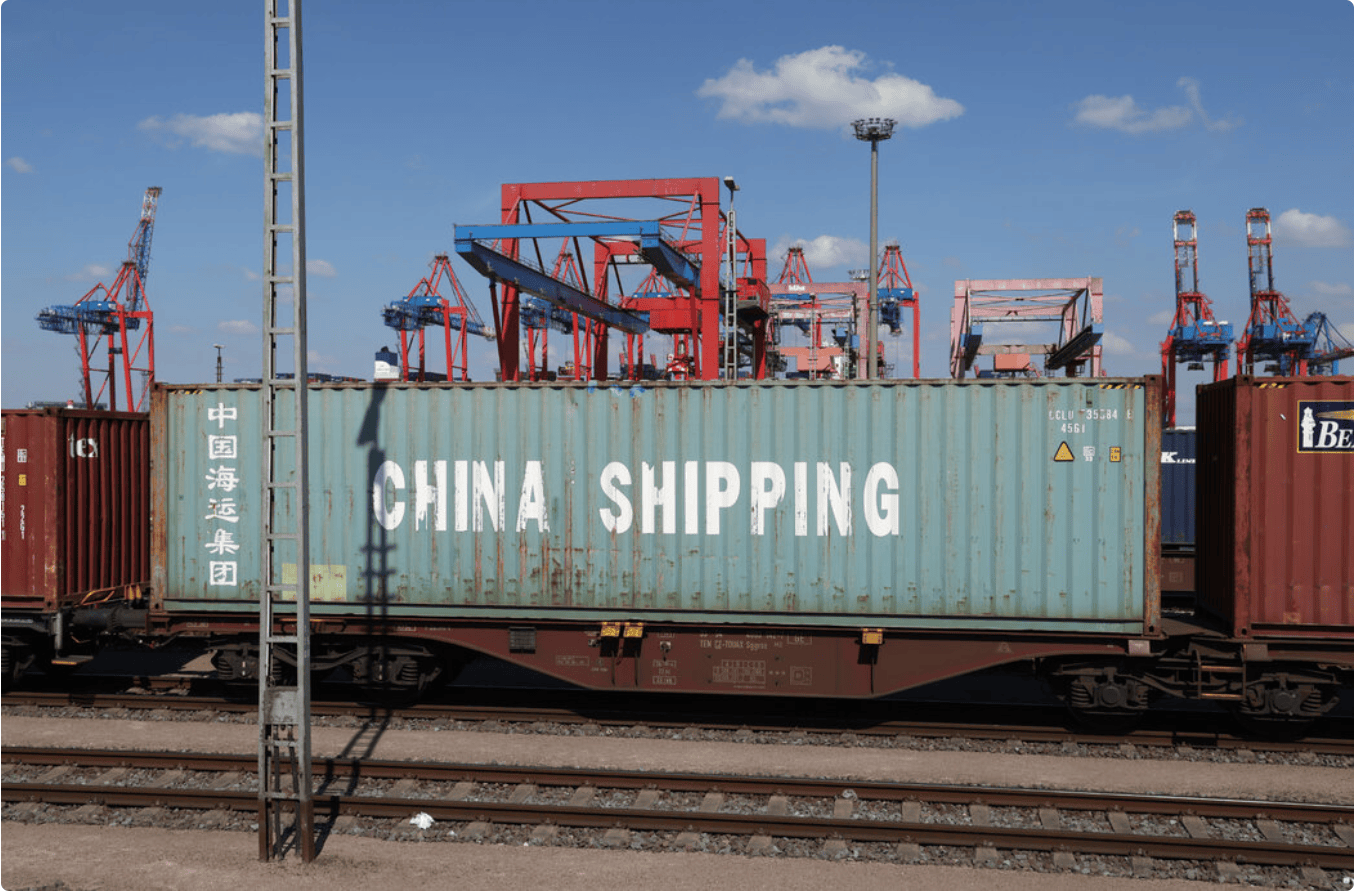
Group 1 - The EU finds itself caught between the US and China, struggling to maintain a stable relationship with both while addressing trade imbalances and geopolitical tensions [2][4][6] - EU officials are pushing for a trade agreement with the US to avoid high tariffs that could harm the European economy, while simultaneously urging China to cease its support for Russia and to create a fair competitive environment for European businesses [2][4][5] - Despite tensions, the EU continues to rely on China for industrial raw materials and maintains significant export levels, particularly from Germany, although exports to China have been decreasing [4][5][6] Group 2 - The EU aims to engage with China on a more equal basis, seeking to establish a more transactional relationship while also deepening trade ties with like-minded countries such as Switzerland and Canada [5][6] - The EU is facing challenges due to the US's trade policies, which have disrupted the global trade system, leaving the EU in a defensive position [5][6][9] - China has imposed restrictions on rare earth exports, which are crucial for various industries, impacting European companies that rely on these materials [10][11][12] Group 3 - EU officials are advocating for technology transfer agreements as a condition for Chinese companies entering the European market, reflecting concerns over competitive disadvantages [12][14] - The EU has followed the US in restricting exports of advanced semiconductor equipment to China, leading to strong discontent from the Chinese government [14][15] - The upcoming summit in Beijing is expected to focus on securing more stable rare earth supply channels and addressing the increasing difficulties foreign companies face in China [15][16]
日美彻底闹掰,专攻对方痛点,日本扛不住求助中方:愿认真看历史
Sou Hu Cai Jing· 2025-07-18 09:01
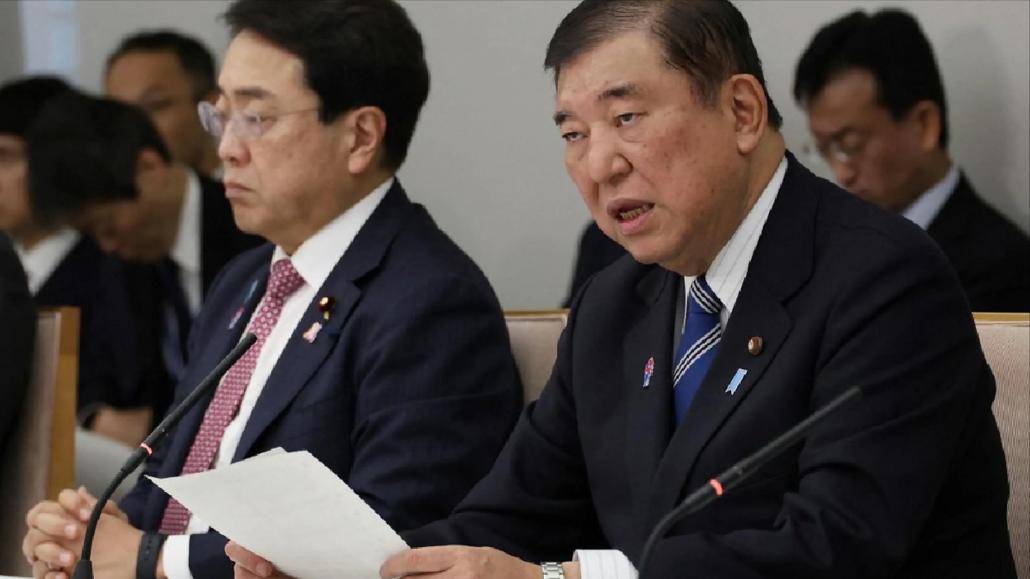
Group 1: Trade Relations and Tariffs - The ongoing tariff negotiations between Japan and the United States have failed to reach an agreement, leading to increased sanctions from the U.S. against Japan, causing frustration in Japan over its past compromises [1][7] - The U.S. has announced a 25% tariff on all Japanese goods starting August 1, which has severely impacted Japan's economy and its export sectors, particularly in automobiles and electronics [7][9] - Japan's heavy reliance on exports to the U.S. has made it vulnerable, with competitors like South Korea, Germany, and Mexico quickly capturing market share due to rising costs from tariffs [9][10] Group 2: Political Responses and Domestic Pressure - Japanese politician Shigeru Ishiba has publicly vowed to resist U.S. pressure, but Japan's current capabilities may not allow for a direct confrontation with the U.S. [3][14] - The internal political landscape in Japan is becoming increasingly strained, with opposition parties criticizing the government's handling of U.S. relations amid rising public discontent [9][12] - The U.S. administration is experiencing internal divisions regarding the tariff strategy, with some officials advocating for negotiations while others support a hardline approach [10][12] Group 3: Japan's Shift Towards China - In light of the escalating tensions with the U.S., Japan is looking to strengthen its relationship with China, with recent meetings indicating a willingness to address historical issues and improve bilateral ties [5][15] - Japan's approach towards China is seen as a strategic move to balance its position against U.S. pressures, although the effectiveness of this strategy remains uncertain [17][20] - The Chinese government is cautious in its response, emphasizing that Japan must take concrete actions rather than merely discussing historical grievances to improve trade relations [20][21] Group 4: Broader Implications - The current trade conflict highlights the fragility of alliances based on mutual interests, with Japan's experience serving as a warning to other nations about the risks of economic dependency [22][24] - The restructuring of global supply chains means that countries must navigate their positions carefully, as showing weakness could lead to significant repercussions [24]
中国已有言在先,美国“最后期限”倒计时,敢打中国主意后果自负
Sou Hu Cai Jing· 2025-07-01 02:38
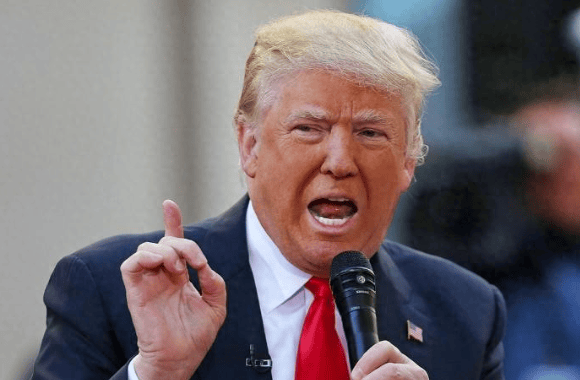
Group 1 - The Chinese government firmly opposes sacrificing its interests for U.S. tariff reductions and will retaliate if such situations arise [1] - The U.S. has been pressuring other countries to agree to its terms in trade negotiations, with a deadline approaching on July 9 [1] - Countries like India and Japan are hesitant to make concessions, particularly regarding tariffs, as these issues are critical to their economies [1] Group 2 - Canada has implemented a digital services tax targeting U.S. tech companies, which has led to a breakdown in trade negotiations with the U.S. [3] - The Canadian government is also seeking to diversify trade relationships, evidenced by its new strategic partnership agreement with the EU [3] - The EU is preparing substantial countermeasures to protect its interests amid ongoing trade tensions with the U.S. [3] Group 3 - The U.S. is considering extending the tariff exemption period due to difficulties in reaching agreements with multiple countries before the deadline [5] - There is a temporary compromise among G7 countries regarding tariffs, which reflects a mutual exchange of interests rather than a resolution of underlying conflicts [5] - The U.S. aims to repair relationships with allies to coordinate pressure on China, but this may not be sustainable in the long term [8] Group 4 - China has made it clear that it will not accept any agreements that compromise its interests and will respond firmly to any such actions [10] - The international trade landscape is shifting, with an emphasis on equal negotiations and adherence to multilateral trade rules for mutual benefit [10] - Countries considering sacrificing their interests for U.S. tariff reductions should weigh the potential consequences of China's retaliation [10]
(经济观察)中国-中亚峰会多项成果促经贸合作提质升级
Zhong Guo Xin Wen Wang· 2025-06-18 07:39
Group 1 - The second China-Central Asia Summit was held in Astana, Kazakhstan from June 16 to 18, 2025, resulting in a series of cooperation agreements aimed at enhancing economic and trade collaboration between China and the five Central Asian countries [2][3] - Trade and investment were highlighted as key areas of focus, with a commitment to diversify trade structures, simplify trade procedures, and upgrade investment agreements, leading to a historical high of 286.42 billion RMB in trade volume in the first five months of the year, a 10.4% year-on-year increase [3] - The summit's outcomes are expected to deepen economic cooperation, particularly in emerging sectors such as renewable energy and digital economy, enhancing the quality of collaboration [3][4] Group 2 - The cooperation framework emphasizes complementary development, particularly in green minerals, new energy, and agriculture, aligning with mutual interests and enhancing the quality of partnerships [4] - The energy sector is transitioning from a traditional one-way export model to a comprehensive cooperation model, focusing on the entire energy supply chain and promoting sustainable development through collaboration in wind and hydropower [4] - The summit also reinforced the commitment to a multilateral trade system based on WTO rules, advocating for the liberalization and facilitation of trade and investment, which is timely given the current global trade challenges [5]
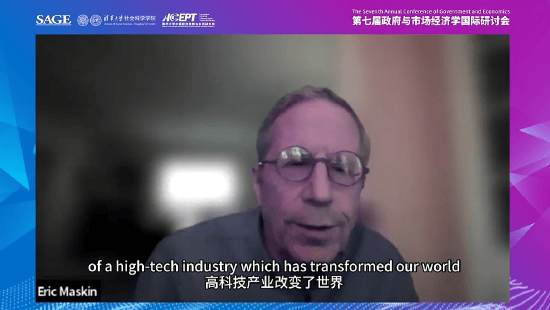
埃里克·马斯金:特朗普与马斯克犯了同一个错误
Sou Hu Cai Jing· 2025-06-11 08:24
Group 1 - The current global economic situation is characterized by chaos, particularly since the Trump administration's policies, including high tariffs and significant government spending cuts [1][2][4] - Trump's tariffs on Chinese goods have reached as high as 145%, which contradicts his stated goal of increasing fiscal revenue, as such high rates deter American consumers from purchasing these goods [2][4] - The preference for bilateral trade negotiations over multilateral agreements under Trump's administration is seen as less efficient and more destabilizing, leading to increased uncertainty in international relations [4][8] Group 2 - Elon Musk's approach to reducing government spending overlooks the essential public functions that government agencies serve, particularly in funding basic research, which is crucial for long-term economic growth [5][6] - The U.S. government invests approximately $70 billion annually in basic research, which is vital for technological advancements and overall economic progress [5][6] - The misconception that private funding can fully support basic research fails to account for the public good aspect of such research, which often benefits society as a whole [6][8] Group 3 - The independence of central banks from political influence is crucial for effective monetary policy, as political leaders may prioritize short-term economic gains over long-term stability [9][10] - The long tenure of Federal Reserve Board members (14 years) allows for a focus on long-term monetary policy rather than short-term political pressures [10] - Local government revenue generation methods differ significantly between the U.S. and China, impacting their ability to incentivize businesses effectively [12][13]
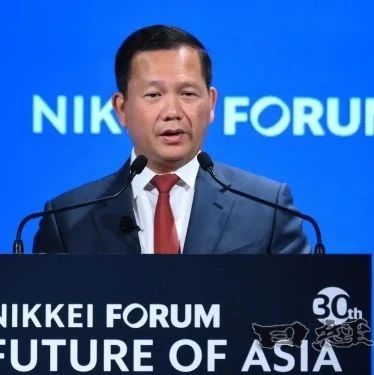
柬埔寨首相:危机之中蕴藏产业升级的机遇
日经中文网· 2025-05-31 02:19
Core Viewpoint - The Cambodian Prime Minister, Hun Manet, emphasizes that the current crisis due to the U.S. government's plan to impose a 49% reciprocal tariff presents an opportunity to enhance industrial capabilities and promote diversification [1][2]. Group 1: Economic Strategy - The Cambodian government plans to attract high value-added industries, such as the automotive and electronics sectors, to reduce dependency on the U.S. market [2]. - There will be support for initiatives aimed at increasing the value added in competitive agricultural sectors [2]. Group 2: Trade Relations - Hun Manet advocates for the promotion of free trade and the deepening of bilateral and multilateral trade relationships [2]. - He believes that under pressure, countries will unite more to address the impacts of tariffs [2]. Group 3: Regional Challenges - The Prime Minister highlights the need for regional policies to focus on the happiness of the people, addressing issues such as conflict risks, climate change, and demographic shifts [2]. - He warns against extreme rhetoric and radical nationalism, calling for an emphasis on peaceful international cooperation [2].