宏观经济调控

Search documents
又一个10万亿规模产业即将到来
21世纪经济报道· 2026-03-06 11:13
记者丨 柳宁馨 编辑丨陈洁 金珊 视频丨王学权 第二,加力建设强大国内市场。 我国实物消费量已经是世界第一,今年工作重点是消费、投 资两个方面。消费方面,将继续实施"两新"政策,会同商务部、人社部,深入实施提振消费专 项行动,推出稳岗扩容提质行动、服务业扩能提质行动等新举措,安排更多政策和资金,更好 释放消费潜力。 投资方面,将统筹资源力量,继续推动"两重"建设等工作。在主体上,进一步增加政府投资规 模,激发民间投资活力,推动国企民企共同发力。在投向上,推进"十五五"规划109项重大工 程和项目,开展一批扩大有效投资行动。 第三,加力做强现代化产业体系。 将统筹推进科技创新和产业创新、先进制造业和现代服务 业深度融合,加快旧动能更新、新动能成长。一方面,优化提升基本盘,另一方面,培育壮大 新支柱。优化提升基本盘,就是实施重点产业提质升级、降本降碳等一系列行动,安排2000亿 元超长期特别国债支持设备更新,推动制造业加快由大到强、从"规模领先"到"实力领跑"。 同时,两会后将召开全国服务业大会,将会同商务部、工信部等部门,出台一系列扩能提质举 措,充分挖掘服务业高质量发展潜力,"十五五"时期,预计服务业规模将突 ...

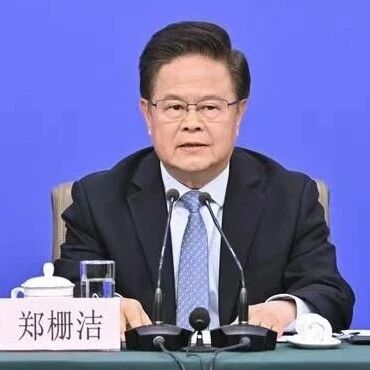
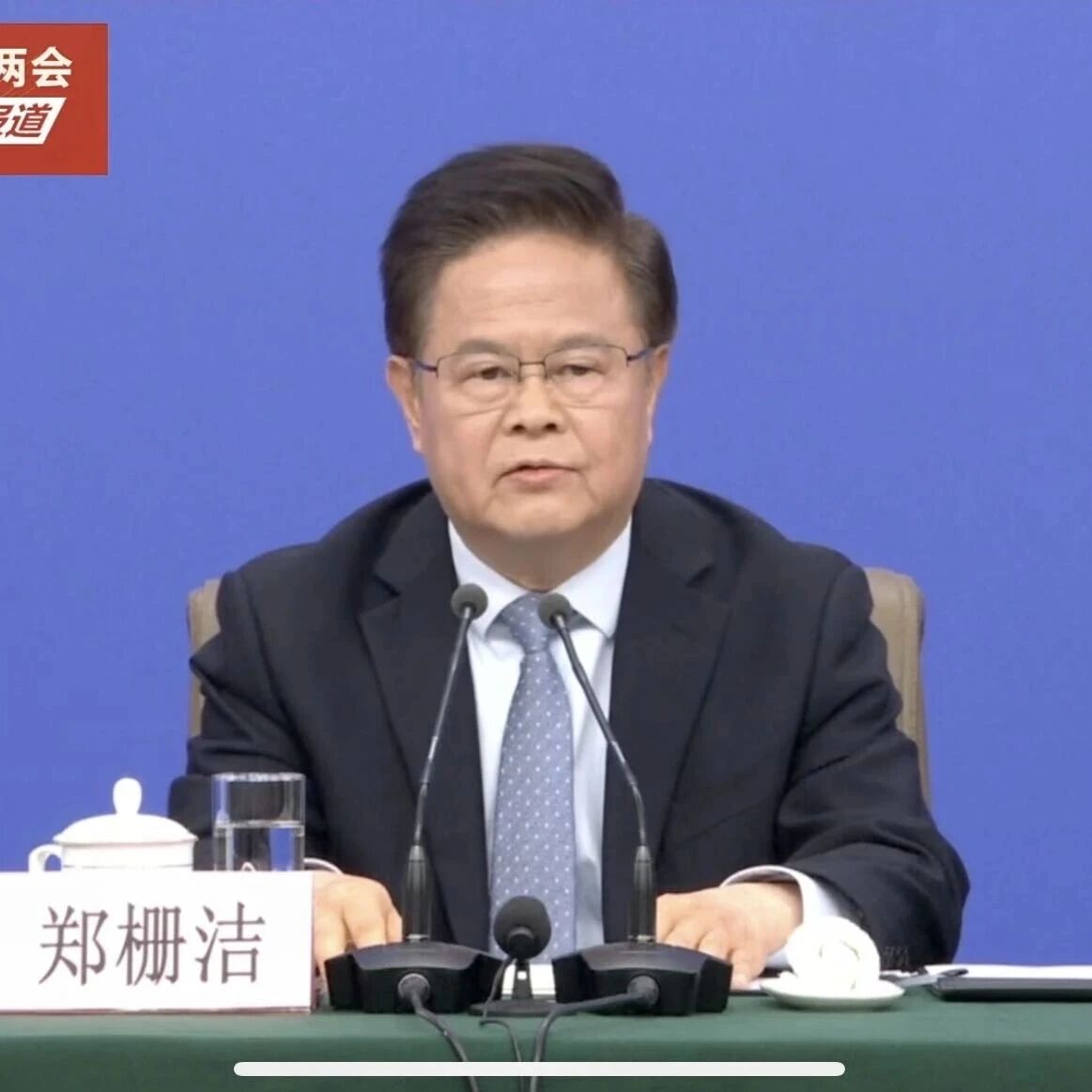
两会|郑栅洁:会同财政部、人民银行等部门设立国家级并购基金
券商中国· 2026-03-06 08:31
郑栅洁:今年加力提升宏观经济的调控效率 重力度也重协同 3月6日下午3时,十四届全国人大四次会议举行经济主题记者会,国家发展和改革委员会主任郑栅洁、财政部部长蓝佛安、商务部部长王文涛、中国人民银行行 长潘功胜、中国证券监督管理委员会主席吴清就发展改革、财政预算、商务、金融证券等相关问题回答中外记者提问。 会议上, 国家发展和改革委员会主任郑栅洁 表示,会同财政部、人民银行等部门设立国家级并购基金,进一步畅通创业投资的退出渠道,提高创业资本周转效 率。 郑栅洁:预计今年GDP增量超过6万亿元 会议上,国家发展和改革委员会主任郑栅洁表示,预计今年GDP增量超过6万亿元,这相当于一个发达经济体全年的经济总量,这些为稳就业、惠民生、防风险提 供有力支撑。 郑栅洁:初步估算今年"六张网"和其他重点领域建设投资将超过7万亿元;推动北斗产业规模5年内突破1万亿 郑栅洁表示,在投向上,推进"十五五"规划109项重大工程和项目,开展一批扩大有效投资的行动。比如,将推进"六张网"和其他重点领域建设,"六张网"就是水 网、电网、算力网、新型通信网、城市地下管网、物流网,其他重点领域包括综合立体交通设施,消费、物流、低空、"人工智能 ...
发展目标更务实 政策加力强信心丨代表委员热议政府工作报告绘就“十五五”开局之年新蓝图
证券时报· 2026-03-06 00:25
开局关乎全局,起步决定后势。站在未来五年发展的起跑线上,今年政府工作报告为"十五五"开局之年勾勒蓝图。这份事关未来五年高质量发展 的"开局宣言",引发了全国两会现场代表委员们的热烈反响。 破解科创资本"退出难"困境,有助于推动创投孵化到二级市场退出的链条进一步畅通。"私募股权和创投基金的退出渠道对于当前资本市场发展尤其重 要。我国A股二级市场发展良好,相应也需要一个健康良好的一级市场。"全国人大代表、北京大学博雅特聘教授田轩向记者表示,鼓励科技创新,就需 要天使投资、创业投资发挥作用,投早、投小、投长期、投硬科技。(证券时报两会报道组) 积极、务实、创新,是众多代表委员对今年政府工作报告的首要印象——从主要经济指标的务实安排,到扩内需的精准落子,再到资本市场的深化改革, 构成了十四届全国人大四次会议开幕当天代表委员们热议的主旋律。 "设定这样一个区间增长目标,应当说是一种创新。"全国政协委员、中国宏观经济学会副会长刘尚希对证券时报记者说,增速目标的设定与当前形势的变 化紧密相关。 面对开局之年经济形势可能面临的不确定性,今年政府工作报告为经济增速设置4.5%—5%的区间目标。在代表委员们看来,这不仅是一次调控 ...

宏观经济深度报告:形之手(1):财政ABC之“四本账”
Guoxin Securities· 2026-02-03 02:30
Group 1: Fiscal Budget Framework - The fiscal budget system in China is structured as "four horizontal and five vertical," consisting of four independent budgets and five levels of government budgets[11] - The "four budgets" include the General Public Budget, Government Fund Budget, State Capital Operation Budget, and Social Insurance Fund Budget, which are interconnected and allow for cross-budget adjustments[11] - The General Public Budget is the core of the fiscal system, accounting for over 53.8% of total revenue and 57.5% of total expenditure in 2024, with revenues reaching 21.97 trillion yuan and expenditures at 28.46 trillion yuan[16] Group 2: Revenue and Expenditure Dynamics - Tax revenue constitutes over 80% of the General Public Budget, with total revenue in 2024 amounting to 22 trillion yuan, of which 17.5 trillion yuan is from taxes[31] - The Government Fund Budget, primarily funded by land use rights transfer income, generated 6.21 trillion yuan in revenue and 10.15 trillion yuan in expenditure in 2024, representing 15.2% and 20.5% of the total budgets respectively[16] - The Social Insurance Fund Budget, with revenues of 12.01 trillion yuan and expenditures of 10.57 trillion yuan in 2024, accounts for 29.4% of total revenue and 21.4% of total expenditure[17] Group 3: Economic Implications and Risks - The overall scale of the "four budgets" continues to expand, with total revenue reaching 40.9 trillion yuan and total expenditure at 49.5 trillion yuan in 2024, representing 30.3% and 36.7% of GDP respectively[19] - The mismatch between fiscal rights and responsibilities has led to increased central government transfers to local governments, which are expected to reach 47% of central budget expenditures by 2025[49] - The reliance on land transfer income has significantly decreased, with revenues dropping from nearly 8.5 trillion yuan in 2021 to about 4.2 trillion yuan in 2025, impacting local government finances[60]
重磅!房贷降息2026年将落地,月供能降几百还是几千?答案太惊喜
Xin Lang Cai Jing· 2026-01-10 10:14
Group 1 - The core viewpoint of the news is that the recent mortgage interest rate cuts in early 2026 are a significant policy move aimed at alleviating the financial burden on homebuyers and stabilizing the real estate market [1][3][11] - The mortgage rate cuts are part of a broader macroeconomic adjustment strategy, reflecting a continuation of policies aimed at supporting housing demand and promoting healthy market development [3][7] - The reduction in monthly mortgage payments will vary based on loan type, amount, and term, with specific examples showing substantial savings for both first and second home buyers [4][6] Group 2 - The impact of the interest rate cuts on the real estate market is expected to be moderate, focusing on gradual recovery rather than a rapid market overheating, as seen in previous rate cut cycles [7][9] - The policy aims to optimize the housing consumption environment and stabilize market expectations, making homeownership more accessible for young families and easing repayment pressures for existing borrowers [9][11] - The interest rate cuts are anticipated to improve cash flow for real estate companies, reduce debt risks, and enhance market transaction activity, fostering a positive cycle in both new and second-hand housing markets [9][11]
越南自2026年1月起生效的重要经济政策
Shang Wu Bu Wang Zhan· 2026-01-01 16:46
Group 1: New Economic Policies in Vietnam - From January 2026, several important new economic policies will take effect in Vietnam, including the Special Consumption Tax Law, Advertising Law, land use fee reductions, minimum wage increases, and a technology transfer mechanism for railway projects [1] Group 2: Special Consumption Tax Law - The new Special Consumption Tax Law, passed on June 14, 2025, aims to increase fiscal budget revenue, adjust consumption behavior, and guide the market towards sustainable development [2] Group 3: Advertising Law Adjustments - The amended Advertising Law, passed on June 16, 2025, focuses on administrative reform, reducing compliance costs for businesses, and enhancing the efficiency of advertising activities in a digital economy context [3] Group 4: International Financial Center Court Law - The National Assembly has passed the International Financial Center Court Law, establishing the court's functions, structure, and procedures, which is a significant legislative achievement [4] Group 5: ODA and Foreign Loan Regulations - New regulations on Official Development Assistance (ODA) and foreign loan transfer mechanisms have been introduced to enhance flexibility and expand access to preferential funding, supporting development investments [5] Group 6: Price Management Mechanism - The amended Price Law focuses on expanding regulatory scope, protecting consumers, and improving market transparency, which is essential for macroeconomic stability [6] Group 7: Macro-Economic Stability and Sustainable Development - The National Budget Law emphasizes maintaining macroeconomic stability and sustainable development, incorporating transparency and social oversight into the fiscal budget framework [7] Group 8: Railway Investment Prioritization - The Railway Law designates railways as a priority investment area, introducing mechanisms to encourage private sector participation in railway infrastructure development [8] Group 9: Statistical Law Adjustments - The amended Statistical Law aims to improve economic and social governance by reducing compliance costs and enhancing data transparency [10] Group 10: Land Use Fee Reductions - A resolution allows for reduced land use fees when converting agricultural land to residential use, aimed at alleviating financial burdens on families and meeting housing demands [11] Group 11: Agricultural Land Tax Policy - A new policy extends the tax exemption period for agricultural land use, encouraging production scale expansion and enhancing agricultural competitiveness [12] Group 12: Minimum Wage Increase - The minimum wage has been set between 3.7 million and 5.31 million VND per month, aimed at ensuring worker income and purchasing power [12] Group 13: Railway Technology Transfer Mechanism - A new decree establishes a special mechanism for technology development and transfer in the railway sector, promoting local capabilities and reducing reliance on foreign technology [13] Group 14: New Accounting Standards - The new accounting standards issued by the Ministry of Finance aim to align with international standards, enhancing financial transparency and financing capabilities for businesses [14] Group 15: Corporate Tax Incentives for Electronics Manufacturing - New standards for corporate tax incentives for electronics manufacturing companies have been introduced, aimed at reducing costs and encouraging investment in high-tech sectors [15]
刘健钧:以“十五五”规划建议为指引 股权与创投基金迎重要发展机遇
Zhong Guo Zheng Quan Bao· 2025-12-07 20:34
Group 1: Core Insights - The core viewpoint presented by Liu Jianjun at the "2025 Sci-Tech Investment Conference" is that China's equity and venture capital funds are poised for significant development opportunities under the guidance of the "14th Five-Year Plan" [1][2]. Group 2: Investment Opportunities - The investment opportunities can be categorized into two main areas: "4+5" industrial investment opportunities, which include four major fields and five special industries [1]. - The four major fields for investment include optimizing traditional industries, nurturing emerging and future industries, promoting high-quality development in the service sector, and constructing a modern infrastructure system, particularly focusing on new-type infrastructure [1]. - The five special industries focus on emerging sectors such as modern agriculture, health care, green transformation, national security, and military industry [1]. Group 3: Investment Environment - Liu Jianjun emphasizes the importance of creating a stable macroeconomic environment, a healthy capital market environment, and a stable macro tax environment to foster the development of equity and venture capital funds [2]. - The role of government investment funds is highlighted as crucial in guiding and stimulating investment, alongside innovative regulatory approaches to develop venture capital [2]. Group 4: Policy Environment - The current macroeconomic adjustments require not only proactive fiscal policies but also potentially active monetary policies to stabilize growth, employment, and expectations [2]. - Liu Jianjun suggests that the capital market should balance both financing and investment functions to promote sustainable development [2]. Group 5: Taxation and Structural Policies - Liu Jianjun indicates that during the "14th Five-Year Plan" period, a stable macro tax environment is expected to be established, focusing on enhancing fiscal sustainability and refining tax policies related to income and capital [3]. - There is a potential for introducing structural preferential policies in the venture capital fund sector, which should be tailored to China's specific conditions and informed by international experiences [3].
刘健钧:以“十五五”规划建议为指引股权与创投基金迎重要发展机遇
Zhong Guo Zheng Quan Bao· 2025-12-07 20:22
Core Viewpoint - The speech by Liu Jianjun at the "2025 Sci-Tech Investment Conference" highlights significant development opportunities for equity and venture capital funds in China, driven by the "14th Five-Year Plan" recommendations, focusing on two main aspects: investment opportunities in "4+5" industries and creating a favorable investment environment [1][2]. Investment Opportunities - The "4" major industry investment opportunities include optimizing traditional industries, nurturing emerging and future industries, promoting high-quality development in the service sector, and constructing a modern infrastructure system, particularly in new infrastructure [1]. - The "5" special industry investment opportunities focus on emerging sectors such as modern agriculture, health care, green transformation, national security, and military industries. Examples include implementing seed industry revitalization, advancing traditional Chinese medicine, supporting innovative drugs and medical devices, and enhancing national security capabilities in emerging fields like AI and biotechnology [1]. Investment Environment - Liu Jianjun emphasizes the importance of a stable macroeconomic environment, a healthy capital market, and a stable macro tax environment to foster the development of equity and venture capital funds. Key measures include leveraging government investment funds, innovating regulatory approaches, and improving the overseas investment environment for enterprises [2]. - The need for proactive macroeconomic policies, including monetary policy adjustments, is highlighted to address unprecedented global changes and ensure stable growth, employment, and expectations [2]. Policy Environment - The "14th Five-Year Plan" is expected to create a stable macro tax environment through enhancing fiscal sustainability, refining tax policies, and improving income distribution systems. This includes supporting the expansion of the middle-income group and regulating excessive income [3]. - Liu Jianjun suggests that structural tax incentives for venture capital funds should be carefully designed, taking into account China's unique circumstances and learning from international experiences, particularly focusing on promoting long-term investment incentives [3].
上年同上年值2025年10:稳中求进,经济走势整体平稳
北大经济研究所· 2025-11-05 01:30
Economic Growth - The industrial added value is expected to grow by 6.0% year-on-year in October 2025, a decrease of 0.5 percentage points from the previous period[8] - Fixed asset investment is projected to decline by 0.8% year-on-year from January to October 2025, widening the decline by 0.3 percentage points compared to the previous period[9] - Social retail sales are anticipated to increase by 2.1% year-on-year in October 2025, down 0.9 percentage points from the previous month[22] Trade and Exports - Exports are expected to grow by 4.1% year-on-year in October 2025, a decrease of 4.2 percentage points from the previous period[12] - Imports are projected to rise by 3.3% year-on-year in October 2025, down 4.1 percentage points from the previous period[33] Inflation and Prices - The Consumer Price Index (CPI) is forecasted to increase by 0.1% year-on-year in October 2025, up 0.4 percentage points from the previous month[38] - The Producer Price Index (PPI) is expected to decline by 2.2% year-on-year in October 2025, with the decline narrowing by 0.1 percentage points from the previous month[42] Monetary Policy - New RMB loans are anticipated to reach 600 billion yuan in October 2025, an increase of 100 billion yuan compared to the same period last year[44] - M2 money supply is projected to grow by 8.3% year-on-year in October 2025, a slight decrease of 0.1 percentage points from the previous period[48] Currency Exchange - The RMB exchange rate is expected to fluctuate between 7.00 and 7.20 in November 2025, reflecting a trend of gradual appreciation[52]
从化债到化险,厘清地方债务风险的五个认知|宏观经济
清华金融评论· 2025-10-10 10:12
Core Viewpoint - The article emphasizes the importance of properly managing local government debt to ensure stable economic operation, highlighting that debt resolution strategies should adapt to economic cycles and focus on restoring the balance sheets of local governments to stimulate endogenous economic growth [2][3][4]. Group 1: Local Government Debt and Economic Stability - Local government debt management is crucial for economic stability, as it affects the capacity and willingness of local governments to invest, which in turn influences corporate investment and consumer spending [4][7]. - In the first half of the year, China's economy grew by 5.3%, but faced pressure in the third quarter due to insufficient demand and weakened consumer spending [4][5]. - The relationship between local governments, enterprises, and residents is interdependent, especially during economic downturns, where local governments play a key role in stabilizing expectations and promoting investment [6][7]. Group 2: Debt Management Strategies - The article distinguishes between "debt resolution" and "risk resolution," arguing that simply reducing debt levels can exacerbate risks if it undermines local governments' ability to invest in infrastructure and economic development [11]. - Different debt management strategies should be employed based on economic cycles: "repayment-style debt resolution" during economic upturns and "continuation-style debt resolution" during downturns [12]. - The efficiency and quality of assets corresponding to government debt are critical; thus, the focus should shift from merely controlling debt size to optimizing the structure of debt [13]. Group 3: Structural Issues in Debt Management - There are structural mismatches between the available debt resolution resources and local needs, necessitating a more flexible allocation of debt limits based on actual conditions [18]. - The scale of hidden debts remains unclear, with estimates suggesting that including recognized hidden debts raises the debt-to-GDP ratio significantly, indicating a need for better transparency and management [19]. - The current approach to replacing hidden debts with special bonds does not always align with the underlying asset quality, suggesting a need for a more nuanced strategy [20][21]. Group 4: Policy Recommendations - Short-term recommendations include optimizing debt resolution methods and increasing local debt limits to address immediate financial pressures from real estate adjustments [25][26]. - Long-term strategies should focus on stabilizing the macro tax burden, reforming the fiscal system, and ensuring that financing platforms transition effectively to market-oriented operations [27][28][29].