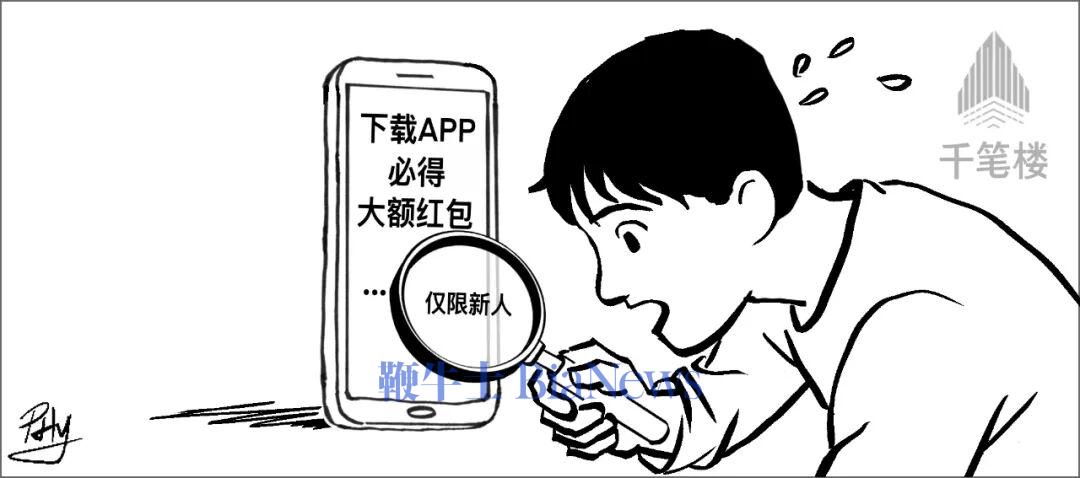
小字免责

Search documents
广告“大字吸睛、小字免责”游戏,终于玩到头了?
Sou Hu Cai Jing· 2026-01-22 16:22
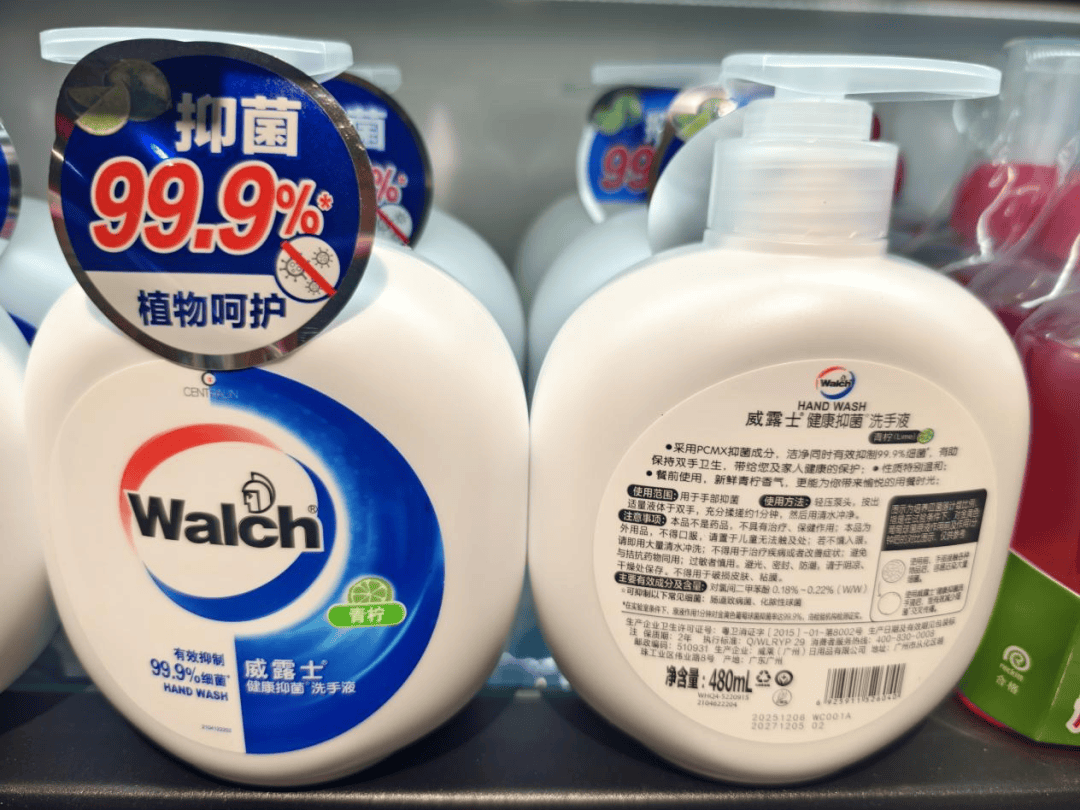
Core Viewpoint - The article highlights the deceptive advertising practice of using prominent claims while burying critical limitations in small print, which misleads consumers and has drawn regulatory scrutiny [1][2][10]. Group 1: Advertising Practices - The "big letters attract attention, small letters disclaim" strategy is prevalent across various consumer sectors, including digital, financial, food, and beauty products [1][10]. - In the personal care sector, products like a hand sanitizer claim to "effectively inhibit 99.9% of bacteria," but the fine print specifies that this is under laboratory conditions against a specific strain [2][4]. - Similar tactics are observed in electronics, where a sports camera advertises "200 minutes of battery life," but the conditions for this claim are hidden in small print [4][8]. Group 2: Legal and Regulatory Context - Legal experts argue that such advertising practices may violate consumer protection laws by failing to provide "true and comprehensive" information [4][11]. - The market regulatory authority has begun addressing these misleading practices, emphasizing that advertising must present information clearly and accurately [10][15]. - New guidelines have been proposed to ensure that font size and color do not obscure critical product information, aiming to reduce consumer confusion and false advertising risks [15][16]. Group 3: Industry Implications - The prevalence of misleading advertising can distort competition, erode consumer trust, and increase compliance costs for businesses [12][13]. - Experts suggest that the focus on attention-grabbing marketing tactics detracts from genuine product quality and brand integrity [13][14]. - The rise of such practices has prompted calls for stricter regulations and better enforcement to protect consumer rights and ensure fair competition [16].


“说好的买房送小院,我的小院呢?”
Sou Hu Cai Jing· 2026-01-09 18:13
Core Viewpoint - The case highlights the issue of misleading advertising practices in the real estate industry, where companies use attractive promotions to lure customers but fail to deliver on their promises, leading to legal consequences for the companies involved [1][3][4]. Group 1: Misleading Advertising Practices - The advertisement for a real estate property prominently featured the phrase "赠送小院" (free small yard), which attracted potential buyers but was accompanied by small print disclaimers that misled consumers [1][5]. - The case of Mr. Yang illustrates how he was misled into believing he would receive a small yard with his purchase, only to find it was not included upon delivery [1][3]. Group 2: Legal Consequences - After reporting the misleading advertisement to the market supervision administration, the real estate company was fined 13,000 yuan and ordered to cease the illegal advertising [3][4]. - The court ruled in favor of Mr. Yang, stating that the company's promise of a "free small yard" constituted a significant part of the contract, even if it was not explicitly included in the written agreement [4][5]. Group 3: Regulatory Response - The market regulatory authority has recognized the prevalence of "大字吸睛、小字免责" (big words attract attention, small words disclaim) tactics and is taking steps to address these misleading practices through new guidelines [5]. - The recent draft guidelines from the market regulation administration emphasize that advertisements must be clear and truthful, prohibiting the use of small fonts or misleading formats to obscure important information [5].

“小字免责” 或成历史,市监局就广告引证新规制征求意见
Xin Lang Cai Jing· 2025-12-21 11:28
Core Viewpoint - The article discusses the introduction of the "Advertising Citation Content Enforcement Guidelines" aimed at addressing misleading advertising practices, particularly the phenomenon of "big words attract attention, small words disclaim" which misleads consumers by obscuring important information [1][8]. Group 1: Advertising Practices - The phenomenon of "big words attract attention, small words disclaim" involves highlighting favorable information in advertisements while downplaying critical disclaimers, making it difficult for consumers to notice or understand them [2][5]. - The rise of this advertising tactic is linked to the implementation of the Advertising Law in 1995, which led businesses to exploit "small words" to evade risks while misleading consumers [4][5]. Group 2: Regulatory Response - The "Advertising Citation Content Enforcement Guidelines" consist of 22 articles that clarify the requirements for advertising citations, including the need for clear and prominent presentation of disclaimers [1][9]. - The guidelines prohibit the use of small font sizes or colors that blend with the background to obscure important information, thereby reducing the space for illegal advertising practices [8][9]. Group 3: Implications for Businesses - Businesses may face administrative risks, including fines and orders to cease misleading advertisements, if they engage in the "big words attract attention, small words disclaim" practice [5]. - The guidelines aim to unify enforcement standards across the country, increasing the cost of violations and promoting rational and truthful advertising competition [9].
公牛集团索赔420万
盐财经· 2025-12-18 09:59
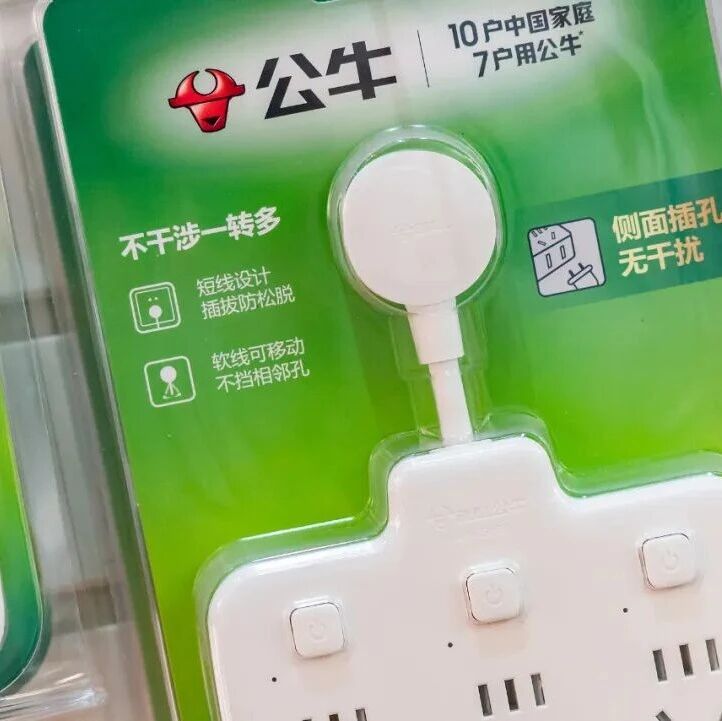
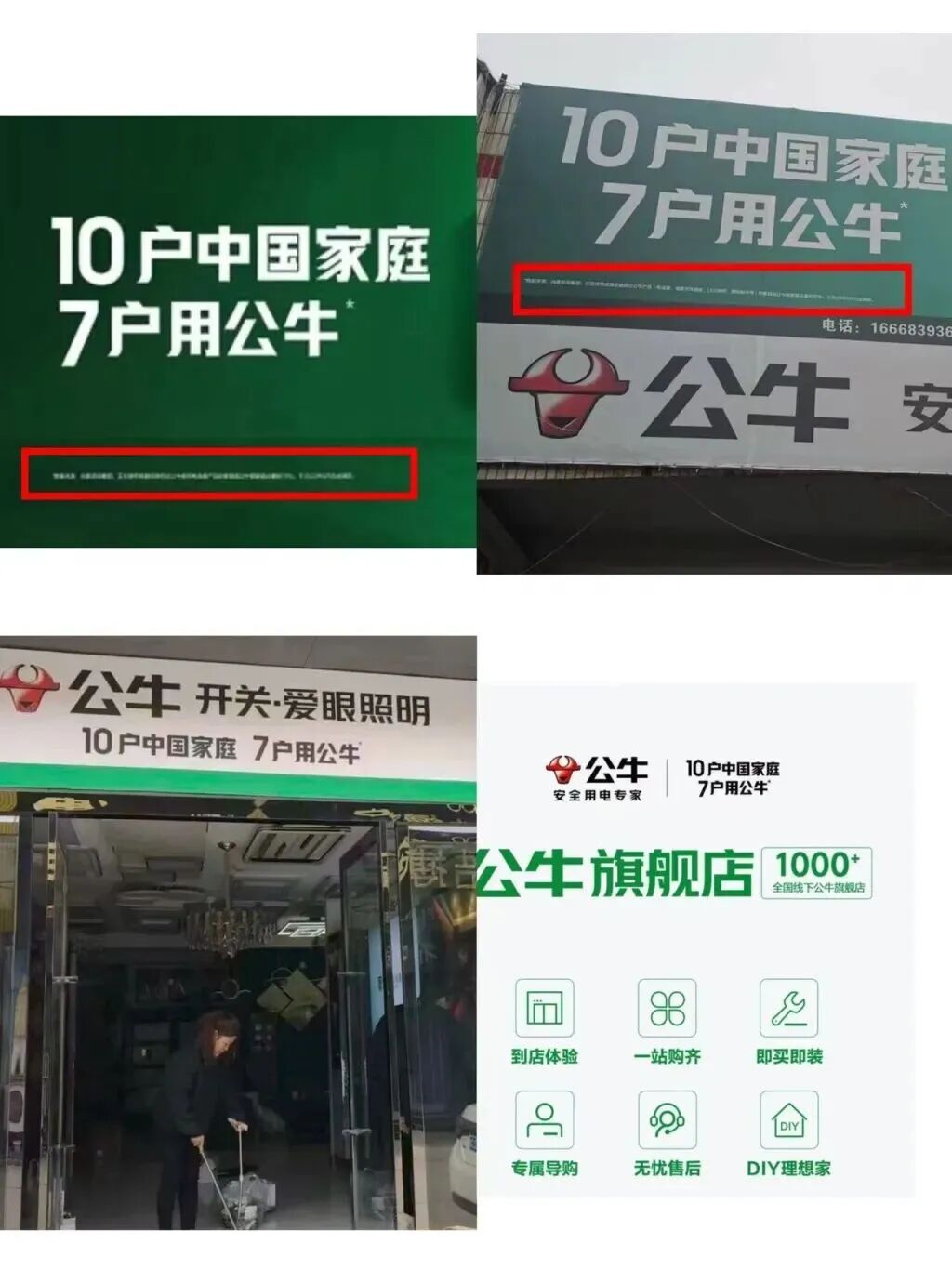
Core Viewpoint - The article discusses the controversy surrounding Bull Group's advertising claim that "7 out of 10 Chinese households use Bull products," which has been criticized as misleading due to the lack of clarity on the data's applicability and source [2][4][8]. Group 1: Company Background and Financials - Bull Group, founded in 1995 and listed in 2020, specializes in the research, production, and sales of consumer electrical products, including electrical connections and smart lighting [10]. - For the first three quarters of 2025, Bull Group reported a revenue of 12.198 billion yuan, a year-on-year decrease of 3.22%, and a net profit attributable to shareholders of 2.979 billion yuan, down 8.72% [10]. - The company's main revenue sources are the electrical connection and smart lighting businesses, which contribute over 90% of its total revenue [10]. Group 2: Legal Dispute - Bull Group has filed a lawsuit against a competitor, claiming 4.2 million yuan in damages due to misleading advertising practices that harm its reputation [5][9]. - The competitor's representatives have publicly criticized Bull Group's advertising as "big words to attract attention, small words to disclaim responsibility," suggesting it misleads consumers about market share [6][7]. - The competitor argues that their product comparisons are based on actual testing data and aim to provide consumers with comprehensive product information [8]. Group 3: Industry Context and Regulatory Response - The phenomenon of "big words attracting attention, small words disclaiming responsibility" has raised concerns in the industry, prompting calls for stricter regulations to protect consumer rights and ensure truthful advertising [14][18]. - The State Administration for Market Regulation has initiated a public consultation on guidelines to regulate advertising claims, particularly regarding absolute terms like "number one" or "first" in market share [16][18].

“10户中国家庭,7户用公牛”遭同行吐槽:“大字吹牛,小字免责”!公牛集团:广告语没毛病,诋毁我们,起诉索赔420万元
新浪财经· 2025-12-18 09:42
Core Viewpoint - The article discusses the controversy surrounding the advertising slogan "7 out of 10 Chinese households use Bull" by Bull Group, highlighting concerns about misleading advertising practices and the ongoing legal dispute with a competitor [1][10][11]. Group 1: Advertising Controversy - Bull Group's slogan claims that 70% of Chinese households are using or have used its products, but the data source and context are sometimes not clearly stated, leading to accusations of misleading advertising [1][5][10]. - A competitor, Zhongshan Jia's Electric Co., criticized this slogan as "big words to attract attention, small words to disclaim responsibility," suggesting it misleads consumers into thinking Bull Group has a 70% market share [7][10][11]. - Bull Group has filed a lawsuit against Jia's Electric, seeking 4.2 million yuan in damages for alleged defamation and damage to its reputation [8][14]. Group 2: Market and Financial Performance - Bull Group, established in 1995 and listed in 2020, specializes in the research, production, and sales of consumer electrical products, including electrical connections and smart lighting [14]. - For the first three quarters of 2025, Bull Group reported a revenue of 12.198 billion yuan, a year-on-year decrease of 3.22%, and a net profit of 2.979 billion yuan, down 8.72% [14]. - The company's main revenue sources are its electrical connection and smart lighting businesses, which together contribute over 90% of its total revenue [14]. Group 3: Regulatory Environment - The article highlights a broader issue of misleading advertising practices in the industry, with the State Administration for Market Regulation calling for stricter regulations on advertising content to protect consumer rights [16][20]. - The agency has noted that misleading advertising practices, such as "big words to attract attention, small words to disclaim responsibility," disrupt market order and harm consumer interests [20].
“10户中国家庭,7户用公牛”遭同行吐槽:“大字吹牛,小字免责”!公牛集团:广告语没毛病,诋毁我们,起诉索赔420万元
Mei Ri Jing Ji Xin Wen· 2025-12-17 14:14
Core Viewpoint - The controversy surrounding Bull Group's advertising slogan "7 out of 10 Chinese families use Bull" has raised concerns about misleading advertising practices, leading to legal action against a competitor for defamation [7][10][12]. Group 1: Advertising Claims - Bull Group's slogan claims that over 70% of Chinese households are using or have used its products, based on data from a market research firm, covering the entire household market in mainland China [4][5]. - The slogan has been criticized for potentially misleading consumers regarding the company's market share, as it does not clearly specify the scope of the data used [10][11]. Group 2: Legal Actions - Bull Group has filed a lawsuit against a competitor, claiming defamation and seeking 4.2 million yuan in damages due to misleading statements made by the competitor's sales personnel [8][12]. - The competitor argues that their statements were a legitimate critique of Bull Group's advertising compliance and aimed at providing consumers with accurate product comparisons [10][11]. Group 3: Market Context - Bull Group, established in 1995 and listed in 2020, is a leading manufacturer of consumer electrical products, with a significant market share in power strips and related products [12]. - The company reported a revenue of 12.198 billion yuan for the first three quarters of 2025, a year-on-year decrease of 3.22%, with net profit also declining [12]. Group 4: Regulatory Environment - The phenomenon of "big words attract attention, small words disclaim responsibility" has drawn criticism from regulatory bodies, prompting calls for stricter advertising regulations to protect consumer rights and ensure truthful marketing practices [15][18]. - The State Administration for Market Regulation is seeking public input on guidelines to clarify advertising claims and prevent misleading practices in the industry [16][18].
新华社重锤“小字免责”,营销游戏该结束了,产品才是王道
Sou Hu Cai Jing· 2025-12-10 09:23
Group 1 - Exaggerated marketing tactics, such as "small print disclaimers," have become increasingly outrageous in certain internet companies, leading to misleading claims about product capabilities [1][3] - Some companies have relied on these tactics to gain a competitive edge, but this has resulted in arrogance and a tendency to confuse consumers [3][5] - In the automotive industry, a company has utilized complex contracts to shield itself from liability, banking on substantial deposits from consumers, which could amount to over 1 billion [5][6] Group 2 - Consumers in the automotive sector are becoming more discerning and are less likely to be misled by "small print disclaimers," as evidenced by a recent court ruling that favored consumers in a lawsuit against a car manufacturer [6][10] - The automotive market is highly competitive, and consumers are now prioritizing product quality and reliable after-sales service over marketing gimmicks [8][10] - The lessons learned from these marketing failures may prompt companies across various industries to recognize that sustainable success relies on product quality rather than short-term marketing strategies [10]
大反转,新华社实锤雷军,一切都结束了
Xin Lang Cai Jing· 2025-12-09 13:43
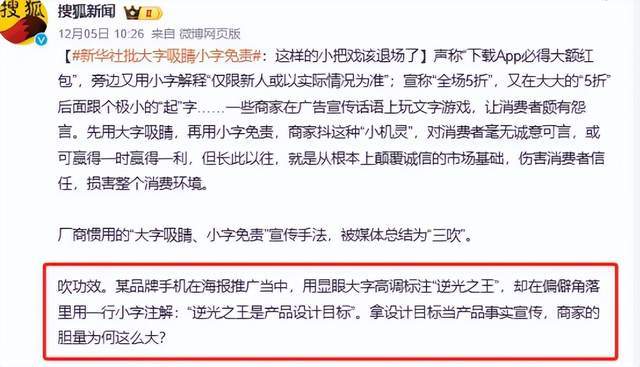
Group 1 - The core issue revolves around the marketing practice of using large fonts for attractive claims while hiding important disclaimers in small fonts, which has led to consumer frustration and distrust [2][39][50] - A recent commentary by Xinhua criticized this practice, coining the phrase "big words attract attention, small words disclaim responsibility," highlighting the industry's tendency to mislead consumers [39][40] - The controversy was ignited by Xiaomi's promotional materials for the Xiaomi 17 Pro, which prominently featured the phrase "King of Backlight" in large text, while a small disclaimer stated it was merely a design goal [6][43][45] Group 2 - Xiaomi's marketing strategy has been scrutinized for using similar tactics across multiple promotional materials, leading to public backlash and increased scrutiny from consumers [8][46] - The issue is not unique to Xiaomi; industry figures like Luo Yonghao have pointed out that such practices are common in the smartphone sector, where companies often use small disclaimers to mitigate legal risks [50][54] - The company has begun to adjust its marketing approach, as seen in the recent promotion of its Xiaomi HAD enhanced driving assistance system, which now includes clear disclaimers in larger text [50][54] Group 3 - Xiaomi has experienced significant growth, with its automotive division achieving record sales, including the fastest record for a new energy vehicle company to reach 500,000 units [60][61] - Financial results for Q3 show Xiaomi's revenue at 113.1 billion yuan, a 22.3% year-over-year increase, with adjusted net profit rising 80.9% to 11.3 billion yuan [61] - Despite the positive financial performance, controversies surrounding product marketing and consumer trust issues continue to pose challenges for the company [62][66] Group 4 - Legal challenges have emerged, including a lawsuit from over 100 customers regarding alleged false advertising related to the Xiaomi SU7 Ultra, which is currently under judicial review [63][64] - A recent court ruling ordered Xiaomi to refund double the deposit to consumers for unfulfilled vehicle deliveries, signaling potential implications for the company's sales practices [66] - The shifting public perception of Xiaomi and its founder Lei Jun reflects the dual challenges of rapid growth and the need for transparent marketing practices [70][71]


新华社实锤小米大反转,一切都结束了!
Xin Lang Cai Jing· 2025-12-09 11:21
Core Viewpoint - The article criticizes the marketing practices in the industry, particularly highlighting the use of misleading advertising tactics that emphasize bold claims while downplaying disclaimers in fine print, exemplified by Xiaomi's recent promotional strategies [1][3][14]. Group 1: Industry Practices - The phrase "big words attract attention, small words disclaim" encapsulates consumer frustration with misleading advertising [1]. - Companies often present unachieved goals as established facts, raising questions about their marketing ethics [3]. - The article points out that this practice is not unique to Xiaomi but is prevalent across various sectors, including electronics and automotive [10][16]. Group 2: Xiaomi's Response - Xiaomi has recently adjusted its marketing approach by removing fine print disclaimers from its advertisements, opting instead for clearer messaging about its products [7][10]. - The company has publicly acknowledged the issue of exaggerated claims in advertising, urging consumers not to believe overly optimistic statements [10]. - Despite this positive change, Xiaomi's lack of a strong public statement regarding its shift raises concerns about its commitment to transparency [13][19]. Group 3: Consumer Impact - The use of misleading advertising tactics damages consumer trust and can lead to significant backlash against brands [17][21]. - Consumers often find themselves misled by bold claims that do not reflect actual product performance, leading to frustration and a sense of betrayal [16][18]. - The article emphasizes the need for a shift towards honest advertising practices to improve the overall consumer experience [23]. Group 4: Industry Implications - Xiaomi's decision to abandon misleading advertising could serve as a catalyst for change within the industry, encouraging other companies to follow suit [20][22]. - The article suggests that the industry must collectively move away from deceptive practices to foster a more trustworthy environment for consumers [24]. - A transparent advertising approach could enhance brand reputation and consumer loyalty in the long run [25].
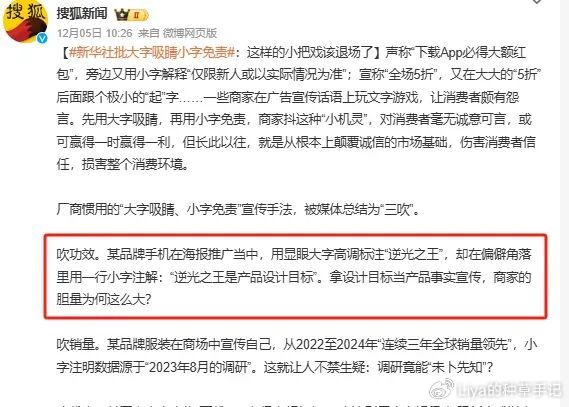
「大字吸睛、小字免责」,这样的小把戏该退场了
Xin Hua She· 2025-12-05 03:32
Core Viewpoint - The article highlights the deceptive advertising practices of businesses that use large fonts to attract attention while hiding important disclaimers in small print, undermining consumer trust and damaging the overall market environment [3][10][16]. Group 1: Advertising Practices - Businesses often employ the "big font attracts attention, small font disclaims" strategy, which has been summarized by the media as "three blows" [4]. - A specific smartphone brand advertised itself as the "king of backlighting" in large letters, but clarified in small print that this was merely a design goal, raising questions about the integrity of such claims [6]. - A clothing brand claimed to be the "global sales leader" for three consecutive years, with small print indicating that the data was based on an August 2023 survey, leading to skepticism about the validity of the claim [9]. Group 2: Consumer Impact - The use of large, misleading advertisements can easily trap consumers, leading to doubts about the quality and materials of products from companies that engage in such practices [11]. - The small disclaimers are often difficult to notice due to their size and placement, which can mislead consumers and create a false sense of security regarding the advertised products [12]. - When consumers attempt to seek redress after feeling deceived, businesses often use the small print as a defense, resulting in disputes and complicating the consumer's ability to assert their rights [14]. Group 3: Industry Consequences - The prevalence of the "big font attracts attention, small font disclaims" phenomenon is increasing, raising concerns across various sectors from manufacturers to retailers [15]. - This trend can lead to a loss of consumer trust, causing individuals to become more cautious and hesitant to spend, while businesses relying on such tactics risk damaging their reputations in the long term [16]. - The widespread use of small print disclaimers can create a market environment where honest businesses struggle to compete against those that engage in deceptive practices, leading to a "bad money drives out good" scenario [16]. Group 4: Regulatory Recommendations - To address the "big and small font trap," a collaborative effort is needed, including clear standards for advertising that require core product performance, pricing, and promotional conditions to be clearly communicated [19]. - Enforcement agencies should conduct targeted inspections in high-risk sectors such as automotive, finance, and food to ensure compliance and penalize those who exploit these advertising tactics [19]. - The essence of business is integrity, and the foundation of advertising is truthfulness; companies must rely on quality products and sincere service to build a trustworthy market environment [20].