
工业脱碳

Search documents
环保行业深度跟踪:三部门开展氢能试点,绿氢、绿醇补贴正式落地
GF SECURITIES· 2026-03-17 01:25
Investment Rating - The industry investment rating is "Buy" [2] Core Insights - The report highlights the initiation of hydrogen energy pilot projects by three government departments, with subsidies for green hydrogen and green methanol officially implemented. The goal is to achieve large-scale application of hydrogen energy in urban clusters by 2030, with the average terminal hydrogen price dropping below 25 CNY per kilogram, and aiming for around 15 CNY in advantageous regions [6]. Summary by Sections Industry Overview - The report discusses the comprehensive application of hydrogen energy, emphasizing the need for integrated renewable energy hydrogen production projects and the establishment of stable downstream consumption channels for green ammonia and green methanol [6]. Policy and Subsidies - The subsidy for green hydrogen is calculated at 3200-4000 CNY per ton, while for green methanol, it is 640-800 CNY per ton. The central government will provide financial support based on performance evaluations of urban clusters, with a maximum subsidy cap of 16 billion CNY for selected clusters over four years [6]. Production and Cost Analysis - The report notes that the current production cost of methanol from electricity is approximately 4694 CNY per ton, with significant cost reduction potential as renewable energy capacity increases and carbon capture technologies improve. The introduction of subsidies is expected to accelerate the production capacity and profitability of green hydrogen and green methanol projects [6]. Key Companies to Watch - The report identifies several companies with cost advantages in green methanol production, including Electric Power Green Energy, Fuan Energy, Goldwind Technology, and others, which have established projects and technological reserves [6].
工业脱碳系列之四:绿色甲醇:以效破局,以本筑基
GF SECURITIES· 2026-03-10 23:49
Investment Rating - The industry investment rating is "Buy" [2] Core Insights - The report emphasizes the importance of cost reduction and efficiency improvement in the green methanol industry, highlighting that the economic viability of green methanol will be realized at a price range of 3096 to 3562 CNY per ton under the current EU carbon trading system and IMO net-zero framework [6][15][18] - The report identifies that the current production cost of biomass gasification is lower, while the future potential for electrochemical methanol production is greater due to scalability and cost reduction opportunities [6][15][18] - The report suggests focusing on green methanol producers with cost advantages, including companies like Electric Power Green Energy, Fuan Energy, and Goldwind Technology, which have established projects and technological reserves [6][15][18] Summary by Sections 1. Cost Reduction and Efficiency as Industry Priorities - The EU carbon trading system will fully include the shipping industry by 2026, with a projected price increase of 50% to 79% for fuel prices due to carbon costs [6][22][27] - The IMO net-zero framework will have a limited short-term impact but will cover a significant portion of the global shipping fleet, with implementation expected by 2028 [6][42] - The report stresses that achieving cost reduction and efficiency is crucial for the industry, with a focus on companies that can leverage cost advantages [6][15][18] 2. Current Production Costs and Future Scalability - The production cost of electrochemical methanol is highly dependent on green electricity prices, with potential for costs to decrease significantly in the next five years [6][15][18] - Biomass gasification currently has lower production costs, but scaling up electrochemical methanol production presents greater long-term opportunities [6][15][18] 3. Recommended Companies to Watch - The report highlights several companies in the green methanol space that are well-positioned due to their existing projects and technological capabilities, including Electric Power Green Energy, Fuan Energy, Goldwind Technology, and others [6][15][18]



脱碳以竞争:迈向巴西低碳水泥与钢铁工业
英国加速气候转型伙伴关系&气候债券倡议组织· 2026-03-02 09:20
Investment Rating - The report emphasizes the strategic opportunity for investment in the decarbonization of Brazil's cement and steel industries, highlighting their role as major greenhouse gas emitters and the necessity for transformation to enhance competitiveness and sustainability [9][11]. Core Insights - The decarbonization of the cement and steel industries in Brazil is not only an environmental necessity but also a key factor for the competitiveness and sustainability of these sectors [9][11]. - Brazil's renewable energy structure and historical use of biomass in the steel industry provide significant comparative advantages for accelerating the transition to low-carbon production [10][12]. - Emerging technologies such as electrification, low-carbon hydrogen (HBC), and carbon capture and storage (CCS) are crucial for deep decarbonization in both industries, despite requiring substantial investment and facing infrastructure and technological maturity challenges [10][13]. Summary by Sections Executive Summary - The report outlines the unprecedented strategic opportunity for Brazil in decarbonizing its cement and steel industries, which are foundational to civil construction and the national economy [9]. Industry Overview - The cement industry accounts for approximately 2.5% of Brazil's greenhouse gas emissions, while steel production contributes about 4% [16]. - The report highlights the need for strong support mechanisms, including green finance, carbon pricing, and tax incentives, to facilitate the transition [11]. Emission Sources - The primary sources of emissions in the cement industry stem from the calcination of limestone, which releases CO₂, while the steel industry faces emissions from the carbon reduction of iron ore [35][36]. Financing - The report discusses various financing sources available for supporting the transition, including climate funds, private financial instruments, and blended finance strategies [55][56]. Market Opportunities and Innovations - There is a growing demand for "green" products and international regulatory pressures, such as the EU's carbon border adjustment mechanism (CBAM), which expand market opportunities and enhance the competitive advantage of sustainably investing companies [11][12]. Conclusion and Recommendations - The report provides a comprehensive analysis of the current and future decarbonization scenarios for Brazil's cement and steel industries, emphasizing the importance of collaborative and multifaceted approaches to achieve climate goals while strengthening domestic industries [11][16].
英力士获法国3亿欧元资助
Zhong Guo Hua Gong Bao· 2026-02-25 02:32
Core Viewpoint - INEOS has secured a €300 million investment supported by the French government to advance the next phase of its Lavera plant renovation, which will reduce CO2 emissions by 331,000 tons annually, equivalent to taking over 70,000 cars off the road [1] Group 1: Investment and Financials - The project will utilize mature energy-saving technologies, laying the groundwork for future decarbonization through electrification and carbon capture [1] - The total planned investment for the Lavera plant has exceeded €550 million, including a previously announced €250 million investment plan from November 2025 [1] Group 2: Employment and Economic Impact - This investment will provide stable jobs for approximately 2,000 direct employees and over 10,000 workers in the supply chain [1] - The upgrade will enhance the long-term competitiveness of this key industrial asset in France, safeguarding thousands of technical positions [1] Group 3: Industry Context - The investment comes at a time when European chemical plants are closing due to high energy costs and global competition [1] - The Lavera plant is a core pillar of French manufacturing, directly serving critical sectors such as pharmaceuticals, healthcare, aerospace, and defense [1]
澳储行加息后首周房拍清盘率保持强劲 买家表现踊跃 澳洲养老金行业暗流涌动 AusSuper等行业基金显著流失 悉尼Top10私立学校学费不断上涨
Sou Hu Cai Jing· 2026-02-09 11:24
Group 1: Real Estate Market - The preliminary clearance rate for property auctions in Australia reached 73.7%, the highest level since last year's spring selling season, up from 69.7% the previous week [1] - Sydney's clearance rate was 79.6%, the highest since August of last year, with 602 properties auctioned, a 31% increase from the previous week [1] - Melbourne's clearance rate was lower at 67.9%, with 638 properties auctioned [1] - Brisbane, Adelaide, Canberra, and Perth also showed strong clearance rates, with Brisbane at 69%, Adelaide at 83.6%, Canberra at 69.7%, and Perth at 75%, all higher than the same period last year [1] Group 2: Superannuation Industry - Major industry funds like AustralianSuper, Australian Retirement Trust, and Aware Super experienced significant member outflows in FY2025, with AustralianSuper facing a net redemption of over AUD 250 million [3][4] - Aware Super and Australian Retirement Trust lost AUD 400 million and AUD 1.3 billion respectively due to member exits [4] - Retail wealth platforms like HUB24 and Netwealth attracted substantial inflows, with HUB24 gaining AUD 7.5 billion and Netwealth AUD 4 billion during FY2025 [6] Group 3: Education Sector - Tuition fees for Sydney's top 10 private schools have risen significantly, with an average increase of 6.7% last year, yet most schools saw a decline in academic performance [10] - The Scots College remains the most expensive private school in New South Wales, with fees reaching AUD 52,770 for Year 12 in 2026, a 6.5% increase [10] - Several schools, including Kambala and Wenona, reported their worst rankings in a decade, despite fee increases [10] Group 4: Wine Industry - UBS downgraded Treasury Wine Estates (ASX:TWE) to "sell," citing deteriorating risk-reward dynamics amid industry headwinds [12][13] - TWE's stock fell 7.97% to AUD 5.08 following the downgrade, with the company facing challenges in its Penfolds and Americas businesses [14] - UBS lowered TWE's earnings forecasts for FY2026 and FY2027, predicting no dividends due to debt ratio concerns [13][15] Group 5: Mining and Resources - The Resourcing Tomorrow Hong Kong 2026 event will take place in April 2026, focusing on the evolving landscape of the mining and resources sector [18][19] - The event aims to address the changing dynamics of resource investment, emphasizing project feasibility and supply chain security [19][20] - Over 250 high-level participants, including representatives from major mining companies and financial institutions, are expected to attend [21][24] Group 6: Office Market - Australia's office vacancy rate has reached its highest level since 1996, climbing from 15.2% in August 2025 to 15.9% in January 2026 [36][37] - Major cities like Sydney and Melbourne are experiencing significant increases in vacancy rates, with Melbourne's rate rising to 19% [37] - Despite current challenges, there are signs of recovery in demand for high-quality office spaces, with expectations of reduced supply supporting market recovery [38]




江西铜业收购SolGold冲刺2月关键表决 关键股东DGR表态支持28便士收购方案
Sou Hu Cai Jing· 2026-02-06 14:45
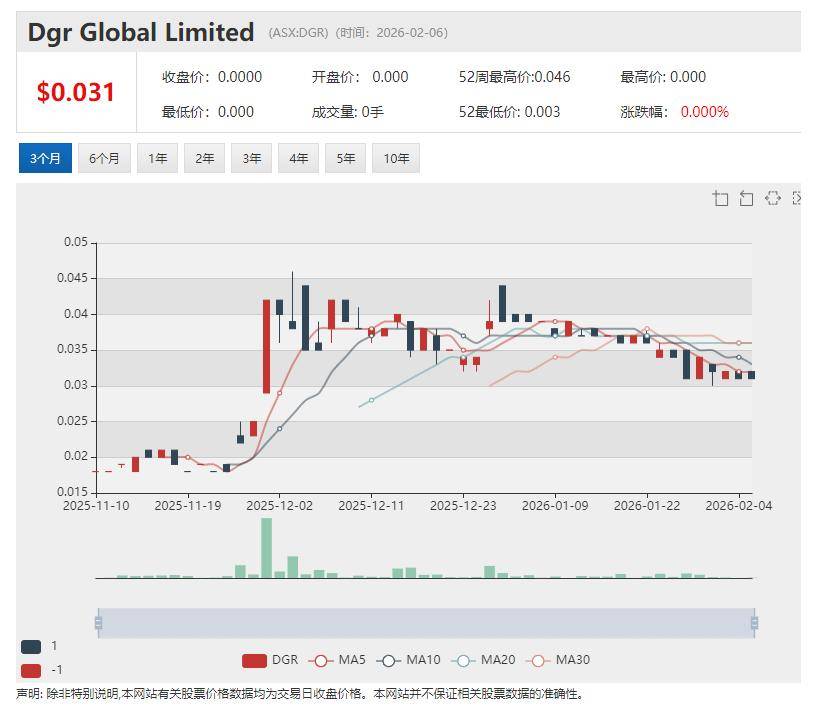
Core Viewpoint - Jiangxi Copper's acquisition of SolGold is progressing, with key shareholder DGR Global expressing support for the cash offer of 28 pence per share, pending no better proposals [3][6]. Group 1: Acquisition Details - Jiangxi Copper is advancing its acquisition of SolGold, with DGR Global indicating support for the 28 pence per share cash offer, which will be voted on at the shareholder meeting on February 23, 2026 [3][6]. - DGR Global's board has stated that they will support the acquisition unless a better offer is received, emphasizing that their current stance may change if circumstances evolve [3][6]. - The acquisition proposal has been raised from an initial offer of 26 pence per share, which was rejected by SolGold's board, indicating a shift from exploratory discussions to a more formal acquisition process [6]. Group 2: SolGold's Core Assets - SolGold's primary asset is the Cascabel copper-gold project in Ecuador, recognized as one of the most significant undeveloped copper-gold mines globally [4][5]. - The Cascabel project contains billions of tons of ore, with substantial copper and gold resources, and is expected to have a mine life of several decades with potential annual production at levels comparable to major international mines [5]. Group 3: Market Implications - DGR Global's public support is seen as a crucial factor that could enhance the likelihood of the acquisition's approval, providing Jiangxi Copper with a significant advantage in the acquisition process [3]. - The focus of market participants will be on the outcome of the shareholder vote on February 23, 2026, and whether any competing bids or higher offers will emerge [6].
瑞士Casale、加拿大OMNI共推垃圾制绿色甲醇与氢燃料
Zhong Guo Hua Gong Bao· 2026-02-04 03:20
Core Viewpoint - Swiss chemical technology company Casale and Canadian waste-to-fuel company OMNI Conversion Technologies have signed a memorandum of understanding to explore integrated solutions for converting municipal solid waste into green methanol and hydrogen fuel [1] Group 1: Partnership Details - The agreement focuses on the development and application of OMNI's proprietary OMNI300 thermochemical gasification system, which can cleanly convert non-recyclable waste into synthesis gas for low-carbon fuel production [1] - Casale will act as a co-developer of OMNI's waste conversion technology platform, leveraging over a century of expertise in synthesis gas, methanol, hydrogen, and fertilizer processes to provide critical technology integration for end-product production [1] Group 2: Objectives and Impact - The collaboration aims to offer a comprehensive solution from waste to finished products, promoting circular economy development and industrial decarbonization [1] - By combining OMNI's gasification technology with Casale's chemical process expertise, the partners plan to promote this technology in Central Europe and North America, transforming waste into valuable chemicals and fuels while reducing carbon emissions and environmental impact [1] Group 3: Leadership Insights - The CEO of Casale stated that this partnership will incorporate an innovative and mature technology into its platform, expanding its portfolio dedicated to circular economy and low-carbon processes [1] - The CEO of OMNI emphasized that collaborating with a leader in clean fuels and chemicals like Casale is a crucial step in enhancing the influence of its gasification technology and accelerating the global transition to low-carbon circular solutions [1]
氢能周度观察(9):零碳工厂加速氢能产业化应用-20260201
Changjiang Securities· 2026-02-01 10:54
Investment Rating - The report indicates a positive outlook for the hydrogen energy industry, suggesting that it will outperform the relevant market indices in the next 12 months [13]. Core Insights - The report highlights the Chinese government's strong support for hydrogen energy as a key clean fuel in the construction of zero-carbon factories, which is expected to accelerate the industrialization of hydrogen applications [6][9]. - The document emphasizes the potential for hydrogen energy in various industrial applications, with significant projected consumption growth, particularly in sectors like synthetic ammonia and methanol [9]. - The report anticipates that the hydrogen industry will evolve towards large-scale and commercial development during the 14th Five-Year Plan period, with substantial advancements in hydrogen production, storage, and application technologies [9]. Summary by Sections Policy Support - The Chinese government has integrated hydrogen energy into its zero-carbon factory construction framework, recognizing its critical role in industrial decarbonization [6][9]. - The guidance encourages the development of integrated projects for green hydrogen and ammonia, promoting the use of clean hydrogen sources from industrial by-products and renewable energy [6][9]. Market Potential - In 2024, China's hydrogen consumption is projected to reach approximately 36.5 million tons, reflecting a compound annual growth rate of about 2.2% since 2020 [9]. - The report estimates that if green hydrogen can replace gray hydrogen in the production of green methanol and ammonia, it could absorb 6.98 million tons and 9.34 million tons of green hydrogen, respectively [9]. Future Outlook - By the end of 2025, the cumulative production capacity of green hydrogen is expected to exceed 250,000 tons per year, with significant reductions in production costs anticipated due to advancements in technology and economies of scale [9]. - The report forecasts the construction of over 540 hydrogen refueling stations by the end of 2025, alongside a substantial increase in fuel cell vehicle ownership [9].
阿联酋钢铁集团推进工业脱碳
Shang Wu Bu Wang Zhan· 2025-12-29 15:17
Core Viewpoint - The Emirates Steel Group (EMSTEEL) is advancing industrial decarbonization through a partnership with the Emirates Nuclear Energy Corporation (ENEC) by procuring I-REC certified clean nuclear power [2] Group 1: Company Initiatives - EMSTEEL's steel operations currently utilize 86% clean electricity, while its cement operations use 14% clean electricity [2] - The company aims to achieve 100% clean electricity usage by 2030 [2] Group 2: Industry Impact - ENEC's Barakah nuclear power plant generates approximately 40 TWh annually, which can meet 25% of the nation's electricity needs and reduce carbon emissions by 22.4 million tons per year [2]
2025年工业领域可再生能源应用:低温热能及蒸汽电气化研究报告(英文版)-IEA国际能源署
Sou Hu Cai Jing· 2025-12-27 17:40
Core Insights - The International Energy Agency (IEA) report highlights that the industrial sector accounts for 30% of global energy consumption, with low-temperature heat and steam demand representing 70% of this consumption, making electrification a cost-effective path for industrial decarbonization [1][14][29] - The report emphasizes the potential of electrification technologies such as industrial heat pumps, electric boilers, and thermal energy storage to significantly reduce emissions and enhance energy security [2][15][38] Group 1: Core Technologies and Application Potential - Industrial heat pumps can provide heat up to 150°C with a coefficient of performance (COP) around 3, while electric boilers can generate steam at 350°C and 70 bar pressure with efficiencies of 95%-98% [2][35] - The global potential for these technologies is substantial, with the EU able to reduce fossil fuel consumption by nearly 3,000 PJ and China by 9,000 PJ, corresponding to significant reductions in natural gas imports [2][41] - Thermal energy storage systems, using low-cost materials, can store energy at a cost of $15-20 per kWh, addressing the intermittency of renewable energy sources [2][36] Group 2: Regional Development Status and Differences - The EU is leading in electrification due to favorable policies and energy prices, with industrial heat pumps becoming cost-competitive in countries like Finland and Spain [3][39] - China is pushing for industrial electrification through its dual carbon goals, focusing on industrial parks and renewable energy integration, which can reduce steam costs significantly [3][41][44] - The ASEAN region faces challenges due to its reliance on coal, but has potential for solar energy integration in industrial parks, with ongoing financial reforms to lower barriers [3][45] Group 3: Key Barriers and Action Pathways - Major barriers to electrification include long grid connection times, unfair energy taxation, high upfront investment costs, and a shortage of skilled labor [4][46] - The report suggests six priority actions to accelerate electrification, including integrating heat electrification into national energy plans, reforming energy taxes, and enhancing workforce training [4][46][50]
