新式茶饮

Search documents
新式茶饮X茶文旅空间,“百亿”英德红茶想象空间有多大?
Nan Fang Nong Cun Bao· 2026-02-12 10:35
Core Viewpoint - The Guangdong tea industry is experiencing significant growth, with a focus on high-quality development and the promotion of local tea brands, particularly the Yingde black tea, which is projected to reach a production value of over 10.2 billion yuan by 2025 [10][18][19]. Group 1: Industry Growth and Development - The Guangdong tea industry has steadily expanded, with tea garden area expected to reach 1.7659 million acres and dry tea production to hit 203,500 tons by 2025, representing increases of 50.55% and 58.73% respectively since 2020 [12][13]. - Key regions for tea production include Qingyuan, Heyuan, Meizhou, Jiangmen, and Chaozhou, which have established a foundation for renowned tea products like Yingde black tea and Chaozhou single bush tea [14][15]. - The Yingde black tea industry has a solid foundation, with 175,000 acres of tea gardens and an annual production of 14,000 tons, having received various accolades such as "National Geographical Indication Product" [20][21]. Group 2: Economic Impact and Employment - The Yingde black tea industry is a crucial pillar of Qingyuan's modern agriculture, supporting approximately 155,000 jobs [19][33]. - The brand value of Yingde black tea has increased from 3.718 billion yuan in 2022 to an estimated 5.178 billion yuan by 2025, making it the top brand in the Chinese black tea category [34][36]. Group 3: Innovation and Market Trends - The industry is embracing new tea drink trends, with local brands like Heytea and Nayuki leading the market, leveraging Guangdong's unique tea resources [38][41]. - Yingde black tea is collaborating with various brands to create innovative products, such as the "Yinghong Cheese" and "Yinghong Milk Tea," achieving significant sales on launch [63][64]. - The integration of tea with tourism and other sectors is creating new business opportunities, with significant visitor numbers reported at tea tourism sites [76][79]. Group 4: Strategic Initiatives and Future Outlook - The Guangdong tea industry is shifting from isolated breakthroughs to systematic collaboration, aiming to enhance overall competitiveness [80][82]. - The establishment of smart tea gardens and the adoption of digital monitoring are becoming standard practices in tea management, contributing to the modernization of the industry [31][32].


当乳企不再专注:“水牛奶第一股”皇氏集团的十年迷失与艰难回归
Sou Hu Cai Jing· 2026-02-03 16:33
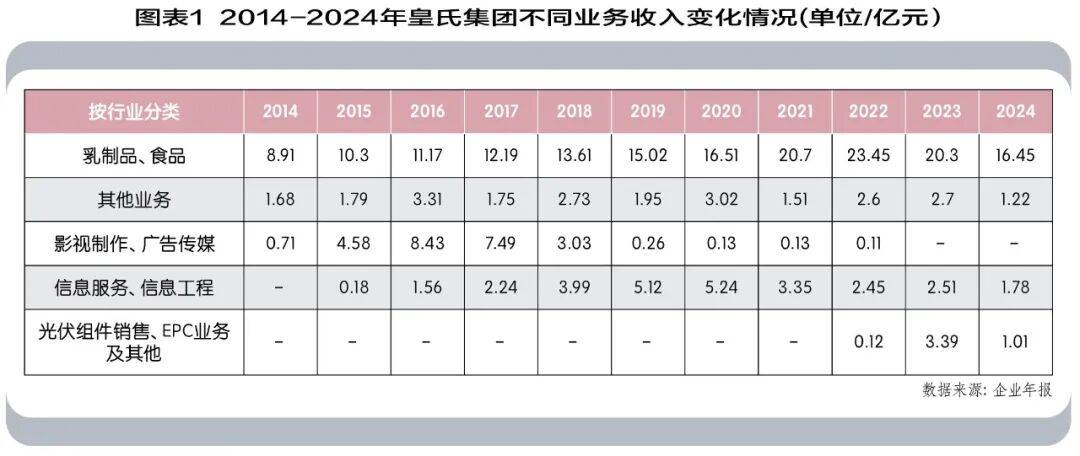
皇氏集团(002329.SZ)正在面临着上市以来最严峻的考验。 上市后,皇氏乳业仍聚焦主业深耕,公司主营业务收入基本来自乳制品板块,水牛奶系列产品成为核心营收来源。公司凭借先发优势、技术积累与区域渠 道基础,已在水牛奶细分赛道建立起较强的品牌壁垒,业绩保持稳健增长。 2012年起,公司开始涉足广告传媒,对外投资设立控股子公司,迈入影视传媒领域。2014年,皇氏乳业更名为皇氏集团,从名称变更不难看出其想要跳出 乳制品行业、向综合性企业转型的野心。 2014年左右,皇氏集团先后涉足影视、互联网、人工智能、信息工程、光伏等多个领域。 作为"水牛奶第一股",皇氏集团2024年交出了一份亏损超6亿元的成绩单。2025年前三季度,皇氏集团业绩持续下滑,营业收入同比下降12.97%至13.14亿 元,归母净利润同比下降236.02%至-4924.47万元。 这家总部位于广西南宁、成立于2001年的企业,从专注水牛奶的区域乳企,到2010年登陆A股开启资本化之路,再到2014年更名后大举跨界,其十年间的 战略摇摆与业绩起伏,成为中国乳企多元化探索中极具警示意义的样本。 兴于水牛奶,败于盲目跨界扩张 伴随着乳制品行业集中度持续 ...

湖北宜昌夷陵区新茶饮企业布局消费新场景
Zhong Guo Jing Ji Wang· 2026-01-27 15:02
Group 1 - The core viewpoint of the news is the launch of the Xiaopin Tea Shop in Yichang, Hubei, which is part of a month-long promotional event called "Three Cities Linked New Year Goods Season" aimed at enhancing consumer engagement through a multi-channel approach combining offline experiences and online purchases [1] - Xiaopin Tea Industry is introducing new consumption scenarios by developing new-style tea drinks and a full range of tea products, including tea leaves, tea drinks, tea foods, tea beer, and tea liquor, targeting the growing market of young consumers aged 22-35, who represent over 70% of the new tea drink market [1] - The promotional event is designed to create a differentiated thematic experience based on the cultural customs of different cities, thereby establishing a complementary consumption scene matrix that enhances the brand's presence in key cities in western Hubei [1] Group 2 - Yiling District has a long history of over 1,700 years in tea cultivation, with current tea garden area exceeding 230,000 acres and an annual tea production of nearly 40,000 tons [2] - The region has received several honors, including being recognized as a "National Modern Agricultural Demonstration Zone" and a "Top 100 Tea County in China," highlighting its significance in the tea industry [2]
茶饮行业:喜茶品牌社媒表现深度解析报告
数说故事· 2026-01-07 01:46
Investment Rating - The report does not explicitly provide an investment rating for the industry or company Core Insights - Heytea is a representative brand of new-style tea drinks, known for its "inspired tea" positioning and diverse product line, including cheese tea and fruit tea, which are popular among young consumers [3][5] - The brand has shown significant social media engagement, particularly on platforms like Douyin and Xiaohongshu, with notable peaks in interaction during promotional events [3][4] - Consumer sentiment towards Heytea is generally positive, although there are some negative feedbacks regarding long waiting times and product pricing [3][4] Summary by Sections 1. Brand Overview - Heytea was founded in 2012 in Jiangmen, Guangdong, initially named "Huangcha" before rebranding due to trademark issues [5][7] - The brand targets young professionals and students, emphasizing a high-end tea experience that combines traditional tea culture with modern consumer needs [5][6] - Heytea's product line includes innovative offerings like the cheese tea series, fruit tea family, and seasonal limited editions, with a commitment to using high-quality ingredients [6][9] 2. Social Media Performance Analysis - Heytea's social media performance is characterized by seasonal and event-driven spikes in engagement, particularly during promotional campaigns [16][20] - The brand's social media strategy varies by platform, with Weibo focusing on brand updates, Douyin emphasizing user-generated content (UGC), and Xiaohongshu concentrating on product recommendations [15][46] - In the competitive landscape, Heytea maintains a strong presence, leveraging IP collaborations and promotional activities to enhance brand visibility [14][15] 3. Consumer Sentiment Analysis - The sentiment analysis indicates a generally positive perception of Heytea, with a net sentiment ratio (NSR) of 72.71% on Douyin and 74.23% on Xiaohongshu during peak promotional periods [34][35] - However, sentiment on Weibo and WeChat is more mixed, reflecting concerns over product availability and service experiences [36][37] - Key themes in consumer feedback include appreciation for IP collaborations, product taste, and complaints about service efficiency and product pricing [41][42][45] 4. Marketing Campaign Breakdown: Heytea × CHIIKAWA Collaboration - The collaboration with CHIIKAWA in August 2025 aimed to enhance brand visibility and attract younger consumers through limited edition products [60][61] - The campaign utilized a multi-platform approach, generating significant engagement spikes across social media channels, particularly during the launch [63][66] - Consumer feedback highlighted both excitement for the collaboration and frustration over product scarcity and service issues, indicating areas for improvement in operational efficiency [70][72][77]
加纳茶叶市场消费量大 2024年中国对其出口规模扩大
Sou Hu Cai Jing· 2025-12-20 02:05
Group 1 - The global tea consumption is projected to grow from 630 million kilograms in 2020 to 730 million kilograms by 2024, with a compound annual growth rate (CAGR) of approximately 3.75% [1] - By the end of 2025, global tea consumption is expected to continue its upward trend, potentially exceeding 750 million kilograms [1] - Tea is recognized for its health benefits, including antioxidant properties, metabolism support, and cardiovascular protection, leading to increased demand for natural and additive-free beverages [1] Group 2 - The African region, particularly countries like Ghana, Morocco, and Kenya, is a rapidly growing segment of the global tea market [2] - Ghana's tea consumption is influenced by historical ties to British colonialism, health awareness, and economic exchanges, with red tea being a staple in daily life [2] - The demand for green tea in Ghana is rising due to consumer perceptions of its digestive and weight management benefits [2] Group 3 - Ghana imports a significant volume of tea to meet domestic demand, with China being the primary source of these imports [3] - In 2024, China's tea exports to Ghana reached 38,600 tons, with a total export value of approximately $14.19 million, marking a year-on-year increase of 9.44% in volume and 8.44% in value [3] - Green tea constitutes the majority of tea exports from China to Ghana, accounting for 99.92% of the volume and 99.86% of the value in 2024 [3] Group 4 - The global tea market is experiencing rapid growth due to the popularity of tea culture and the emergence of new tea beverages, with Ghana being a significant consumer market [4] - Red tea and green tea are the most popular varieties consumed in Ghana [4] - The Ghanaian tea market remains heavily reliant on overseas imports, presenting opportunities for Chinese tea brands to expand their presence [5]

八马茶业IPO:敲得开的港股门,打不破的次元壁|国潮风云
Sou Hu Cai Jing· 2025-10-28 10:16
Core Insights - Baima Tea Co., Ltd. has successfully listed on the Hong Kong Stock Exchange, raising approximately HKD 450 million with a market capitalization of HKD 72.25 billion as of the latest trading price of HKD 85 per share [2][3] - The journey to IPO has been challenging for Baima Tea, with multiple attempts to list on different exchanges since 2013, facing regulatory hurdles and market conditions that were not favorable for traditional tea companies [2][3][4] - The capital market shows a preference for new-style tea beverage companies over traditional leaf tea producers, indicating a broader trend in consumer preferences [3][5] Company Overview - Baima Tea is a national chain brand engaged in the research, design, standard output, and retail of various tea products, including Oolong, black, red, green, and white teas, as well as tea-related products [7] - The company claims to be the largest tea supplier in China by the number of chain stores and holds leading sales positions in several tea categories, including Tieguanyin [7][9] - The high-end tea market in China is growing, with a projected increase from RMB 890 billion in 2020 to RMB 1,353 billion by 2029, reflecting a compound annual growth rate (CAGR) of approximately 5.6% [7] Financial Performance - Baima Tea's revenue for 2022, 2023, and 2024 was RMB 18.18 billion, RMB 21.22 billion, and RMB 21.43 billion, respectively, with a noticeable slowdown in growth rates [12][20] - The company reported a decline in revenue of 4.2% in the first half of 2025, attributed to decreased sales in offline channels and increased administrative expenses [13] - The gross profit margin has shown an upward trend, with figures of 53.3%, 52.3%, 55.0%, and 55.3% over the reporting periods [16] Market Dynamics - The Chinese tea market is highly fragmented, with over 1.6 million companies involved in tea planting, production, and distribution, leading to a competitive landscape where the top five companies hold only about 5.6% market share [9][33] - Baima Tea's market share in the high-end tea segment increased from approximately 1.1% in 2020 to 1.7% in 2024, indicating a gradual improvement in its competitive position [9] - The offline sales channel remains dominant, accounting for over 70% of Baima Tea's total revenue, while online sales are growing but still represent a smaller portion of overall sales [36] Strategic Initiatives - The company has initiated a multi-brand strategy, launching sub-brands like "Xiaoma Tea Fun" and "Wanshan Red" to target younger consumers and diversify its product offerings [40][42][43] - Baima Tea has established a strong membership system, which is crucial for maintaining customer loyalty and driving sales in the high-end tea market [21] - The company is focusing on digital transformation and smart production to enhance operational efficiency and product innovation [21]
一眼望不到头,奈雪“快闪”纽约排长龙,网友称“老家来亲戚了”
Xin Lang Cai Jing· 2025-09-21 01:23
Core Insights - Nayuki Tea launched a pop-up store in Flushing, New York, generating significant consumer interest and long lines, indicating strong market engagement [1] - The store is strategically located in a high-traffic area with over 100,000 daily visitors and lower rental costs compared to Manhattan, contributing to its potential success [1] - The U.S. ready-to-drink tea market is growing at an annual rate of 9.1%, with substantial expansion opportunities, as no single brand holds more than 5% market share [1] Company Insights - Nayuki Tea is currently the only publicly listed company in the new-style tea beverage sector, but it remains one of the few brands experiencing ongoing losses [2] - In the first half of 2025, Nayuki reported revenue of 2.18 billion yuan, a year-on-year decline of 14.4%, with an adjusted net loss of 118 million yuan [2] - The company's international expansion is a key strategic focus as it seeks to transform its business model [2] Industry Insights - The U.S. tea beverage market is becoming increasingly competitive, with major players like Starbucks closely monitoring trends and ensuring supply chain stability [2] - The market is seeing a rise in the popularity of Asian-inspired ingredients, with black sugar milk tea sales increasing by 48.7% year-on-year [1] - Over 36% of tea shops are adopting a "tea + light food" model, indicating a trend towards product diversification within the tea beverage industry [1]
奈雪财报:上半年关店160家,三年累计关店1479家
Qi Lu Wan Bao· 2025-09-20 09:51
Group 1 - The core viewpoint of the articles indicates that Naixue, recognized as the first stock of China's new-style tea beverage industry, reported a revenue of 2.178 billion yuan for the first half of 2025, representing a 14.4% decline compared to the same period last year [1] - The adjusted net loss for Naixue was 118 million yuan, although this reflects a significant narrowing of 73.1% year-on-year, it remains the only loss-making brand among listed tea beverage companies [1] - Naixue's total revenue of 2.178 billion yuan for the first half of 2025 shows a double-digit decline compared to 2.544 billion yuan in the same period last year [1] Group 2 - Over the past three years, Naixue's store count has decreased from 2,800 to 1,321, a reduction of 1,479 stores [2] - All main business lines of Naixue are facing downward pressure, with revenue from direct-operated stores amounting to 1.912 billion yuan, accounting for 87.8% of total revenue, despite a year-on-year increase of 5.1 percentage points, the revenue amount decreased by 9% compared to the same period last year [2] - The bottled beverage business has shown particularly weak performance, generating only 107 million yuan in revenue, a decline of 37.8% from 172 million yuan in the same period last year, indicating significant challenges for this business line [2]
这家饮品店居然是个“实验室”
Si Chuan Ri Bao· 2025-09-18 22:19
Core Insights - The company, COFCO Biochemical (Chengdu) Co., Ltd., has launched a beverage store named "Mojia Floating Flower" within its facility to collect real-time consumer data and feedback for product development [1][2] - The company has entered the flavoring sugar market, producing 60,000 tons annually, and has become a leading player in the new-style tea beverage market in China [1] - The company is actively testing new products, including ginger-flavored syrup and rose-flavored drinks, with plans to launch these products to the market by the end of September [2] Group 1 - The beverage store serves as a laboratory for the company to gather consumer feedback and sales data [1] - The company has identified a significant market opportunity in the flavoring sugar sector, leading to the establishment of a new production line [1] - The company’s beverage store sold over 600 cups on its opening day, indicating strong consumer interest [1] Group 2 - The company is developing a range of products, including a ginger latte made from its own syrup, which has quickly become a top seller [2] - The company is expanding its production capacity with a new project aimed at producing 150,000 tons of flavoring sugar, bringing total capacity to 270,000 tons [2] - An e-commerce platform is being prepared to allow individual consumers to purchase the company’s flavored syrups through major online retailers [2]
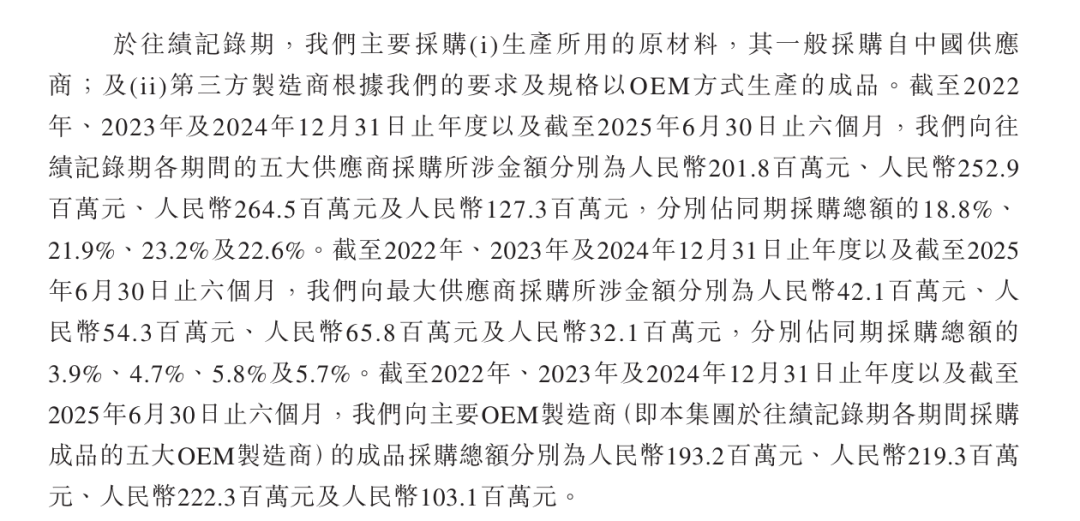
揭秘八马“高端”茶:50%贴牌代工,研发费用不足0.4%
Hu Xiu· 2025-09-06 08:07
Core Viewpoint - Baima Tea, a high-end tea brand known for its Tieguanyin, is struggling to maintain its market position and has faced multiple failed IPO attempts over the past 12 years, raising questions about its viability in the capital market [3][4][6]. Group 1: IPO Journey - Baima Tea has made four attempts to go public since 2019, with its latest application submitted to the Hong Kong Stock Exchange after previous failures in various markets [4][5]. - The company has faced significant challenges in the capital market, with traditional tea companies generally receiving a cold reception from investors [6][8]. Group 2: Business Model Challenges - Over 50% of Baima Tea's products are produced through a private label model, raising concerns about the authenticity of its "ancient method" branding [9][15]. - The company relies heavily on franchise stores, which account for 93% of its retail outlets, leading to quality control issues and a slowdown in revenue growth [10][26]. - Baima Tea's revenue declined by 4.2% year-on-year, with net profit dropping by 17.8% as of mid-2025 [10]. Group 3: Market Position and Consumer Trends - The high-end positioning of Baima Tea is becoming problematic in a consumer environment marked by downgrading spending habits, particularly among middle-class consumers [11][48]. - Membership data shows a decline in average annual spending among Baima Tea's customers, indicating weakening purchasing power [49]. Group 4: Competition and Consumer Preferences - Baima Tea's traditional tea offerings are facing stiff competition from new-style tea brands that attract younger consumers, highlighting a disconnect with the target demographic [50][58]. - The company's attempts to innovate and appeal to younger consumers through new sub-brands have not yielded significant results, as these products lack differentiation in a saturated market [60][62]. Group 5: Strategic Recommendations - To regain market traction, Baima Tea should focus on improving franchise management and product quality control, ensuring alignment with brand values [39][38]. - A shift from a passive to an active approach in engaging younger consumers is necessary, moving beyond traditional marketing strategies to embrace innovative and experiential offerings [68].