
智能经济

Search documents
透视2026全国两会热点:读懂这五个词,读懂开局之年
21世纪经济报道· 2026-03-03 14:23
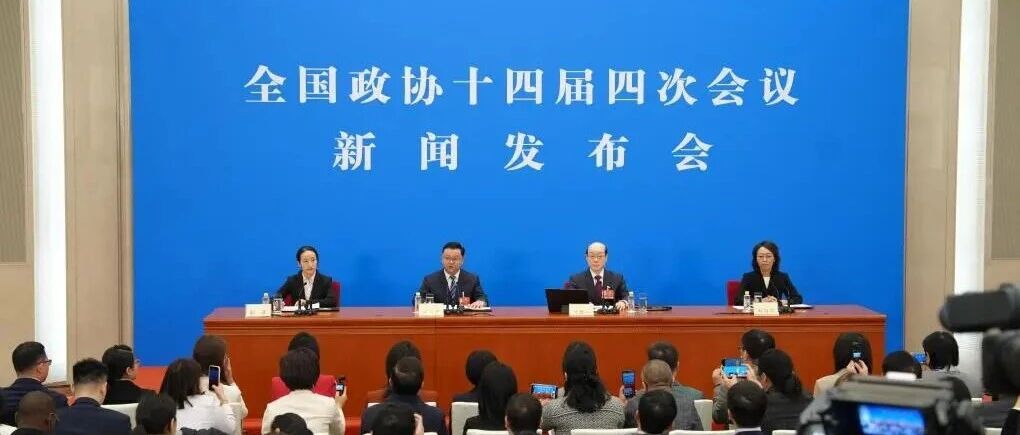
记者|王峰 编辑|张星 3月3日下午,全国政协十四届四次会议新闻发布会召开,全国两会时间正式开启。 今年全国两会的经济热点有哪些?"十五五"开局之年将有何重要部署?21世纪经济报道记者从这场发布会上,以及代表委员专家们 的建议中梳理出五大关键词:宏观经济治理、智能经济、投资于人、扩大消费、改革开放。 宏观经济治理:加大逆周期和跨周期调节力度 "过去一年,外部环境风高浪急,我国经济顶压前行、向新向优发展,展现强大韧性和活力," 全国政协十四届四次会议新闻发言 人刘结一在3月3日发布会上说,"虽然还面临一些老问题、新挑战,但基础稳、优势多、韧性强、潜能大,长期向好的支撑条件和 基本趋势没有变。" 2025年,我国经济总量迈上140万亿元新台阶,增速在全球主要经济体中继续保持前列。中央经济工作会议提出,2026年经济工作 在政策取向上,要加大逆周期和跨周期调节力度,提升宏观经济治理效能。 十四届全国人大四次会议将审议政府工作报告,其中会明确2026年增长目标、财政政策和货币政策基调。2023年至2025年,我国 已连续三年将增长目标设为5%左右,2026年是否会调整? 中国银河证券首席经济学家章俊近日表示,2026 ...

住粤全国政协委员乘机抵京,万米高空聊了哪些“十五五”议题
21世纪经济报道· 2026-03-03 11:08
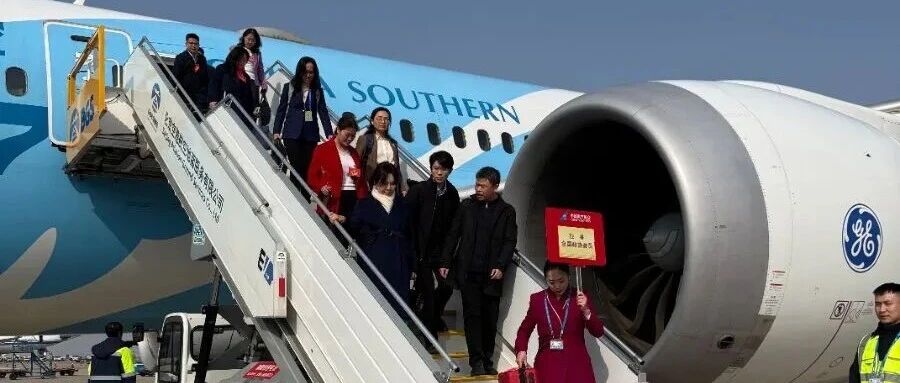
记者|郑康喜 张雅婷 编辑|蒋韵 一年一度的全国两会召开在即。3月3日下午,住粤全国政协委员乘机顺利抵京,向全国政协十四届四次会议报到。 图为全国政协委员孙志嘉阅读《21世纪经济报道》。郑康喜摄 全国政协委员,台盟省委会副主委、深圳市委会主委,深圳市政协副秘书长、二级巡视员林娜今年两会聚焦企业发展,在当前复杂 多变的国际形势下,如何通过精准施策助力台资企业更好融入大陆的产业链,从而实现共同发展。 3月3日下午,搭载着住粤全国政协委员的航班降落在首都国际机场。赵婷婷摄 多位委员向南方财经记者分享了今年两会关注重点,例如低空经济、银发经济、智能经济等新经济业态,以及科技创新、制造业与 服务业的深度融合、广货行天下等2026年广东高质量发展重点议题。 全国政协委员,南方医科大学副校长,台盟中央常委、台盟广东省委会副主委许可慰接受南方财经记者采访时谈到,今年两会关注 两岸青年的交流,希望多措并举推动两岸融合,搭建更多两岸青年交往交流的平台,更便利台湾同胞加深对大陆的了解与认同。 图为全国政协委员许可慰阅读《21世纪经济报道》。张雅婷摄 许可慰还特别关注AI教育、AI医疗发展,南方医科大学正大力支持AI医学课程建设,覆 ...
惠州召开“新春第一会” 推动招商引资提质增效
Nan Fang Ri Bao Wang Luo Ban· 2026-02-26 08:43
惠州还将抢抓科技和产业变革新机遇,大力培育新质生产力,举全市之力加快人工智能和机器人产业发 展。坚持因地制宜、各展所长,巩固发挥好制造业优势,敞开胸怀广纳AI人才,深化拓展"人工智能 +",推动人工智能赋能千行百业,着力打造智能经济新形态。 惠州市将今年确定为"招商引资年",将主动适应招商新形势,全力招引一批大项目、好项目。持续优化 营商环境,统筹全市招商力量,建立有效的招商引资机制,依托"3+7"产业园区和两大产业集群优势, 因地制宜、因行业施策锲而不舍招商,多措并举提升招商引资质效。2026年惠州将确保全年招商引资落 地项目投资额1600亿元以上。 当前,惠州着力推动制造业与服务业协同发展、价值链协同升级。坚持引进和培育并举,抓紧抓实加快 生产性服务业发展行动,构建专业化、高端化的生产性服务业体系,推动制造业与生产性服务业深度融 合、互促双强,打造升级版的生产空间。 2月25日,惠州市召开"新春第一会"——全市高质量发展大会暨"招商引资年"行动动员会,聚焦"制造业 与服务业协同发展,全域全力推动招商引资提质增效"这一主题,动员全市上下接续奋斗,坚定扛起经 济大市的责任担当,奋力打造广东高质量发展新增长极。 ...
港股科技“冰火两重天” 投资逻辑或已深度重构
Zhong Guo Zheng Quan Bao· 2026-02-25 20:57
近期,港股市场显著分化。一方面,恒生科技指数震荡回落,部分互联网龙头持续调整;另一方面,以 智谱、MiniMax为代表的人工智能(AI)公司股价近期表现强势,尽管2月25日出现调整,但资金关注 度明显提升。 身处同一市场以及相似赛道,股价走势差异如此之大,究竟是短期的情绪波动,还是意味着港股投资逻 辑的根本性重构?当"新AI"加速迭代,"旧互联"面临重估,资本市场正在审视什么? "剪刀差"背后的三重逻辑 恒生科技指数集纳了中资互联网科技龙头,近期为何遭遇回撤?多位机构人士认为,港股科技股"冰与 火"的背后,是宏观、行业、资金三重逻辑的叠加。 在宏观逻辑上,中金公司研究部董事总经理、海外与港股策略首席分析师刘刚认为,2月以来港股尤其 是恒生科技指数调整,其中一个原因是沃什被提名为下一任美联储主席,投资者担忧全球流动性趋紧。 这一预期直接冲击了对流动性高度敏感的各类资产,恒生科技指数、纳斯达克指数同步疲软印证了这一 影响。不论是基于历史经验还是逻辑分析,美债长端利率对港股的边际影响均较为显著。 在行业逻辑上,明泽投资创始人马科伟认为,当前港股AI新势力与传统互联网巨头的走势分化,是资 本市场在技术变革初期的资产定 ...
港股冰与火:智谱、MiniMax抢眼,互联网巨头为何“沉默”?
Xin Lang Cai Jing· 2026-02-25 05:18
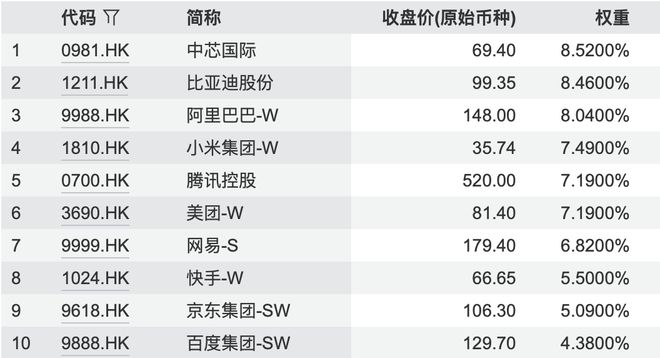
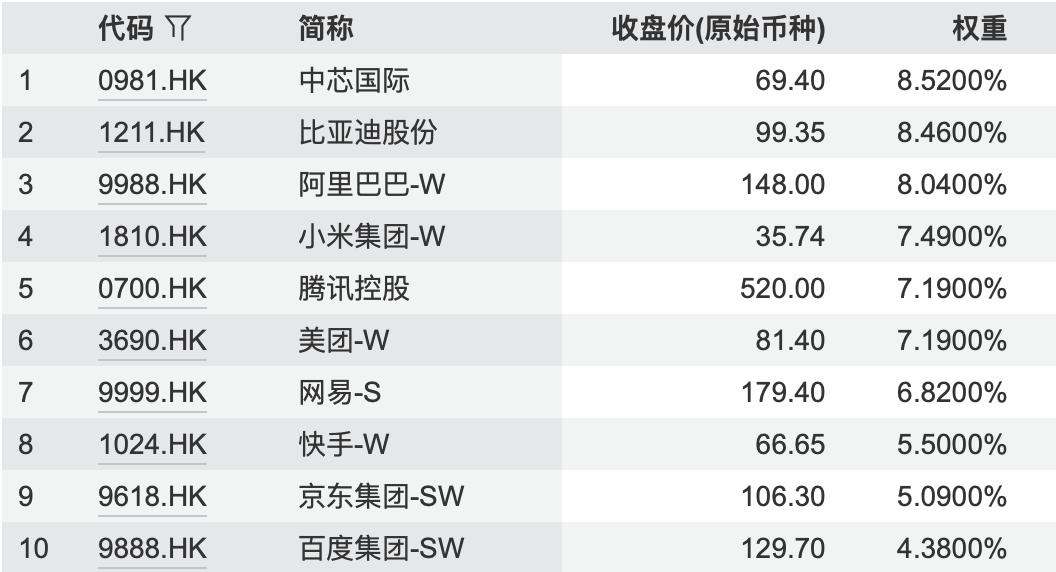
来源:中国证券报-中证网 近期,港股市场显著分化。一方面,恒生科技指数震荡回落,部分互联网龙头持续调整;另一方面,尽 管2月25日上午股价出现明显调整,但以智谱、MiniMax为代表的AI公司近一阶段股价整体表现强劲, 资金集中度明显提升。 同一市场、相似赛道,走势差异如此之大,究竟是短期的情绪波动,还是代表着港股投资逻辑的根本性 重构?当"新AI"加速迭代,"旧互联"如何重估,资本市场正在重新审视什么? 港股"新旧"科技分化加剧 今年以来,港股科技板块出现"冰火两重天"走势,引发了市场关注。据Wind数据统计,从去年10月的 高点(6715.46点)至今年2月24日收盘,集结了港股互联网巨头的恒生科技指数累计回调超20%。今年 2月以来,恒生科技指数下跌超7%。 部分权重股表现偏弱。从2月初至24日收盘,腾讯控股跌超14%、阿里巴巴下跌超12%、百度集团跌超 15%、美团跌超16%。 与大部分宽基指数不同,恒生科技指数权重高度集中,成分股仅30只,前十大重仓股权重合计接近 70%。这意味着,阿里巴巴、美团、腾讯控股等几家巨头的股价只要有风吹草动,就会立刻体现在指数 上。 | | 代码 7 | 简称 | 收盘 ...
港股冰与火:智谱、MiniMax抢眼 互联网巨头为何“沉默”?
Zhong Guo Zheng Quan Bao· 2026-02-25 04:59
近期,港股市场显著分化。一方面,恒生科技指数震荡回落,部分互联网龙头持续调整;另一方面,尽管2月25日上午股价出现明显调整,但以智谱、 MiniMax为代表的AI公司近一阶段股价整体表现强劲,资金集中度明显提升。 恒生科技指数集中了国内互联网科技头部企业,近期为何集体遭遇回撤?多位机构人士认为,港股科技股"冰与火"的背后,是宏观、行业、资金三重 逻辑的叠加。 同一市场、相似赛道,走势差异如此之大,究竟是短期的情绪波动,还是代表着港股投资逻辑的根本性重构?当"新AI"加速迭代,"旧互联"如何重 估,资本市场正在重新审视什么? 港股"新旧"科技分化加剧 今年以来,港股科技板块出现"冰火两重天"走势,引发了市场关注。据Wind数据统计,从去年10月的高点(6715.46点)至今年2月24日收盘,集结了 港股互联网巨头的恒生科技指数累计回调超20%。今年2月以来,恒生科技指数下跌超7%。 部分权重股表现偏弱。从2月初至24日收盘,腾讯控股跌超14%、阿里巴巴下跌超12%、百度集团跌超15%、美团跌超16%。 与大部分宽基指数不同,恒生科技指数权重高度集中,成分股仅30只,前十大重仓股权重合计接近70%。这意味着,阿里 ...
专家共话广东“新春第一会”:“两业协同”下智能经济怎么干
Nan Fang Du Shi Bao· 2026-02-25 03:29
Core Viewpoint - The Guangdong High-Quality Development Conference emphasizes the coordinated development of manufacturing and service industries as a key direction for industrial upgrading and economic growth in the province [1] Group 1: Opportunities and Challenges of "Two-Industry Coordination" - Guangdong has three main advantages: a solid manufacturing base with complete industrial chains in electronics, home appliances, and equipment manufacturing; a vibrant private economy with strong digitalization willingness; and a high degree of openness as a frontier of reform and opening up [2][3] - Current challenges include insufficient penetration of productive services into manufacturing, a mismatch between high-end service supply and manufacturing upgrade needs, and a lack of tight coordination among different regions in Guangdong [2] Group 2: Key Technologies and Policy Adaptation - The main bottlenecks for technologies like low-altitude economy, autonomous driving, and embodied intelligence transitioning from labs to daily life are not technical maturity but rather institutional adaptability and scenario openness [4] - Key policy adaptations include establishing a "negative list + sandbox regulation" mechanism, creating large-scale demonstration corridors in key cities, clarifying accident responsibilities, and establishing a compliant data circulation framework [4] Group 3: Talent Introduction and Support - Guangdong's annual absorption of over one million college graduates provides essential talent support for AI ecosystem construction, technology transfer, and service innovation [5][6] - Continuous inflow of talent, especially in basic research and technical application, is crucial for long-term support of AI ecology and service innovation in Guangdong [6][7] Group 4: AI Empowerment and Economic Restructuring - AI is reshaping production and service models across various industries, with core application scenarios including digital twin factories, smart quality inspection, predictive maintenance, and flexible production in advanced manufacturing [8] - To help small and medium-sized enterprises perceive the value of AI, lightweight and low-cost AI SaaS tools should be promoted, along with subsidies for technological upgrades and policies to lower digital transformation barriers [8] Group 5: Transition from "Scientific Content" to "Economic Value" - Guangdong's "scientific content" is evident in high policy precision, strong innovation practices among leading enterprises, and an active talent ecosystem [9] - The key path to converting "scientific content" into "economic value" involves building an AI industry innovation alliance, improving the "listing and hanging" mechanism for technology transfer, and creating a talent hub for AI [9][10]

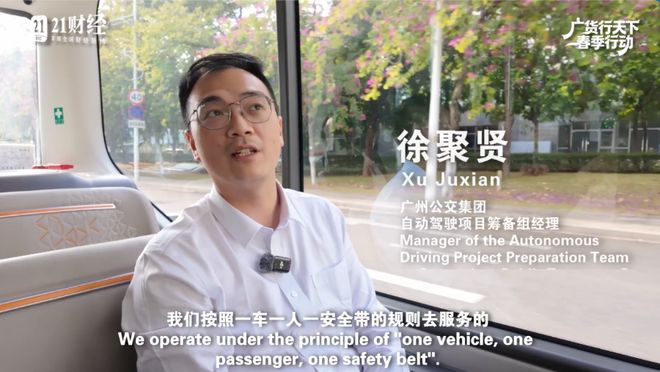
当方向盘交给AI,会发生什么
2 1 Shi Ji Jing Ji Bao Dao· 2026-02-25 02:50
Core Insights - The article discusses the transformative impact of AI on urban transportation in Guangdong, highlighting the integration of autonomous driving technology and smart traffic management systems [1][2][17] - It emphasizes the collaboration between advanced manufacturing and modern services to create a new intelligent economy, enhancing safety and efficiency in urban transport [1][17] Group 1: AI Integration in Transportation - AI has been deeply integrated into transportation in Guangdong, with autonomous buses and smart traffic systems improving the flow and safety of urban transport [2][5] - The implementation of AI-driven traffic management during the 15th Games in Guangzhou resulted in zero errors, complaints, or accidents, showcasing the effectiveness of the system [9][11] Group 2: Challenges and Future of Autonomous Driving - Despite the current success, concerns remain about accountability in case of AI decision-making errors during autonomous driving [7] - Experts predict that the year 2026 will mark a significant milestone for the large-scale application of autonomous driving technology, with continuous advancements expected in the next three to five years [17][20] Group 3: Economic and Social Implications - The rise of autonomous public transport may lead to the reorganization of job roles, with traditional driving positions evolving into safety monitoring roles [13][15] - The shift towards AI in transportation is expected to reduce the number of vehicles on the road, thereby transforming urban infrastructure and reducing parking needs [15][17] Group 4: Global Impact and Market Expansion - Companies like BYD have surpassed Tesla in electric vehicle sales, indicating a growing global presence for Chinese smart transportation solutions [17][18] - The expansion of companies like XPeng into new markets reflects the international demand for AI-driven transportation solutions, contributing to the global output of China's smart traffic ecosystem [18][17]

用好优势抓住机遇,促进广东制造业与服务业协同发展
2 1 Shi Ji Jing Ji Bao Dao· 2026-02-24 22:40
Group 1 - The core theme of the Guangdong conference is the collaborative development of manufacturing and service industries to explore new paths for high-quality development [1] - Guangdong's manufacturing sector accounts for 1/8 of the national manufacturing value added and approximately 1/3 of the province's GDP, establishing it as a global manufacturing hub [1] - The manufacturing industry in Guangdong is transitioning towards intelligent, green, and integrated development, aiming to move from low-value assembly to high-value design and sales [1] Group 2 - The historical evolution of developed economies shows that manufacturing and service industries have always evolved dynamically and collaboratively, leading to deeper industrial division and tighter integration [2] - The rapid development of information technology since the 1990s has empowered manufacturing through service-oriented manufacturing and the integration of digital and physical economies [2] - The current technological revolution and industrial transformation necessitate a strong collaboration between manufacturing and services, leveraging advancements in AI, bio-manufacturing, and quantum communication [2] Group 3 - Guangdong has unique advantages in the global technological revolution, with the Guangdong-Hong Kong-Macao Greater Bay Area being a leading region in both mechanical and AI technologies [3] - The manufacturing sector in Guangdong includes leading industries such as home appliances, mobile phones, and automobiles, which need to collaborate with intelligent technologies to enhance their competitive edge [3] - A supportive market environment is essential for the collaborative innovation of manufacturing and services, requiring regulatory frameworks that facilitate new products, business models, and technological innovations [3]
多地召开“新春第一会” 拼营商环境部署人才引进
Xin Lang Cai Jing· 2026-02-24 16:13
春节后首个工作日,全国多省份召开"新春第一会",除明确年度主攻方向外,还部署了优化营商环境、 人才引进等重点任务。 优化营商环境、激活民营经济,成为多地开年部署的重点方向。 第一财经记者梳理发现,广东、湖北、湖南、辽宁、福建、江西、广西、山东等省份2月24日均召开 了"新春第一会"。其中,广东、山东重点布局了产业升级转型,助力高质量发展;湖北、安徽则更聚焦 科技创新引领新质生产力发展;此外,多个省份都明确要持续优化营商环境,激活民营经济。 广东省委书记黄坤明就在"广东新春第一会"——广东省高质量发展大会上表示,要最大限度为技术创新 和市场探索"松绑",让低空经济"飞"起来、自动驾驶"跑"起来、具身智能"用"起来。 各省份对人才的需求也十分迫切。广东明确提出,2025年吸纳超110万高校毕业生就业的"百万英才汇南 粤"行动计划,2026年的目标是再吸纳超百万名高校毕业生。 "(湖北、安徽)把科技创新作为第一主题,并非简单的政策趋同,而是这些省份发展阶段和竞争格局 倒逼下的战略选择。"安徽发展战略研究会副会长林斐对第一财经记者表示,这些省份的共同特征在于 科教资源雄厚、产业基础扎实,但开放度和人才资本集聚能力不及 ...