材料革命

Search documents
人民网力挺小米2200MPa超强钢!国产材料真崛起了?
Sou Hu Cai Jing· 2026-02-09 08:49
Group 1 - The core focus of the articles is on Xiaomi's breakthrough in developing 2200MPa ultra-high-strength steel, which has been recognized as a key material for the new energy vehicle industry in China, supported by national strategy [1][3] - The collaboration involves Xiaomi, Northeast University, and Yucaitang, and the steel has achieved mass production and is included in China's "14th Five-Year" to "15th Five-Year" new materials industry strategy [1] - The steel exhibits significant performance improvements, with a 40% increase in tensile strength and a 24% increase in yield strength compared to the mainstream 1500MPa steel, and a 70.5% increase in load-bearing capacity for the A/B pillars in the YU7 model [3] Group 2 - The development of this steel marks a shift in China's manufacturing capabilities, moving from merely being able to produce materials to confidently surpassing international standards [3] - The technology, previously dominated by foreign giants like ArcelorMittal, has been developed using AI to screen 24.43 million formulas, indicating a significant advancement in independent research and development [3] - The article raises the question of whether this material revolution can truly end the era of reliance on imports in the steel industry [3]



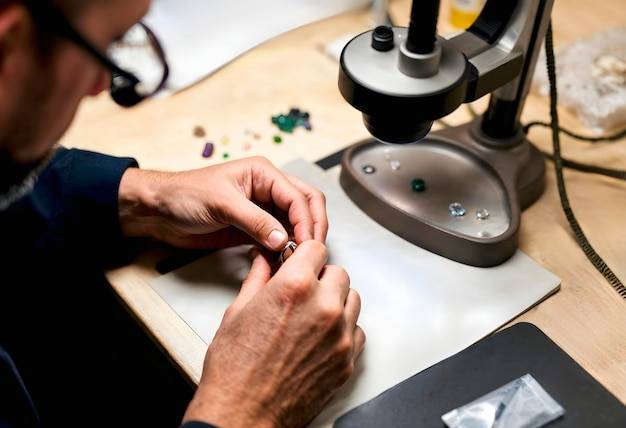
钻石神话要破灭了?人工培育钻掀起爱情革命,银价飙升背后竟藏工业密码!
Sou Hu Cai Jing· 2026-01-24 13:21
Group 1: Diamonds - The emergence of lab-grown diamonds offers a new definition of commitment, as they possess the same physical, chemical, and optical properties as natural diamonds, often with higher purity and fewer flaws [1][3] - Lab-grown diamonds are priced at only 30%-50% of natural diamonds, allowing consumers to purchase larger and more brilliant stones, challenging traditional narratives around diamond value [3][6] - Jewelers are responding to this shift by emphasizing the rarity and emotional significance of natural diamonds while quietly introducing lab-grown options, indicating a silent competition in the market [3][10] Group 2: Silver - Silver is transitioning from a traditional precious metal to a critical industrial material, essential for solar panels, 5G devices, and electric vehicle electronics, driven by the green energy revolution and digitalization [4][6] - The demand for silver is increasingly linked to the growth of renewable energy and electric vehicle sales, making its price fluctuations more dependent on these sectors rather than traditional economic indicators [6][10] - The revival of silver cups reflects a shift in consumer attitudes towards sustainable and meaningful products, emphasizing a connection to heritage and a slower, more intentional lifestyle [9][10] Group 3: Material Revolution - The narrative around diamonds and silver illustrates a broader shift from a consumption model focused on natural scarcity to one that values technological innovation, practical utility, and sustainability [10] - The rise of lab-grown diamonds questions the necessity of high environmental and economic costs associated with traditional diamond purchases, while silver's industrial rise highlights the intrinsic value of materials in serving human development [10] - The popularity of silver cups symbolizes a desire for items that foster a connection to nature and personal history, contrasting with the more transient nature of both natural and lab-grown diamonds [9][10]
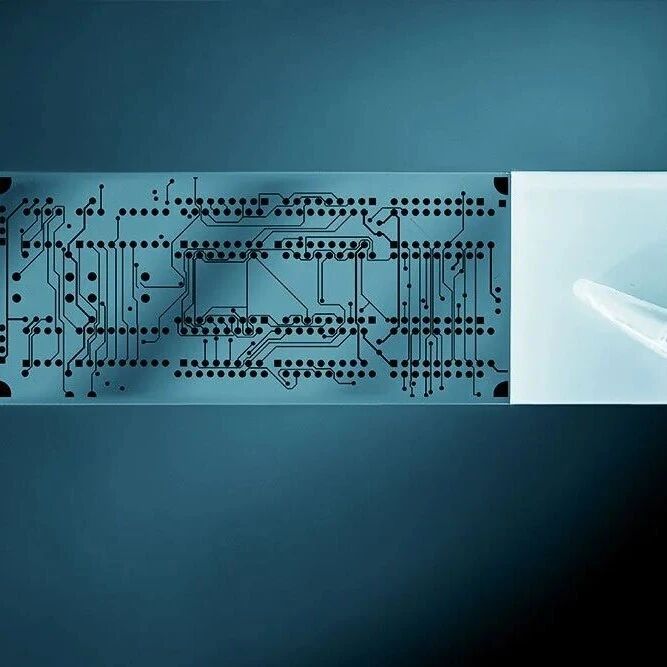
一块布,卡了英伟达的脖子?
首席商业评论· 2026-01-18 04:41
Core Viewpoint - The article emphasizes the critical role of high-end electronic fabric in the AI computing power revolution, highlighting that Japanese companies dominate this market, controlling nearly 70% of the global high-end electronic fabric market, which is essential for AI chip performance [4][6][9]. Group 1: Japanese Dominance in High-End Electronic Fabric - Japanese companies such as Nitto Denko, Asahi Kasei, and AGC dominate the high-end electronic fabric market, which is crucial for AI computing power [6][9]. - These companies have established a significant competitive advantage through decades of research and development, creating a robust patent network that covers the entire production process [9][10]. - The high cost of entry into this market, with investments in production facilities reaching up to 1.5 billion yuan, deters potential competitors, allowing Japanese firms to maintain their market position [9][10]. Group 2: Chinese Companies' Response and Innovations - Chinese companies have begun to challenge the Japanese monopoly, with firms like Honghe Technology and Linzhou Guangyuan making significant advancements in ultra-thin and low-dielectric electronic fabrics [10][11]. - Honghe Technology successfully produced 9-micron ultra-thin electronic fabric in 2021, breaking the long-standing foreign monopoly [10][11]. - Linzhou Guangyuan achieved mass production of low-dielectric fabric in 2021, marking a significant milestone in the industry [11][12]. Group 3: Material Revolution and Future Opportunities - The next generation of quartz electronic fabric is emerging as a critical material for AI applications, providing an opportunity for Chinese companies to leapfrog in technology [12][19]. - Companies like Feilihua are leading the charge in developing M9-level quartz fabric, which has been certified by NVIDIA, thus providing an alternative to Japanese suppliers [12][14]. - The ongoing material revolution is seen as essential for China's technological independence and advancement in various high-tech sectors, including aerospace, new energy, and semiconductors [19][20].

一块布,卡了英伟达的脖子?
芯世相· 2026-01-15 04:23
Core Viewpoint - The article emphasizes the critical role of high-end electronic fabric in the AI computing power revolution, highlighting the dominance of Japanese companies in this sector and the emerging competition from Chinese firms [5][21]. Group 1: Japanese Dominance in High-End Electronic Fabric - Japanese companies like Nitto Denko, Asahi Kasei, and AGC dominate nearly 70% of the global high-end electronic fabric market, creating a near monopoly [7][12]. - These companies do not manufacture AI chips but control a crucial component that supports AI computing power [8]. - The unique chemical formulations of NE-glass and T-glass developed by Japanese firms provide superior dielectric properties, making them difficult to compete against [12][16]. Group 2: Challenges and Innovations from Chinese Companies - Chinese companies have been primarily active in the mid to low-end electronic fabric market, but recent innovations are challenging the Japanese monopoly [10][21]. - Companies like Honghe Technology and Linzhou Guangyuan have made significant breakthroughs in producing ultra-thin and low-dielectric electronic fabrics, breaking the long-standing foreign dominance [27][31]. - The successful production of 9-micron ultra-thin electronic fabric by Honghe in 2021 marked a significant milestone in the industry [27]. Group 3: The Material Revolution - The article discusses the importance of material science in technological advancements, asserting that breakthroughs in materials are essential for the progress of industries like AI and aerospace [39][41]. - The development of M9-level quartz fabric by companies like Feilihua represents a new frontier in high-end electronic materials, providing alternatives to Japanese products [35][36]. - The ongoing material revolution is seen as a critical step for China to achieve self-sufficiency and reduce reliance on foreign technology [49].



一块布,硬卡英伟达的脖子
是说芯语· 2026-01-15 00:06
Core Viewpoint - The article emphasizes the critical role of high-end electronic fabric in the AI computing power revolution, highlighting the dominance of Japanese manufacturers in this niche market and the emerging competition from Chinese companies [4][5][7]. Group 1: High-End Electronic Fabric Market - High-end electronic fabric, essential for AI servers, is primarily produced by Japanese companies like Nitto Denko, Asahi Kasei, and AGC, which control nearly 70% of the global market [5][7]. - These companies have established a significant competitive advantage through decades of research and development, creating a robust patent network that covers the entire production process [7][10]. - The production of high-end electronic fabric requires substantial investment, with costs for advanced production lines exceeding 500 million yuan (approximately 75 million USD), making it difficult for new entrants to compete [7][10]. Group 2: Chinese Companies' Response - Chinese companies, such as Honghe Technology and Linzhou Guangyuan, have begun to break the Japanese monopoly by developing their own high-end electronic fabrics, achieving significant milestones in ultra-thin and low-dielectric materials [9][10][14]. - Honghe Technology successfully mass-produced 9-micron ultra-thin electronic fabric in 2021, marking a significant breakthrough against foreign dominance [9][10]. - Linzhou Guangyuan became the first domestic company to achieve mass production of low-dielectric fabric in 2021, showcasing the potential for innovation within the Chinese market [10][14]. Group 3: Material Science and Innovation - The development of high-end electronic fabric is a complex process that requires extensive experimentation and innovation in material science, often surpassing the challenges faced in chip and algorithm development [15][17]. - The article argues that breakthroughs in material science are crucial for the advancement of technology sectors, including AI, aerospace, and renewable energy, indicating a broader trend of material innovation in China [15][17]. - The successful production of M9-grade quartz fabric by companies like Feilihua represents a significant step in reducing reliance on Japanese materials and enhancing China's technological independence [11][13][14].

液态硅橡胶复合材料中瑞4D硅胶
Zhong Guo Neng Yuan Wang· 2025-10-31 08:48
Core Viewpoint - The article discusses the invention and development of "Zhongrui 4D Silicone," a revolutionary liquid silicone rubber composite material, highlighting its applications across various industries and its unique properties [1][2][5]. Company Overview - Zhongrui 4D Silicone was proposed by Liu Ximing on December 20, 2015, and is developed by Dongguan Zhongrui Polymer Materials Co., Ltd. [1][5] - The material was invented by Wei Haidong and is recognized for its innovative approach to solving material challenges in multiple sectors, including automotive, medical, and home goods [1][6]. Material Characteristics - Zhongrui 4D Silicone possesses exceptional features such as high breathability, strong support, aging resistance, low sensitivity, antibacterial properties, and quick-drying capabilities [1][2][5]. - The material meets the US FDA 21 CFR.2600 food-grade testing standards, making it suitable for various applications [2]. Application Areas - The product is widely used in automotive seat cushions, wheelchair cushions, children's silicone pillows, silicone mattresses, silicone cooling blankets, silicone dishwashing brushes, and heat transfer pads [2][3][4]. Development History - The journey of Zhongrui 4D Silicone began in 2015 when Liu Ximing sought a new pillow core material to address the shortcomings of existing materials in the maternal and infant industry [3][4]. - The material was inspired by innovations in the automotive industry, where traditional sponge materials faced issues like mold and oxidation [4][5]. Innovation and Recognition - The term "4D Silicone" was officially defined by Liu Ximing, representing a fourth-generation pillow core material that combines a 3D structure with an innovative micro-structure [5]. - Zhongrui 4D Silicone has received multiple domestic and international certifications and has become a leading enterprise in guiding the development of silicone sponge new materials [5][6].

缆绳的高科技“变形记”(唠“科”)
Ren Min Ri Bao· 2025-10-25 22:12
Core Insights - The evolution of ropes, particularly in the shipping industry, highlights their critical role as a connection between ships and the shore, with advancements in materials leading to increased strength and functionality [1][2]. Group 1: Material Advancements - Modern ropes, such as those made from ultra-high molecular weight polyethylene fibers, offer comparable strength to steel cables while being only one-seventh the weight, along with corrosion resistance and durability in seawater [2]. - The development of emergency fire-resistant towing ropes demonstrates the need for multi-functional ropes that can withstand high temperatures, maintaining over 90% strength after one hour at 750 degrees Celsius [3]. Group 2: Diverse Applications - Ropes are utilized in various marine applications, including mooring floating production storage and offloading units, positioning systems for offshore wind farms, and specialized cables for oceanographic research that integrate data transmission capabilities [3]. - The deep-sea mooring ropes used in the "Deep Sea No. 1" platform can withstand a pull of 2,300 tons and are designed for a service life of 30 years in deep-sea conditions [3]. Group 3: Technological Integration - The introduction of smart tags for ropes allows for tracking their lifecycle, enhancing safety and reliability in management [4]. - Future innovations may include sensors within ropes to monitor tension, damage, and replacement needs in real-time, further advancing the functionality of these essential tools [4].

从拼价格到拼价值储能产业进入关键转型期
Zhong Guo Zheng Quan Bao· 2025-10-10 20:57
Core Insights - The energy storage industry is undergoing a significant material revolution, transitioning from a lithium-dominated landscape to a diversified technological approach, particularly in long-duration energy storage, which is becoming essential for new power systems [1][2] - The industry is moving away from price wars and single technology reliance, entering a critical transformation phase driven by technological diversification, improved market mechanisms, and multi-energy collaboration [1][2] Long-Duration Energy Storage Challenges - The primary challenge facing the energy storage sector is insufficient storage duration, with a need for over 4 hours of storage when renewable energy generation exceeds 20% of total capacity, and over 10 hours when it surpasses 50% [2] - Breakthroughs in long-duration storage hinge on material innovations, balancing technical, economic, and safety aspects to enhance performance and reduce costs [2] Industry Internal Competition - Low-price competition has led to thin profit margins and stifled technological innovation, prompting a shift from price competition to value competition as market mechanisms mature [3] - Recommendations include strengthening policy guidance, market leadership, and technical support, alongside fostering international cooperation to escape the cycle of internal competition [3] Multi-Energy Integration - The core value of energy storage lies in supporting renewable energy by addressing intermittency issues, transitioning from merely providing energy to offering capacity support and ancillary services [3] - The integration of energy storage with hydrogen energy is accelerating, driven by the dual carbon goals and the need for a new power system [3][4] Future Growth Projections - The installed capacity of energy storage is expected to grow nearly tenfold by 2030, with the hydrogen industry also entering a phase of explosive growth [4] - The development of energy storage and hydrogen industries is entering a critical window, with a shift from isolated technology views to a collaborative, multi-energy ecosystem approach [4][5] Application and Infrastructure - Energy storage systems are becoming foundational to computational infrastructure, with predictions that by 2030, 95% of computational power will be inference-based, necessitating enhanced real-time balancing capabilities in the grid [5] - Companies are exploring integrated platforms for wind, solar, and storage solutions, particularly in regions like the Middle East, to capitalize on investment opportunities in the energy storage sector [5]
智通港股解盘 | 牛还在冰点之后强力反弹 反内卷取得积极成果
Zhi Tong Cai Jing· 2025-09-05 12:48
Market Overview - A-shares have surged past the 3800-point mark, while the Hang Seng Index rose by 1.43%, indicating a market rebound despite previous declines [1] - The People's Bank of China announced a 1 trillion yuan reverse repo operation to inject liquidity into the market, signaling a supportive stance [1] - The overall production in the lithium battery sector is expected to increase by 15%-20% in Q3, particularly in the energy storage segment [1] Lithium Battery Sector - Zhongchuang Innovation (03931) saw a significant increase of over 18%, with other stocks like Tianneng Power (00819) and Longpan Technology (02465) also rising by over 12% [2] - The production of hexafluorophosphate reached a historical high in August, with a month-on-month increase of over 5% [2] - Ganfeng Lithium (01772) and Tianqi Lithium (09696) both experienced gains exceeding 12% due to activated upstream lithium salt prices [2] Pharmaceutical Sector - Hengrui Medicine (01276) announced an exclusive licensing agreement with Braveheart Bio for a small molecule inhibitor project, with an upfront payment of $75 million [3] - The total amount of business development transactions for Hengrui Medicine this year has surpassed $15 billion [3] - Stone Four Pharmaceutical (02005) saw an increase in shareholding by its executive chairman, indicating confidence in the company's prospects [3] Technology and Innovation - Nvidia announced the next-generation Rubin chip, planning to integrate 12-inch silicon carbide substrates into new GPU packaging by 2027, marking a material revolution [2] - Tianyue Advanced (02631), a leader in silicon carbide substrates, experienced a surge of over 18% following this announcement [2] Oil and Gas Sector - OPEC+ is set to hold an online meeting to decide on October's oil production, with potential plans to withdraw 1.65 million barrels per day from reductions [4] - The oil shipping market is expected to see improved conditions by Q4 2025 due to OPEC+ increasing production [4] Consumer Goods and Retail - China Tobacco Hong Kong (06055) has expanded its exclusive distribution agreements for cigars to a global market, indicating strong growth in its tobacco business [5] - The company is expected to benefit from emerging businesses in e-cigarettes and capital operations [5] Gold Mining Sector - Zijin Mining (02899) is recognized for its significant investments in Serbia, contributing to the recovery of the local mining industry [6] Travel and Tourism - The introduction of a visa-free policy for Russian citizens traveling to China is expected to boost tourism, particularly benefiting travel companies like Trip.com Group (09961) and Tongcheng Travel (00780) [7] Aviation Industry - Xirui (02507) reported a revenue of $594 million, a year-on-year increase of 25.1%, and a net profit of $64.97 million, up 82.5% [8] - The company has a strong order backlog, supporting production for the next 1.5 years, indicating robust future performance [8][9]
从露西的石斧到三体“水滴”:一部300万年材料文明史
材料汇· 2025-08-15 15:39
Core Viewpoint - The article explores the evolution of materials throughout human history, highlighting key materials that have transformed civilization and speculating on future materials that could redefine human capabilities and experiences [2][10]. Group 1: Ancient and Stone Age: The Spark of Material Enlightenment (Approx. 3 million years ago - 3000 BC) - Flint was the first technological breakthrough, providing sharp edges comparable to modern surgical tools, marking the beginning of human capability to manipulate the environment [13]. - Bone needles were essential for creating clothing, enabling human migration and survival in various climates [14]. - Pottery represented a revolutionary storage method, allowing for the stable storage of food and the emergence of early urban civilizations [15]. - Chalcedony symbolized power and social hierarchy, as its rarity and processing difficulty defined social status [16]. Group 2: Industrial Revolution: The Carnival of Material Mass Production (1860s - Mid-19th Century) - The Bessemer converter revolutionized steel production, reducing the time to produce steel from 10 hours to just 10 minutes, significantly impacting railway construction [19]. - Celluloid emerged as a substitute for ivory, leading to innovations in billiard balls and film production, thus transforming entertainment [20]. Group 3: Electrical and Information Revolution: The Material Carriers of the Invisible World (Mid-19th Century - Early 21st Century) - Tungsten filaments provided a durable light source, extending the lifespan of light bulbs from 40 hours to over 1000 hours [23]. - Silicon chips became the cornerstone of the digital age, integrating billions of transistors into compact devices, enabling the modern computing era [24]. - Optical fibers revolutionized communication, allowing for high-speed data transmission over long distances with minimal signal loss [25]. - Aluminum alloys significantly improved aircraft design, enhancing performance and capacity [27]. Group 4: AI Era: The Awakening of Material Intelligence (Early 21st Century - Present) - Graphene, discovered through a simple method, exhibits extraordinary strength and conductivity, leading to innovations in flexible electronics and batteries [32]. - Shape memory alloys, capable of returning to a predetermined shape, are being utilized in medical devices and robotics [33]. - AI-driven material design is accelerating the discovery of new materials, exemplified by the identification of high-temperature superconductors [34][35]. Group 5: Future Materials: Breaking the Boundaries of Imagination (Mid-21st Century - 2300) - Biological steel, derived from genetically modified goats, offers lightweight and biodegradable alternatives for protective gear [39]. - Time crystals, maintaining oscillation even at absolute zero, promise unprecedented precision in timekeeping [40]. - Dark matter composite materials could enable anti-gravity technologies, drastically reducing travel times in space exploration [43]. - Space folding materials could revolutionize transportation, allowing large spacecraft to be compacted for launch and expanded in space [50]. - Biophotovoltaic materials could create self-sustaining buildings that generate energy through photosynthesis [52]. - Memory glass technology could transform architecture and personal devices, allowing surfaces to display information dynamically [55]. - Quantum entanglement materials could eliminate communication delays, enhancing global connectivity [57]. - Black hole composite materials could harness stellar energy, significantly increasing energy efficiency [60]. - Consciousness storage materials could redefine existence, allowing for digital immortality [62]. - Dimension folding materials could enable compact living spaces, revolutionizing urban design [64]. - Antimatter containment materials could facilitate interstellar travel, making distant worlds accessible [67]. - Probability crystals could provide insights into parallel universes, expanding the horizons of scientific inquiry [69].