核裂变

Search documents
金杯电工(002533.SZ):目前有个别产品间接供应给相关核聚变研究机构进行预研
Ge Long Hui· 2025-12-16 09:06
Core Viewpoint - The company, Jinbei Electric (002533.SZ), is a leading player in the global flat electromagnetic wire market and has established itself as a strong competitor in the wire and cable industry, with significant applications in nuclear power projects in China [1] Group 1 - The company has products that are already applied in major nuclear fission projects such as Hualong One, Qinshan, and Daya Bay [1] - The company has developed a fourth-generation ultra-high-temperature electromagnetic wire for nuclear power, which has ended China's long-standing reliance on imports in this field [1] - In the area of nuclear fusion, the company supplies some products indirectly to relevant research institutions for preliminary research [1]

观察| AI尽头是“核聚变”?
未可知人工智能研究院· 2025-11-27 03:12
Core Viewpoint - The article argues that nuclear fusion, often touted as the "ultimate energy" solution, is not a viable option for meeting future energy demands, particularly in the context of AI advancements. It highlights the misconceptions surrounding nuclear fusion and presents a critical analysis of its feasibility and practicality [1]. Summary by Sections 01: The Myth of Nuclear Fusion - Nuclear fusion is perceived positively due to three main advantages, but these are misleading and not practical [2]. - The claim that seawater contains abundant fuel for nuclear fusion is deceptive; while deuterium is present, it requires tritium, which is not naturally available and must be produced through complex processes [3]. - The assertion of zero pollution and risk is true, but the low energy output of fusion makes it impractical for power generation [4]. - The energy density of fusion fuel is often confused with its power density; while fusion fuel has high energy density, its power output is significantly lower than that of fission reactors [6]. 02: Fundamental Issues with Nuclear Fusion - The power density of nuclear fusion is 20 times lower than that of nuclear fission, necessitating much larger reactor sizes to produce equivalent energy [7][9]. - The cost of building a nuclear fusion power plant is projected to be at least three times higher than that of a fission plant, with estimates for a fusion reactor reaching up to $150 billion for equivalent output [11]. - The sustainability of fusion fuel is limited, with available resources lasting only a fraction of the time compared to fission fuel, contradicting the notion of "unlimited" energy [16]. 03: Misconceptions Surrounding Nuclear Fusion - The belief that fusion technology is on the verge of commercial viability has persisted for decades, yet significant breakthroughs remain elusive [18]. - The narrative of fusion being a clean and environmentally friendly energy source is politically motivated, but economic feasibility is questionable if the cost of electricity remains high [20]. - The use of complex terminology in fusion discussions often serves to obscure the fundamental issues and lack of practical solutions [21]. 04: Alternative Energy Solutions - Upgraded nuclear fission technologies are presented as safer, more cost-effective, and capable of recycling waste, making them a more reliable energy source for the future [20]. - Renewable energy sources, such as wind and solar, combined with advanced storage solutions, are positioned as complementary to nuclear fission, providing a stable and sustainable energy system [21]. 05: Conclusion - The article emphasizes the need to focus on practical energy solutions rather than relying on the unrealistic promises of nuclear fusion, advocating for advancements in fission technology and renewable energy systems to meet future energy demands [22].


遥遥领先!比尔·盖茨:中国核能投资额是全球其他国家总和两倍,核裂变有望成为最经济发电方式【附核电行业发展趋势分析】
Qian Zhan Wang· 2025-10-29 07:02
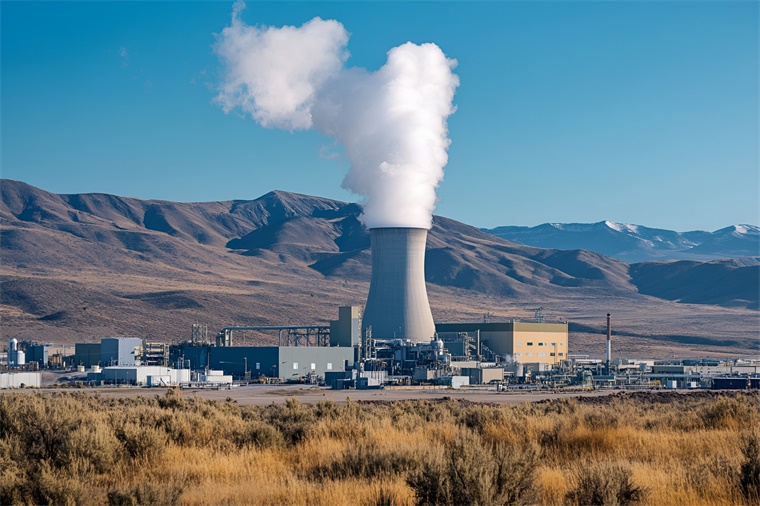
Core Insights - Bill Gates highlighted China's growing challenge to the U.S. and other countries in the nuclear energy sector, particularly in nuclear fusion and fission research, with China's investment in nuclear fusion being twice that of the rest of the world combined [2] - The U.S. is facing a surge in electricity demand, with nuclear power spending projected to increase by $350 billion due to rising needs from data centers, AI, heat pumps, and electric vehicles [2] - Nuclear energy is seen as a viable solution to meet the electricity demands of data centers while reducing power costs, with nuclear fission or fusion potentially becoming the most economical power generation method in the long term [2] Nuclear Energy Characteristics - Nuclear power, driven by nuclear fission, is characterized by zero carbon emissions, high energy density, and stable output, making it a key energy source for sustainable development [3] - The three main methods for achieving nuclear fusion include solar fusion (gravitational confinement), magnetic confinement fusion, and laser inertial confinement fusion, with the latter two being crucial for controlled nuclear fusion [3] China's Nuclear Power Development - China's nuclear power journey began in the mid-1950s and has evolved through various stages, currently focusing on independent research and development, achieving world-leading levels in third-generation nuclear technology [4] - As of January 2024, China leads globally with over 20,000 MWe of nuclear power capacity under construction, significantly ahead of other regions [6] - By the end of 2023, China had 55 operational nuclear reactors with a total capacity of 57,031.34 MWe, with Guangdong, Fujian, and Zhejiang being the top three provinces in terms of capacity [8] Future Outlook - China's rise in the nuclear energy sector reflects both technological strength and successful national strategic planning, with continued investment in nuclear research and innovation expected to contribute to global energy development [10]
比尔盖茨:中国核能研发投入领跑全球,投资“是世界其他国家总和的两倍”!核能未来有望提供最便宜电力
Ge Long Hui· 2025-10-28 06:43
Group 1 - Bill Gates highlights that China is increasingly challenging the leading position of the U.S. and other countries in the next-generation nuclear reactor development race [1] - Gates praises China's nuclear fusion and fission research efforts, stating that China's investment in nuclear fusion is "twice the total of other countries" [3] - He emphasizes that nuclear energy can meet the electricity demands of data centers while reducing electricity costs, especially as artificial intelligence drives up utility bills [3] Group 2 - Gates points out that the popularity of heat pumps and electric vehicles will exacerbate the trend of rising electricity costs [3] - Despite the interest in natural gas resources in the U.S., which accounted for nearly half of the country's electricity generation in 2023, Gates warns that "our natural gas is not inexhaustible" [3] - He concludes that in the long run, "nuclear fission or fusion is likely to become the most economical way to generate electricity" [3]

朱明:人工智能是当今最大的“大潮”
Sou Hu Cai Jing· 2025-10-25 14:57
Core Insights - The 20th Central Committee's Fourth Plenary Session emphasizes the need to "seize the high ground in technological development" in response to increasing global competition in technology, particularly under geopolitical pressures [1][3]. Group 1: Technological Development - The 21st century is characterized as an era of technological development and competition, with a focus on achieving breakthroughs in several core frontier areas over the next five years [3]. - Artificial intelligence (AI) is identified as a major trend, with advancements in algorithms and large models, as well as domestic server capabilities, positioning China to potentially surpass the U.S. in certain AI applications [5]. - The development of AI is particularly strong in the "AI+" applications, with expectations for new breakthroughs in foundational theories over the next five years [5]. Group 2: Quantum Computing and Energy - China is making significant strides in quantum computing, with a solid foundation and the potential for breakthroughs in the near future [7]. - In the energy sector, advancements in nuclear energy, including the integration of nuclear fusion and fission technologies, are expected to mature, particularly with the development of fourth-generation nuclear power plants [9]. - The focus on small-scale nuclear fusion aims to enhance efficiency, with expectations for explosive growth in these areas during the 14th Five-Year Plan [9].
机械设备:美股Oklo持续大涨,SMR或比聚变更早落地,成为满足AI能源需求的关键解决方案
Huafu Securities· 2025-10-11 13:15
Investment Rating - The industry rating is "Outperform the Market" [7][16] Core Insights - Oklo has seen significant stock price increases, with a 51.59% rise in September and a 31.83% increase in the first eight trading days of October. The company is a key player in the Small Modular Reactor (SMR) sector, which is expected to meet the growing energy demands of AI and data centers. The commercialization of fission technology may occur before fusion technology [3][4] - The consensus in the tech industry is that the future of AI is tied to computing power, which in turn relies on electricity. Projections indicate that by 2035, the total computing power in society may increase by 100,000 times, leading to a significant rise in electricity demand from data centers [4] - SMRs are characterized by their inherent safety, lower investment requirements, rapid deployment, and versatility in application. The Chinese government supports the development of advanced nuclear reactors, with ongoing projects like the "Linglong One" ACP100 expected to be completed by 2026 [5] Company Summaries - Jingye Intelligent: Collaborating with Zhejiang University to establish a joint R&D center for micro-reactor/SMR technology, showcasing significant growth potential in the context of rising AI energy demands [5] - Jiadian Co., Ltd.: The main helium fan is the only power device for the fourth-generation high-temperature gas-cooled reactor, with its subsidiary leading in nuclear pump products [5] - Guoguang Electric: The company provides key components for the ITER project, focusing on filter and cladding systems [5] - Lanshi Heavy Industry: Covers upstream nuclear fuel systems, midstream nuclear power plant equipment, and downstream spent fuel processing [5] - Kexin Electromechanical: Produces high-temperature gas-cooled reactor products and has developed new fuel transport containers to replace imports [5] - Hailu Heavy Industry: Services various reactor types, including third and fourth-generation reactors and fusion reactors (ITER) [5] - Jiangsu Shentong: Secured over 90% of orders for nuclear-grade butterfly valves and ball valves for new nuclear power projects in China [5]
AI数据中心能源:美国以核裂变为“现实依托”,可控核聚变短期难奏效
Haitong Securities International· 2025-07-18 12:57
Investment Rating - The report suggests a positive outlook on the nuclear fission industry as a viable energy source for AI data centers, while indicating that nuclear fusion remains a long-term prospect [6]. Core Insights - Meta is rapidly expanding its AI data center capabilities, planning to invest $68 billion in capital expenditures by 2025, with a focus on building multiple hyperscale data centers [2][9]. - The Hyperion project in Louisiana is set to become the largest single AI data center globally, with an initial capacity of 2 GW, expanding to 5 GW [2][10]. - The energy supply strategy for AI data centers includes short-term reliance on natural gas turbines and long-term commitments to renewable energy and nuclear power [3][4]. Summary by Sections Investment Strategy - Meta's capital expenditure strategy reflects a strong commitment to AI development, with significant investments planned for the construction of multi-GW data centers [2][10]. - The company is also raising nearly $29 billion through financing to support its ambitious projects [2][9]. Energy Supply and Infrastructure - The report highlights the energy bottleneck as a critical factor for the expansion of AI data centers, with Meta implementing natural gas turbines to meet initial power demands [3]. - In the medium to long term, Meta is securing renewable energy agreements and a 20-year nuclear power agreement to ensure a stable, low-carbon energy supply [3][4]. Nuclear Energy Outlook - Nuclear fission is currently viewed as the most feasible "firm power" option for AI data centers, while nuclear fusion is still in the experimental phase and may take decades for commercial viability [4][6]. - The U.S. government is actively supporting nuclear energy expansion, with plans to add 300 GW of nuclear capacity by 2050 [4].

全球核裂变与SMR发展趋势与新机遇
Haitong Securities International· 2025-07-02 11:02
Group 1: Global Enriched Uranium Landscape - Enriched uranium is defined as uranium with a U-235 isotope content higher than the natural level of approximately 0.711%[10] - The global enriched uranium production capacity is highly concentrated, with four companies accounting for 99% of the market share[28] - By 2030, the total enriched uranium production capacity is projected to reach 70,300 thousand SWU/year, up from 62,900 thousand SWU/year in 2025[28] Group 2: SMR Technologies and Market Trends - The global market for Small Modular Reactors (SMRs) is expected to grow significantly, with installed capacity projected to increase from 1 GWe in 2030 to 122.25 GWe by 2050, reflecting a compound annual growth rate (CAGR) of 27.16%[56] - The U.S. SMR market is anticipated to see a compound growth rate of 4% from 2023 to 2035 due to supportive government policies[86] - As of now, there are 68 active SMR designs globally, with 4 in operation and 4 under construction[51] Group 3: U.S. Enriched Uranium Demand and Supply - The U.S. is projected to face a 30% shortfall in enriched uranium supply due to the ban on Russian uranium imports starting in 2024[89] - The U.S. Department of Energy (DOE) has allocated $3.4 billion to support domestic uranium production capabilities, including enrichment and conversion technologies[93] - The enriched uranium demand in the U.S. is expected to grow significantly, with estimates reaching 1,500 tons by 2030[88] Group 4: Investment and Market Performance - Recent market performance shows a significant increase in stock prices for companies involved in nuclear energy, with Centrus Energy rising by 203% and NuScale Power by 170%[98] - The total funding requirement for SMR projects is estimated at $176 billion, indicating substantial investment opportunities in the sector[67]
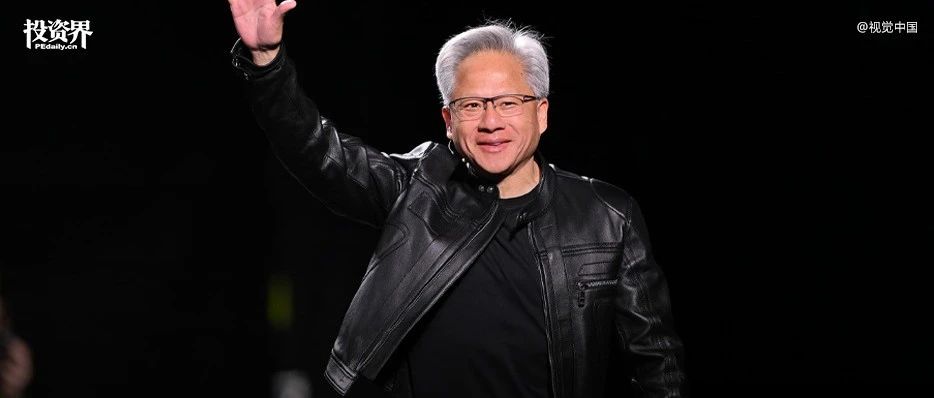
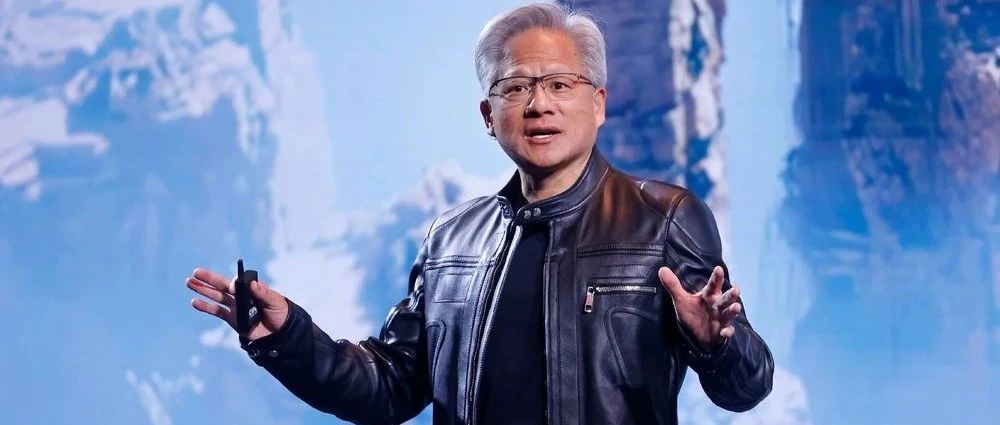
黄仁勋,也投核裂变了
虎嗅APP· 2025-06-26 13:19
Core Viewpoint - TerraPower, a nuclear power company founded by Bill Gates, has completed a $650 million financing round, with Nvidia entering as a new investor, marking its first foray into the nuclear energy sector. This reflects a growing interest in nuclear energy as a solution to meet the increasing power demands driven by AI advancements [1][5][8]. Group 1: Company Overview - TerraPower was established after Bill Gates read a paper on new nuclear energy technology, focusing on developing fourth-generation nuclear reactors, specifically traveling wave reactors [3][4]. - The company aims to improve the efficiency of uranium use by approximately 30 times and reduce nuclear waste to one-fifth of current levels, enhancing safety and economic viability [4][6]. Group 2: Investment Landscape - TerraPower has attracted a prestigious group of investors, including Bill Gates, Khosla Ventures, and Reliance Industries, with many investors expressing little concern about immediate profitability, believing in the long-term potential of the technology [6][7]. - The recent $650 million financing round included participation from Nvidia's NVentures, highlighting the intersection of AI and nuclear energy as a critical area for future investment [7][8]. Group 3: Industry Trends - The nuclear energy sector is experiencing a resurgence, with companies like Oklo and Helion Energy also securing significant funding, indicating a broader trend of investment in nuclear technology as a response to the growing energy demands of AI [10][11]. - In China, investments in nuclear fusion technology are increasing, with significant funding from state-backed entities, reflecting a strong commitment to advancing next-generation energy technologies [12]. Group 4: Future Outlook - The convergence of AI and nuclear energy is seen as pivotal for future energy solutions, with major tech companies forming partnerships with nuclear firms to secure clean and stable power for data centers [11][12]. - The race for energy innovation is intensifying, with the potential for nuclear technology to play a central role in the next energy revolution, positioning investors who back these advancements for significant future gains [12].

黄仁勋,也投核裂变了
投资界· 2025-06-25 07:02
Core Viewpoint - The article highlights the growing interest and investment in nuclear power, particularly through TerraPower, co-founded by Bill Gates, which is developing advanced nuclear reactor technology. The entry of Nvidia as an investor signifies a shift towards nuclear energy as a critical power source for future technologies, especially AI [1][10]. Group 1: Investment and Financing - TerraPower has completed a $650 million financing round, with Nvidia joining as a new investor, marking its first foray into the nuclear sector [1][10]. - The company has raised over $2 billion in total funding, attracting a range of venture capital and private equity investors who are optimistic about the potential returns from successful nuclear technology [1][8]. - Notable investors include Bill Gates, who has been a significant backer since the company's inception, and other prominent figures from the tech industry [8][10]. Group 2: Technological Development - TerraPower focuses on developing the traveling wave reactor, which utilizes depleted uranium and natural uranium, aiming to improve efficiency and reduce nuclear waste [6][7]. - The company has shifted its research focus to sodium-cooled fast reactors, which are expected to be more cost-effective and suitable for small nuclear power plants [7]. - The first advanced reactor project in the U.S. is set to begin construction in Wyoming, with plans for operation by 2030 [7]. Group 3: Market Trends and Future Outlook - The article notes a surge in nuclear power investments in the past three years, driven by the increasing demand for clean energy solutions to support AI and data centers [2][12]. - A report from Goldman Sachs predicts a 160% increase in global data center electricity demand by 2030, highlighting the need for stable and clean energy sources like nuclear power [13]. - The collaboration between tech giants and nuclear companies indicates a strategic move towards integrating nuclear energy with emerging technologies [14]. Group 4: Global and Domestic Developments - In China, significant investments are being made in nuclear fusion and advanced nuclear technologies, positioning the country as a leader in the next generation of energy solutions [15]. - The article emphasizes that the race for energy innovation is crucial for future economic leadership and global competitiveness [16].