深度本土化

Search documents
大洗牌!流式细胞仪2025年度中标盘点
仪器信息网· 2026-03-04 07:13
Core Insights - The year 2025 marks a "watershed" moment for China's flow cytometry market, driven by geopolitical uncertainties and a shift towards "deep localization" as a survival necessity for companies [1][2] Market Overview - The total bid amount for flow cytometers in 2025 reached 641,297,934 yuan, with a total of 486 units awarded [3] - BD retained the top position in bid amounts, while Beckman Coulter surpassed BD in bid quantity, indicating a significant market reshuffle influenced by geopolitical factors and localization strategies [2][5] Competitive Landscape - Beckman Coulter emerged as the top bidder in terms of quantity, while BD maintained the highest bid amount, with the gap in bid amounts between the two companies narrowing from nearly 20% in 2024 to less than 3% in 2025 [10] - The top three companies accounted for over 60% of the total bid amount, while the top ten accounted for over 90% [3][5] Product Performance - Beckman Coulter dominated the top ten bid models, securing the first, second, fifth, and sixth positions with models such as DxFLEX and CytoFLEX [7][9] - The highest bid price for a flow cytometer was 11,486,000 yuan for Standard BioTool's Hyperion XTi, while the lowest was under 50,000 yuan for a model from Rescale [11] User Demand and Market Trends - Hospitals accounted for approximately 48.83% of the bid amount and 48.03% of the bid quantity, with a notable increase in demand from disease control centers, particularly due to a large order from the Xinjiang CDC [15] - The market is witnessing a shift towards lower-tier cities, with significant growth expected in the southwest and central regions of China [20] Regional Insights - The top regions for flow cytometer bids in 2025 included Guangdong (11.9%), Beijing (10.8%), and Shanghai (9.9%), with increasing demand in the southwest and central regions [17][19]





捷豹路虎:不逐潮,自成潮
Xin Lang Cai Jing· 2026-02-05 05:50
Core Insights - The luxury car market in China is experiencing a price war, but Jaguar Land Rover (JLR) maintains a steady approach by focusing on high-end consumers and core models without participating in price reductions [1][3] - JLR's strategy emphasizes long-term value and brand integrity, aiming to build market resilience amidst market chaos [1][3] Market Dynamics - The luxury car market in 2025 shows a clear polarization, with mid-to-low-end models engaged in aggressive price competition, while high-end consumers are becoming more rational, prioritizing brand value, product experience, and exclusive services [1][3] - JLR's decision to avoid price competition is based on a precise understanding of high-end consumer needs, as blind price cuts could harm the brand's long-term premium pricing ability [3][5] Product and Service Development - JLR's product lineup includes the introduction of new models like the Defender OCTA and the upgraded Range Rover Sport, alongside enhanced bespoke services, which have contributed to its strong sales performance in 2025 [5][7] - The company has achieved recognition as the top luxury brand in J.D. Power's 2025 sales and after-sales service study, indicating a successful focus on product and service refinement [5][7] Localization Strategy - JLR's success in the Chinese market is attributed to its deep localization efforts, including a complete local R&D and supply chain system that allows for rapid response to consumer demands [7][9] - The partnership with Chery and the establishment of a manufacturing base in Changshu have enabled JLR to enhance its product offerings tailored to local preferences [7][9] Global Strategy and Market Position - China is increasingly central to JLR's global strategy, with the new CEO's first overseas visit to China highlighting its importance in the luxury market [9][11] - JLR is one of the largest UK companies investing in China, contributing approximately 22% to the UK's total exports to China, reinforcing its role in Sino-British trade [9][11] Technological Advancements - JLR's participation in global motorsport events, such as the Dakar Rally and Formula E, showcases its technical capabilities and serves as a testing ground for production technologies [11][13] - The success in these events validates JLR's commitment to integrating racing technology into its consumer vehicles, enhancing the brand's technical strength [11][13] Corporate Social Responsibility - JLR's long-term commitment to social responsibility, including initiatives like the "Youth Dream Fund," has positively impacted over 700,000 young people in China, reinforcing the brand's emotional connection with consumers [14][16] - The company's innovative approach to philanthropy, such as integrating cultural heritage into product design, enhances its brand image and deepens customer relationships [16][18] Conclusion - JLR's strategy in the 2025 Chinese luxury car market focuses on maintaining high-end positioning, refining product quality, deepening local engagement, and leveraging technological advancements, providing a model for luxury brands facing homogenization in the market [20]

在华外资战略调整,开启“深度本土化+长期主义”模式
第一财经· 2026-01-29 14:17
Core Viewpoint - The article discusses the evolving strategies of multinational companies in China, highlighting their deep integration into local markets and communities, as well as the shift from mere manufacturing to a comprehensive value chain presence [3][5]. Group 1: Investment Trends - In 2025, the number of newly established foreign-invested enterprises in China increased by 19.1%, while the actual use of foreign capital decreased by 9.5%, indicating a complex investment landscape [3]. - German companies' investment in China reached over 7 billion euros in the first eleven months of 2025, marking a 55.5% increase compared to the same period in 2024 and 2023 [3][8]. - The Chinese manufacturing sector's negative list for foreign investment has been fully cleared, enhancing the market's attractiveness to foreign capital, particularly in advanced manufacturing and modern service industries [9]. Group 2: Corporate Strategies - Companies like Epson are adapting to local needs by developing tailored solutions, such as AI learning assistants and customized industrial robots, to address specific market demands [7][8]. - Hitachi Elevator has established its largest factory and R&D team in China, focusing on modernization and energy-efficient technologies in response to the urban renewal wave [8]. - Karcher has upgraded its Shanghai headquarters and expanded production capacity, achieving a 30% growth in early 2025, emphasizing the importance of understanding local market dynamics [11]. Group 3: Innovation and Market Adaptation - Companies are increasingly focusing on creating value through innovation, transitioning from raw material dependency to high-value specialty chemicals, as seen with Lanxess's investment in Qingdao [12]. - The trend indicates that the Chinese market is becoming a key driver of global technological innovation and business model evolution, necessitating deeper commitments from companies to integrate with local ecosystems [12].
在华外资战略调整,开启“深度本土化+长期主义”模式
Di Yi Cai Jing· 2026-01-29 12:16
Core Insights - The article emphasizes the strategic shift of multinational companies in China, highlighting their deep integration into local ecosystems and communities, which enhances their resilience in the global market [1][2]. Group 1: Multinational Companies' Strategies - Epson has been operating in China for nearly 30 years and has transitioned from localized manufacturing to a fully integrated value chain, engaging with local communities through initiatives like immersive educational experiences for special needs students [1][3]. - The number of newly established foreign-invested enterprises in China increased by 19.1% year-on-year in 2025, while the actual amount of foreign capital used decreased by 9.5%, indicating a shift in investment dynamics [1]. - German companies have significantly increased their investments in China, with over €7 billion invested in the first 11 months of 2025, marking a 55.5% increase compared to the same period in 2024 and 2023 [1]. Group 2: Local Integration and Innovation - Epson plans to launch customized industrial robots in 2025 to meet diverse automation needs in China, while also introducing an AI learning printer in collaboration with local partners to enhance educational experiences [3]. - Hitachi Elevator has established its largest factory and R&D team in China, focusing on modernization and energy-efficient technologies in response to the evolving urban landscape [4]. - The Chinese manufacturing sector's negative list for foreign investment has been fully cleared, enhancing the attractiveness of the market for foreign capital, particularly in advanced manufacturing and modern services [5]. Group 3: Long-term Investment Trends - Despite global uncertainties, many multinational companies are committing to long-term investments in China, with Karcher planning to upgrade its Shanghai headquarters and expand production capacity in the Yangtze River Delta [6]. - Lanxess has initiated its largest global investment in five years by expanding its production base in Qingdao, driven by strong downstream market demand [6]. - The trend indicates that the Chinese market is evolving beyond a mere sales destination to become a key driver of global technological innovation and business model evolution [7].
马年营销大战,lululemon凭什么敢不热闹
Jing Ji Guan Cha Wang· 2026-01-27 05:00
Core Insights - The article discusses the marketing strategies of various sports brands during the Chinese New Year (CNY), highlighting how they engage with local consumers through culturally relevant themes and products [1][5][6] - Lululemon's approach stands out as it focuses on the essence of spring rather than traditional CNY symbols, aiming for a deeper emotional connection with consumers [5][7] Group 1: CNY Marketing Strategies - Multiple sports brands are launching CNY-themed products, with some tying their designs to the zodiac animal, while others focus on spiritual expressions or traditional Chinese art [1][6] - Brands are moving away from superficial symbol usage and are exploring deeper cultural meanings to resonate with consumers [6][9] Group 2: Lululemon's Unique Positioning - Lululemon's marketing campaign is characterized by a more subdued and introspective approach, emphasizing the theme of spring and renewal rather than overtly festive elements [2][5] - The brand's short film captures the essence of spring, portraying the beauty of repetition and change, which resonates with consumers seeking deeper meaning [3][4][5] Group 3: Consumer Engagement and Brand Growth - Lululemon's strategy includes a focus on long-term consumer relationships rather than short-term sales spikes, as evidenced by their consistent thematic campaigns over the years [6][10] - The brand's localized approach has led to significant revenue growth in China, with a reported 41% increase in revenue for the 2024 fiscal year and a 46% increase in the third quarter of 2025 [10][11] Group 4: Cultural Understanding and Community Interaction - Lululemon emphasizes understanding and respecting local culture, which is reflected in their product designs and marketing narratives [9][11] - The brand engages with consumers through various community events and initiatives, fostering a sense of belonging and emotional connection [10][11]

乐舒适(02698.HK):深度本土化造就非洲卫生用品领军品牌
Ge Long Hui· 2025-12-16 17:46
Investment Highlights - Company is initiating coverage on Leshushi (02698) with an "outperform" rating and a target price of HKD 40.00, corresponding to a 24x P/E for 2026 [1] - Leshushi is a leading player in the African hygiene products market, benefiting from a localized approach that capitalizes on growth opportunities in emerging markets [1] Market Potential - The hygiene product consumption space in emerging markets is vast, with Africa, Latin America, and Central Asia projected to have CAGRs of 7.9%, 3.0%, and 4.8% respectively from 2025 to 2029, the highest globally [2] - Leshushi is expected to hold market shares of 20.3% in diapers and 15.6% in sanitary napkins in Africa by 2024, with potential for further expansion [1][2] Business Model - Leshushi has established a deeply localized business model that includes strong local manufacturing capabilities, cost advantages, and a differentiated product offering tailored to local needs [2] - The company has developed a comprehensive distribution network that covers over 80% of the population in core markets, supported by a mature global management structure with 90% local employees [2] Growth Strategy - The company aims to expand its market share in Africa while leveraging its experience to enter Latin America and Central Asia, thus unlocking further growth potential [2] - In addition to its core diaper category, Leshushi is rapidly growing its sanitary napkin segment and plans to expand into other complementary product categories such as pull-ups and wet wipes [2] Financial Projections - Earnings per share (EPS) are projected to be USD 0.19 and USD 0.22 for 2025 and 2026 respectively, with a CAGR of 21.1% from 2024 to 2026 [2] - The current stock price corresponds to P/E ratios of 23x and 19x for 2025 and 2026, respectively, indicating a 24% upside potential based on the target price [2]
中金:首予乐舒适“跑赢行业”评级 目标价40港元
Zhi Tong Cai Jing· 2025-12-16 01:28
Core Viewpoint - CICC initiates coverage on Leshushi (02698) with an "outperform" rating and a target price of HKD 40.00, implying a 24% upside based on a 24x P/E for 2026 [1] Group 1: Company Overview - Leshushi is a leading player in the African hygiene products market, benefiting from a localized business model that aligns with local market needs, thus enjoying growth in emerging markets [2] - The company is expected to achieve EPS of USD 0.19 and USD 0.22 for 2025 and 2026 respectively, with a CAGR of 21.1% from 2024 to 2026 [1] Group 2: Market Potential - The hygiene product market in Africa, Latin America, and Central Asia is projected to grow significantly, with CAGR estimates of 7.9%, 3.0%, and 4.8% respectively from 2025 to 2029, making it the fastest-growing globally [3] - Leshushi is expected to capture 20.3% and 15.6% of the diaper and sanitary napkin markets in Africa by 2024, with its leading position likely to strengthen [3] Group 3: Competitive Advantages - The company has established a robust localized operational model, which includes strong local manufacturing capabilities, tailored branding strategies, extensive distribution networks, and a predominantly local workforce [4] - Leshushi's distribution network covers over 80% of the population in core markets, enhancing its competitive edge [4] Group 4: Growth Strategies - The company plans to expand its market share in Africa while leveraging its experience to enter Latin America and Central Asia, thereby unlocking further growth opportunities [5] - In addition to diapers, Leshushi is rapidly growing its sanitary napkin segment and aims to expand into other complementary product categories such as pull-ups and wet wipes [5]
瑞银证券研究部总监徐宾:国际投资者愈发关注中国企业的全球竞争力
Zheng Quan Ri Bao Wang· 2025-12-01 10:29
Core Insights - Chinese companies are increasingly viewing international expansion as a necessity rather than an option, with a focus on capturing larger market shares globally [1] - The diversification of export destinations and product types is a significant trend, with emerging markets in Africa, ASEAN, and Latin America becoming key targets [1][2] - International investors are showing heightened interest in the global competitiveness of Chinese companies, driven by improved product quality and competitive pricing [3] Group 1: International Expansion Trends - The shift towards a more diversified approach in overseas markets is evident, with companies moving beyond traditional markets in Europe and the US [1] - The evolution of product types from low-end goods to high-tech products reflects the increasing sophistication of Chinese manufacturing [1][2] - Companies are adopting strategies such as relocating assembly operations to regions like ASEAN to optimize costs and mitigate global uncertainties [1] Group 2: Competitive Advantages - Chinese companies have significantly improved their cost-performance ratio, combining competitive production costs with enhanced product quality [2] - Continuous investment in R&D has led to systematic improvements in product competitiveness, enabling better market penetration [2] - The unique functionalities of products developed for the vast Chinese market provide a competitive edge in global markets [2] Group 3: International Investor Interest - International investors are increasingly evaluating the global competitiveness of Chinese firms, influenced by the visibility of Chinese brands in global markets [3] - The rising share of overseas revenue and profits for Chinese companies over the past two decades has attracted investor attention [3] - Companies with strong market positions, technological advantages, and established overseas operations are particularly favored by international investors [3] Group 4: Localization Strategies - The primary challenge for Chinese companies in international markets is deciding on overseas production capacity and locations [4] - Deep localization and partnerships with local firms are recommended strategies to mitigate operational risks [4] - Successful collaboration with local governments and businesses can enhance support and reduce risks associated with international operations [4] Group 5: Future Outlook - By 2026, the trend of diversification in export markets and product structures is expected to strengthen, supported by the improved quality and reputation of Chinese manufacturing [5]
每经热评︱以60%股权,换一个更懂中国的星巴克
Mei Ri Jing Ji Xin Wen· 2025-11-04 10:51
Core Insights - Starbucks has made a significant strategic decision by introducing local capital through a joint venture with Boyu Capital, relinquishing up to 60% of its controlling stake, marking a pivotal shift in its approach to the Chinese market [1][2] - The current coffee market in China is undergoing unprecedented price competition, with prices dropping to as low as 2.9 yuan per cup, challenging Starbucks' previous brand premium [1][2] - The move towards local partnerships reflects a broader trend where multinational brands must deeply localize their operations to thrive in the increasingly competitive Chinese market [3][4] Company Strategy - By ceding operational control, Starbucks aims for long-term survival and growth in China, recognizing that local insights are more valuable than global brand prestige in the current market [2][3] - Boyu Capital's involvement is not just about financial investment; it brings deep understanding and resources for expanding into smaller cities and emerging regions, indicating a strategic shift towards these markets [2][3] - Starbucks plans to expand its store count in China from 8,000 to 20,000, highlighting the importance of the Chinese market in its global strategy [4] Market Dynamics - The diverse consumer landscape in China presents challenges for Starbucks in maintaining brand identity while localizing products, pricing, and marketing strategies [3][4] - The competitive environment necessitates a balance between brand value, profitability, and rapid expansion, especially in the face of aggressive pricing strategies from local competitors [4][5] - The evolving rules of engagement for multinational companies in China emphasize the need for comprehensive localization, extending beyond product development to include ownership structures and decision-making processes [3][4] Future Outlook - Starbucks' strategy may include a franchising model in the future, allowing for rapid expansion while maintaining control over brand standards and quality [4] - The partnership with Boyu Capital is expected to enhance innovation and localized consumer experiences, which are crucial for maintaining market position as consumer preferences evolve [5] - The case of Starbucks in China serves as a reference point for other multinational brands navigating the complexities of the Chinese market [5]

沙特时尚消费大爆发,中国品牌已抢先卡位
Hu Xiu· 2025-10-14 04:02
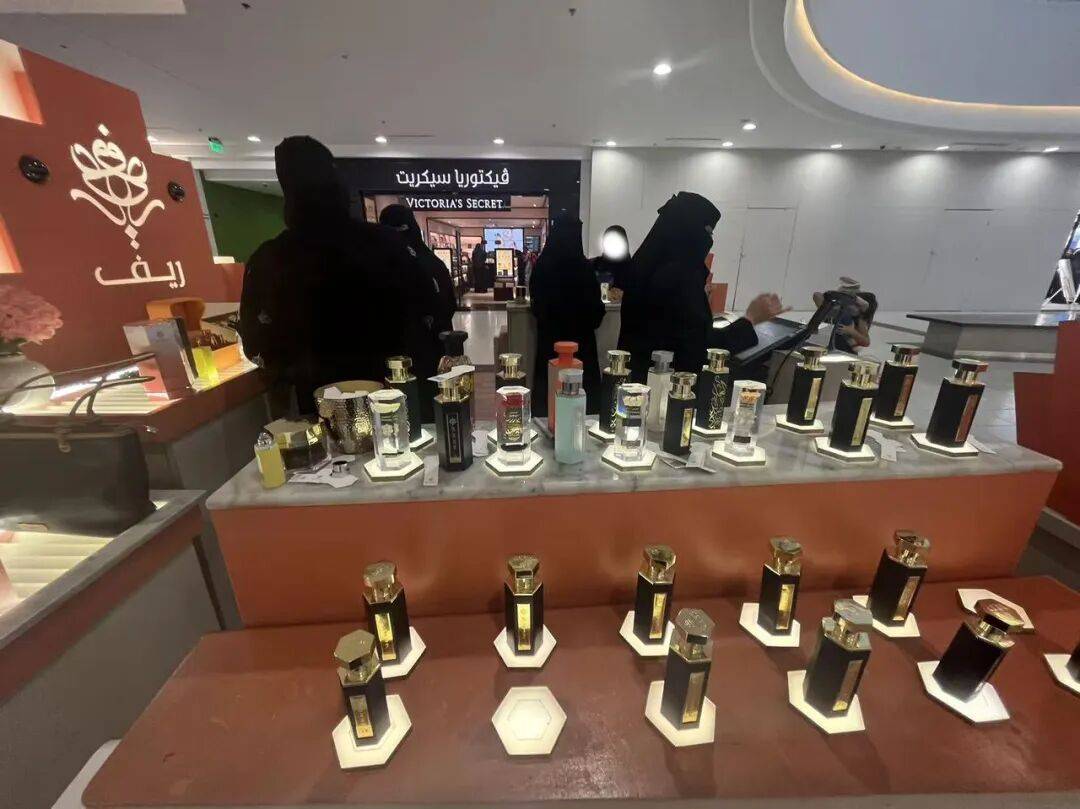
Core Viewpoint - Saudi Arabia is undergoing significant social reforms and economic diversification, leading to a burgeoning fashion market and changing consumer behaviors, particularly among women [5][21][38]. Group 1: Social Changes and Women's Empowerment - Saudi Arabia has opened its doors to tourism, issuing visas for the first time in 2019, which has led to an influx of visitors and a gradual shift in societal norms [1][5]. - The labor participation rate of women in Saudi Arabia has exceeded 35%, reflecting a 50% increase over the past five years, with all retail positions in women's product stores being filled by women [6][12]. - The government aims to increase women's participation in the workforce from 22% in 2017 to 30% by 2030 as part of its Vision 2030 strategy [5][6]. Group 2: Fashion Industry Growth - The Saudi fashion market is projected to grow significantly, with retail fashion sales expected to rise by 48% from 2021 to 2025, reaching $32 billion, with an annual growth rate of 13% [12][21]. - The Middle East and North Africa region is anticipated to be the only area globally to achieve double-digit growth in all beauty sectors from 2022 to 2027, with growth rates of 11%-12% [3][12]. Group 3: Consumer Behavior and Preferences - Saudi consumers are increasingly favoring local brands, with 20% willing to pay the same or higher prices for domestic products compared to international brands [21][24]. - The influence of social media and peer recommendations is paramount in consumer decision-making, with 78% of Snapchat users valuing creator recommendations as highly as those from friends [31][32]. Group 4: Market Opportunities for Chinese Brands - Chinese brands are finding success in Saudi Arabia by leveraging e-commerce and offering products that resonate with local tastes, such as SHEIN's headscarf-compatible clothing line [14][30]. - The acceptance of new brands is high among Saudi consumers, who are eager to try innovative products that align with their cultural context [14][21]. Group 5: Government Initiatives and Local Brand Development - The Saudi government is actively promoting the fashion industry through initiatives like the "Saudi 100 Brands" program and the Riyadh Fashion Week, aimed at enhancing the global presence of local designers [22][23]. - The local fashion industry has seen the emergence of brands that incorporate traditional craftsmanship, reflecting a blend of cultural heritage and modern design [23][24].