
预制菜产业

Search documents
南农晨读丨广货行天下 年菜香上海
Nan Fang Nong Cun Bao· 2026-01-31 06:32
南农晨读丨广货 行天下 年菜香 上海_南方+_南 方plus 【今日关注】 成果丰硕!广东 九大农业科技主 攻方向赋能高质 量发展 12月12日,由广 东省农业农村厅 主办的第二十四 届广东种业博览 会在广州开幕。 同期举办的广东 省农业科技创新 成果展,集中展 示了"十四五"期 间全省布局的九 大农业科技创新 主攻方向所取得 的关键进展,涵 盖种业振兴、疫 病防控、智能装 备、加工增值、 耕地保护与绿色 低碳等重点领 域,展现了广东 省破解农业核心 技术与推动产业 升级的系统性成 果。 点赞!广东这些 硬核农业科技斩 获农业技术推广 一等奖 12月12日,第二 十四届广东种业 博览会在广州开 幕。同期举办的 广东省农业科技 创新成果展,集 中展示了获得农 业技术推广一等 奖的重大成果, 涵盖了智慧养 快评丨预制菜第 一省?粤菜 真"魂"不怕工 业"火" 在广东省两会期 间,省人大代 表、广东省烹饪 协会特邀副会长 梁思桥提交建 议,呼吁全省凝 聚共识,将建 设"中国预制菜 第一省"作为系 统性工程全力推 进,依托"食在 广东"金字招 牌,推动预制菜 产业高质量发 展,为农业新质 生产力培育、乡 村全面振兴 ...


人民日报再评西贝关店事件:危机面前,坦诚是最好的公关
Ren Min Ri Bao· 2026-01-19 10:07
Group 1 - The core viewpoint of the news highlights the resilience and vitality of the Chinese economy, showcasing a total economic output exceeding 140 trillion yuan and a growth rate of 5.0% in 2025, driven by the efforts of enterprises and consumer demand [1] - The interaction between entrepreneurs and consumers is identified as a vital source of strength for the Chinese economy, emphasizing the importance of a robust domestic demand engine [1] Group 2 - The incident involving Xibei's store closures has sparked significant public discourse, reflecting a societal consensus on the need for a positive public opinion environment to support the development of the Chinese economy [2] - The response from entrepreneur Jia Guolong to criticism regarding the use of pre-prepared dishes is seen as inadequate, highlighting the necessity for businesses to engage sincerely with consumers during crises [3] - The article argues that transparency and honesty in communication with consumers are essential for businesses, particularly in the context of the pre-prepared food industry, which should be regulated and standardized to ensure safety and quality [3][4] - The commentary suggests that the criticism from internet influencers can present opportunities for companies like Xibei to clarify misconceptions and build trust with consumers through transparent communication [4]
500+食企现场“掘金”!广东国际(南海)康养食品产业园正式开业
Nan Fang Nong Cun Bao· 2025-12-26 00:31
Core Viewpoint - The Guangdong International (Nanhai) Health Food Industrial Park has officially opened, marking a significant milestone in the development of the health food industry in Nanhai District, which aims to enhance modern agricultural industry clusters and promote new productive forces [2][3][4]. Group 1: Industry Development - The health food industry in Nanhai has achieved a comprehensive output value exceeding 800 billion yuan, with the prepared food sector alone surpassing 300 billion yuan [14]. - Nanhai has been recognized as one of the top 100 national bases for the prepared food industry, with leading products such as black fish slices and garlic-flavored bones ranking first in national sales [15]. - The region's transportation advantages allow for a one-hour traffic radius covering major metropolitan areas, facilitating market access across the country and Southeast Asia [16]. Group 2: Infrastructure and Support - The park has initiated the construction of a public brand and standard system, signing contracts for 20 key projects that collectively exceed 5 billion yuan, which will inject strong momentum into the health food industry [58][60]. - A comprehensive lifecycle service system has been established, including over 6,600 acres of land for industrial use, promoting a win-win model between village collectives and enterprises [19][20]. - The park will focus on the research and production of health foods, functional foods, and traditional Chinese medicine dietary products, aiming to become a national leader in the health food industry [24]. Group 3: Innovation and Technology - The establishment of a technology innovation platform will focus on key technologies such as ultra-high pressure preservation and freeze-drying, enhancing the transformation of research results into practical applications [38]. - The launch of a public brand IP for the prepared food industry aims to unify branding and enhance market competitiveness, transitioning from single product advantages to a cluster of brand advantages [31][32]. Group 4: Collaboration and Investment - The event featured a strong emphasis on investment attraction and project cooperation, with agreements signed across various sectors, including international trade and research transformation [58][63]. - Financial institutions have committed to providing customized agricultural financial products to address the financing challenges faced by enterprises in the health food sector [66]. - Partnerships with educational institutions have been established to create training and employment bases, fostering a skilled workforce for the industry [68].
热卖超6万条!广东海鲈“鲜”动全国
Nan Fang Nong Cun Bao· 2025-12-02 04:35
Core Insights - The live streaming event for Guangdong sea bass, organized by Hengxing Food and Dongfang Zhenxuan, achieved remarkable sales, with over 60,000 fish sold and a total revenue exceeding 2 million yuan in one day [6][7][19]. Group 1: Sales Performance - The live streaming event sold over 10,000 orders within the first two hours, and by 3 PM, total sales reached 20,000 orders [4][6]. - The event ranked first in the fresh produce category for the day, highlighting the growing popularity of Guangdong sea bass among consumers [7][19]. Group 2: Product Quality and Safety - Consumers showed high concern for the safety and freshness of the sea bass, prompting the hosts to provide third-party testing reports confirming no drug or heavy metal residues [21][22]. - The sea bass is marketed as being caught, processed, and delivered on the same day, ensuring maximum freshness [27][29]. Group 3: Industry Position and Production - Guangdong is the leading producer of sea bass in China, with a projected production of 183,000 tons in 2024, accounting for 71% of the national total [16][19]. - The industry has established a comprehensive supply chain from breeding to processing and logistics, with a total output value exceeding 18.6 billion yuan [19]. Group 4: Future Developments - The "Blue Fishing Port" project, set to be operational by 2025, will enhance processing capabilities and cold chain logistics, with an expected annual processing capacity of 35,000 tons [35][36]. - Hengxing Food aims to expand its market presence and brand recognition through continuous product innovation and leveraging the growing demand for high-quality seafood [46][68].
36氪精选:预制菜企业最集中的省份,为什么是河南?
日经中文网· 2025-11-01 00:33
Core Viewpoint - The article highlights the significant role of Henan province in China's new consumption landscape, particularly in the prepared food industry, showcasing its dominance in production and supply of various food products [6][9][15]. Industry Overview - Henan is home to over 4,000 companies related to "prepared food," ranking first in the country for the number of such enterprises [10]. - The province produces a substantial portion of China's staple foods, including 25% of steamed buns, 33% of instant noodles, 50% of ham sausages, and 60% of dumplings [11]. - The region's agricultural advantages, including abundant raw materials and a well-established food production system, facilitate the growth of the prepared food sector [14][15]. Key Companies and Market Share - Major brands originating from Henan include: - Sanquan Foods: Sales scale of 7.434 billion yuan, market share of 20% to 40% [8]. - Shuanghui Development: Sales scale of 60.1 billion yuan, market share of 5% [8]. - Xinnong: Sales scale of 1 billion yuan, market share of 1% to 2% [8]. - The article notes that even if consumers are unfamiliar with these brands, they likely consume products supplied by them through popular restaurant chains [7]. Regional Advantages - Henan's geographical location provides logistical benefits, with developed rail and road networks and high cold chain transportation capabilities, making it a natural hub for the food industry [15]. - The province's population density offers a large market and labor force, further supporting the growth of the prepared food industry [15].


预制菜企业最集中的省份 为什么是河南?
3 6 Ke· 2025-10-27 02:05
Core Insights - Henan province, known for its large population, is emerging as a significant player in the new consumption landscape, particularly in the prepared food sector [1][2] - The province is home to over 4,000 companies related to prepared food, ranking first in the country for the number of such enterprises [2] - Henan's agricultural advantages contribute to its dominance in the prepared food industry, producing a substantial portion of China's staple foods [3][4] Industry Overview - Henan produces 25% of China's steamed buns, 33% of instant noodles, 50% of ham sausages, and 60% of dumplings, showcasing its agricultural strength [3] - The province is recognized as a major agricultural hub, with its grain output second only to Heilongjiang in 2024, and it consistently ranks first in wheat production [3] - The local market provides high-quality, low-cost raw materials, supported by a well-established food production and management system [3] Market Dynamics - The population density in Henan provides a robust market and labor force, while its strategic location enhances logistics and cold chain transportation capabilities [4] - Companies like Shuanghui have successfully entered the prepared food market, launching various products under their brands [3] - The combination of agricultural output and industrial development positions Henan as a key player in the prepared food sector, often referred to as "China's kitchen" [4]

预制菜企业最集中的省份,为什么是河南?
36氪· 2025-10-26 02:00
Core Viewpoint - The article emphasizes that Henan province plays a crucial role in China's food industry, particularly in the prepared food sector, making it a significant contributor to the national dining table [4][10]. Group 1: Industry Overview - Henan is home to several popular new consumer brands, including Mixue Ice City and Pop Mart, which have emerged from the province [4]. - The province has a high concentration of food processing companies, with over 4,000 related enterprises, ranking first in the country [9]. - Major food brands from Henan include Sanquan Foods, Shuanghui Development, and Si Nian Foods, which dominate various segments of the prepared food market [6][7]. Group 2: Market Share and Production - Sanquan Foods holds a market share of 20% to 40% in the frozen food sector, with a sales scale of 7.434 billion yuan in 2023 [6]. - Shuanghui Development, a leader in meat products, reported a sales scale of 60.1 billion yuan, capturing 5% of the market [6]. - Henan produces a significant portion of China's staple foods, including 1/4 of the country's steamed buns, 1/3 of instant noodles, and 1/2 of ham sausages [10]. Group 3: Agricultural Advantages - As a major agricultural province, Henan is known as the "granary of the world," with its grain output second only to Heilongjiang in 2024 [10]. - The province's meat, egg, and milk production totals 13.37 million tons, ranking third nationally, with a leading position in pig farming [14]. - The availability of local raw materials, such as flour and pork, combined with a well-established food production and management system, supports the growth of the prepared food industry [14]. Group 4: Strategic Location - Henan's geographical position in the center of China, along with its developed transportation infrastructure, provides a logistical advantage for the food industry [14]. - The province's population offers a substantial market and labor force, further enhancing its role in the prepared food sector [14].
财新周刊-第38期2025
2025-10-09 02:00
Summary of the Conference Call This document is a summary based on the Caixin article [link](https://a.caixin.com/o8Vxgqon). The content may deviate from the original intent and does not represent Caixin's views or positions. It is recommended to click the link for detailed comparison and verification. Industry Overview - The conference discusses the rapid development of the Chinese financial industry during the 14th Five-Year Plan, highlighting significant achievements and ongoing challenges in financial risk management [7][8][12]. Key Points and Arguments 1. **Financial Industry Achievements**: As of June 2023, China's banking sector total assets reached nearly 470 trillion yuan, ranking first globally. The stock and bond markets are the second largest in the world, and foreign exchange reserves have been the largest for 20 consecutive years [7][8]. 2. **Risk Management**: The financial authorities emphasized the successful resolution of key financial risks during the 14th Five-Year Plan, maintaining a baseline to prevent systemic financial risks. This was a major focus during the press conference, indicating its significance and widespread attention [7][8][9]. 3. **Regulatory Measures**: The regulatory bodies have implemented a "16-character" policy focusing on stability, coordination, and precise risk management to address financial risks, particularly in shadow banking and local government debt [8][9][10]. 4. **Dynamic Balance**: The central bank governor highlighted the importance of balancing economic growth and risk prevention, asserting that many financial risks stem from economic structure issues. Continuous efforts are needed to promote high-quality economic development to fundamentally prevent and resolve financial risks [10][12]. 5. **Legislative Progress**: Ongoing legislative efforts, such as the Financial Stability Law and the People's Bank of China Law, are aimed at enhancing the regulatory framework for financial risk monitoring and assessment [11][12]. 6. **Future Outlook**: The financial risks remain uncertain and interconnected, particularly concerning real estate and local debts. Continuous vigilance and consolidation of risk prevention measures are necessary [12][13]. Additional Important Content - **Consumer Rights**: The discussion also touched on consumer rights regarding the use of pre-prepared foods in restaurants, emphasizing the need for transparency and consumer awareness in the food industry [35][36]. - **Pre-prepared Food Industry**: The rise of the pre-prepared food industry in China has been influenced by the growth of the takeaway market, with significant implications for traditional dining establishments [25][26][27]. - **Regulatory Challenges**: The pre-prepared food sector faces challenges such as a lack of unified standards and consumer concerns about food safety and quality, necessitating improved regulatory frameworks [29][30][32]. This summary encapsulates the key discussions and insights from the conference, reflecting the current state and future directions of the financial and food industries in China.
满大街的预制菜,是怎么来的?
3 6 Ke· 2025-09-26 02:42
Core Insights - The term "pre-prepared dishes" oversimplifies the complexities of the dining market, masking underlying issues and leading to negative perceptions [1][6][10] - The industry is evolving to better serve consumers, with modern production processes enhancing food quality and safety [2][12] - The recent inclusion of pre-prepared dishes in national policy indicates a significant shift in its recognition and potential for growth [12][14] Industry Development - The pre-prepared dish sector has seen rapid growth, with a market size projected to reach 485 billion yuan in 2024, reflecting a year-on-year increase of 33.8% [22] - The sector has gained attention from capital markets, with companies like Weizhi Xiang experiencing significant stock price fluctuations, indicating investor interest [18] - Various provinces have begun implementing policies to support the pre-prepared dish industry, focusing on standardization and quality control [14][15] Consumer Perception - There is a growing concern among consumers regarding the quality and safety of pre-prepared dishes, particularly in institutional settings like schools [23] - Consumers express dissatisfaction with the taste and nutritional value of pre-prepared dishes, leading to skepticism about their overall quality [23][25] - The industry faces challenges in balancing cost reduction with maintaining food quality, as many establishments use pre-prepared dishes primarily as a means to cut expenses [25][26] Regulatory Environment - The regulatory framework for pre-prepared dishes is evolving, with the State Administration for Market Regulation becoming the primary oversight body [16] - Official definitions and standards for pre-prepared dishes are being established, emphasizing the importance of food safety and quality [16][22] - The lack of comprehensive standards has created ambiguity in the market, leaving room for improvement in product transparency and consumer trust [23][26]
罗永浩又发声!
Zhong Guo Ji Jin Bao· 2025-09-20 13:31
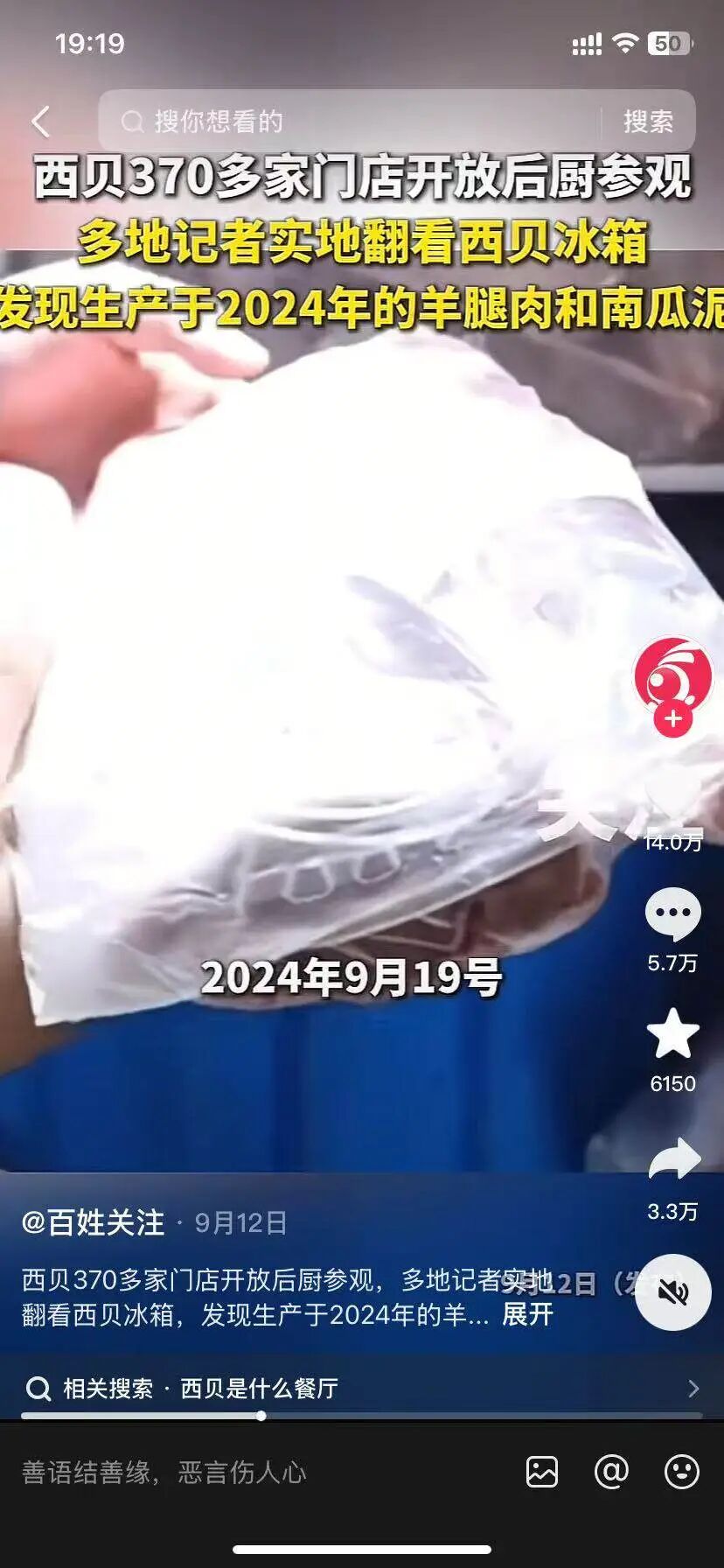
Group 1 - The core viewpoint of the article revolves around the ongoing discussion about pre-prepared meals (pre-cooked dishes) in the restaurant industry, particularly following comments made by Luo Yonghao, who emphasizes the importance of consumer awareness regarding the use of such meals in restaurants [1][2]. - Luo Yonghao categorizes pre-prepared meals into four levels, ranging from raw ingredients that require minimal processing to fully cooked meals that only need reheating, indicating a structured approach to defining these products [1]. - The recent draft of the National Standard for Food Safety regarding pre-prepared meals is set to be publicly consulted, which will require restaurants to disclose their use of such products, marking a significant regulatory development in the industry [2]. Group 2 - Despite Luo Yonghao's decision to cease aggressive actions against Xibei, the latter continues to face challenges, including rumors of internal issues related to pre-prepared products, although Xibei denies these claims [3]. - The report highlights that the trend towards industrialization in food processing is likely to continue, with companies adopting centralized kitchens and external sourcing to enhance efficiency, reflecting a broader shift in the restaurant industry [2]. - Consumer acceptance of pre-prepared meals is not universally negative, as evidenced by the continued popularity of brands like Lao Xiang Ji and KFC, which have established transparent supply chains and high standards for ingredient sourcing [2].