AI to C

Search documents
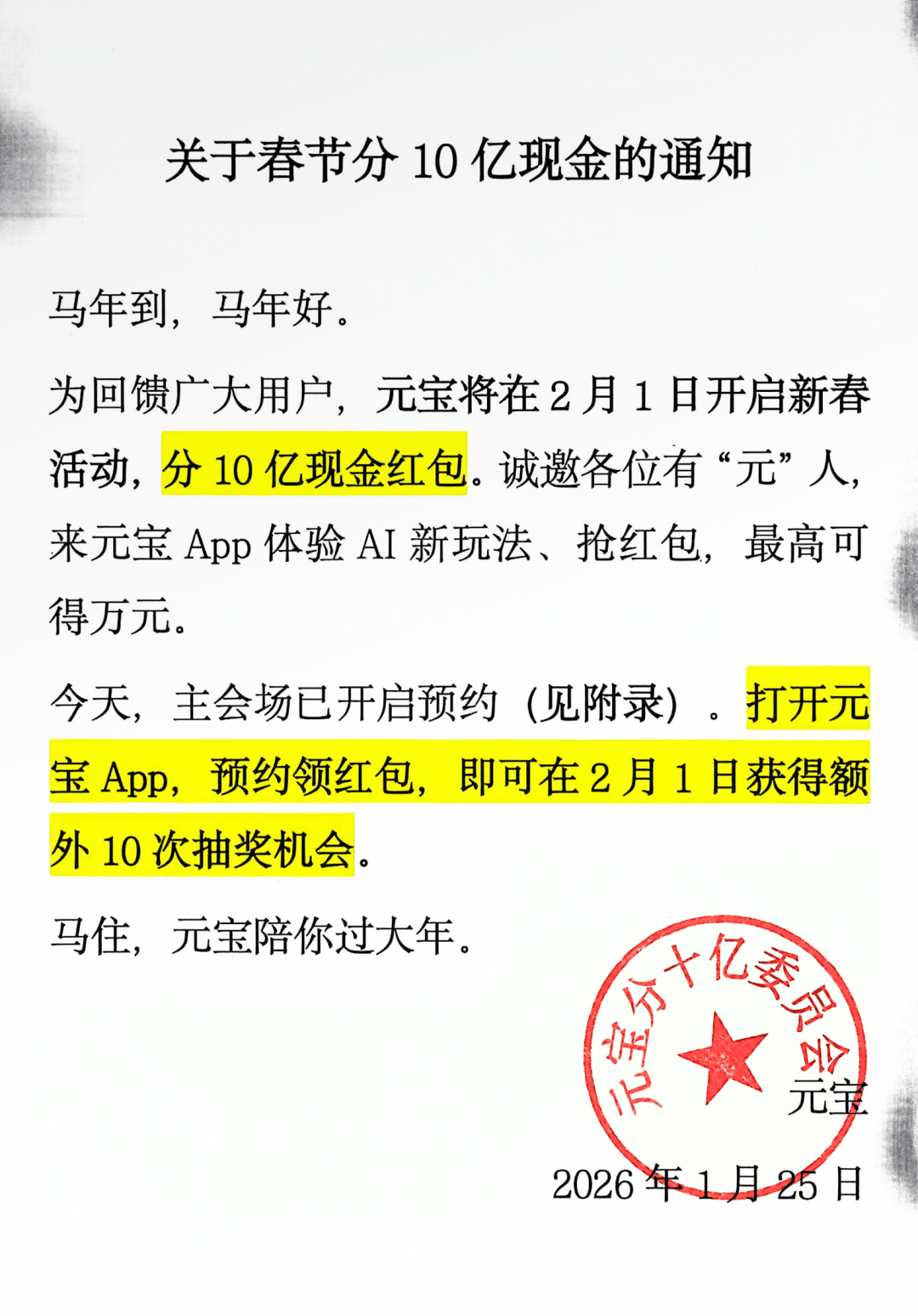
千问日活逼近,豆包为什么还敢把红包留到春晚 ?
3 6 Ke· 2026-02-12 11:13
Core Insights - The competition among major players in the AI app market has intensified with the introduction of significant cash incentives, particularly during the Chinese New Year, leading to a surge in user engagement for various applications [1][3][4]. Group 1: User Engagement and Competition - Qianwen App's daily active users (DAU) surged from under 10 million to 73.52 million, nearing Doubao's 78.71 million, indicating the effectiveness of cash incentives [1]. - Doubao announced its cash incentive plan on February 10, with the distribution set for the CCTV Spring Festival Gala on February 16, suggesting a strategic delay in response to competitive pressure [1][3]. - The introduction of the Seedance 2.0 model by ByteDance has been a game-changer, with its capabilities being compared to a cash incentive of 1 billion, showcasing the importance of technological advancements in user retention [2][5]. Group 2: Technological Advancements - ByteDance has launched multiple AI models, including Seedream 5.0 and the upcoming Doubao 2.0, indicating a robust strategy to enhance product offerings alongside cash incentives [2][5][8]. - The Seedance 2.0 model has received acclaim for its superior performance in video generation, positioning it as a leader in the AI space [5][8]. - The integration of AI hardware into the cash incentive strategy reflects a shift towards a more comprehensive approach to user engagement, combining software and hardware solutions [12][15]. Group 3: Strategic Marketing and Positioning - The current cash incentive war is not just about monetary rewards but also about leveraging AI capabilities and existing business strengths to create a competitive edge [4][22]. - Companies are exploring new marketing strategies that integrate their traditional strengths with AI advancements, as seen with Doubao's collaboration with third-party hardware manufacturers [16][18]. - The competition is evolving into a multi-faceted battle where the effectiveness of AI models and user experience will play a crucial role in long-term success [22].

元宝换了个方式发红包,腾讯的AI社交实验还在继续
3 6 Ke· 2026-02-10 05:07
Core Insights - The competition among internet giants for user engagement through red envelope distribution has intensified as the Spring Festival approaches [1] - Tencent's new red envelope feature in WeChat, triggered by sending the word "元宝," aims to facilitate user access to the Yuanbao app and cash rewards [2] - Tencent's strategy includes a significant investment of 1 billion yuan in red envelopes to replicate the success of WeChat's previous red envelope campaigns [3] Tencent's AI Social Strategy - Tencent is leveraging its social media dominance with WeChat and QQ to enhance its AI social capabilities, emphasizing the importance of AI in social interactions [5] - The Yuanbao app's new feature, Yuanbao Party, aims to create an AI-driven social environment, allowing users to engage in various social activities [6][7] - Yuanbao Party integrates AI as a structural component of social interactions, moving beyond traditional chatbots to create a more engaging user experience [9] Competitive Landscape - The competition in the AI application space has evolved from traditional red envelope battles to a focus on AI entry points, with major players like Baidu and Alibaba also investing heavily in cash rewards [3] - Tencent's Yuanbao app has quickly risen to become one of the top AI applications in China, with significant user engagement metrics [14][15] - The market is witnessing a shift towards comprehensive AI applications that integrate seamlessly into users' daily lives, with Tencent aiming to establish Yuanbao as a key player in this space [17] Future Outlook - Tencent's ongoing investment in AI and its strategic focus on user experience and product longevity are critical for maintaining competitiveness in the rapidly evolving AI landscape [19][20] - The company is building a robust AI model development framework to support its long-term AI strategy, with a focus on commercializing AI applications [23][25] - The success of Yuanbao Party could lead to deeper integration with Tencent's existing services, potentially creating a new social AI entity [25][26]


马云亲自督战,阿里猛投30亿抢入口
2 1 Shi Ji Jing Ji Bao Dao· 2026-02-08 08:34
Core Insights - Alibaba is intensifying its competition in the AI sector with a significant marketing push, including a 30 billion yuan initiative aimed at enhancing user engagement and establishing its AI application as a primary entry point for consumers [4][6][10]. Group 1: Marketing Strategy - The "Spring Festival 30 billion free meal" campaign is a major marketing effort, with a focus on high-frequency consumption scenarios such as food and entertainment [2][10]. - The campaign includes a "1 penny for milk tea" promotion, which has seen rapid user engagement, with over 1 million orders placed within three hours of launch [5][10]. - The strategy aims to create a closed-loop system for user decision-making, payment, and fulfillment through enticing offers [10][26]. Group 2: AI Application Development - Alibaba's AI assistant, Qianwen, is designed to move beyond basic suggestions to actively assist users in real-life scenarios, integrating various services seamlessly [7][9]. - The app has already demonstrated its capability to handle a full transaction process, from receiving requests to completing bookings [9][14]. - Qianwen's integration with Alibaba's ecosystem allows for a comprehensive service offering, enhancing user experience and engagement [14][18]. Group 3: Competitive Landscape - The AI market is becoming increasingly competitive, with Alibaba needing to secure user entry points to maintain relevance against rivals like Tencent [13][28]. - The company is focusing on high-frequency consumption needs to build delivery capabilities and facilitate the transition to an AI-driven future [29][30]. - Alibaba's approach is characterized by a significant investment in user acquisition and retention, indicating a long-term strategy to dominate the AI consumer market [28][29].

千问官宣:免单卡延长至2月28日,除了奶茶,还可买早餐、中餐、年货!有奶茶店被“逼到歇业”,店员:要疯了,单子根本做不完
新浪财经· 2026-02-07 08:25
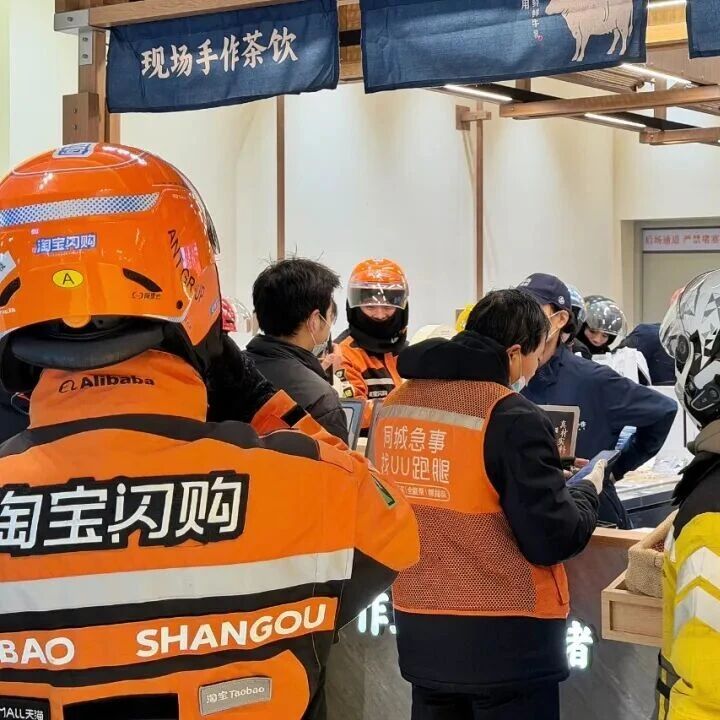
Core Viewpoint - The article discusses the significant impact of Qianwen's "30 Billion Free Order" campaign on the milk tea market, highlighting the overwhelming consumer response and the operational challenges faced by businesses due to the surge in orders [2][6][11]. Group 1: Campaign Launch and Initial Response - On February 6, Qianwen launched the "30 Billion Free Order" campaign, distributing free milk tea cards, which led to a rapid increase in order volume, surpassing 1 million orders within 9 hours [2]. - The campaign generated a massive consumer response, with order numbers reaching 1 million in just 9 hours, showcasing the effectiveness of the promotional strategy [2][6]. Group 2: Operational Challenges - Many milk tea shops experienced overwhelming order volumes, leading to staff shortages and operational strain, with some stores reporting order quantities three times higher than usual [6][9]. - The delivery system also faced significant pressure, with riders reporting that most of their orders were from the Qianwen campaign, resulting in delays and stock shortages at various outlets [11]. Group 3: Market Reaction and Industry Implications - Following the campaign launch, the stock prices of tea beverage companies surged, indicating positive market sentiment towards the sector, with notable increases in shares of companies like Gu Ming and Mi Xue [11]. - Industry experts suggest that while the campaign has driven short-term order growth, it raises concerns about the sustainability of customer retention post-campaign, highlighting the potential for "fake traffic" driven by subsidies [12][13].
大厂豪掷45亿AI红包 该如何留住用户?
Xin Lang Cai Jing· 2026-02-02 23:09
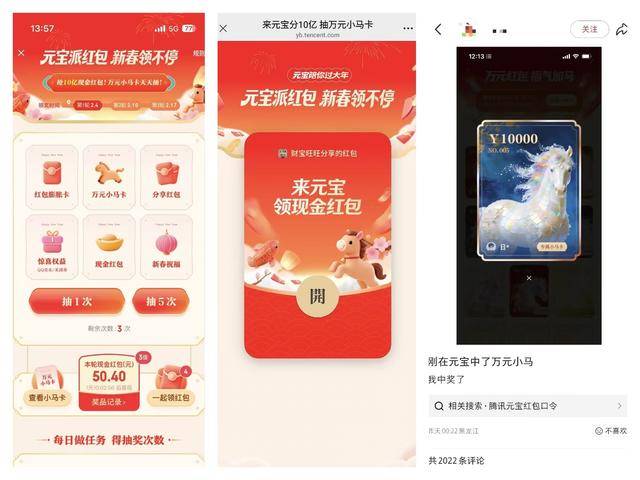
Core Insights - The competition for AI application entry points has intensified among major internet companies, with Tencent's AI application "Yuanbao" becoming a focal point in this battle as it launches a significant cash red envelope campaign during the 2026 Spring Festival [1][2][6] Group 1: Tencent's Strategy - Tencent's "Yuanbao" initiated a Spring Festival red envelope activity on February 1, distributing a total of 1 billion yuan in cash, with individual red envelopes reaching up to 10,000 yuan [1][2] - The launch of the AI social feature "Yuanbao Pai" allows users to create groups and invite friends from WeChat and QQ, enhancing user engagement through AI-driven interactions [1][2] - The design of tasks to earn more red envelope opportunities reflects a shift from simple cash incentives to a focus on educating users about AI functionalities, thereby increasing user engagement with the product [2][3] Group 2: Market Response and Competitors - As of the report, "Yuanbao" topped the free app charts in China's App Store, indicating immediate promotional success [2][3] - Other major players like Baidu and Alibaba are also launching their own red envelope campaigns, with Baidu offering 500 million yuan and Alibaba committing 3 billion yuan for its "Qianwen" app [3][4] - The competitive landscape is evolving, with companies leveraging the Spring Festival as a high-traffic period to promote their AI applications and capture user attention [3][4] Group 3: User Engagement and Growth Metrics - Data from DataEye indicates that "Yuanbao" experienced a significant increase in downloads, nearing 1 million daily downloads by mid-January 2026 [3][6] - The user base for AI applications is growing, with a reported 515 million users of generative AI in China by mid-2025, highlighting the potential market size for these applications [5][6] - Despite the initial success, challenges remain in retaining users post-campaign, as the influx may be driven by short-term incentives rather than long-term engagement [8]
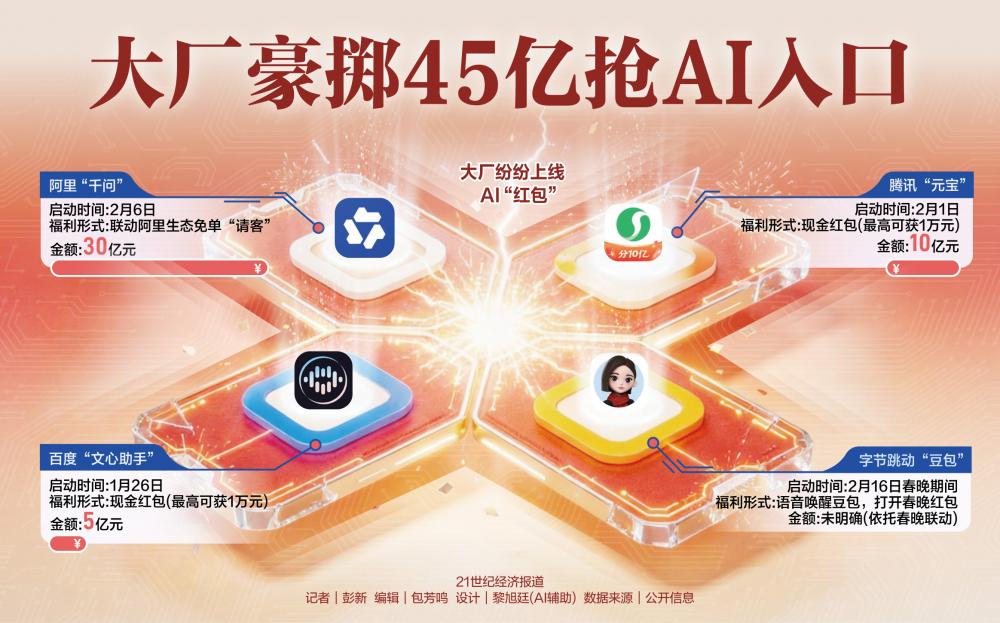
2026春节AI红包大战启幕:四大巨头撒超15亿元争夺智能时代超级入口
Sou Hu Cai Jing· 2026-02-02 09:49
Core Insights - The 2026 Spring Festival marks a significant shift in the internet industry's traditional red envelope competition, evolving into a battle for AI entry points among major players like Tencent, Baidu, ByteDance, and Alibaba, with a total cash investment exceeding 1.5 billion yuan [1][19] Group 1: Tencent's Strategy - Tencent has allocated 1 billion yuan for its "Yuanbao" red envelope campaign, which is structured in three phases from February 1 to February 17, 2026, requiring users to meet specific conditions for participation [3][17] - The campaign includes various interactive modules, such as daily login rewards, sharing links for additional chances, and a surprise "red envelope rain" event, enhancing user engagement [5][6] Group 2: Baidu's Approach - Baidu has invested 500 million yuan in its red envelope initiative, running from January 26 to March 12, 2026, featuring no withdrawal threshold and rapid cash transfer [7][19] - The campaign includes diverse interactive elements like AI-generated videos, password guessing games, and social sharing, aimed at maximizing user participation and engagement [9][10] Group 3: ByteDance's Tactics - ByteDance is leveraging its partnership with CCTV for the Spring Festival, investing 500 million yuan in dual-platform activities on Doubao App and Douyin, focusing on card collection and real-time interaction [10][12] - The campaign features various tasks and rewards, including a significant cash pool for early participants, enhancing user interaction during the live broadcast of the Spring Festival Gala [12][19] Group 4: Alibaba's Integration - Alibaba's "Qianwen" initiative integrates AI with its traditional "Jiwu" campaign, allowing users to generate personalized blessings and participate in various interactive tasks across its ecosystem [13][16] - The campaign emphasizes AI-driven functionalities that enhance user experience in shopping and travel planning, aiming to create a seamless interaction between AI and consumer activities [16][19] Group 5: Industry Trends - The competition among these tech giants signifies a transition from mere traffic acquisition to a focus on user engagement and AI integration, marking a pivotal moment in the AI-to-C consumer landscape [17][19] - Experts suggest that this red envelope battle could serve as a watershed moment for C-end AI applications, potentially reshaping user perceptions and acceptance of AI technologies in everyday scenarios [19][20]

阿里巴巴跌超4%,千问狂撒30亿红包请客
2 1 Shi Ji Jing Ji Bao Dao· 2026-02-02 07:21
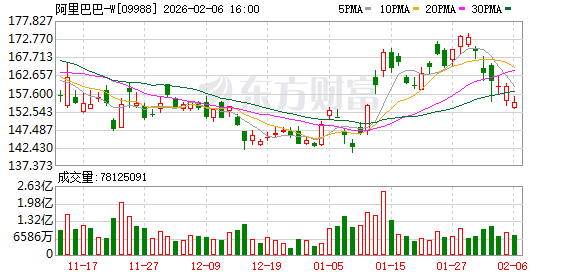
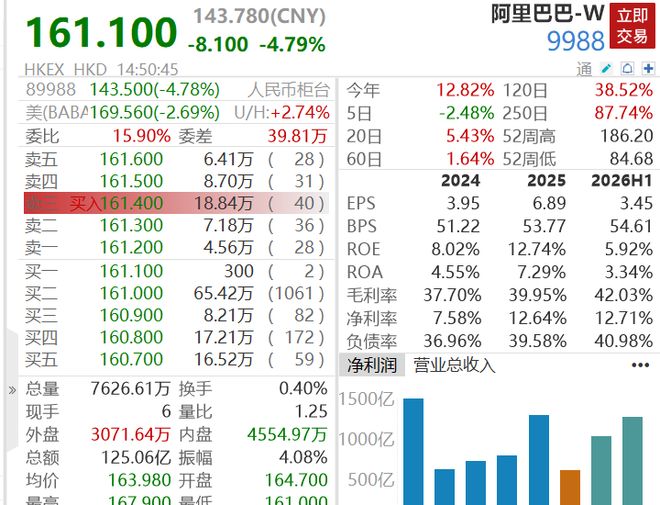
Group 1 - Alibaba's Qianwen APP has launched a "Spring Festival Treat Plan" with an investment of 3 billion, officially starting on February 6, aiming to provide free food and entertainment to the public during the Spring Festival [1] - Qianwen will collaborate with various Alibaba ecosystem businesses such as Taobao, Fliggy, and Alipay to offer free experiences [1] - Concurrently, Qianwen has announced sponsorship of the Jiangsu Satellite TV Spring Festival Gala [1] Group 2 - As of the report, Alibaba's stock price in Hong Kong is 161.100 HKD, reflecting a decline of 4.79% [2][3] - The stock has seen a significant drop, with a decrease of 8.100 HKD [3] Group 3 - Tencent's AI application "Yuanbao" has initiated a Spring Festival red envelope activity with a total of 1 billion cash to attract users [6][10] - The red envelope activity aims to enhance user engagement and promote the AI product's features through various tasks [9] - The competition among major tech companies for user acquisition during the Spring Festival has intensified, with multiple companies launching similar promotional activities [12][14] Group 4 - The AI application landscape is evolving, with companies like Alibaba and Tencent vying for dominance in the consumer-facing AI market [15] - Alibaba's Qianwen has achieved over 30 million monthly active users, setting a record for AI application growth [15] - The Spring Festival promotional activities are expected to significantly boost the user base and engagement for AI applications [15][16]
阿里巴巴跌超4%,千问狂撒30亿红包请客
21世纪经济报道· 2026-02-02 07:11
Group 1 - Alibaba's Qianwen APP launched a "Spring Festival Treat Plan" with an investment of 3 billion, allowing users to enjoy free food and entertainment during the holiday [1] - Tencent's AI application "Yuanbao" initiated a Spring Festival red envelope activity with a total of 1 billion cash to attract users, marking a significant promotional effort [2][4] - The competition among major tech companies for user engagement during the Spring Festival is intensifying, with Baidu and ByteDance also announcing similar promotional activities [6][10] Group 2 - The red envelope activities are reminiscent of the 2015 mobile payment boom, which significantly increased user engagement and solidified the market position of major payment platforms [8] - Yuanbao's promotional strategy combines cash incentives with social interaction, aiming to replicate the success of WeChat's red envelope model [9] - The rapid growth of AI applications is evident, with Qianwen achieving over 30 million monthly active users, indicating a strong market presence [10][11]

文库、网盘业务重组,百度剑指AI to C话语权
3 6 Ke· 2026-01-30 12:03
Core Insights - The article discusses Baidu's strategic reorganization of its document and cloud storage services, merging Baidu Wenku (document library) and Baidu Wangpan (cloud storage) into a new Personal Super Intelligent Group (PSIG) to enhance AI capabilities and create a synergistic effect in the consumer AI market [1][4][11] Group 1: Business Reorganization - Baidu has restructured its document and cloud storage services, creating a new business unit called PSIG, led by Vice President Wang Ying, reporting directly to CEO Li Yanhong [4][10] - The merger of Wenku and Wangpan is seen as a natural progression after both services demonstrated their potential as AI applications and their commercial viability [1][5] - The integration aims to leverage the strengths of both products, combining Wenku's content creation capabilities with Wangpan's asset management features to support Baidu's AI initiatives [1][10] Group 2: AI Integration and Development - The integration of Wenku and Wangpan is part of Baidu's broader strategy to embed AI deeply into its business operations, aiming to create a super AI application entry point [2][11] - Both services have undergone significant AI enhancements, with Wenku evolving from a content tool to a productivity tool, while Wangpan has transitioned from a storage solution to an AI content service platform [8][13] - The launch of new features like the Free Canvas and GenFlow 3.0 demonstrates the companies' commitment to creating a seamless user experience that connects public and private data [14][16] Group 3: Market Position and Financial Performance - Baidu's AI applications, including Wenku and Wangpan, generated 2.6 billion yuan in revenue in Q3 2025, reflecting a growth rate of over 50% year-on-year [18][19] - The combined monthly active users of Wenku and Wangpan approach 300 million, indicating a strong user base that is engaged in specific learning and work tasks [18][19] - The integration is expected to enhance user retention and willingness to pay, with Wenku's daily active users increasing by 230% and its paid user rate rising by 60% after AI features were introduced [17][19][22] Group 4: Strategic Implications - The establishment of PSIG represents Baidu's strategic move to create a unique AI-driven subscription model, focusing on enhancing product capabilities and user experience to drive long-term revenue [23][24] - The competitive landscape for AI applications is intensifying, with Baidu's restructuring seen as a critical step in securing a new super entry point in the AI era [24] - Baidu's approach emphasizes the importance of creating a self-reinforcing data ecosystem, where increased user engagement leads to better data generation and AI model optimization [22]

腾讯10亿现金押注元宝,能否复制微信红包神话?
Sou Hu Cai Jing· 2026-01-28 07:31
Core Viewpoint - Tencent is launching a new Spring Festival red envelope activity through its AI application Yuanbao, offering up to 1 billion yuan in cash to users, aiming to replicate the success of the WeChat red envelope phenomenon from 2015 [1][2][5] Group 1: Yuanbao's Red Envelope Strategy - The 1 billion yuan cash red envelope initiative is expected to positively impact user growth and engagement for Yuanbao, although replicating the past success of WeChat's red envelope remains uncertain [5] - The original WeChat red envelope's success was closely tied to the cultural significance of the Spring Festival, which included elements of surprise and gamification, aspects that Yuanbao may lack [5][10] - Yuanbao is introducing a new feature called "Yuanbao Club," which aims to enhance social interaction within the app, reflecting Tencent's strategy to leverage social elements to boost Yuanbao's appeal [7][12] Group 2: Competitive Landscape in AI - The AI application market is becoming increasingly competitive, with other major players like Baidu and ByteDance also launching significant cash red envelope campaigns to attract users [16][18] - Baidu has announced a 500 million yuan red envelope initiative, while ByteDance is investing heavily in its AI offerings, indicating a fierce battle for user acquisition in the AI sector [16][18] - Tencent's Yuanbao is currently lagging behind competitors in terms of user engagement, with a significant gap in monthly active users compared to leading AI applications [18][21] Group 3: Investment and Resource Allocation - Since 2025, Tencent has heavily invested in Yuanbao, with cumulative spending nearing 6 billion yuan by July 2025, and it continues to integrate Yuanbao into its extensive ecosystem of applications [22][25] - Despite substantial investment and resource allocation, Yuanbao has not achieved the rapid growth seen by competitors, raising questions about its product differentiation and market strategy [26][30] - The product's reliance on DeepSeek for its AI capabilities has led to a lack of brand independence, which may hinder user loyalty and retention [28][29]