人民币国际化

Search documents
玉渊谭天:哪些人民币资产值得持有
Sou Hu Cai Jing· 2026-02-16 03:28
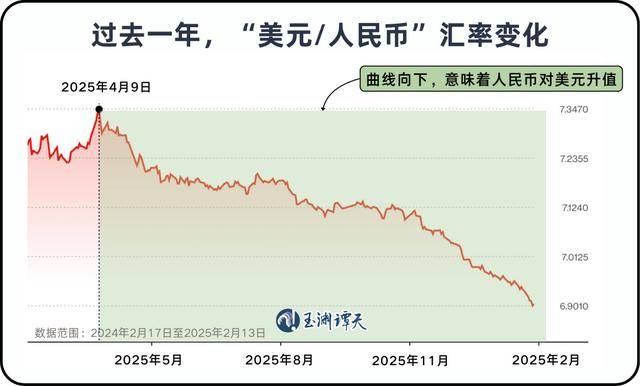
Core Viewpoint - The recent appreciation of the Renminbi (RMB) has reached its highest level in 33 months, indicating a shift in market sentiment towards Chinese assets, moving from "whether to allocate RMB assets" to "which Chinese assets are worth holding" [1][3]. Group 1: Market Sentiment and RMB Positioning - The market's tone towards China has changed, with international institutions now discussing which Chinese assets to hold rather than whether to invest in RMB assets [1][3]. - The RMB is transitioning from a transactional currency to an asset currency, with approximately 30% of China's goods trade and over half of its cross-border transactions now settled in RMB [1][12]. Group 2: External Environment and USD Weakness - The depreciation of the USD index since 2025, influenced by the Federal Reserve's interest rate cuts and rising fiscal deficits, has created favorable conditions for the RMB to strengthen [4][5]. - The RMB's appreciation coincided with the escalation of US-China trade tensions, where China's firm response shifted market expectations from doubt to trust in the Chinese economy [7][8]. Group 3: Factors Supporting RMB Appreciation - Several factors support the RMB's appreciation: macroeconomic policies have been prepared for external shocks, the lagging effect of exchange rate transmission, and enhanced industrial competitiveness [9][10][11]. - The demand for RMB is increasing, particularly in cross-border trade settlements, with significant growth in RMB usage in trade with ASEAN and African countries [16][19]. Group 4: RMB as an Investment Asset - The total value of RMB assets held by foreign investors reached 10.42 trillion yuan by the end of Q3 2025, marking a nearly 43-month high, with foreign holdings of Chinese stocks exceeding 3.5 trillion yuan [19]. - The issuance of RMB-denominated bonds, such as "dim sum bonds" and "panda bonds," is increasing, indicating a broader acceptance of RMB in international financing [20][23]. Group 5: Future Outlook - The RMB is increasingly viewed as a currency that can be traded, allocated, and financed, reflecting a significant shift in its international status [25].


中国减持美债引关注,外资资金流向变化,FDI数据揭示新趋势
Sou Hu Cai Jing· 2026-02-16 02:43
咱们先聊聊这美债。 中国减持美债这事儿,早就不是什么新鲜新闻了,老话讲"未雨绸缪",这其实是一场持续了十来年的战略调整。 回过头看,咱们持有美债的巅峰是在2013年,那时候手里的美债那叫一个阔绰,在那之后虽然有过起伏,但整体趋势就是四个字:且卖且走。 到了去年,这个数额更是跌破了7000亿美元的大关。 与此同时,日本和英国倒是反其道而行之,日本的持仓已经奔着1.2万亿美元去了,快赶上咱们当年的最高点,英国也成了美债的第二大海外"债主"。 这就很有意思了,大家都在同一个地球村里住着,有人在拼命存,有人在加速取,这说明大家对风险的嗅觉和资产的配置逻辑完全不在一个频道上。 对于咱们来说,抛售美债并不是心血来潮,更不是为了斗气。 随着咱们在国际贸易里越来越多地直接用人民币结算,手里其实并不需要囤积那么多美元来应急。 再加上现在美债的信用和风险确实让人心里打鼓,与其把鸡蛋都放在一个随时可能漏底的篮子里,不如优化一下储备资产。 这就好比以前咱们习惯往存折里存钱,现在发现买点实物资产或者换种货币更稳妥,这是理财观念的升级。 再说说外资减持人民币债券这事儿。 2025年底,外资机构手里的中国银行间债券跌到了3.46万亿元,比 ...

玉渊谭天:新春伊始,如何看待人民币升值?
Sou Hu Cai Jing· 2026-02-16 01:49
Core Viewpoint - The recent appreciation of the Renminbi (RMB) against the US dollar, surpassing the 6.9 mark, reflects a significant shift in market sentiment towards Chinese assets, moving from skepticism to interest in holding RMB-denominated investments [1][2]. Group 1: RMB Exchange Rate Dynamics - The RMB has reached its highest level in 33 months, with fluctuations in exchange rates being a normal occurrence [1]. - The depreciation of the US dollar, influenced by the Federal Reserve's interest rate cuts and increasing fiscal deficits, has created a favorable environment for the RMB to strengthen [2][3]. - A notable turning point for the RMB occurred on April 9, 2025, coinciding with the escalation of US-China trade tensions, which unexpectedly led to a reversal in the RMB's previous weak trend [4][5][7]. Group 2: Market Sentiment and Economic Factors - The market's perception of the Chinese economy has shifted positively, with international confidence increasing following China's decisive response to US tariffs [7][8]. - Several factors support the RMB's appreciation, including proactive macroeconomic policies, the inherent lag in exchange rate transmission, and the strengthening of China's industrial competitiveness [8][9]. Group 3: International Demand for RMB - The demand for RMB is expanding beyond trade settlements to include asset investments, with a significant increase in the use of RMB for cross-border transactions [10][12]. - By 2025, approximately 30% of China's trade and over half of its cross-border transactions are conducted in RMB, a substantial increase from nearly zero 15 years ago [12]. - The RMB's role in international finance is evolving, with more foreign investors increasing their holdings of RMB-denominated assets, reaching a record high of 10.42 trillion yuan by the third quarter of 2025 [17][19]. Group 4: Future Outlook - The RMB is increasingly viewed as a currency for trading, investment, and financing, indicating a shift in its international status [20]. - As the global economic landscape changes, the RMB's position as a reserve currency is also improving, with more countries considering it as part of their diversified reserve assets [19][21].
大量抛售,中国现有美国国债只剩6826亿美元,美债光环逐渐消失
Sou Hu Cai Jing· 2026-02-15 18:23
Group 1 - The global financial landscape is changing, with a monetary game emerging where gold is seen as a "spear" and U.S. Treasuries as a "shield," indicating a loss of confidence in the dollar's dominance and providing a historical opportunity for the rise of the renminbi [1] - In 2025, global central banks collectively increased their gold reserves, with a total net increase of 328 tons, led by Poland, which added 102 tons, while China increased its gold holdings by approximately 27 tons over 12 months [3] - Concurrently, there is a trend of selling U.S. Treasuries, with China's holdings dropping to $688.7 billion from a peak of $1.3 trillion in 2013, indicating a nearly 50% reduction in a decade [3][5] Group 2 - Other countries are also reducing their U.S. Treasury holdings, with Canada selling $56.7 billion and Norway reducing by $22.2 billion in October, while India has been selling for five consecutive months, including a $12 billion reduction in October [5] - The decline in confidence towards U.S. Treasuries is attributed to the rising U.S. national debt, which reached $38.56 trillion by February 2026, with interest payments projected to exceed $1 trillion in the 2026 fiscal year [7] - The U.S. debt-to-GDP ratio is increasing, raising concerns about the U.S. government's ability to repay its debts, leading to fears that the Federal Reserve may resort to excessive money printing, effectively imposing an "inflation tax" on dollar asset holders [9] Group 3 - Trust issues stemming from the Trump administration's policies have contributed to the sell-off of U.S. Treasuries, as allies felt uncertain about U.S. commitments and faced pressure for increased military spending [10] - The U.S. has weaponized the dollar through sanctions, causing countries to reconsider the safety of holding assets in the U.S., as seen with the freezing of accounts like that of the Colombian president [12] - Concerns over asset safety have become a primary driver for central banks to adjust their foreign exchange reserves, leading to a "gold rush" and a sell-off of U.S. Treasuries, as countries prepare for a potential multipolar currency system [14]
美国逼急了中国也逼反了中国,美国将自食其果
Sou Hu Cai Jing· 2026-02-15 15:12
美国关税层层加码 2025年刚开头,美国就对所有中国来的货加了10%的关税,说是为了管芬太尼。没过多久,三月又提到 20%。四月那会儿,关税一路往上冲,最高时候叠加到一百多点。 中国这边也跟进,加到八十多。双方这么你来我往,搞得全球供应链都跟着晃。说白了,美国觉得中国 发展太快,就想用关税这根棍子把人摁住。 中国这些年一直老老实实做生意,从没主动找事儿,八十年代以后没打过仗,联合国会费按时交,还派 最多维和人员出去帮忙。跟一百四十多个国家是最大贸易伙伴,大家平等来往,互利互惠。可美国看不 惯,就一步步加压,想把中国日子往回拉。 中国反制稳步推进 压力来了,中国也没躲。五月开始,直接停了美国大豆进口。以前美国大豆占中国进口不少份额,结果 那几个月中国港口几乎看不到美国船,货全转到巴西和阿根廷那边。东北和华北农民趁机多种大豆,国 内供应慢慢补上。 军工企业那边,好几百家被列入黑名单。武器出口适当放宽,海外基地建设也在稳步走。这些动作连成 一串,不是一时冲动,而是步步回应。 格局转变美国受损 这么一来,美国国内感受最明显。关税层层加,物价跟着涨,普通家庭一年多掏一千多美元。农民大豆 卖不出去,仓库堆满,价格往下掉。 ...

人民币只在中国叫“人民币”,出国就变了称呼?这叫法确实高大上
Sou Hu Cai Jing· 2026-02-15 12:43
经济发展离不开贸易,贸易往来又必须靠货币完成结算。不同国家有各自的货币,跨国交易时,大家都会优先选稳定性更强的 货币。过去很长时间里,美元是全球贸易的主要结算货币,如今这个格局正在慢慢向人民币倾斜。 今天不聊人民币的国际化进程,只说一个很多人不知道的细节。人民币在国内叫这个名字,走出国门之后,官方叫法完全不一 样,听起来也更正式。 平时生活里,大家经常看到 RMB 的标识,都以为这是人民币在国际上的叫法。其实 RMB 只是汉语拼音首字母缩写,只在国 内日常使用,并不符合国际标准。 国内把货币叫做人民币,核心原因很简单。我们是人民当家作主的国家,国家的经济和财富都由人民创造,货币名称自然要体 现这一点。 而国际上使用 CNY,是为了适配全球贸易的统一规则。CNY 简洁通用,能让各国更方便地完成跨境结算与经济合作,是融入 国际体系的必要选择。 这些年中国经济稳步发展,GDP 总量稳居世界第二,还是全球最大的消费市场。庞大的市场体量,让越来越多国家愿意和我 们深化经济合作。 人民币真正的国际通用缩写是CNY,这才是全球金融和贸易里认可的官方名称。CNY 有两层意思,一层是 China Yuan,代表 中国的法定货币 ...
债券翻译:跨越金融与法律的语言桥梁
Sou Hu Cai Jing· 2026-02-15 06:18
债券市场作为全球金融体系的重要组成部分,其专业文献的翻译工作承载着独特的知识传递功能。这类翻译不仅要求语言层面的精准转换,更需要实现金融 概念、法律条款与市场规则的多维对接。在跨境投资、风险管理和金融监管等领域,债券翻译的质量直接影响着市场参与者的决策效率与风险控制能力。 债券领域的翻译具有三个显著特征。首先是术语体系的复杂性,例如可转换债券与可交换债券虽仅一字之差,但对应的权利结构和标的资产存在本质区别。 永续债券与次级债券等特殊品种的翻译,更需要准确传达其偿付顺序和期限特性。其次是法律文本的严谨性,债券发行说明书中的承诺条款、违约事件定 义、交叉违约条款等内容,既需要保持法律效力的一致性,又要符合目标语言的司法实践表达习惯。最后是市场惯例的差异性,不同金融市场对债券期限的 划分标准、收益率计算方式、信用评级对应关系等存在细微但重要的区别,这要求译者具备跨市场知识储备。 在实践层面,债券翻译需要特别注意三个维度。概念维度上,应确保票面利率、到期收益率、久期等专业概念在目标语言中具有明确的对应关系,避免因文 化差异导致理解偏差。格式维度上,债券发行文件中的财务报表、风险因素列表、法律声明等模块需要保持原有文本 ...

中国银行协助沙特发行115亿美元主权债,创下主权融资纪录!
Sou Hu Cai Jing· 2026-02-15 05:57
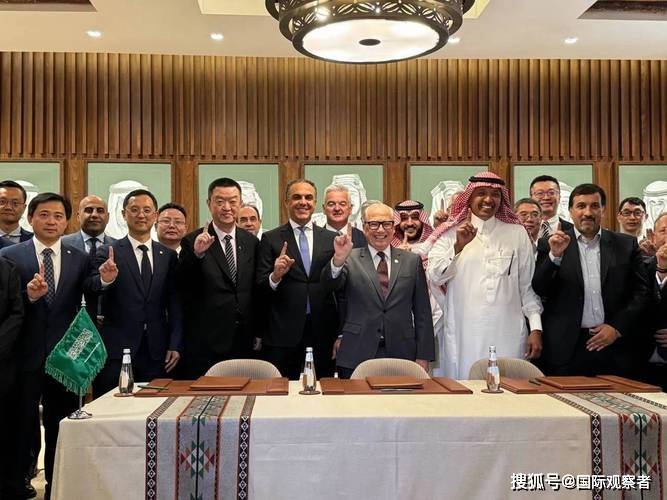
Core Insights - The issuance of $11.5 billion sovereign bonds by Saudi Arabia marks a significant milestone in the Gulf capital market, being the first sovereign financing exceeding $10 billion in the region this year [1] - Bank of China (BOC) played a pivotal role as the sole Chinese joint lead underwriter and bookrunner, showcasing its capabilities alongside top international investment banks [1][3] - The bond issuance attracted peak orders of $28.8 billion, with an oversubscription rate of over 2.5 times, indicating strong demand from investors, particularly from Asia [1][3] Group 1 - The issuance is a testament to the trust and partnership between China and Saudi Arabia, reflecting the deepening financial ties under the Belt and Road Initiative [5] - BOC's involvement in this issuance is not an isolated event; it has participated in Saudi sovereign bond issuances five times since 2016, establishing itself as a trusted partner in the region [3] - The bond structure caters to various investor needs, balancing short, medium, and long-term demands, which is crucial in a volatile global market [3] Group 2 - This collaboration signifies a shift for Chinese financial institutions from mere participants to rule-makers and price leaders in the international sovereign financing market [5] - The successful issuance enhances the internationalization of the Renminbi and elevates Asia's financial influence, opening new avenues for investment [5] - The achievement is not just a financial transaction but a symbol of the growing economic partnership between China and Saudi Arabia, contributing to global financial stability and multilateral cooperation [5]

2300吨黄金刚回国,金价就暴跌!美财长甩锅中国,中国瓦解美元霸权
Sou Hu Cai Jing· 2026-02-15 05:17
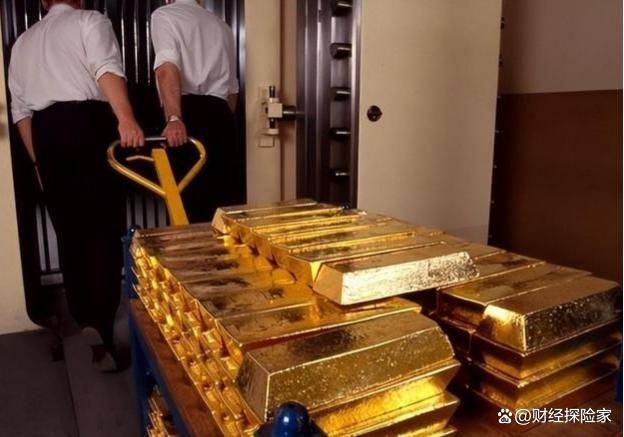
Core Viewpoint - The article discusses the dramatic fluctuations in international gold prices in early 2026, attributing the volatility to various factors including U.S. monetary policy changes and algorithmic trading, while highlighting the geopolitical implications of these events, particularly regarding U.S.-China relations [1][3][6]. Group 1: Market Events - On January 29, 2026, gold prices surged to a record high of $5,598.75 per ounce, creating a euphoric market atmosphere [3]. - The following day, gold prices plummeted over 12%, dropping to a low of $4,682, marking the largest single-day decline in a decade and the most severe since 1983 [3][5]. - The catalyst for this decline was the nomination of Kevin Walsh, a hawkish figure, as the next Federal Reserve Chair, which extinguished market hopes for interest rate cuts [3][5]. Group 2: Algorithmic Trading Impact - The drop below the psychological threshold of $5,000 triggered algorithmic trading programs across hedge funds, leading to a massive sell-off of $38 billion in gold within 28 minutes [5]. - The Chicago Mercantile Exchange raised margin requirements from 6% to 8% on January 30, exacerbating the situation for leveraged traders and resulting in widespread account liquidations [5][6]. Group 3: U.S.-China Relations - U.S. Treasury Secretary Scott Benset attributed the market turmoil to "disorderly trading" in China, a claim that was met with skepticism given the timing of margin adjustments by the Chicago exchange [6][8]. - Benset's narrative shifted from blaming China to emphasizing a stable U.S.-China relationship, reflecting underlying U.S. anxieties about its financial stability and the credibility of the dollar [8]. Group 4: U.S. Debt and Dollar Credibility - As of early 2026, U.S. federal debt exceeded $38 trillion, with annual net interest payments around $1.1 trillion, raising concerns about fiscal sustainability [8][9]. - The trust in the dollar has been eroded, particularly after the U.S. froze Russian reserves, signaling that dollar assets could be politically weaponized [9]. Group 5: Global Gold Reserves - By Q3 2025, the dollar's share in global allocated foreign exchange reserves fell to 56.92%, the lowest since 1995, while central banks' gold holdings surpassed U.S. Treasury holdings for the first time since 1996 [11]. - China's central bank increased its gold reserves to 7.419 million ounces (approximately 2307 tons) by the end of January 2026, marking a strategic shift towards gold accumulation [11][12]. Group 6: Strategic Implications for China - China's gold accumulation serves as a financial safety net amid geopolitical tensions and aims to bolster the internationalization of the yuan [15]. - The global trend of central banks increasing gold reserves reflects a collective move to reduce reliance on a single currency system and enhance financial resilience [15][16].
中国进口俄黄金激增800%!俄却在大举抛售,这背后到底藏着什么秘密?
Sou Hu Cai Jing· 2026-02-15 05:17
Core Insights - In 2025, China's gold purchases from Russia reached $3.29 billion, weighing 25.3 tons, marking an unprecedented transfer of physical assets between the two nations [1] - This transaction is not merely opportunistic; it reflects a financial response mechanism and a strategic reserve adjustment due to Western sanctions against Russia [1][3] - Russia's gold sales are driven by the need for liquidity, as Western sanctions have frozen its foreign reserves and restricted access to international markets [1][3] Group 1: Transaction Dynamics - Russia sells gold to China, receiving payment in RMB, which it then uses to acquire essential goods that the West does not supply [1][7] - The transaction avoids the dollar and SWIFT, creating a closed-loop system that allows both countries to bypass traditional financial systems [1][8] - Gold serves as a "payment medium," facilitating trade between two economies that are wary of the mainstream financial system [1][9] Group 2: Strategic Implications for China - China's gold accumulation is part of a long-term strategy to enhance its financial security and support the internationalization of the RMB [3][19] - As of January 2026, China's official gold reserves are projected to reach 74.19 million ounces, although gold still constitutes only 9.7% of its total foreign reserves, significantly lower than the global average [1][3] - The increase in gold reserves is a strategic choice to mitigate systemic risks and enhance trust in the RMB amid geopolitical tensions [3][19] Group 3: Broader Economic Context - The transaction highlights a shift away from dollar dominance in international trade, as countries seek alternatives to avoid U.S. financial sanctions [3][12] - The model of using gold as a value anchor for currency transactions could attract other nations facing similar sanctions, potentially leading to a new parallel settlement system [10][12] - The ongoing geopolitical tensions and the weaponization of finance by the U.S. have prompted countries to explore non-dollar trading options, with gold emerging as a viable alternative [5][12] Group 4: Future Outlook - The trend of using gold in international transactions is expected to grow, with potential participation from other countries looking for reliable trading methods [25][26] - The current dynamics suggest a gradual erosion of the dollar's absolute dominance, as more transactions seek paths outside of traditional financial systems [12][21] - The significance of this gold transaction lies not in the quantity but in the establishment of a new trading paradigm that could reshape global economic interactions [21][27]