人民币汇率升值

Search documents
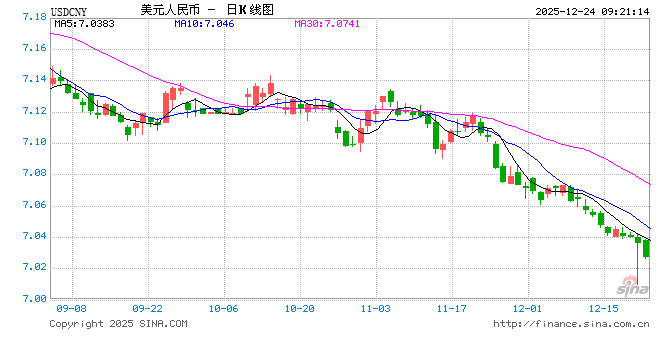
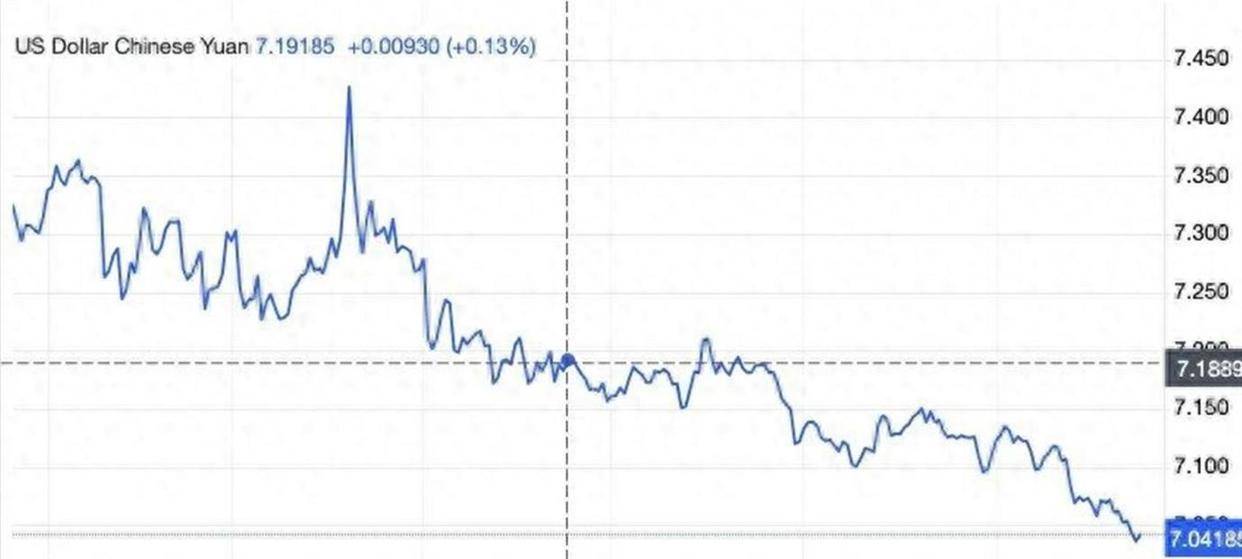
人民币汇率破“7”在望,内外因素共振,全球汇市格局重构
Bei Jing Shang Bao· 2025-12-24 12:14
Core Viewpoint - The Chinese Yuan (RMB) has entered a strong appreciation phase against the US Dollar, with significant increases in the exchange rate observed, particularly around the year-end period, driven by both external and internal factors [1][4][5]. Exchange Rate Performance - On December 24, the RMB central parity rate was significantly raised by 52 basis points to 7.0471, marking the highest level since September 30, 2024 [3][4]. - The onshore and offshore RMB exchange rates continued to appreciate, with the offshore rate reaching a high of 7.0013, just shy of the critical "7" level [1][3]. - Since November 21, the RMB has appreciated from around 7.11, with a cumulative increase of over 1200 basis points since mid-October [4][5]. Market Drivers - The weakening of the US Dollar Index has created a favorable external environment for RMB appreciation, while the resilience and attractiveness of the Chinese economy provide solid fundamental support [4][5]. - The market anticipates that the RMB may break the "7" level in the short term, but whether it can maintain this level remains to be seen, with potential for increased volatility in the exchange market [1][11]. Economic Context - The RMB's recent strength is attributed to a combination of reduced external pressures, enhanced internal economic resilience, and seasonal demand for currency exchange as the year-end approaches [5][6]. - China's trade surplus exceeded $1 trillion for the first time in the first eleven months of 2025, contributing to the demand for RMB [5]. Corporate Responses - Over 30 A-share companies have announced plans to engage in foreign exchange hedging to mitigate risks associated with currency fluctuations, indicating a proactive approach to managing exchange rate impacts [7]. - Companies like Huabang Health are implementing forward foreign exchange contracts to stabilize profits against currency volatility [7]. Investment Implications - The appreciation of the RMB is expected to attract foreign investment, benefiting both the stock and bond markets, as RMB-denominated assets become more appealing [8][9]. - Investors are advised to consider the dual benefits of asset appreciation and currency gains, particularly for foreign institutional investors [8]. Regulatory Environment - The central government has reiterated its commitment to maintaining the RMB exchange rate at a reasonable and balanced level, aiming to prevent excessive fluctuations and ensure stability [10][11]. - The recent central economic work conference emphasized the importance of aligning the RMB exchange rate with economic fundamentals to avoid unilateral trends [10].


人民币兑美元中间价报7.0471,上调52点 升值至2024年9月30日以来最高!人民币汇率升值势头望延续
Xin Lang Cai Jing· 2025-12-24 01:21
Core Viewpoint - The Chinese yuan is experiencing a strengthening trend against the US dollar, with expectations for continued appreciation due to seasonal factors and a weakening US dollar index [4][5][12]. Group 1: Yuan Exchange Rate Trends - On December 24, the yuan's central parity against the US dollar was reported at 7.0471, an increase of 52 points, marking the highest level since September 30, 2024 [8]. - Analysts predict that the yuan may continue to run strong within the year, although the exchange rate may struggle to break the 7.0 mark [4][11]. - The seasonal demand for currency settlement at year-end is expected to support the yuan's strength, with a possibility of a temporary breakthrough above 7.0 [4][11]. Group 2: Influencing Factors - The anticipated interest rate cuts by the Federal Reserve have been largely priced in, and the actual performance of US economic data will be crucial in determining the dollar index's trajectory [4][11]. - The current low level of the yuan's effective exchange rate and the strength of China's manufacturing sector are seen as supportive factors for a moderate appreciation of the yuan [4][11]. - The release of accumulated settlement demand is likely to accelerate the yuan's appreciation in the near term [5][12]. Group 3: Federal Reserve Outlook - According to CME's "FedWatch," the probability of the Federal Reserve maintaining interest rates in January is 86.7%, while the probability of a 25 basis point cut is 13.3% [6][13]. - By March, the cumulative probability of a 25 basis point cut is 40.7%, with a 54.4% chance of maintaining rates [6][13].
贵金属“高速飙车“,背后支撑力是什么?
Hu Xiu· 2025-12-23 10:52
Group 1 - The core focus of the article is on the significant rise in precious metals, particularly gold and silver, and the underlying factors driving this trend [1][3]. - Gold prices have surged, breaking the $4500 per ounce mark, while silver has seen a nearly 10% increase over the past month, reaching a historic high of $70 per ounce [3]. - A peculiar event occurred in the domestic market where a silver futures investment fund experienced a premium rate exceeding 50%, indicating extreme market sentiment and potential risks for investors [3][4]. Group 2 - The support for the precious metals surge is attributed to the declining US dollar index, which is approaching the 98 mark, leading to an increase in the value of dollar-denominated assets like gold and silver [4]. - The rapid appreciation of the Chinese yuan, which has risen to 7.01, is also noted as a contributing factor, as it challenges the 7 mark [4].
A股震荡上涨 人民币汇率升破7.02!液冷服务器概念股活跃
Zhong Guo Ji Jin Bao· 2025-12-23 08:29
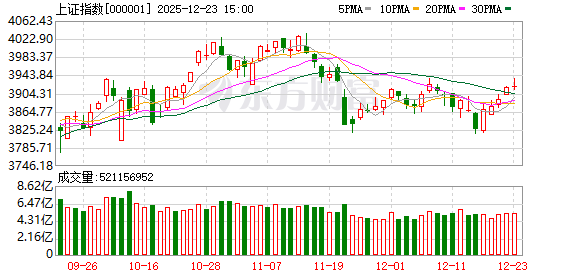
Market Overview - The market experienced a slight increase with the three major indices rising: Shanghai Composite Index up 0.07%, Shenzhen Component Index up 0.27%, and ChiNext Index up 0.41% [1] - A total of 1,512 stocks rose while 3,856 stocks fell, indicating a mixed market sentiment [1][3] Stock Performance - The lithium battery industry saw significant gains, with companies like Tianji Co. and Duofluo reaching their daily limit [4] - Notable stocks in the lithium sector included Huazi Technology (+12.80%), Huasheng Lithium (+11.81%), Duofluo (+10.02%), and Tianji Co. (+10.00%) [5] - The Hainan sector continued its strong performance, with Hainan Development and Hainan Airlines achieving three consecutive limit-ups [6] Active Concepts - Liquid cooling server concept stocks were active, with Chuanrun Co. and Yingweike hitting their daily limit [7] - Conversely, commercial aerospace concept stocks faced declines, with Shunhao Co. hitting the limit down and others like Jiuzhiyang and Tianyin Machinery dropping over 10% [8] Currency Movement - The offshore RMB against the USD broke the 7.02 mark, reaching a 14-month high [9] - Citic Securities noted that the weakening of the USD and the central bank's middle price guidance contributed to the RMB's appreciation, with expectations for a strong performance in the near term [10][11]
人民币,重大突发!
Zhong Guo Ji Jin Bao· 2025-12-23 08:28
市场共1512只个股上涨,68只个股涨停,3856只个股下跌。 | 880005 张跌家数 | | | | --- | --- | --- | | 日中 | 涨停 | 58 | | 涨幅 | > 7% | 100 | | 涨幅 | 5-7% | 78 | | 涨幅 | 3-5% | 153 | | 涨幅 | 0-3% | 1181 | | 跌幅 | 0-3% | 3373 | | 跌幅 | 3-5% | 330 | | 跌幅 | 5-7% | 100 | | 跌幅 | > 7% | 53 | | 其中 跌停 | | 15 | | 上涨家数 下跌家数 | | 1512 | | | | 3856 | | | | 96 | | | | 5464 | | 半額可能 鼠球或 鼠成交 | | 19213.73亿 | | | | 120608.7万 | | 涨家增减 | | -1220 | | 张家增幅 | | -44.66% | | 指数量比 | | 1.04 | 锂电池产业链拉升,天际股份、多氟多等涨停。 【导读】A股震荡上涨,人民币汇率升破7.02 中国基金报记者泰勒 大家好,今天的市场,三大指数震荡上涨,但仍有38 ...

打破贬值预言!人民币突涨破7.05!企业扎堆套保、外资加速流入
Sou Hu Cai Jing· 2025-12-22 17:01
Group 1 - The core viewpoint of the articles highlights the strong appreciation of the RMB against the USD in December 2025, breaking market pessimism with the onshore and offshore RMB surpassing the 7.05 mark, reaching 7.0425 and 7.0382 respectively, marking a 14-month high and an annual appreciation of over 4% from a low of 7.4 at the beginning of the year [1][3][5] Group 2 - The overall weakening of the USD index, which fell approximately 10% from its high at the beginning of the year to around 98.25 in mid-December, is primarily influenced by the Federal Reserve's interest rate cuts, with a 25 basis point cut in September and another in December, leading to expectations of continued easing in 2026 [3][6] - The RMB's middle rate adjustment on December 16, reported at 7.0602, was raised by 54 basis points, although it had previously been adjusted weaker for 10 consecutive trading days, indicating a dual-directional fluctuation policy aimed at stabilizing the exchange rate [3][5] - Seasonal demand for currency settlement at year-end has directly contributed to the rise in the exchange rate, with the bank's customer settlement surplus expanding from a deficit of 39.243 billion USD in January to a surplus of 51.758 billion USD by September, reflecting a shift in market expectations [5][6] - The RMB exchange rate exhibited characteristics of "weak first, strong later, and narrowed fluctuations" throughout 2025, with a significant drop to 7.35 in Q1 due to trade tensions, followed by a gradual recovery in Q2 as US-China tariff negotiations progressed [5][6] - The narrowing of the interest rate differential between China and the US due to Fed rate cuts has alleviated capital outflow pressures, while the easing of tariff threats from the Trump administration has shifted the focus back to economic fundamentals rather than political factors [6]
A500ETF易方达(159361)成交再次放量,单日净申购超15亿份
Sou Hu Cai Jing· 2025-12-22 11:36
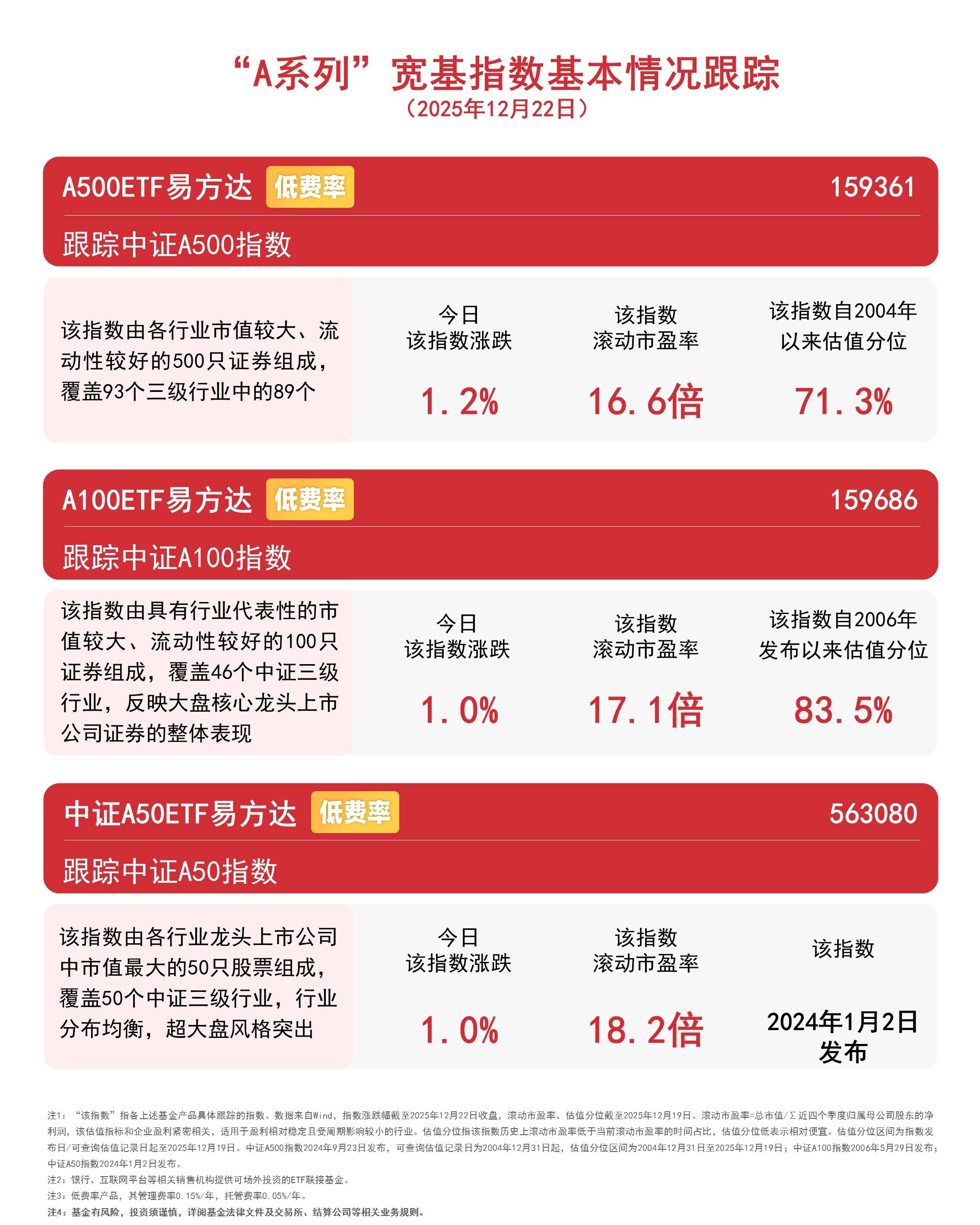
Group 1 - The core viewpoint of the article highlights the positive performance of the Chinese stock market, with the CSI A500 index rising by 1.2%, and both the CSI A100 and A50 indices increasing by 1% [1] - The A500 ETF from E Fund (159361) saw a trading volume exceeding 7.5 billion yuan, indicating high market attention and significant net subscriptions of over 1.5 billion units [1] - Huaxi Securities notes that the recent interest rate changes by the Federal Reserve and the Bank of Japan have alleviated concerns about arbitrage trading reversals, suggesting a favorable environment for foreign capital inflow and increased insurance fund investments [1] Group 2 - The recent large-scale net subscriptions in stock ETFs and the significant trading volume in multiple broad-based ETFs indicate a trend of incremental capital favoring opportunistic buying at lower prices [1]
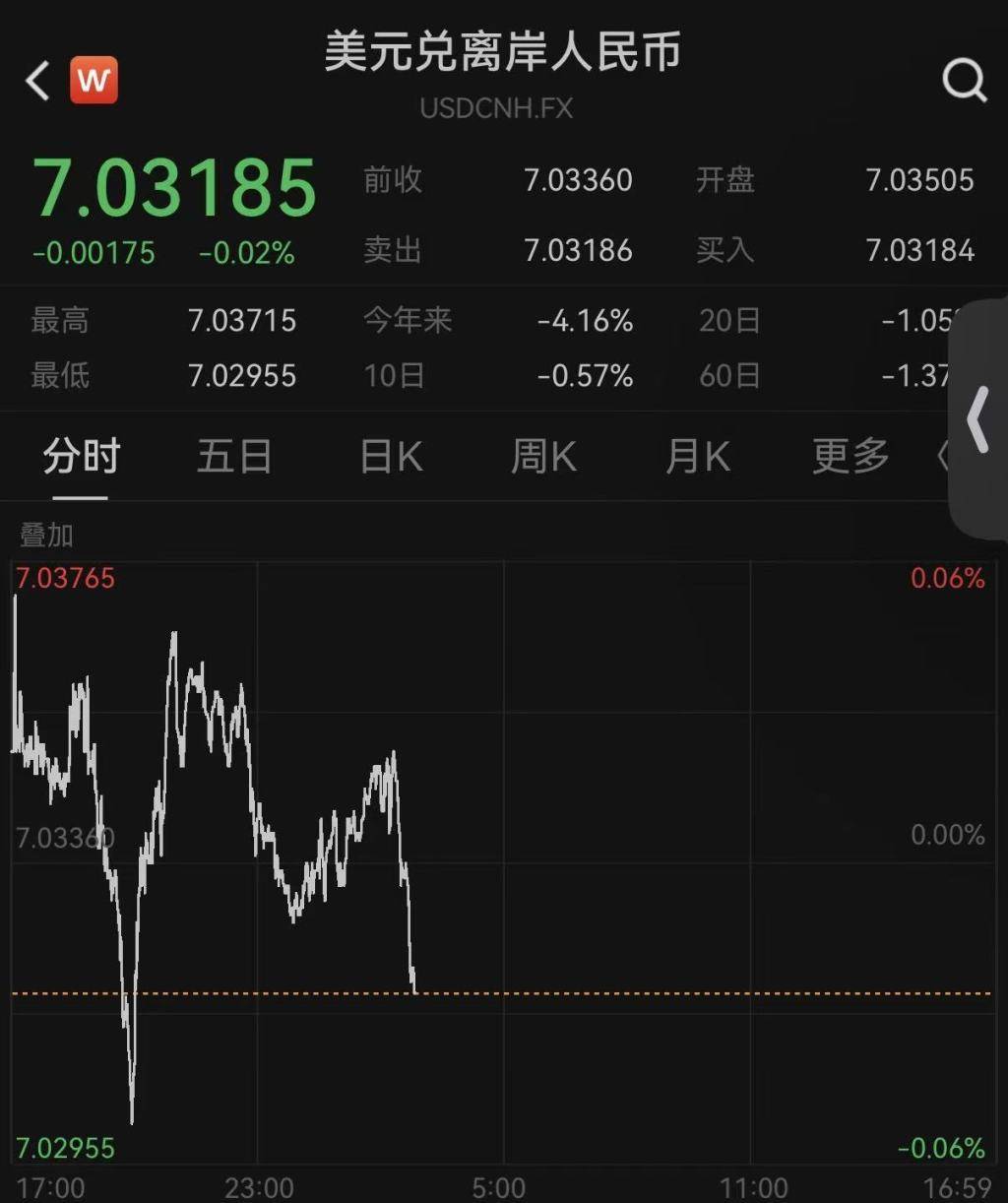
离岸、在岸人民币对美元汇率分别升破7.03、7.04
Sou Hu Cai Jing· 2025-12-22 08:27
Core Viewpoint - The offshore and onshore RMB against the USD have both surpassed the 7.03 and 7.04 thresholds, respectively, indicating a significant appreciation of the RMB in recent trading sessions [1][3]. Group 1: Exchange Rate Movements - On December 22, the offshore RMB reached a high of 7.02955 against the USD, marking the highest level since October 3 of the previous year [1]. - The onshore RMB opened at 7.0408 and strengthened to a peak of 7.0369 during the day, also achieving a 14-month high since October of the previous year [3]. - Year-to-date, the offshore RMB has appreciated over 4.1% against the USD [2]. Group 2: Factors Influencing RMB Appreciation - The recent appreciation of the RMB is attributed to a weaker USD and resilient export performance, which has led to increased capital settlement from industries [5]. - The potential for passive appreciation of the RMB exists due to the Federal Reserve's monetary easing and the resultant pressure on the USD index, while the RMB's appreciation against a basket of currencies has been less pronounced [5]. - Strong export resilience, driven by industrial upgrades and a robust foreign trade market, contrasts with weak domestic demand and ongoing negative growth in imports, further supporting the RMB's appreciation [5].
内外多重因素共振推动人民币汇率持续走强
Zhong Guo Jin Rong Xin Xi Wang· 2025-12-22 03:22
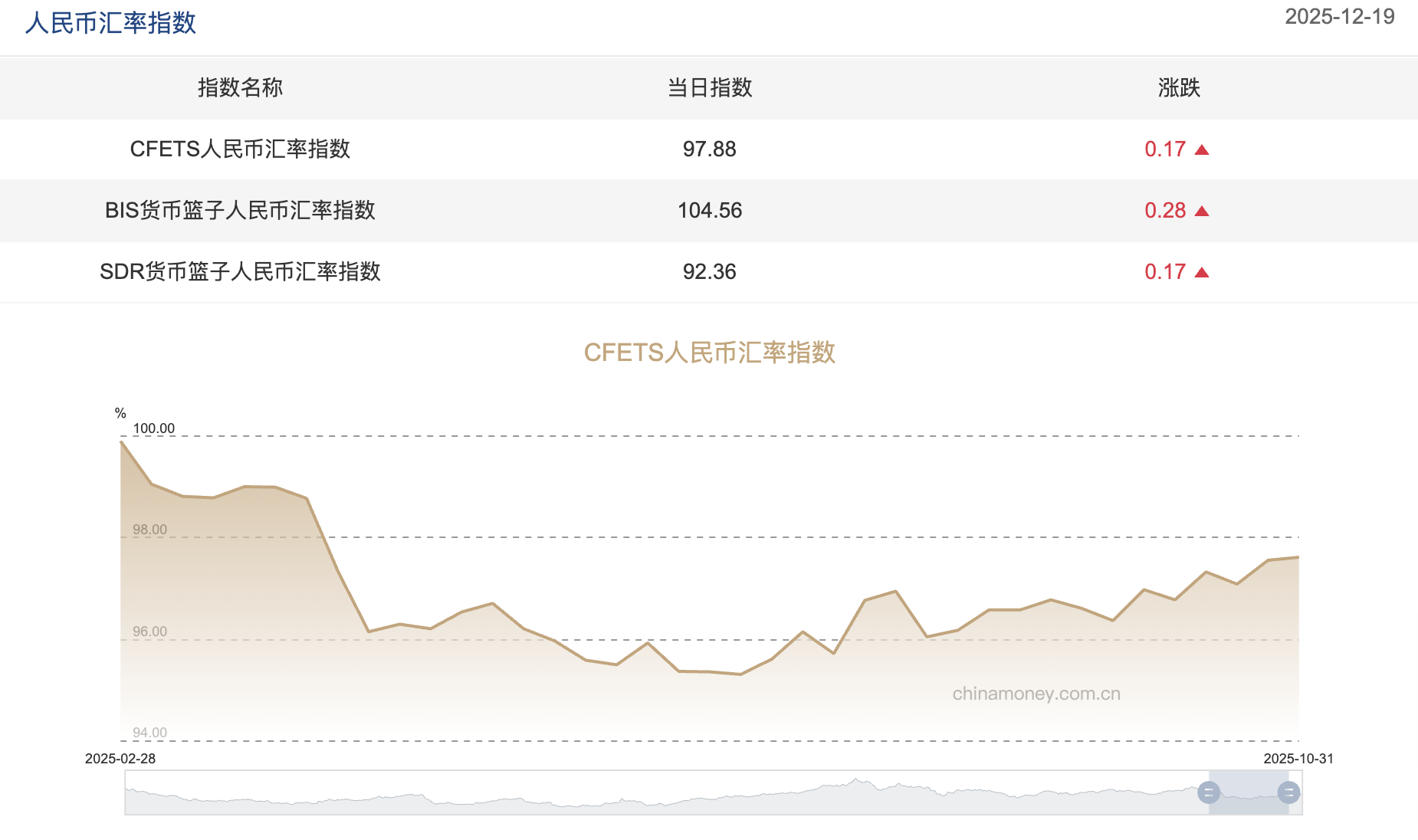
转自:新华财经 新华财经上海12月22日电(葛佳明) 中国外汇交易中心公布数据显示,12月19日当周三大人民币汇率指数全线上涨,CFETS人民币汇率指数报97.88,按周 涨0.17;BIS货币篮子人民币汇率指数报104.56,按周涨0.28;SDR货币篮子人民币汇率指数报92.36,按周涨0.17。 多位分析师表示,得益于季节性等因素支撑,人民币展现出较强的升值动能。由于人民币对非美货币同样表现较强,人民币对一篮子货币持续小幅升值。 中金公司研究部外汇研究首席分析师李刘阳表示,近期中间价与即期汇率一齐升值,但前者升幅明显偏向温和,逆周期因子从此前的引导中间价持续强于即 期汇率,转变为减缓中间价升值速率,使其持续弱于即期汇率。 "中间价与即期汇率的偏离压力或源于人民币汇率稳定而持续的升值趋势,美元指数与人民币的相关性降至逾5年低点,目前仍在持续走低。"李刘阳认为, 这或凸显出年末之际,在季节性等因素的支撑下,市场对人民币升值预期较为稳固,当前人民币期权市场的隐含波动率持续在年内低点徘徊。 | 指数名称 | 当日指数 | | --- | --- | | CFETS人民币汇率指数 | 97.88 | | BIS货 ...
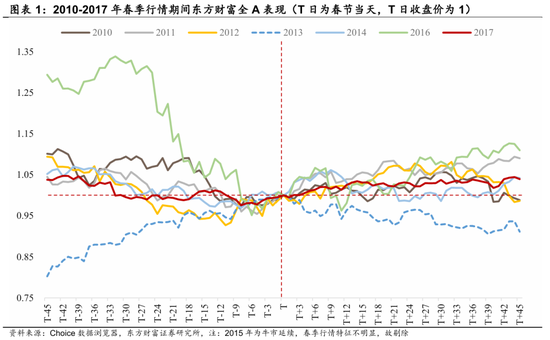
陈果:春季行情演化论与内需机会探讨
Xin Lang Cai Jing· 2025-12-21 13:25
炒股就看金麒麟分析师研报,权威,专业,及时,全面,助您挖掘潜力主题机会! 来源:陈果投资策略 摘要 上周周报我们提示美债利率呈现上升迹象,日本央行加息在即,需留意外部扰动,从本周市场表现来 看,A股有扰动,但增量资金抢跑春季行情意愿也较强烈,结构上内需板块尤其是非耐用品消费明显占 优。我们认为,春季行情经历长时间高胜率演绎,已经从日历效应迈过抢跑博弈,进入反身性阶段,后 续除可能的1月业绩预告扰动外,利空因素能见度不高,可顺应抢跑,逢低布局。结构上具备足够赔率 吸引力且胜率在上升的内需板块重视程度上移,重点关注:保险、券商、有色、AI算力/半导体、零售/ 美护/社服/乳品、航空、新能源、创新药等。 春季行情演化论 随着市场参与者结构变化、信息传播速度加快、投资者学习效应增强、经济新旧动能转换,春季行情经 历了深刻的演化,可以划分为三个阶段:第一阶段,2017年及以前,日历效应阶段。行情发酵于春节 后,依赖政策驱动和流动性回流;第二阶段,2018-2023年,抢跑博弈阶段。行情启动时点明显前移至 12月,源于学习效应与市场参与结构变化;第三阶段,2024-2025年,反身性阶段。"抢跑"消耗增量资 金,遇利空易 ...