数智技术

Search documents
2025国际数字能源展主论坛在深圳举办
Sou Hu Cai Jing· 2025-09-21 10:08
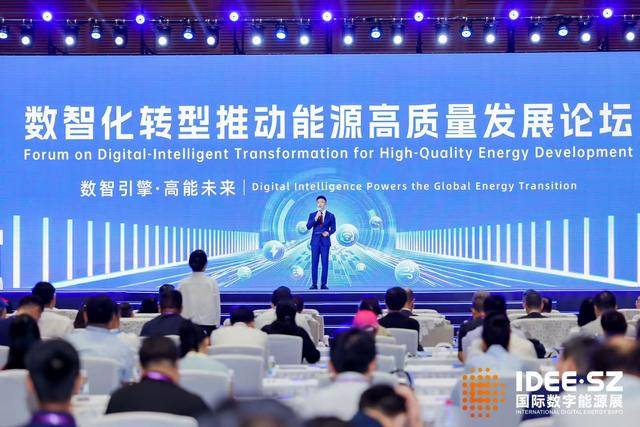
Group 1 - The 2025 International Digital Energy Exhibition main forum was held in Shenzhen, focusing on how digital transformation can empower high-quality development in the energy industry, gathering top experts and industry leaders to discuss future trends and challenges in digital energy [1][3] - Zhao Tianshou, Director of the Carbon Neutral Energy Research Institute at Southern University of Science and Technology, highlighted that despite China's wind and solar installed capacity surpassing coal power, the average curtailment rate for wind and solar energy is 5%, with some regions exceeding 30%, indicating the need for long-duration energy storage technologies [5] - The China Electric Power Construction Group is exploring intelligent construction development systems for major clean energy projects, utilizing drones and satellite remote sensing to enhance surveying efficiency and create a comprehensive digital design system [5] Group 2 - Liang Rui, Vice President and Chief Sustainability Officer of Xinwanda Electronics, emphasized the strategic value of new energy storage in achieving carbon peak and carbon neutrality, noting that electrochemical storage is becoming a major growth direction in the rapidly expanding global storage market [7] - Kiu Kin Hong, Executive Director of Honghua Smart Energy, stated that the company is investing in photovoltaic and storage assets while applying AI technology for energy management and power trading predictions, aiming for overall optimization of energy, heat, and cooling [7] - The roundtable discussion on "Opportunities and Challenges of Digital Energy in Global Energy Transition" concluded that digital technology is a core driver to solve the energy "impossible triangle," advocating for enhanced standard collaboration, data sharing, and financial innovation [9] Group 3 - China General Nuclear Power Group has been undergoing digital transformation since 2012, achieving real-time monitoring and maintenance of equipment through comprehensive data collection [11] - China Resources Power, which has nearly 50% of its installed capacity in clean energy, is developing smart power plants and has established an AI laboratory to foster talent and explore digital applications in the energy sector [12] - Shenzhen Energy Group has developed a comprehensive smart energy management platform, successfully implementing it in various scenarios to maximize economic benefits and balance energy supply and consumption [12]

中国—东盟拥抱数智技术赋能卫生合作
Zhong Guo Xin Wen Wang· 2025-09-16 21:31
Group 1 - The core viewpoint emphasizes that digital technology is reshaping the global health system, and China along with ASEAN countries should embrace smart technologies for leapfrog development [1] - The "Health Silk Road" construction and the fifth China-ASEAN Health Cooperation Forum were held with the theme "Smart Health, Shared Development" [1] - Digitalization is seen as not just a technological upgrade but as a new engine for global health equity, enabling developing countries to bypass traditional healthcare infrastructure bottlenecks [1] Group 2 - The Myanmar Health Minister highlighted the necessity for the future health industry to integrate innovation and equity, with technology serving the people [1] - Brunei's Health Minister reported significant progress in digital health transformation, applying AI in diabetes and retinal disease screening, and exploring radiology applications [1] - Malaysia's Health Minister mentioned the use of big data and AI for real-time disease monitoring and precision public health, advocating for seamless digital ecosystems and unified data standards [1] Group 3 - The China-ASEAN Medical Care Cooperation Center (Guangxi) was inaugurated as a high-level international cooperation platform for healthcare, enhancing collaboration in critical care, talent training, and medical research [2]
数智体验吸睛 服贸会前沿首发超百项
Bei Jing Shang Bao· 2025-09-14 16:51
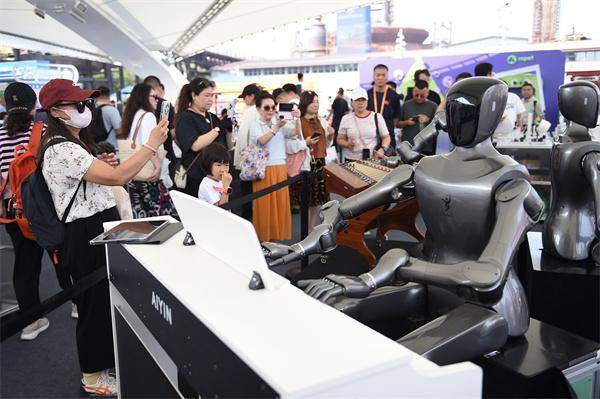
Core Insights - The 2025 China International Service Trade Fair (CIFTIS) has become a significant platform for promoting high-quality development in China's service trade, with over 2,000 offline exhibitors and nearly 5,600 online exhibitors, attracting more than 250,000 attendees [1][8] Group 1: Event Highlights - The fair featured 109 new product launches and facilitated over 900 achievements in sectors such as construction, information technology, and finance [1][8] - More than 480 Fortune 500 and industry-leading companies participated, accounting for over 25% of exhibitors, with a notable increase in the number of top-tier companies compared to the previous year [3] - The event showcased 198 achievements from 113 enterprises in fields like artificial intelligence, fintech, and healthcare, including 109 new products [3] Group 2: Digital and Technological Innovations - The application of digital technologies expanded, with innovations such as the world's first photon-counting CT and smart surgical rooms being presented [3] - Digital platforms enhanced attendee experience, with 11 types of smart service scenarios and online digital applications improving operational efficiency [6] Group 3: International Participation and Cooperation - The fair attracted participation from 85 countries and international organizations, with a significant internationalization rate of over 20% among offline exhibitors [8] - Australia, as the guest country, engaged in 15 cooperation intentions in sectors like finance and education during the fair [8] Group 4: Economic Impact and Engagement - The event organized 27 promotional activities and 48 industry exchange events, with a 12% increase in professional attendees compared to the previous year [5] - The fair's activities generated significant investment and consumption spillover effects, showcasing Beijing's advantages in openness, innovation, and business environment [6]
2025服贸会|洽谈成果丰硕、数智体验吸睛 2025年服贸会推动高质量发展
Bei Jing Shang Bao· 2025-09-14 13:25
Core Insights - The 2025 China International Service Trade Fair (CIFTIS) concluded on September 14, showcasing nearly 2,000 offline exhibitors and around 5,600 online exhibitors, with total attendance exceeding 250,000 [1][10] - The event featured 109 new product launches and facilitated over 900 achievements across various sectors including construction, information technology, and finance [1][10] Group 1: Event Highlights - The fair saw participation from over 480 Fortune 500 and industry-leading companies, accounting for more than 25% of exhibitors, indicating a significant increase in the quality of exhibitors compared to previous years [5] - A total of 198 achievements were released by 113 organizations, including 109 new products in fields such as precision medicine and quantum computing [5][6] - The event utilized digital technologies like VR and AI to enhance the experience, with over 150,000 interactions recorded during the event [7] Group 2: International Participation and Cooperation - The fair attracted participation from 85 countries and international organizations, with a notable presence from Australia, which organized the largest guest country exhibition [10][11] - Significant cooperation intentions were established, including 15 agreements in finance and education between Australia and various exhibitors [10] Group 3: Economic Impact and Future Directions - The fair generated a substantial investment and consumption spillover effect, with various activities promoting Beijing's development advantages [8] - The Ministry of Commerce emphasized the importance of CIFTIS as a platform for promoting development, expanding openness, and fostering innovative cooperation [11]
中国消费向“新”而行 服贸会解锁电商“智”变新图景
Sou Hu Cai Jing· 2025-09-12 05:39
Core Insights - The integration of artificial intelligence (AI) in e-commerce is becoming an inevitable trend, driving the expansion of consumer services and enhancing the overall shopping experience [3][5][6] - The Chinese e-commerce market is experiencing robust growth, with the network retail market scale maintaining its position as the largest globally, providing a solid foundation for quality upgrades in e-commerce [3][4] - The dual forces of digital technology and quality upgrades are propelling the e-commerce industry forward, with AI and big data revolutionizing service delivery and consumer experience [4][5][7] Group 1: AI and E-commerce - AI is reshaping the "people, goods, and environment" in e-commerce, leading to digital and intelligent upgrades in service consumption [3][4] - AI technologies are embedded throughout the e-commerce operation process, enhancing efficiency and providing personalized shopping experiences for consumers [5][6] - The application of AI in e-commerce includes intelligent product selection, precise marketing, and personalized services, significantly improving merchant efficiency and consumer satisfaction [5][6] Group 2: Market Trends and Developments - The cross-border e-commerce sector is rapidly developing, with innovation being key for brands to stand out in the global market [4][6] - In the first half of the year, China's digitally deliverable service imports and exports reached 1.5 trillion yuan, while cross-border e-commerce imports and exports hit 1.3 trillion yuan, both setting historical highs [6][7] - The "Silk Road E-commerce" initiative is fostering effective cooperation with international partners, highlighting the opportunities for growth in the digital economy [6][7] Group 3: Challenges and Opportunities - Despite the advancements, challenges such as technology maturity, data security, and privacy protection remain in the realm of "AI+" [6] - The digital transformation of small and medium-sized enterprises (SMEs) is critical for survival, with over 80% of surveyed companies successfully reducing costs and increasing efficiency through digital technologies [6][7] - The emphasis on collaboration and shared opportunities is essential for navigating the complexities of the global market and enhancing competitiveness [7]

服贸会解锁电商“智”变新图景
Sou Hu Cai Jing· 2025-09-12 04:33
Core Viewpoint - The integration of artificial intelligence (AI) and digital technologies is transforming the e-commerce landscape in China, enhancing consumer experiences and driving industry growth [2][4][5]. Group 1: E-commerce Development - China's e-commerce market is the largest globally, with a focus on quality upgrades and digital transformation [4]. - The Ministry of Commerce is promoting quality e-commerce to enhance consumption and drive growth from both supply and demand sides [4]. - AI and big data are identified as key drivers of the e-commerce industry's evolution, enhancing consumer experience and brand value [4][5]. Group 2: AI Integration - AI is reshaping the "people, goods, and environment" in e-commerce, leading to digital and intelligent upgrades in service consumption [2][5]. - AI tools are being utilized across the e-commerce value chain, improving operational efficiency and customer insights [5]. - The application of AI in e-commerce includes personalized services, smart product selection, and targeted marketing [5]. Group 3: Cross-border E-commerce - Cross-border e-commerce is rapidly developing, with innovation being crucial for brands to stand out in global markets [5][7]. - China's cross-border e-commerce imports and exports reached a historical high of 1.3 trillion yuan in the first half of the year [7]. - The "Digital Silk Road" initiative is fostering effective international partnerships, enhancing China's global trade presence [7][8]. Group 4: Challenges and Opportunities - The e-commerce sector faces challenges such as technology maturity, data security, and privacy protection [6]. - Digital transformation is essential for small and medium enterprises (SMEs) to remain competitive amid global pressures [7]. - Embracing technological changes and building ecosystems are vital for companies to seize opportunities in the evolving market [8].
创新点亮未来生活——2025年服贸会描绘民生服务新图景
Ke Ji Ri Bao· 2025-09-12 01:13
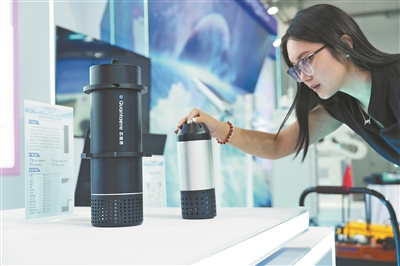
Group 1: Event Overview - The 2025 China International Service Trade Fair (CIFTIS) opened in Beijing, showcasing innovative products that integrate cutting-edge technology across various sectors including environment, education, and cultural tourism [2][3] - The event highlights the deep integration of technology into daily life, with products designed to enhance industry development and improve user experience [2] Group 2: Water Environment Scout - The "Water Environment Scout," developed by Chip Vision (Beijing) Technology Co., utilizes quantum dot spectral sensing technology for real-time water quality monitoring [3][4] - This system can detect multiple water quality indicators with second-level precision and provides early warnings for pollution, aiding in pollution source tracing [3][4] - The system has been implemented in over 20 cities, significantly improving pollution source identification efficiency compared to traditional methods [4] Group 3: Smart Sports Technology - The Smart Tennis Hawk-Eye system, developed by Beijing Ruige Technology Co., employs high-speed cameras and advanced algorithms to resolve disputes in tennis matches by providing precise 3D trajectory simulations [5][6] - This system enhances training efficiency by offering personalized training plans and real-time performance data [6] - The technology has been adapted for other sports, including certified systems for football and table tennis, used in international competitions [6] Group 4: Educational Innovations - The "Jingwa" smart companions, "Jingxiaojian" and "Jingxiaozhuang," focus on the health and physical activity of middle school students, utilizing AI and multi-modal sensing technology [7][8] - These devices collect health data and provide personalized exercise plans, aiming to integrate technology into the educational experience [7][8] - The initiative is positioned as a model for future smart education development across China [8] Group 5: AR Educational Tools - The AR building blocks for animal science, developed by Beijing Zoo and Yuanli Technology, transform traditional education into an interactive experience using augmented reality [10][11] - This product allows children to engage in hands-on learning while fostering interest in science and nature through immersive experiences [10][11] - Future plans include expanding educational functionalities and integrating with school curricula to enhance ecological awareness among youth [11]


AI算法、3D建模……感受衣食住行的“科技密码” 服贸会“解锁”生活新体验
Yang Shi Wang· 2025-09-11 07:39
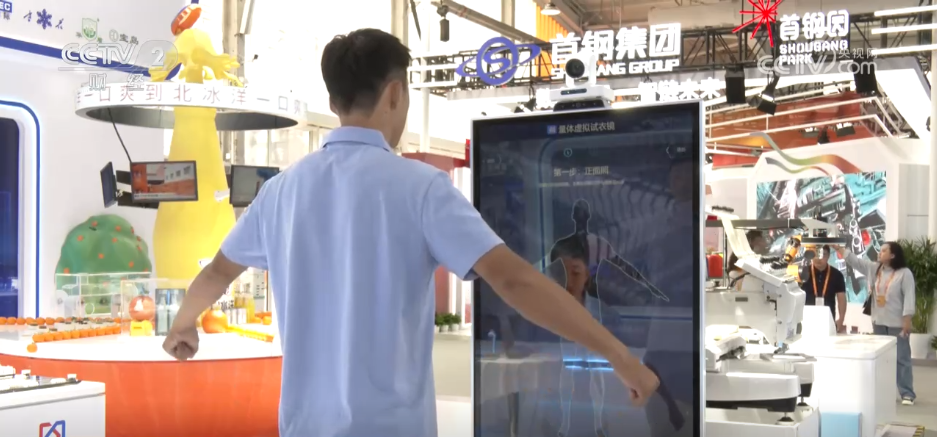
Group 1 - The core viewpoint of the articles highlights the integration of smart and digital technologies in daily life, particularly in the areas of clothing, food, and housing, showcased at the current service trade fair [1] Group 2 - A virtual fitting mirror can provide 13 measurements, including waist and chest size, allowing for online custom tailoring through AI algorithms and 3D modeling, enhancing convenience for consumers [3] - A food safety monitoring system utilizing 5G and AI can provide real-time oversight of food preparation areas, automatically alerting authorities to violations such as improper attire or smoking [5] Group 3 - In the construction sector, robots are being utilized as "smart craftsmen" for tasks such as painting, wall smoothing, and safety supervision, significantly improving efficiency and accuracy in construction processes [7] Group 4 - The introduction of a manned drone has marked the beginning of the "manned era" in China's low-altitude economy, reflecting advancements in smart transportation [9] - The diverse digital technologies related to clothing, food, and housing are expanding the growth potential of service trade, with knowledge-intensive service imports and exports reaching 1.7756 trillion yuan, a 6.8% increase, and telecommunications and information services growing by 12.6% to 626.8 billion yuan [9]
中国石油和化学工业联合会党委常委、外资委主席兼秘书长庞广廉:能源转型是石化行业降低碳排放的必由之路
Zhong Guo Jin Rong Xin Xi Wang· 2025-09-06 15:03
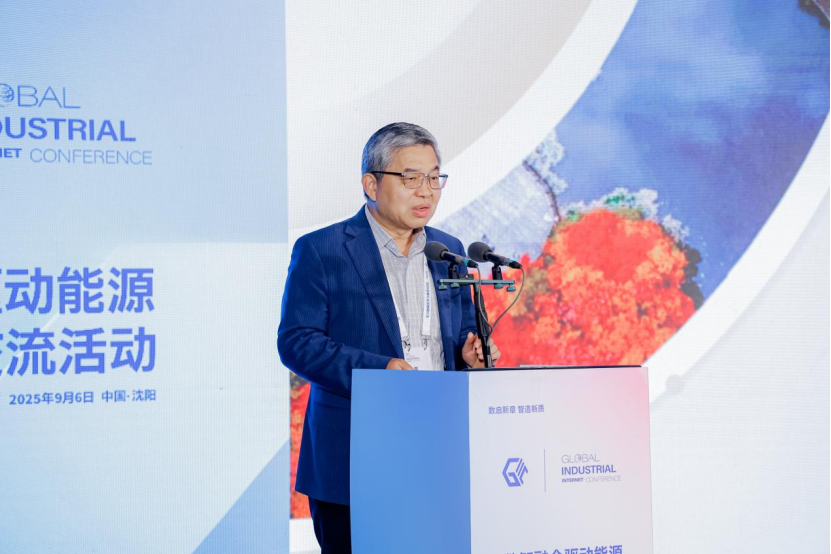
Core Viewpoint - The petrochemical industry must undergo an energy transition to reduce carbon emissions, with a focus on high-quality development and the integration of digital intelligence [1][3]. Group 1: Industry Position and Market Share - China is the largest chemical market globally, with a chemical output value of €2.4 trillion in 2022, accounting for 44% of the global market share, surpassing the combined total of the EU, the US, Japan, and South Korea [3]. - The carbon intensity of green energy usage in China is approximately 80 grams, compared to the global average of 60 grams, indicating a higher carbon emission structure [3]. Group 2: Energy Transition Strategy - The energy transition is essential for the petrochemical industry, moving from coal and oil to biomass, solar, wind, hydrogen, and nuclear energy as primary energy sources [3][4]. - By 2050, coal's share in primary energy must drop to over 10%, and below 5% by 2060, presenting significant challenges [3]. Group 3: Recommendations for High-Quality Development - The focus of the "14th Five-Year Plan" for high-quality development in the petrochemical sector includes new chemical materials as a direction, optimizing major productivity layouts as support, and establishing a robust institutional mechanism as a guarantee [3][4]. - Four key areas for institutional support are proposed: 1. Strengthening financial planning and support for R&D and production of key new chemical materials [4]. 2. Improving project investment guidance to ensure reliable technology and avoid overcapacity in popular new material fields [4]. 3. Promoting market construction for product applications, encouraging first-time applications, and creating a fair competitive environment [4][5]. 4. Enhancing collaboration and cooperation to foster both domestic and international supply chain advantages [5]. Group 4: Event Overview - The event focused on the digital and intelligent transformation of energy systems, aiming to provide systematic solutions for building a modern energy system [5].

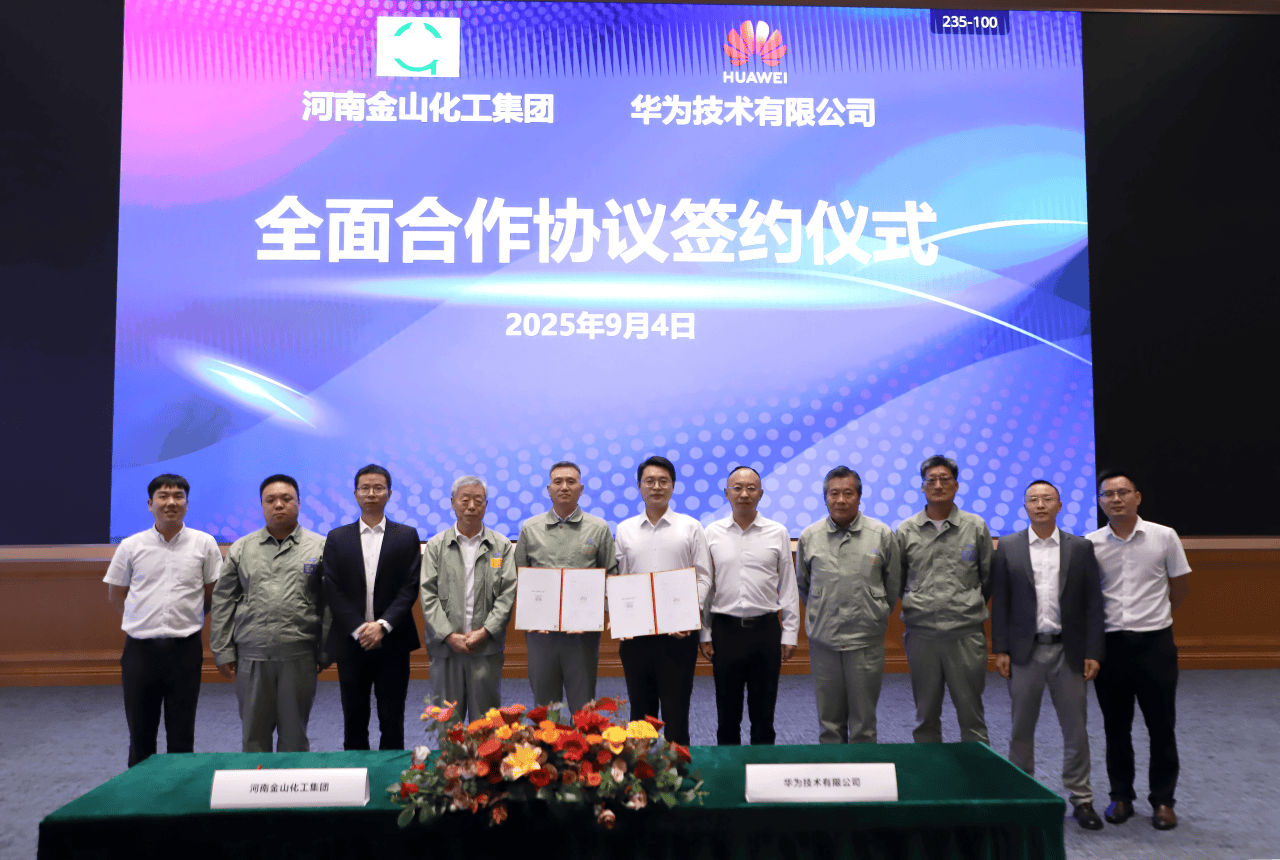
河南金山化工集团携手华为,共绘化工行业数智化发展新蓝图!
Sou Hu Cai Jing· 2025-09-06 03:12
Core Insights - Henan Jinshan Chemical Group has established a strategic partnership with Huawei to focus on digital transformation in the chemical industry [1][3] - The collaboration aims to leverage intelligent technology to upgrade traditional industries and create a benchmark for industry intelligence [1][3] Cooperation Areas - The agreement covers multiple dimensions including enterprise digital top-level design, industrial large model development, intelligent data center construction, production process optimization, and smart factory construction [3] - The Six-Linked Soda Ash Smart Factory project will be a key demonstration project, utilizing artificial intelligence to automate and optimize production processes, enhancing operational efficiency and reducing energy consumption [3] Industry Position - Henan Jinshan Chemical Group is a leading enterprise in the Chinese soda ash process field, benefiting from resource advantages in the Wuyang County Salt Chemical Park, and has established an integrated industrial pattern of salt and alkali chemicals [3] - The company ranks among the top producers globally in terms of soda ash and ammonium chloride output, with products covering both domestic and international markets, recognized as a benchmark for technological innovation in the industry [3] Future Plans - The partnership with Huawei will facilitate the deep integration of intelligent technology into core business areas such as production, sales, finance, and logistics [3] - Both parties plan to develop intelligent solutions covering the entire industry chain through joint research and talent cultivation, supporting the chemical industry’s transition towards a green, efficient, and sustainable direction [3]