流量经济

Search documents
三元面馆的烟火与迷雾:一场在解构与共谋中的流量时代缩影 | 热财经
Sou Hu Cai Jing· 2025-07-24 15:28
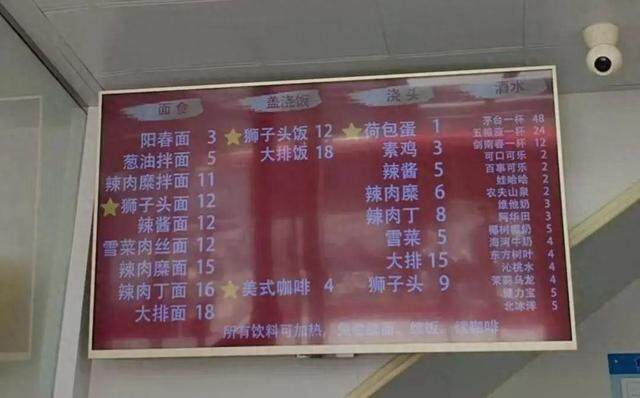
Core Perspective - The phenomenon of the "3 yuan Yangchun noodles" and "48 yuan Moutai cup" at the Tangwan restaurant in Shanghai reflects a complex interplay of consumerism and moral narratives, driven by social media influence [1] Group 1: Consumer Behavior and Market Trends - The popularity of the San Yuan noodle shop is a manifestation of public anxiety over high prices, as basic dining costs in first-tier cities have surpassed 30 yuan [3] - The shift of platforms like Dingdong Maicai to high-priced health ingredients indicates a broader trend of rising consumer costs, further squeezing the living space of ordinary people [3] - The contrast between the low-priced noodles and high-priced Moutai symbolizes a public desire to resist various forms of consumption inflation [3][4] Group 2: Business Model and Financial Viability - The pricing strategy of 3 yuan for noodles is a nostalgic reference to prices from 20 years ago, while the Moutai pricing is seen as a challenge to consumption hierarchies [4] - The noodle shop's operations are financially supported by the owner's printing equipment business, indicating that the 3 yuan noodles are sold at a loss [4] - The increase in customer traffic due to social media hype may displace original customer groups like delivery riders and students, threatening the shop's initial philanthropic intent [4][6] Group 3: Social Commentary and Cultural Implications - The narrative surrounding the noodle shop has been co-opted by various influencers, transforming a simple dining experience into a symbol of class dynamics and consumerism [5] - The experience of consuming Moutai at a lower price point does not eliminate its status as a class symbol; instead, it creates new consumption pressures for lower-income individuals [5] - The initial goodwill of the shop's owner may be overshadowed by the overwhelming influence of social media, turning personal stories into mere narratives for consumption [6]

“小马云”十年围猎史:当资本退潮,被吞噬的童年与破碎的乡村
Sou Hu Cai Jing· 2025-07-19 08:27
Core Viewpoint - The story of Fan Xiaoqin, a boy from a poor village who was turned into a commercial entity known as "Little Ma Yun," highlights the exploitation of vulnerable families in the flow economy, revealing the harsh realities behind the superficial success of internet fame [1][5][6]. Group 1: Capital Exploitation - Liu Changjiang's operation model exemplifies "flow industrialization," where capital preys on underprivileged families, leading to the commodification of individuals like Fan Xiaoqin [3][4]. - Despite promises of educational support, Fan Xiaoqin's actual schooling was nearly non-existent, as he was engaged in commercial activities instead of attending classes [4][5]. - The illusion of prosperity was created through superficial gestures, such as home renovations and small remittances, masking the family's ongoing poverty [4][5]. Group 2: Educational and Health Consequences - Fan Xiaoqin's education suffered significantly, as he was unable to write simple characters by the age of 12, reflecting a severe educational gap [4][6]. - Health issues arose, with reports indicating that he was diagnosed with a secondary intellectual disability and had stunted growth, raising concerns about potential exploitation through hormone treatments [4][6]. Group 3: Societal Reflection - The narrative of Fan Xiaoqin serves as a microcosm of the broader issue of rural marginalization in the flow economy, where many similar cases exist [6][7]. - The lack of understanding of long-term educational investment among families leads to their vulnerability to capital exploitation [7]. - The phenomenon of "curiosity charity" illustrates how public consumption of poverty can exacerbate the plight of individuals rather than improve their circumstances [7]. Group 4: Recommendations for Change - There is a need for long-term, stable educational support for rural children rather than short-term financial gains from internet fame [7]. - Developing rural industries and skill training programs could enhance families' self-sufficiency instead of pushing children into the spotlight [7]. - Legal frameworks must be established to protect child internet celebrities and prevent exploitation, ensuring that the flow economy aligns with humanitarian values [7].

城记|一周聚焦:从线上到线下,长三角城市积极拥抱“流量入口”
Xin Hua Cai Jing· 2025-07-18 14:02
Group 1 - The article emphasizes the importance of online and offline traffic as two interconnected aspects that shape the perception of urban vitality, highlighting that managing and expanding traffic is crucial for economic development in cities [1] - The "Shanghai Nine Measures" aims to support high-quality internet content creation, fostering a creative ecosystem to enhance the city's soft power and improve its image [2] - The initiative focuses on developing content creation hubs in Huangpu and Yangpu districts, leveraging local resources and existing industry strengths to attract leading internet content creators [2] Group 2 - A successful test flight of a low-altitude transportation route connecting Suzhou Kunshan and central Shanghai marks a significant milestone in the development of the Yangtze River Delta's low-altitude traffic network [3] - This new route reduces intercity commuting time to one-third during peak hours and integrates various travel modes, enhancing connectivity within the region [3] - The opening of Lishui Airport, a 4C-level civil-military dual-use airport, addresses transportation challenges that have hindered tourism development in Lishui, a city rich in tourism resources [4][5] - The airport's inaugural flight connects to major cities like Beijing and Shanghai, with plans to expand to over 10 routes by the end of the year, further integrating Lishui into the national tourism network [5]
“卤鹅哥”点燃的荣昌烟火气为何越烧越旺
Di Yi Cai Jing· 2025-07-15 12:00
Group 1 - The core idea is that Rongchang District in Chongqing has successfully boosted consumption through effective interaction between the government and the public, leveraging the internet and social media trends [1][6] - Rongchang capitalized on the "internet celebrity economy" by attracting significant attention through local influencers, particularly during the visit of a global internet celebrity, which brought unprecedented traffic to the area [2][3] - The local government demonstrated a strong service awareness by quickly engaging with the viral moment, appointing a local influencer as a promotional ambassador and providing financial incentives to harness the attention for economic development [3][6] Group 2 - The transformation of traffic into sales is crucial in the current internet landscape, emphasizing the need for businesses to connect with consumers on a personal level and create value [4][5] - Rongchang's ongoing success is attributed to a unified strategy among local officials and businesses to attract customers and stimulate the economy, rather than merely seeking short-term attention [6] - The proactive approach of local officials, including personal investments in community events, has fostered a positive environment for consumption and investment, enhancing the district's economic prospects [6]
粉丝追星,“饭”须有“范”(“融”观中国)
Ren Min Ri Bao Hai Wai Ban· 2025-07-13 22:20
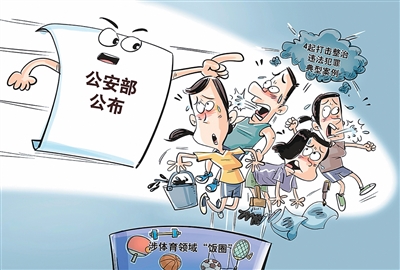
Core Viewpoint - The article discusses the chaotic phenomena associated with the "fan circle" culture, highlighting the negative impacts on both fans and society, and the ongoing efforts to regulate and manage these issues [4][9][12]. Group 1: Fan Circle Culture and Its Impact - The "fan circle" culture has emerged from the flow economy, where fans actively participate in promoting their idols, often leading to emotional investment and community building [7][8]. - Many fans, like a 17-year-old girl named Qianqian, experience both joy and distress from their involvement, often feeling overwhelmed by the negative aspects such as online conflicts and emotional turmoil [5][6]. - Extreme behaviors from fans, including public disturbances and online harassment, have raised concerns about public order and the influence on youth [7][10]. Group 2: Regulatory Challenges - Despite previous regulatory efforts, issues like illegal fundraising and online conflicts persist, often resurfacing through new platforms and methods [11][12]. - The lack of effective regulation stems from the strong organizational capabilities of fan groups, which are not recognized as formal market entities, complicating oversight by tax and business authorities [12][13]. - Commercial entities, including MCN organizations, contribute to the chaos by manipulating fan emotions for profit, necessitating stricter controls [15][16]. Group 3: Solutions and Recommendations - A multi-faceted approach is needed to address the "fan circle" issues, involving not just fans and celebrities but also regulatory bodies and educational institutions [16][17]. - Recommendations include identifying and regulating fan organizations, promoting awareness of the issues, and providing guidance to youth to foster a healthier environment [17][18]. - Specific measures proposed for online platforms include banning artist rankings, regulating fan group accounts, and preventing the incitement of fan conflicts [18][19].
旅游业深陷线路与价格“内卷”,导游称游客难辨好坏|反内卷风暴
Sou Hu Cai Jing· 2025-07-10 14:48
Core Viewpoint - The tourism industry is facing severe "involution," necessitating self-rescue by companies as highlighted by industry leaders [2][6] Group 1: Industry Challenges - The central government has emphasized the need to combat low-price disorderly competition and improve product quality in the tourism sector [2][6] - The phenomenon of "involution" manifests through homogeneous competition across various dimensions, including products, pricing, and marketing [2][4] - Price competition has escalated to a point where many companies engage in "loss-leader" strategies, leading to a decline in service quality [4][5] Group 2: Market Dynamics - The number of travel agencies has increased significantly, from 56,275 in 2023 to 64,616 in 2024, while revenue growth has not kept pace, indicating a supply-demand imbalance [6][7] - The average revenue for travel agencies rose from 4,442.7 billion yuan in 2023 to 5,657.7 billion yuan in 2024, but profits remained relatively stagnant [6][7] Group 3: Consumer Behavior - Tourists are increasingly seeking personalized and thematic travel experiences, yet the market lacks sufficient offerings to meet these demands [7][8] - The rise of free travel has pressured traditional group tours, which are often unable to adapt to changing consumer preferences [6][9] Group 4: Innovation and Competition - Many companies are hesitant to innovate due to tight cash flow and declining profits, leading to a reliance on low-cost strategies [7][8] - The lack of copyright protection for travel products exacerbates the issue, as successful innovations are easily replicated by competitors [7][8] Group 5: Recommendations for Improvement - Experts suggest that the tourism industry needs reforms in technology, sales channels, and personnel training to create a fair and orderly market environment [10][11] - Enhancing service quality through employee training and establishing a reward system for high service standards is crucial for improving customer satisfaction [10][11]
数字时代,实体书店如何保持长久生命力?
Zhong Guo Xin Wen Wang· 2025-07-06 06:57
Core Viewpoint - The article discusses the challenges and transformations faced by physical bookstores in the digital age, particularly focusing on the case of Nanjing's Vanguard Bookstore, which has become a popular spot for social media photography, impacting its operational efficiency and reading environment [1][2]. Group 1: Impact of Social Media on Bookstores - Vanguard Bookstore, known as "China's most beautiful bookstore," has seen an influx of visitors primarily for photography, which has led to operational disruptions and prompted the removal of its iconic sign [1][2]. - The bookstore has issued a ban on commercial photography to maintain a conducive reading environment and ensure smooth operations, as the influx of photographers has caused congestion and safety concerns [2][4]. Group 2: The Role of Aesthetics in Bookstore Success - High aesthetic appeal is a significant factor in attracting visitors to bookstores, with examples like Zhongshu Pavilion and PAGEONE Bookstore showcasing artistic designs that enhance their popularity [3][4]. - The trend of "Instagrammable" bookstores has led to a situation where actual reading is overshadowed by photography, raising concerns about the primary purpose of bookstores [3][4]. Group 3: Strategies for Bookstore Sustainability - To convert foot traffic into loyal customers, bookstores must focus on core offerings such as diverse book selections and cultural products, adapting to the evolving consumer preferences of younger generations [4][5]. - The rise of the "α generation" necessitates bookstores to enrich their cultural product offerings and maintain high-quality content to engage and retain readers [4][5].
善用民俗激活特色消费
Jing Ji Ri Bao· 2025-07-05 22:14
Group 1 - The core viewpoint emphasizes the integration of folk customs into tourism, showcasing unique cultural experiences to attract visitors and enhance local economies [1][2] - The concept of "attention economy" is highlighted, where user attention is transformed into commercial value, driving the growth of flow economy through engaging cultural heritage [1][2] - The need for creative transformation of folk culture into marketable products is stressed, aiming to extend the industrial chain and enhance value [2][3] Group 2 - The potential for folk customs to empower local economies is recognized, with examples of successful cultural product development in regions like Yushu, Qinghai [3] - The government's initiative to promote traditional folk consumption activities is noted, indicating a supportive policy environment for cultural tourism [3] - The importance of leveraging folk customs to create new consumption scenarios and stimulate economic vitality in underdeveloped areas is emphasized [3]
“书记带头下馆子”引爆流量,荣昌经济火了
21世纪经济报道· 2025-07-04 12:56
Core Viewpoint - The article highlights the recent surge in popularity and economic activity in Rongchang, driven by local government initiatives and the influence of local figures like the district secretary, who actively promotes local businesses and consumption [2][5][10]. Group 1: Local Consumption and Economic Growth - Rongchang's district secretary, Gao Hongbo, has been leading by example by dining at local restaurants and spending on local businesses, which has garnered significant attention and increased foot traffic to these establishments [4][5][17]. - The local economy has seen a boost, with over 330 million visitors and a total tourism revenue exceeding 2.6 billion yuan during recent holidays, showcasing the effectiveness of promotional efforts [7][9]. - The district's GDP is projected to grow by 6.6% in 2023 and 5.8% in 2024, surpassing the average growth rates of Chongqing and the national level [9]. Group 2: Industry and Business Development - The local food industry, particularly the Rongchang goose sector, has expanded rapidly, with over 100 new businesses opening in recent months, indicating a strong market demand [16][18]. - Rongchang's government has initiated various projects to enhance local industries, including the establishment of an industrial park for the goose industry, aiming to consolidate over 300 small workshops into a more efficient production model [38][41]. - The local government is actively attracting investments, with a total of 8 projects worth 900 million yuan signed recently, focusing on sectors like automotive components and new materials [42][46]. Group 3: Marketing and Brand Promotion - Local businesses are increasingly leveraging social media platforms to enhance their visibility and attract customers, with many adopting strategies to capitalize on the recent influx of attention [20][21][22]. - The concept of "Gao Secretary's Style" has become a marketing tool for local restaurants, with dishes associated with him being promoted to attract customers [11][12]. - The government encourages local entrepreneurs to embrace the flow of traffic generated by social media and events, emphasizing that this flow should be utilized to foster long-term economic growth [25][35]. Group 4: Community Engagement and Events - Rongchang has initiated a series of cultural and sporting events to maintain engagement with visitors, including a marathon and various local festivals, aimed at creating a vibrant community atmosphere [30][32]. - The district plans to host regular events to keep the momentum going, ensuring that the local economy benefits from sustained visitor interest [29][30]. - The government is also focusing on building a network of local influencers to promote the region and its offerings, aiming to create a sustainable model for attracting visitors and investments [35][49].

“书记带头消费”引爆流量,荣昌再续泼天富贵
2 1 Shi Ji Jing Ji Bao Dao· 2025-07-04 11:35
Core Insights - The article highlights the recent surge in consumer activity and tourism in Rongchang, driven by local government initiatives and the popularity of local businesses, particularly restaurants and traditional food products [2][4][10]. Group 1: Economic Growth and Consumer Behavior - Rongchang's GDP is projected to grow by 6.6% in 2023 and 5.8% in 2024, surpassing the average growth rates of Chongqing and the national level [4]. - The area has seen a significant increase in consumer spending, with a 40% year-on-year growth in housing sales and a 27% increase in automobile consumption from early April to mid-May [8]. - The local government has actively encouraged consumption, leading to a notable increase in deposits, which rose by 5.8 billion yuan in the first four months of the year [8][9]. Group 2: Local Business and Tourism - Rongchang has transformed into a "net celebrity" destination, with local eateries gaining popularity after being frequented by high-profile local officials [2][3]. - The local food industry, particularly the Rongchang braised goose, has seen a boom, with over 100 new businesses opening in recent months [7][10]. - The government has implemented strategies to enhance tourism, including opening public canteens and providing free parking during holidays, resulting in over 330 million visitors and 2.6 billion yuan in tourism revenue during recent holidays [2][4]. Group 3: Industry Development and Investment - Rongchang is focusing on industrial upgrades, with significant investments in the electronic information, pharmaceutical, and food processing sectors, which have all shown remarkable growth [4][24]. - The local government is actively promoting the development of the Rongchang braised goose industry, aiming for industrialization and brand recognition, with plans to establish an industrial park for the goose industry [20][23]. - Recent investments from external companies in sectors like automotive components and new materials indicate a growing interest in Rongchang's business environment [23][26].