碳达峰碳中和

Search documents
政策落地见实效 企业分享获得感
Xin Lang Cai Jing· 2026-01-21 17:29
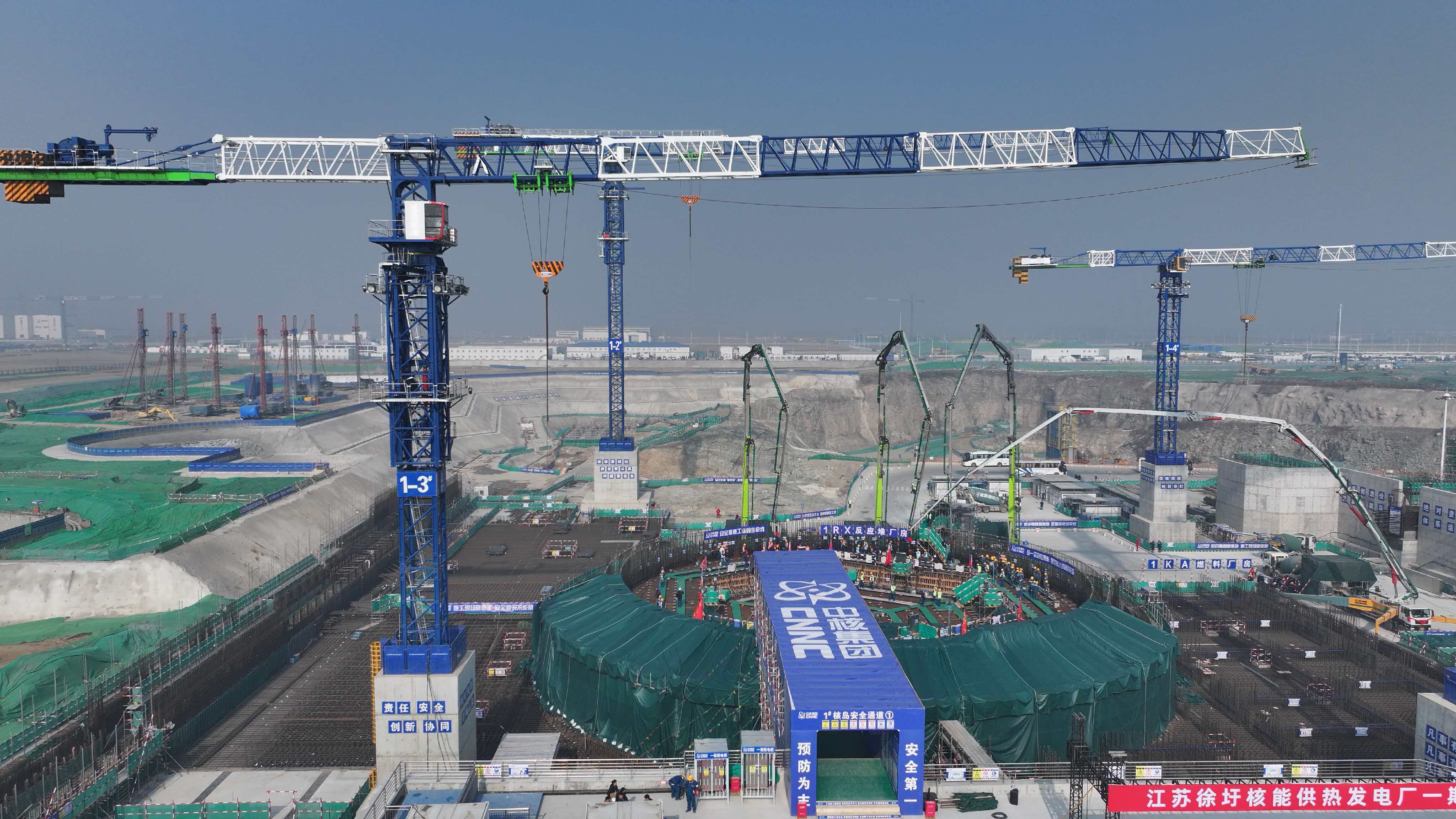
Group 1 - The Hainan Free Trade Port enterprise experience sharing conference was held to showcase the effectiveness of policy implementation and to foster consensus for high-quality development post-closure [1][6] - The conference featured nearly 300 representatives from domestic and international enterprises, industry experts, and government officials, focusing on the theme of "Policy Implementation Strengthens Confidence, Government and Enterprises Work Together to Promote Development" [1][6] - The event aimed to bridge communication between government and enterprises, addressing the "last mile" issue of policy implementation and converting policy benefits into tangible results for business development [1][2] Group 2 - Key enterprises shared their experiences, including Hainan Auscar International Grain and Oil Co., which benefited from the "30% value-added processing duty exemption" policy, leading to a 12% reduction in internal sales costs and a 35% increase in new orders [2][3] - Datang Hainan Energy highlighted the "double 15%" tax incentive, saving over 23 million yuan in tax burdens in the second half of 2025, which was reinvested into offshore wind power projects [3] - Hainan Airport Industry Group utilized the "zero tariff" policy to enhance its logistics infrastructure, achieving a 48% increase in cargo throughput by 2025 [3][4] Group 3 - The cross-border e-commerce sector saw significant growth, with a 62% increase in transaction volume, reaching 800 million yuan, and local product exports rising from 15% to 30% [4][5] - The conference included a policy interpretation area and a government-enterprise negotiation zone, addressing over 200 inquiries from businesses and establishing 17 preliminary cooperation intentions [4][6] - The first month of operation post-closure saw "zero tariff" imports valued at 750 million yuan, a 48% year-on-year increase, and over 5,132 new foreign trade enterprises registered [5][6]
云南能源监管办督导首批风电场改造升级
Zhong Guo Dian Li Bao· 2026-01-21 07:49
罗平山、骑龙山、丰乐风电场改造升级项目是纳入国家2025年风电场改造升级和退役实施方案的重点项 目,由大唐云南发电有限公司投资建设,三个项目改造升级完成后总装机容量从14万千瓦增至39万千 瓦,预计年均发电量超11亿千瓦时,相当于每年减少二氧化碳排放量约34万吨,将有效提升发电效率和 土地利用率,显著增强风电机组安全运行可靠性,进一步提高区域电力供应保障能力。 下一步,云南能源监管办将认真落实国家能源局有关要求,在公平自愿、先进高效、生态优先、确保安 全的前提下,积极推动辖区老旧风电场改造升级工作,促进风电行业持续健康发展,保障云南能源电力 安全稳定可靠供应。(苏亚飞) 为进一步推动云南风电行业高质量发展,积极助力实现碳达峰碳中和,云南能源监管办寓监管于服务, 积极通过现场走访、调研座谈等方式,持续督导大唐云南发电有限公司加快实施罗平山、骑龙山、丰乐 三个老旧风电场改造升级,从而实现提质增效。 近日,上述三个风电场作为云南首批风电场改造升级项目顺利取得核准批复,标志着云南新能源高质量 发展迈出新步伐。 责任编辑:江蓬新 ...
坚持政策支持和改革创新并举
Qi Huo Ri Bao Wang· 2026-01-21 03:06
Core Viewpoint - The National Development and Reform Commission (NDRC) emphasizes the importance of macroeconomic policies aimed at strengthening domestic circulation and expanding domestic demand, while also focusing on the development of the real economy and the construction of a unified national market [1][2][5]. Group 1: Macroeconomic Policies - The NDRC plans to formulate a strategic implementation plan for expanding domestic demand from 2026 to 2030, aligning with the trends of demand upgrades and technological revolutions [1]. - The focus will be on enhancing the quality of key industries and fostering emerging and future industries, particularly through initiatives like "Artificial Intelligence+" [1]. - The NDRC aims to implement a more proactive fiscal policy and moderately loose monetary policy, with a key goal of promoting reasonable price recovery [2]. Group 2: Market Regulation and Competition - The NDRC intends to address "involution" competition by shifting from price competition to value competition, improving market access, and enhancing fair competition mechanisms [2]. - There will be a focus on regulating key industry prices and ensuring a healthy market order through the implementation of quality brand strategies [2]. - The NDRC plans to establish a national unified market construction regulation to standardize behaviors of local governments and enterprises [3]. Group 3: Energy Transition and Carbon Neutrality - The NDRC emphasizes the acceleration of energy transition by increasing the development of non-fossil energy and enhancing the capacity of the power grid [4]. - There will be a strong push for industrial upgrades towards green and low-carbon industries, including the promotion of zero-carbon parks and factories [4]. - The NDRC will implement comprehensive resource management and promote a circular economy to support carbon peak and neutrality goals [4]. Group 4: Economic Outlook - The NDRC forecasts a continuous improvement in economic structure and development momentum, with significant potential in consumption, investment, technology, and regional development [5]. - The focus will be on combining policy support with reform and innovation to transform development potential into new economic growth [5].
循“碳”渐进:转型金融校准高碳行业减排路径
Xin Lang Cai Jing· 2026-01-20 10:39
Group 1 - The article emphasizes the urgent need for high-carbon industries to transition towards low-carbon practices due to increasing climate risks and regulatory pressures, particularly in light of global agreements like the Paris Accord and China's carbon neutrality goals [1][2] - High-carbon industries are significant contributors to greenhouse gas emissions and face mounting compliance and cost pressures in international markets, necessitating technological upgrades and process improvements to enhance competitiveness [2][3] - The transition is capital-intensive, with projected funding needs of approximately 25.2 trillion yuan (around 3.5 trillion USD) from 2024 to 2030 and about 243 trillion yuan (around 34 trillion USD) from 2031 to 2060, highlighting the financial challenges these industries face [3] Group 2 - Transition finance is proposed as a crucial complement to green finance, aimed at supporting high-carbon industries that are committed to transitioning, thereby facilitating a gradual and orderly shift towards lower emissions [4][5] - The calibration mechanism of transition finance is essential to prevent greenwashing and ensure that genuine transition efforts are not excluded from financing opportunities, emphasizing the need for clear boundaries and measurable goals [5] - China's central bank is initiating research on transition finance to create a framework that aligns domestic practices with international standards, focusing on quantifiable standards, innovative financial products, and enhanced information disclosure [6][7] Group 3 - Jiangsu province is piloting a "1+N+N" transition finance support system, which includes evaluation standards for financing entities and a directory of supported economic activities, aimed at facilitating the green transition of traditional high-carbon industries [7] - The system involves dynamic management and regular verification of carbon emissions and reduction performance, ensuring that financial resources are effectively allocated to projects that meet established criteria [7] - The article concludes that a systematic approach involving policy, market, and technology collaboration is necessary for the successful transition of high-carbon industries, with a focus on creating verifiable progress in emissions reduction [8]
“十五五生”态环保工作,确定七个重点任务
仪器信息网· 2026-01-20 09:06
Core Viewpoint - The Ministry of Ecology and Environment held the 2026 National Ecological Environment Protection Work Conference, emphasizing the importance of achieving carbon peak and carbon neutrality to fundamentally improve the environment [1][2]. Group 1: Key Tasks for 2026 - The conference identified seven key tasks for 2026, including the comprehensive promotion of beautiful China construction and the implementation of the 15th Five-Year Plan for ecological environment [4]. - Continuous efforts will be made to advance pollution prevention and ecological system optimization, focusing on the protection of blue skies, clear waters, and clean land, while enhancing solid waste management and new pollutant governance [5]. - There will be a strong emphasis on enhancing green development momentum, promoting green productivity, and addressing climate change through strategic regional development [5]. Group 2: Strengthening Oversight and Innovation - The conference highlighted the need to enhance ecological environment protection inspections and strengthen smart law enforcement and supervision [6]. - Accelerating technological innovation in the ecological environment sector and advancing the construction of a modern ecological environment monitoring system are also prioritized [7]. - Ensuring the safety foundation for beautiful China construction by strengthening ecological safety risk prevention and ensuring nuclear and radiation safety is crucial [8]. Group 3: Legal and International Cooperation - The conference called for the establishment of a modern environmental governance system, improving laws and regulations, and promoting public participation and international cooperation [8]. - The importance of the 20th Central Committee's decisions for the next five years was emphasized, particularly regarding the green transformation of economic and social development [9]. - The conference reiterated the commitment to the concept that "lucid waters and lush mountains are invaluable assets," aiming for a collaborative approach to carbon reduction, pollution control, and green growth [9].


中国明确三个阶段梯度培养零碳工厂
Chang Jiang Shang Bao· 2026-01-20 06:47
Core Viewpoint - The construction of zero-carbon factories is receiving policy support, aimed at enhancing energy efficiency and promoting green low-carbon transformation in key industries [1][2]. Group 1: Policy Guidance - The Ministry of Industry and Information Technology and four other departments issued the "Guiding Opinions on Zero-Carbon Factory Construction," focusing on energy-saving and carbon reduction potential in the industrial sector [1]. - The guidance outlines a three-phase approach to cultivate zero-carbon factories, prioritizing industries with urgent decarbonization needs and lower difficulty in achieving carbon reduction [2]. Group 2: Goals and Timeline - By 2026, a selection of zero-carbon factories will be established as benchmarks, with a focus on sectors such as automotive, lithium batteries, photovoltaics, electronics, light industry, machinery, and computing facilities [2]. - By 2030, the initiative will expand to include high-energy-consuming industries like steel, non-ferrous metals, petrochemicals, building materials, and textiles, exploring new decarbonization pathways [2]. Group 3: Construction Pathways - The construction of zero-carbon factories involves improving carbon emission accounting, transitioning to green energy structures, enhancing energy efficiency, analyzing carbon footprints, and increasing digital intelligence for carbon control [3]. - The Ministry emphasizes that building zero-carbon factories is a complex and systematic project, requiring unified evaluation standards and verification of key technologies [3]. Group 4: Implementation Support - The Ministry will coordinate with relevant departments to implement the guiding opinions, ensuring high-quality advancement of zero-carbon factory construction and supporting industrial green low-carbon transformation [3].
今年起将遴选一批标杆零碳工厂
Xin Lang Cai Jing· 2026-01-19 22:18
Core Viewpoint - The Ministry of Industry and Information Technology, along with four other departments, has issued guidelines for the construction of zero-carbon factories, aiming to enhance energy efficiency and carbon reduction in key industrial sectors, with a target to select a batch of zero-carbon factories starting in 2026 [1] Group 1: Zero-Carbon Factory Construction - Zero-carbon factory construction involves reducing carbon dioxide emissions through technological innovation, structural adjustments, and management optimization, aiming for near-zero emissions within factory premises [1] - The guidelines emphasize the importance of pilot zero-carbon factories in fostering new productive forces and balancing high-quality development with environmental protection, supporting carbon peak and carbon neutrality goals [1] Group 2: Implementation Timeline and Industry Focus - By 2027, the initiative aims to cultivate zero-carbon factories in sectors such as automotive, lithium batteries, photovoltaics, electronics, light industry, machinery, and computing facilities [1] - By 2030, the construction of zero-carbon factories will expand to include traditional high-energy-consuming industries like steel, non-ferrous metals, petrochemicals, building materials, and textiles, exploring new decarbonization pathways [1] Group 3: Construction Pathways - The guidelines outline pathways for zero-carbon factory construction, including establishing a carbon emission accounting system to identify and quantify emissions and removals [2] - Factories are encouraged to build industrial green microgrids and enhance the application of new-generation information technology [2] - Carbon emissions reductions can be offset through mechanisms such as cross-border carbon trading [2]
五部门发文建设零碳工厂:鼓励配置新型储能,开展绿电直连
中关村储能产业技术联盟· 2026-01-19 13:36
Core Viewpoint - The article discusses the "Guiding Opinions on the Construction of Zero Carbon Factories" issued by the Ministry of Industry and Information Technology, emphasizing the importance of reducing carbon emissions through technological innovation, structural adjustments, and management optimization in industrial settings [2][3]. Summary by Sections Phase Goals - By 2026, a selection of zero carbon factories will be identified to serve as benchmarks [3]. - By 2027, a batch of zero carbon factories will be cultivated in industries such as lithium batteries, photovoltaics, automotive, electronics, light industry, machinery, and computing facilities, establishing an industrial ecosystem for zero carbon factory construction [3]. - By 2030, the initiative will expand to include industries like steel, non-ferrous metals, petrochemicals, building materials, and textiles, exploring new decarbonization pathways for traditional high-energy industries [3]. Construction Paths - Establish a carbon emission accounting management system to accurately quantify emissions and removals, including direct and indirect emissions from production activities [4][15]. - Accelerate the transition to a green and low-carbon energy structure, encouraging factories to utilize zero carbon electricity, heat, hydrogen, and fuel supplies [4][15]. - Significantly improve energy efficiency through systematic optimization of production processes, aiming for compliance with national energy consumption standards [4][16]. Supply Chain and Digitalization - Promote zero carbon supply chain management by analyzing carbon footprints of key products and improving carbon emission reduction across the entire supply chain [5][18]. - Enhance digital and intelligent management levels by establishing digital energy and carbon management centers using technologies like IoT and big data for precise measurement and control of energy consumption and emissions [5][19]. Carbon Offsetting and Reporting - Implement carbon offsetting strategies and information disclosure to achieve and maintain near-zero carbon emissions, including participation in cross-border carbon trading [5][19]. - Encourage regular publication of sustainability reports, ESG reports, and zero carbon factory construction reports to disclose carbon emissions and construction progress [6][19]. Implementation Requirements - Strengthen organizational implementation by local industrial and information departments to develop specific plans for zero carbon factory construction [20]. - Improve the standard system to provide scientific and reasonable technical bases for zero carbon factory management and evaluation [21]. - Promote comprehensive services for energy saving and carbon reduction, facilitating technology transfer and market services for industrial enterprises [21].

长源电力:拟以现金方式增加公司全资子公司国能长源武汉青山热电有限公司资本金8842.2万元
Guo Ji Jin Rong Bao· 2026-01-19 10:28
Core Viewpoint - The company is committed to green transformation and aims to implement the "carbon peak and carbon neutrality" strategy by optimizing its power generation structure through capital investment in renewable energy projects [1] Group 1: Investment Details - The company plans to increase the capital of its wholly-owned subsidiary, Guoneng Changyuan Wuhan Qingshan Thermal Power Co., Ltd., by 88.422 million yuan [1] - A subsidiary of Qingshan Company will invest in the construction of the Guoneng Changyuan Wuhan Jiangxia Husi 120MW fish-solar complementary photovoltaic project, with the first phase having a capacity of 80MW [1] Group 2: Project Financials - The static total investment for the Husi photovoltaic project is 292 million yuan, which includes transmission projects and supporting energy storage [1] - The dynamic total investment for the project is 295 million yuan, also encompassing transmission projects and supporting energy storage [1]

全球首个双堆耦合核能综合利用项目在江苏连云港开工
Zhong Guo Jing Ji Wang· 2026-01-19 08:55
Core Viewpoint - The China National Nuclear Corporation (CNNC) has made a significant breakthrough in the nuclear energy sector with the commencement of concrete pouring for the nuclear island of the Jiangsu Xuwei Nuclear Heating Power Plant, marking the start of the world's first large-scale coupling project between nuclear energy and the petrochemical industry, transitioning China's nuclear energy focus from primarily electricity generation to diversified supply [1][4]. Group 1: Project Overview - The Jiangsu Xuwei Nuclear Heating Power Plant is the world's first project to couple pressurized water reactors with high-temperature gas-cooled reactors, and it is also the first commercial promotion project of high-temperature gas-cooled reactors globally [4]. - The project will primarily supply industrial heating while also providing electricity, utilizing China's independently developed third-generation nuclear technology, Hualong One, and fourth-generation high-temperature gas-cooled reactor technology [4]. - The first phase of the project plans to construct two Hualong One units and one high-temperature gas-cooled reactor unit, which will supply 32.5 million tons of industrial steam annually and generate over 11.5 billion kilowatt-hours of electricity, significantly reducing coal consumption and carbon dioxide emissions [4]. Group 2: Environmental Impact and Energy Transition - The project is expected to reduce standard coal consumption by 7.26 million tons and decrease carbon dioxide emissions by 19.6 million tons annually, supporting the green transformation of the petrochemical industry in the Yangtze River Delta region [4]. - The promotion of carbon peak and carbon neutrality is a solemn commitment from China, with nuclear power recognized as a high-quality and efficient clean energy source, essential for achieving sustainable development [7]. - CNNC has established itself as a leader in clean energy, operating 27 nuclear power units and having 18 units under construction or approved, with a total installed capacity of 46.859 million kilowatts [7].