芯片设计

Search documents
共享基经丨与AI一起读懂ETF(十九):科创芯片、科创半导体主题,有何不同?
Mei Ri Jing Ji Xin Wen· 2025-06-18 09:28
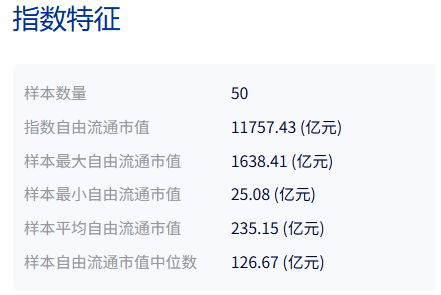
Core Viewpoint - The article discusses the performance and characteristics of two indices related to the semiconductor sector on the STAR Market, namely the STAR Chip Index and the STAR Semiconductor Materials and Equipment Index, highlighting their differences and similarities in terms of sample selection, industry focus, top-weighted stocks, performance, and valuation levels [1][16]. Group 1: Differences - Sample Selection: The STAR Chip Index includes 50 stocks related to semiconductor materials, equipment, chip design, manufacturing, and testing, with an average market capitalization of approximately 235 billion yuan. In contrast, the STAR Semiconductor Materials and Equipment Index consists of 30 stocks focused on semiconductor materials and equipment, with an average market capitalization of about 149 billion yuan [1][2][3]. - Industry Focus: The STAR Chip Index emphasizes the chip design segment, with over 50% weight in integrated circuit design, while the STAR Semiconductor Materials and Equipment Index focuses on semiconductor materials and equipment, with over 50% weight in semiconductor equipment [4][6]. - Top Ten Weights: The cumulative weight of the top ten stocks in the STAR Chip Index is 58.42%, with companies like Haiguang Information and SMIC having weights exceeding 8%. The STAR Semiconductor Materials and Equipment Index has a cumulative weight of 72.42% for its top ten stocks, with companies like Hu Silicon Industry and Hwa Hai Qing Ke also exceeding 8% [8][10]. Group 2: Performance and Valuation - Index Performance: Over the past year to five years, the STAR Chip Index has outperformed the STAR Semiconductor Materials and Equipment Index. However, the STAR Chip Index has shown slightly higher volatility in the past year, while the latter has had higher annualized volatility over three and five years [11][12]. - Valuation Levels: The STAR Chip Index's price-to-book ratio has risen to above the historical 70th percentile, indicating a high valuation, whereas the STAR Semiconductor Materials and Equipment Index remains around the historical 30th percentile, reflecting a significant difference in market perception between chip design and manufacturing segments [13][16]. Group 3: Similarities - Sample Space: Both indices consist of stocks listed on the STAR Market, requiring a listing period of over six months and excluding stocks with delisting risk warnings, ensuring a focus on established companies [17]. - Industry Category: Both indices belong to the semiconductor industry theme, representing a detailed depiction of the semiconductor sector on the STAR Market, which includes many leading companies in this field [17].

盈方微(000670) - 000670盈方微投资者关系管理信息20250612
2025-06-12 11:05
证券代码:000670 证券简称:盈方微 4、什么时候业绩才能由亏转赢呀,业绩一直这样会不会 st? 谢谢您对公司的关注!公司仍将持续专注主营业务,不断提 升核心竞争力,以市场发展为导向,持续做好经营管理工作,努 力提升经营业绩。 5、公司连续多年净利润为负,请问公司实际经营状况如何, 如何扭亏为盈,有没有 ST 的风险,请回答,谢谢 谢谢您对公司的关注!公司将继续加大对分销业务资源投 入,不断拓展布局新的产品线,进一步优化公司的产品结构,以 更加丰富的产品体系满足客户多样化的市场需求,同时,公司将 继续强化客户的主动服务意识,针对不同客户制定相应的服务策 略,以实现更加优质的服务和高度的客户忠诚度;将根据市场发 展动态适时开展新项目的立项,加速推进项目的产品化进程;将 继续探索科学、多样化的人才与薪酬激励机制,健全公司薪酬管 理体系,打造具备优秀凝聚力的人才队伍。 盈方微电子股份有限公司 投资者关系活动记录表 编号:2025-002 | | □特定对象调研□ 分析师会议 | | --- | --- | | 投资者关系 | □ 媒体采访□业绩说明会 | | 活动类别 | □ 新闻发布会□ 路演活动 | | | ...

中颖电子拟易主基金连续三个季度减仓 市场竞争加剧净利三年连降研发缩水
Chang Jiang Shang Bao· 2025-06-09 23:36
Group 1 - The core point of the news is that Zhongying Electronics (300327.SZ), a leading company in the domestic MCU market, is facing a potential change in control as its major shareholder, Weilang International Group, is planning to change the company's control rights [1] - Weilang International currently holds 18.49% of Zhongying Electronics' shares, while the actual controller, Fu Qiming, indirectly holds 14.42% [1] - Zhongying Electronics specializes in the design and sales of integrated circuit products, adopting a fabless business model, and was listed on the A-share market in June 2012 [1] Group 2 - Since its listing, Zhongying Electronics has actively expanded its product offerings, which include industrial MCUs, battery management chips, AMOLED display driver chips, and automotive MCUs [2] - The revenue from industrial MCUs has accounted for nearly 60% of the company's total revenue, while battery management chips contribute around 30% [3] - From 2013 to 2021, Zhongying Electronics experienced continuous growth in both revenue and net profit attributable to shareholders, but since 2022, revenue has stagnated, and net profit has declined for three consecutive years [3] Group 3 - In the first quarter of this year, Zhongying Electronics reported revenue of 319 million yuan, a slight increase of 0.05% year-on-year, while net profit attributable to shareholders was 15.56 million yuan, a decrease of 50.08% year-on-year [3] - Despite the decline in performance, the company's financial condition remains strong, with a debt-to-asset ratio of 19.94% and cash and financial assets totaling 438 million yuan as of the end of the first quarter [3] - The company has distributed a total of 1.107 billion yuan in cash dividends since its listing, with an average dividend payout ratio of 56.19% [4] Group 4 - However, the company's R&D investment has been decreasing in recent years, with 323 million yuan in 2022 and projected investments of 318 million yuan and 300 million yuan for 2023 and 2024, respectively [4] - The R&D investment is still significant, accounting for 22.34% of revenue in 2024 [4] - Fund holdings in Zhongying Electronics have been continuously reduced, with a total of 3.9636 million shares held by funds as of the end of the first quarter, down from 12.7545 million shares by the end of June 2024 [4]

芯原微电子申请请求合并方法、单元及芯片专利,减少合并单元占用的芯片面积
Sou Hu Cai Jing· 2025-06-07 08:42
金融界2025年6月7日消息,国家知识产权局信息显示,芯原微电子(上海)股份有限公司、芯原微电子 (海南)有限公司、芯原科技(上海)有限公司、芯原微电子(南京)有限公司、芯原微电子(成都) 有限公司申请一项名为"请求合并方法、单元及芯片"的专利,公开号 CN120112892A,申请日期为 2023 年09月。 专利摘要显示,本申请提供一种请求合并方法、单元及芯片,涉及芯片设计领域。请求合并单元包括: 多路选择器,被配置为从待合并的多个请求中确定目标请求,所述目标请求为所述多个请求中按预设条 件选取的一个请求;比较器组,与所述多路选择器连接,被配置为将所述目标请求分别与所述多个请求 进行对比,确定所述多个请求中与所述目标请求重复的重复请求;第一逻辑电路,与所述多路选择器连 接,用于向所述多路选择器输出所述多个请求中除所述重复请求和所述目标请求之外的其余请求,以重 复对比过程,直至所述多个请求均完成对比;所述多路选择器还被配置为将所述目标请求输出至所述请 求合并单元之外。 天眼查资料显示,芯原微电子(上海)股份有限公司,成立于2001年,位于上海市,是一家以从事软件 和信息技术服务业为主的企业。企业注册资本49 ...

芯片公司,一年买EDA要花多少钱?
是说芯语· 2025-06-04 00:43
Core Viewpoint - The article summarizes the EDA (Electronic Design Automation) tool expenditures mentioned in the 2024 financial reports of 15 listed SoC/MCU/ASIC chip design companies, indicating that EDA expenses are relatively low, around 1% of total R&D costs, but are crucial for chip design [1]. Group 1: EDA Expenditures - Few companies disclose EDA tool expenses in their annual reports, and the disclosed amounts are generally low compared to overall R&D expenses [1]. - EDA tools are essential in chip design, akin to physical education in school exams, where despite low scoring weight, failing to meet standards can prevent entry into prestigious institutions [1]. - Companies like 瑞芯微 reported a significant increase of 294.58% in long-term payables due to increased EDA tool purchases [1][2]. Group 2: Company-Specific Insights - 中科蓝讯 reported EDA tool payables with a year-end balance of 5,309,734.52 yuan, down from 6,163,510 yuan at the beginning of the period [2][3]. - 普冉半导体 noted a 77% increase in intangible assets attributed to new EDA and IP purchases [5]. - 炬芯科技 indicated a 217% increase in other payables, primarily due to increased EDA tool procurement [7]. - 国民技术 reported EDA tool amortization of 370,000 yuan in long-term deferred expenses [14]. Group 3: Government Support and Risks - 晶晨股份 received government subsidies for EDA innovation applications [9]. - Several companies, including 恒玄科技 and 国科微, mentioned risks associated with EDA in their reports [13][16]. - 北京君正 received multiple EDA-related subsidies, highlighting government support for the industry [16].





AI赋能·智创未来——铱通科技开启芯片设计新革命
半导体行业观察· 2025-05-29 01:15
2025年3月,中国西部科技高地四川省成都市向全球半导体产业投下一枚"技术核弹"——成都 铱通科技有限公司(IRAVIC)发布全球首个AI全自动集成电路设计系统。这项颠覆性技术打 破了延续数十年的芯片设计范式,以自然语言交互驱动的智能设计,将数字与模拟集成电路 设计带入 "工业化智造"新纪元。 该系统的核心在于创造性融合EDA仿真、Transformer架构与自注意力机制。用户仅需输入性能指 标,系统便能在数小时内输出可直接投片的电路版图,效率相较传统人工设计提升数十倍。这一突 破不仅是技术层面的革新,更引发了跨产业学科深度融合、产业基础技术突破和商业价值重塑的三 重变革。 当全球AI产业格局因ChatGPT、DeepSeek等技术掀起浪潮时,铱通科技的突破无疑是对产业未来 的一次精准预判。在成都这片汇聚了丰富科研资源、活跃创新力量与完善产业配套的AI和集成电 路产业生态沃土中,由铱通科技发起的芯片设计革命,不仅为中国在全球EDA底层架构领域赢得 新的定义权,更预示着AI与物理世界深度融合的无限可能。 这不仅是技术的胜利,更是中国创新体系的胜利——它印证了,在蓬勃发展的产业生态滋养下,中 国科技正以创新驱动的 ...
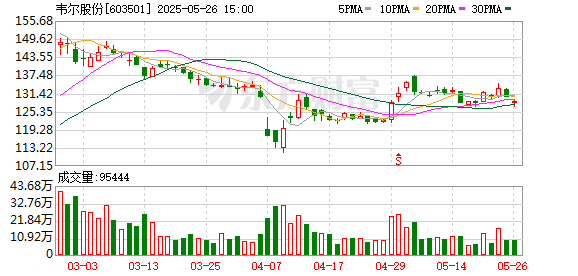
韦尔股份拟赴港上市,能否复制A股千亿市值神话?
Guo Ji Jin Rong Bao· 2025-05-26 08:51
Core Viewpoint - The global semiconductor industry is undergoing a rapid restructuring, with Hong Kong becoming a new hub for technology capital as leading semiconductor companies, including Weir Shares, plan to list on the Hong Kong Stock Exchange [2][3]. Group 1: Company Overview - Weir Shares, a leading CIS chip company, has announced its plan to issue H-shares and list on the Hong Kong Stock Exchange, with a market capitalization of nearly 160 billion yuan [2]. - The company aims to accelerate its international strategy and enhance its overseas financing capabilities, with plans to use the raised funds for technology development, market expansion, strategic investments, and general corporate purposes [3]. Group 2: Financial Performance - In 2024, Weir Shares is projected to achieve a revenue of 25.731 billion yuan, a year-on-year increase of 22.41%, with a net profit of 3.323 billion yuan, reflecting a significant increase of 498.11% [6]. - The company's overseas revenue accounted for 81.47% of total revenue, indicating a strong international market presence [6]. Group 3: Business Segments - The image sensor solutions segment is the primary revenue source for Weir Shares, generating 19.190 billion yuan in 2024, which constitutes 74.76% of its main business revenue, driven by growth in the smartphone and automotive markets [7]. - The touch and display solutions segment saw a revenue decline of 17.77%, while the analog solutions segment increased by 23.18% to 1.422 billion yuan [7]. Group 4: Strategic Developments - Weir Shares plans to change its name to OmniVision Integrated Circuits Group, Inc., to better reflect its industry positioning and future strategic direction [7][8]. - The acquisition of OmniVision Technologies in 2019 significantly boosted Weir Shares' performance, with the CMOS image sensor business becoming a core revenue driver, contributing 83.56% of revenue in 2019 [9].

灿芯股份: 2024年年度股东大会会议材料
Zheng Quan Zhi Xing· 2025-05-21 09:29
Core Viewpoint - The annual shareholder meeting of Canxin Semiconductor (Shanghai) Co., Ltd. will address various proposals, including financial reports, profit distribution, and the appointment of auditing firms for the fiscal year 2025, amidst a significant decline in net profit and revenue for 2024. Group 1: Financial Performance - The net profit attributable to shareholders for 2024 is 61.05 million yuan, a decrease of 64.19% compared to the previous year [6][7]. - The total revenue for 2024 is approximately 1.09 billion yuan, reflecting an 18.77% decline from 2023 [7]. - The net cash flow from operating activities is reported at 9.12 million yuan, down 75.13% year-on-year [7]. Group 2: Business Segmentation - Revenue from chip design business and chip volume production business is categorized, with the latter generating 808.60 million yuan, a 14.54% decrease due to changes in customer demand [9]. - The company completed 190 chip design projects in 2024, marking a 30.14% increase from 2023 [9]. Group 3: Shareholder Meeting Proposals - Proposal one includes the review of the 2024 annual report and its summary, which has been approved by the board and supervisory committee [6]. - Proposal two involves the financial settlement report for 2024 and the budget report for 2025, emphasizing the need for revenue growth strategies [6][7]. - Proposal six outlines a profit distribution plan, proposing a cash dividend of 1.70 yuan per 10 shares, totaling approximately 20.40 million yuan, with a cash dividend ratio of 33.42% [28][30]. Group 4: Governance and Compliance - The board of directors has conducted meetings in compliance with legal regulations, ensuring the legitimacy of resolutions passed [16]. - The supervisory board has effectively monitored the company's operations and financial status, confirming adherence to laws and regulations [26]. - The company plans to revise its articles of association and governance structures, eliminating the supervisory board and transferring its responsibilities to the audit committee [31].
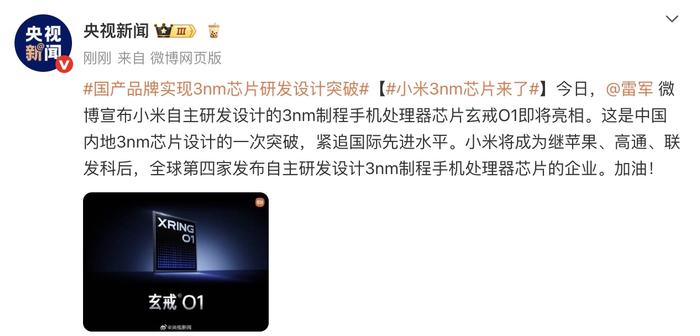
雷军:小米自研SoC芯片采用3nm制程
Guan Cha Zhe Wang· 2025-05-19 04:16
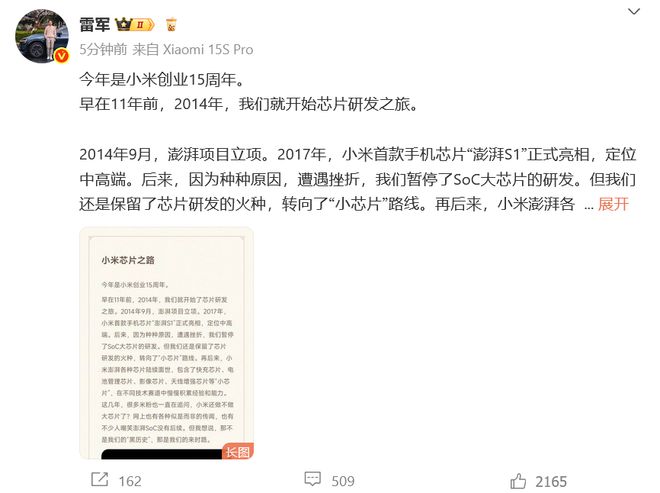
Core Viewpoint - Xiaomi's upcoming self-developed SoC chip "Xuanjie O1" is set to be released, utilizing a second-generation 3nm process technology, surpassing market expectations and marking a significant milestone for China's semiconductor industry [1] Group 1: Chip Development and Investment - Xiaomi has invested over 135 billion RMB in the development of the Xuanjie chip as of April this year, with an expected investment of over 60 billion RMB this year [1] - The R&D team for the Xuanjie chip has grown to over 2,500 members, positioning Xiaomi among the top three in the domestic semiconductor design sector in terms of investment and team size [1] Group 2: Industry Context and Challenges - The semiconductor industry is experiencing a slowdown in Moore's Law, with international giants also reducing their pace in chip miniaturization, making this a critical moment for China's chip development [1][3] - The design and manufacturing of chips are equally important, and achieving breakthroughs in both areas is essential for China to catch up with global leaders [2][3][7] Group 3: Historical Context and Future Prospects - Xiaomi has been committed to semiconductor and operating system development since 2014, with over 100 billion RMB invested in R&D over the past five years [5] - The Xuanjie chip, with 19 billion transistors, represents a significant achievement in mobile SoC design, allowing Xiaomi to compete with global giants like Apple and Samsung [5] - The breakthrough in 3nm chip design is expected to have a positive impact on the domestic industry, attracting talent and enhancing product synergy [7]

中国芯片“两条腿”走路,追平国际最先进设计水平!
Guan Cha Zhe Wang· 2025-05-19 03:59
Core Viewpoint - Xiaomi's upcoming release of the self-developed SoC chip "Xuanjie O1" utilizing 3nm process technology marks a significant milestone for China's semiconductor industry, achieving parity with the world's most advanced design levels and positioning Xiaomi as the fourth global smartphone manufacturer with in-house SoC design capabilities [1][2]. Group 1: Industry Significance - The successful design of the 3nm chip fills a critical gap in the global semiconductor landscape, showcasing China's advancements in high-end chip design [1]. - The chip industry relies on both design and manufacturing, emphasizing the need for Chinese companies to excel in both areas to compete globally [1][2]. - Xiaomi's achievement is seen as a catalyst for the domestic semiconductor industry, potentially boosting talent confidence and driving innovation within the supply chain [2]. Group 2: Historical Context and Future Outlook - Xiaomi's journey in chip development began in 2014 with the establishment of Pinecone Electronics, demonstrating resilience despite earlier setbacks, such as the challenges faced with the Surge S1 chip [2]. - The company has invested over 100 billion yuan in research and development over the past five years, leading to a transformative breakthrough in mobile SoC technology [2]. - The current slowdown of Moore's Law and the deceleration of international giants present a unique opportunity for China to advance in semiconductor technology [2].