
人工智能(AI)

Search documents
全球半导体市值TOP100,中国表现几何?
半导体行业观察· 2025-12-22 01:49
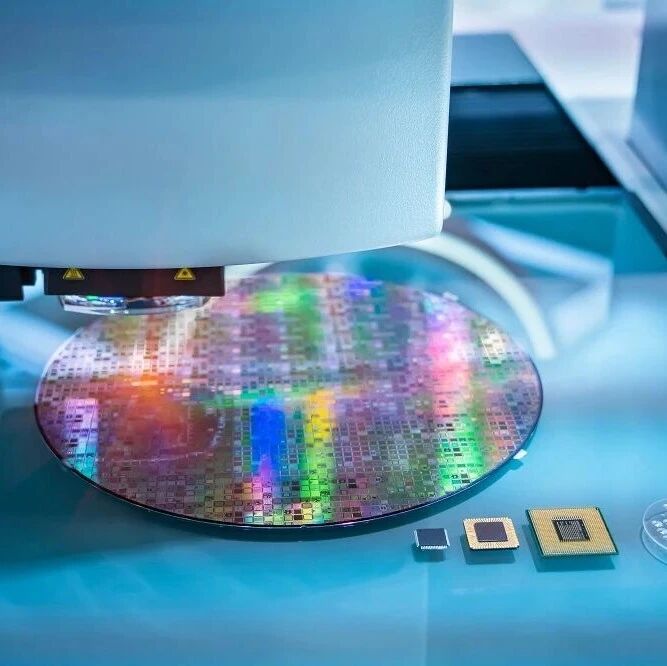
Core Viewpoint - The semiconductor secondary market is experiencing significant fluctuations, with key manufacturers successfully launching IPOs, notable mergers failing, and the market capitalization of a few giants repeatedly reaching new heights. This article emphasizes the need to analyze the current industry landscape and the role of Chinese companies within the global semiconductor market [1]. Group 1: Market Capitalization Overview - As of mid-December 2025, there are 35 companies from China (17 from mainland China, 16 from Taiwan, and 2 from Hong Kong) in the global top 100 semiconductor companies by market capitalization, accounting for approximately 35% of the total [1]. - Notably, companies like Moore Threads and Muxi, which recently completed their IPOs, have market capitalizations of approximately 470 billion USD and 440 billion USD respectively, indicating their potential to rank among the top 25 globally [2]. Group 2: Major Players and Their Market Dynamics - The top three companies, Nvidia, Broadcom, and TSMC, have market capitalizations exceeding 1 trillion USD, reflecting their significant control over the semiconductor industry [5]. - Nvidia's market capitalization is approximately 4.26 trillion USD, marking it as the highest in the semiconductor sector and the world, driven by its pivotal role in AI computing [5]. - Broadcom's market capitalization is around 1.7 trillion USD, supported by its strategic positioning in custom AI ASICs and networking chips [5]. - TSMC holds a market capitalization of about 1.5 trillion USD, recognized for its advanced manufacturing capabilities [6]. Group 3: Storage and Memory Sector - The market capitalization of major memory companies has surged, with SK Hynix at approximately 258.6 billion USD (up 218%), Micron at about 271.4 billion USD (up nearly 175%), and Samsung at around 475.5 billion USD (almost doubling) [7]. - This growth indicates a shift in the value logic of DRAM, as high-bandwidth memory (HBM) becomes essential for high-performance computing systems [7]. Group 4: Equipment and Measurement Companies - Equipment and measurement companies are experiencing significant growth, with ASML at approximately 419.5 billion USD (up nearly 50%), and both Applied Materials and Lam Research surpassing 200 billion USD [8]. - The increasing complexity of manufacturing processes in the AI era is driving demand for advanced equipment and measurement solutions [9]. Group 5: Design Companies and Market Differentiation - Design companies are showing varied performance, with AMD at approximately 343.1 billion USD (up nearly 69%), while Qualcomm's growth is more modest at around 192.4 billion USD (up about 10%) [10]. - This differentiation reflects the varying market expectations and growth potential across different segments of the semiconductor design landscape [10]. Group 6: Chinese Semiconductor Landscape - Chinese companies are diversely positioned within the semiconductor industry, with 17 companies from mainland China primarily focused on manufacturing, equipment, and design [14]. - Taiwan's companies, such as TSMC and MediaTek, play a central role in the global semiconductor supply chain, while mainland China's companies are increasingly establishing their presence in critical segments [13][14]. - The recent IPOs of Moore Threads and Muxi highlight the growing importance of AI computing capabilities within China's semiconductor sector [15]. Group 7: Hong Kong's Role in the Semiconductor Market - Companies from Hong Kong, such as ASMPT and Silicon Motion, serve as connectors between global supply chains and capital markets, playing a stabilizing role in the semiconductor ecosystem [16].



存储大缺货,IDM也要找代工
半导体行业观察· 2025-12-22 01:49
Core Viewpoint - The semiconductor industry is experiencing a significant shortage in storage capacity, leading to soaring prices. Major companies like Micron and SanDisk are seeking partnerships with Powerchip Semiconductor Manufacturing Corporation (PSMC) to quickly ramp up production capacity in response to high demand [1][2]. Group 1: Company Collaborations - Micron is in discussions with PSMC to utilize its newly completed facility, which has the potential to add 40,000 to 50,000 wafers per month, to meet urgent production needs [1][2]. - There are at least three collaboration models being discussed between Micron and PSMC: a pure foundry model, a technology transfer model, and a distribution model that allows PSMC to retain a portion of the produced wafers for its own sales [2][3]. Group 2: Industry Trends - The global semiconductor industry is intensifying competition, particularly among South Korean manufacturers like Samsung and SK Hynix, who are accelerating their storage production to meet the rising demand from AI servers [4]. - Samsung is increasing the utilization of its DRAM and NAND flash production lines and plans to resume construction at its Pyeongtaek plant, aiming for mass production by 2028 [4]. - SK Hynix is preparing to launch its new M15X plant focused on DRAM and AI-oriented storage products, with plans to complete a new wafer fab by 2027 [4]. - The global DRAM market is projected to reach $170 billion by 2026, up from $100 billion in 2024, highlighting the growing importance of production capacity as a competitive factor [4].

科技日报:不要向AI让出你的“语言权”
Ke Ji Ri Bao· 2025-12-22 00:25
AI可以极大程度地解放生产力,尤其在科研领域,它可以让繁冗的数据分析等工作大幅提速,让科研 人员将更多精力投入到创造性环节,进而提高科研效率。但对于AI向普通生活的入侵,尤其对其经由 语言系统"侵蚀大脑"的趋势,则需保持批判性审视的态度。 我们每个人都应持有一份清醒和自觉,和AI保持一定距离,始终把它圈定在"工具角色"的范围之内。我 们可以善用它在检索和整合上的优长,甚至将其作为参考启发、润色校正的助手,但不能逾越"雷池", 让其直接代笔成为"脑替"。 未来,AI势必会接手人类更多的琐碎事务,成为工作、生活的参与者,但不应成为"主导者"。具体到语 言应用上,我们不应向AI交出自己的"语言权"。让技术的归技术、文化的归文化,或许才是我们的正确 选择。 (文章来源:科技日报) AI的普及是迅速的,"开源"之后,AI生成的文本大量流入社会生活。无论是常用文书,还是社交平台、 网络电商的文本文案,文风都为之一变。 这是一种什么样的语言呢?人们一定很难忘记初见它时的惊讶:结构严谨,语法完美,逻辑流畅,辞采 斐然,术语翻飞,比喻排比迭出……但这种没有瑕疵的语言慢慢传递出一种冰冷的"工业味":模式化、 套路化,如同一种新型 ...
让研发告别“手搓试错” 国产BDA软件赋能智造万亿锂电产业|人工智能Al瞭望台
证券时报· 2025-12-22 00:12
Core Viewpoint - The integration of AI with lithium battery research and development is revolutionizing traditional methods, significantly reducing time and costs in the R&D process [1][3][6]. Group 1: Industry Overview - China is the world's largest producer and user of lithium-ion batteries, with a projected shipment volume of 1214.6 GWh in 2024, representing a 36.9% year-on-year growth and accounting for 78% of global shipments [3]. - The industry has a market value exceeding 1 trillion yuan, but the R&D process has been hampered by inefficient traditional methods, often relying on trial and error [3][4]. Group 2: Challenges in R&D - The R&D of lithium batteries is characterized as a "complex system engineering" challenge, facing issues related to cross-scale, long processes, and multiple factors [3]. - Current commercial lithium battery energy densities are nearing their limits, and new generation batteries like lithium metal and solid-state batteries face significant scientific and engineering challenges [3][4]. Group 3: BDA Software Innovation - The BDA (Battery Design Automation) software, developed by Peking University and Yigen Technology, utilizes a dual-drive model of physical simulation and AI to enhance the R&D process [4][6]. - This software can reduce the R&D cycle of a battery cell from 1-2 years to about 6 months and cut material experimentation time from months to days, achieving a cost reduction of 30%-40% [6]. Group 4: Broader Applications and Future Potential - The BDA software's applicability extends beyond lithium-ion batteries to other battery types and materials, including solid-state, sodium, and fuel cells [7]. - The software's underlying algorithms can be adapted for various industries, including fine chemicals and semiconductor materials, indicating a broad potential market [8]. Group 5: Industry Transformation - The adoption of AI in R&D is expected to shift the industry from traditional experimental methods to digital simulation and precise prediction, similar to the evolution seen in the semiconductor industry with EDA software [8][9]. - This transformation is anticipated to reshape competitive dynamics within the industry, as more companies begin to develop core materials and components independently [9]. Group 6: Challenges Ahead - Despite the advancements, the integration of AI in industrial applications faces challenges, including a shortage of interdisciplinary talent and a conservative corporate culture resistant to new digital tools [11]. - There is also a need for targeted policy support for AI industrial software development, as current funding mechanisms are often too broad and not industry-specific [11].

运营效率“一骑绝尘”!OpenAI算力利润率冲至70%,力撑8300亿美元估值
智通财经网· 2025-12-21 23:50
本月初,OpenAI首席执行官萨姆·奥特曼(Sam Altman)在内部发出"红色警报(code red)"后,要求公司暂 停包括Sora视频生成项目在内的多个侧线项目,为期约八周,全力投入ChatGPT的改进工作,以应对日 益激烈的竞争。这一决定凸显了OpenAI内部在"追求广泛的消费者吸引力"与"实现突破性研究目标"之间 更深层次的理念分歧。奥特曼认为,为了确保OpenAI的生存,公司必须将用户满意度置于其最初追求 通用人工智能(AGI)的目标之上。 智通财经APP获悉,据媒体报道,OpenAI在人工智能(AI)运营方面效率持续提升,其算力利润率于10月 达到70%,较去年底的52%显著增长,是2024年1月的约35%的两倍。这是一个内部指标,衡量在扣除为 企业和消费级产品的付费用户运行模型的成本后营收所占的份额。这表明,尽管算力成本居高不下导致 仍未能实现盈利,但OpenAI在为支撑ChatGPT订阅业务、向企业客户出售模型使用权而投入的每一分服 务器运营成本中,正实现更高的营收回报。 据一位知情人士透露,OpenAI 算力利润率的提升得益于两大因素:一是全年算力租赁成本的持续下 降,二是公司对人工智能 ...

【基础化工】先进制程扩产加速,持续看好半导体材料国产化进程——行业周报(20251215-20251219)(赵乃迪/周家诺)
光大证券研究· 2025-12-21 23:03
Group 1 - The core viewpoint of the article highlights that AI demand is driving continuous growth in global semiconductor sales, with a projected sales figure of approximately $612.1 billion in the first ten months of 2025, representing a year-on-year increase of 21.9% [2] - The semiconductor market in mainland China is expected to reach around $169.4 billion in 2025, with a year-on-year growth of 12.5% [2] - The global semiconductor market size is forecasted to reach $700.9 billion in 2025, reflecting a year-on-year growth of 11.2%, with the Asia-Pacific region contributing approximately $370.6 billion, growing by 9.8% [2] Group 2 - The expansion of wafer capacity is accelerating due to the demand growth driven by generative AI, with global 12-inch wafer monthly capacity expected to reach 11.1 million pieces by 2028, corresponding to a CAGR of about 7% from 2024 to 2028 [3] - The capacity for advanced processes of 7nm and below is projected to increase from 850,000 pieces in 2024 to 1.4 million pieces by 2028, with a CAGR of approximately 14% [3] - The number of wafer foundries in mainland China is anticipated to grow from 29 in 2024 to 71 by 2027 [3] Group 3 - The demand for high-bandwidth memory (HBM) is rapidly increasing due to data centers and AI processors, with the global semiconductor materials market expected to reach around $70 billion in 2025, reflecting a year-on-year growth of 6% [4] - The Chinese semiconductor key materials market is projected to reach approximately 174.08 billion yuan in 2025, with a year-on-year increase of 21.1% [4] Group 4 - Advanced processes require higher performance parameters for electronic chemicals, leading to a concentration of industry dynamics towards leading suppliers who can meet the stringent demands of advanced manufacturing processes [5] - The tolerance for foreign contamination in advanced processes has significantly decreased, necessitating higher purity, stability, and consistency in electronic chemicals [5] - Only suppliers with technical strength, scale advantages, and long-term customer relationships are likely to secure core orders in the evolving competitive landscape [5]

企业该如何部署AI?要注意这三大趋势
财富FORTUNE· 2025-12-21 13:11
Core Insights - The article discusses three recurring trends in AI strategies across various companies and industries, highlighting what leads to success or failure in AI adoption [1][2]. Group 1: AI Application Trends - The application of AI in backend tasks is thriving, indicating that impactful results often come from "mundane" work rather than flashy projects [2][7]. - Companies that focus on solving specific problems rather than pursuing AI for its own sake tend to succeed, while those that chase AI technology without a clear purpose often fail [3][5]. Group 2: Human-Centric Approach - The treatment of employees is crucial for the success of AI applications, with a strong emphasis on change management to ensure smooth transitions and acceptance of AI tools [10][11]. - Leaders must manage expectations regarding AI capabilities, as unrealistic demands can lead to frustration among developers and employees [11]. Group 3: Case Studies - BigRentz exemplifies a company that successfully transformed its business by focusing on the problems to be solved rather than the technology itself, utilizing traditional machine learning techniques effectively [5][6]. - Honeywell has established a detailed framework for AI development and deployment, resulting in multiple generative AI projects being implemented across its business units [6]. Group 4: Efficiency Gains - AI applications in backend administrative tasks have shown significant efficiency improvements, such as a law firm saving approximately $200,000 in time costs by automating resume updates for new hires [7][8]. - In healthcare, AI tools are being deployed in backend processes to assist doctors in documentation and data management, enhancing patient interaction and reducing administrative burdens [8][9].

MiniMax通过港交所聆讯:员工平均年龄29岁,2025年前九个月付费用户数超177万名
Mei Ri Jing Ji Xin Wen· 2025-12-21 12:41
每经上海12月21日电(记者 陈婷)12月21日,通用人工智能(AGI)公司MiniMax(稀宇科技)首次刊 发其聆讯后资料集(PHIP)版本的招股书。招股书显示,截至2025年9月30日止的九个月,MiniMax收 入为5343.7万美元。 截至2025年9月底,MiniMax员工385人,平均年龄29岁,研发人员占比近74%,董事会平均年龄32岁。 招股书提及,随着扩大运营规模,MiniMax的毛利率由2023年的-24.7%升至2024年的12.2%,并进一步 升至截至2025年9月30日止九个月的23.3%。此外,其AI(人工智能)原生产品的付费用户数从2023年 的约11.97万名增至2024年的约65.03万名,并于截至2025年9月30日止九个月进一步增至约177.16万名。 截至2025年9月30日,其AI原生产品累计为来自超过200个国家及地区的逾2亿名个人用户,以及来自超 过100个国家及地区的10万余名企业和开发者提供服务。 ...
小摩2026年美股“作战图”:“选择性”牛市到来 板块轮动将惠及高质量增长及低波动性股票(附详细名单)
美股IPO· 2025-12-21 10:55
Core Viewpoint - Morgan Stanley's report emphasizes the specific opportunities and risks faced by various sectors in an AI-driven, K-shaped economic environment, highlighting a constructive but selective investor sentiment [1][6]. Group 1: Investment Themes - Key investment themes for 2026 include long-term growth driven by AI and data center expansion, infrastructure development, and a shift towards high-quality growth and operational resilience [3][6]. - Companies with strong pricing power, long-term growth drivers, robust balance sheets, and those benefiting from transformative trends like data center expansion and infrastructure investment should be prioritized [3][6]. Group 2: Selected Stocks by Sector - The report lists selected stocks across various sectors, including technology (e.g., Arista Networks, Palo Alto Networks), industrials (e.g., Boeing, Caterpillar), healthcare (e.g., Eli Lilly, CVS Health), and energy (e.g., ExxonMobil, Schlumberger) [4][5]. Group 3: Economic Outlook - The U.S. is expected to remain a global growth engine, driven by a resilient economy and an AI-driven supercycle, leading to record capital expenditures and rapid earnings expansion [6][8]. - Despite concerns about an AI bubble and valuation worries, current high valuation multiples are seen as justified due to anticipated above-trend earnings growth and increased shareholder returns [6][7]. Group 4: K-shaped Economic Recovery - The K-shaped economic recovery is creating a scenario of winners and losers, with a significant concentration of market gains among high-quality growth stocks [6][10]. - The S&P 500 index is projected to reach 7,500 points by the end of 2026, with earnings growth expected to be between 13%-15% [7][12]. Group 5: AI and Capital Expenditure - 2026 is anticipated to be another strong year for AI stocks, with capital expenditures likely to exceed expectations as companies and governments accelerate spending to address infrastructure and computing power imbalances [9][12]. - Approximately 60% of S&P 500 companies are investing in AI, with 50% mentioning cost-saving benefits, indicating a growing focus on commercialization [9][12]. Group 6: Policy Environment and Market Dynamics - The dynamic policy environment is expected to drive differentiation among stock themes, with potential benefits from deregulation in sectors like finance and energy [13]. - Tactical opportunities are emerging in low-end consumer stocks and U.S. importers, with attractive valuations and potential short-term upside from fiscal stimulus related to the "Inflation Reduction Act" [13].

A股,重磅来袭!芯片,大消息!证监会出手!摩尔线程,最新发布!影响一周市场的十大消息
券商中国· 2025-12-21 09:31
Group 1: Government Initiatives - The State Council, led by Premier Li Qiang, emphasized the need for all departments to align their actions with the central government's economic strategies for the upcoming year, enhancing responsibility and urgency in task execution [2] - Departments are encouraged to collaborate closely and develop specific implementation plans to ensure effective execution of economic policies [2] Group 2: Market Regulation - The National Internet Information Office and the China Securities Regulatory Commission have cracked down on accounts spreading rumors and illegal stock recommendations, highlighting the importance of maintaining market stability [3] - The authorities have urged the public to adopt correct investment philosophies and enhance their ability to discern financial information [3] Group 3: Major Corporate Transactions - China Shenhua announced a significant acquisition involving the purchase of 100% equity in multiple companies, with a total transaction value of 133.598 billion yuan, marking it as the largest acquisition in A-share market history [4][5] - The acquisition will enhance China Shenhua's coal reserves and production capacity significantly, with coal reserves increasing by 64.72% to 6.849 billion tons and production capacity rising by 56.57% to 512 million tons [5] Group 4: Technological Advancements - Researchers at Shanghai Jiao Tong University have achieved a breakthrough in optical computing, developing a chip that supports large-scale semantic media generation, which is crucial for AI and data processing [6] - Moore Threads unveiled a new GPU architecture that improves computing density by 50% and energy efficiency by ten times, indicating advancements in AI computing capabilities [7] Group 5: Regulatory Developments - The National Development and Reform Commission has released the "Internet Platform Pricing Behavior Rules" to regulate pricing practices on online platforms, ensuring fair competition and consumer protection [9] - The rules prohibit platforms from imposing unreasonable restrictions on sellers' pricing autonomy, promoting a healthier e-commerce environment [9] Group 6: Market Movements - Major U.S. stock indices saw gains, with significant increases in tech stocks, indicating a positive market sentiment [11] - The Chinese stock market is set to experience a substantial unlock of restricted shares, with a total of 210.32 billion shares worth approximately 1879.88 billion yuan becoming tradable [14][15]




